Bentonite
In 65 skincare routines
Summary
Works for
- Anti-blemish
Irritancy risk
1
LowHelps stabilize the product formulation
Products with Bentonite
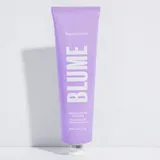 BlumeSuperpower Clay Mask| Best Pore Clarifying and Tightening Mask | Blume
niacinamideglycerinkaolin
Anti-blemish Evens skin tone +2
Price unavailable
 SensaiCellular Performance Standard Series Emulsion III
niacinamidepetrolatumacetyl glucosamine +5 actives
Moisturizing Anti-aging +2
Fragrance
Price unavailable
 Murad UKRetinal ReSculpt Body Treatment
retinalureabutyrospermum parkii butter extract +10 actives
Anti-aging Moisturizing +3
Fragrance
Price unavailable
 LANEIGEBalance Mode Pore Polishing Peel-off Mask
madecassosideniacinamidesalicylic acid +6 actives
Anti-aging Exfoliation +3
Alcohol
Price unavailable
 the klogSweet Potato BHA Clay Mask
niacinamidesalicylic acidglycerin +6 actives
Anti-aging Moisturizing +2
Price unavailable
 Sand & SkyAustralian Pink Clay Resurfacing Mask
salicylic acidgluconolactoneglycolic acid +6 actives
Exfoliation Cleansing +1
Price unavailable
 Peter Thomas RothEven Smoother™ Microdermabrasion Exfoliating Pore Purifier with Salicylic Acid for Oil Control
salicylic acidglycerinkaolin +2 actives
Anti-blemish Exfoliation +1
Price unavailable
 Alpyn BeautyDouble Polishing Peel
azelaic acidlactic acidglycolic acid +14 actives
Exfoliation Anti-oxidation +4
Price unavailable
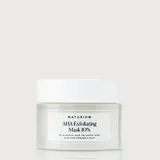 NaturiumAHA Exfoliating Mask 10%
glycolic acidlactic acidbiosaccharide gum-1 +2 actives
Exfoliation Anti-aging +2
Price unavailable
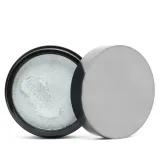 Perricone MDCold Plasma Plus+ Daily Detox Clay Cleanser
copper tripeptide-1copper gluconatecaprylic/capric triglyceride +15 actives
Cleansing
Price unavailable
Similar ingredients
ALLANTOINHelps calm down inflammation in skin and can help reduce itching. Helps to repair the skin barrier and keep skin hydratedCAMELLIA SINENSIS LEAF EXTRACTCan contain potent anti-oxidant compounds (abbreviated ECG, GCG, EGC, and EGCG) that might help protect the skin from free radicals. Can help calm down inflammation and has some anti-bacterial properties. Unfortunately, these antioxidants are unstable and lose their effectiveness very quickly in products. The concentration of the antioxidant compounds in the extract also tends to be low to be effective in topical formulationGLYCOLIC ACIDAn alpha-hydroxy acid (AHA) that helps to remove the dead skin cells on the surface of the skin reveling a more even, smoother complexation. It is also able to stimulate collagen production with long-term use. Could help to reduce pore congestion. It can be irritating to the skin. Apply sunscreen daily if using products with glycolic acidLAURIC ACIDHelps water and oil mix together. Has anti-bacterial properties that might be helpful in preventing blemishesLINOLEIC ACIDAn excellent emollient. Helps soften the skin, restore its barrier function, and can help to calm down inflammation. It can be helpful to prevent blemishes and clogged poresPHYTOSPHINGOSINEA type of lipid that is naturally present in skin. It might help in repairing skin barrier function and has anti-bacterial effectROSMARINUS OFFICINALIS LEAF EXTRACTCan be helpful in reducing inflammation in skin. Is a likely irritantSALICYLIC ACIDUsed for skin exfoliation. It has an anti-inflammatory and anti-bacterial effect, helps to unclog pores, prevent blemishes and speed up healing of the existing ones. Sometimes referred to as a BHA (beta-hydroxy acid)RETINYL PALMITATEThree steps removed from the active form of vitamin A - retinoic acid. To have an effect in the skin, it first needs to be converted twice to become the retinoic acid. This means it is less potent than retinol, but could also be less irritating. Once converted to the retinoic acid in the skin, it helps against all signs of aging, improves skin cell turnover and helps fight blemishes and clogged pores. However, in many cosmetic formulations, it is used in a concentration that is too low to have the full effectNIACINAMIDEIs proven to be effective in reducing blemishes, evening out skin tone and helping to improve lines and wrinkles. It helps the skin to repair sun damage, calm down inflammation and keep maintain good levels of moistureOLEANOLIC ACIDMight be helpful against blemishes, work as an anti-oxidant, reduce inflammation and improve skin's ability to hold on to moisture, but more research is needed to confirm its effectiveness when applied topically to human skinURSOLIC ACIDTAURINECould be helpful in reducing inflammation in skin, evening out the skin tone and neutralizing free radicals, but more research is needed to confirm its effectivenessLACTOBIONIC ACIDA polyhydroxy acid (PHA) that helps shed dead cells from the surface of the skin revealing a smoother, more even skin. PHAs tend to be gentler on the skin compared to AHAs (for example, glycolic acid). It also has hydrating properties and helps attract water to the upper layer of the skin. It can help calm down inflammation in skin and support restoration of the barrier function. It has an anti-oxidant effect as well. It can help reduce fine line, wrinkles and improve skin elasticity ZINC GLUCONATETypically used to stabilize the product formulations. It is a salt of a polyhydroxy acid (PHA) and in larger concentrations, can help shed the dead cells from the skin surface revealing smoother skin. It can help attract water to the upper layer of the skin. Might to be helpful against acne and clogged pores. Could be helpful in neutralizing free radicals, but solid research is missing. Due to the zinc content, might help calm down inflammation in skinGLUCONOLACTONEA polyhydroxy acid (PHA) that helps shed the dead cells from the skin surface revealing smoother skin. Is believed to be genter than AHAs. It helps attract water to the upper layer of the skin and can stimulate production of skin's own hyaluronic acid resulting in improved hydration levels. It has been shown to be helpful against acne and clogged pores if used consistently (e.g over a period of 12 weeks) in high enough concentration. It can help reduce fine lines and wrinkles and improve skin tone with long-term application. Can help neutralize free radicalsBETA-GLUCANHelps attract water to the upper layer of the skin, calm down inflammation and irritation, restore the barrier function and support wound healing. It can be helpful in reducing fine lines and wrinklesMELIA AZADIRACHTA LEAF EXTRACTA plant extract that has anti-bacterial properties. Can be used to preserve the product. Can be irritatingCOPPER GLUCONATETypically used to stabilize the product formulations. It is a salt of polyhydroxy acid (PHA) and in larger concentrations, can help shed the dead cells from the skin surface revealing smoother skin. It can help attract water to the upper layer of the skin. Might to be helpful against acne and clogged pores. Could be helpful in neutralizing free radicals, but solid research is missingMALTOBIONIC ACIDA polyhydroxy acid (PHA) that helps shed the dead cells from the skin surface revealing smoother skin. Is genter than AHAs. In addition, it helps attract water to the upper layer of the skin. It has been shown to be helpful against acne and clogged pores. Might help reduce fine lines and wrinkles and improve skin tone with long-term application. Can help neutralize free radicalsSODIUM ASCORBYL PHOSPHATEA stable derivative of vitamin C. It is oil-soluble which means it is more likely to penetrate the skin compared to the pure form of vitamin C (which is water-soluble), but it is less bio-available and is way less effective in stimulating collagen and reducing wrinkles compared to the pure form of vitamin C (L-ascorbic acid) and its other derivatives (for example, magnesium ascorbyl phosphate). At the same time, this vitamin C derivative has been shown in studies to be effective in reducing acne, blemishes and clogged pores. It is less irritating then the pure form of vitamin CCENTELLA ASIATICA EXTRACTA plant extract that has been shown to be able to reduce inflammation in skin, support restoration of skin barrier function, as well as support collagen production. Contains active compounds called centelloids: asiaticoside, madecasosside, asiatic acid and madecassic acid. Might be helpful in preventing stretch marks. It can be itself be irritating though. ETHYL LINOLEATEHelps reduce acne and blemishes. Helps to soften the upper layer of the skin and reduce inflammation. Might be helpful in reducing hyperpigmentation and evening out the skin tone, but evidence of effectiveness in skin are lackingCHITOSANInhibits acne-causing bacteria on the surface of the skin. Can help to reduce inflammation caused by bacteria. Helps neutralize free radicals in skin. Helps to attract water to the upper layer of the skinBENZOYL PEROXIDEA potent anti-bacterial ingredient that is effective against acne. Often leads to skin dryness and can be irritatingZINC ASPARTATECan help reduce acne and blemishes and reduce inflammation in skinACETYL CARNITINE HCLMight be helpful in decreasing sebum production making the skin less oily. Is claimed to be able to support ceramide production in skin that leads to better hydration, but evidence is lacking. Is able to attract water to the upper layer of the skinCARNITINE HCLMight be helpful in decreasing sebum production making the skin less oily. Is claimed to be able to support ceramide production in skin that leads to better hydration, but evidence is lacking. Is able to attract water to the upper layer of the skinGINKGO BILOBA LEAF EXTRACTA plant extract that might help neutralize free radicals and reduce inflammation in skin. It can be irritatingMANDELIC ACIDHelps shed the upper layer of dead cells from the surface of the skin revealing smoother, brighter skin. It can help to reduce hyperpigmentation. It has anti-bacterial properties, and might help to reduce blemishes, as well as fine lines and wrinkles. It is considered to be gentler than glycolic acidGLUCONIC ACIDA polyhydroxy acid (PHA) that helps shed the dead cells from the skin surface revealing smoother skin. Is believed to be genter than AHAs. It helps attract water to the upper layer of the skin and can stimulate production of skin's own hyaluronic acid resulting in imporved hydration levels. It has been shown to be helpful against acne and clogged pores. Might help reduce fine lines and wrinkles and improve skin tone with long-term application. Can help neutralize free radicalsGALACTOMYCES FERMENT FILTRATEA yeast ferment filtrate (also known as Pitera - a trademarked name for the filtrate reserved by the SK-II brand). It helps attract water to the upper layer of the skin, can help neutralize antioxidants and can be helpful in evening out the skin tone. It might be somewhat helpful in preventing premature skin aging but solid evidence is lacking. A small manufacturer study also shows that, when used in high concentrations, it can help reduce sebum production and help against blocked poresLACTOBACILLUS/PORTULACA OLERACEA FERMENT EXTRACTObtained from fermenting a plant extract with bacteria Lactobacillus. The resulting compound might be able to calm down inflammation and have some anti-oxidant properties, but solid evidence is missingZINC PCAA compound that combines zinc with a hydrating ingredient PCA. Might to be helpful against acne and clogged pores. Can help calm down inflammation in skin. Could be helpful in reducing the formation of free radicals in skin. Might help to reduce fine lines in wrinkles, but solid evidence is missingRETINYL PROPIONATEThree steps removed from the active form of vitamin A - retinoic acid. To have an effect in the skin, it first needs to be converted twice to become the retinoic acid. This means it is less potent than retinol, but could also be less irritating. Once converted to the retinoic acid in the skin, it helps against all signs of aging, improves skin cell turnover and helps fight blemishes and clogged pores, even thought its potency is not as well established as in case of retinol or retinaldehydeCARNITINECENTELLA ASIATICA LEAF EXTRACTA plant extract that has been shown to be able to reduce inflammation in skin, support restoration of skin barrier function, as well as support collagen production. It can be irritating to sensitive skin. Might be helpful in preventing stretch marks. It could, however, itself be irritating.CAMELLIA SINENSIS LEAFGreen tea leaf powder that might contain antioxidants to help neutralize free radicals in skinBAKUCHIOLA plant extract that is, though different in chemical structure, acts similar to retinoids. First studies show that it can help reduce fine lines and wrinkles, improve skin tone, reduce clogged pores and blemishes, and reduce inflammation. There is no conclusive evidence that bakuchiol is as effective as retinol however. The study that directly compared retinol with bakuchiol used bakuchiol applied twice daily compared to once per day for the retinol. According to this study, bakuchiol is less irritating than retinol. Bakuchiol is extracted from seeds of Babchi plant. Other parts of the plant contain coumarins that could cause allergic and irritant reactions. These compounds should be removed in the extraction process when bakuchiol is produced, but it is a good idea to be cautious and stay away from products that include the Babchi plant extracts other than purified bakuchiol to avoid irritationPANTOTHENIC ACIDHelps attract water to the upper layer of the skin and may help reduce inflammation in skinSULFURADAPALENEA retinoid that is effective against acne and keratosis pilaris. It can also help reduce signs of aging (fine lines, wrinkles, loss of elasticity) and can improve skin toneCAPRYLOYL SALICYLIC ACIDNIACINA form of vitamin B3. It is similar in action to niacinamide, but is more likely to cause red flashes in skin as the side effectCANNABIDIOL - DERIVED FROM EXTRACT OR TINCTURE OR RESIN OF CANNABISCBD. Can bind to skin cell receptors and can reduce inflammation, itching, and help support skin barrier functionCANNABIDIOL - SYNTHETICALLY PRODUCEDCBD. Can bind to skin cell receptors and can reduce inflammation, itching, and help support skin barrier functionRETINYL LINOLEATEAn ester of a retinoid and linoleic acid. Three steps removed from the bioactive form of retinoid, retinoic acid. Once converted to retinoic acid in skin, it can help reduce wrinkles, stimulate collagen production, even out skin tone and reduce blemishes. The concentrations used in cosmetic products are often not high enough to have a positive effect in skin. MOROCCAN LAVA CLAYHelps absorb oil (for the time of application) and creates a thicker product consistencyHEILMOOR CLAYZINC COCETH SULFATEHelps water and oil mix together and works are a cleansing agent. Might deposit small quantities of zinc onto the skin after cleansing that might be somewhat helpful for acne-prone skin but conclusive research is missingOENOTHERA BIENNIS OILHelps soften the upper layer of the skin and can support skin barrier functionBETAINE SALICYLATEExfoliating acid, a "relative" of salicylic acidPISTACIA LENTISCUS GUMA tree rasin that could temporarily tighten the skin and might help regulate sebum production, but the research on its effectiveness in skin is lackingINULINHelps attract water to the upper layer of the skin. Is claimed to support the growth of "good" bacteria in skin (as a "prebiotic"), but the research is lackingPOTASSIUM AZELOYL DIGLYCINATEA derivative of azelaic acid. It is obtained by reacting
the chloride of azelaic acid with two molecules of glycine (an amino acid) and potassium hydroxide. It is less studied than azelaic acid, but the available research suggests that it also can be effective in reducing skin redness, hyperpigmentation and blemishes. There are claims that it is more bio-available and more effective than azelaic acid, but no comparison study is available. Potassium azeloyl diglycinate is better soluble in water compared with azelaic acid. Because of this property, products with potassium azeloyl digclycinate can have a nicer textureSALIX ALBA BARK EXTRACTA plant extract that can help neutralize free radicals in skin. It contains a compound salicin that can theoretically be converted into salicylic acid that, in turn, helps reduce inflammation in skin, but the evidence of effectiveness in skin is lacking and the extract is usually not used in a concentration that would enable an exfoliating effectKAOLINA type of clay that consists mainly of aluminum silicate. Helps absorb oil and creates a thicker product consistency. Can be used to add a white color COLLOIDAL SULFURSALIX ALBA BARK POWDERA powder from a tree bark. It might contain some salicylic acidEPIGALLOCATECHIN GALLATEA polyphenol found in tea. This particular compound abbreviated EGCG is the most powerful antioxidant among those extracted from tea (usually green tea). Unfortunately, EGCG is unstable, requires a low pH (below 4) to prevent quick degradation, and does not penetrate the skin very well. This is why the full anti-oxidant effect of EGCG is typically not realized when it is added to topical skincareRETINYL RETINOATEA "hybrid" of retinol and retinoic acid. It is more stable than retinol and is likely to be more effective based on the early research data available. Is as irritating as retinolTretinoinBioavailable form of Vitamin A that is the most effective known topical ingredients for reducing wrinkles, improving skin firmness, treating acne, as well as hyperpigmentation. It is not available over-the counter in many countries, including US and UKHYDROXYPINACOLONE RETINOATEA derivative of the most potent form of vitamin A, retinoic acid. The ingredient can be sold under name Granactive Retinoid. Note that if a skincare brand discloses the concentration of Granactive Retinoid in a product, the concentration refers to a diluted form of Hydroxypinacolone Retinoate: 1% of Granactive Retinoid corresponds to 0.1% of Hydroxypinacolone Retinoate. Hydroxypinacolone Retinoate (HPR) is a unique derivative of retinoic acid because it can directly work in the skin and does not require additional conversion steps. According to studies done by the manufacturer on models of human skin (not real people), this derivative is more effective than other cosmetic versions of retinoids (such as retinol, retinaldehyde, and retinyl palmitate), and, at the same time, causes less irritation. It has been also demonstrated to be more stable than retinol which makes formulating with easier and increases the chances that a product with it will maintain its effectiveness after opening. The packaging should still ideally be air-tight. HPR is available over the counter in the EU, UK, Asia, Australia and New Zealand, but is only with a prescription in Canada.RETINALOne step removed from the biologically active in skin form of vitamin A. Once converted to the retinoic acid in the skin, retinal is proven to be effective against all signs of aging. It improves skin cell turnover, helps fight blemishes and clogged pores, can regulate excess oil production and even skin tone. Concentrations of 0.05% and 0.1% are shown to be effective. It can, however, be irritatingRETINOLTwo steps removed from the active form of vitamin A - retinoic acid. Once converted to the retinoic acid in the skin, retinol is proven to be effective against all signs of aging. It improves skin cell turnover, helps fight blemishes and clogged pores, can regulate excess oil production and even skin tone. It can, however, be quite irritatingAZELAIC ACIDIs produced by a yeast that lives on normal human skin. It is used in medicine as a topical treatment for mild to moderate acne. It has a mild exfoliating effect. It can also help reduce hyperpigmentation, helps calm down inflammation and can help neutralize free radicals