Salix alba bark powder
Summary
Works for
- Anti-inflammatory
- Anti-blemish
- Exfoliation
Irritancy risk
3
HighA powder from a tree bark. It might contain some salicylic acid
Products with Salix alba bark powder
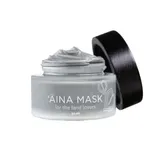 Honua Hawaiian SkincareAina Detoxifying Mask
ethylhexyl olivateglycerinhamamelis virginiana extract +4 actives
Moisturizing
Price unavailable

Similar ingredients
Anti-inflammatory
ACETYL DIPEPTIDE-1 CETYL ESTERA type of peptide. Peptides are excellent moisturizers and might be able support collagen production reducing fine lines and wrinklesALLANTOINHelps calm down inflammation in skin and can help reduce itching. Helps to repair the skin barrier and keep skin hydratedALOE BARBADENSIS LEAF JUICETraditionally used to treat sunburns, dermatitis and inflammation, but evidence for its effectiveness is lacking. The extract can contain humectants that help attract water into the skinAVENA SATIVA KERNEL EXTRACTAn effective moisturizing and skin barrier repair ingredient. Helps calm down inflammation and has some anti-oxidant propertiesVIOLA TRICOLOR EXTRACTA plant extract that might have an anti-inflammatory effect in skinCHAMOMILLA RECUTITA FLOWER EXTRACTPlant extract that can have healing and anti-inflammatory properties. It is a potential allergen and can be irritatingANTHEMIS NOBILIS FLOWER OILAn essential oil that is used as a fragrance and can be irritating. It might have some anti-oxidant effect in skinCENTELLA ASIATICA EXTRACTA plant extract that has been shown to be able to reduce inflammation in skin, support restoration of skin barrier function, as well as support collagen production. Contains active compounds called centelloids: asiaticoside, madecasosside, asiatic acid and madecassic acid. Might be helpful in preventing stretch marks. It can be itself be irritating though. BISABOLOLAn active component of chamomile plant that historically has been used to calm down irritated skin. A recent study shows that bisabolol indeed can have some anti-inflammatory effect on skin, even though conclusive data is lacking. Bisabolol has a sweet floral scent and can be added to products for its aromatic propertiesCOMMIPHORA MUKUL RESIN EXTRACTA plant extract might be helpful in neutralizing free radicals and reducing inflammation in skin GLYCYRRHIZA GLABRA ROOT EXTRACTA plant extract that can help lighten the skin and calm down inflammation. Might be helpful in neutralizing free radicalsLINOLENIC ACIDAn emollient that helps soften the skin and calm down inflammationNIACINAMIDEIs proven to be effective in reducing blemishes, evening out skin tone and helping to improve lines and wrinkles. It helps the skin to repair sun damage, calm down inflammation and keep maintain good levels of moisture.
The concentration of about 2% is effective for supporting the skin barrier and evening out the skin tone. Concentration of 4-6% is better for helping with acne and balancing the sebum productionPHYTOSPHINGOSINEA type of lipid that is naturally present in skin. It might help in repairing skin barrier function and has anti-bacterial effectSALICYLIC ACIDUsed for skin exfoliation. It has an anti-inflammatory and anti-bacterial effect, helps to unclog pores, prevent blemishes and speed up healing of the existing ones. Sometimes referred to as a BHA (beta-hydroxy acid)SIGESBECKIA ORIENTALIS EXTRACTA plant extract that can contain an anti-inflammatory compoundSILYBUM MARIANUM EXTRACTMight be able to help neutralize free radical, calm down inflammation in skin, and even skin toneSTEARYL GLYCYRRHETINATEA fatty acid derived from licorice. Works as an emollient and can help calm down inflammationPANAX GINSENG ROOT EXTRACTA plant extract that might have some anti-inflammatory properties, but solid evidence is lacking. It can be irritatingTOCOPHEROLPure form of vitamin E. Can help moisturise and protect the skin from free radicals. Often used to help stabilise other ingredients or the formula itselfDIPOTASSIUM GLYCYRRHIZATEA salt derived from licorice. Works as an emollient to soften the upper layer of the skin and can help calm down inflammation. Might be helpful for skin lighteningGLYCYRRHETINIC ACIDActive compound of licorice root. Works to calm down inflammation, as an anti-oxidant, and might be helpful in lightening the skin and reducing hyperpigmentationGLYCYRRHIZA GLABRA LEAF EXTRACTA plant extract that can be effective for calming down inflammation and lightening the skin, but the effectivenss in products can vary significantly based on the extract quality and concentration usedLACTOBACILLUS FERMENTA fermentation product created by bacteria Lactobacillus. The fermented product has anti-bacterial properties and might be helpful in calming down inflammation, but studies are lacking. Helps attract water to the upper layer of the skin. Can be used as a preservativeADENOSINE PHOSPHATEMight help improve cell turnover and reduce inflammation in skin. One study shows that the ingredients might be able to stimulate collagen production in skinANTHEMIS NOBILIS FLOWER EXTRACTA plant extract that one one hand, can contain compounds that can help calm down skin irritation, but, on the other hand, its other compounds (especially fragrant ones) can themselves be irritatingYEAST EXTRACTHelps attract water to the upper layer of the skin and might have some anti-oxidant and skin lightening properties. It can help calm down inflammation in skinOLEANOLIC ACIDMight be helpful against blemishes, work as an anti-oxidant, reduce inflammation and improve skin's ability to hold on to moisture, but more research is needed to confirm its effectiveness when applied topically to human skinURSOLIC ACIDCURCUMA LONGA ROOT EXTRACTA plant extract that can contain an active compound curcumin, that may have some anti-inflammatory properties when applied to the skin, but solid research is lacking and the typical concentration used in skincare products is too low. Can be an irritantSCUTELLARIA BAICALENSIS ROOT EXTRACTA plant extract that might contain a compound baicalin that could be helpful in neutralizing free radicals and reducing inflammation in skin. The baicalin concentration in skincare products is often too low for an effective action. Can be used for its fragrant propertiesSNAIL SECRETION FILTRATETypically contains hyaluronic acid that helps attract water to the upper layer of the skin. Might contain allantoin that is helpful in calming down inflammation. There is no evidence that it can have any further benefits for the skin, especially when used in skincare productsPANTETHINEHelps to hydrate the skin by improving its barrier funcitonCOLLOIDAL OATMEALHelps to restore skin barrier function, soften the upper layer of the skin and calm down inflammationFERULIC ACIDA potent anti-oxidant that has been shown to be effective in neutralizing free radicals in skin. There seem to have a synergetic effect of ferulic acid, vitamin E and C, meaning that when the ingredients are used together, they enhance each other's ability protect the skin against free radicals. Ferulic acid also helps to stabilize other ingredients - including vitamins C and E. It can help to even out the skin tone. Ferulic acid is approved for use as a sunscreen ingredient in Japan in concentrations up to 10% CHLORELLA VULGARIS EXTRACTA plant extract that can help to attract water to the upper layer of the skin and might have some anti-oxidant and anti-inflammatory propertiesTAURINECould be helpful in reducing inflammation in skin, evening out the skin tone and neutralizing free radicals, but more research is needed to confirm its effectivenessCERAMIDE EOSA type of lipid similar to ceramides naturally present in skin. Helps to soften the upper layer of the skin and supports the skin barrier function to keep it hydrated. Can help to prevent inflammation in skinCERAMIDE EOPA type of lipid similar to ceramides naturally present in skin. Helps to soften the upper layer of the skin and supports the skin barrier function to keep it hydrated. Can help to prevent inflammation in skinCERAMIDE 3A type of lipid similar to ceramides naturally present in skin. Helps to soften the upper layer of the skin and supports the skin barrier function to keep it hydrated. Can help to prevent inflammation in skinCERAMIDE APA type of lipid similar to ceramides naturally present in skin. Helps to soften the upper layer of the skin and supports the skin barrier function to keep it hydrated. Can help to prevent inflammation in skinCERAMIDE 1A type of lipid similar to ceramides naturally present in skin. Helps to soften the upper layer of the skin and supports the skin barrier function to keep it hydrated. Can help to prevent inflammation in skinCERAMIDE 2A type of lipid similar to ceramides naturally present in skin. Helps to soften the upper layer of the skin and supports the skin barrier function to keep it hydrated. Can help to prevent inflammation in skinCERAMIDE 6 IIA type of lipid similar to ceramides naturally present in skin. Helps to soften the upper layer of the skin and supports the skin barrier function to keep it hydrated. Can help to prevent inflammation in skinCERAMIDE NGA type of lipid similar to ceramides naturally present in skin. Helps to soften the upper layer of the skin and supports the skin barrier function to keep it hydrated. Can help to prevent inflammation in skinCERAMIDE NSA type of lipid similar to ceramides naturally present in skin. Helps to soften the upper layer of the skin and supports the skin barrier function to keep it hydrated. Can help to prevent inflammation in skinCAPROOYL PHYTOSPHINGOSINEA component of ceramides. Helps to soften the upper layer of the skin and supports the skin barrier function to keep it hydrated. Can help to prevent inflammation in skinCAPROOYL SPHINGOSINEA component of ceramides. Helps to soften the upper layer of the skin and supports the skin barrier function to keep it hydrated. Can help to prevent inflammation in skinRICINUS COMMUNIS SEED OILA plant oil that can help soften the skin. It might be helpful in calming down inflammation, but solid research is lacking. Is often used in lip products to create the needed product consistencyORBIGNYA OLEIFERA SEED OILA plant oil that can help soften the upper layer of the skin. Might be helpful in calming down inflammation in skinLACTOBIONIC ACIDA polyhydroxy acid (PHA) that helps shed dead cells from the surface of the skin revealing a smoother, more even skin. PHAs tend to be gentler on the skin compared to AHAs (for example, glycolic acid). It also has hydrating properties and helps attract water to the upper layer of the skin. It can help calm down inflammation in skin and support restoration of the barrier function. It has an anti-oxidant effect as well. It can help reduce fine line, wrinkles and improve skin elasticity HYDROXYPHENYL PROPAMIDOBENZOIC ACIDMight help to reduce inflammation in skin, but solid research is lackingHYDROLYZED MYRTUS COMMUNIS LEAF EXTRACTCENTAURIUM ERYTHRAEA EXTRACTA plant extract that can help calm down inflammation in skinMICROCOCCUS LYSATEConsists of remains of dead bacteria cells. Is likely helpful in attracting water to the upper layer of the skin. Might be helpful in reducing inflammation and neutralizing free radicals in skin. It is claimed to be a "DNA repair enzyme"VITIS VINIFERA SEED EXTRACTA plant extract that contains resveratrol and other anti-oxidant compounds that can help neutralize free radicals, reduce inflammation in skin and even out its tone. Can be also used to stabilize the product formulationBETA-GLUCANHelps attract water to the upper layer of the skin, calm down inflammation and irritation, restore the barrier function and support wound healing. It can be helpful in reducing fine lines and wrinklesHYDROLYZED SOY PROTEINHelps attract water to the upper layer of the skin. Might have some anti-aging, anti-oxidant, and skin lightening properties, but solid evidence is missingROSA CANINA SEED OILA plant oil that helps soften the upper layer of the skin. It might have anti-oxidant properties. Might help reduce inflammation in skin and help against blemishesBORAGO OFFICINALIS SEED OILA plant oil that is effective in reducing irritation in skin, restore the barrier function and support its hydrationMAGNESIUM ASPARTATEMight be helpful in restoring skin barrier function and calm down inflammation in skinZINC PYRITHIONEMight be helpful in calming down inflammation and restoring skin barrier functionZINC GLUCONATETypically used to stabilize the product formulations. It is a salt of a polyhydroxy acid (PHA) and in larger concentrations, can help shed the dead cells from the skin surface revealing smoother skin. It can help attract water to the upper layer of the skin. Might to be helpful against acne and clogged pores. Could be helpful in neutralizing free radicals, but solid research is missing. Due to the zinc content, might help calm down inflammation in skinZINC PCAA compound that combines zinc with a hydrating ingredient PCA. Might to be helpful against acne and clogged pores. Can help calm down inflammation in skin. Could be helpful in reducing the formation of free radicals in skin. Might help to reduce fine lines in wrinkles, but solid evidence is missingCUCUMIS SATIVUS OILA plant oil that works as a great moisturizer by softening the upper layer of the skin. Due to the high linoleic acid content, can help reduce inflammation in skinHYDROGENATED CASTOR OILA plant oil that can help soften the skin. It might be helpful in calming down inflammation, but solid research is lacking. Is often used in lip products to create the needed product consistencyGINKGO BILOBA LEAF EXTRACTA plant extract that might help neutralize free radicals and reduce inflammation in skin. It can be irritatingZINC ASPARTATECan help reduce acne and blemishes and reduce inflammation in skinSERENOA SERRULATA FRUIT EXTRACTA plant extract that might help calm down inflammation in skin but evidence of effectiveness is lackingETHYL LINOLEATEHelps reduce acne and blemishes. Helps to soften the upper layer of the skin and reduce inflammation. Might be helpful in reducing hyperpigmentation and evening out the skin tone, but evidence of effectiveness in skin are lackingSALIX ALBA BARK EXTRACTA plant extract that can help neutralize free radicals in skin. It contains a compound salicin that can theoretically be converted into salicylic acid that, in turn, helps reduce inflammation in skin, but the evidence of effectiveness in skin is lacking and the extract is usually not used in a concentration that would enable an exfoliating effectLEONTOPODIUM ALPINUM CALLUS CULTURE EXTRACTA plant stem cell extract that might help neutralize free radicals and reduce inflammation in skinVACCINIUM MACROCARPON SEED OILA plant oil that can help neutralize free radicals, soften the upper layer of the skin, and support skin's barrier functionLYCIUM BARBARUM FRUIT EXTRACTA plant extract that can help neutralize free radicals in skin and attract water to its upper layerHAMAMELIS VIRGINIANA EXTRACTA plant extract that can help calm down inflammation in skin. Can, however, itself be irritatingHAMAMELIS VIRGINIANA WATERA plant extract that can help calm down inflammation in skin. Can, however, itself be irritatingHAMAMELIS VIRGINIANA FLOWER WATERA plant infused water that might help calm down inflammation in skin. Can, however, itself be irritatingHAMAMELIS VIRGINIANA BARK/LEAF/TWIG EXTRACTA plant extract that can help calm down inflammation in skin. Can, however, itself be irritatingHAMAMELIS VIRGINIANA LEAF EXTRACTA plant extract that can help calm down inflammation in skin. Can, however, itself be irritatingBUDDLEJA OFFICINALIS FLOWER EXTRACTA plant flower extract that might help calm down inflammation in skin and neutralize free radicals, but evidence of effectiveness in skin is lackingTARAXACUM OFFICINALE EXTRACTA plant extract that might have anti-oxidant and anti-inflammatory properties, but evidence of effectiveness in skin is lacking. Can be an allergenHYDROLYZED GINSENG SAPONINSPlant extract that might help calm down inflammation in skin and neutralize free radicals, but effectiveness of topical application is not confirmed. Can be an allergenENANTIA CHLORANTHA BARK EXTRACTA bark extract that might help clam down inflammation and neutralize free radicals , but evidence of effectiveness in skin is lackingBRASSICA OLERACEA CAPITATA LEAF EXTRACTPlant extract that might help calm down inflammation and have some anti-oxidant propertiesSEA WHIP EXTRACTMight help neutrlize free radicals, calm down inflammation, and attract water to the upper layer of the skinGLOBULARIA CORDIFOLIA CALLUS CULTURE EXTRACTAn extract from plant stem cells that might help calm down inflammation in skinLACTOCOCCUS FERMENT LYSATEConsists of remains of dead bacteria cells. Is likely helpful in attracting water to the upper layer of the skin. Might be helpful in reducing inflammation and neutralizing free radicals in skinSAURURUS CHINENSIS EXTRACTPlant extract that might have some anti-inflammatory propertiesOLEIC ACIDHelps soften the upper layer of the skin. At the same time, it can weaken the skin's barrier enhancing penetration of other ingredients and increasing the risk of skin drynessSPILANTHES ACMELLA FLOWER EXTRACTPlant extract that might hep calm down inflammation in skinCHAMOMILLA RECUTITA EXTRACTPlant extract that can have healing and anti-inflammatory properties. It is a potential allergen and can be irritatingASTAXANTHINHelps neutralize free radicals in skin and might help to calm down inflammationSWERTIA CHIRATA EXTRACTA plant extract that can have an anti-bacterial and anti-inflammatory effect, but evidence of effectiveness is lackingALTHAEA ROSEA ROOT EXTRACTA plant extract that has some anti-inflammatory properties, can help attract water to the upper layer of the skin and is also used to thicken the product formulationsVISCUM ALBUM LEAF EXTRACTA plant extract that has anti-inflammatory and anti-bacterial properties and might help neutralize free radicals in skin, but solid research is lackingSACCHAROMYCES/IMPERATA CYLINDRICA ROOT FERMENT EXTRACTYeast extract obtained from a plant root (cogon grass). It works as an excellent humectant attracting water to the upper layer of the skin. Can have some anti-inflammatory effectLACTOBACILLUS/PORTULACA OLERACEA FERMENT EXTRACTObtained from fermenting a plant extract with bacteria Lactobacillus. The resulting compound might be able to calm down inflammation and have some anti-oxidant properties, but solid evidence is missingECHIUM PLANTAGINEUM SEED OILA plant oil that because of its high content of alpha-linolenic acid help support skin barrier function and moisturize the skinCARDIOSPERMUM HALICACABUM FLOWER/LEAF/VINE EXTRACTA plant extract that might have some anti-inflammatory and anti-oxidant properties but evidence is missing CENTELLA ASIATICA LEAF EXTRACTA plant extract that has been shown to be able to reduce inflammation in skin, support restoration of skin barrier function, as well as support collagen production. It can be irritating to sensitive skin. Might be helpful in preventing stretch marks. It could, however, itself be irritating.CERAMIDE ASA type of lipid similar to ceramides naturally present in skin. Helps to soften the upper layer of the skin and supports the skin barrier function to keep it hydrated. Can help to prevent inflammation in skinCERAMIDE NPA type of lipid similar to ceramides naturally present in skin. Helps to soften the upper layer of the skin and supports the skin barrier function to keep it hydrated. Can help to prevent inflammation in skinHYDROXYPALMITOYL SPHINGANINEA type of lipid similar to ceramides naturally present in skin. Helps to soften the upper layer of the skin and supports the skin barrier function to keep it hydrated. Can help to prevent inflammation in skinSAMBUCUS NIGRA FLOWER EXTRACTA plant extract that might help neutralize free radicals in skinTAMARINDUS INDICA EXTRACTA plant extract that might have antioxidant and anti-inflammatory effect in skin but solid evidence is lackingCETYLHYDROXYPROLINE PALMITAMIDEA type of lipid similar to ceramides naturally present in skin. Helps to soften the upper layer of the skin and supports the skin barrier function to keep it hydrated. Can help to prevent inflammation in skinBAKUCHIOLA plant extract that is, though different in chemical structure, acts similar to retinoids. First studies show that it can help reduce fine lines and wrinkles, improve skin tone, reduce clogged pores and blemishes, and reduce inflammation. There is no conclusive evidence that bakuchiol is as effective as retinol however. The study that directly compared retinol with bakuchiol used bakuchiol applied twice daily compared to once per day for the retinol. According to this study, bakuchiol is less irritating than retinol. Bakuchiol is extracted from seeds of Babchi plant. Other parts of the plant contain coumarins that could cause allergic and irritant reactions. These compounds should be removed in the extraction process when bakuchiol is produced, but it is a good idea to be cautious and stay away from products that include the Babchi plant extracts other than purified bakuchiol to avoid irritationNARINGENINA flavanoid that can be found in high concentrations in grapefruits, oranges, other citrus fruits, and tomato skin. Early studies suggest that it might be able to help reduce inflammation in skin and neutralize free radicalsSPIRAEA ULMARIA FLOWER EXTRACTMight have some anti-oxidant and anti-inflammatory properties. Can be irritatingOENOTHERA BIENNIS OILHelps soften the upper layer of the skin and can support skin barrier functionBACKHOUSIA CITRIODORA LEAF EXTRACTA plant extract used mostly as a fragrance. Can have some anti-microbial and anti-oxidant propertiesCAMELLIA OLEIFERA LEAF EXTRACTA plant extract that can help neutralize free radicals and reduce inflammation, even though it is not usually used in sufficient concentration in cosmeticsCALENDULA OFFICINALIS FLOWER OILA plant oil that might have an antibacterial and some antioxidant effect. Is a common allergen and irritantHIPPOPHAE RHAMNOIDES FRUIT OILA plant oil that might somewhat help to neutralize free radicals. It could be irritatingPHELLODENDRON AMURENSE BARK EXTRACTA plant extract that might have an anti-inflammatory effectALBIZIA JULIBRISSIN BARK EXTRACTA plant extract that might help to neutralize free radicals in skin. Is claimed to help reduce hyperpigmentation but evidence is missingALBIZIA JULIBRISSIN BARK/SEED EXTRACTA plant extract that might help to neutralize free radicals in skin. Is claimed to help reduce hyperpigmentation but evidence is missingALBIZIA JULIBRISSIN BRANCH/LEAF EXTRACTA plant extract that might help to neutralize free radicals in skin. Is claimed to help reduce hyperpigmentation but evidence is missingALBIZIA JULIBRISSIN FLOWER EXTRACTA plant extract that might help to neutralize free radicals in skin. Is claimed to help reduce hyperpigmentation but evidence is missingALBIZIA JULIBRISSIN SEED EXTRACTA plant extract that might help to neutralize free radicals in skin. Is claimed to help reduce hyperpigmentation but evidence is missingARTEMISIA VULGARIS EXTRACTA plant extract that might have some anti-inflammatory and anti-oxidant properties. It can be irritatingCENTELLA ASIATICA LEAF CELL EXTRACTA plant extract that has been shown to be able to reduce inflammation in skin, support restoration of skin barrier function, as well as support collagen production. It can be irritating to sensitive skin. Might be helpful in preventing stretch marks. It could, however, itself be irritating.CENTELLA ASIATICA FLOWER/LEAF/STEM EXTRACTA plant extract that has been shown to be able to reduce inflammation in skin, support restoration of skin barrier function, as well as support collagen production. Contains active compounds called centelloids: asiaticoside, madecasosside, asiatic acid and madecassic acid. Might be helpful in preventing stretch marks. It can be itself be irritating though. ASIATIC ACIDAn active compound of Centella Asiatica plant extract. In combination with other active compounds of Centella Asiatica extract (asiaticoside, madecasosside and madecassic acid) asiatic acid has been shown to be helpful in wound-healing, restoring skin barrier function and supporting collagen production in skin. It can, however, itself be irritatingCALENDULA OFFICINALIS EXTRACTA plant extract that might help neutralize free radicals in skinSISYMBRIUM IRIO SEED OILA plant oil that helps soften the upper layer of the skin. Could help reduce inflammation due to high content of linolenic acidPOTASSIUM AZELOYL DIGLYCINATEA derivative of azelaic acid. It is obtained by reacting
the chloride of azelaic acid with two molecules of glycine (an amino acid) and potassium hydroxide. It is less studied than azelaic acid, but the available research suggests that it also can be effective in reducing skin redness, hyperpigmentation and blemishes. There are claims that it is more bio-available and more effective than azelaic acid, but no comparison study is available. Potassium azeloyl diglycinate is better soluble in water compared with azelaic acid. Because of this property, products with potassium azeloyl digclycinate can have a nicer textureSUPEROXIDE DISMUTASEAn antioxidant enzyme that is naturally present in skin. It can help support skin barrier function and reduce inflammation in skin. It is used in topical medications for inflammatory skin conditions including atopic dermatitis (eczema) and psoriasis. There are three types of natural Superoxide Dismutase in human skin. The compound used in topical treatments and cosmetics are mimics of typically one of these natural variantsHYALURONIC ACIDOne of the best moisturizing ingredients. Attracts water into the upper layer of the skin. Naturally present in skin. Typically has large molecule size unless advertised otherwise on the product label. Helps support skin's barrier function and may help to reduce inflammationCAMELLIA SINENSIS CATECHINSA group of chemical compounds extracted from Green Tea. They can help neutralize free radicals in skin. Might be able to help repair sun damage and clam down inflammation in skinPRUNUS ARMENIACA FRUIT EXTRACTA fruit extract that might have some antioxidant properties and might help attract water to the skin, but evidence of effectiveness is lackingCYANOCOBALAMINCan support skin barrier function and reduce inflammation in skinAMINOBUTYRIC ACIDHas been shown to support wound healing and skin barrier function when used topically in rats. Is likely to be effective in supporting skin's hydration and barrier function, but research for human skin is missing. Might have some anti-aging properties but the research is missingSALICYLAMIDEUsed for anti-bacterial and anti-fungal properties. Can help reduce inflammation in skin. If used in higher concentrations, works to exfoliate the skinCENTAUREA CYANUS FLOWER WATERCornflower water. Might have an anti-oxidant effect and can help reduce inflammation in skin. However, it can be irritating on its ownPOLYGONUM AVICULARE EXTRACTA plant extract that contains a flavanol Juglanin. It can help neutralize free radicals in skin and reduce inflammationIMPERATA CYLINDRICA ROOT EXTRACTA plat extract that might help neutralize free radicals in skin and attract water to its upper layerMALVA SYLVESTRIS LEAF EXTRACTA plant extract that might help in reducing inflammationDENDROBIUM NOBILE EXTRACTA plant extract has antimicrobal properties and might help reduce inflammationBOERHAVIA DIFFUSA ROOT EXTRACTA plant extract that might help reduce inflammation and neutralize free radicalsCENTAUREA CYANUS FLOWER EXTRACTA plant extract that might have antibacterial effect and help neutralize free radicalsECLIPTA PROSTRATA EXTRACTA plant extract that might help neutralize free radicals in skin. It can be irritatingCOLLOIDAL OATMEAL EXTRACTHelps to restore skin barrier function, soften the upper layer of the skin and calm down inflammationTANACETUM ANNUUM FLOWER OILAn essential oil that has anti-inflammatory properties but also contains irritating compoundsLAVANDULA OFFICINALIS FLOWER OILAm essential oil that is used as a fragranceCALENDULA OFFICINALIS FLOWERPLANTAGO LANCEOLATA LEAF EXTRACTA plant extract that might have anti-oxidant propertiesROSMARINYL GLUCOSIDEHelps neutralize free radicals in skin and might help to reduce inflammationHydrocortisoneA medical ingredient, corticosteroid. Can reduce swelling, itching, redness in inflammatory skin conditions. Consult a doctor if you require a long-term usePHENYLTHIAZOLYL FLUOROANILINEA molecule that is claimed to help reduce inflammation, but there are no available studies documenting its activity
Exfoliation
1-TRIMETHYL-2-CYCLOHEXENYL-1-PENTEN-3-ONEALLANTOINHelps calm down inflammation in skin and can help reduce itching. Helps to repair the skin barrier and keep skin hydratedGLYCOLIC ACIDAn alpha-hydroxy acid (AHA) that helps to remove the dead skin cells on the surface of the skin reveling a more even, smoother complexation. It is also able to stimulate collagen production with long-term use. Could help to reduce pore congestion. It can be irritating to the skin. Apply sunscreen daily if using products with glycolic acidLACTIC ACIDAn exfoliating and moisturizing alpha-hydroxy acid (AHA). Typically causes less irritation than other AHAs, for example, glycolic acid. At high concentrations (about 15%), lactic acid can help reduce lines and wrinkles. Recent studies show that lactic acid can support the "good" bacteria living on skin's surface (healthy skin microbiome) RETINOLTwo steps removed from the active form of vitamin A - retinoic acid. Once converted to the retinoic acid in the skin, retinol is proven to be effective against all signs of aging. It improves skin cell turnover, helps fight blemishes and clogged pores, can regulate excess oil production and even skin tone. It can, however, be quite irritatingRETINYL PALMITATEThree steps removed from the active form of vitamin A - retinoic acid. To have an effect in the skin, it first needs to be converted twice to become the retinoic acid. This means it is less potent than retinol, but could also be less irritating. Once converted to the retinoic acid in the skin, it helps against all signs of aging, improves skin cell turnover and helps fight blemishes and clogged pores. However, in many cosmetic formulations, it is used in a concentration that is too low to have the full effectSALICYLIC ACIDUsed for skin exfoliation. It has an anti-inflammatory and anti-bacterial effect, helps to unclog pores, prevent blemishes and speed up healing of the existing ones. Sometimes referred to as a BHA (beta-hydroxy acid)HYDROXYPINACOLONE RETINOATEA derivative of the most potent form of vitamin A, retinoic acid. The ingredient can be sold under name Granactive Retinoid. Note that if a skincare brand discloses the concentration of Granactive Retinoid in a product, the concentration refers to a diluted form of Hydroxypinacolone Retinoate: 1% of Granactive Retinoid corresponds to 0.1% of Hydroxypinacolone Retinoate. Hydroxypinacolone Retinoate (HPR) is a unique derivative of retinoic acid because it can directly work in the skin and does not require additional conversion steps. According to studies done by the manufacturer on models of human skin (not real people), this derivative is more effective than other cosmetic versions of retinoids (such as retinol, retinaldehyde, and retinyl palmitate), and, at the same time, causes less irritation. It has been also demonstrated to be more stable than retinol which makes formulating with easier and increases the chances that a product with it will maintain its effectiveness after opening. The packaging should still ideally be air-tight. HPR is available over the counter in the EU, UK, Asia, Australia and New Zealand, but is only with a prescription in Canada.VITIS VINIFERA JUICE EXTRACTContains AHAs that exfoliate the upper layer of the skin. Can help attract water to the upper layer of the skin due to the sugar contentLACTOBACILLUS/PUMPKIN FERMENT EXTRACTAn enzyme-based exfoliantLACTOBACILLUS/PUNICA GRANATUM FRUIT FERMENT EXTRACTAn enzyme-based exfoliantLACTOBIONIC ACIDA polyhydroxy acid (PHA) that helps shed dead cells from the surface of the skin revealing a smoother, more even skin. PHAs tend to be gentler on the skin compared to AHAs (for example, glycolic acid). It also has hydrating properties and helps attract water to the upper layer of the skin. It can help calm down inflammation in skin and support restoration of the barrier function. It has an anti-oxidant effect as well. It can help reduce fine line, wrinkles and improve skin elasticity GLUCONOLACTONEA polyhydroxy acid (PHA) that helps shed the dead cells from the skin surface revealing smoother skin. Is believed to be genter than AHAs. It helps attract water to the upper layer of the skin and can stimulate production of skin's own hyaluronic acid resulting in improved hydration levels. It has been shown to be helpful against acne and clogged pores if used consistently (e.g over a period of 12 weeks) in high enough concentration. It can help reduce fine lines and wrinkles and improve skin tone with long-term application. Can help neutralize free radicalsUREANaturally present in skin (urea makes up about 7% of natural moisturizing factors in skin). Attracts water to the upper layer of the skin. Also has a positive effect on the skin barrier beyond the humectant action. Can enhance penetration of other ingredients. Is an exfoliating ingredient when used in high concentrationsZINC GLUCONATETypically used to stabilize the product formulations. It is a salt of a polyhydroxy acid (PHA) and in larger concentrations, can help shed the dead cells from the skin surface revealing smoother skin. It can help attract water to the upper layer of the skin. Might to be helpful against acne and clogged pores. Could be helpful in neutralizing free radicals, but solid research is missing. Due to the zinc content, might help calm down inflammation in skinCOPPER GLUCONATETypically used to stabilize the product formulations. It is a salt of polyhydroxy acid (PHA) and in larger concentrations, can help shed the dead cells from the skin surface revealing smoother skin. It can help attract water to the upper layer of the skin. Might to be helpful against acne and clogged pores. Could be helpful in neutralizing free radicals, but solid research is missingMALTOBIONIC ACIDA polyhydroxy acid (PHA) that helps shed the dead cells from the skin surface revealing smoother skin. Is genter than AHAs. In addition, it helps attract water to the upper layer of the skin. It has been shown to be helpful against acne and clogged pores. Might help reduce fine lines and wrinkles and improve skin tone with long-term application. Can help neutralize free radicalsMARIS SALUsed to thicken the product formulation and might help to add minerals to the surface of the skin. It is used in scrubs as a physical exfoliant. Can increase sensitivity to other ingredients if left on the skin or used in high concentrationSEA SALTUsed to thicken the product formulation and might help to add minerals to the surface of the skin. It is used in scrubs as a physical exfoliant. Can increase sensitivity to other ingredients if left on the skin or used in high concentrationMANDELIC ACIDHelps shed the upper layer of dead cells from the surface of the skin revealing smoother, brighter skin. It can help to reduce hyperpigmentation. It has anti-bacterial properties, and might help to reduce blemishes, as well as fine lines and wrinkles. It is considered to be gentler than glycolic acidGLUCONIC ACIDA polyhydroxy acid (PHA) that helps shed the dead cells from the skin surface revealing smoother skin. Is believed to be genter than AHAs. It helps attract water to the upper layer of the skin and can stimulate production of skin's own hyaluronic acid resulting in imporved hydration levels. It has been shown to be helpful against acne and clogged pores. Might help reduce fine lines and wrinkles and improve skin tone with long-term application. Can help neutralize free radicalsCAPRYLOYL SALICYLIC ACIDAZELAIC ACIDIs produced by a yeast that lives on normal human skin. It is used in medicine as a topical treatment for mild to moderate acne. It has a mild exfoliating effect. It can also help reduce hyperpigmentation, helps calm down inflammation and can help neutralize free radicalsHYDROXYETHYL UREAA derivative of urea, a compound that is naturally present in skin. Attracts water to the upper layer of the skin. Can enhance penetration of other ingredientsRETINYL RETINOATEA "hybrid" of retinol and retinoic acid. It is more stable than retinol and is likely to be more effective based on the early research data available. Is as irritating as retinolALCLOXAAn aluminum salt of allantoin. Can have an exfoliating and mattifying effect. Can be irritatingHYDROXYETHYLPIPERAZINE ETHANE SULFONIC ACIDUsed to regulate product's pH, but can be also used as an exfoliator when included in higher concentrations. There is a controversy about whether it can generate free radicals and induce skin cell damage when used in topical productsBETAINE SALICYLATEExfoliating acid, a "relative" of salicylic acidSALICYLAMIDEUsed for anti-bacterial and anti-fungal properties. Can help reduce inflammation in skin. If used in higher concentrations, works to exfoliate the skinPAPAINAn enzyme extracted from papaya fruit. Can have an exfoliating effect on the skin. Can be irritatingTARTARIC ACIDAn AHA (alpha-hydroxy acid). It oxidizes quickly which makes it less effective in skincare formulations. It can support skin's barrier and moisture levelsACETYL GLUCOSAMINEAn effective moisturizing ingredient that also has been shown to be effective in evening out the skin tone and reducing hyperpigmentation. It can help somewhat reduce wrinkles in skinSALIX ALBA BARK EXTRACTA plant extract that can help neutralize free radicals in skin. It contains a compound salicin that can theoretically be converted into salicylic acid that, in turn, helps reduce inflammation in skin, but the evidence of effectiveness in skin is lacking and the extract is usually not used in a concentration that would enable an exfoliating effectPOLYLACTIC ACIDUsed as an abrasive ingredient for physical (mechanical) exfoliationSALIX NIGRA BARK EXTRACTA plant extract that might contain salicylic acidMICROCRYSTALLINE CELLULOSECITRUS AURANTIFOLIA JUICEACTINIDIA CHINENSIS FRUIT JUICEPHENOLA harsh exfoliant and preservative. It is banned from using in cosmetics in the EU
Anti-blemish
ALLANTOINHelps calm down inflammation in skin and can help reduce itching. Helps to repair the skin barrier and keep skin hydratedCAMELLIA SINENSIS LEAF EXTRACTCan contain potent anti-oxidant compounds (abbreviated ECG, GCG, EGC, and EGCG) that might help protect the skin from free radicals. Can help calm down inflammation and has some anti-bacterial properties. Unfortunately, these antioxidants are unstable and lose their effectiveness very quickly in products. The concentration of the antioxidant compounds in the extract also tends to be low to be effective in topical formulationGLYCOLIC ACIDAn alpha-hydroxy acid (AHA) that helps to remove the dead skin cells on the surface of the skin reveling a more even, smoother complexation. It is also able to stimulate collagen production with long-term use. Could help to reduce pore congestion. It can be irritating to the skin. Apply sunscreen daily if using products with glycolic acidLAURIC ACIDHelps water and oil mix together. Has anti-bacterial properties that might be helpful in preventing blemishesLINOLEIC ACIDAn excellent emollient. Helps soften the skin, restore its barrier function, and can help to calm down inflammation. It can be helpful to prevent blemishes and clogged poresPHYTOSPHINGOSINEA type of lipid that is naturally present in skin. It might help in repairing skin barrier function and has anti-bacterial effectROSMARINUS OFFICINALIS LEAF EXTRACTCan be helpful in reducing inflammation in skin, including inflamed acne. It can be irritatingSALICYLIC ACIDUsed for skin exfoliation. It has an anti-inflammatory and anti-bacterial effect, helps to unclog pores, prevent blemishes and speed up healing of the existing ones. Sometimes referred to as a BHA (beta-hydroxy acid)RETINYL PALMITATEThree steps removed from the active form of vitamin A - retinoic acid. To have an effect in the skin, it first needs to be converted twice to become the retinoic acid. This means it is less potent than retinol, but could also be less irritating. Once converted to the retinoic acid in the skin, it helps against all signs of aging, improves skin cell turnover and helps fight blemishes and clogged pores. However, in many cosmetic formulations, it is used in a concentration that is too low to have the full effectNIACINAMIDEIs proven to be effective in reducing blemishes, evening out skin tone and helping to improve lines and wrinkles. It helps the skin to repair sun damage, calm down inflammation and keep maintain good levels of moisture.
The concentration of about 2% is effective for supporting the skin barrier and evening out the skin tone. Concentration of 4-6% is better for helping with acne and balancing the sebum productionOLEANOLIC ACIDMight be helpful against blemishes, work as an anti-oxidant, reduce inflammation and improve skin's ability to hold on to moisture, but more research is needed to confirm its effectiveness when applied topically to human skinURSOLIC ACIDTAURINECould be helpful in reducing inflammation in skin, evening out the skin tone and neutralizing free radicals, but more research is needed to confirm its effectivenessLACTOBIONIC ACIDA polyhydroxy acid (PHA) that helps shed dead cells from the surface of the skin revealing a smoother, more even skin. PHAs tend to be gentler on the skin compared to AHAs (for example, glycolic acid). It also has hydrating properties and helps attract water to the upper layer of the skin. It can help calm down inflammation in skin and support restoration of the barrier function. It has an anti-oxidant effect as well. It can help reduce fine line, wrinkles and improve skin elasticity ZINC GLUCONATETypically used to stabilize the product formulations. It is a salt of a polyhydroxy acid (PHA) and in larger concentrations, can help shed the dead cells from the skin surface revealing smoother skin. It can help attract water to the upper layer of the skin. Might to be helpful against acne and clogged pores. Could be helpful in neutralizing free radicals, but solid research is missing. Due to the zinc content, might help calm down inflammation in skinGLUCONOLACTONEA polyhydroxy acid (PHA) that helps shed the dead cells from the skin surface revealing smoother skin. Is believed to be genter than AHAs. It helps attract water to the upper layer of the skin and can stimulate production of skin's own hyaluronic acid resulting in improved hydration levels. It has been shown to be helpful against acne and clogged pores if used consistently (e.g over a period of 12 weeks) in high enough concentration. It can help reduce fine lines and wrinkles and improve skin tone with long-term application. Can help neutralize free radicalsBETA-GLUCANHelps attract water to the upper layer of the skin, calm down inflammation and irritation, restore the barrier function and support wound healing. It can be helpful in reducing fine lines and wrinklesMELIA AZADIRACHTA LEAF EXTRACTA plant extract that has anti-bacterial properties. Can be used to preserve the product. Can be irritatingCOPPER GLUCONATETypically used to stabilize the product formulations. It is a salt of polyhydroxy acid (PHA) and in larger concentrations, can help shed the dead cells from the skin surface revealing smoother skin. It can help attract water to the upper layer of the skin. Might to be helpful against acne and clogged pores. Could be helpful in neutralizing free radicals, but solid research is missingMALTOBIONIC ACIDA polyhydroxy acid (PHA) that helps shed the dead cells from the skin surface revealing smoother skin. Is genter than AHAs. In addition, it helps attract water to the upper layer of the skin. It has been shown to be helpful against acne and clogged pores. Might help reduce fine lines and wrinkles and improve skin tone with long-term application. Can help neutralize free radicalsSODIUM ASCORBYL PHOSPHATEA stable derivative of vitamin C. It is oil-soluble which means it is more likely to penetrate the skin compared to the pure form of vitamin C (which is water-soluble), but it is less bio-available and is way less effective in stimulating collagen and reducing wrinkles compared to the pure form of vitamin C (L-ascorbic acid) and its other derivatives (for example, magnesium ascorbyl phosphate). At the same time, this vitamin C derivative has been shown in studies to be effective in reducing acne, blemishes and clogged pores. It is less irritating then the pure form of vitamin CCENTELLA ASIATICA EXTRACTA plant extract that has been shown to be able to reduce inflammation in skin, support restoration of skin barrier function, as well as support collagen production. Contains active compounds called centelloids: asiaticoside, madecasosside, asiatic acid and madecassic acid. Might be helpful in preventing stretch marks. It can be itself be irritating though. ETHYL LINOLEATEHelps reduce acne and blemishes. Helps to soften the upper layer of the skin and reduce inflammation. Might be helpful in reducing hyperpigmentation and evening out the skin tone, but evidence of effectiveness in skin are lackingCHITOSANInhibits acne-causing bacteria on the surface of the skin. Can help to reduce inflammation caused by bacteria. Helps neutralize free radicals in skin. Helps to attract water to the upper layer of the skinBENZOYL PEROXIDEA potent anti-bacterial ingredient that is effective against acne. Often leads to skin dryness and can be irritatingZINC ASPARTATECan help reduce acne and blemishes and reduce inflammation in skinACETYL CARNITINE HCLMight be helpful in decreasing sebum production making the skin less oily. Is claimed to be able to support ceramide production in skin that leads to better hydration, but evidence is lacking. Is able to attract water to the upper layer of the skinCARNITINE HCLMight be helpful in decreasing sebum production making the skin less oily. Is claimed to be able to support ceramide production in skin that leads to better hydration, but evidence is lacking. Is able to attract water to the upper layer of the skinGINKGO BILOBA LEAF EXTRACTA plant extract that might help neutralize free radicals and reduce inflammation in skin. It can be irritatingMANDELIC ACIDHelps shed the upper layer of dead cells from the surface of the skin revealing smoother, brighter skin. It can help to reduce hyperpigmentation. It has anti-bacterial properties, and might help to reduce blemishes, as well as fine lines and wrinkles. It is considered to be gentler than glycolic acidGLUCONIC ACIDA polyhydroxy acid (PHA) that helps shed the dead cells from the skin surface revealing smoother skin. Is believed to be genter than AHAs. It helps attract water to the upper layer of the skin and can stimulate production of skin's own hyaluronic acid resulting in imporved hydration levels. It has been shown to be helpful against acne and clogged pores. Might help reduce fine lines and wrinkles and improve skin tone with long-term application. Can help neutralize free radicalsGALACTOMYCES FERMENT FILTRATEA yeast ferment filtrate (also known as Pitera - a trademarked name for the filtrate reserved by the SK-II brand). It helps attract water to the upper layer of the skin, can help neutralize antioxidants and can be helpful in evening out the skin tone. It might be somewhat helpful in preventing premature skin aging but solid evidence is lacking. A small manufacturer study also shows that, when used in high concentrations, it can help reduce sebum production and help against blocked poresLACTOBACILLUS/PORTULACA OLERACEA FERMENT EXTRACTObtained from fermenting a plant extract with bacteria Lactobacillus. The resulting compound might be able to calm down inflammation and have some anti-oxidant properties, but solid evidence is missingZINC PCAA compound that combines zinc with a hydrating ingredient PCA. Might to be helpful against acne and clogged pores. Can help calm down inflammation in skin. Could be helpful in reducing the formation of free radicals in skin. Might help to reduce fine lines in wrinkles, but solid evidence is missingRETINYL PROPIONATEThree steps removed from the active form of vitamin A - retinoic acid. To have an effect in the skin, it first needs to be converted twice to become the retinoic acid. This means it is less potent than retinol, but could also be less irritating. Once converted to the retinoic acid in the skin, it helps against all signs of aging, improves skin cell turnover and helps fight blemishes and clogged pores, even thought its potency is not as well established as in case of retinol or retinaldehydeCARNITINECENTELLA ASIATICA LEAF EXTRACTA plant extract that has been shown to be able to reduce inflammation in skin, support restoration of skin barrier function, as well as support collagen production. It can be irritating to sensitive skin. Might be helpful in preventing stretch marks. It could, however, itself be irritating.CAMELLIA SINENSIS LEAFGreen tea leaf powder that might contain antioxidants to help neutralize free radicals in skinBAKUCHIOLA plant extract that is, though different in chemical structure, acts similar to retinoids. First studies show that it can help reduce fine lines and wrinkles, improve skin tone, reduce clogged pores and blemishes, and reduce inflammation. There is no conclusive evidence that bakuchiol is as effective as retinol however. The study that directly compared retinol with bakuchiol used bakuchiol applied twice daily compared to once per day for the retinol. According to this study, bakuchiol is less irritating than retinol. Bakuchiol is extracted from seeds of Babchi plant. Other parts of the plant contain coumarins that could cause allergic and irritant reactions. These compounds should be removed in the extraction process when bakuchiol is produced, but it is a good idea to be cautious and stay away from products that include the Babchi plant extracts other than purified bakuchiol to avoid irritationPANTOTHENIC ACIDHelps attract water to the upper layer of the skin and may help reduce inflammation in skinSULFURADAPALENEA retinoid that is effective against acne and keratosis pilaris. It can also help reduce signs of aging (fine lines, wrinkles, loss of elasticity) and can improve skin toneCAPRYLOYL SALICYLIC ACIDNIACINA form of vitamin B3. It is similar in action to niacinamide, but is more likely to cause red flashes in skin as the side effectCANNABIDIOL - DERIVED FROM EXTRACT OR TINCTURE OR RESIN OF CANNABISCBD. Can bind to skin cell receptors and can reduce inflammation, itching, and help support skin barrier functionCANNABIDIOL - SYNTHETICALLY PRODUCEDCBD. Can bind to skin cell receptors and can reduce inflammation, itching, and help support skin barrier functionRETINYL LINOLEATEAn ester of a retinoid and linoleic acid. Three steps removed from the bioactive form of retinoid, retinoic acid. Once converted to retinoic acid in skin, it can help reduce wrinkles, stimulate collagen production, even out skin tone and reduce blemishes. The concentrations used in cosmetic products are often not high enough to have a positive effect in skin. MOROCCAN LAVA CLAYHelps absorb oil (for the time of application) and creates a thicker product consistencyHEILMOOR CLAYZINC COCETH SULFATEHelps water and oil mix together and works are a cleansing agent. Might deposit small quantities of zinc onto the skin after cleansing that might be somewhat helpful for acne-prone skin but conclusive research is missingOENOTHERA BIENNIS OILHelps soften the upper layer of the skin and can support skin barrier functionBETAINE SALICYLATEExfoliating acid, a "relative" of salicylic acidPISTACIA LENTISCUS GUMA tree rasin that could temporarily tighten the skin and might help regulate sebum production, but the research on its effectiveness in skin is lackingINULINHelps attract water to the upper layer of the skin. Is claimed to support the growth of "good" bacteria in skin (as a "prebiotic"), but the research is lackingPOTASSIUM AZELOYL DIGLYCINATEA derivative of azelaic acid. It is obtained by reacting
the chloride of azelaic acid with two molecules of glycine (an amino acid) and potassium hydroxide. It is less studied than azelaic acid, but the available research suggests that it also can be effective in reducing skin redness, hyperpigmentation and blemishes. There are claims that it is more bio-available and more effective than azelaic acid, but no comparison study is available. Potassium azeloyl diglycinate is better soluble in water compared with azelaic acid. Because of this property, products with potassium azeloyl digclycinate can have a nicer textureBENTONITEHelps stabilize the product formulationTRIFAROTENEOCTADECENEDIOIC ACIDHelps oil and water mix together. Might help suppress growth of acne-triggering bacteria in skinSALIX ALBA BARK EXTRACTA plant extract that can help neutralize free radicals in skin. It contains a compound salicin that can theoretically be converted into salicylic acid that, in turn, helps reduce inflammation in skin, but the evidence of effectiveness in skin is lacking and the extract is usually not used in a concentration that would enable an exfoliating effectSODIUM SULFACETAMIDEA topical antibiotic used to treat acne and seborrheic dermatitisKAOLINA type of clay that consists mainly of aluminum silicate. Helps absorb oil and creates a thicker product consistency. Can be used to add a white color COLLOIDAL SULFUREPIGALLOCATECHIN GALLATEA polyphenol found in tea. This particular compound abbreviated EGCG is the most powerful antioxidant among those extracted from tea (usually green tea). Unfortunately, EGCG is unstable, requires a low pH (below 4) to prevent quick degradation, and does not penetrate the skin very well. This is why the full anti-oxidant effect of EGCG is typically not realized when it is added to topical skincareRETINYL RETINOATEA "hybrid" of retinol and retinoic acid. It is more stable than retinol and is likely to be more effective based on the early research data available. Is as irritating as retinolTretinoinBioavailable form of Vitamin A that is the most effective known topical ingredients for reducing wrinkles, improving skin firmness, treating acne, as well as hyperpigmentation. It is not available over-the counter in many countries, including US and UKHYDROXYPINACOLONE RETINOATEA derivative of the most potent form of vitamin A, retinoic acid. The ingredient can be sold under name Granactive Retinoid. Note that if a skincare brand discloses the concentration of Granactive Retinoid in a product, the concentration refers to a diluted form of Hydroxypinacolone Retinoate: 1% of Granactive Retinoid corresponds to 0.1% of Hydroxypinacolone Retinoate. Hydroxypinacolone Retinoate (HPR) is a unique derivative of retinoic acid because it can directly work in the skin and does not require additional conversion steps. According to studies done by the manufacturer on models of human skin (not real people), this derivative is more effective than other cosmetic versions of retinoids (such as retinol, retinaldehyde, and retinyl palmitate), and, at the same time, causes less irritation. It has been also demonstrated to be more stable than retinol which makes formulating with easier and increases the chances that a product with it will maintain its effectiveness after opening. The packaging should still ideally be air-tight. HPR is available over the counter in the EU, UK, Asia, Australia and New Zealand, but is only with a prescription in Canada.RETINALOne step removed from the biologically active in skin form of vitamin A. Once converted to the retinoic acid in the skin, retinal is proven to be effective against all signs of aging. It improves skin cell turnover, helps fight blemishes and clogged pores, can regulate excess oil production and even skin tone. Concentrations of 0.05% and 0.1% are shown to be effective. It can, however, be irritatingRETINOLTwo steps removed from the active form of vitamin A - retinoic acid. Once converted to the retinoic acid in the skin, retinol is proven to be effective against all signs of aging. It improves skin cell turnover, helps fight blemishes and clogged pores, can regulate excess oil production and even skin tone. It can, however, be quite irritatingAZELAIC ACIDIs produced by a yeast that lives on normal human skin. It is used in medicine as a topical treatment for mild to moderate acne. It has a mild exfoliating effect. It can also help reduce hyperpigmentation, helps calm down inflammation and can help neutralize free radicals