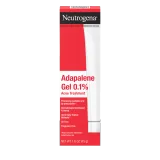
Adapalene

On 2 avoid lists

|

In 55 skincare routines

Summary

Works for

  • Anti-aging
  • Evens skin tone
  • Anti-blemish
  • Oiliness

Irritancy risk

3
High

A retinoid that is effective against acne and keratosis pilaris. It can also help reduce signs of aging (fine lines, wrinkles, loss of elasticity) and can improve skin tone

Products with Adapalene

Paula's choice - PRO Retinaldehyde Dual-Retinoid TreatmentPaula's choicePRO Retinaldehyde Dual-Retinoid Treatment
retinaladapaleneisopropyl myristate +6 actives
Anti-aging Evens skin tone +2
Price unavailable
Skin Functional - 1.5% Retinoid ComplexSkin Functional1.5% Retinoid Complex
adapalenehydroxypinacolone retinoateniacinamide +12 actives
Exfoliation Moisturizing +4
Price unavailable
Taro - Adapalene 0.1% USP GelTaroAdapalene 0.1% USP Gel
adapalene
Anti-blemish Anti-aging +1
Price unavailable
medihealth - Zudenina GelmedihealthZudenina Gel
adapalene
Anti-blemish Anti-aging +1
Price unavailable
Skinfix - acne+ adapinoid Gel with Niacinamide + SqualaneSkinfixacne+ adapinoid Gel with Niacinamide + Squalane
niacinamideadapalenetripeptide-1 +8 actives
Anti-blemish Evens skin tone +2
Price unavailable
Sona - Adapalene 0.1 creamSonaAdapalene 0.1 cream
adapalenecyclomethiconeglycerin +1 actives
Anti-blemish Evens skin tone +3
Price unavailable
AcneFree - Adapalene Gel 0.1%AcneFreeAdapalene Gel 0.1%
adapalene
Anti-blemish Anti-aging +1
Price unavailable
Proactiv - Adapalene Gel 0.1% Acne TreatmentProactivAdapalene Gel 0.1% Acne Treatment
adapalene
Anti-blemish Anti-aging +1
Price unavailable
La Roche-Posay - Effaclar Adapalene Gel 0.1% Topical Retinoid Acne TreatmentLa Roche-PosayEffaclar Adapalene Gel 0.1% Topical Retinoid Acne Treatment
adapalene
Anti-blemish Anti-aging +1
Price unavailable
Epiduo - GelEpiduoGel
benzoyl peroxideadapaleneglycerin
Anti-blemish Evens skin tone +2
Price unavailable
View all products

Similar ingredients

Anti-aging

1-TRIMETHYL-2-CYCLOHEXENYL-1-PENTEN-3-ONEACETYL GLUCOSAMINEAn effective moisturizing ingredient that also has been shown to be effective in evening out the skin tone and reducing hyperpigmentation. It can help somewhat reduce wrinkles in skinGLYCOLIC ACIDAn alpha-hydroxy acid (AHA) that helps to remove the dead skin cells on the surface of the skin reveling a more even, smoother complexation. It is also able to stimulate collagen production with long-term use. Could help to reduce pore congestion. It can be irritating to the skin. Apply sunscreen daily if using products with glycolic acidHEPTAPEPTIDE-15 PALMITATEA type of peptide. Peptides are excellent moisturizers and might be able support collagen production reducing fine lines and wrinklesPALMITOYL HEXAPEPTIDE-12A type of peptide. Peptides are excellent moisturizers and might be able support collagen production reducing fine lines and wrinklesRETINOLTwo steps removed from the active form of vitamin A - retinoic acid. Once converted to the retinoic acid in the skin, retinol is proven to be effective against all signs of aging. It improves skin cell turnover, helps fight blemishes and clogged pores, can regulate excess oil production and even skin tone. It can, however, be quite irritatingTETRAHEXYLDECYL ASCORBATEBeing a lipid soluble form of vitamin C. It is more stable than ascorbic acid, but still degrades quickly and needs to be stabilized in a formulation with another ingredient. It is claimed to penetrate skin better than pure vitamin C and have the the similar benefits, but solid studies of its effectiveness are lacking. Is likely to require a higher concentration in a product than pure vitamin C to be effective. GLUCONOLACTONEA polyhydroxy acid (PHA) that helps shed the dead cells from the skin surface revealing smoother skin. Is believed to be genter than AHAs. It helps attract water to the upper layer of the skin and can stimulate production of skin's own hyaluronic acid resulting in improved hydration levels. It has been shown to be helpful against acne and clogged pores if used consistently (e.g over a period of 12 weeks) in high enough concentration. It can help reduce fine lines and wrinkles and improve skin tone with long-term application. Can help neutralize free radicalsMALTOBIONIC ACIDA polyhydroxy acid (PHA) that helps shed the dead cells from the skin surface revealing smoother skin. Is genter than AHAs. In addition, it helps attract water to the upper layer of the skin. It has been shown to be helpful against acne and clogged pores. Might help reduce fine lines and wrinkles and improve skin tone with long-term application. Can help neutralize free radicalsLACTOBIONIC ACIDA polyhydroxy acid (PHA) that helps shed dead cells from the surface of the skin revealing a smoother, more even skin. PHAs tend to be gentler on the skin compared to AHAs (for example, glycolic acid). It also has hydrating properties and helps attract water to the upper layer of the skin. It can help calm down inflammation in skin and support restoration of the barrier function. It has an anti-oxidant effect as well. It can help reduce fine line, wrinkles and improve skin elasticity GLUCONIC ACIDA polyhydroxy acid (PHA) that helps shed the dead cells from the skin surface revealing smoother skin. Is believed to be genter than AHAs. It helps attract water to the upper layer of the skin and can stimulate production of skin's own hyaluronic acid resulting in imporved hydration levels. It has been shown to be helpful against acne and clogged pores. Might help reduce fine lines and wrinkles and improve skin tone with long-term application. Can help neutralize free radicalsRETINYL PROPIONATEThree steps removed from the active form of vitamin A - retinoic acid. To have an effect in the skin, it first needs to be converted twice to become the retinoic acid. This means it is less potent than retinol, but could also be less irritating. Once converted to the retinoic acid in the skin, it helps against all signs of aging, improves skin cell turnover and helps fight blemishes and clogged pores, even thought its potency is not as well established as in case of retinol or retinaldehydeBAKUCHIOLA plant extract that is, though different in chemical structure, acts similar to retinoids. First studies show that it can help reduce fine lines and wrinkles, improve skin tone, reduce clogged pores and blemishes, and reduce inflammation. There is no conclusive evidence that bakuchiol is as effective as retinol however. The study that directly compared retinol with bakuchiol used bakuchiol applied twice daily compared to once per day for the retinol. According to this study, bakuchiol is less irritating than retinol. Bakuchiol is extracted from seeds of Babchi plant. Other parts of the plant contain coumarins that could cause allergic and irritant reactions. These compounds should be removed in the extraction process when bakuchiol is produced, but it is a good idea to be cautious and stay away from products that include the Babchi plant extracts other than purified bakuchiol to avoid irritationRETINYL RETINOATEA "hybrid" of retinol and retinoic acid. It is more stable than retinol and is likely to be more effective based on the early research data available. Is as irritating as retinolRETINYL LINOLEATEAn ester of a retinoid and linoleic acid. Three steps removed from the bioactive form of retinoid, retinoic acid. Once converted to retinoic acid in skin, it can help reduce wrinkles, stimulate collagen production, even out skin tone and reduce blemishes. The concentrations used in cosmetic products are often not high enough to have a positive effect in skin. PALMITOYL DIPEPTIDE-28 D-SERINE DIPEPTIDE-7 PALMITAMIDECIS-RETINOIC ACIDDECAPEPTIDE-22A type of peptide. Peptides are excellent moisturizers and might be able support collagen production reducing fine lines and wrinklesHUMAN FIBROBLAST CONDITIONED MEDIAA cocktail of amino acids that can stimulate skin cell growth and renewal having an anti-aging effectOCTAPEPTIDE-2A type of peptide. Peptides are excellent moisturizers and might be able support collagen production reducing fine lines and wrinklesACETYL TYROSINAMIDEAn amino acid derivative. A manufacturer's study shows that it can help somewhat reduce wrinkles when used in combination with a low concentration of glycolic acid. No independent human in-vivo studies of this compound are availableTretinoinBioavailable form of Vitamin A that is the most effective known topical ingredients for reducing wrinkles, improving skin firmness, treating acne, as well as hyperpigmentation. It is not available over-the counter in many countries, including US and UKHYDROXYPINACOLONE RETINOATEA derivative of the most potent form of vitamin A, retinoic acid. The ingredient can be sold under name Granactive Retinoid. Note that if a skincare brand discloses the concentration of Granactive Retinoid in a product, the concentration refers to a diluted form of Hydroxypinacolone Retinoate: 1% of Granactive Retinoid corresponds to 0.1% of Hydroxypinacolone Retinoate. Hydroxypinacolone Retinoate (HPR) is a unique derivative of retinoic acid because it can directly work in the skin and does not require additional conversion steps. According to studies done by the manufacturer on models of human skin (not real people), this derivative is more effective than other cosmetic versions of retinoids (such as retinol, retinaldehyde, and retinyl palmitate), and, at the same time, causes less irritation. It has been also demonstrated to be more stable than retinol which makes formulating with easier and increases the chances that a product with it will maintain its effectiveness after opening. The packaging should still ideally be air-tight. HPR is available over the counter in the EU, UK, Asia, Australia and New Zealand, but is only with a prescription in Canada.RETINALOne step removed from the biologically active in skin form of vitamin A. Once converted to the retinoic acid in the skin, retinal is proven to be effective against all signs of aging. It improves skin cell turnover, helps fight blemishes and clogged pores, can regulate excess oil production and even skin tone. Concentrations of 0.05% and 0.1% are shown to be effective. It can, however, be irritatingASCORBIC ACIDThe most well-researched antioxidant that works in skin. Helps neutralize free radicals supporting collagen production, helping to even out the skin tone and preventing early signs of agingNIACINAMIDEIs proven to be effective in reducing blemishes, evening out skin tone and helping to improve lines and wrinkles. It helps the skin to repair sun damage, calm down inflammation and keep maintain good levels of moisture

Evens skin tone

1-TRIMETHYL-2-CYCLOHEXENYL-1-PENTEN-3-ONEACETYL GLUCOSAMINEAn effective moisturizing ingredient that also has been shown to be effective in evening out the skin tone and reducing hyperpigmentation. It can help somewhat reduce wrinkles in skinGLYCOLIC ACIDAn alpha-hydroxy acid (AHA) that helps to remove the dead skin cells on the surface of the skin reveling a more even, smoother complexation. It is also able to stimulate collagen production with long-term use. Could help to reduce pore congestion. It can be irritating to the skin. Apply sunscreen daily if using products with glycolic acidLACTIC ACIDAn exfoliating and moisturizing alpha-hydroxy acid (AHA). Typically causes less irritation than other AHAs, for example, glycolic acid. At high concentrations (about 15%), lactic acid can help reduce lines and wrinkles. Recent studies show that lactic acid can support the "good" bacteria living on skin's surface (healthy skin microbiom) NIACINAMIDEIs proven to be effective in reducing blemishes, evening out skin tone and helping to improve lines and wrinkles. It helps the skin to repair sun damage, calm down inflammation and keep maintain good levels of moistureHYDROXYPINACOLONE RETINOATEA derivative of the most potent form of vitamin A, retinoic acid. The ingredient can be sold under name Granactive Retinoid. Note that if a skincare brand discloses the concentration of Granactive Retinoid in a product, the concentration refers to a diluted form of Hydroxypinacolone Retinoate: 1% of Granactive Retinoid corresponds to 0.1% of Hydroxypinacolone Retinoate. Hydroxypinacolone Retinoate (HPR) is a unique derivative of retinoic acid because it can directly work in the skin and does not require additional conversion steps. According to studies done by the manufacturer on models of human skin (not real people), this derivative is more effective than other cosmetic versions of retinoids (such as retinol, retinaldehyde, and retinyl palmitate), and, at the same time, causes less irritation. It has been also demonstrated to be more stable than retinol which makes formulating with easier and increases the chances that a product with it will maintain its effectiveness after opening. The packaging should still ideally be air-tight. HPR is available over the counter in the EU, UK, Asia, Australia and New Zealand, but is only with a prescription in Canada.LACTOBIONIC ACIDA polyhydroxy acid (PHA) that helps shed dead cells from the surface of the skin revealing a smoother, more even skin. PHAs tend to be gentler on the skin compared to AHAs (for example, glycolic acid). It also has hydrating properties and helps attract water to the upper layer of the skin. It can help calm down inflammation in skin and support restoration of the barrier function. It has an anti-oxidant effect as well. It can help reduce fine line, wrinkles and improve skin elasticity TETRAHEXYLDECYL ASCORBATEBeing a lipid soluble form of vitamin C. It is more stable than ascorbic acid, but still degrades quickly and needs to be stabilized in a formulation with another ingredient. It is claimed to penetrate skin better than pure vitamin C and have the the similar benefits, but solid studies of its effectiveness are lacking. Is likely to require a higher concentration in a product than pure vitamin C to be effective. GLUCONOLACTONEA polyhydroxy acid (PHA) that helps shed the dead cells from the skin surface revealing smoother skin. Is believed to be genter than AHAs. It helps attract water to the upper layer of the skin and can stimulate production of skin's own hyaluronic acid resulting in improved hydration levels. It has been shown to be helpful against acne and clogged pores if used consistently (e.g over a period of 12 weeks) in high enough concentration. It can help reduce fine lines and wrinkles and improve skin tone with long-term application. Can help neutralize free radicalsMALTOBIONIC ACIDA polyhydroxy acid (PHA) that helps shed the dead cells from the skin surface revealing smoother skin. Is genter than AHAs. In addition, it helps attract water to the upper layer of the skin. It has been shown to be helpful against acne and clogged pores. Might help reduce fine lines and wrinkles and improve skin tone with long-term application. Can help neutralize free radicalsELLAGIC ACIDCan help neutralize free radicals in skin. It can help prevent and treat hyperpigmentation and even out the skin toneORCHID LEAF/ROOT/STEM EXTRACTA plant extract that can help even out skin tone and reduce hyperpigmentation when used in high concentrationHYDROXYPHENOXY PROPIONIC ACIDHelps reduce hypepigmentation and even out the skin toneMANDELIC ACIDHelps shed the upper layer of dead cells from the surface of the skin revealing smoother, brighter skin. It can help to reduce hyperpigmentation. It has anti-bacterial properties, and might help to reduce blemishes, as well as fine lines and wrinkles. It is considered to be gentler than glycolic acidGLUCONIC ACIDA polyhydroxy acid (PHA) that helps shed the dead cells from the skin surface revealing smoother skin. Is believed to be genter than AHAs. It helps attract water to the upper layer of the skin and can stimulate production of skin's own hyaluronic acid resulting in imporved hydration levels. It has been shown to be helpful against acne and clogged pores. Might help reduce fine lines and wrinkles and improve skin tone with long-term application. Can help neutralize free radicalsRETINYL PROPIONATEThree steps removed from the active form of vitamin A - retinoic acid. To have an effect in the skin, it first needs to be converted twice to become the retinoic acid. This means it is less potent than retinol, but could also be less irritating. Once converted to the retinoic acid in the skin, it helps against all signs of aging, improves skin cell turnover and helps fight blemishes and clogged pores, even thought its potency is not as well established as in case of retinol or retinaldehyde3-GLYCERYL ASCORBATEA moisturizing vitamin C derivative. It is considered to be one of the most stable ones. It is effective in neutralizing free radicals and can help to even out the skin tone if used in high enough concentrationUNDECYLENOYL PHENYLALANINEAn amino-acid based compound that is effective in reducing hyperpigmentation. It can help lighten sun spots and support more even skin tone. BAKUCHIOLA plant extract that is, though different in chemical structure, acts similar to retinoids. First studies show that it can help reduce fine lines and wrinkles, improve skin tone, reduce clogged pores and blemishes, and reduce inflammation. There is no conclusive evidence that bakuchiol is as effective as retinol however. The study that directly compared retinol with bakuchiol used bakuchiol applied twice daily compared to once per day for the retinol. According to this study, bakuchiol is less irritating than retinol. Bakuchiol is extracted from seeds of Babchi plant. Other parts of the plant contain coumarins that could cause allergic and irritant reactions. These compounds should be removed in the extraction process when bakuchiol is produced, but it is a good idea to be cautious and stay away from products that include the Babchi plant extracts other than purified bakuchiol to avoid irritationAZELAIC ACIDIs produced by a yeast that lives on normal human skin. It is used in medicine as a topical treatment for mild to moderate acne. It has a mild exfoliating effect. It can also help reduce hyperpigmentation, helps calm down inflammation and can help neutralize free radicalsTRANEXAMIC ACIDAn amino acid that is effective in reducing hyperpigmentation and evening out the skin toneKOJIC ACIDHelps to reduce hyperpigmentation and neutralize free radicals. Can be irritatingALPHA-ARBUTINMight help reduce hyperpigmentation when used regularly over a long period of time. Is more effective than beta-arbutinPOTASSIUM AZELOYL DIGLYCINATEA derivative of azelaic acid. It is obtained by reacting the chloride of azelaic acid with two molecules of glycine (an amino acid) and potassium hydroxide. It is less studied than azelaic acid, but the available research suggests that it also can be effective in reducing skin redness, hyperpigmentation and blemishes. There are claims that it is more bio-available and more effective than azelaic acid, but no comparison study is available. Potassium azeloyl diglycinate is better soluble in water compared with azelaic acid. Because of this property, products with potassium azeloyl digclycinate can have a nicer textureGLUTATHIONEA peptide that can help neutralize free radicals in skin and reduce melanin production resulting in skin lightening effect and reduction in hyperpigmentation. It can also help attract moisture to the upper layer of the skinTretinoinBioavailable form of Vitamin A that is the most effective known topical ingredients for reducing wrinkles, improving skin firmness, treating acne, as well as hyperpigmentation. It is not available over-the counter in many countries, including US and UKPOTASSIUM METHOXYSALICYLATECan help reduce hyperpigmentationRETINALOne step removed from the biologically active in skin form of vitamin A. Once converted to the retinoic acid in the skin, retinal is proven to be effective against all signs of aging. It improves skin cell turnover, helps fight blemishes and clogged pores, can regulate excess oil production and even skin tone. Concentrations of 0.05% and 0.1% are shown to be effective. It can, however, be irritatingRETINOLTwo steps removed from the active form of vitamin A - retinoic acid. Once converted to the retinoic acid in the skin, retinol is proven to be effective against all signs of aging. It improves skin cell turnover, helps fight blemishes and clogged pores, can regulate excess oil production and even skin tone. It can, however, be quite irritatingASCORBIC ACIDThe most well-researched antioxidant that works in skin. Helps neutralize free radicals supporting collagen production, helping to even out the skin tone and preventing early signs of agingISOBUTYLAMIDO THIAZOLYL RESORCINOLSometimes referred to as Thiamidol (patented by Beiersdorf). A compound that can reduce melanin production in skin. Can help to fade pigmentation spots quicker and even out the skin tone. It is a relatively new compound and the research on it is ongoing. The first studies show that it might be as effective in reducing hyperpigmentation as hydroquinone but with fewer side effectsHYDROQUINONE

Anti-blemish

SALICYLIC ACIDUsed for skin exfoliation. It has an anti-inflammatory and anti-bacterial effect, helps to unclog pores, prevent blemishes and speed up healing of the existing ones. Sometimes referred to as a BHA (beta-hydroxy acid)NIACINAMIDEIs proven to be effective in reducing blemishes, evening out skin tone and helping to improve lines and wrinkles. It helps the skin to repair sun damage, calm down inflammation and keep maintain good levels of moistureETHYL LINOLEATEHelps reduce acne and blemishes. Helps to soften the upper layer of the skin and reduce inflammation. Might be helpful in reducing hyperpigmentation and evening out the skin tone, but evidence of effectiveness in skin are lackingCHITOSANInhibits acne-causing bacteria on the surface of the skin. Can help to reduce inflammation caused by bacteria. Helps neutralize free radicals in skin. Helps to attract water to the upper layer of the skinBENZOYL PEROXIDEA potent anti-bacterial ingredient that is effective against acne. Often leads to skin dryness and can be irritatingZINC ASPARTATECan help reduce acne and blemishes and reduce inflammation in skinGLUCONIC ACIDA polyhydroxy acid (PHA) that helps shed the dead cells from the skin surface revealing smoother skin. Is believed to be genter than AHAs. It helps attract water to the upper layer of the skin and can stimulate production of skin's own hyaluronic acid resulting in imporved hydration levels. It has been shown to be helpful against acne and clogged pores. Might help reduce fine lines and wrinkles and improve skin tone with long-term application. Can help neutralize free radicalsBAKUCHIOLA plant extract that is, though different in chemical structure, acts similar to retinoids. First studies show that it can help reduce fine lines and wrinkles, improve skin tone, reduce clogged pores and blemishes, and reduce inflammation. There is no conclusive evidence that bakuchiol is as effective as retinol however. The study that directly compared retinol with bakuchiol used bakuchiol applied twice daily compared to once per day for the retinol. According to this study, bakuchiol is less irritating than retinol. Bakuchiol is extracted from seeds of Babchi plant. Other parts of the plant contain coumarins that could cause allergic and irritant reactions. These compounds should be removed in the extraction process when bakuchiol is produced, but it is a good idea to be cautious and stay away from products that include the Babchi plant extracts other than purified bakuchiol to avoid irritationSULFURBETAINE SALICYLATEExfoliating acid, a "relative" of salicylic acidPOTASSIUM AZELOYL DIGLYCINATEA derivative of azelaic acid. It is obtained by reacting the chloride of azelaic acid with two molecules of glycine (an amino acid) and potassium hydroxide. It is less studied than azelaic acid, but the available research suggests that it also can be effective in reducing skin redness, hyperpigmentation and blemishes. There are claims that it is more bio-available and more effective than azelaic acid, but no comparison study is available. Potassium azeloyl diglycinate is better soluble in water compared with azelaic acid. Because of this property, products with potassium azeloyl digclycinate can have a nicer textureTRIFAROTENESODIUM SULFACETAMIDEA topical antibiotic used to treat acne and seborrheic dermatitisCOLLOIDAL SULFURRETINYL RETINOATEA "hybrid" of retinol and retinoic acid. It is more stable than retinol and is likely to be more effective based on the early research data available. Is as irritating as retinolTretinoinBioavailable form of Vitamin A that is the most effective known topical ingredients for reducing wrinkles, improving skin firmness, treating acne, as well as hyperpigmentation. It is not available over-the counter in many countries, including US and UKHYDROXYPINACOLONE RETINOATEA derivative of the most potent form of vitamin A, retinoic acid. The ingredient can be sold under name Granactive Retinoid. Note that if a skincare brand discloses the concentration of Granactive Retinoid in a product, the concentration refers to a diluted form of Hydroxypinacolone Retinoate: 1% of Granactive Retinoid corresponds to 0.1% of Hydroxypinacolone Retinoate. Hydroxypinacolone Retinoate (HPR) is a unique derivative of retinoic acid because it can directly work in the skin and does not require additional conversion steps. According to studies done by the manufacturer on models of human skin (not real people), this derivative is more effective than other cosmetic versions of retinoids (such as retinol, retinaldehyde, and retinyl palmitate), and, at the same time, causes less irritation. It has been also demonstrated to be more stable than retinol which makes formulating with easier and increases the chances that a product with it will maintain its effectiveness after opening. The packaging should still ideally be air-tight. HPR is available over the counter in the EU, UK, Asia, Australia and New Zealand, but is only with a prescription in Canada.RETINALOne step removed from the biologically active in skin form of vitamin A. Once converted to the retinoic acid in the skin, retinal is proven to be effective against all signs of aging. It improves skin cell turnover, helps fight blemishes and clogged pores, can regulate excess oil production and even skin tone. Concentrations of 0.05% and 0.1% are shown to be effective. It can, however, be irritatingRETINOLTwo steps removed from the active form of vitamin A - retinoic acid. Once converted to the retinoic acid in the skin, retinol is proven to be effective against all signs of aging. It improves skin cell turnover, helps fight blemishes and clogged pores, can regulate excess oil production and even skin tone. It can, however, be quite irritatingAZELAIC ACIDIs produced by a yeast that lives on normal human skin. It is used in medicine as a topical treatment for mild to moderate acne. It has a mild exfoliating effect. It can also help reduce hyperpigmentation, helps calm down inflammation and can help neutralize free radicals