What's In My
Jar
Product Categories
Ingredients
Skin Guide
Find Dupes
Log in
Sign up
Home
Ingredients
Zinc aspartate
Zinc aspartate
In
5
skincare routines
Summary
Works for
Anti-inflammatory
Anti-blemish
Anti-dandruff
Irritancy risk
2
Medium
Can help reduce acne and blemishes and reduce inflammation in skin
Products with Zinc aspartate
APIVITA
Foam Cleanser Face & Eye
Irritancy
salicylic acid
panthenol
zinc aspartate
+10 actives
Cleansing
Fragrance
Show details
Price unavailable
View analysis
Compare
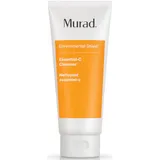
Murad
Essential C Daily Cleanser
Irritancy
retinyl palmitate
panthenol
allantoin
+9 actives
Cleansing
Anti-blemish
Show details
Price unavailable
View analysis
Compare
Serious Skincare
C Serum
Irritancy
copper tripeptide-1
panthenol
glycerin
+4 actives
Moisturizing
Anti-aging
+2
Fragrance
Show details
Price unavailable
View analysis
Compare
View all products
Scientific sources
Zinc Therapy in Dermatology: A Review
Zinc in skin pathology and care
Similar ingredients
Anti-inflammatory
ACETYL DIPEPTIDE-1 CETYL ESTER
A type of peptide. Peptides are excellent moisturizers and might be able support collagen production reducing fine lines and wrinkles
ALLANTOIN
Helps calm down inflammation in skin and can help reduce itching. Helps to repair the skin barrier and keep skin hydrated
AVENA SATIVA KERNEL EXTRACT
An effective moisturizing and skin barrier repair ingredient. Helps calm down inflammation and has some anti-oxidant properties
CENTELLA ASIATICA EXTRACT
A plant extract that has been shown to be able to reduce inflammation in skin, support restoration of skin barrier function, as well as support collagen production. Contains active compounds called centelloids: asiaticoside, madecasosside, asiatic acid and madecassic acid. Might be helpful in preventing stretch marks. It can be itself be irritating though.
SALICYLIC ACID
Used for skin exfoliation. It has an anti-inflammatory and anti-bacterial effect, helps to unclog pores, prevent blemishes and speed up healing of the existing ones. Sometimes referred to as a BHA (beta-hydroxy acid)
SIGESBECKIA ORIENTALIS EXTRACT
A plant extract that can contain an anti-inflammatory compound
GLYCYRRHETINIC ACID
Active compound of licorice root. Works to calm down inflammation, as an anti-oxidant, and might be helpful in lightening the skin and reducing hyperpigmentation
BETA-GLUCAN
Helps attract water to the upper layer of the skin, calm down inflammation and irritation, restore the barrier function and support wound healing. It can be helpful in reducing fine lines and wrinkles
BORAGO OFFICINALIS SEED OIL
A plant oil that is effective in reducing irritation in skin, restore the barrier function and support its hydration
ZINC PCA
A compound that combines zinc with a hydrating ingredient PCA. Might to be helpful against acne and clogged pores. Can help calm down inflammation in skin. Could be helpful in reducing the formation of free radicals in skin. Might help to reduce fine lines in wrinkles, but solid evidence is missing
CENTELLA ASIATICA LEAF EXTRACT
A plant extract that has been shown to be able to reduce inflammation in skin, support restoration of skin barrier function, as well as support collagen production. It can be irritating to sensitive skin. Might be helpful in preventing stretch marks. It could, however, itself be irritating.
BAKUCHIOL
A plant extract that is, though different in chemical structure, acts similar to retinoids. First studies show that it can help reduce fine lines and wrinkles, improve skin tone, reduce clogged pores and blemishes, and reduce inflammation. There is no conclusive evidence that bakuchiol is as effective as retinol however. The study that directly compared retinol with bakuchiol used bakuchiol applied twice daily compared to once per day for the retinol. According to this study, bakuchiol is less irritating than retinol. Bakuchiol is extracted from seeds of Babchi plant. Other parts of the plant contain coumarins that could cause allergic and irritant reactions. These compounds should be removed in the extraction process when bakuchiol is produced, but it is a good idea to be cautious and stay away from products that include the Babchi plant extracts other than purified bakuchiol to avoid irritation
CENTELLA ASIATICA LEAF CELL EXTRACT
A plant extract that has been shown to be able to reduce inflammation in skin, support restoration of skin barrier function, as well as support collagen production. It can be irritating to sensitive skin. Might be helpful in preventing stretch marks. It could, however, itself be irritating.
CENTELLA ASIATICA FLOWER/LEAF/STEM EXTRACT
A plant extract that has been shown to be able to reduce inflammation in skin, support restoration of skin barrier function, as well as support collagen production. Contains active compounds called centelloids: asiaticoside, madecasosside, asiatic acid and madecassic acid. Might be helpful in preventing stretch marks. It can be itself be irritating though.
ASIATIC ACID
An active compound of Centella Asiatica plant extract. In combination with other active compounds of Centella Asiatica extract (asiaticoside, madecasosside and madecassic acid) asiatic acid has been shown to be helpful in wound-healing, restoring skin barrier function and supporting collagen production in skin. It can, however, itself be irritating
POTASSIUM AZELOYL DIGLYCINATE
A derivative of azelaic acid. It is obtained by reacting the chloride of azelaic acid with two molecules of glycine (an amino acid) and potassium hydroxide. It is less studied than azelaic acid, but the available research suggests that it also can be effective in reducing skin redness, hyperpigmentation and blemishes. There are claims that it is more bio-available and more effective than azelaic acid, but no comparison study is available. Potassium azeloyl diglycinate is better soluble in water compared with azelaic acid. Because of this property, products with potassium azeloyl digclycinate can have a nicer texture
SUPEROXIDE DISMUTASE
An antioxidant enzyme that is naturally present in skin. It can help support skin barrier function and reduce inflammation in skin. It is used in topical medications for inflammatory skin conditions including atopic dermatitis (eczema) and psoriasis. There are three types of natural Superoxide Dismutase in human skin. The compound used in topical treatments and cosmetics are mimics of typically one of these natural variants
CYANOCOBALAMIN
Can support skin barrier function and reduce inflammation in skin
POLYGONUM AVICULARE EXTRACT
A plant extract that contains a flavanol Juglanin. It can help neutralize free radicals in skin and reduce inflammation
COLLOIDAL OATMEAL EXTRACT
Helps to restore skin barrier function, soften the upper layer of the skin and calm down inflammation
Hydrocortisone
A medical ingredient, corticosteroid. Can reduce swelling, itching, redness in inflammatory skin conditions. Consult a doctor if you require a long-term use
Anti-blemish
SALICYLIC ACID
Used for skin exfoliation. It has an anti-inflammatory and anti-bacterial effect, helps to unclog pores, prevent blemishes and speed up healing of the existing ones. Sometimes referred to as a BHA (beta-hydroxy acid)
NIACINAMIDE
Is proven to be effective in reducing blemishes, evening out skin tone and helping to improve lines and wrinkles. It helps the skin to repair sun damage, calm down inflammation and keep maintain good levels of moisture
SODIUM ASCORBYL PHOSPHATE
A stable derivative of vitamin C. It is oil-soluble which means it is more likely to penetrate the skin compared to the pure form of vitamin C (which is water-soluble), but it is less bio-available and is way less effective in stimulating collagen and reducing wrinkles compared to the pure form of vitamin C (L-ascorbic acid) and its other derivatives (for example, magnesium ascorbyl phosphate). At the same time, this vitamin C derivative has been shown in studies to be effective in reducing acne, blemishes and clogged pores. It is less irritating then the pure form of vitamin C
ETHYL LINOLEATE
Helps reduce acne and blemishes. Helps to soften the upper layer of the skin and reduce inflammation. Might be helpful in reducing hyperpigmentation and evening out the skin tone, but evidence of effectiveness in skin are lacking
CHITOSAN
Inhibits acne-causing bacteria on the surface of the skin. Can help to reduce inflammation caused by bacteria. Helps neutralize free radicals in skin. Helps to attract water to the upper layer of the skin
BENZOYL PEROXIDE
A potent anti-bacterial ingredient that is effective against acne. Often leads to skin dryness and can be irritating
GLUCONIC ACID
A polyhydroxy acid (PHA) that helps shed the dead cells from the skin surface revealing smoother skin. Is believed to be genter than AHAs. It helps attract water to the upper layer of the skin and can stimulate production of skin's own hyaluronic acid resulting in imporved hydration levels. It has been shown to be helpful against acne and clogged pores. Might help reduce fine lines and wrinkles and improve skin tone with long-term application. Can help neutralize free radicals
BAKUCHIOL
A plant extract that is, though different in chemical structure, acts similar to retinoids. First studies show that it can help reduce fine lines and wrinkles, improve skin tone, reduce clogged pores and blemishes, and reduce inflammation. There is no conclusive evidence that bakuchiol is as effective as retinol however. The study that directly compared retinol with bakuchiol used bakuchiol applied twice daily compared to once per day for the retinol. According to this study, bakuchiol is less irritating than retinol. Bakuchiol is extracted from seeds of Babchi plant. Other parts of the plant contain coumarins that could cause allergic and irritant reactions. These compounds should be removed in the extraction process when bakuchiol is produced, but it is a good idea to be cautious and stay away from products that include the Babchi plant extracts other than purified bakuchiol to avoid irritation
SULFUR
ADAPALENE
A retinoid that is effective against acne and keratosis pilaris. It can also help reduce signs of aging (fine lines, wrinkles, loss of elasticity) and can improve skin tone
BETAINE SALICYLATE
Exfoliating acid, a "relative" of salicylic acid
POTASSIUM AZELOYL DIGLYCINATE
A derivative of azelaic acid. It is obtained by reacting the chloride of azelaic acid with two molecules of glycine (an amino acid) and potassium hydroxide. It is less studied than azelaic acid, but the available research suggests that it also can be effective in reducing skin redness, hyperpigmentation and blemishes. There are claims that it is more bio-available and more effective than azelaic acid, but no comparison study is available. Potassium azeloyl diglycinate is better soluble in water compared with azelaic acid. Because of this property, products with potassium azeloyl digclycinate can have a nicer texture
COLLOIDAL SULFUR
RETINYL RETINOATE
A "hybrid" of retinol and retinoic acid. It is more stable than retinol and is likely to be more effective based on the early research data available. Is as irritating as retinol
Tretinoin
Bioavailable form of Vitamin A that is the most effective known topical ingredients for reducing wrinkles, improving skin firmness, treating acne, as well as hyperpigmentation. It is not available over-the counter in many countries, including US and UK
HYDROXYPINACOLONE RETINOATE
A derivative of the most potent form of vitamin A, retinoic acid. The ingredient can be sold under name Granactive Retinoid. Note that if a skincare brand discloses the concentration of Granactive Retinoid in a product, the concentration refers to a diluted form of Hydroxypinacolone Retinoate: 1% of Granactive Retinoid corresponds to 0.1% of Hydroxypinacolone Retinoate. Hydroxypinacolone Retinoate (HPR) is a unique derivative of retinoic acid because it can directly work in the skin and does not require additional conversion steps. According to studies done by the manufacturer on models of human skin (not real people), this derivative is more effective than other cosmetic versions of retinoids (such as retinol, retinaldehyde, and retinyl palmitate), and, at the same time, causes less irritation. It has been also demonstrated to be more stable than retinol which makes formulating with easier and increases the chances that a product with it will maintain its effectiveness after opening. The packaging should still ideally be air-tight. HPR is available over the counter in the EU, UK, Asia, Australia and New Zealand, but is only with a prescription in Canada.
RETINAL
One step removed from the biologically active in skin form of vitamin A. Once converted to the retinoic acid in the skin, retinal is proven to be effective against all signs of aging. It improves skin cell turnover, helps fight blemishes and clogged pores, can regulate excess oil production and even skin tone. Concentrations of 0.05% and 0.1% are shown to be effective. It can, however, be irritating
RETINOL
Two steps removed from the active form of vitamin A - retinoic acid. Once converted to the retinoic acid in the skin, retinol is proven to be effective against all signs of aging. It improves skin cell turnover, helps fight blemishes and clogged pores, can regulate excess oil production and even skin tone. It can, however, be quite irritating
AZELAIC ACID
Is produced by a yeast that lives on normal human skin. It is used in medicine as a topical treatment for mild to moderate acne. It has a mild exfoliating effect. It can also help reduce hyperpigmentation, helps calm down inflammation and can help neutralize free radicals