Esculin
Summary
Works for
- Anti-oxidation
Irritancy risk
2
MediumA coumarin glucoside often extracted from chestnut. It can help neutralize free radicals in skin and in theory could help strengthen capillaries, but there is no research to confirm its effectiveness in skin
Products with Esculin
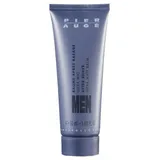 Pier AugeMen After Shave Ultra Matt Balm
panthenolbisabololesculin +2 actives
Moisturizing Anti-oxidation
Price unavailable
 GuinotLongue Vie Corps - Body Cream
niacinamideglycolic acidadenosine +24 actives
Anti-aging Exfoliation +3
Fragrance
Price unavailable
 Crystal ClearBody Firm Complex
salicylic acidcarnitinecentella asiatica extract +6 actives
Anti-aging Anti-oxidation +1
FragranceAlcohol
Price unavailable
 Annemarie BorlindNaturoyale Eye and Lip Care
panthenolcaprylic/capric triglyceridecera alba +10 actives
Moisturizing Anti-oxidation
Price unavailable

Scientific sources
Similar ingredients
ASCORBIC ACIDThe most well-researched antioxidant that works in skin. Helps neutralize free radicals supporting collagen production, helping to even out the skin tone and preventing early signs of agingCAMELLIA SINENSIS LEAF EXTRACTCan contain potent anti-oxidant compounds (abbreviated ECG, GCG, EGC, and EGCG) that might help protect the skin from free radicals. Can help calm down inflammation and has some anti-bacterial properties. Unfortunately, these antioxidants are unstable and lose their effectiveness very quickly in products. The concentration of the antioxidant compounds in the extract also tends to be low to be effective in topical formulationASCORBYL GLUCOSIDEA vitamin C derivative that is more stable but less potent than pure form of vitamin C. Has a potential to boost collagen production, nutralise free radicals and reduce hyperpigmentation, but the required concentration is likely to be much higher than for the pure form of vitamin C, limiting the ingredient's effectiveness in productsCENTELLA ASIATICA EXTRACTA plant extract that has been shown to be able to reduce inflammation in skin, support restoration of skin barrier function, as well as support collagen production. Contains active compounds called centelloids: asiaticoside, madecasosside, asiatic acid and madecassic acid. Might be helpful in preventing stretch marks. It can be itself be irritating though. CAMELLIA SINENSIS LEAFGreen tea leaf powder that might contain antioxidants to help neutralize free radicals in skinMALPIGHIA EMARGINATA SEED EXTRACTCan help neutralize free radicals in skin but is typically not used in a high enough concentrationPALMITOYL GRAPEVINE SHOOT EXTRACTAn extract from grape plant that can contain a potent antioxidant resveratrol. The manufacturer (Caudalie) claims that this particular extract is effective against hyperpigmentation. This effect would be explained by the resveratrol content. However, there is no independent research confirming the manufacturer's claim beside the potential for anti-oxidant activityRETINOLTwo steps removed from the active form of vitamin A - retinoic acid. Once converted to the retinoic acid in the skin, retinol is proven to be effective against all signs of aging. It improves skin cell turnover, helps fight blemishes and clogged pores, can regulate excess oil production and even skin tone. It can, however, be quite irritatingSILYBUM MARIANUM EXTRACTMight be able to help neutralize free radical, calm down inflammation in skin, and even skin toneETHYLBISIMINOMETHYLGUAIACOL MANGANESE CHLORIDEA potent anti-oxidant that can help neutralize free radicals in skin and protect from harmful effects of sun exposure, even though more studies are needed to confirm its effectiveness in topical applicationsTOCOPHEROLPure form of vitamin E. Can help moisturise and protect the skin from free radicals. Often used to help stabilise other ingredients or the formula itselfERGOTHIONEINECan help neutralize free radicals in skin. Preliminary studies show that it can be more effective than coenzyme Q10 but studies on effective concentration for topical applications are lackingGLYCYRRHETINIC ACIDActive compound of licorice root. Works to calm down inflammation, as an anti-oxidant, and might be helpful in lightening the skin and reducing hyperpigmentationHABERLEA RHODOPENSIS LEAF EXTRACTA plant extract that if used in high concentration might help to neutralize free radicals in skinAMINOPROPYL ASCORBYL PHOSPHATEA more stable but less potent derivative of vitamin C. It can help neautralize free radicals and even out the skin tone if used in high enough concentration (required levels are likely to be much higher than for pure vitamin C, and solid studies are lacking at the moment)QUERCETINMight be able to help neutralize free radicals in skinTETRAHEXYLDECYL ASCORBATEBeing a lipid soluble form of vitamin C, it is more stable. It is claimed to penetrate skin better than pure vitamin C and have the the similar benefits, but solid studies of its effectiveness are lacking. Is likely to require a higher concentration in a product than pure vitamin C to be effective. UBIQUINONECoenzyme Q10. It helps neutralize free radicals in skin, improves skin hydration and might be helpful agains fine lines and wrinkles. It can be an allergenOLEANOLIC ACIDMight be helpful against blemishes, work as an anti-oxidant, reduce inflammation and improve skin's ability to hold on to moisture, but more research is needed to confirm its effectiveness when applied topically to human skinURSOLIC ACIDPHYLLANTHUS EMBLICA FRUIT EXTRACTA plant extract that might be helpful in neutralizing free radicals and have a skin lightening effect if used in high enough concentrationsFERULIC ACIDA potent anti-oxidant that has been shown to be effective in neutralizing free radicals in skin. There seem to have a synergetic effect of ferulic acid, vitamin E and C, meaning that when the ingredients are used together, they enhance each other's ability protect the skin against free radicals. Ferulic acid also helps to stabilize other ingredients - including vitamins C and E. It can help to even out the skin tone. Ferulic acid is approved for use as a sunscreen ingredient in Japan in concentrations up to 10% TETRAHYDROBISDEMETHOXYDIFERULOYLMETHANEAn anti-oxidant derived from curcumin (naturally present in tumeric). It might be helpful in neutralizing free radicals in skin and possibly help even out the skin tone. Can be irritatingTETRAHYDRODEMETHOXYDIFERULOYLMETHANEAn anti-oxidant derived from curcumin (naturally present in tumeric). Is a part of the tetrahydrocurcuminoids complex (THC). The complex might be helpful in neutralizing free radicals in skin and possibly help even out the skin tone. Can be irritatingTETRAHYDRODIFERULOYLMETHANEAn anti-oxidant derived from curcumin (naturally present in tumeric). Is a part of the tetrahydrocurcuminoids complex (THC). The complex might be helpful in neutralizing free radicals in skin and possibly help even out the skin tone. Can be irritatingBIFIDA FERMENT LYSATEConsists of remains of dead yeast bacteria cells. Helps to hydrate the skin and reduce irritation. Might has some anti-oxidant effectCASTANEA SATIVA SEED EXTRACTA plant extract that helps attract water to the upper layer of the skin and can help neutralize free radicalsCREATINECan support skin's ability to neutralize free radicals and produce collagen, though further research is needed to confirm effectivenessVITIS VINIFERA SEED EXTRACTA plant extract that contains resveratrol and other anti-oxidant compounds that can help neutralize free radicals, reduce inflammation in skin and even out its tone. Can be also used to stabilize the product formulationGLUCONOLACTONEA polyhydroxy acid (PHA) that helps shed the dead cells from the skin surface revealing smoother skin. Is believed to be genter than AHAs. It helps attract water to the upper layer of the skin and can stimulate production of skin's own hyaluronic acid resulting in improved hydration levels. It has been shown to be helpful against acne and clogged pores if used consistently (e.g over a period of 12 weeks) in high enough concentration. It can help reduce fine lines and wrinkles and improve skin tone with long-term application. Can help neutralize free radicalsILEX PARAGUARIENSIS LEAF EXTRACTA plant extract that can help neutralize free radicals in skin. Can contain fragrand compounds like linalool that can be irritatingPUNICA GRANATUM EXTRACTA plant extract that can help neutralize free radicals in skin and even out the skin tone, but is typically used in products in a concentration that is too low to be effectiveCHRYSINMight be helpful in reducing fine lines and wrinkles, as well as lightening the skin, but solid evidence is missing. Could somewhat help in reducing the darkness of the under-eye area. Helps to neutralise free radicals in skinSODIUM ASCORBYL PHOSPHATEA stable derivative of vitamin C. It is oil-soluble which means it is more likely to penetrate the skin compared to the pure form of vitamin C (which is water-soluble), but it is less bio-available and is way less effective in stimulating collagen and reducing wrinkles compared to the pure form of vitamin C (L-ascorbic acid) and its other derivatives (for example, magnesium ascorbyl phosphate). At the same time, this vitamin C derivative has been shown in studies to be effective in reducing acne, blemishes and clogged pores. It is less irritating then the pure form of vitamin CSQUALENEAn oil that is naturally part of skin sebum that helps to soften its upper layer, reduce water loss and neutralize free radicals. It might be comedogenic. Avoid applying large concentrations (or pure oil) before sun exposure as oxidized squalene can clog pores and lead to skin irritation. Today squalene is mostly derived from vegetable oils or synthetized by yeastLACTOBIONIC ACIDA polyhydroxy acid (PHA) that helps shed dead cells from the surface of the skin revealing a smoother, more even skin. PHAs tend to be gentler on the skin compared to AHAs (for example, glycolic acid). It also has hydrating properties and helps attract water to the upper layer of the skin. It can help calm down inflammation in skin and support restoration of the barrier function. It has an anti-oxidant effect as well. It can help reduce fine line, wrinkles and improve skin elasticity DECARBOXY CARNOSINE HCLMight be able to protect the skin from free radicals, but further evidence of effectiveness is neededGINKGO BILOBA LEAF EXTRACTA plant extract that might help neutralize free radicals and reduce inflammation in skin. It can be irritatingTOCOTRIENOLSA type of vitamin E that is more powerful in neutralizing free radicals compared to its other formsCHITOSANInhibits acne-causing bacteria on the surface of the skin. Can help to reduce inflammation caused by bacteria. Helps neutralize free radicals in skin. Helps to attract water to the upper layer of the skinCARNOSINEA type of peptide. It attracts water to the upper layer of the skin. It can help neutralize free radicals in skin combatting the sun damageVACCINIUM MACROCARPON SEED OILA plant oil that can help neutralize free radicals, soften the upper layer of the skin, and support skin's barrier functionLYCOPENEHelps neutralize free radicals in skin combating sun damage. Adds a red color to the productHYDROXYDECYL UBIQUINONEAn analogue of coenzyme Q10 that has a lower molecular weight, which can improve its ability to penetrate the skin. It helps neutralize free radicals in skin, improves skin hydration and might be helpful agains fine lines and wrinkles. It can be an allergenLYCIUM BARBARUM FRUIT EXTRACTA plant extract that can help neutralize free radicals in skin and attract water to its upper layerRESVERATROLHelps neutralize free radicals in skin and might help reduce fine lines and wrinkles, as well as even out the skin toneGLUCONIC ACIDA polyhydroxy acid (PHA) that helps shed the dead cells from the skin surface revealing smoother skin. Is believed to be genter than AHAs. It helps attract water to the upper layer of the skin and can stimulate production of skin's own hyaluronic acid resulting in imporved hydration levels. It has been shown to be helpful against acne and clogged pores. Might help reduce fine lines and wrinkles and improve skin tone with long-term application. Can help neutralize free radicalsASTAXANTHINHelps neutralize free radicals in skin and might help to calm down inflammationGALACTOMYCES FERMENT FILTRATEA yeast ferment filtrate (also known as Pitera - a trademarked name for the filtrate reserved by the SK-II brand). It helps attract water to the upper layer of the skin, can help neutralize antioxidants and can be helpful in evening out the skin tone. It might be somewhat helpful in preventing premature skin aging but solid evidence is lacking. A small manufacturer study also shows that, when used in high concentrations, it can help reduce sebum production and help against blocked poresEPILOBIUM ANGUSTIFOLIUM FLOWER/LEAF/STEM EXTRACTA plant extract that might contain antioxidantsAPHANIZOMENON FLOS-AQUAE EXTRACTAn extract from ablue-green algae. Can help attract water to the upper layer of the skin and might help to neutralize free radicals3-GLYCERYL ASCORBATEA moisturizing vitamin C derivative. It is considered to be one of the most stable ones. It is effective in neutralizing free radicals and can help to even out the skin tone if used in high enough concentration3-O-ETHYL ASCORBIC ACIDA vitamin C derivative that is more stable but less potent than pure form of vitamin C. Can help neutralize free radicals and help reduce hyperpigmentation, but the required concentration is likely to be much higher than for the pure form of vitamin C, limiting the ingredient's effectiveness in productsHAEMATOCOCCUS PLUVIALIS EXTRACTGreen algae extract that might contain antioxidant astaxanthinRUBUS IDAEUS SEED OILA plant oil that might be able to help neutralize free radicals in skinMADECASSOSIDEAn antioxidant that is typically derived from plant Centella Asiatica. It can help neutralize free radicals in skin and support skin barrier function. It could, however, itself be irritating. It is often unstable in formulationsBAKUCHIOLA plant extract that is, though different in chemical structure, acts similar to retinoids. First studies show that it can help reduce fine lines and wrinkles, improve skin tone, reduce clogged pores and blemishes, and reduce inflammation. There is no conclusive evidence that bakuchiol is as effective as retinol however. The study that directly compared retinol with bakuchiol used bakuchiol applied twice daily compared to once per day for the retinol. According to this study, bakuchiol is less irritating than retinol. Bakuchiol is extracted from seeds of Babchi plant. Other parts of the plant contain coumarins that could cause allergic and irritant reactions. These compounds should be removed in the extraction process when bakuchiol is produced, but it is a good idea to be cautious and stay away from products that include the Babchi plant extracts other than purified bakuchiol to avoid irritationYEAST EXTRACTHelps attract water to the upper layer of the skin and might have some anti-oxidant and skin lightening properties. It can help calm down inflammation in skinHEXYLRESORCINOLMight be helpful in reducing hyperpigmentation and neutralizing free radicals in skinAZELAIC ACIDIs produced by a yeast that lives on normal human skin. It is used in medicine as a topical treatment for mild to moderate acne. It has a mild exfoliating effect. It can also help reduce hyperpigmentation, helps calm down inflammation and can help neutralize free radicalsKOJIC ACIDHelps to reduce hyperpigmentation and neutralize free radicals. Can be irritatingRETINYL LINOLEATEAn ester of a retinoid and linoleic acid. Three steps removed from the bioactive form of retinoid, retinoic acid. Once converted to retinoic acid in skin, it can help reduce wrinkles, stimulate collagen production, even out skin tone and reduce blemishes. The concentrations used in cosmetic products are often not high enough to have a positive effect in skin. ARGININE PCAAn amino-acid. Helps attract water to the upper layer of the skin and can help neutralize free radicals in skinTHIOCTIC ACIDNARINGENINA flavanoid that can be found in high concentrations in grapefruits, oranges, other citrus fruits, and tomato skin. Early studies suggest that it might be able to help reduce inflammation in skin and neutralize free radicalsASIATICOSIDEAn active compound of Centella Asiatica plant extract. In combination with other active compounds of Centella Asiatica extract (madecasosside, asiatic
acid and madecassic acid), asiaticoside has been shown to be helpful in wound-healing, restoring skin barrier function and supporting collagen production in skin. It can, however, itself be irritatingCAMELLIA SEED OILOil from tea seeds. Can help neutralize free radicals in skinHYDROXYDECYL UBIQUINOYL DIPALMITOYL GLYCERATEIdebenone complex. Helps neutralize free radicals in skinTOCOPHERYL LINOLEATEA relative of vitamin E (Tocopherol). It can have an anti-oxidant effect in skin and/or to stabilize the product fromulation. It could be irritating but most of the reported allergy and irritation cases appeared in one geographic location (Switzerland) in 1992, and might be due to the quality issues in manufacturing of a particular batch of the ingredientPHLORETINAn antioxidant. Can help neutralize free radicals in skinCAMELLIA SINENSIS EXTRACTTea extract. Might be helpful in neutralizing free radicals in skinCAMELLIA OLEIFERA LEAF EXTRACTA plant extract that can help neutralize free radicals and reduce inflammation, even though it is not usually used in sufficient concentration in cosmeticsCEREUS GRANDIFLORUS FLOWER EXTRACTA cactus extract that can help neutralize free radicals because it contains a chemical compound called betacyanins and flavonolglycosides. Can help make the surface of the skin dryer helping make pores look smaller for a very short period of time. The concentrations usually used in cosmetics are too small to have any effectFICUS CARICA FRUIT EXTRACTA plant extract that can help neutralize free radicals. The concentrations typically used in cosmetics are too small to have an effectHOVENIA DULCIS FRUIT EXTRACTA plant extractMALPIGHIA PUNICIFOLIA FRUIT EXTRACTA fruit extract that might help neutralize free radicals. The concentrations typically used in cosmetics are too small to have an effectEPIGALLOCATECHIN GALLATYL GLUCOSIDEA synthetic version of green tea polyphenol that helps neutralize free radicals in skinDIMETHYLMETHOXY CHROMANOLCan help neutralize free radicals in skinEMBLICA OFFICINALIS FRUIT EXTRACTA plant extract that might be helping in neutralizing free radicals in skin. It could help reduce hyperpigmentation. There is some research to confirm its effectiveness in skinSACCHAROMYCES/BARLEY SEED FERMENT FILTRATEA yeast extract that can help neutralize free radicals in skin and can help attract water to its upper layersSUPEROXIDE DISMUTASEAn antioxidant enzyme that is naturally present in skin. It can help support skin barrier function and reduce inflammation in skin. It is used in topical medications for inflammatory skin conditions including atopic dermatitis (eczema) and psoriasis. There are three types of natural Superoxide Dismutase in human skin. The compound used in topical treatments and cosmetics are mimics of typically one of these natural variantsCAMELLIA SINENSIS CATECHINSA group of chemical compounds extracted from Green Tea. They can help neutralize free radicals in skin. Might be able to help repair sun damage and clam down inflammation in skinGLUTATHIONEA peptide that can help neutralize free radicals in skin and reduce melanin production resulting in skin lightening effect and reduction in hyperpigmentation. It can also help attract moisture to the upper layer of the skinTARTARIC ACIDAn AHA (alpha-hydroxy acid). It oxidizes quickly which makes it less effective in skincare formulations. It can support skin's barrier and moisture levelsPYRIDOXINEMight help neutralize free radicals in skin, but evidence of effectiveness in skin is lacking. It might be irritatingISOQUERCITRINAntioxidant that might help reduce free radicals and reduce melanin production, but more research is needed to understand if it is effective in skinCYSTEINEMight help neutralize free radicals in skin and might be helpful against hyperpigmentationASCORBIC ACID POLYPEPTIDEA type of peptide. Might help neutralize free radicals in skin. Peptides are excellent moisturizers and might be able support collagen production reducing fine lines and wrinklesPOLYGONUM AVICULARE EXTRACTA plant extract that contains a flavanol Juglanin. It can help neutralize free radicals in skin and reduce inflammationIMPERATA CYLINDRICA ROOT EXTRACTA plat extract that might help neutralize free radicals in skin and attract water to its upper layerCRYPTOMERIA JAPONICA LEAF EXTRACTA plant extract that might have antioxidant effect in skinASCORBYL TETRAISOPALMITATEA vitamin C derivative. Studies show that is might be effective in reducing hyperpigmentation, but there are no studies confirming that it is effectively converted into the bioavailable form of Vitamin C in skin. It is not clear how this derivative compares in effectiveness to the topical application of bioavailable form of vitamin C (L-ascorbic acid) CAMELLIA JAPONICA FLOWER EXTRACTA plant extract that might help neutralize free radicals in skinTretinoinBioavailable form of Vitamin A that is the most effective known topical ingredients for reducing wrinkles, improving skin firmness, treating acne, as well as hyperpigmentation. It is not available over-the counter in many countries, including US and UKPENTAPEPTIDE-34 TRIFLUOROACETATEA type of peptide that works as a great moisturizer. It might also have some anti-aging effect and help neutralize free radicals in skinACETYL ZINGERONEHelps neutralize free radicalsARBUTINBeta-arbutin. Can help to reduce hyperpigmentation and has an anti-oxidant effect when used in high enough concentration. Is less effective compared to alpha-arbutinACETYL TYROSINAMIDEAn amino acid derivative. A manufacturer's study shows that it can help somewhat reduce wrinkles when used in combination with a low concentration of glycolic acid. No independent human in-vivo studies of this compound are availableSCUTELLARIA BAICALENSIS EXTRACTA plant extract that might contain a compound baicalin that could be helpful in neutralizing free radicals and reducing inflammation in skin. The baicalin concentration in skincare typically too low. Can be used for its fragrant propertiesGARDENIA JASMINOIDES MERISTEM CELL CULTUREA stem cell extract that might help neutralize free radicals in skinEPIGALLOCATECHIN GALLATEA polyphenol found in tea. This particular compound abbreviated EGCG is the most powerful antioxidant among those extracted from tea (usually green tea). Unfortunately, EGCG is unstable, requires a low pH (below 4) to prevent quick degradation, and does not penetrate the skin very well. This is why the full anti-oxidant effect of EGCG is typically not realized when it is added to topical skincareCORNUS OFFICINALIS FRUIT EXTRACTA plant extract that contains anti-oxidants. It might help to neutralize free radicals in skin. Can be used to help preserve the product formulation