Buddleja officinalis flower extract
In 1 skincare routines
Summary
Works for
- Anti-inflammatory
- Antibacterial
- Anti-oxidation
Irritancy risk
3
HighA plant flower extract that might help calm down inflammation in skin and neutralize free radicals, but evidence of effectiveness in skin is lacking
Products with Buddleja officinalis flower extract
 SBSEven Intensive Skin Tone Correcting Serum | skinbetter science
niacinamideVitamin Cglycolic acid +16 actives
Evens skin tone Exfoliation +4
Price unavailable
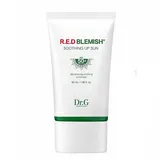 Dr.GR.E.D Blemish Soothing Up Sun
madecassosideniacinamidemadecassic acid +23 actives
Moisturizing Anti-aging +3
Price unavailable
 Skinbetter ScienceAlto Advanced Antioxidant Defense
niacinamidephytosphingosineceramide eop +25 actives
Anti-aging Evens skin tone +3
Price unavailable
Le Sun IIIThe Serumniacinamidebisabololhamamelis virginiana extract +2 actives
Anti-aging Moisturizing +2
Price unavailable
Nooance cosmetiquesSun & UVA 50 SPF 30allantoinarginineavena sativa kernel oil +14 actives
Sun protection Anti-aging +4
Price unavailable
 QirinessCaresse Éclat Parfait Global Antioxidant & Unifying Anti-Marks Cream
niacinamidedimethiconeglycerin +7 actives
Evens skin tone Anti-aging +3
Fragrance
Price unavailable
 GlossierPriming Moisturizer Rich Face Cream with Ceramides
ceramide apceramide nporbignya oleifera seed oil +4 actives
Moisturizing
Price unavailable
 Supergoop!SPF, Snow or Shine SPF 40
aphanizomenon flos-aquae extractAgran oilbisabolol +8 actives
Sun protection Anti-aging +3
Price unavailable
 PÜR4-in-1 Correcting Primer Anti Blemish & Mattify
niacinamideretinollactic acid +7 actives
Moisturizing Evens skin tone +2
Price unavailable
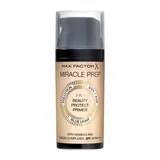 Max FactorMiracle Beauty Prep Primer 3 in 1 SPF 30
ascorbyl glucosideTinosorb SAvobenzone +8 actives
Evens skin tone Anti-aging +3
Price unavailable
Scientific sources
Similar ingredients
Anti-inflammatory
ACETYL DIPEPTIDE-1 CETYL ESTERA type of peptide. Peptides are excellent moisturizers and might be able support collagen production reducing fine lines and wrinklesALLANTOINHelps calm down inflammation in skin and can help reduce itching. Helps to repair the skin barrier and keep skin hydratedAVENA SATIVA KERNEL EXTRACTAn effective moisturizing and skin barrier repair ingredient. Helps calm down inflammation and has some anti-oxidant propertiesVIOLA TRICOLOR EXTRACTA plant extract that might have an anti-inflammatory effect in skinCHAMOMILLA RECUTITA FLOWER EXTRACTPlant extract that can have healing and anti-inflammatory properties. It is a potential allergen and can be irritatingCENTELLA ASIATICA EXTRACTA plant extract that has been shown to be able to reduce inflammation in skin, support restoration of skin barrier function, as well as support collagen production. Contains active compounds called centelloids: asiaticoside, madecasosside, asiatic acid and madecassic acid. Might be helpful in preventing stretch marks. It can be itself be irritating though. BISABOLOLAn active component of chamomile plant that historically has been used to calm down irritated skin. A recent study shows that bisabolol indeed can have some anti-inflammatory effect on skin, even though conclusive data is lacking. Bisabolol has a sweet floral scent and can be added to products for its aromatic propertiesCOMMIPHORA MUKUL RESIN EXTRACTA plant extract might be helpful in neutralizing free radicals and reducing inflammation in skin GLYCYRRHIZA GLABRA ROOT EXTRACTA plant extract that can help lighten the skin and calm down inflammation. Might be helpful in neutralizing free radicalsLINOLENIC ACIDAn emollient that helps soften the skin and calm down inflammationNIACINAMIDEIs proven to be effective in reducing blemishes, evening out skin tone and helping to improve lines and wrinkles. It helps the skin to repair sun damage, calm down inflammation and keep maintain good levels of moisturePHYTOSPHINGOSINEA type of lipid that is naturally present in skin. It might help in repairing skin barrier function and has anti-bacterial effectSALICYLIC ACIDUsed for skin exfoliation. It has an anti-inflammatory and anti-bacterial effect, helps to unclog pores, prevent blemishes and speed up healing of the existing ones. Sometimes referred to as a BHA (beta-hydroxy acid)SIGESBECKIA ORIENTALIS EXTRACTA plant extract that can contain an anti-inflammatory compoundSILYBUM MARIANUM EXTRACTMight be able to help neutralize free radical, calm down inflammation in skin, and even skin tonePANAX GINSENG ROOT EXTRACTA plant extract that might have some anti-inflammatory properties, but solid evidence is lacking. It can be irritatingTOCOPHEROLPure form of vitamin E. Can help moisturise and protect the skin from free radicals. Often used to help stabilise other ingredients or the formula itselfDIPOTASSIUM GLYCYRRHIZATEA salt derived from licorice. Works as an emollient to soften the upper layer of the skin and can help calm down inflammation. Might be helpful for skin lighteningGLYCYRRHETINIC ACIDActive compound of licorice root. Works to calm down inflammation, as an anti-oxidant, and might be helpful in lightening the skin and reducing hyperpigmentationGLYCYRRHIZA GLABRA LEAF EXTRACTA plant extract that can be effective for calming down inflammation and lightening the skin, but the effectivenss in products can vary significantly based on the extract quality and concentration usedLACTOBACILLUS FERMENTA fermentation product created by bacteria Lactobacillus. The fermented product has anti-bacterial properties and might be helpful in calming down inflammation, but studies are lacking. Helps attract water to the upper layer of the skin. Can be used as a preservativeADENOSINE PHOSPHATEMight help improve cell turnover and reduce inflammation in skin. One study shows that the ingredients might be able to stimulate collagen production in skinANTHEMIS NOBILIS FLOWER EXTRACTA plant extract that one one hand, can contain compounds that can help calm down skin irritation, but, on the other hand, its other compounds (especially fragrant ones) can themselves be irritatingYEAST EXTRACTHelps attract water to the upper layer of the skin and might have some anti-oxidant and skin lightening properties. It can help calm down inflammation in skinOLEANOLIC ACIDMight be helpful against blemishes, work as an anti-oxidant, reduce inflammation and improve skin's ability to hold on to moisture, but more research is needed to confirm its effectiveness when applied topically to human skinURSOLIC ACIDCURCUMA LONGA ROOT EXTRACTA plant extract that can contain an active compound curcumin, that may have some anti-inflammatory properties when applied to the skin, but solid research is lacking and the typical concentration used in skincare products is too low. Can be an irritantSCUTELLARIA BAICALENSIS ROOT EXTRACTA plant extract that might contain a compound baicalin that could be helpful in neutralizing free radicals and reducing inflammation in skin. The baicalin concentration in skincare products is often too low for an effective action. Can be used for its fragrant propertiesSNAIL SECRETION FILTRATETypically contains hyaluronic acid that helps attract water to the upper layer of the skin. Might contain allantoin that is helpful in calming down inflammation. There is no evidence that it can have any further benefits for the skin, especially when used in skincare productsPANTETHINEHelps to hydrate the skin by improving its barrier funcitonCOLLOIDAL OATMEALHelps to restore skin barrier function, soften the upper layer of the skin and calm down inflammationFERULIC ACIDA potent anti-oxidant that has been shown to be effective in neutralizing free radicals in skin. There seem to have a synergetic effect of ferulic acid, vitamin E and C, meaning that when the ingredients are used together, they enhance each other's ability protect the skin against free radicals. Ferulic acid also helps to stabilize other ingredients - including vitamins C and E. It can help to even out the skin tone. Ferulic acid is approved for use as a sunscreen ingredient in Japan in concentrations up to 10% CHLORELLA VULGARIS EXTRACTA plant extract that can help to attract water to the upper layer of the skin and might have some anti-oxidant and anti-inflammatory propertiesTAURINECould be helpful in reducing inflammation in skin, evening out the skin tone and neutralizing free radicals, but more research is needed to confirm its effectivenessCERAMIDE EOSA type of lipid similar to ceramides naturally present in skin. Helps to soften the upper layer of the skin and supports the skin barrier function to keep it hydrated. Can help to prevent inflammation in skinCERAMIDE EOPA type of lipid similar to ceramides naturally present in skin. Helps to soften the upper layer of the skin and supports the skin barrier function to keep it hydrated. Can help to prevent inflammation in skinCERAMIDE 3A type of lipid similar to ceramides naturally present in skin. Helps to soften the upper layer of the skin and supports the skin barrier function to keep it hydrated. Can help to prevent inflammation in skinCERAMIDE APA type of lipid similar to ceramides naturally present in skin. Helps to soften the upper layer of the skin and supports the skin barrier function to keep it hydrated. Can help to prevent inflammation in skinCERAMIDE 1A type of lipid similar to ceramides naturally present in skin. Helps to soften the upper layer of the skin and supports the skin barrier function to keep it hydrated. Can help to prevent inflammation in skinCERAMIDE 2A type of lipid similar to ceramides naturally present in skin. Helps to soften the upper layer of the skin and supports the skin barrier function to keep it hydrated. Can help to prevent inflammation in skinCERAMIDE 6 IIA type of lipid similar to ceramides naturally present in skin. Helps to soften the upper layer of the skin and supports the skin barrier function to keep it hydrated. Can help to prevent inflammation in skinCERAMIDE NGA type of lipid similar to ceramides naturally present in skin. Helps to soften the upper layer of the skin and supports the skin barrier function to keep it hydrated. Can help to prevent inflammation in skinCERAMIDE NSA type of lipid similar to ceramides naturally present in skin. Helps to soften the upper layer of the skin and supports the skin barrier function to keep it hydrated. Can help to prevent inflammation in skinCAPROOYL PHYTOSPHINGOSINEA component of ceramides. Helps to soften the upper layer of the skin and supports the skin barrier function to keep it hydrated. Can help to prevent inflammation in skinCAPROOYL SPHINGOSINEA component of ceramides. Helps to soften the upper layer of the skin and supports the skin barrier function to keep it hydrated. Can help to prevent inflammation in skinRICINUS COMMUNIS SEED OILA plant oil that can help soften the skin. It might be helpful in calming down inflammation, but solid research is lacking. Is often used in lip products to create the needed product consistencyORBIGNYA OLEIFERA SEED OILA plant oil that can help soften the upper layer of the skin. Might be helpful in calming down inflammation in skinLACTOBIONIC ACIDA polyhydroxy acid (PHA) that helps shed dead cells from the surface of the skin revealing a smoother, more even skin. PHAs tend to be gentler on the skin compared to AHAs (for example, glycolic acid). It also has hydrating properties and helps attract water to the upper layer of the skin. It can help calm down inflammation in skin and support restoration of the barrier function. It has an anti-oxidant effect as well. It can help reduce fine line, wrinkles and improve skin elasticity HYDROXYPHENYL PROPAMIDOBENZOIC ACIDMight help to reduce inflammation in skin, but solid research is lackingCENTAURIUM ERYTHRAEA EXTRACTA plant extract that can help calm down inflammation in skinMICROCOCCUS LYSATEConsists of remains of dead bacteria cells. Is likely helpful in attracting water to the upper layer of the skin. Might be helpful in reducing inflammation and neutralizing free radicals in skin. It is claimed to be a "DNA repair enzyme"VITIS VINIFERA SEED EXTRACTA plant extract that contains resveratrol and other anti-oxidant compounds that can help neutralize free radicals, reduce inflammation in skin and even out its tone. Can be also used to stabilize the product formulationBETA-GLUCANHelps attract water to the upper layer of the skin, calm down inflammation and irritation, restore the barrier function and support wound healing. It can be helpful in reducing fine lines and wrinklesROSA CANINA SEED OILA plant oil that helps soften the upper layer of the skin. It might have anti-oxidant properties. Might help reduce inflammation in skin and help against blemishesBORAGO OFFICINALIS SEED OILA plant oil that is effective in reducing irritation in skin, restore the barrier function and support its hydrationMAGNESIUM ASPARTATEMight be helpful in restoring skin barrier function and calm down inflammation in skinZINC PYRITHIONEMight be helpful in calming down inflammation and restoring skin barrier functionZINC GLUCONATETypically used to stabilize the product formulations. It is a salt of a polyhydroxy acid (PHA) and in larger concentrations, can help shed the dead cells from the skin surface revealing smoother skin. It can help attract water to the upper layer of the skin. Might to be helpful against acne and clogged pores. Could be helpful in neutralizing free radicals, but solid research is missing. Due to the zinc content, might help calm down inflammation in skinZINC PCAA compound that combines zinc with a hydrating ingredient PCA. Might to be helpful against acne and clogged pores. Can help calm down inflammation in skin. Could be helpful in reducing the formation of free radicals in skin. Might help to reduce fine lines in wrinkles, but solid evidence is missingCUCUMIS SATIVUS OILA plant oil that works as a great moisturizer by softening the upper layer of the skin. Due to the high linoleic acid content, can help reduce inflammation in skinGINKGO BILOBA LEAF EXTRACTA plant extract that might help neutralize free radicals and reduce inflammation in skin. It can be irritatingZINC ASPARTATECan help reduce acne and blemishes and reduce inflammation in skinETHYL LINOLEATEHelps reduce acne and blemishes. Helps to soften the upper layer of the skin and reduce inflammation. Might be helpful in reducing hyperpigmentation and evening out the skin tone, but evidence of effectiveness in skin are lackingSALIX ALBA BARK EXTRACTA plant extract that can help neutralize free radicals in skin. It contains a compound salicin that can theoretically be converted into salicylic acid that, in turn, helps reduce inflammation in skin, but the evidence of effectiveness in skin is lacking and the extract is usually not used in a concentration that would enable an exfoliating effectLEONTOPODIUM ALPINUM CALLUS CULTURE EXTRACTA plant stem cell extract that might help neutralize free radicals and reduce inflammation in skinVACCINIUM MACROCARPON SEED OILA plant oil that can help neutralize free radicals, soften the upper layer of the skin, and support skin's barrier functionHAMAMELIS VIRGINIANA EXTRACTA plant extract that can help calm down inflammation in skin. Can, however, itself be irritatingHAMAMELIS VIRGINIANA WATERA plant extract that can help calm down inflammation in skin. Can, however, itself be irritatingHAMAMELIS VIRGINIANA BARK/LEAF/TWIG EXTRACTA plant extract that can help calm down inflammation in skin. Can, however, itself be irritatingHAMAMELIS VIRGINIANA LEAF EXTRACTA plant extract that can help calm down inflammation in skin. Can, however, itself be irritatingHYDROLYZED GINSENG SAPONINSPlant extract that might help calm down inflammation in skin and neutralize free radicals, but effectiveness of topical application is not confirmed. Can be an allergenENANTIA CHLORANTHA BARK EXTRACTA bark extract that might help clam down inflammation and neutralize free radicals , but evidence of effectiveness in skin is lackingBRASSICA OLERACEA CAPITATA LEAF EXTRACTPlant extract that might help calm down inflammation and have some anti-oxidant propertiesSEA WHIP EXTRACTMight help neutrlize free radicals, calm down inflammation, and attract water to the upper layer of the skinGLOBULARIA CORDIFOLIA CALLUS CULTURE EXTRACTAn extract from plant stem cells that might help calm down inflammation in skinLACTOCOCCUS FERMENT LYSATEConsists of remains of dead bacteria cells. Is likely helpful in attracting water to the upper layer of the skin. Might be helpful in reducing inflammation and neutralizing free radicals in skinSAURURUS CHINENSIS EXTRACTPlant extract that might have some anti-inflammatory propertiesOLEIC ACIDHelps soften the upper layer of the skin. At the same time, it can weaken the skin's barrier enhancing penetration of other ingredients and increasing the risk of skin drynessSPILANTHES ACMELLA FLOWER EXTRACTPlant extract that might hep calm down inflammation in skinCHAMOMILLA RECUTITA EXTRACTPlant extract that can have healing and anti-inflammatory properties. It is a potential allergen and can be irritatingASTAXANTHINHelps neutralize free radicals in skin and might help to calm down inflammationSWERTIA CHIRATA EXTRACTA plant extract that can have an anti-bacterial and anti-inflammatory effect, but evidence of effectiveness is lackingALTHAEA ROSEA ROOT EXTRACTA plant extract that has some anti-inflammatory properties, can help attract water to the upper layer of the skin and is also used to thicken the product formulationsVISCUM ALBUM LEAF EXTRACTA plant extract that has anti-inflammatory and anti-bacterial properties and might help neutralize free radicals in skin, but solid research is lackingSACCHAROMYCES/IMPERATA CYLINDRICA ROOT FERMENT EXTRACTYeast extract obtained from a plant root (cogon grass). It works as an excellent humectant attracting water to the upper layer of the skin. Can have some anti-inflammatory effectLACTOBACILLUS/PORTULACA OLERACEA FERMENT EXTRACTObtained from fermenting a plant extract with bacteria Lactobacillus. The resulting compound might be able to calm down inflammation and have some anti-oxidant properties, but solid evidence is missingECHIUM PLANTAGINEUM SEED OILA plant oil that because of its high content of alpha-linolenic acid help support skin barrier function and moisturize the skinCARDIOSPERMUM HALICACABUM FLOWER/LEAF/VINE EXTRACTA plant extract that might have some anti-inflammatory and anti-oxidant properties but evidence is missing CENTELLA ASIATICA LEAF EXTRACTA plant extract that has been shown to be able to reduce inflammation in skin, support restoration of skin barrier function, as well as support collagen production. It can be irritating to sensitive skin. Might be helpful in preventing stretch marks. It could, however, itself be irritating.CERAMIDE ASA type of lipid similar to ceramides naturally present in skin. Helps to soften the upper layer of the skin and supports the skin barrier function to keep it hydrated. Can help to prevent inflammation in skinCERAMIDE NPA type of lipid similar to ceramides naturally present in skin. Helps to soften the upper layer of the skin and supports the skin barrier function to keep it hydrated. Can help to prevent inflammation in skinHYDROXYPALMITOYL SPHINGANINEA type of lipid similar to ceramides naturally present in skin. Helps to soften the upper layer of the skin and supports the skin barrier function to keep it hydrated. Can help to prevent inflammation in skinSAMBUCUS NIGRA FLOWER EXTRACTA plant extract that might help neutralize free radicals in skinTAMARINDUS INDICA EXTRACTA plant extract that might have antioxidant and anti-inflammatory effect in skin but solid evidence is lackingCETYLHYDROXYPROLINE PALMITAMIDEA type of lipid similar to ceramides naturally present in skin. Helps to soften the upper layer of the skin and supports the skin barrier function to keep it hydrated. Can help to prevent inflammation in skinBAKUCHIOLA plant extract that is, though different in chemical structure, acts similar to retinoids. First studies show that it can help reduce fine lines and wrinkles, improve skin tone, reduce clogged pores and blemishes, and reduce inflammation. There is no conclusive evidence that bakuchiol is as effective as retinol however. The study that directly compared retinol with bakuchiol used bakuchiol applied twice daily compared to once per day for the retinol. According to this study, bakuchiol is less irritating than retinol. Bakuchiol is extracted from seeds of Babchi plant. Other parts of the plant contain coumarins that could cause allergic and irritant reactions. These compounds should be removed in the extraction process when bakuchiol is produced, but it is a good idea to be cautious and stay away from products that include the Babchi plant extracts other than purified bakuchiol to avoid irritationNARINGENINA flavanoid that can be found in high concentrations in grapefruits, oranges, other citrus fruits, and tomato skin. Early studies suggest that it might be able to help reduce inflammation in skin and neutralize free radicalsSPIRAEA ULMARIA FLOWER EXTRACTMight have some anti-oxidant and anti-inflammatory properties. Can be irritatingOENOTHERA BIENNIS OILHelps soften the upper layer of the skin and can support skin barrier functionCAMELLIA OLEIFERA LEAF EXTRACTA plant extract that can help neutralize free radicals and reduce inflammation, even though it is not usually used in sufficient concentration in cosmeticsCALENDULA OFFICINALIS FLOWER OILA plant oil that might have an antibacterial and some antioxidant effect. Is a common allergen and irritantPHELLODENDRON AMURENSE BARK EXTRACTA plant extract that might have an anti-inflammatory effectALBIZIA JULIBRISSIN BARK EXTRACTA plant extract that might help to neutralize free radicals in skin. Is claimed to help reduce hyperpigmentation but evidence is missingALBIZIA JULIBRISSIN BARK/SEED EXTRACTA plant extract that might help to neutralize free radicals in skin. Is claimed to help reduce hyperpigmentation but evidence is missingALBIZIA JULIBRISSIN BRANCH/LEAF EXTRACTA plant extract that might help to neutralize free radicals in skin. Is claimed to help reduce hyperpigmentation but evidence is missingALBIZIA JULIBRISSIN SEED EXTRACTA plant extract that might help to neutralize free radicals in skin. Is claimed to help reduce hyperpigmentation but evidence is missingARTEMISIA VULGARIS EXTRACTA plant extract that might have some anti-inflammatory and anti-oxidant properties. It can be irritatingCENTELLA ASIATICA LEAF CELL EXTRACTA plant extract that has been shown to be able to reduce inflammation in skin, support restoration of skin barrier function, as well as support collagen production. It can be irritating to sensitive skin. Might be helpful in preventing stretch marks. It could, however, itself be irritating.CENTELLA ASIATICA FLOWER/LEAF/STEM EXTRACTA plant extract that has been shown to be able to reduce inflammation in skin, support restoration of skin barrier function, as well as support collagen production. Contains active compounds called centelloids: asiaticoside, madecasosside, asiatic acid and madecassic acid. Might be helpful in preventing stretch marks. It can be itself be irritating though. ASIATIC ACIDAn active compound of Centella Asiatica plant extract. In combination with other active compounds of Centella Asiatica extract (asiaticoside, madecasosside and madecassic acid) asiatic acid has been shown to be helpful in wound-healing, restoring skin barrier function and supporting collagen production in skin. It can, however, itself be irritatingSISYMBRIUM IRIO SEED OILA plant oil that helps soften the upper layer of the skin. Could help reduce inflammation due to high content of linolenic acidPOTASSIUM AZELOYL DIGLYCINATEA derivative of azelaic acid. It is obtained by reacting
the chloride of azelaic acid with two molecules of glycine (an amino acid) and potassium hydroxide. It is less studied than azelaic acid, but the available research suggests that it also can be effective in reducing skin redness, hyperpigmentation and blemishes. There are claims that it is more bio-available and more effective than azelaic acid, but no comparison study is available. Potassium azeloyl diglycinate is better soluble in water compared with azelaic acid. Because of this property, products with potassium azeloyl digclycinate can have a nicer textureSUPEROXIDE DISMUTASEAn antioxidant enzyme that is naturally present in skin. It can help support skin barrier function and reduce inflammation in skin. It is used in topical medications for inflammatory skin conditions including atopic dermatitis (eczema) and psoriasis. There are three types of natural Superoxide Dismutase in human skin. The compound used in topical treatments and cosmetics are mimics of typically one of these natural variantsHYALURONIC ACIDOne of the best moisturizing ingredients. Attracts water into the upper layer of the skin. Naturally present in skin. Typically has large molecule size unless advertised otherwise on the product label. Helps support skin's barrier function and may help to reduce inflammationCAMELLIA SINENSIS CATECHINSA group of chemical compounds extracted from Green Tea. They can help neutralize free radicals in skin. Might be able to help repair sun damage and clam down inflammation in skinPRUNUS ARMENIACA FRUIT EXTRACTA fruit extract that might have some antioxidant properties and might help attract water to the skin, but evidence of effectiveness is lackingCYANOCOBALAMINCan support skin barrier function and reduce inflammation in skinAMINOBUTYRIC ACIDHas been shown to support wound healing and skin barrier function when used topically in rats. Is likely to be effective in supporting skin's hydration and barrier function, but research for human skin is missing. Might have some anti-aging properties but the research is missingSALICYLAMIDEUsed for anti-bacterial and anti-fungal properties. Can help reduce inflammation in skin. If used in higher concentrations, works to exfoliate the skinPOLYGONUM AVICULARE EXTRACTA plant extract that contains a flavanol Juglanin. It can help neutralize free radicals in skin and reduce inflammationIMPERATA CYLINDRICA ROOT EXTRACTA plat extract that might help neutralize free radicals in skin and attract water to its upper layerMALVA SYLVESTRIS LEAF EXTRACTA plant extract that might help in reducing inflammationBOERHAVIA DIFFUSA ROOT EXTRACTA plant extract that might help reduce inflammation and neutralize free radicalsCENTAUREA CYANUS FLOWER EXTRACTA plant extract that might have antibacterial effect and help neutralize free radicalsECLIPTA PROSTRATA EXTRACTA plant extract that might help neutralize free radicals in skin. It can be irritatingCOLLOIDAL OATMEAL EXTRACTHelps to restore skin barrier function, soften the upper layer of the skin and calm down inflammationTANACETUM ANNUUM FLOWER OILAn essential oil that has anti-inflammatory properties but also contains irritating compoundsLAVANDULA OFFICINALIS FLOWER OILAm essential oil that is used as a fragranceCALENDULA OFFICINALIS FLOWERPLANTAGO LANCEOLATA LEAF EXTRACTA plant extract that might have anti-oxidant propertiesHydrocortisoneA medical ingredient, corticosteroid. Can reduce swelling, itching, redness in inflammatory skin conditions. Consult a doctor if you require a long-term use
Antibacterial
BATYL ALCOHOLNon-drying alcohol. Used to stabilize other ingredients and is an emollientCAMELLIA SINENSIS LEAF EXTRACTCan contain potent anti-oxidant compounds (abbreviated ECG, GCG, EGC, and EGCG) that might help protect the skin from free radicals. Can help calm down inflammation and has some anti-bacterial properties. Unfortunately, these antioxidants are unstable and lose their effectiveness very quickly in products. The concentration of the antioxidant compounds in the extract also tends to be low to be effective in topical formulationGLUCOSAMINE HCLMight be able to stimulate production of skin's natural moisturizing compounds such as hyaluronic acid. Could be helpful for evening the skin tone.MYROTHAMNUS FLABELLIFOLIA EXTRACTA fragrant plant extract with some antibacterial properties. Can be irritatingNIACINAMIDEIs proven to be effective in reducing blemishes, evening out skin tone and helping to improve lines and wrinkles. It helps the skin to repair sun damage, calm down inflammation and keep maintain good levels of moistureROSMARINUS OFFICINALIS LEAF EXTRACTCan be helpful in reducing inflammation in skin. Is a likely irritantSALICYLIC ACIDUsed for skin exfoliation. It has an anti-inflammatory and anti-bacterial effect, helps to unclog pores, prevent blemishes and speed up healing of the existing ones. Sometimes referred to as a BHA (beta-hydroxy acid)SCUTELLARIA BAICALENSIS ROOT EXTRACTA plant extract that might contain a compound baicalin that could be helpful in neutralizing free radicals and reducing inflammation in skin. The baicalin concentration in skincare products is often too low for an effective action. Can be used for its fragrant propertiesMYRTUS COMMUNIS LEAF EXTRACTA plant extract that contains an essential oil and often used for its fragrance. Can be irritating. It has some anti-bacterial and anti-oxidant propertiesVITIS VINIFERA SEED EXTRACTA plant extract that contains resveratrol and other anti-oxidant compounds that can help neutralize free radicals, reduce inflammation in skin and even out its tone. Can be also used to stabilize the product formulationMELIA AZADIRACHTA LEAF EXTRACTA plant extract that has anti-bacterial properties. Can be used to preserve the product. Can be irritatingGINKGO BILOBA LEAF EXTRACTA plant extract that might help neutralize free radicals and reduce inflammation in skin. It can be irritatingCHITOSANInhibits acne-causing bacteria on the surface of the skin. Can help to reduce inflammation caused by bacteria. Helps neutralize free radicals in skin. Helps to attract water to the upper layer of the skinROSMARINUS OFFICINALIS LEAF OILA plant oil with high content of volatile compounds that can irritate the skin. Can be used as a fragrance. Has anti-bacterial properties and might help neutralize free radicals on the surface of the skinMANDELIC ACIDHelps shed the upper layer of dead cells from the surface of the skin revealing smoother, brighter skin. It can help to reduce hyperpigmentation. It has anti-bacterial properties, and might help to reduce blemishes, as well as fine lines and wrinkles. It is considered to be gentler than glycolic acidTHYMUS VULGARIS FLOWER/LEAF EXTRACTPlant extract that has some anti-bacterial properties. Can be used as a fragrance. Can be irritatingTHYMUS VULGARIS LEAF EXTRACTPlant extract that has some anti-bacterial properties. Can be used as a fragrance. Can be irritatingSWERTIA CHIRATA EXTRACTA plant extract that can have an anti-bacterial and anti-inflammatory effect, but evidence of effectiveness is lackingVISCUM ALBUM LEAF EXTRACTA plant extract that has anti-inflammatory and anti-bacterial properties and might help neutralize free radicals in skin, but solid research is lackingPROPOLIS EXTRACTA complex substance produced by honey bees. Can have anti-bacterial and some anti-oxidant effect. Is an allergen and can be irritatingBACKHOUSIA CITRIODORA LEAF EXTRACTA plant extract used mostly as a fragrance. Can have some anti-microbial and anti-oxidant propertiesHEDERA HELIX EXTRACTA plant extract that has an anti-bacterial effectANOGEISSUS LEIOCARPUS BARK EXTRACTA tree bark extract that has antibacterial properties and might have an anti-oxidant effect. Its effectiveness in skin has not been studiedSYMPHYTUM OFFICINALE LEAF EXTRACTA plant extract that has an anti-bacterial effectLACTOBACILLUS/WASABIA JAPONICA ROOT FERMENT EXTRACTAnti-bacterial compound that works as a preservativeLITSEA CUBEBA FRUIT OILAn essential oil with a lemon-like smell that is extracted from a fruit grown in Asia. Used as a fragrance
Anti-oxidation
ALARIA ESCULENTA EXTRACTWorks as a humectant helping to attract water to the upper layer of the skin and might be effective as an anti-oxidant. ASCORBIC ACIDThe most well-researched antioxidant that works in skin. Helps neutralize free radicals supporting collagen production, helping to even out the skin tone and preventing early signs of agingAVENA SATIVA KERNEL EXTRACTAn effective moisturizing and skin barrier repair ingredient. Helps calm down inflammation and has some anti-oxidant propertiesBETULA ALBA BARK EXTRACTHas astringent properties. Creates a tightening and drying effect on the skin. Can be irritatingBRASSICA OLERACEA ITALICA EXTRACTMight have some anti-inflammatory properties but research is lackingBUTYROSPERMUM PARKII BUTTERA great moisturising ingredient that softens the skin and reduces water loss from its upper layer. It also can be helpful in protecting skin from free radicalsCAFFEINEMight be helpful in neutralizing free radicals. Can have a dehydration effect that might somewhat decrease the look of puffy eyesCAMELLIA SINENSIS LEAF EXTRACTCan contain potent anti-oxidant compounds (abbreviated ECG, GCG, EGC, and EGCG) that might help protect the skin from free radicals. Can help calm down inflammation and has some anti-bacterial properties. Unfortunately, these antioxidants are unstable and lose their effectiveness very quickly in products. The concentration of the antioxidant compounds in the extract also tends to be low to be effective in topical formulationCARTHAMUS TINCTORIUS SEED OILAn emollient that helps soften the skin and might help calm down inflammationASCORBYL GLUCOSIDEA vitamin C derivative that is more stable but less potent than pure form of vitamin C. Has a potential to boost collagen production, nutralise free radicals and reduce hyperpigmentation, but the required concentration is likely to be much higher than for the pure form of vitamin C, limiting the ingredient's effectiveness in productsVIOLA TRICOLOR EXTRACTA plant extract that might have an anti-inflammatory effect in skinCENTELLA ASIATICA EXTRACTA plant extract that has been shown to be able to reduce inflammation in skin, support restoration of skin barrier function, as well as support collagen production. Contains active compounds called centelloids: asiaticoside, madecasosside, asiatic acid and madecassic acid. Might be helpful in preventing stretch marks. It can be itself be irritating though. BISABOLOLAn active component of chamomile plant that historically has been used to calm down irritated skin. A recent study shows that bisabolol indeed can have some anti-inflammatory effect on skin, even though conclusive data is lacking. Bisabolol has a sweet floral scent and can be added to products for its aromatic propertiesCAMELLIA SINENSIS LEAFGreen tea leaf powder that might contain antioxidants to help neutralize free radicals in skinCOLLOIDAL OATMEALHelps to restore skin barrier function, soften the upper layer of the skin and calm down inflammationCOMMIPHORA MUKUL RESIN EXTRACTA plant extract might be helpful in neutralizing free radicals and reducing inflammation in skin MEDICAGO SATIVA EXTRACTA plant extract that might help neutralize free radicals in skinCUCUMIS SATIVUS FRUIT EXTRACTMight be somewhat helpful in reducing hyperpigmentation and neutralizing free radicals but its typical concentration in a product is too low for having an effectDIPALMITOYL HYDROXYPROLINEIs claimed to stimulate collagen and elastin production, as well as work as an anti-oxidant. There is however not enough evidence for its effectiveness GLYCINE SOJA SEED EXTRACTAn emollient that helps soften the skin. Might be somewhat helpful in evening the skin tone.GLYCYRRHIZA GLABRA ROOT EXTRACTA plant extract that can help lighten the skin and calm down inflammation. Might be helpful in neutralizing free radicalsALCHEMILLA VULGARIS EXTRACTA plant extract that has astringent properties. In other words, it might be able to interact with keratin in the uppermost layer of the skin to reduce swelling and create a temporal tightening effect. It can be irritatingMALPIGHIA EMARGINATA SEED EXTRACTCan help neutralize free radicals in skin but is typically not used in a high enough concentrationSPINACIA OLERACEA LEAF EXTRACTA plant extract that might have some anti-oxidant propertiesNELUMBO NUCIFERA FLOWER EXTRACTPALMITOYL GRAPEVINE SHOOT EXTRACTAn extract from grape plant that can contain a potent antioxidant resveratrol. The manufacturer (Caudalie) claims that this particular extract is effective against hyperpigmentation. This effect would be explained by the resveratrol content. However, there is no independent research confirming the manufacturer's claim beside the potential for anti-oxidant activityRETINOLTwo steps removed from the active form of vitamin A - retinoic acid. Once converted to the retinoic acid in the skin, retinol is proven to be effective against all signs of aging. It improves skin cell turnover, helps fight blemishes and clogged pores, can regulate excess oil production and even skin tone. It can, however, be quite irritatingROSA CANINA FRUIT OILA great emollient. Contains vitamin E (tocopherol) which may give it some anti-oxidant properties. Can contain volatile compounds and can be irritatingROSMARINUS OFFICINALIS LEAF EXTRACTCan be helpful in reducing inflammation in skin. Is a likely irritantSCLEROCARYA BIRREA SEED OILAn emollient that helps to soften the skin. It has a high contetn of oleic acid that might weaken the skin barrier. Might have some anti-oxidant properties. It might be somewhat helpful against hyperpigmentation. SILYBUM MARIANUM EXTRACTMight be able to help neutralize free radical, calm down inflammation in skin, and even skin toneTHERMUS THERMOPHILLUS FERMENTMight be helpful in neutralising free radicals in skin and have some hydration propertiesTOCOPHERYL ACETATEA more stable but less bio-available form of vitamin E compared to Tocopherol. Might help moisturize and protect the skin from free radicals, but mostly used in low concentrations to stabilize other ingredients. CITRULLUS LANATUS FRUIT EXTRACTA plant extract that can contain an antioxidant compoundHORDEUM VULGARE EXTRACTA plant extract that might have some anti-oxidant properties. Avoid if you are sensitive to glutenETHYLBISIMINOMETHYLGUAIACOL MANGANESE CHLORIDEA potent anti-oxidant that can help neutralize free radicals in skin and protect from harmful effects of sun exposure, even though more studies are needed to confirm its effectiveness in topical applicationsTOCOPHEROLPure form of vitamin E. Can help moisturise and protect the skin from free radicals. Often used to help stabilise other ingredients or the formula itselfERGOTHIONEINECan help neutralize free radicals in skin. Preliminary studies show that it can be more effective than coenzyme Q10 but studies on effective concentration for topical applications are lackingGLYCYRRHETINIC ACIDActive compound of licorice root. Works to calm down inflammation, as an anti-oxidant, and might be helpful in lightening the skin and reducing hyperpigmentationGLYCYRRHIZA GLABRA LEAF EXTRACTA plant extract that can be effective for calming down inflammation and lightening the skin, but the effectivenss in products can vary significantly based on the extract quality and concentration usedHABERLEA RHODOPENSIS LEAF EXTRACTA plant extract that if used in high concentration might help to neutralize free radicals in skinPOLYGONUM CUSPIDATUM ROOT EXTRACTA plant extract that can contain resveratrol, an antioxidant that can help neutralize free radicals in skin. The effectiveness depends on the extract quality and concentration in the productAMINOPROPYL ASCORBYL PHOSPHATEA more stable but less potent derivative of vitamin C. It can help neautralize free radicals and even out the skin tone if used in high enough concentration (required levels are likely to be much higher than for pure vitamin C, and solid studies are lacking at the moment)LAMINARIA DIGITATA EXTRACTSeaweed extract that helps the skin to attract water and make it more smooth for touch. Also shows promise of anti-aging properties, but good research is lacking at the momentQUERCETINMight be able to help neutralize free radicals in skinTETRAHEXYLDECYL ASCORBATEBeing a lipid soluble form of vitamin C, it is more stable. It is claimed to penetrate skin better than pure vitamin C and have the the similar benefits, but solid studies of its effectiveness are lacking. Is likely to require a higher concentration in a product than pure vitamin C to be effective. UBIQUINONECoenzyme Q10. It helps neutralize free radicals in skin, improves skin hydration and might be helpful agains fine lines and wrinkles. It can be an allergenOLEANOLIC ACIDMight be helpful against blemishes, work as an anti-oxidant, reduce inflammation and improve skin's ability to hold on to moisture, but more research is needed to confirm its effectiveness when applied topically to human skinURSOLIC ACIDPARACHLORELLA BEIJERINCKII EXOPOLYSACCHARIDESCompounds extracted from green algae that could help neutralize free radicals, but evidence of effectiveness in skincare products (topical applicaiton) is missing. Helps moisturize the skin by attracting water to its upper layer PHYLLANTHUS EMBLICA FRUIT EXTRACTA plant extract that might be helpful in neutralizing free radicals and have a skin lightening effect if used in high enough concentrationsFERULIC ACIDA potent anti-oxidant that has been shown to be effective in neutralizing free radicals in skin. There seem to have a synergetic effect of ferulic acid, vitamin E and C, meaning that when the ingredients are used together, they enhance each other's ability protect the skin against free radicals. Ferulic acid also helps to stabilize other ingredients - including vitamins C and E. It can help to even out the skin tone. Ferulic acid is approved for use as a sunscreen ingredient in Japan in concentrations up to 10% TETRAHYDROBISDEMETHOXYDIFERULOYLMETHANEAn anti-oxidant derived from curcumin (naturally present in tumeric). It might be helpful in neutralizing free radicals in skin and possibly help even out the skin tone. Can be irritatingTETRAHYDRODEMETHOXYDIFERULOYLMETHANEAn anti-oxidant derived from curcumin (naturally present in tumeric). Is a part of the tetrahydrocurcuminoids complex (THC). The complex might be helpful in neutralizing free radicals in skin and possibly help even out the skin tone. Can be irritatingTETRAHYDRODIFERULOYLMETHANEAn anti-oxidant derived from curcumin (naturally present in tumeric). Is a part of the tetrahydrocurcuminoids complex (THC). The complex might be helpful in neutralizing free radicals in skin and possibly help even out the skin tone. Can be irritatingCHLORELLA VULGARIS EXTRACTA plant extract that can help to attract water to the upper layer of the skin and might have some anti-oxidant and anti-inflammatory propertiesNELUMBO NUCIFERA EXTRACTMight be somewhat helpful in protecting elastin in skin and evening skin tone, but good research is lacking. Contains fragrant components and can be irritating. TAURINECould be helpful in reducing inflammation in skin, evening out the skin tone and neutralizing free radicals, but more research is needed to confirm its effectivenessELLAGIC ACIDCan help neutralize free radicals in skin. It can help prevent and treat hyperpigmentation and even out the skin toneSAMBUCUS NIGRA FRUIT EXTRACTA plant extract that may contain a small amount of essential oils. Might be helpful in neutralizing free radicals in skinSAPINDUS MUKOROSSI PEEL EXTRACTA plant extract that can contain saponins. Might have anti-bactrial and anti-oxidant effect in skin. Also can be used to help oil and water mix togetherBIFIDA FERMENT LYSATEConsists of remains of dead yeast bacteria cells. Helps to hydrate the skin and reduce irritation. Might has some anti-oxidant effectTHEOBROMA CACAO SEED BUTTERHelps soften the upper layer of the skin and can be helpful in restoring the skin barrier function. Might have some anti-oxidant effectCASTANEA SATIVA SEED EXTRACTA plant extract that helps attract water to the upper layer of the skin and can help neutralize free radicalsCREATINECan support skin's ability to neutralize free radicals and produce collagen, though further research is needed to confirm effectivenessCOFFEA ARABICA SEED OILMight be helpful in neutralizing free radicals in skinEUTERPE OLERACEA FRUIT EXTRACTA plant extract that can have some anti-oxidant effect in skinMICROCOCCUS LYSATEConsists of remains of dead bacteria cells. Is likely helpful in attracting water to the upper layer of the skin. Might be helpful in reducing inflammation and neutralizing free radicals in skin. It is claimed to be a "DNA repair enzyme"VITIS VINIFERA SEED EXTRACTA plant extract that contains resveratrol and other anti-oxidant compounds that can help neutralize free radicals, reduce inflammation in skin and even out its tone. Can be also used to stabilize the product formulationBETA-GLUCANHelps attract water to the upper layer of the skin, calm down inflammation and irritation, restore the barrier function and support wound healing. It can be helpful in reducing fine lines and wrinklesBORAGO OFFICINALIS SEED OILA plant oil that is effective in reducing irritation in skin, restore the barrier function and support its hydrationGLUCONOLACTONEA polyhydroxy acid (PHA) that helps shed the dead cells from the skin surface revealing smoother skin. Is believed to be genter than AHAs. It helps attract water to the upper layer of the skin and can stimulate production of skin's own hyaluronic acid resulting in improved hydration levels. It has been shown to be helpful against acne and clogged pores if used consistently (e.g over a period of 12 weeks) in high enough concentration. It can help reduce fine lines and wrinkles and improve skin tone with long-term application. Can help neutralize free radicalsORYZANOLAn anti-oxidant that helps stabilize product formulations. Might help neutralise free radicals in skin COFFEA ARABICA SEED EXTRACTMight be helpful in neutralizing free radicals in skinARTEMIA EXTRACTZooplankton extract that can attract water to the upper level of the skin and might have some anti-oxidant effectZINC GLUCONATETypically used to stabilize the product formulations. It is a salt of a polyhydroxy acid (PHA) and in larger concentrations, can help shed the dead cells from the skin surface revealing smoother skin. It can help attract water to the upper layer of the skin. Might to be helpful against acne and clogged pores. Could be helpful in neutralizing free radicals, but solid research is missing. Due to the zinc content, might help calm down inflammation in skinCOPPER GLUCONATETypically used to stabilize the product formulations. It is a salt of polyhydroxy acid (PHA) and in larger concentrations, can help shed the dead cells from the skin surface revealing smoother skin. It can help attract water to the upper layer of the skin. Might to be helpful against acne and clogged pores. Could be helpful in neutralizing free radicals, but solid research is missingMALTOBIONIC ACIDA polyhydroxy acid (PHA) that helps shed the dead cells from the skin surface revealing smoother skin. Is genter than AHAs. In addition, it helps attract water to the upper layer of the skin. It has been shown to be helpful against acne and clogged pores. Might help reduce fine lines and wrinkles and improve skin tone with long-term application. Can help neutralize free radicalsILEX PARAGUARIENSIS LEAF EXTRACTA plant extract that can help neutralize free radicals in skin. Can contain fragrand compounds like linalool that can be irritatingPUNICA GRANATUM EXTRACTA plant extract that can help neutralize free radicals in skin and even out the skin tone, but is typically used in products in a concentration that is too low to be effectiveZINC PCAA compound that combines zinc with a hydrating ingredient PCA. Might to be helpful against acne and clogged pores. Can help calm down inflammation in skin. Could be helpful in reducing the formation of free radicals in skin. Might help to reduce fine lines in wrinkles, but solid evidence is missingCHRYSINMight be helpful in reducing fine lines and wrinkles, as well as lightening the skin, but solid evidence is missing. Could somewhat help in reducing the darkness of the under-eye area. Helps to neutralise free radicals in skinSODIUM ASCORBYL PHOSPHATEA stable derivative of vitamin C. It is oil-soluble which means it is more likely to penetrate the skin compared to the pure form of vitamin C (which is water-soluble), but it is less bio-available and is way less effective in stimulating collagen and reducing wrinkles compared to the pure form of vitamin C (L-ascorbic acid) and its other derivatives (for example, magnesium ascorbyl phosphate). At the same time, this vitamin C derivative has been shown in studies to be effective in reducing acne, blemishes and clogged pores. It is less irritating then the pure form of vitamin CSQUALENEAn oil that is naturally part of skin sebum that helps to soften its upper layer, reduce water loss and neutralize free radicals. It might be comedogenic. Avoid applying large concentrations (or pure oil) before sun exposure as oxidized squalene can clog pores and lead to skin irritation. Today squalene is mostly derived from vegetable oils or synthetized by yeastDUNALIELLA SALINA EXTRACTA green micro-algae extract that might help neutralize free radicals in skin, but solid evidence is lacking. It helps to soften the upper layer of the skinVACCINIUM ANGUSTIFOLIUM FRUIT EXTRACTA plant extract tha can have anti-oxidant properties, but evidence of effectiveness in skin is lackingULMUS DAVIDIANA ROOT EXTRACTA plant root extract that helps attract water to the upper layer of the skin. It might have an anti-inflammatory effect and could help neturalize free radicals in skinLACTOBIONIC ACIDA polyhydroxy acid (PHA) that helps shed dead cells from the surface of the skin revealing a smoother, more even skin. PHAs tend to be gentler on the skin compared to AHAs (for example, glycolic acid). It also has hydrating properties and helps attract water to the upper layer of the skin. It can help calm down inflammation in skin and support restoration of the barrier function. It has an anti-oxidant effect as well. It can help reduce fine line, wrinkles and improve skin elasticity DECARBOXY CARNOSINE HCLMight be able to protect the skin from free radicals, but further evidence of effectiveness is neededGINKGO BILOBA LEAF EXTRACTA plant extract that might help neutralize free radicals and reduce inflammation in skin. It can be irritatingEPILOBIUM ANGUSTIFOLIUM EXTRACTA plant extract that might help neutralize free radicals and calm down irritation in skin. However, it can contain compounds that can be irritating themselvesSALIX ALBA BARK EXTRACTA plant extract that can help neutralize free radicals in skin. It contains a compound salicin that can theoretically be converted into salicylic acid that, in turn, helps reduce inflammation in skin, but the evidence of effectiveness in skin is lacking and the extract is usually not used in a concentration that would enable an exfoliating effectTOCOTRIENOLSA type of vitamin E that is more powerful in neutralizing free radicals compared to its other formsCHITOSANInhibits acne-causing bacteria on the surface of the skin. Can help to reduce inflammation caused by bacteria. Helps neutralize free radicals in skin. Helps to attract water to the upper layer of the skinPINUS PINASTER BARK EXTRACTA plant extract that might help neutralize free radicals and reduce hyperpigmentation, but evidence of effectiveness in skin is lackingLONICERA JAPONICA FLOWER EXTRACTA plant extract that might help neutralize free radicals in skin. Can contain volalite oils and be irritatingLONICERA CAPRIFOLIUM FLOWER EXTRACTA plant extract that might help neutralize free radicals in skin. Can contain volalite oils and be irritatingSELAGINELLA LEPIDOPHYLLA EXTRACTA plant extract that might be able to attract water to the upper layer of the skin, soften it and have some antioxidant effect, but evidence of effectiveness in skin is lackingCARNOSINEA type of peptide. It attracts water to the upper layer of the skin. It can help neutralize free radicals in skin combatting the sun damageLEONTOPODIUM ALPINUM CALLUS CULTURE EXTRACTA plant stem cell extract that might help neutralize free radicals and reduce inflammation in skinOENOTHERA BIENNIS SEEDA plant extract that might have some anti-oxidant properties but evidence is lackingVACCINIUM MACROCARPON SEED OILA plant oil that can help neutralize free radicals, soften the upper layer of the skin, and support skin's barrier functionLYCOPENEHelps neutralize free radicals in skin combating sun damage. Adds a red color to the productEUTERPE OLERACEA FRUIT OILA plant oil that might help neutralize free radicals, but evidence of effectiveness in skin is lackingDAUCUS CAROTA SATIVA SEED OILA plant oil that might help neutralize free radicals and have an anti-bacterial effectHYDROXYDECYL UBIQUINONEAn analogue of coenzyme Q10 that has a lower molecular weight, which can improve its ability to penetrate the skin. It helps neutralize free radicals in skin, improves skin hydration and might be helpful agains fine lines and wrinkles. It can be an allergenLYCIUM BARBARUM FRUIT EXTRACTA plant extract that can help neutralize free radicals in skin and attract water to its upper layerROSMARINUS OFFICINALIS LEAF OILA plant oil with high content of volatile compounds that can irritate the skin. Can be used as a fragrance. Has anti-bacterial properties and might help neutralize free radicals on the surface of the skinRESVERATROLHelps neutralize free radicals in skin and might help reduce fine lines and wrinkles, as well as even out the skin toneSCENEDESMUS RUBESCENS EXTRACTA micro-algae extract that might help attract water to the upper layer of the skin, support its barrier function, amd might help neutralize free radicals, but evidence of effectiveness in skin is lackingHYDROLYZED GINSENG SAPONINSPlant extract that might help calm down inflammation in skin and neutralize free radicals, but effectiveness of topical application is not confirmed. Can be an allergenENANTIA CHLORANTHA BARK EXTRACTA bark extract that might help clam down inflammation and neutralize free radicals , but evidence of effectiveness in skin is lackingBRASSICA OLERACEA CAPITATA LEAF EXTRACTPlant extract that might help calm down inflammation and have some anti-oxidant propertiesSEA WHIP EXTRACTMight help neutrlize free radicals, calm down inflammation, and attract water to the upper layer of the skinLACTOCOCCUS FERMENT LYSATEConsists of remains of dead bacteria cells. Is likely helpful in attracting water to the upper layer of the skin. Might be helpful in reducing inflammation and neutralizing free radicals in skinGLUCONIC ACIDA polyhydroxy acid (PHA) that helps shed the dead cells from the skin surface revealing smoother skin. Is believed to be genter than AHAs. It helps attract water to the upper layer of the skin and can stimulate production of skin's own hyaluronic acid resulting in imporved hydration levels. It has been shown to be helpful against acne and clogged pores. Might help reduce fine lines and wrinkles and improve skin tone with long-term application. Can help neutralize free radicalsASPALATHUS LINEARIS LEAF EXTRACTPlant extract that might have help to neutralize free radicals in skin, but evidence of effectiveness is skin is lackingBUTYROSPERMUM PARKII BUTTER UNSAPONIFIABLESA great moisturizing ingredient that softens the skin and reduces water loss from its upper layer. It also can be helpful in protecting skin from free radicalsTREMELLA FUCIFORMIS SPOROCARP EXTRACTMushroom extract that helps attract water to the upper layer of the skinCERATONIA SILIQUA FRUIT EXTRACTPlant extract that might help neutralize free radicals in skin and even out skin tone, but evidence of effectiveness in skin is lackingRICE FERMENT FILTRATEHelps attract water to the upper layer of the skin. Might have some anti-oxidant propertiesASTAXANTHINHelps neutralize free radicals in skin and might help to calm down inflammationGALACTOMYCES FERMENT FILTRATEA yeast ferment filtrate (also known as Pitera - a trademarked name for the filtrate reserved by the SK-II brand). It helps attract water to the upper layer of the skin, can help neutralize antioxidants and can be helpful in evening out the skin tone. It might be somewhat helpful in preventing premature skin aging but solid evidence is lacking. A small manufacturer study also shows that, when used in high concentrations, it can help reduce sebum production and help against blocked poresZANTHOXYLUM PIPERITUM FRUIT EXTRACTPlant extract that has some anti-oxidant properties. It can be irritating. Can be used to improve the product's smellMORUS ALBA BARK EXTRACTA plant extract that might have anti-oxidant properties and help even out skin tone, but solid evidence is lackingVISCUM ALBUM LEAF EXTRACTA plant extract that has anti-inflammatory and anti-bacterial properties and might help neutralize free radicals in skin, but solid research is lackingPERILLA OCYMOIDES SEED EXTRACTA plant extract that might help neutralize free radicals in skin but solid research is lacking. Contains a number of volatile compounds and can be irritatingPERILLA OCYMOIDES SEED OILA plant extract that works as an emollient. It might help neutralize free radicals in skin but solid research is lacking. Contains some volatile compounds and could be irritatingPERILLA OCYMOIDES LEAF EXTRACTA plant extract that might help neutralize free radicals in skin but solid research is lacking. Contains a number of volatile compounds and could be irritatingLACTOBACILLUS/ARUNDINARIA GIGANTEA LEAF FERMENT FILTRATEFermented bamboo. Is used to create a nice product texture. Might have some antioxidant effectPOLYGONUM BISTORTA ROOT EXTRACTA plant extract that might have some anti-oxidant properties and is claimed by its manufacturer to be able to decrease lines and wrinkles but evidence is lackingCARDIOSPERMUM HALICACABUM FLOWER/LEAF/VINE EXTRACTA plant extract that might have some anti-inflammatory and anti-oxidant properties but evidence is missing EPILOBIUM ANGUSTIFOLIUM FLOWER/LEAF/STEM EXTRACTA plant extract that might contain antioxidantsAPHANIZOMENON FLOS-AQUAE EXTRACTAn extract from ablue-green algae. Can help attract water to the upper layer of the skin and might help to neutralize free radicals3-GLYCERYL ASCORBATEA moisturizing vitamin C derivative. It is considered to be one of the most stable ones. It is effective in neutralizing free radicals and can help to even out the skin tone if used in high enough concentration3-O-ETHYL ASCORBIC ACIDA vitamin C derivative that is more stable but less potent than pure form of vitamin C. Can help neutralize free radicals and help reduce hyperpigmentation, but the required concentration is likely to be much higher than for the pure form of vitamin C, limiting the ingredient's effectiveness in productsACTINIDIA CHINENSIS FRUIT EXTRACTA plant extract that might have some anti-oxidant properties, but evidence of effectiveness in skin is lackingASCOPHYLLUM NODOSUM EXTRACTBrown seaweed extract. Can help attract water to the upper layer of the skin and might have some antioxidant effectASPARAGOPSIS ARMATA EXTRACTRed seaweed extract. Can help attract water to the upper layer of the skin and might have some antioxidant effectCORALLINA OFFICINALIS EXTRACTRed algae extract that helps attract water to the upper layer of the skin and might contain antioxidantsECHINACEA ANGUSTIFOLIA EXTRACTPlant extract that might contain antioxidants, have antibacterial effect and help reduce inflammation, but solid evidence is lacking. Can be irritatingHAEMATOCOCCUS PLUVIALIS EXTRACTGreen algae extract that might contain antioxidant astaxanthinHESPERIDIN METHYL CHALCONEMight help neutralize free radicals in skin. Is claimed to be able to improve the appearance of undereye darkness but evidence is missing. Can be an allergen and cause irritationPORTULACA OLERACEA EXTRACTA plant extract that has some anti-oxidant activity, but solid research is lacking. Can help attract water to the upper layer of the skinPORTULACA PILOSA EXTRACTSAMBUCUS NIGRA FLOWER EXTRACTA plant extract that might help neutralize free radicals in skinTAMARINDUS INDICA EXTRACTA plant extract that might have antioxidant and anti-inflammatory effect in skin but solid evidence is lackingUNDARIA PINNATIFIDA EXTRACTA seaweed extract that helps attract water to the upper layer of the skin and might have an anti-oxidant effectHYDROLYZED PRUNUS DOMESTICAA plant extract that might have some anti-oxidant propertiesPRUNUS MUME FRUIT EXTRACTA plant extract that might have an anti-oxidant effect and help even out skin tone, but solid evidence of effectiveness is lackingPALMARIA PALMATA EXTRACTRed algae extract that helps attract water to the upper layer of the skinPROPOLIS EXTRACTA complex substance produced by honey bees. Can have anti-bacterial and some anti-oxidant effect. Is an allergen and can be irritatingRUBUS IDAEUS SEED OILA plant oil that might be able to help neutralize free radicals in skinMADECASSOSIDEAn antioxidant that is typically derived from plant Centella Asiatica. It can help neutralize free radicals in skin and support skin barrier function. It could, however, itself be irritating. It is often unstable in formulationsBAKUCHIOLA plant extract that is, though different in chemical structure, acts similar to retinoids. First studies show that it can help reduce fine lines and wrinkles, improve skin tone, reduce clogged pores and blemishes, and reduce inflammation. There is no conclusive evidence that bakuchiol is as effective as retinol however. The study that directly compared retinol with bakuchiol used bakuchiol applied twice daily compared to once per day for the retinol. According to this study, bakuchiol is less irritating than retinol. Bakuchiol is extracted from seeds of Babchi plant. Other parts of the plant contain coumarins that could cause allergic and irritant reactions. These compounds should be removed in the extraction process when bakuchiol is produced, but it is a good idea to be cautious and stay away from products that include the Babchi plant extracts other than purified bakuchiol to avoid irritationYEAST EXTRACTHelps attract water to the upper layer of the skin and might have some anti-oxidant and skin lightening properties. It can help calm down inflammation in skinHEXYLRESORCINOLMight be helpful in reducing hyperpigmentation and neutralizing free radicals in skinAZELAIC ACIDIs produced by a yeast that lives on normal human skin. It is used in medicine as a topical treatment for mild to moderate acne. It has a mild exfoliating effect. It can also help reduce hyperpigmentation, helps calm down inflammation and can help neutralize free radicalsCANNABIDIOL - DERIVED FROM EXTRACT OR TINCTURE OR RESIN OF CANNABISCBD. Can bind to skin cell receptors and can reduce inflammation, itching, and help support skin barrier functionCANNABIDIOL - SYNTHETICALLY PRODUCEDCBD. Can bind to skin cell receptors and can reduce inflammation, itching, and help support skin barrier functionKOJIC ACIDHelps to reduce hyperpigmentation and neutralize free radicals. Can be irritatingRETINYL LINOLEATEAn ester of a retinoid and linoleic acid. Three steps removed from the bioactive form of retinoid, retinoic acid. Once converted to retinoic acid in skin, it can help reduce wrinkles, stimulate collagen production, even out skin tone and reduce blemishes. The concentrations used in cosmetic products are often not high enough to have a positive effect in skin. ARGININE PCAAn amino-acid. Helps attract water to the upper layer of the skin and can help neutralize free radicals in skinCASSIA ALATA LEAF EXTRACTMight have some anti-oxidant properties. Can be used as a fragrance. Can be irritatingECHINACEA PURPUREA EXTRACTPlant extract that might have some anti-oxidant properties. Can be irritatingACHILLEA MILLEFOLIUM EXTRACTPlant extract that can help neutralize free radicals in skin. Can be used as a fragrance. Can be irritatingAESCULUS HIPPOCASTANUM SEED EXTRACTPlant extract. Might have some anti-oxidant properties. Can be irritatingARCTIUM LAPPA ROOT EXTRACTPlant extract. Has some anti-microbial and anti-oxidant properties. Can be irritatingHYDROLYZED OPUNTIA FICUS-INDICA FLOWER EXTRACTA plant extract. Can help attract water the upper layer of the skin and might have some anti-oxidant propertiesBUTYROSPERMUM PARKII OILSCHISANDRA CHINENSIS FRUIT EXTRACTA berry extract that might help neutralize free radicals on the surface of the skinANGELICA KEISKEI LEAF/STEM EXTRACTA fragrant plant extract. Might have some anti-oxidant properties. Can be irritatingNARCISSUS TAZETTA BULB EXTRACTMight contain compounds called dormins that in theory could help lighten skin and reduce hyperpigmentation, but solid research is lackingPYRUS MALUS FRUIT EXTRACTCan have some moisturizing properties due to its sugar contentTHIOCTIC ACIDGLYCYRRHIZA INFLATA ROOT EXTRACTA plant extract that can help lighten the skin and calm down inflammation. Might be helpful in neutralizing free radicalsAPIUM GRAVEOLENS SEED EXTRACTNARINGENINA flavanoid that can be found in high concentrations in grapefruits, oranges, other citrus fruits, and tomato skin. Early studies suggest that it might be able to help reduce inflammation in skin and neutralize free radicalsASIATICOSIDEAn active compound of Centella Asiatica plant extract. In combination with other active compounds of Centella Asiatica extract (madecasosside, asiatic
acid and madecassic acid), asiaticoside has been shown to be helpful in wound-healing, restoring skin barrier function and supporting collagen production in skin. It can, however, itself be irritatingADENOSINEMight help improve cell turnover and reduce inflammation in skin. One study shows that the ingredients might be able to stimulate collagen production in skinSPIRAEA ULMARIA FLOWER EXTRACTMight have some anti-oxidant and anti-inflammatory properties. Can be irritatingCAMELLIA SEED OILOil from tea seeds. Can help neutralize free radicals in skinSCUTELLARIA BAICALENSIS ROOT EXTRACTA plant extract that might contain a compound baicalin that could be helpful in neutralizing free radicals and reducing inflammation in skin. The baicalin concentration in skincare products is often too low for an effective action. Can be used for its fragrant propertiesHYDROXYDECYL UBIQUINOYL DIPALMITOYL GLYCERATEIdebenone complex. Helps neutralize free radicals in skinOENOTHERA BIENNIS OILHelps soften the upper layer of the skin and can support skin barrier functionTOCOPHERYL LINOLEATEA relative of vitamin E (Tocopherol). It can have an anti-oxidant effect in skin and/or to stabilize the product fromulation. It could be irritating but most of the reported allergy and irritation cases appeared in one geographic location (Switzerland) in 1992, and might be due to the quality issues in manufacturing of a particular batch of the ingredientPIMPINELLA ANISUM FRUIT EXTRACTA plant extract that can have some anti-oxidant properties. Can be used as a fragrance and to help preserve product formulations. Can be irritatingPHLORETINAn antioxidant. Can help neutralize free radicals in skinCAMELLIA SINENSIS EXTRACTTea extract. Might be helpful in neutralizing free radicals in skinJUNIPERUS COMMUNIS FRUIT EXTRACTBerry extract that might have some anti-oxidant effectBACKHOUSIA CITRIODORA LEAF EXTRACTA plant extract used mostly as a fragrance. Can have some anti-microbial and anti-oxidant propertiesCAMELLIA OLEIFERA LEAF EXTRACTA plant extract that can help neutralize free radicals and reduce inflammation, even though it is not usually used in sufficient concentration in cosmeticsCEREUS GRANDIFLORUS FLOWER EXTRACTA cactus extract that can help neutralize free radicals because it contains a chemical compound called betacyanins and flavonolglycosides. Can help make the surface of the skin dryer helping make pores look smaller for a very short period of time. The concentrations usually used in cosmetics are too small to have any effectFICUS CARICA FRUIT EXTRACTA plant extract that can help neutralize free radicals. The concentrations typically used in cosmetics are too small to have an effectHOVENIA DULCIS FRUIT EXTRACTA plant extractMALPIGHIA PUNICIFOLIA FRUIT EXTRACTA fruit extract that might help neutralize free radicals. The concentrations typically used in cosmetics are too small to have an effectCAMELLIA SINENSIS LEAF WATERGreen tea leaf water. Might have some minimal anti-oxidant effectLUFFA CYLINDRICA FRUIT EXTRACTA fruit extract that might be somewhat helpful in neutrlizing free radicalsHIBISCUS ESCULENTUS FRUIT EXTRACTA plant extract that might help to neutralize free radicals. It can be irritatingCALENDULA OFFICINALIS FLOWER OILA plant oil that might have an antibacterial and some antioxidant effect. Is a common allergen and irritantEPIGALLOCATECHIN GALLATYL GLUCOSIDEA synthetic version of green tea polyphenol that helps neutralize free radicals in skinMELIA AZADIRACHTA FLOWER EXTRACTA plant extract that might be helpful to neutralize free radicals in skinHIPPOPHAE RHAMNOIDES FRUIT OILA plant oil that might somewhat help to neutralize free radicals. It could be irritatingCOENOCHLORIS SIGNIENSIS EXTRACTAn algae extract that might help attract water to the upper layer of the skin and neutralize free radicalsMORINGA OLEIFERA SEED EXTRACTHelps soften the upper layer of the skin and might have some antioxidant effectERIOBOTRYA JAPONICA LEAF EXTRACTPlant extract that might be somewhat helpful in neutralizing free radicals in skinCHLORELLA PYRENOIDOSA EXTRACTAn algae extract. Can help attract water to the upper layer of the skin and might help neutralize free radicals in skinRUTINAn antioxidant that might help neutralize free radicals in skinPHASEOLUS LUNATUS SEED EXTRACTBean seed extract. It might have some anti-oxidant propertiesOCIMUM SANCTUM LEAF EXTRACTA plant extract that is rich in a fragrance compound eugenol that is a frequent allergen and can be irritating. It might also contain anti-oxidants to help neutralize free radicalsALOE BARBADENSIS FLOWER EXTRACTA plant extract that might have some anti-oxidant effectSOLANUM MELONGENA FRUIT EXTRACTEggplant fruit extract. Might have some anti-oxidant effectCOCCINIA INDICA FRUIT EXTRACTA plant extract that might have some anti-oxidant effect helping neutralize free radicals in skinALBIZIA JULIBRISSIN BARK EXTRACTA plant extract that might help to neutralize free radicals in skin. Is claimed to help reduce hyperpigmentation but evidence is missingALBIZIA JULIBRISSIN BARK/SEED EXTRACTA plant extract that might help to neutralize free radicals in skin. Is claimed to help reduce hyperpigmentation but evidence is missingALBIZIA JULIBRISSIN BRANCH/LEAF EXTRACTA plant extract that might help to neutralize free radicals in skin. Is claimed to help reduce hyperpigmentation but evidence is missingALBIZIA JULIBRISSIN SEED EXTRACTA plant extract that might help to neutralize free radicals in skin. Is claimed to help reduce hyperpigmentation but evidence is missingARTEMISIA VULGARIS EXTRACTA plant extract that might have some anti-inflammatory and anti-oxidant properties. It can be irritatingDIMETHYLMETHOXY CHROMANOLCan help neutralize free radicals in skinCOLLOIDAL GOLD/CAMELLIA SINENSIS LEAF POWDERMight provide some anti-oxidant benefits and help attract water to the upper layer of the skinTOCOPHERYL GLUCOSIDEAntioxidant that helps stabilize product formulations and, if used in higher concentration, might help neutralize free radicals in skinMEDICAGO SATIVA SEED POWDERMight help soften the upper layer of the skin and help thicken the product formulation. It might have some anti-oxidant effectPANCRATIUM MARITIMUM EXTRACTA plant extract that might help neutralize free radicals in skin. It might help reduce hyperpigmentationANOGEISSUS LEIOCARPUS BARK EXTRACTA tree bark extract that has antibacterial properties and might have an anti-oxidant effect. Its effectiveness in skin has not been studiedVACCINIUM MYRTILLUS FRUIT EXTRACTA plant extract that might help neutralize free radicals in skin, but research on its efficacy in skin is lackingEMBLICA OFFICINALIS FRUIT EXTRACTA plant extract that might be helping in neutralizing free radicals in skin. It could help reduce hyperpigmentation. There is some research to confirm its effectiveness in skinRUBUS IDAEUS FRUIT EXTRACTA plant extract that might help neutralize free radicals in skin, bu research on its effectiveness is lackingRUBUS FRUTICOSUS FRUIT EXTRACTA plant extract that might help neutralize free radicals in skinMALPIGHIA GLABRA FRUIT EXTRACTA plant extract that might help neutralize free radicals in skin, but research on its effectiveness is lackingHIPPOPHAE RHAMNOIDES FRUIT EXTRACTA plant extract that might help neutralize free radicals in skin, but research on its effectiveness is lackingFRAGARIA VESCA FRUIT EXTRACTA plant extract that might help neutralize free radicals in skin, but research on its effectiveness is lackingMYRCIARIA DUBIA FRUIT EXTRACTA plant extract that might help neutralize free radicals in skin, but research on its effectiveness is lackingOPHIOPOGON JAPONICUS ROOT EXTRACTPlant extract that might help neutralize free radicals and support skin barrier function, but research on its effectiveness in skin is lackingCALENDULA OFFICINALIS EXTRACTA plant extract that might help neutralize free radicals in skinPEARL POWDERConsists of 95% calcium carbonate that does not have any effect on the skin. The remaining 5% can include compounds that can help neutralize free radicals and support skin barrier functionPAEONIA LACTIFLORA ROOT EXTRACTA plant extract that might help neutralize free radicals and reduce hyperpigmentation, but the research on its effectiveness in skin is lackingSACCHAROMYCES/BARLEY SEED FERMENT FILTRATEA yeast extract that can help neutralize free radicals in skin and can help attract water to its upper layersHORDEUM VULGARE SEED EXTRACTA grain extract. It might contain compounds that help neutralize free radicals in skinCAMELLIA JAPONICA LEAF EXTRACTA plant extract that might help neutralize free radicals in skinOPUNTIA COCCINELLIFERA FRUIT EXTRACTA plant extract that might help neutralize free radicals in skinSUPEROXIDE DISMUTASEAn antioxidant enzyme that is naturally present in skin. It can help support skin barrier function and reduce inflammation in skin. It is used in topical medications for inflammatory skin conditions including atopic dermatitis (eczema) and psoriasis. There are three types of natural Superoxide Dismutase in human skin. The compound used in topical treatments and cosmetics are mimics of typically one of these natural variantsCAMELLIA SINENSIS CATECHINSA group of chemical compounds extracted from Green Tea. They can help neutralize free radicals in skin. Might be able to help repair sun damage and clam down inflammation in skinGLUTATHIONEA peptide that can help neutralize free radicals in skin and reduce melanin production resulting in skin lightening effect and reduction in hyperpigmentation. It can also help attract moisture to the upper layer of the skinPLEIOGYNIUM TIMORIENSE FRUIT EXTRACTA fruit extract that might help attract water to the upper layer of the skin and have some anti-oxidant effect, but evidence of effectiveness in skin is lackingPODOCARPUS ELATUS FRUIT EXTRACTA fruit extract that might help attract water to the upper layer of the skin and might have some antioxidant properties but evidence of effectiveness in skin is missingTARTARIC ACIDAn AHA (alpha-hydroxy acid). It oxidizes quickly which makes it less effective in skincare formulations. It can support skin's barrier and moisture levelsCUCUMIS MELO CANTALUPENSIS FRUIT EXTRACTA fruit extract that might help attract water to the upper layer of the skin and might have some antioxidant properties but evidence of effectiveness in skin is missingCAMELLIA SINENSIS SEED OILA plant oil that helps to soften the upper layer of the skin and can help restore the skin barrier. Might have some anti-oxidant effectPYRIDOXINEMight help neutralize free radicals in skin, but evidence of effectiveness in skin is lacking. It might be irritatingROSA ROXBURGHII FRUIT EXTRACTA fruit extract that might help neutralize free radicals in skin, but evidence of effectiveness is missingPORPHYRA YEZOENSIS EXTRACTHelps attract water to the upper layer of the skin and might have some anti-oxidant propertiesCUCUMIS MELO FRUIT EXTRACTA fruit extract that might have some anti-oxidant propertiesRUBUS IDAEUS LEAF EXTRACTA plant extract that might have some anti-oxidant properties but evidence of effectiveness in skin is lackingRIBES NIGRUM LEAF EXTRACTA plant extract that might have some anti-oxidant properties but evidence of effectiveness in skin is lackingISOQUERCITRINAntioxidant that might help reduce free radicals and reduce melanin production, but more research is needed to understand if it is effective in skinHYPERICUM PERFORATUM FLOWER/LEAF/STEM EXTRACTA plant extract (perforate St John's-wort) that might have some anti-oxidant effect. Can be used as a fragrance and be irritatingHYDROXYMETHOXYPHENYL DECANONEAn anti-oxidant. It might be able to neutralize free radicals in skin. The manufacturer claims that it is able to stimulate synthesis of hyaluronic acid in skin, but there is no evidence of effectiveness of this ingredient so farCYSTEINEMight help neutralize free radicals in skin and might be helpful against hyperpigmentationKAPPAPHYCUS ALVAREZII EXTRACTA red algae extract that can help attract water to the upper layer of the skin and might have some antioxidant propertiesPSEUDOZYMA EPICOLA/CAMELLIA SINENSIS SEED OIL/GLUCOSE/MALT EXTRACT/SOYBEAN FLOUR/YEAST EXTRACT FERMENT FILTRATEHelps attract water to the upper layer of the skin and might help neutralize free radicalsFUCOXANTHINCan have an antioxidant effect in skinCURCUMA LONGA LEAF EXTRACTA plant extract that might have some anti-oxidant effectHUMAN ADIPOSE DERIVED STEM CELL CONDITIONED MEDIAA stem cell extract. There is no evidence that it is effective when applied topically to the skinLACTOBACILLUS FERMENTA fermentation product created by bacteria Lactobacillus. The fermented product has anti-bacterial properties and might be helpful in calming down inflammation, but studies are lacking. Helps attract water to the upper layer of the skin. Can be used as a preservativeASCORBIC ACID POLYPEPTIDEA type of peptide. Might help neutralize free radicals in skin. Peptides are excellent moisturizers and might be able support collagen production reducing fine lines and wrinklesCARYODENDRON ORINOCENSE SEED OILA plant oil with a high content of linoleic acid that helps soften the upper layer of the skin and helps strengthen the skin barrier. It is an excellent moisturizer. Might have an anti-oxidant effectASPERGILLUS FERMENTAn extract from fungus (mold) that typically appears on rice. It can help attract water to the upper layer of the skin, might help neutralize free radicals and possibly somewhat reduce hyperpigmentationESCULINA coumarin glucoside often extracted from chestnut. It can help neutralize free radicals in skin and in theory could help strengthen capillaries, but there is no research to confirm its effectiveness in skinSALVIA MILTIORRHIZA ROOT EXTRACTAn aromatic plant root extract with a mint-like smell. Can be irritating. Used as a fragrance. Might have some anti-oxidant effectZANTHOXYLUM BUNGEANUM FRUIT EXTRACTPepper extract. Might help neutralize free radicals in skinANNONA CHERIMOLA FRUIT EXTRACTA fruit extract that might have an anti-oxidant effect in skinN-NICOTINOYL DOPAMINEA niacinamide derivative. It is less effective than niacinamide against hyperpigmentation, but can have an anti-oxidant effect in skinPOLYGONUM AVICULARE EXTRACTA plant extract that contains a flavanol Juglanin. It can help neutralize free radicals in skin and reduce inflammationIMPERATA CYLINDRICA ROOT EXTRACTA plat extract that might help neutralize free radicals in skin and attract water to its upper layerBOERHAVIA DIFFUSA ROOT EXTRACTA plant extract that might help reduce inflammation and neutralize free radicalsCRYPTOMERIA JAPONICA LEAF EXTRACTA plant extract that might have antioxidant effect in skinASCORBYL TETRAISOPALMITATEA vitamin C derivative. Studies show that is might be effective in reducing hyperpigmentation, but there are no studies confirming that it is effectively converted into the bioavailable form of Vitamin C in skin. It is not clear how this derivative compares in effectiveness to the topical application of bioavailable form of vitamin C (L-ascorbic acid) VITIS VINIFERA OILA great emollient that can also have anti-oxidant propertiesMALVA SYLVESTRIS LEAF EXTRACTA plant extract that might help in reducing inflammationCAMELLIA JAPONICA FLOWER EXTRACTA plant extract that might help neutralize free radicals in skinECLIPTA PROSTRATA EXTRACTA plant extract that might help neutralize free radicals in skin. It can be irritatingCENTAUREA CYANUS FLOWER EXTRACTA plant extract that might have antibacterial effect and help neutralize free radicalsALTHAEA OFFICINALIS ROOT EXTRACTA plant extract that can help attract water to the upper layer of the skin and might help to reduce inflammationVACCINIUM CORYMBOSUM SEED OILHelps soften the upper layer of the skin, support the skin's barrier function and might help neutralize free radicalsTretinoinBioavailable form of Vitamin A that is the most effective known topical ingredients for reducing wrinkles, improving skin firmness, treating acne, as well as hyperpigmentation. It is not available over-the counter in many countries, including US and UKPENTAPEPTIDE-34 TRIFLUOROACETATEA type of peptide that works as a great moisturizer. It might also have some anti-aging effect and help neutralize free radicals in skinGARCINIA MANGOSTANA FRUIT EXTRACTA fruit extract that might have some anti-oxidant propertiesPANAX GINSENG EXTRACTA plant extract that might have anti-oxidant properties. Can be irritatingLAVANDULA OFFICINALIS FLOWER OILAm essential oil that is used as a fragranceMALUS DOMESTICA FRUIT EXTRACTHelps attract water to the upper layer of the skinARGANIA SPINOSA SPROUT CELL EXTRACTPlant stem cell extract. Can help attract water to the upper layer of the skin and might be helpful in neutralizing free radicalsUBIDECARENONEA less bioavailable form of coQ10 (compared to ubiquinone)LITHOSPERMUM ERYTHRORHIZON ROOT EXTRACTA plant extract that might help neutralize free radicals in skin. Can be used for its fragrancePUNICA GRANATUM SEED EXTRACTCOPTIS JAPONICA ROOT EXTRACTA plant extract that might have some anti-oxidant propertiesCOPTIS CHINENSIS ROOT EXTRACTA plant extract that might have antioxidant propertiesCROTON LECHLERI RESIN EXTRACTA plant extract that might have some anti-oxidant propertiesANEMARRHENA ASPHODELOIDES ROOT EXTRACTA plant extract that might have some anti-oxidant propertiesACETYL ZINGERONEHelps neutralize free radicalsPLANTAGO LANCEOLATA LEAF EXTRACTA plant extract that might have anti-oxidant propertiesACANTHOPANAX SENTICOSUS ROOT EXTRACTA plant extract that might have antioxidant propertiesCARAPA GUAIANENSIS SEED OILA plant oil that contains limonoids. Might help neutralize free radicals in skin. Can be irritatingROSMARINYL GLUCOSIDEHelps neutralize free radicals in skin and might help to reduce inflammationARBUTINBeta-arbutin. Can help to reduce hyperpigmentation and has an anti-oxidant effect when used in high enough concentration. Is less effective compared to alpha-arbutinHYDROLYZED VITIS LABRUSCA SKIN EXTRACTAn extract from grape skin. Might help neutralize free radicals in skinCAMELLIA JAPONICA SEED EXTRACTA plant extract that might have anti-oxidant propertiesFRAGARIA ANANASSA SEED EXTRACTCOMBRETUM MICRANTHUM LEAF EXTRACTA plant extract that might have some anti-oxidant propertiesSYZYGIUM LUEHMANNII FRUIT EXTRACTACETYL TYROSINAMIDEAn amino acid derivative. A manufacturer's study shows that it can help somewhat reduce wrinkles when used in combination with a low concentration of glycolic acid. No independent human in-vivo studies of this compound are availableARISTOTELIA CHILENSIS FRUIT EXTRACTA plant extract that might have some anti-oxidant properties. Can be used as a fragranceCANARIUM OVATUM EXTRACTPERILLA FRUTESCENS LEAF EXTRACTUsed as a fragrance for its mint-like smellSCUTELLARIA BAICALENSIS EXTRACTA plant extract that might contain a compound baicalin that could be helpful in neutralizing free radicals and reducing inflammation in skin. The baicalin concentration in skincare typically too low. Can be used for its fragrant propertiesPYRUS MALUS SEED EXTRACTApple seed extract. Might help neutralize free radicals in skinPAEONIA SUFFRUTICOSA ROOT EXTRACTROSE FLOWER OILFlower oil that is used as a fragrancePYRIDOXINE HCLMight help neutralize free radicals in skinTARAXACUM OFFICINALE ROOT EXTRACTA plant extract that might help neutralize free radicals in skin. Can be irritatingGARDENIA JASMINOIDES MERISTEM CELL CULTUREA stem cell extract that might help neutralize free radicals in skinEPIGALLOCATECHIN GALLATEA polyphenol found in tea. This particular compound abbreviated EGCG is the most powerful antioxidant among those extracted from tea (usually green tea). Unfortunately, EGCG is unstable, requires a low pH (below 4) to prevent quick degradation, and does not penetrate the skin very well. This is why the full anti-oxidant effect of EGCG is typically not realized when it is added to topical skincareCORNUS OFFICINALIS FRUIT EXTRACTA plant extract that contains anti-oxidants. It might help to neutralize free radicals in skin. Can be used to help preserve the product formulationRESVERATROL DIMETHYL ETHERA more stable derivative of anti-oxidant resveratrol. There is not enough research to confirm its efficacy in skinSPIRULINA PLATENSIS EXTRACTAn algae extract. Might help to attract water to the upper layer of the skin and have an anti-oxidant effectCAESALPINIA SPINOSA FRUIT POD EXTRACTA plant extract with antioxidant effect. Is often added to skincare to boost SPFSYMPHYTUM OFFICINALE ROOT EXTRACTA plant extract that might be able to help decrease inflammation in skin and have an anti-oxidant effect