Works for:
based on ingredients and %- Sun protection
- Anti-oxidation
- Anti-aging
- Evens skin tone
Can it cause trouble?
- Irritation risk: medium
- Comedogenic risk ingredients: 0
Key actives
Product Summary
Based on the ingredients included, we believe that "Supergoop! - SPF, Snow or Shine" can offer reliable sun protection. It can protect from both UVA and UVB rays. This is great news because not all sunscreens with SPF ratings give UVA protection. (UVA rays do not cause sunburn, but still damage our skin and lead to early aging).
It also works as a moisturizer, so you do not have to use an additional hydrating product. Like all broad-spectrum sunscreens, this product has an anti-aging benefit.
Sunscreen filters
This sunscreen uses so-called "chemical", or organic UV filters (organic simply means that their molecules contain atoms of carbon). These filters typically give good sun protection and rarely leave a white cast, but they can be irritating for sensitive skin. The UV filters in this sunscreen are: avobenzone 3.00% (declared), octinoxate 4.50% (declared), octisalate 5.00% (declared) and homosalate 8.00% (declared).
Irritation risk
There are some common irritants in this product, including ingredients that do not have benefits for the skin. We assess the overall irritancy of this sunscreen to be medium. For a detailed overview of all potential irritants: click here
You can see the detailed formula review with the breakdown of all actives in the product and the full ingredient list with estimated concentrations in the tables below.
About the brand
According to Cruelty-Free Kitty "Supergoop! " is cruelty free and so is its parent company.
Anti-aging
This product can help prevent early signs of skin aging because it offers a good level of broad spectrum sun protection. Sun damage is the main cause of premature skin aging, and protecting your skin from the sun is the best anti-aging strategy.
These ingredients in the product might also be helpful for reducing and preventing fine lines, wrinkles, and skin elasticity, even though there is no conclusive evidence for their effectiveness: resveratrol.
Helps neutralize free radicals in skin and might help reduce fine lines and wrinkles, as well as even out the skin tone
Anti-oxidation
This product contains antioxidants (resveratrol) that can help neutralize free radicals in skin. By doing so, they can lessen the damage the skin gets from the UV light (sun).
The following ingredients - aphanizomenon flos-aquae extract also can have an antioxidant effect, but there is less evidence to confirm their effectiveness in skin.
Helps neutralize free radicals in skin and might help reduce fine lines and wrinkles, as well as even out the skin tone
An extract from ablue-green algae. Can help attract water to the upper layer of the skin and might help to neutralize free radicals
A plant flower extract that might help calm down inflammation in skin and neutralize free radicals, but evidence of effectiveness in skin is lacking
Plant extract that might help neutralize free radicals, but evidence of effectiveness in skin is lacking
An active component of chamomile plant that historically has been used to calm down irritated skin. A recent study shows that bisabolol indeed can have some anti-inflammatory effect on skin, even though conclusive data is lacking. Bisabolol has a sweet floral scent and can be added to products for its aromatic properties
A more stable but less bio-available form of vitamin E compared to Tocopherol. Might help moisturize and protect the skin from free radicals, but mostly used in low concentrations to stabilize other ingredients.
An emollient that helps soften the upper layer of the skin. Might have some weak anti-oxidant properties
Evens skin tone
This product offers broad spectrum sun protection. It means that it can prevent hyperpigmentation and help keep the skin tone even (sun damage is the main factor causing age spots, darkening of post-acne marks and other discolorations).
Helps neutralize free radicals in skin and might help reduce fine lines and wrinkles, as well as even out the skin tone
Sun protection
This product offers a good level of protection against both UVB and UVA rays.
This sunscreen uses organic (so-called "chemical") sunscreen filters. Organic, or "chemical" filters usually provide reliable sun protection and rarely leave a white cast. Sunscreens with organic filters can sting eyes.
Avobenzone. An organic, or so-called "chemical" UV filter. Protects against both UVA and UVB rays. Needs to be combined with other filters in a formulation to be stable.
Octinoxate. When used in higher concentrations, works as a sunscreen protecting the skin from UVB rays. When used in lower concentration, helps to preserve the product formulation. Is shown to be harmful to coral reefs - consider avoiding bathing in coral reef areas when wearing a product with this ingredient. It can be irritating
A weak sunscreen that offers some protection against the sun rays that cause sunburn (UVB), but does not offer meaningful protection against protect against the most aging sun rays (UVA). It loses its effectiveness quickly when exposed to sunlight. It is an organic, or so called "chemical" sunscreen. When used in low concentrations, helps to stabilize the product formulation
Octisalate. A UV filter. It offers some protection against the sun rays that cause sunburn (UVB), but does not protect against the most aging sun rays (UVA). It loses its effectiveness quickly when exposed to sunlight. It is an organic, or so called "chemical" sunscreen
An umbrella term for the following three colorants: CI 77491, CI 77492, CI 77499. They might be able to offer some protection against visible light, but the degree of the protection is not clear
Moisturizing
What does the product description say?
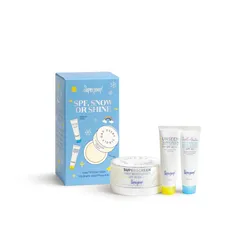
Superscreen Daily Moisturizer SPF 40 Our does-it-all formula with SPF 40 protects your skin from UV damage, blue ight and pollution, while also adding major hydration.
Source: Bluemercury
This product can help improve hydration of the skin with the two types of ingredients.
The first type is called “humectants”:
these ingredients help attract water.
When humectants are on the surface of the skin, they “pull in” the moisture from the outside environment, or from
within deeper layers of the skin. The following ingredients in this product do the job:
aphanizomenon flos-aquae extract, glycerin.
This product also contains ingredients called “occlusives”. They help reduce the speed with which our skin loses moisture to the outside environment. These ingredients also help soften the upper layer of the skin, so it feels less tight and nicer to the touch. The following ingredients in this product do the job: dimethicone, isododecane.
A silicone that helps to reduce water loss from the surface of the skin. Can temporarily "fill in" lines and wrinkles, absorb oil, and create a nice product finish
One of the best moisturizing ingredients. Naturally present in skin. It attracts water to the upper layer of the skin working as a humectant
A silicone that mixes with water creating nice light-weight product texture
An extract from ablue-green algae. Can help attract water to the upper layer of the skin and might help to neutralize free radicals
An emollient that helps soften the skin and can decrease moisture loss. Helps create a nice product texture
Helps to soften the upper layer of the skin without creating a greasy texture
Enhances the product texture and makes it more spreadable. Helps reduce water loss from the outer layer of skin. Extands the shelf life by preventing bacteria growth
Used to create a thicker product texture. Helps soften the upper layer of the skin and might be able to prevent moisture loss from its surface
Helps soften the upper layer of the skin
A silicone that helps improve the product texture and spreadability. Can absorb oil creating a short-term mattifying effect on the skin
Helps soften the upper layer of the skin and create a nice product consistency
Helps preserve products and creates a nice product texture
An emollient that helps soften the upper layer of the skin. Might have some weak anti-oxidant properties
An emollient that softens skin and creates a nice product texture
How honest is this product?
| Promise | Can it deliver? |
|---|---|
| Sun protection |
Total Promises Fulfilled score: 100/100.
Potential irritants
Comedogenic ingredients
No comedogenic ingredients detected
User reviews (0)
Averages from community submissions.
No reviews yet for this product.
Be the first to share your experience!
Tried this product?
Help capture what the ingredient list can't—texture, finish, pilling, scent, and more. Answer what you can, skip the rest.
Takes ~30 seconds.
Reviews are shown in aggregate. No personal details.
Key Actives
An active component of chamomile plant that historically has been used to calm down irritated skin. A recent study shows that bisabolol indeed can have some anti-inflammatory effect on skin, even though conclusive data is lacking. Bisabolol has a sweet floral scent and can be added to products for its aromatic properties
Helps neutralize free radicals in skin and might help reduce fine lines and wrinkles, as well as even out the skin tone
An extract from ablue-green algae. Can help attract water to the upper layer of the skin and might help to neutralize free radicals
A silicone that helps improve the product texture and spreadability. Can absorb oil creating a short-term mattifying effect on the skin
An emollient that helps soften the upper layer of the skin. Might have some weak anti-oxidant properties
A silicone that helps to reduce water loss from the surface of the skin. Can temporarily "fill in" lines and wrinkles, absorb oil, and create a nice product finish
A silicone that mixes with water creating nice light-weight product texture
Avobenzone. An organic, or so-called "chemical" UV filter. Protects against both UVA and UVB rays. Needs to be combined with other filters in a formulation to be stable.
A weak sunscreen that offers some protection against the sun rays that cause sunburn (UVB), but does not offer meaningful protection against protect against the most aging sun rays (UVA). It loses its effectiveness quickly when exposed to sunlight. It is an organic, or so called "chemical" sunscreen. When used in low concentrations, helps to stabilize the product formulation
Octinoxate. When used in higher concentrations, works as a sunscreen protecting the skin from UVB rays. When used in lower concentration, helps to preserve the product formulation. Is shown to be harmful to coral reefs - consider avoiding bathing in coral reef areas when wearing a product with this ingredient. It can be irritating
One of the best moisturizing ingredients. Naturally present in skin. It attracts water to the upper layer of the skin working as a humectant
Potential irritants
Octinoxate. When used in higher concentrations, works as a sunscreen protecting the skin from UVB rays. When used in lower concentration, helps to preserve the product formulation. Is shown to be harmful to coral reefs - consider avoiding bathing in coral reef areas when wearing a product with this ingredient. It can be irritating
A plant flower extract that might help calm down inflammation in skin and neutralize free radicals, but evidence of effectiveness in skin is lacking
Plant extract that might help neutralize free radicals, but evidence of effectiveness in skin is lacking
Avobenzone. An organic, or so-called "chemical" UV filter. Protects against both UVA and UVB rays. Needs to be combined with other filters in a formulation to be stable.
A weak sunscreen that offers some protection against the sun rays that cause sunburn (UVB), but does not offer meaningful protection against protect against the most aging sun rays (UVA). It loses its effectiveness quickly when exposed to sunlight. It is an organic, or so called "chemical" sunscreen. When used in low concentrations, helps to stabilize the product formulation
An emollient that softens skin and creates a nice product texture
An emollient that helps soften the upper layer of the skin. Might have some weak anti-oxidant properties
A more stable but less bio-available form of vitamin E compared to Tocopherol. Might help moisturize and protect the skin from free radicals, but mostly used in low concentrations to stabilize other ingredients.
Used to create a thicker product consistency and stabilize the formulation
Helps neutralize free radicals in skin and might help reduce fine lines and wrinkles, as well as even out the skin tone
Helps preserve products and creates a nice product texture
Comedogenic ingredients
We couldn't find any comedogenic ingredients in this product
All ingredients
Avobenzone. An organic, or so-called "chemical" UV filter. Protects against both UVA and UVB rays. Needs to be combined with other filters in a formulation to be stable.
A weak sunscreen that offers some protection against the sun rays that cause sunburn (UVB), but does not offer meaningful protection against protect against the most aging sun rays (UVA). It loses its effectiveness quickly when exposed to sunlight. It is an organic, or so called "chemical" sunscreen. When used in low concentrations, helps to stabilize the product formulation
Octinoxate. When used in higher concentrations, works as a sunscreen protecting the skin from UVB rays. When used in lower concentration, helps to preserve the product formulation. Is shown to be harmful to coral reefs - consider avoiding bathing in coral reef areas when wearing a product with this ingredient. It can be irritating
Octisalate. A UV filter. It offers some protection against the sun rays that cause sunburn (UVB), but does not protect against the most aging sun rays (UVA). It loses its effectiveness quickly when exposed to sunlight. It is an organic, or so called "chemical" sunscreen
One of the best moisturizing ingredients. Naturally present in skin. It attracts water to the upper layer of the skin working as a humectant
Enhances the product texture and makes it more spreadable. Helps reduce water loss from the outer layer of skin. Extands the shelf life by preventing bacteria growth
Increases thickness of a product. Texture enhancer for oil-in-water emulsions
Helps soften the upper layer of the skin and create a nice product consistency
An extract from ablue-green algae. Can help attract water to the upper layer of the skin and might help to neutralize free radicals
A silicone that helps improve the product texture and spreadability. Can absorb oil creating a short-term mattifying effect on the skin
An emollient that softens skin and creates a nice product texture
An emollient that helps soften the skin and can decrease moisture loss. Helps create a nice product texture
Helps to soften the upper layer of the skin without creating a greasy texture
Used to create a thicker product texture. Helps soften the upper layer of the skin and might be able to prevent moisture loss from its surface
Helps to create a nice product texture
An emollient that helps soften the upper layer of the skin. Might have some weak anti-oxidant properties
A more stable but less bio-available form of vitamin E compared to Tocopherol. Might help moisturize and protect the skin from free radicals, but mostly used in low concentrations to stabilize other ingredients.
Enhances the product texture and makes it more spreadable. Helps reduce water loss from the outer layer of skin. Extands the shelf life by preventing bacteria growth
A silicone that helps to reduce water loss from the surface of the skin. Can temporarily "fill in" lines and wrinkles, absorb oil, and create a nice product finish
An umbrella term for the following three colorants: CI 77491, CI 77492, CI 77499. They might be able to offer some protection against visible light, but the degree of the protection is not clear
Acts as a solvent for other ingredients. Speeds up the absorption of other ingredients into the skin
A silicone that mixes with water creating nice light-weight product texture
An active component of chamomile plant that historically has been used to calm down irritated skin. A recent study shows that bisabolol indeed can have some anti-inflammatory effect on skin, even though conclusive data is lacking. Bisabolol has a sweet floral scent and can be added to products for its aromatic properties
The same compound that is used safely in dental implants and bone cements. In cosmetics, it is used to improve the consistency of products
Helps the function of sunscreen and pigment ingredients in the formulation
An umbrella term for the following three colorants: CI 77491, CI 77492, CI 77499. They might be able to offer some protection against visible light, but the degree of the protection is not clear
Used to create a thicker product consistency and stabilize the formulation
An umbrella term for the following three colorants: CI 77491, CI 77492, CI 77499. They might be able to offer some protection against visible light, but the degree of the protection is not clear
A plant flower extract that might help calm down inflammation in skin and neutralize free radicals, but evidence of effectiveness in skin is lacking
A type of silicone that helps oil and water mix well together. Helps to disperse other ingredients, e.g. pigments, evenly in a formulation
Plant extract that might help neutralize free radicals, but evidence of effectiveness in skin is lacking
Helps neutralize free radicals in skin and might help reduce fine lines and wrinkles, as well as even out the skin tone
Helps preserve products and creates a nice product texture
Ingredient list view
Butyl methoxydibenzoylmethane, Homosalate, Ethylhexyl methoxycinnamate, Ethylhexyl salicylate, Water, Carthamus tinctorius oleosomes, Glycerin, C12-15 alkyl benzoate, Polyester-7, Ammonium acryloyldimethyltaurate/vp copolymer, Neopentyl glycol diheptanoate, Carthamus tinctorius seedcake extract, Aphanizomenon flos-aquae extract, Inulin lauryl carbamate, Xanthan gum, Biosaccharide gum-4, Cerium oxide, Platinum powder, 1,2-hexanediol, Ethylhexylglycerin, Phenethyl alcohol, Chlorphenesin, Cyclopentasiloxane, Coco-caprylate, Isododecane, Coco-caprylate/caprate, Dimethicone crosspolymer, Silica dimethyl silylate, Dimethicone/bis-isobutyl ppg-20 crosspolymer, Argania spinosa kernel oil, Tocopheryl acetate, C12-15 alkyl benzoate, Polyglyceryl-3 polyricinoleate, Dimethicone, Iron oxides, Ci 77492, Water, Isostearic acid, Propanediol, Ethylhexylglycerin, Peg/ppg-18/18 dimethicone, Bisabolol, Alumina, Hydrogen dimethicone, Iron oxides, Ci 77491, Polyhydroxystearic acid, Iron oxides, Ci 77499, Buddleja officinalis flower extract, Triethoxycaprylylsilane, Hydrangea arborescens root extract, Morus alba root extract, Polysorbate 20, Resveratrol, Scutellaria lateriflora extract, Caprylyl glycol, Hexylene glycol, Pentapeptide-21
- Opinion on Homosalate - Scientific Committee on Consumer Products
- Glycerol and the skin: holistic approach to its origin and functions
- Effects of the Aphanizomenon flos-aquae Extract (Klamin®) on a Neurodegeneration Cellular Model
- The influence of alkane chain length on the skin irritation potential of 1,2-alkanediols
- Final Report on the Safety Assessment of Phenethyl Alcohol
- Safety Assessment of Alkyl Esters as Used in Cosmetics
- Natural vegetable fats in the prevention of irritant contact dermatitis
- Dimethicone as a protective ingredient in topical medications
- Final Report on the Safety Assessment of Dimethicone Copolyol
- α-(-)-Bisabolol Reduces Pro-Inflammatory Cytokine Production and Ameliorates Skin Inflammation
- Safety Assessment of Alumina and Aluminum Hydroxide as Used in Cosmetics
- Saponins from the Flower Buds of Buddleja officinalis
- Anti-Inflammatory Effect of Buddleja officinalis on Vascular Inflammation in Human Umbilical Vein Endothelial Cells
- Total Peroxynitrite Scavenging Capacity of Phenylethanoid and Flavonoid Glycosides from the Flowers of Buddleja officinalis
- POSSIBLE TOXICITY OF HERBAL REMEDIES
- Skin permeation and antioxidant efficacy of topically applied resveratrol
- Chemoprevention of skin cancer by grape constituent resveratrol: relevance to human disease?
- Evaluation of efficacy and tolerance of a nighttime topical antioxidant containing resveratrol, baicalin, and vitamin e for treatment of mild to moderately photodamaged skin
- Resveratrol as a Multifunctional Topical Hypopigmenting Agent
- Anti-aging properties of resveratrol: review and report of a potent new antioxidant skin care formulation
- Resveratrol: A Unique Antioxidant Offering a Multi-Mechanistic Approach for Treating Aging Skin