Sea salt
In 793 skincare routines
Summary
Works for
- Exfoliation
Irritancy risk
2
MediumUsed to thicken the product formulation and might help to add minerals to the surface of the skin. It is used in scrubs as a physical exfoliant. Can increase sensitivity to other ingredients if left on the skin or used in high concentration
Products with Sea salt
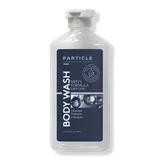 Particle for MenParticle Body Wash For Men
dimethiconeglycol distearatecocamide dea +4 actives
Cleansing
Fragrance
Price unavailable
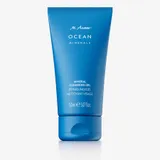 M. AsamOcean Minerals Mineral Cleansing Gel
acetyl tetrapeptide-17lactic acidurea +11 actives
Cleansing
Fragrance
Price unavailable
 NakerySkinRecovery Relax + Repair Magnesium Face, Body, & Hair Wash
niacinamidecocos nucifera oilglycerin +6 actives
Cleansing
Fragrance
Price unavailable
DiorHydrating Invisible UV Fluid Broad Spectrum SPF 50gluconolactonecaprylic/capric triglyceridedimethicone +6 actives
Anti-aging Sun protection +2
Fragrance
Price unavailable
 MedicubeDeep Lifting Peptide Eye Cream 30ml
copper tripeptide-1acetyl hexapeptide-1acetyl dipeptide-1 cetyl ester +45 actives
Moisturizing Anti-aging +2
Fragrance
Price unavailable
 Dr. Althea345 Relief Cream Mist 100ml
madecassosidepanthenolglycerin +7 actives
Moisturizing Anti-oxidation +1
Price unavailable
 Dr. Jart+Dermaclear pH Foam Cleanser 120ml
glutathioneglycerinlauric acid +5 actives
Cleansing
Price unavailable
 SKIN 1004.Madagascar Centella Poremizing Velvet Finish Sunscreen 50ml
niacinamideadenosinecentella asiatica extract +11 actives
Anti-blemish Anti-aging +2
Price unavailable
Nakery BeautyAdvanced Resurfacing Microderm Treatmentretinol3-o-ethyl ascorbic acidglycolic acid +11 actives
Anti-aging Exfoliation +4
Fragrance
Price unavailable
TIRTIRNMF Hydro Ampoule Mask - /30pcscopper tripeptide-1ceramide npceramide ns +28 actives
Moisturizing Anti-oxidation +1
Price unavailable
Similar ingredients
1-TRIMETHYL-2-CYCLOHEXENYL-1-PENTEN-3-ONEGLYCOLIC ACIDAn alpha-hydroxy acid (AHA) that helps to remove the dead skin cells on the surface of the skin reveling a more even, smoother complexation. It is also able to stimulate collagen production with long-term use. Could help to reduce pore congestion. It can be irritating to the skin. Apply sunscreen daily if using products with glycolic acidLACTIC ACIDAn exfoliating and moisturizing alpha-hydroxy acid (AHA). Typically causes less irritation than other AHAs, for example, glycolic acid. At high concentrations (about 15%), lactic acid can help reduce lines and wrinkles. Recent studies show that lactic acid can support the "good" bacteria living on skin's surface (healthy skin microbiom) RETINOLTwo steps removed from the active form of vitamin A - retinoic acid. Once converted to the retinoic acid in the skin, retinol is proven to be effective against all signs of aging. It improves skin cell turnover, helps fight blemishes and clogged pores, can regulate excess oil production and even skin tone. It can, however, be quite irritatingRETINYL PALMITATEThree steps removed from the active form of vitamin A - retinoic acid. To have an effect in the skin, it first needs to be converted twice to become the retinoic acid. This means it is less potent than retinol, but could also be less irritating. Once converted to the retinoic acid in the skin, it helps against all signs of aging, improves skin cell turnover and helps fight blemishes and clogged pores. However, in many cosmetic formulations, it is used in a concentration that is too low to have the full effectSALICYLIC ACIDUsed for skin exfoliation. It has an anti-inflammatory and anti-bacterial effect, helps to unclog pores, prevent blemishes and speed up healing of the existing ones. Sometimes referred to as a BHA (beta-hydroxy acid)HYDROXYPINACOLONE RETINOATEA derivative of the most potent form of vitamin A, retinoic acid. The ingredient can be sold under name Granactive Retinoid. Note that if a skincare brand discloses the concentration of Granactive Retinoid in a product, the concentration refers to a diluted form of Hydroxypinacolone Retinoate: 1% of Granactive Retinoid corresponds to 0.1% of Hydroxypinacolone Retinoate. Hydroxypinacolone Retinoate (HPR) is a unique derivative of retinoic acid because it can directly work in the skin and does not require additional conversion steps. According to studies done by the manufacturer on models of human skin (not real people), this derivative is more effective than other cosmetic versions of retinoids (such as retinol, retinaldehyde, and retinyl palmitate), and, at the same time, causes less irritation. It has been also demonstrated to be more stable than retinol which makes formulating with easier and increases the chances that a product with it will maintain its effectiveness after opening. The packaging should still ideally be air-tight. HPR is available over the counter in the EU, UK, Asia, Australia and New Zealand, but is only with a prescription in Canada.VITIS VINIFERA JUICE EXTRACTContains AHAs that exfoliate the upper layer of the skin. Can help attract water to the upper layer of the skin due to the sugar contentLACTOBACILLUS/PUMPKIN FERMENT EXTRACTAn enzyme-based exfoliantLACTOBACILLUS/PUNICA GRANATUM FRUIT FERMENT EXTRACTAn enzyme-based exfoliantLACTOBIONIC ACIDA polyhydroxy acid (PHA) that helps shed dead cells from the surface of the skin revealing a smoother, more even skin. PHAs tend to be gentler on the skin compared to AHAs (for example, glycolic acid). It also has hydrating properties and helps attract water to the upper layer of the skin. It can help calm down inflammation in skin and support restoration of the barrier function. It has an anti-oxidant effect as well. It can help reduce fine line, wrinkles and improve skin elasticity GLUCONOLACTONEA polyhydroxy acid (PHA) that helps shed the dead cells from the skin surface revealing smoother skin. Is believed to be genter than AHAs. It helps attract water to the upper layer of the skin and can stimulate production of skin's own hyaluronic acid resulting in improved hydration levels. It has been shown to be helpful against acne and clogged pores if used consistently (e.g over a period of 12 weeks) in high enough concentration. It can help reduce fine lines and wrinkles and improve skin tone with long-term application. Can help neutralize free radicalsUREANaturally present in skin (urea makes up about 7% of natural moisturizing factors in skin). Attracts water to the upper layer of the skin. Also has a positive effect on the skin barrier beyond the humectant action. Can enhance penetration of other ingredients. Is an exfoliating ingredient when used in high concentrationsZINC GLUCONATETypically used to stabilize the product formulations. It is a salt of a polyhydroxy acid (PHA) and in larger concentrations, can help shed the dead cells from the skin surface revealing smoother skin. It can help attract water to the upper layer of the skin. Might to be helpful against acne and clogged pores. Could be helpful in neutralizing free radicals, but solid research is missing. Due to the zinc content, might help calm down inflammation in skinCOPPER GLUCONATETypically used to stabilize the product formulations. It is a salt of polyhydroxy acid (PHA) and in larger concentrations, can help shed the dead cells from the skin surface revealing smoother skin. It can help attract water to the upper layer of the skin. Might to be helpful against acne and clogged pores. Could be helpful in neutralizing free radicals, but solid research is missingMALTOBIONIC ACIDA polyhydroxy acid (PHA) that helps shed the dead cells from the skin surface revealing smoother skin. Is genter than AHAs. In addition, it helps attract water to the upper layer of the skin. It has been shown to be helpful against acne and clogged pores. Might help reduce fine lines and wrinkles and improve skin tone with long-term application. Can help neutralize free radicalsMARIS SALUsed to thicken the product formulation and might help to add minerals to the surface of the skin. It is used in scrubs as a physical exfoliant. Can increase sensitivity to other ingredients if left on the skin or used in high concentrationMANDELIC ACIDHelps shed the upper layer of dead cells from the surface of the skin revealing smoother, brighter skin. It can help to reduce hyperpigmentation. It has anti-bacterial properties, and might help to reduce blemishes, as well as fine lines and wrinkles. It is considered to be gentler than glycolic acidGLUCONIC ACIDA polyhydroxy acid (PHA) that helps shed the dead cells from the skin surface revealing smoother skin. Is believed to be genter than AHAs. It helps attract water to the upper layer of the skin and can stimulate production of skin's own hyaluronic acid resulting in imporved hydration levels. It has been shown to be helpful against acne and clogged pores. Might help reduce fine lines and wrinkles and improve skin tone with long-term application. Can help neutralize free radicalsRETINYL PROPIONATEThree steps removed from the active form of vitamin A - retinoic acid. To have an effect in the skin, it first needs to be converted twice to become the retinoic acid. This means it is less potent than retinol, but could also be less irritating. Once converted to the retinoic acid in the skin, it helps against all signs of aging, improves skin cell turnover and helps fight blemishes and clogged pores, even thought its potency is not as well established as in case of retinol or retinaldehydeCAPRYLOYL SALICYLIC ACIDAZELAIC ACIDIs produced by a yeast that lives on normal human skin. It is used in medicine as a topical treatment for mild to moderate acne. It has a mild exfoliating effect. It can also help reduce hyperpigmentation, helps calm down inflammation and can help neutralize free radicalsHYDROXYETHYL UREAA derivative of urea, a compound that is naturally present in skin. Attracts water to the upper layer of the skin. Can enhance penetration of other ingredientsRETINYL RETINOATEA "hybrid" of retinol and retinoic acid. It is more stable than retinol and is likely to be more effective based on the early research data available. Is as irritating as retinolALCLOXAAn aluminum salt of allantoin. Can have an exfoliating and mattifying effect. Can be irritatingBETAINE SALICYLATEExfoliating acid, a "relative" of salicylic acidSALICYLAMIDEUsed for anti-bacterial and anti-fungal properties. Can help reduce inflammation in skin. If used in higher concentrations, works to exfoliate the skinPAPAINAn enzyme extracted from papaya fruit. Can have an exfoliating effect on the skin. Can be irritatingTARTARIC ACIDAn AHA (alpha-hydroxy acid). It oxidizes quickly which makes it less effective in skincare formulations. It can support skin's barrier and moisture levelsACETYL GLUCOSAMINEAn effective moisturizing ingredient that also has been shown to be effective in evening out the skin tone and reducing hyperpigmentation. It can help somewhat reduce wrinkles in skinPOLYLACTIC ACIDUsed as an abrasive ingredient for physical (mechanical) exfoliationCITRUS AURANTIFOLIA JUICEPHENOLA harsh exfoliant and preservative. It is banned from using in cosmetics in the EU