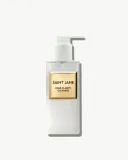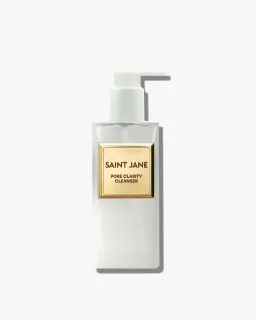
Saint Jane Beauty Pore Clarity Cleanser

Saint Jane Beauty Pore Clarity Cleanser

Efficacy100/100IrritancyMedium

Works for

Exfoliation
Mandelic acid, Salicylic acid + 4 more
Works well
What the product description says
“Infused with hydrating Hyaluronic Acid, and five different exfoliating AHAs, PHAs and BHAs, the result is a beautifully resurfaced complexion, and a visibly smoother canvas for your skincare routine.”
Source: Credo Beauty

This product can help exfoliate the skin. In other words, it helps break down the bonds between dead cells on the surface of the skin and speed up the skin turnover. Skin often appears softer and brighter after exfoliation, but overdoing it can result in disrupted skin barrier. The following ingredient is doing the exfoliating job in this product: glycolic acid, lactobionic acid, mandelic acid, salicylic acid.

Mandelic acidKey activeEffect: HighHelps shed the upper layer of dead cells from the surface of the skin revealing smoother, brighter skin. It can help to reduce hyperpigmentation. It has anti-bacterial properties, and might help to reduce blemishes, as well as fine lines and wrinkles. It is considered to be gentler than glycolic acid~0.45–0.7%
Salicylic acidKey activeEffect: HighUsed for skin exfoliation. It has an anti-inflammatory and anti-bacterial effect, helps to unclog pores, prevent blemishes and speed up healing of the existing ones. Sometimes referred to as a BHA (beta-hydroxy acid)~0.35–0.65%
Glycolic acidKey activeEffect: HighAn alpha-hydroxy acid (AHA) that helps to remove the dead skin cells on the surface of the skin reveling a more even, smoother complexation. It is also able to stimulate collagen production with long-term use. Could help to reduce pore congestion. It can be irritating to the skin. Apply sunscreen daily if using products with glycolic acid~0.35–0.6%
Lactobionic acidKey activeEffect: HighA polyhydroxy acid (PHA) that helps shed dead cells from the surface of the skin revealing a smoother, more even skin. PHAs tend to be gentler on the skin compared to AHAs (for example, glycolic acid). It also has hydrating properties and helps attract water to the upper layer of the skin. It can help calm down inflammation in skin and support restoration of the barrier function. It has an anti-oxidant effect as well. It can help reduce fine line, wrinkles and improve skin elasticity~0.05–0.1%
Sea saltEffect: Low, below effective doseUsed to thicken the product formulation and might help to add minerals to the surface of the skin. It is used in scrubs as a physical exfoliant. Can increase sensitivity to other ingredients if left on the skin or used in high concentration~3.1–3.8%
GluconolactoneUnder-dosedA polyhydroxy acid (PHA) that helps shed the dead cells from the skin surface revealing smoother skin. Is believed to be genter than AHAs. It helps attract water to the upper layer of the skin and can stimulate production of skin's own hyaluronic acid resulting in improved hydration levels. It has been shown to be helpful against acne and clogged pores if used consistently (e.g over a period of 12 weeks) in high enough concentration. It can help reduce fine lines and wrinkles and improve skin tone with long-term application. Can help neutralize free radicals~0.05–0.1%
Cleansing
Sodium c14-16 olefin sulfonate, Cocamidopropyl hydroxysultaine
Cleanses gently
What the product description says
“Pore Clarity Cleanser”
Source: Credo Beauty

This product works by removing dirt and oil from the surface of the skin. It uses a combination of mild cleansing agents (cocamidopropyl hydroxysultaine, sodium c14-16 olefin sulfonate) and should be able to cleanse the skin gently. Still keep in mind that any cleansing can disrupt the skin barrier, and most people do not need to cleanse their skin more than once per day.

Even though this formulation is mild, the following cleansing agents could trigger an irritation or allergy for some people: sodium c14-16 olefin sulfonate

Sodium c14-16 olefin sulfonateEffect: HighHelps oil and water mix together and used as a cleansing agent. Can be irritating and is better avoided for sensitive skin~11–14%
Cocamidopropyl hydroxysultaineEffect: HighUsed as a cleansing agent. Helps water and oil mix together~5.8–7.1%
Anti-blemish
Side benefit · Salicylic acid, Mandelic acid + 4 more
Works well

This product can help reduce breakouts and clogged pores because it contains the following ingredient: salicylic acid. This ingredient is used for treating acne and can have a noticeable effect.

The following ingredient (ingredients) in this product might be helpful, but there is no evidence to confirm that it actually works: glycolic acid, lactobionic acid, mandelic acid

Salicylic acidHeroEffect: HighUsed for skin exfoliation. It has an anti-inflammatory and anti-bacterial effect, helps to unclog pores, prevent blemishes and speed up healing of the existing ones. Sometimes referred to as a BHA (beta-hydroxy acid)~0.35–0.65%
Mandelic acidKey activeEffect: MediumHelps shed the upper layer of dead cells from the surface of the skin revealing smoother, brighter skin. It can help to reduce hyperpigmentation. It has anti-bacterial properties, and might help to reduce blemishes, as well as fine lines and wrinkles. It is considered to be gentler than glycolic acid~0.45–0.7%
Glycolic acidKey activeEffect: MediumAn alpha-hydroxy acid (AHA) that helps to remove the dead skin cells on the surface of the skin reveling a more even, smoother complexation. It is also able to stimulate collagen production with long-term use. Could help to reduce pore congestion. It can be irritating to the skin. Apply sunscreen daily if using products with glycolic acid~0.35–0.6%
Lactobionic acidKey activeEffect: MediumA polyhydroxy acid (PHA) that helps shed dead cells from the surface of the skin revealing a smoother, more even skin. PHAs tend to be gentler on the skin compared to AHAs (for example, glycolic acid). It also has hydrating properties and helps attract water to the upper layer of the skin. It can help calm down inflammation in skin and support restoration of the barrier function. It has an anti-oxidant effect as well. It can help reduce fine line, wrinkles and improve skin elasticity~0.05–0.1%
Aloe barbadensis leaf juiceEffect: Low, below effective doseTraditionally used to treat sunburns, dermatitis and inflammation, but evidence for its effectiveness is lacking. The extract can contain humectants that help attract water into the skin~0.5–0.75%
GluconolactoneUnder-dosedA polyhydroxy acid (PHA) that helps shed the dead cells from the skin surface revealing smoother skin. Is believed to be genter than AHAs. It helps attract water to the upper layer of the skin and can stimulate production of skin's own hyaluronic acid resulting in improved hydration levels. It has been shown to be helpful against acne and clogged pores if used consistently (e.g over a period of 12 weeks) in high enough concentration. It can help reduce fine lines and wrinkles and improve skin tone with long-term application. Can help neutralize free radicals~0.05–0.1%

Can it cause trouble?

Irritancy
2 strong irritants: Gardenia taitensis flower extract, Hibiscus sabdariffa flower extract
Medium risk
We flagged 16 ingredients with irritancy potential. Severity depends on your sensitivity threshold; the table lists the worst offenders first.
IngredientFunctionIrritationEst. amount
Sodium c14-16 olefin sulfonateHelps oil and water mix together and used as a cleansing agent. Can be irritating and is better avoided for sensitive skinHigh~11–14%est.
Gardenia taitensis flower extractUsed as a fragranceHigh~1.1–1.4%est.
Hibiscus sabdariffa flower extractA plant extract that can be irritating. It might contain a compound anthocyanin that could be helpful in neutralizing free radicalsHigh~0.9–1.1%est.
Mandelic acidHelps shed the upper layer of dead cells from the surface of the skin revealing smoother, brighter skin. It can help to reduce hyperpigmentation. It has anti-bacterial properties, and might help to reduce blemishes, as well as fine lines and wrinkles. It is considered to be gentler than glycolic acidHigh~0.45–0.7%est.
Salicylic acidUsed for skin exfoliation. It has an anti-inflammatory and anti-bacterial effect, helps to unclog pores, prevent blemishes and speed up healing of the existing ones. Sometimes referred to as a BHA (beta-hydroxy acid)High~0.35–0.65%est.
Glycolic acidAn alpha-hydroxy acid (AHA) that helps to remove the dead skin cells on the surface of the skin reveling a more even, smoother complexation. It is also able to stimulate collagen production with long-term use. Could help to reduce pore congestion. It can be irritating to the skin. Apply sunscreen daily if using products with glycolic acidHigh~0.35–0.6%est.
Cocamidopropyl hydroxysultaineUsed as a cleansing agent. Helps water and oil mix togetherMedium~5.8–7.1%est.
Sea saltUsed to thicken the product formulation and might help to add minerals to the surface of the skin. It is used in scrubs as a physical exfoliant. Can increase sensitivity to other ingredients if left on the skin or used in high concentrationMedium~3.1–3.8%est.
Euterpe oleracea fruit oilA plant oil that might help neutralize free radicals, but evidence of effectiveness in skin is lackingMedium~1.9–2.3%est.
Aloe barbadensis leaf juiceTraditionally used to treat sunburns, dermatitis and inflammation, but evidence for its effectiveness is lacking. The extract can contain humectants that help attract water into the skinMedium~0.5–0.75%est.
Argania spinosa kernel oilAn emollient that helps soften the upper layer of the skin. Might have some weak anti-oxidant propertiesMedium~0.3–0.55%est.
Caprylhydroxamic acidA preservativeMedium~0.2–0.35%est.
Caprylic/capric triglycerideA good mix of fatty acids that forms a protective layer on the skin. Improves the shelf life of products. Derived from coconut and glycerinMedium~0.2–0.35%est.
Caprylyl glycolHelps preserve products and creates a nice product textureMedium~0.15–0.25%est.
GluconolactoneA polyhydroxy acid (PHA) that helps shed the dead cells from the skin surface revealing smoother skin. Is believed to be genter than AHAs. It helps attract water to the upper layer of the skin and can stimulate production of skin's own hyaluronic acid resulting in improved hydration levels. It has been shown to be helpful against acne and clogged pores if used consistently (e.g over a period of 12 weeks) in high enough concentration. It can help reduce fine lines and wrinkles and improve skin tone with long-term application. Can help neutralize free radicalsMedium~0.05–0.1%est.
Lactobionic acidA polyhydroxy acid (PHA) that helps shed dead cells from the surface of the skin revealing a smoother, more even skin. PHAs tend to be gentler on the skin compared to AHAs (for example, glycolic acid). It also has hydrating properties and helps attract water to the upper layer of the skin. It can help calm down inflammation in skin and support restoration of the barrier function. It has an anti-oxidant effect as well. It can help reduce fine line, wrinkles and improve skin elasticityMedium~0.05–0.1%est.
Comedogenic
Clean of flagged comedogenic ingredients
None flagged

User reviews

Would you recommend?
No community reviews yet.

Be the first — your take helps the next person decide.

Ingredients

Filter by role to see what each ingredient is doing.

Water~45–55%
Formula
Irritation risk
Low

Plain old water

More about Water
Sodium c14-16 olefin sulfonate~11–14%
Irritant · high
Irritation risk
High
Works for
Cleansing

Helps oil and water mix together and used as a cleansing agent. Can be irritating and is better avoided for sensitive skin

More about Sodium c14-16 olefin sulfonate
Cocamidopropyl hydroxysultaine~5.8–7.1%
Irritant · medium
Irritation risk
Medium
Works for
Cleansing

Used as a cleansing agent. Helps water and oil mix together

More about Cocamidopropyl hydroxysultaine
Sea salt~3.1–3.8%
Irritant · medium
Irritation risk
Medium
Works for
Exfoliation

Used to thicken the product formulation and might help to add minerals to the surface of the skin. It is used in scrubs as a physical exfoliant. Can increase sensitivity to other ingredients if left on the skin or used in high concentration

More about Sea salt
Jasminum officinale oil~2.1–2.6%
Formula
Euterpe oleracea fruit oil~1.9–2.3%
Irritant · medium
Irritation risk
Medium
Works for
Anti-oxidation

A plant oil that might help neutralize free radicals, but evidence of effectiveness in skin is lacking

More about Euterpe oleracea fruit oil
Hoya lacunosa flower extract~1.6–2%
Formula
Eriophorum spissum flower/stem extract~1.4–1.7%
Formula
Gardenia taitensis flower extract~1.1–1.4%
Irritant · high
Irritation risk
High

Used as a fragrance

More about Gardenia taitensis flower extract
Hibiscus sabdariffa flower extract~0.9–1.1%
Irritant · high
Irritation risk
High
Works for
Anti-oxidation

A plant extract that can be irritating. It might contain a compound anthocyanin that could be helpful in neutralizing free radicals

More about Hibiscus sabdariffa flower extract
Sodium hyaluronate~0.65–1%
Formula
Irritation risk
Low
Works for
Moisturizing

One of the best moisturizing ingredients. Attracts water into the upper layer of the skin

More about Sodium hyaluronate
Pseudoalteromonas exopolysaccharides~0.55–0.85%
Formula
Aloe barbadensis leaf juice~0.5–0.75%
Irritant · medium
Irritation risk
Medium
Works for
MoisturizingAntibacterialReduces irritationReduces rednessAnti-inflammatoryAnti-blemishAnti-aging

Traditionally used to treat sunburns, dermatitis and inflammation, but evidence for its effectiveness is lacking. The extract can contain humectants that help attract water into the skin

More about Aloe barbadensis leaf juice
Mandelic acid~0.45–0.7%
Key activeIrritant · high
Irritation risk
High
Works for
Evens skin toneExfoliationAnti-blemishAntibacterial

Helps shed the upper layer of dead cells from the surface of the skin revealing smoother, brighter skin. It can help to reduce hyperpigmentation. It has anti-bacterial properties, and might help to reduce blemishes, as well as fine lines and wrinkles. It is considered to be gentler than glycolic acid

More about Mandelic acid
Salicylic acid~0.35–0.65%
Hero · Anti-blemishIrritant · high
Irritation risk
High
Works for
Anti-inflammatoryExfoliationAnti-blemishAntibacterialEvens skin tone

Used for skin exfoliation. It has an anti-inflammatory and anti-bacterial effect, helps to unclog pores, prevent blemishes and speed up healing of the existing ones. Sometimes referred to as a BHA (beta-hydroxy acid)

More about Salicylic acid
Glycolic acid~0.35–0.6%
Key activeIrritant · high
Irritation risk
High
Works for
Evens skin toneExfoliationAnti-agingAnti-blemish

An alpha-hydroxy acid (AHA) that helps to remove the dead skin cells on the surface of the skin reveling a more even, smoother complexation. It is also able to stimulate collagen production with long-term use. Could help to reduce pore congestion. It can be irritating to the skin. Apply sunscreen daily if using products with glycolic acid

More about Glycolic acid
Vinegar~0.25–0.5%
Formula
Irritation risk
Low
More about Vinegar
Argania spinosa kernel oil~0.3–0.55%
Irritant · medium
Irritation risk
Medium
Works for
MoisturizingAnti-oxidation

An emollient that helps soften the upper layer of the skin. Might have some weak anti-oxidant properties

More about Argania spinosa kernel oil
Caprylhydroxamic acid~0.2–0.35%
Irritant · medium
Irritation risk
Medium

A preservative

More about Caprylhydroxamic acid
Glycerin~0.2–0.35%
Formula
Irritation risk
Low
Works for
Moisturizing

One of the best moisturizing ingredients. Naturally present in skin. It attracts water to the upper layer of the skin working as a humectant

More about Glycerin
Aspartic acid~0.15–0.25%
Formula
Irritation risk
Low
Works for
MoisturizingAnti-aging

An amino-acid that helps increase skin hydration and might help to slightly improve skin firmness, potentially reducing lines and wrinkles

More about Aspartic acid
Caprylic/capric triglyceride~0.2–0.35%
Irritant · medium
Irritation risk
Medium
Works for
Moisturizing

A good mix of fatty acids that forms a protective layer on the skin. Improves the shelf life of products. Derived from coconut and glycerin

More about Caprylic/capric triglyceride
Caprylyl glycol~0.15–0.25%
Irritant · medium
Irritation risk
Medium
Works for
Moisturizing

Helps preserve products and creates a nice product texture

More about Caprylyl glycol
Gluconolactone~0.05–0.1%
Under-dosedIrritant · medium
Irritation risk
Medium
Works for
MoisturizingAnti-agingEvens skin toneExfoliationAnti-blemishAnti-oxidation

A polyhydroxy acid (PHA) that helps shed the dead cells from the skin surface revealing smoother skin. Is believed to be genter than AHAs. It helps attract water to the upper layer of the skin and can stimulate production of skin's own hyaluronic acid resulting in improved hydration levels. It has been shown to be helpful against acne and clogged pores if used consistently (e.g over a period of 12 weeks) in high enough concentration. It can help reduce fine lines and wrinkles and improve skin tone with long-term application. Can help neutralize free radicals

More about Gluconolactone
Lactobionic acid~0.05–0.1%
Key activeIrritant · medium
Irritation risk
Medium
Works for
Anti-oxidationExfoliationAnti-agingMoisturizingEvens skin toneAnti-blemishAnti-inflammatory

A polyhydroxy acid (PHA) that helps shed dead cells from the surface of the skin revealing a smoother, more even skin. PHAs tend to be gentler on the skin compared to AHAs (for example, glycolic acid). It also has hydrating properties and helps attract water to the upper layer of the skin. It can help calm down inflammation in skin and support restoration of the barrier function. It has an anti-oxidant effect as well. It can help reduce fine line, wrinkles and improve skin elasticity

More about Lactobionic acid
Ingredient list view

Water, Sodium c14-16 olefin sulfonate, Cocamidopropyl hydroxysultaine, Sea salt, Jasminum officinale oil, Euterpe oleracea fruit oil, Hoya lacunosa flower extract, Eriophorum spissum flower/stem extract, Gardenia taitensis flower extract, Hibiscus sabdariffa flower extract, Sodium hyaluronate, Pseudoalteromonas exopolysaccharides, Aloe barbadensis leaf juice, Mandelic acid, Salicylic acid, Glycolic acid, Vinegar, Argania spinosa kernel oil, Caprylhydroxamic acid, Glycerin, Aspartic acid, Caprylic/capric triglyceride, Caprylyl glycol, Gluconolactone, Lactobionic acid

Compare prices

Retailers ranked by price — lowest first.

Credo Beauty
$28.80
Buy
Saint jane beauty
$36.00
Buy
Ulta4 oz
$36.00
Buy

Affiliate links · As an Amazon Associate, WIMJ earns from qualifying purchases.

Worth comparing, line by line.

Match % combines shared ingredients, the first five ingredients, shared actives and hero ingredients, irritancy (lower counts in the alternative's favour), texture and body area. Only products in the same routine step are compared.

Side-by-side comparison of this product against its closest alternatives
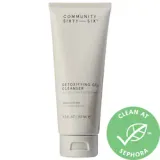
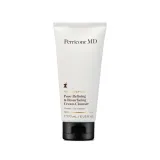
Saint Jane BeautyPore Clarity CleanserYOUR PRODUCTNeutrogenaStubborn Texture Acne Cleanser for Textured SkinPerricone MDNeuropeptide Pore-Refining & Resurfacing Cream CleanserCommunity Sixty-SixDetoxifying AHA/BHA Gel Cleanser
Match—82%78%77%
Price$28.80$14.21−$14.59$47.10+$18.30$15.82−$12.98
Shared key ingredients—4 of 117 of 114 of 11
Key difference—GluconolactoneNicotiana Benthamiana Hexapeptide-40 Sh-Oligopeptide-1Niacinamide
Irritancy Medium Low Medium Low
Drying alcohol————
View product Shop Shop Shop

More alternatives: OleHenriksen Daily D-Clog Pore-Clearing Salicylic Acid CleanserClinique Clarifying Do-Over Peel

Cheaper alternatives? See how this stacks up against similar formulas.
We compare ingredient profiles across our catalog — pick the closest match for your budget.
Open dupe finder

Sources cited in this review

Every concentration estimate and effectiveness label is anchored to one of these 34 studies and safety reviews.

  1. 1
  2. 2
  3. 3
  4. 4
  5. 5
  6. 6
Saint Jane Beauty Pore Clarity Cleanser
Saint Jane BeautyPore Clarity Cleanser

Affiliate links · As an Amazon Associate, WIMJ earns from qualifying purchases.

As an Amazon Associate, WIMJ earns from qualifying purchases.