Works for:
based on ingredients and %- Moisturizing
Doesn't work for:
based on ingredients and %- Anti-aging
- Exfoliation
- Anti-blemish
Can it cause trouble?
- Irritation risk: high
- Comedogenic risk ingredients: 1
Key actives

Moisturizing
What does the product description say?
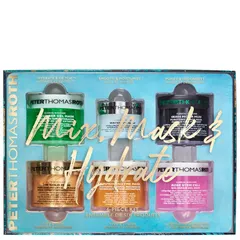
Mix, Mask, Hydrate
Source: From product name
This product can help improve hydration of the skin with the two types of ingredients.
The first type is called “humectants”:
these ingredients help attract water.
When humectants are on the surface of the skin, they “pull in” the moisture from the outside environment, or from
within deeper layers of the skin. The following ingredients in this product do the job:
glycerin, saccharide isomerate.
This product also contains ingredients called “occlusives”. They help reduce the speed with which our skin loses moisture to the outside environment. These ingredients also help soften the upper layer of the skin, so it feels less tight and nicer to the touch. The following ingredients in this product do the job: dimethicone, helianthus annuus seed oil.
The following ingredients in this product are especially good for supporting the skin barrier and helping with the hydration level: caprooyl phytosphingosine, caprooyl sphingosine, ceramide ap, ceramide eop, ceramide eos, ceramide np, ceramide ns
A type of lipid similar to ceramides naturally present in skin. Helps to soften the upper layer of the skin and supports the skin barrier function to keep it hydrated. Can help to prevent inflammation in skin
A component of ceramides. Helps to soften the upper layer of the skin and supports the skin barrier function to keep it hydrated. Can help to prevent inflammation in skin
A component of ceramides. Helps to soften the upper layer of the skin and supports the skin barrier function to keep it hydrated. Can help to prevent inflammation in skin
A type of lipid similar to ceramides naturally present in skin. Helps to soften the upper layer of the skin and supports the skin barrier function to keep it hydrated. Can help to prevent inflammation in skin
A type of lipid similar to ceramides naturally present in skin. Helps to soften the upper layer of the skin and supports the skin barrier function to keep it hydrated. Can help to prevent inflammation in skin
A type of lipid similar to ceramides naturally present in skin. Helps to soften the upper layer of the skin and supports the skin barrier function to keep it hydrated. Can help to prevent inflammation in skin
A type of lipid similar to ceramides naturally present in skin. Helps to soften the upper layer of the skin and supports the skin barrier function to keep it hydrated. Can help to prevent inflammation in skin
An emollient that is naturally found in skin
A silicone that helps to reduce water loss from the surface of the skin. Can temporarily "fill in" lines and wrinkles, absorb oil, and create a nice product finish
One of the best moisturizing ingredients. Naturally present in skin. It attracts water to the upper layer of the skin working as a humectant
A great emollient due to its high linoleic acid content. One of the most effective plant oils in helping skin hydration and repairing skin barrier function
Helps attract water to the upper layer of the skin
Yeast extract that contains copper. Can help to attract water to the upper layer of the skin and can help in skin wound healing
Yeast extract that contains iron. Can help to attract water to the upper layer of the skin. Evidence of effectiveness for other benefits is missing
Yeast extract that contains magnesium. Can help to attract water to the upper layer of the skin. Evidence of effectiveness for other benefits is missing
Yeast extract that contains silicon. Can help to attract water to the upper layer of the skin. Evidence of effectiveness for other benefits is missing
Yeast extract that contains zinc. Can help to attract water to the upper layer of the skin. Evidence of effectiveness for other benefits is missing
Sugar extract that helps attract water to the upper layer of the skin
One of the best moisturizing ingredients. Attracts water into the upper layer of the skin
Helps attract water to the upper layer of the skin. Is often used to adjust the pH level of the product
Naturally present in skin and helps to attract water to its upper layer
Helps attract water to the upper layer of the skin and soften it
Can help attract water to the upper layer of the skin
A non-drying alcohol that works to soften the skin and stabilize product formulations helping oil and water mix together
A silicone that helps improve the product texture and spreadability. Can absorb oil creating a short-term mattifying effect on the skin
A type of silicone that helps to soften upper layer of the skin and create a nice product texture
A fruit extract that might help attract water to the upper layer of the skin. There is no evidence of other benefits in skin
A mineral, magnesium iron silicate. It can help add minerals to the surface of the skin that might be helpful for its barrier function. It is claimed to be able to support collagen production but evidence of effectiveness in skin is lacking
Used to preserve products, dissolve other ingredients and create a nice product texture
Improves the texture of the product and helps soften the skin. Helps oil and water mix together and can be used as a cleansing agent
A fruit extract that might help to attract water to the upper layer of the skin, but there is no evidence for any other benefits to the skin
Used to create a nice product texture and help delivery of other ingredients. Might be somewhat helpful in attracting water to the upper layer of the skin
Helps soften the upper layer of the skin, dissolve other ingredients and create a thicker product consistency
Might be somewhat helpful in reducing hyperpigmentation and neutralizing free radicals but its typical concentration in a product is too low for having an effect
Used as a fragrance. Can be irritating
Helps calm down inflammation in skin and can help reduce itching. Helps to repair the skin barrier and keep skin hydrated
An exfoliating and moisturizing alpha-hydroxy acid (AHA). Typically causes less irritation than other AHAs, for example, glycolic acid. At high concentrations (about 15%), lactic acid can help reduce lines and wrinkles. Recent studies show that lactic acid can support the "good" bacteria living on skin's surface (healthy skin microbiome)
Helps attract water to the upper layer of the skin and might have some anti-oxidant and skin lightening properties. It can help calm down inflammation in skin
A great emollient. Contains vitamin E (tocopherol) which may give it some anti-oxidant properties. Can contain volatile compounds and can be irritating
A silicone that serves as an emollient. Helps create a nice non-greasy feels
Pure form of vitamin E. Can help moisturise and protect the skin from free radicals. Often used to help stabilise other ingredients or the formula itself
Traditionally used to treat sunburns, dermatitis and inflammation, but evidence for its effectiveness is lacking. The extract can contain humectants that help attract water into the skin
Anti-aging
What does the product description say?
A luxurious, anti-aging mask infused with pure 24K Gold and Colloidal Gold to help improve the appearance of firmness and impart an opulent glow.
Source: Beautylish
This product does not contain ingredients that are able to reduce fine lines and wrinkles or help with skin elasticity, but it can improve the look of the skin temporarily through moisturization. Well-moisturized skin might also be able to repair the sun damage better.
A mineral, magnesium iron silicate. It can help add minerals to the surface of the skin that might be helpful for its barrier function. It is claimed to be able to support collagen production but evidence of effectiveness in skin is lacking
The most well-researched antioxidant that works in skin. Helps neutralize free radicals supporting collagen production, helping to even out the skin tone and preventing early signs of aging
An exfoliating and moisturizing alpha-hydroxy acid (AHA). Typically causes less irritation than other AHAs, for example, glycolic acid. At high concentrations (about 15%), lactic acid can help reduce lines and wrinkles. Recent studies show that lactic acid can support the "good" bacteria living on skin's surface (healthy skin microbiome)
Three steps removed from the active form of vitamin A - retinoic acid. To have an effect in the skin, it first needs to be converted twice to become the retinoic acid. This means it is less potent than retinol, but could also be less irritating. Once converted to the retinoic acid in the skin, it helps against all signs of aging, improves skin cell turnover and helps fight blemishes and clogged pores. However, in many cosmetic formulations, it is used in a concentration that is too low to have the full effect
Pure form of vitamin E. Can help moisturise and protect the skin from free radicals. Often used to help stabilise other ingredients or the formula itself
Being a lipid soluble form of vitamin C, it is more stable and can penetrate the skin better than L-Ascorbic acid. It is effective in protecting the skin from free radicals, as well as evening the skin tone, but is less effective in stimulating collagen production compared to L-Ascorbic acid.
Traditionally used to treat sunburns, dermatitis and inflammation, but evidence for its effectiveness is lacking. The extract can contain humectants that help attract water into the skin
Anti-blemish
What does the product description say?
Irish Moor Mud Purifying Black Mask (1.
Source: Beautylish
Effective ingredients missing or their concentration is too low.
A type of clay that consists mainly of aluminum silicate. Helps absorb oil and creates a thicker product consistency. Can be used to add a white color
Helps stabilize the product formulation
Three steps removed from the active form of vitamin A - retinoic acid. To have an effect in the skin, it first needs to be converted twice to become the retinoic acid. This means it is less potent than retinol, but could also be less irritating. Once converted to the retinoic acid in the skin, it helps against all signs of aging, improves skin cell turnover and helps fight blemishes and clogged pores. However, in many cosmetic formulations, it is used in a concentration that is too low to have the full effect
Helps calm down inflammation in skin and can help reduce itching. Helps to repair the skin barrier and keep skin hydrated
Traditionally used to treat sunburns, dermatitis and inflammation, but evidence for its effectiveness is lacking. The extract can contain humectants that help attract water into the skin
Exfoliation
What does the product description say?
A triple-action manual, chemical and enzymatic exfoliating treatment that exfoliates with Pumpkin Enzyme, peels with Alpha Hydroxy Acid and polishes with Aluminum Oxide Crystals to reveal smoother, younger, revitalized-looking skin.
Source: Beautylish
This product does not contain effective exfoliating ingredients. It might be able to deliver physical exfoliation, that is scrub off some of the dead cells on the surface of the skin. We do not recommend physical exfoliation, because it is not uniform (some bits of skin can get exfoliated too much while others not at all). It can also traumatize the skin and aggrevate acne and other skin conditions.
An exfoliating and moisturizing alpha-hydroxy acid (AHA). Typically causes less irritation than other AHAs, for example, glycolic acid. At high concentrations (about 15%), lactic acid can help reduce lines and wrinkles. Recent studies show that lactic acid can support the "good" bacteria living on skin's surface (healthy skin microbiome)
Three steps removed from the active form of vitamin A - retinoic acid. To have an effect in the skin, it first needs to be converted twice to become the retinoic acid. This means it is less potent than retinol, but could also be less irritating. Once converted to the retinoic acid in the skin, it helps against all signs of aging, improves skin cell turnover and helps fight blemishes and clogged pores. However, in many cosmetic formulations, it is used in a concentration that is too low to have the full effect
Helps calm down inflammation in skin and can help reduce itching. Helps to repair the skin barrier and keep skin hydrated
How honest is this product?
| Promise | Can it deliver? |
|---|---|
| Moisturizing | |
| Anti-aging | |
| Exfoliation | |
| Anti-blemish |
Total Promises Fulfilled score: 37/100.
We receive a small commission for purchases made through these links at no cost for you. Thank you for your support! Learn more
Potential irritants
Comedogenic ingredients
User reviews (0)
Averages from community submissions.
No reviews yet for this product.
Be the first to share your experience!
Tried this product?
Help capture what the ingredient list can't—texture, finish, pilling, scent, and more. Answer what you can, skip the rest.
Takes ~30 seconds.
Reviews are shown in aggregate. No personal details.
| Product | Similarity | Price | Irritancy |
|---|---|---|---|
 Peter Thomas Roth Mix, Mask, Hydrate | Current | $75.00 | |
 Drunk Elephant F-Balm Electrolyte Waterfacial Hydrating Mask | 55% | $39.19 |
Key Actives
Helps calm down inflammation in skin and can help reduce itching. Helps to repair the skin barrier and keep skin hydrated
Helps calm down inflammation in skin and can help reduce itching. Helps to repair the skin barrier and keep skin hydrated
Helps attract water to the upper layer of the skin and might have some anti-oxidant and skin lightening properties. It can help calm down inflammation in skin
Three steps removed from the active form of vitamin A - retinoic acid. To have an effect in the skin, it first needs to be converted twice to become the retinoic acid. This means it is less potent than retinol, but could also be less irritating. Once converted to the retinoic acid in the skin, it helps against all signs of aging, improves skin cell turnover and helps fight blemishes and clogged pores. However, in many cosmetic formulations, it is used in a concentration that is too low to have the full effect
Pure form of vitamin E. Can help moisturise and protect the skin from free radicals. Often used to help stabilise other ingredients or the formula itself
A type of lipid similar to ceramides naturally present in skin. Helps to soften the upper layer of the skin and supports the skin barrier function to keep it hydrated. Can help to prevent inflammation in skin
A type of lipid similar to ceramides naturally present in skin. Helps to soften the upper layer of the skin and supports the skin barrier function to keep it hydrated. Can help to prevent inflammation in skin
A type of lipid similar to ceramides naturally present in skin. Helps to soften the upper layer of the skin and supports the skin barrier function to keep it hydrated. Can help to prevent inflammation in skin
A type of clay that consists mainly of aluminum silicate. Helps absorb oil and creates a thicker product consistency. Can be used to add a white color
A silicone that helps to reduce water loss from the surface of the skin. Can temporarily "fill in" lines and wrinkles, absorb oil, and create a nice product finish
Might be helpful in neutralizing free radicals. Can have a dehydration effect that might somewhat decrease the look of puffy eyes
A silicone that helps to reduce water loss from the surface of the skin. Can temporarily "fill in" lines and wrinkles, absorb oil, and create a nice product finish
A silicone that helps improve the product texture and spreadability. Can absorb oil creating a short-term mattifying effect on the skin
A type of lipid similar to ceramides naturally present in skin. Helps to soften the upper layer of the skin and supports the skin barrier function to keep it hydrated. Can help to prevent inflammation in skin
A type of lipid similar to ceramides naturally present in skin. Helps to soften the upper layer of the skin and supports the skin barrier function to keep it hydrated. Can help to prevent inflammation in skin
A component of ceramides. Helps to soften the upper layer of the skin and supports the skin barrier function to keep it hydrated. Can help to prevent inflammation in skin
A component of ceramides. Helps to soften the upper layer of the skin and supports the skin barrier function to keep it hydrated. Can help to prevent inflammation in skin
An emollient that is naturally found in skin
Sugar extract that helps attract water to the upper layer of the skin
Naturally present in skin and helps to attract water to its upper layer
One of the best moisturizing ingredients. Naturally present in skin. It attracts water to the upper layer of the skin working as a humectant
One of the best moisturizing ingredients. Naturally present in skin. It attracts water to the upper layer of the skin working as a humectant
Helps attract water to the upper layer of the skin. Is often used to adjust the pH level of the product
One of the best moisturizing ingredients. Attracts water into the upper layer of the skin
A great emollient due to its high linoleic acid content. One of the most effective plant oils in helping skin hydration and repairing skin barrier function
One of the best moisturizing ingredients. Naturally present in skin. It attracts water to the upper layer of the skin working as a humectant
One of the best moisturizing ingredients. Naturally present in skin. It attracts water to the upper layer of the skin working as a humectant
One of the best moisturizing ingredients. Attracts water into the upper layer of the skin
Works as a UV filter when used in high concentrations. It is photostable and is effective mostly against the UVB light, with some protection in the UVA range. In small concentrations, used for its ability to improve the color of cosmetic products. Is usually well tolerated by the skin
One of the best moisturizing ingredients. Naturally present in skin. It attracts water to the upper layer of the skin working as a humectant
Naturally present in skin and helps to attract water to its upper layer
Avobenzone. An organic, or so-called "chemical" UV filter. Protects against both UVA and UVB rays. Needs to be combined with other filters in a formulation to be stable.
Octinoxate. When used in higher concentrations, works as a sunscreen protecting the skin from UVB rays. When used in lower concentration, helps to preserve the product formulation. Is shown to be harmful to coral reefs - consider avoiding bathing in coral reef areas when wearing a product with this ingredient. It can be irritating
One of the best moisturizing ingredients. Naturally present in skin. It attracts water to the upper layer of the skin working as a humectant
One of the best moisturizing ingredients. Attracts water into the upper layer of the skin
Naturally present in skin and helps to attract water to its upper layer
Helps attract water to the upper layer of the skin
Yeast extract that contains magnesium. Can help to attract water to the upper layer of the skin. Evidence of effectiveness for other benefits is missing
Yeast extract that contains iron. Can help to attract water to the upper layer of the skin. Evidence of effectiveness for other benefits is missing
Yeast extract that contains copper. Can help to attract water to the upper layer of the skin and can help in skin wound healing
Yeast extract that contains silicon. Can help to attract water to the upper layer of the skin. Evidence of effectiveness for other benefits is missing
Yeast extract that contains zinc. Can help to attract water to the upper layer of the skin. Evidence of effectiveness for other benefits is missing
Potential irritants
Plant extract that can have healing and anti-inflammatory properties. It is a potential allergen and can be irritating
Plant oil that can have healing and anti-inflammatory properties. It contains volatile compouunds that are potential allergens and can be irritating
Used as a fragrance. Can be irritating and cause photosensitivity
A plant extract that is used as a fragrance. Can be irritating and lead to photosensitivity
Helps oil and water mix together and can enhance the penetration of other ingredients into the skin. It can be irritating
The most well-researched antioxidant that works in skin. Helps neutralize free radicals supporting collagen production, helping to even out the skin tone and preventing early signs of aging
Three steps removed from the active form of vitamin A - retinoic acid. To have an effect in the skin, it first needs to be converted twice to become the retinoic acid. This means it is less potent than retinol, but could also be less irritating. Once converted to the retinoic acid in the skin, it helps against all signs of aging, improves skin cell turnover and helps fight blemishes and clogged pores. However, in many cosmetic formulations, it is used in a concentration that is too low to have the full effect
A preservative. Can be used to mask unpleasant smell. Can be irritating
An aromatic blend of unspecified and possibly irritating ingredients
Oil of a very fragrant pink rose used as fragrance in cosmetics. Extensive research has shown it has mixed benefits. In the pro column, inhaling this flower’s scent seems to have relaxing properties and the plant’s petals contain skin-soothing and antioxidant compounds that can benefit skin. On the flipside, the numerous chemicals that create this rose’s distinctive fragrance pose a risk of causing skin aggravation.
Octinoxate. When used in higher concentrations, works as a sunscreen protecting the skin from UVB rays. When used in lower concentration, helps to preserve the product formulation. Is shown to be harmful to coral reefs - consider avoiding bathing in coral reef areas when wearing a product with this ingredient. It can be irritating
A plant extract that may contain a small amount of essential oils. Might be helpful in neutralizing free radicals in skin
Might be somewhat helpful in reducing hyperpigmentation and neutralizing free radicals but its typical concentration in a product is too low for having an effect
A fruit extract that might help to attract water to the upper layer of the skin, but there is no evidence for any other benefits to the skin
A plant extract that contains small percentage of AHAs. Is unlikely to have any skin benefit due the small concentration of the active compounds
Traditionally used to treat sunburns, dermatitis and inflammation, but evidence for its effectiveness is lacking. The extract can contain humectants that help attract water into the skin
A fruit extract that might help attract water to the upper layer of the skin. There is no evidence of other benefits in skin
Can work as an exfoliant but is typically used to adjust the product pH
Used to adjust pH of the product and can help improve the product's smell
Helps attract water to the upper layer of the skin. Is often used to adjust the pH level of the product
A more stable but less bio-available form of vitamin E compared to Tocopherol. Might help moisturize and protect the skin from free radicals, but mostly used in low concentrations to stabilize other ingredients.
A preservative that comes from radishes fermented by a bacteria. New research suggests that the preservation properties in the ingredient come from an ammonium salt that is not present naturally in radish root but used in its cultivation. Is problematic because the exact amount of the preservative agents is difficult to determine
Used to improve product texture and help oil and water mix together
An exfoliating and moisturizing alpha-hydroxy acid (AHA). Typically causes less irritation than other AHAs, for example, glycolic acid. At high concentrations (about 15%), lactic acid can help reduce lines and wrinkles. Recent studies show that lactic acid can support the "good" bacteria living on skin's surface (healthy skin microbiome)
Might be helpful in neutralizing free radicals. Can have a dehydration effect that might somewhat decrease the look of puffy eyes
Used to preserve products, dissolve other ingredients and create a nice product texture
A plant extract that might have some anti-oxidant properties, but evidence is lacking
A great emollient. Contains vitamin E (tocopherol) which may give it some anti-oxidant properties. Can contain volatile compounds and can be irritating
Avobenzone. An organic, or so-called "chemical" UV filter. Protects against both UVA and UVB rays. Needs to be combined with other filters in a formulation to be stable.
Being a lipid soluble form of vitamin C, it is more stable and can penetrate the skin better than L-Ascorbic acid. It is effective in protecting the skin from free radicals, as well as evening the skin tone, but is less effective in stimulating collagen production compared to L-Ascorbic acid.
A plant extract that might have some anti-oxidant and anti-inflammatory properties but evidence for effectiveness in skin is missing
Helps to control the skin's pH level. Maintains the skin's natural film of amino-lactic acids and oils. Helps to preserve products
Comedogenic ingredients
All ingredients
Used to create a nice product texture and help delivery of other ingredients. Might be somewhat helpful in attracting water to the upper layer of the skin
Might be somewhat helpful in reducing hyperpigmentation and neutralizing free radicals but its typical concentration in a product is too low for having an effect
A fruit extract that might help to attract water to the upper layer of the skin, but there is no evidence for any other benefits to the skin
A plant extract that contains small percentage of AHAs. Is unlikely to have any skin benefit due the small concentration of the active compounds
Sugar extract that helps attract water to the upper layer of the skin
Traditionally used to treat sunburns, dermatitis and inflammation, but evidence for its effectiveness is lacking. The extract can contain humectants that help attract water into the skin
Plant extract that can have healing and anti-inflammatory properties. It is a potential allergen and can be irritating
Plant oil that can have healing and anti-inflammatory properties. It contains volatile compouunds that are potential allergens and can be irritating
Used as a fragrance. Can be irritating and cause photosensitivity
A plant extract that is used as a fragrance. Can be irritating and lead to photosensitivity
A fruit extract that might help attract water to the upper layer of the skin. There is no evidence of other benefits in skin
Naturally present in skin and helps to attract water to its upper layer
Helps calm down inflammation in skin and can help reduce itching. Helps to repair the skin barrier and keep skin hydrated
One of the best moisturizing ingredients. Naturally present in skin. It attracts water to the upper layer of the skin working as a humectant
Helps oil and water mix together and can enhance the penetration of other ingredients into the skin. It can be irritating
Can work as an exfoliant but is typically used to adjust the product pH
Helps create a thicker or gel-like product texture. It is not a surfactant but can be used in gentle cleansing formulations
Used to adjust pH of the product and can help improve the product's smell
A preservative. It helps prevent bacterial growth in cosmetic products
The same compound that is used safely in dental implants and bone cements. In cosmetics, it is used to improve the consistency of products
One of the best moisturizing ingredients. Naturally present in skin. It attracts water to the upper layer of the skin working as a humectant
Used to adjust pH of the product and can help improve the product's smell
Helps create a thicker or gel-like product texture. It is not a surfactant but can be used in gentle cleansing formulations
Helps attract water to the upper layer of the skin. Is often used to adjust the pH level of the product
The most well-researched antioxidant that works in skin. Helps neutralize free radicals supporting collagen production, helping to even out the skin tone and preventing early signs of aging
A more stable but less bio-available form of vitamin E compared to Tocopherol. Might help moisturize and protect the skin from free radicals, but mostly used in low concentrations to stabilize other ingredients.
Three steps removed from the active form of vitamin A - retinoic acid. To have an effect in the skin, it first needs to be converted twice to become the retinoic acid. This means it is less potent than retinol, but could also be less irritating. Once converted to the retinoic acid in the skin, it helps against all signs of aging, improves skin cell turnover and helps fight blemishes and clogged pores. However, in many cosmetic formulations, it is used in a concentration that is too low to have the full effect
One of the best moisturizing ingredients. Attracts water into the upper layer of the skin
A preservative that comes from radishes fermented by a bacteria. New research suggests that the preservation properties in the ingredient come from an ammonium salt that is not present naturally in radish root but used in its cultivation. Is problematic because the exact amount of the preservative agents is difficult to determine
A great emollient due to its high linoleic acid content. One of the most effective plant oils in helping skin hydration and repairing skin barrier function
Can work as an exfoliant but is typically used to adjust the product pH
A preservative. It helps prevent bacterial growth in cosmetic products
A preservative. Can be used to mask unpleasant smell. Can be irritating
An aromatic blend of unspecified and possibly irritating ingredients
Helps form a film on the surface of the skin and disperse other ingredients (like colorants) in cosmetics. Lac is a resinous substance secreted by parasite insects living on trees
One of the best moisturizing ingredients. Naturally present in skin. It attracts water to the upper layer of the skin working as a humectant
Used to improve product texture and help oil and water mix together
A type of clay that consists mainly of aluminum silicate. Helps absorb oil and creates a thicker product consistency. Can be used to add a white color
An exfoliating and moisturizing alpha-hydroxy acid (AHA). Typically causes less irritation than other AHAs, for example, glycolic acid. At high concentrations (about 15%), lactic acid can help reduce lines and wrinkles. Recent studies show that lactic acid can support the "good" bacteria living on skin's surface (healthy skin microbiome)
Helps soften the upper layer of the skin, dissolve other ingredients and create a thicker product consistency
Improves the texture of the product and helps soften the skin. Helps oil and water mix together and can be used as a cleansing agent
Used to create a thicker product consistency
A silicone that helps to reduce water loss from the surface of the skin. Can temporarily "fill in" lines and wrinkles, absorb oil, and create a nice product finish
A preservative. It helps prevent bacterial growth in cosmetic products
Creates an illusion of smoother and more radiant skin tone. Adds shimmer to the skin by reflecting light
One of the best moisturizing ingredients. Naturally present in skin. It attracts water to the upper layer of the skin working as a humectant
One of the best moisturizing ingredients. Attracts water into the upper layer of the skin
Might be helpful in neutralizing free radicals. Can have a dehydration effect that might somewhat decrease the look of puffy eyes
A mineral, magnesium iron silicate. It can help add minerals to the surface of the skin that might be helpful for its barrier function. It is claimed to be able to support collagen production but evidence of effectiveness in skin is lacking
Used to preserve products, dissolve other ingredients and create a nice product texture
Helps create a thicker or gel-like product texture. It is not a surfactant but can be used in gentle cleansing formulations
Creates an illusion of smoother and more radiant skin tone. Adds shimmer to the skin by reflecting light
A preservative. It helps prevent bacterial growth in cosmetic products
An umbrella term for the following three colorants: CI 77491, CI 77492, CI 77499. They might be able to offer some protection against visible light, but the degree of the protection is not clear
Works as a UV filter when used in high concentrations. It is photostable and is effective mostly against the UVB light, with some protection in the UVA range. In small concentrations, used for its ability to improve the color of cosmetic products. Is usually well tolerated by the skin
Oil of a very fragrant pink rose used as fragrance in cosmetics. Extensive research has shown it has mixed benefits. In the pro column, inhaling this flower’s scent seems to have relaxing properties and the plant’s petals contain skin-soothing and antioxidant compounds that can benefit skin. On the flipside, the numerous chemicals that create this rose’s distinctive fragrance pose a risk of causing skin aggravation.
Used to create a nice product texture and help delivery of other ingredients. Might be somewhat helpful in attracting water to the upper layer of the skin
Used to adjust pH of the product and can help improve the product's smell
Helps create a thicker or gel-like product texture. It is not a surfactant but can be used in gentle cleansing formulations
A plant extract that might have some anti-oxidant properties, but evidence is lacking
A great emollient. Contains vitamin E (tocopherol) which may give it some anti-oxidant properties. Can contain volatile compounds and can be irritating
A preservative that comes from radishes fermented by a bacteria. New research suggests that the preservation properties in the ingredient come from an ammonium salt that is not present naturally in radish root but used in its cultivation. Is problematic because the exact amount of the preservative agents is difficult to determine
One of the best moisturizing ingredients. Naturally present in skin. It attracts water to the upper layer of the skin working as a humectant
Helps calm down inflammation in skin and can help reduce itching. Helps to repair the skin barrier and keep skin hydrated
Traditionally used to treat sunburns, dermatitis and inflammation, but evidence for its effectiveness is lacking. The extract can contain humectants that help attract water into the skin
Naturally present in skin and helps to attract water to its upper layer
Helps oil and water mix together and can enhance the penetration of other ingredients into the skin. It can be irritating
Can work as an exfoliant but is typically used to adjust the product pH
Avobenzone. An organic, or so-called "chemical" UV filter. Protects against both UVA and UVB rays. Needs to be combined with other filters in a formulation to be stable.
Octinoxate. When used in higher concentrations, works as a sunscreen protecting the skin from UVB rays. When used in lower concentration, helps to preserve the product formulation. Is shown to be harmful to coral reefs - consider avoiding bathing in coral reef areas when wearing a product with this ingredient. It can be irritating
Octisalate. A UV filter. It offers some protection against the sun rays that cause sunburn (UVB), but does not protect against the most aging sun rays (UVA). It loses its effectiveness quickly when exposed to sunlight. It is an organic, or so called "chemical" sunscreen
A preservative. It helps prevent bacterial growth in cosmetic products
One of the best moisturizing ingredients. Naturally present in skin. It attracts water to the upper layer of the skin working as a humectant
Helps to dissolve other ingredients in a formulation. Slows down the rate of product drying
A silicone that helps to reduce water loss from the surface of the skin. Can temporarily "fill in" lines and wrinkles, absorb oil, and create a nice product finish
A silicone that helps improve the product texture and spreadability. Can absorb oil creating a short-term mattifying effect on the skin
A silicone that serves as an emollient. Helps create a nice non-greasy feels
Helps attract water to the upper layer of the skin and might have some anti-oxidant and skin lightening properties. It can help calm down inflammation in skin
One of the best moisturizing ingredients. Attracts water into the upper layer of the skin
A type of lipid similar to ceramides naturally present in skin. Helps to soften the upper layer of the skin and supports the skin barrier function to keep it hydrated. Can help to prevent inflammation in skin
A type of lipid similar to ceramides naturally present in skin. Helps to soften the upper layer of the skin and supports the skin barrier function to keep it hydrated. Can help to prevent inflammation in skin
A type of lipid similar to ceramides naturally present in skin. Helps to soften the upper layer of the skin and supports the skin barrier function to keep it hydrated. Can help to prevent inflammation in skin
A type of lipid similar to ceramides naturally present in skin. Helps to soften the upper layer of the skin and supports the skin barrier function to keep it hydrated. Can help to prevent inflammation in skin
A type of lipid similar to ceramides naturally present in skin. Helps to soften the upper layer of the skin and supports the skin barrier function to keep it hydrated. Can help to prevent inflammation in skin
A plant extract that may contain a small amount of essential oils. Might be helpful in neutralizing free radicals in skin
Naturally present in skin and helps to attract water to its upper layer
Pure form of vitamin E. Can help moisturise and protect the skin from free radicals. Often used to help stabilise other ingredients or the formula itself
Being a lipid soluble form of vitamin C, it is more stable and can penetrate the skin better than L-Ascorbic acid. It is effective in protecting the skin from free radicals, as well as evening the skin tone, but is less effective in stimulating collagen production compared to L-Ascorbic acid.
A component of ceramides. Helps to soften the upper layer of the skin and supports the skin barrier function to keep it hydrated. Can help to prevent inflammation in skin
A component of ceramides. Helps to soften the upper layer of the skin and supports the skin barrier function to keep it hydrated. Can help to prevent inflammation in skin
Yeast extract that contains magnesium. Can help to attract water to the upper layer of the skin. Evidence of effectiveness for other benefits is missing
Yeast extract that contains iron. Can help to attract water to the upper layer of the skin. Evidence of effectiveness for other benefits is missing
Yeast extract that contains copper. Can help to attract water to the upper layer of the skin and can help in skin wound healing
Yeast extract that contains silicon. Can help to attract water to the upper layer of the skin. Evidence of effectiveness for other benefits is missing
Yeast extract that contains zinc. Can help to attract water to the upper layer of the skin. Evidence of effectiveness for other benefits is missing
A plant extract that might have some anti-oxidant and anti-inflammatory properties but evidence for effectiveness in skin is missing
Helps attract water to the upper layer of the skin and soften it
A type of silicone that helps to soften upper layer of the skin and create a nice product texture
Used to stabilize mixtures of oil and water, and create thicker, gel-like product textures
Helps to control the skin's pH level. Maintains the skin's natural film of amino-lactic acids and oils. Helps to preserve products
Can work as an exfoliant but is typically used to adjust the product pH
Helps oil and water mix together and can enhance the penetration of other ingredients into the skin. It can be irritating
Used to create a nice product texture and help delivery of other ingredients. Might be somewhat helpful in attracting water to the upper layer of the skin
A non-drying alcohol that works to soften the skin and stabilize product formulations helping oil and water mix together
A preservative. It helps prevent bacterial growth in cosmetic products
Creates an illusion of smoother and more radiant skin tone. Adds shimmer to the skin by reflecting light
Ingredient list view
Cucumis sativus extract, Water, Butylene glycol, Cucumis sativus fruit extract, Ananas sativus fruit extract, Vaccinium myrtillus fruit/leaf extract, Carica papaya fruit extract, Acer saccharum extract, Saccharum officinarum extract, Aloe barbadensis leaf juice, Chamomilla recutita flower extract, Chamomilla recutita flower oil, Citrus limon fruit extract, Citrus aurantium dulcis fruit extract, Mangifera indica fruit extract, Sodium pca, Allantoin, Glycerin, Propylene glycol, Disodium edta, Sodium hydroxide, Citric acid, Carbomer, Triethanolamine, Polysorbate 20, Potassium sorbate, Sodium benzoate, Phenoxyethanol, Ci 19140, Ci 42090, Cucurbita pepo, Water, Cucurbita pepo, Alumina, Glycerin, Triethanolamine, Carbomer, Lactobacillus/pumpkin fruit ferment filtrate, Sodium lactate, Ascorbic acid, Tocopheryl acetate, Retinyl palmitate, Bht, Sodium hyaluronate, Leuconostoc/radish root ferment filtrate, Helianthus annuus seed oil, Citric acid, Disodium edta, Benzoic acid, Sorbic acid, Potassium sorbate, Sodium benzoate, Chlorphenesin, Phenoxyethanol, Benzyl alcohol, Cinnamal, Parfum, Unknown, Lac, Water, Glycerin, Peat, Charcoal powder, Polyacrylamide, Lava powder, Sargassum fusiforme extract, Kaolin, Bentonite, Lactic acid, C13-14 isoparaffin, Isohexadecane, Sodium acrylate/sodium acryloyldimethyl taurate copolymer, Dimethicone, Xanthan gum, Disodium edta, Polysorbate 80, Laureth-7, Sorbitan oleate, Sodium benzoate, Potassium sorbate, Phenoxyethanol, Mica, Gold, Glycerin, Water, Sodium hyaluronate, Caffeine, Olivine extract, Colloidal gold, Pentylene glycol, Carbomer, Sodium hydroxide, Potassium sorbate, Sodium benzoate, Sodium metabisulfite, Mica, Phenoxyethanol, Gold, Ci 77480, Iron oxides, Ci 77491, Titanium dioxide, Ci 77891, Rosa damascena extract, Water, Butylene glycol, Peg-40 hydrogenated castor oil, Trideceth-9, Triethanolamine, Carbomer, Rosa centifolia leaf cell extract, Rosa alba leaf cell extract, Rosa damascena leaf cell extract, Rosa canina fruit extract, Rosa damascena flower oil, Rosa canina fruit oil, Rosa centifolia flower water, Commiphora myrrha leaf cell extract, Adenium obesum leaf cell extract, Leuconostoc/radish root ferment filtrate, Glycerin, Allantoin, Aloe barbadensis leaf juice, Bht, Sodium pca, Propylene glycol, Ppg-26-buteth-26, Citric acid, Disodium edta, Butyl methoxydibenzoylmethane, Ethylhexyl methoxycinnamate, Ethylhexyl salicylate, Potassium sorbate, Sodium benzoate, Phenoxyethanol, Ci 17200, Water, Cream, Unknown, Tin, Water, Glycerin, Dipropylene glycol, Dimethicone, Cyclopentasiloxane, Cyclohexasiloxane, Yeast extract, Sodium hyaluronate, Ceramide eop, Ceramide eos, Ceramide ap, Ceramide np, Ceramide ns, Sambucus nigra fruit extract, Hydrolyzed silk, Sodium pca, Tocopherol, Ascorbyl palmitate, Caprooyl phytosphingosine, Caprooyl sphingosine, Saccharide isomerate, Saccharomyces/magnesium ferment, Saccharomyces/iron ferment, Saccharomyces/copper ferment, Saccharomyces/silicon ferment, Saccharomyces/zinc ferment, Olea europaea leaf extract, Methyl gluceth-20, Ethylhexylglycerin, Lauryl peg-9 polydimethylsiloxyethyl dimethicone, Cholesterol, Sodium chloride, Sodium citrate, Citric acid, Behenic acid, Propylene glycol, Ceteareth-25, Butylene glycol, Dimethicone/peg-10/15 crosspolymer, Cetyl alcohol, Disodium edta, Sodium benzoate, Potassium sorbate, Phenoxyethanol, Mica
- Safety Assessment of Citrus-Derived Peel Oils as Used in Cosmetics
- Safety Assessment of Citrus Fruit-Derived Ingredients as Used in Cosmetics
- Photosensitivity in children: An approach to diagnosis and management
- Profile of wound healing process induced by allantoin
- Glycerol and the skin: holistic approach to its origin and functions
- Surfactants and experimental irritant contact dermatitis
- Propylene Glycol
- Skin-sensitizing and irritant properties of propylene glycol
- Analysis of Dyes in Cosmetics: Challenges and Recent Developments
- Safety Assessment of Alumina and Aluminum Hydroxide as Used in Cosmetics
- Hyaluronic acid: A key molecule in skin aging
- Hyaluronan (Hyaluronic Acid): a natural moisturizer for skin care
- Effect of Olive and Sunflower Seed Oil on the Adult Skin Barrier: Implications for Neonatal Skin Care
- Topically Applied Sunflower Seed Oil Prevents Invasive Bacterial Infections in Preterm Infants in Egypt
- Effect of topically applied lipids on surfactant-irritated skin
- Impact of topical oils on the skin barrier: possible implications for neonatal health in developing countries
- Epidermal and dermal effects of topical lactic acid
- Dual Effects of Alpha-Hydroxy Acids on the Skin
- Safety Assessment of Isoparaffins as Used in Cosmetics
- Dimethicone as a protective ingredient in topical medications
- Final Report on the Safety Assessment of Dimethicone Copolyol
- Final report on the safety assessment of sodium sulfite, potassium sulfite, ammonium sulfite, sodium bisulfite, ammonium bisulfite, sodium metabisulfite and potassium metabisulfite
- Amended Safety Assessment of PEGylated Oils as Used in Cosmetics
- Annex I: Clinical evidence regarding sensitisation to individual fragrance chemicals and to natural extracts
- Amended Safety Assessment of Butyl Polyoxyalkylene Ethers as Used in Cosmetics
- The natural yeast extract isolated by ethanol precipitation inhibits melanin synthesis by modulating tyrosinase activity and downregulating melanosome transfer
- Evaluation of dermatological effects of cosmetic formulations containing Saccharomyces cerevisiae extract and vitamins
- Topically Applied Ceramides Interact with the Stratum Corneum Lipid Matrix in Compromised Ex Vivo Skin
- Topical emulsions containing ceramides: Effects on the skin barrier function and anti‐inflammatory properties
- Skin hydration is significantly increased by a cream formulated to mimic the skin’s own natural moisturizing systems
- Assessment report on Sambucus nigra L., fructus
- SKIN PROTECTION AGAINST SOLAR UV RADIATION BY NATURAL PLANT PRODUCTS: EXTRACTS FROM ELDER FRUIT (SAMBUCUS NIGRA L.)
- Moisturizing efficiency of silk protein hydrolysate: Silk fibroin
- Vitamin E in dermatology
- Vitamin E and Skin Health
- Safety Assessment of Ceramides as Used in Cosmetics
- Wound Repair Potential of Olea europaea L. Leaf Extracts Revealed by In Vivo Experimental Models and Comparative Evaluation of the Extracts' Antioxidant Activity
- Final Report on the Safety Assessment of Ceteareth-2, -3, -4, -5, -6, -7, -8, -9, -10, -11, -12, -13, -14, -15, -16, -17, -18,-20,-22,-23,-24,-25,-27, -28, -29, -30, -33, -34, -40, -50, -55, -60, -80, and -100