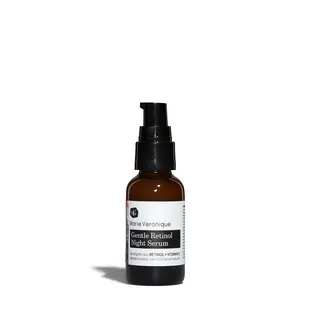
marie veronique Gentle Retinol Night Serum

marie veronique Gentle Retinol Night Serum

Efficacy93/100IrritancyHigh

Works for

Anti-aging
Retinol, Ferulic acid + 11 more
Works well
What the product description says
“Speeds cellular turnover and provides the nutrients your body needs to repair and rebuild collagen.Smoothes fine lines and wrinkles.”
Source: Marie Veronique

This product can help reduce and prevent fine lines and wrinkles, improve skin elasticity and firmness because it contains retinol.

These ingredients in the product can also be helpful, even though there is less evidence for their effectiveness: ferulic acid, resveratrol.

Keep in mind that it typically takes at least 6 weeks to notice any results because the changes that are needed to improve fine lines and elasticity happen in the deeper layers of the skin. No topical anti-aging product can “erase” wrinkles or fully reverse signs of aging.

RetinolHeroEffect: HighTwo steps removed from the active form of vitamin A - retinoic acid. Once converted to the retinoic acid in the skin, retinol is proven to be effective against all signs of aging. It improves skin cell turnover, helps fight blemishes and clogged pores, can regulate excess oil production and even skin tone. It can, however, be quite irritating~0.05–0.15%
Ferulic acidKey activeEffect: MediumA potent anti-oxidant that has been shown to be effective in neutralizing free radicals in skin. There seem to have a synergetic effect of ferulic acid, vitamin E and C, meaning that when the ingredients are used together, they enhance each other's ability protect the skin against free radicals. Ferulic acid also helps to stabilize other ingredients - including vitamins C and E. It can help to even out the skin tone. Ferulic acid is approved for use as a sunscreen ingredient in Japan in concentrations up to 10%~0.05–0.25%
ResveratrolKey activeEffect: MediumHelps neutralize free radicals in skin and might help reduce fine lines and wrinkles, as well as even out the skin tone~0.05–0.2%
Sodium salicylateEffect: LowThe salt of salicylic acid. Helps exfoliate the upper layer of the skin. Can also work to preserve cosmetic products~0.05–0.2%
Camellia sinensis leaf extractEffect: LowCan contain potent anti-oxidant compounds (abbreviated ECG, GCG, EGC, and EGCG) that might help protect the skin from free radicals. Can help calm down inflammation and has some anti-bacterial properties. Unfortunately, these antioxidants are unstable and lose their effectiveness very quickly in products. The concentration of the antioxidant compounds in the extract also tends to be low to be effective in topical formulation~0.05–0.25%
UbiquinoneEffect: LowCoenzyme Q10. It helps neutralize free radicals in skin, improves skin hydration and might be helpful agains fine lines and wrinkles. It can be an allergen~0.05–0.2%
Beta-glucanEffect: LowHelps attract water to the upper layer of the skin, calm down inflammation and irritation, restore the barrier function and support wound healing. It can be helpful in reducing fine lines and wrinkles~0.05–0.2%
Magnesium ascorbyl phosphateEffect: Low, below effective doseA derivative of vitamin C that is more stable, but less bioavailable than the pure form of vitamin C. It does not penetrate the skin well, but has been shown to convert to pure vitamin C once in skin. It can be helpful in stimulating collagen production and lightening the skin tone, but the required concentration is likely to be very high~0.15–0.6%
Ascorbyl palmitateEffect: Low, below effective doseBeing a lipid soluble form of vitamin C, it is more stable and can penetrate the skin better than L-Ascorbic acid. It is effective in protecting the skin from free radicals, as well as evening the skin tone, but is less effective in stimulating collagen production compared to L-Ascorbic acid.~0.1–0.4%
TocopherolEffect: Low, below effective dosePure form of vitamin E. Can help moisturise and protect the skin from free radicals. Often used to help stabilise other ingredients or the formula itself~0.05–0.2%
Laminaria digitata extractEffect: Low, below effective doseSeaweed extract that helps the skin to attract water and make it more smooth for touch. Also shows promise of anti-aging properties, but good research is lacking at the moment~0.05–0.2%
Glucosamine hclEffect: Low, below effective doseMight be able to stimulate production of skin's natural moisturizing compounds such as hyaluronic acid. Could be helpful for evening the skin tone.~0.05–0.2%
Ascorbic acidUnder-dosedThe most well-researched antioxidant that works in skin. Helps neutralize free radicals supporting collagen production, helping to even out the skin tone and preventing early signs of aging~1.7–2.6%
Anti-blemish
Retinol, Beta-glucan + 1 more
Works well
What the product description says
“Clears pores and controls breakouts.Our go-to serum for aging skin and hyperpigmentation concerns.Delivers significant age delay results without irritation.”
Source: Marie Veronique

This product can help reduce breakouts and clogged pores because it contains the following ingredient: retinol. This ingredient is used for treating acne and can have a noticeable effect.

RetinolHeroEffect: HighTwo steps removed from the active form of vitamin A - retinoic acid. Once converted to the retinoic acid in the skin, retinol is proven to be effective against all signs of aging. It improves skin cell turnover, helps fight blemishes and clogged pores, can regulate excess oil production and even skin tone. It can, however, be quite irritating~0.05–0.15%
Beta-glucanEffect: LowHelps attract water to the upper layer of the skin, calm down inflammation and irritation, restore the barrier function and support wound healing. It can be helpful in reducing fine lines and wrinkles~0.05–0.2%
Camellia sinensis leaf extractEffect: LowCan contain potent anti-oxidant compounds (abbreviated ECG, GCG, EGC, and EGCG) that might help protect the skin from free radicals. Can help calm down inflammation and has some anti-bacterial properties. Unfortunately, these antioxidants are unstable and lose their effectiveness very quickly in products. The concentration of the antioxidant compounds in the extract also tends to be low to be effective in topical formulation~0.05–0.25%
Evens skin tone
Retinol, Ferulic acid + 5 more
Works well
What the product description says
“Clears pores and controls breakouts.Our go-to serum for aging skin and hyperpigmentation concerns.Delivers significant age delay results without irritation.”
Source: Marie Veronique

This product can help reduce hypepigmentation and even out the skin tone because it contains the following effective ingredients: retinol.

The following ingredient (ingredients) in this product might be helpful, but there is no evidence to confirm that it actually can help even out the skin tone: ferulic acid, resveratrol.

Keep in mind that you would need to apply any topical skincare targetted at hypigmentation consistently for a couple of months to get a result. No topical skincare product can help get rid of hyperpigmentation (including post-acne marks and age spots) instantly.

RetinolHeroEffect: HighTwo steps removed from the active form of vitamin A - retinoic acid. Once converted to the retinoic acid in the skin, retinol is proven to be effective against all signs of aging. It improves skin cell turnover, helps fight blemishes and clogged pores, can regulate excess oil production and even skin tone. It can, however, be quite irritating~0.05–0.15%
Ferulic acidKey activeEffect: MediumA potent anti-oxidant that has been shown to be effective in neutralizing free radicals in skin. There seem to have a synergetic effect of ferulic acid, vitamin E and C, meaning that when the ingredients are used together, they enhance each other's ability protect the skin against free radicals. Ferulic acid also helps to stabilize other ingredients - including vitamins C and E. It can help to even out the skin tone. Ferulic acid is approved for use as a sunscreen ingredient in Japan in concentrations up to 10%~0.05–0.25%
ResveratrolEffect: LowHelps neutralize free radicals in skin and might help reduce fine lines and wrinkles, as well as even out the skin tone~0.05–0.2%
Camellia sinensis leaf extractEffect: LowCan contain potent anti-oxidant compounds (abbreviated ECG, GCG, EGC, and EGCG) that might help protect the skin from free radicals. Can help calm down inflammation and has some anti-bacterial properties. Unfortunately, these antioxidants are unstable and lose their effectiveness very quickly in products. The concentration of the antioxidant compounds in the extract also tends to be low to be effective in topical formulation~0.05–0.25%
Magnesium ascorbyl phosphateEffect: Low, below effective doseA derivative of vitamin C that is more stable, but less bioavailable than the pure form of vitamin C. It does not penetrate the skin well, but has been shown to convert to pure vitamin C once in skin. It can be helpful in stimulating collagen production and lightening the skin tone, but the required concentration is likely to be very high~0.15–0.6%
Ascorbic acidUnder-dosedThe most well-researched antioxidant that works in skin. Helps neutralize free radicals supporting collagen production, helping to even out the skin tone and preventing early signs of aging~1.7–2.6%
Glucosamine hclUnder-dosedMight be able to stimulate production of skin's natural moisturizing compounds such as hyaluronic acid. Could be helpful for evening the skin tone.~0.05–0.2%
Moisturizing
Glycerin, Argania spinosa kernel oil + 25 more
Works
What the product description says
“Retinol and Vitamin C aid in reducing the appearance of fine lines, while ceramide complex helps prevent moisture loss while keeping skin soft and supple.”
Source: Credo Beauty

This product can help improve hydration of the skin with the two types of ingredients.

The first type is called “humectants”:
these ingredients help attract water. When humectants are on the surface of the skin, they “pull in” the moisture from the outside environment, or from within deeper layers of the skin. The following ingredients in this product do the job: glycerin, sodium hyaluronate.

This product also contains ingredients called “occlusives”. They help reduce the speed with which our skin loses moisture to the outside environment. These ingredients also help soften the upper layer of the skin, so it feels less tight and nicer to the touch. The following ingredients in this product do the job: helianthus annuus seed oil, squalene.

GlycerinKey active· HumectantEffect: HighOne of the best moisturizing ingredients. Naturally present in skin. It attracts water to the upper layer of the skin working as a humectant~3.8–5.6%
Argania spinosa kernel oilKey active· EmollientEffect: HighAn emollient that helps soften the upper layer of the skin. Might have some weak anti-oxidant properties~2.6–3.8%
Rosa canina seed oilKey activeEffect: HighA plant oil that helps soften the upper layer of the skin. It might have anti-oxidant properties. Might help reduce inflammation in skin and help against blemishes~1–1.6%
IsododecaneKey active· Emollient, OcclusiveEffect: MediumAn emollient that helps soften the skin and can decrease moisture loss. Helps create a nice product texture~0.4–0.9%
Helianthus annuus seed oilKey active· Emollient, OcclusiveEffect: HighA great emollient due to its high linoleic acid content. One of the most effective plant oils in helping skin hydration and repairing skin barrier function~0.3–0.75%
Beta-sitosterolKey active· EmollientEffect: HighA phytosterol that can support skin's barrier function and help the skin stay hydrated~0.1–0.3%
Glycine soja oilKey active· EmollientEffect: HighA good emollient that helps soften the skin and helps repair its barrier function. It can clog pores if used in high concentrations.~0.1–0.3%
SqualeneKey active· Emollient, OcclusiveEffect: HighAn oil that is naturally part of skin sebum that helps to soften its upper layer, reduce water loss and neutralize free radicals. It might be comedogenic. Avoid applying large concentrations (or pure oil) before sun exposure as oxidized squalene can clog pores and lead to skin irritation. Today squalene is mostly derived from vegetable oils or synthetized by yeast~0.1–0.35%
Olea europaea fruit oilKey active· EmollientEffect: MediumAn emollient that helps soften the skin but is not effective for restoring its barrier function. Might be helpful to calm down inflammation~0.1–0.45%
Beta-glucanKey activeEffect: HighHelps attract water to the upper layer of the skin, calm down inflammation and irritation, restore the barrier function and support wound healing. It can be helpful in reducing fine lines and wrinkles~0.05–0.2%
Sodium hyaluronateKey active· HumectantEffect: HighOne of the best moisturizing ingredients. Attracts water into the upper layer of the skin~0.05–0.15%
Superoxide dismutaseKey activeEffect: HighAn antioxidant enzyme that is naturally present in skin. It can help support skin barrier function and reduce inflammation in skin. It is used in topical medications for inflammatory skin conditions including atopic dermatitis (eczema) and psoriasis. There are three types of natural Superoxide Dismutase in human skin. The compound used in topical treatments and cosmetics are mimics of typically one of these natural variants~0.05–0.25%
Ganoderma lucidum extractKey activeEffect: HighHelps attract water to the upper layer of the skin~0.05–0.2%
UbiquinoneKey activeEffect: HighCoenzyme Q10. It helps neutralize free radicals in skin, improves skin hydration and might be helpful agains fine lines and wrinkles. It can be an allergen~0.05–0.2%
PhospholipidsKey activeEffect: MediumEmollients that are naturaly present in skin. In addition, they help water and oil mix together in the product~0.05–0.25%
Glyceryl caprylate· EmollientEffect: LowAn emollient that can also help water and oil mix together, as well as prevent bacteria growth in products~0.1–0.35%
Glyceryl undecylenate· EmollientEffect: LowHelps oil and water mix together and helps preserve the product formulation~0.1–0.4%
Camellia sinensis leaf extractEffect: LowCan contain potent anti-oxidant compounds (abbreviated ECG, GCG, EGC, and EGCG) that might help protect the skin from free radicals. Can help calm down inflammation and has some anti-bacterial properties. Unfortunately, these antioxidants are unstable and lose their effectiveness very quickly in products. The concentration of the antioxidant compounds in the extract also tends to be low to be effective in topical formulation~0.05–0.25%
LecithinEffect: Low, below effective doseUsed mostly for creating emulsions - helping oil and water mix together. Helps soften the upper layer of the skin~0.15–0.5%
TocopherolEffect: Low, below effective dosePure form of vitamin E. Can help moisturise and protect the skin from free radicals. Often used to help stabilise other ingredients or the formula itself~0.05–0.2%
Oryza sativa extractEffect: Low, below effective doseA grain extract that helps to create a thicker product consistency. It might have some anti-oxidant properties and help attract water to the upper layer of the skin~0.05–0.25%
Simmondsia chinensis seed oilUnder-dosedSoftens the upper layer of skin and helps restore the healthy skin barrier. Has shown to help calm down inflammation in skin. It is a stable oil, meaning that it retains its properties even when exposed to air.~0.15–0.7%
Ceramide npUnder-dosedA type of lipid similar to ceramides naturally present in skin. Helps to soften the upper layer of the skin and supports the skin barrier function to keep it hydrated. Can help to prevent inflammation in skin~0.05–0.25%
Glucosamine hclUnder-dosedMight be able to stimulate production of skin's natural moisturizing compounds such as hyaluronic acid. Could be helpful for evening the skin tone.~0.05–0.2%
Sodium pcaUnder-dosedNaturally present in skin and helps to attract water to its upper layer~0.05–0.2%
Saccharide isomerateUnder-dosedHelps attract water to the upper layer of the skin~0.05–0.2%
Laminaria digitata extractUnder-dosedSeaweed extract that helps the skin to attract water and make it more smooth for touch. Also shows promise of anti-aging properties, but good research is lacking at the moment~0.05–0.2%
Anti-oxidation
Side benefit · Squalene, Resveratrol + 17 more
Works well

This product contains antioxidants (ferulic acid, resveratrol, retinol, superoxide dismutase, ubiquinone) that can help neutralize free radicals in skin. By doing so, they can lessen the damage the skin gets from the UV light (sun).

The following ingredients - camellia sinensis leaf extract, squalene also can have an antioxidant effect, but there is less evidence to confirm their effectiveness in skin.

SqualeneKey activeEffect: MediumAn oil that is naturally part of skin sebum that helps to soften its upper layer, reduce water loss and neutralize free radicals. It might be comedogenic. Avoid applying large concentrations (or pure oil) before sun exposure as oxidized squalene can clog pores and lead to skin irritation. Today squalene is mostly derived from vegetable oils or synthetized by yeast~0.1–0.35%
ResveratrolKey activeEffect: HighHelps neutralize free radicals in skin and might help reduce fine lines and wrinkles, as well as even out the skin tone~0.05–0.2%
UbiquinoneKey activeEffect: HighCoenzyme Q10. It helps neutralize free radicals in skin, improves skin hydration and might be helpful agains fine lines and wrinkles. It can be an allergen~0.05–0.2%
Superoxide dismutaseKey activeEffect: HighAn antioxidant enzyme that is naturally present in skin. It can help support skin barrier function and reduce inflammation in skin. It is used in topical medications for inflammatory skin conditions including atopic dermatitis (eczema) and psoriasis. There are three types of natural Superoxide Dismutase in human skin. The compound used in topical treatments and cosmetics are mimics of typically one of these natural variants~0.05–0.25%
Ferulic acidKey activeEffect: HighA potent anti-oxidant that has been shown to be effective in neutralizing free radicals in skin. There seem to have a synergetic effect of ferulic acid, vitamin E and C, meaning that when the ingredients are used together, they enhance each other's ability protect the skin against free radicals. Ferulic acid also helps to stabilize other ingredients - including vitamins C and E. It can help to even out the skin tone. Ferulic acid is approved for use as a sunscreen ingredient in Japan in concentrations up to 10%~0.05–0.25%
RetinolKey activeEffect: HighTwo steps removed from the active form of vitamin A - retinoic acid. Once converted to the retinoic acid in the skin, retinol is proven to be effective against all signs of aging. It improves skin cell turnover, helps fight blemishes and clogged pores, can regulate excess oil production and even skin tone. It can, however, be quite irritating~0.05–0.15%
Camellia sinensis leaf extractKey activeEffect: MediumCan contain potent anti-oxidant compounds (abbreviated ECG, GCG, EGC, and EGCG) that might help protect the skin from free radicals. Can help calm down inflammation and has some anti-bacterial properties. Unfortunately, these antioxidants are unstable and lose their effectiveness very quickly in products. The concentration of the antioxidant compounds in the extract also tends to be low to be effective in topical formulation~0.05–0.25%
Argania spinosa kernel oilEffect: LowAn emollient that helps soften the upper layer of the skin. Might have some weak anti-oxidant properties~2.6–3.8%
Rosa canina seed oilEffect: LowA plant oil that helps soften the upper layer of the skin. It might have anti-oxidant properties. Might help reduce inflammation in skin and help against blemishes~1–1.6%
Daucus carota sativa seed oilEffect: LowA plant oil that might help neutralize free radicals and have an anti-bacterial effect~0.15–0.5%
Beta-glucanEffect: LowHelps attract water to the upper layer of the skin, calm down inflammation and irritation, restore the barrier function and support wound healing. It can be helpful in reducing fine lines and wrinkles~0.05–0.2%
Terminalia ferdinandiana fruit extractEffect: LowA plant extract that might have some anti-oxidant effect in skin, but evidence is lacking~0.05–0.25%
Magnesium ascorbyl phosphateEffect: Low, below effective doseA derivative of vitamin C that is more stable, but less bioavailable than the pure form of vitamin C. It does not penetrate the skin well, but has been shown to convert to pure vitamin C once in skin. It can be helpful in stimulating collagen production and lightening the skin tone, but the required concentration is likely to be very high~0.15–0.6%
Ascorbyl palmitateEffect: Low, below effective doseBeing a lipid soluble form of vitamin C, it is more stable and can penetrate the skin better than L-Ascorbic acid. It is effective in protecting the skin from free radicals, as well as evening the skin tone, but is less effective in stimulating collagen production compared to L-Ascorbic acid.~0.1–0.4%
Laminaria digitata extractEffect: Low, below effective doseSeaweed extract that helps the skin to attract water and make it more smooth for touch. Also shows promise of anti-aging properties, but good research is lacking at the moment~0.05–0.2%
Glucosamine hclEffect: Low, below effective doseMight be able to stimulate production of skin's natural moisturizing compounds such as hyaluronic acid. Could be helpful for evening the skin tone.~0.05–0.2%
Oryza sativa extractEffect: Low, below effective doseA grain extract that helps to create a thicker product consistency. It might have some anti-oxidant properties and help attract water to the upper layer of the skin~0.05–0.25%
Ascorbic acidUnder-dosedThe most well-researched antioxidant that works in skin. Helps neutralize free radicals supporting collagen production, helping to even out the skin tone and preventing early signs of aging~1.7–2.6%
TocopherolUnder-dosedPure form of vitamin E. Can help moisturise and protect the skin from free radicals. Often used to help stabilise other ingredients or the formula itself~0.05–0.2%
Exfoliation
Side benefit · Retinol
Works well

This product can help exfoliate the skin. In other words, it helps break down the bonds between dead cells on the surface of the skin and speed up the skin turnover. Skin often appears softer and brighter after exfoliation, but overdoing it can result in disrupted skin barrier. The following ingredient is doing the exfoliating job in this product: retinol.

RetinolKey activeEffect: HighTwo steps removed from the active form of vitamin A - retinoic acid. Once converted to the retinoic acid in the skin, retinol is proven to be effective against all signs of aging. It improves skin cell turnover, helps fight blemishes and clogged pores, can regulate excess oil production and even skin tone. It can, however, be quite irritating~0.05–0.15%

Can it cause trouble?

Irritancy
6 strong irritants: Citrus aurantium amara flower water, Retinol + 4 more — patch-test recommended
High risk
We flagged 23 ingredients with irritancy potential. Severity depends on your sensitivity threshold; the table lists the worst offenders first.
IngredientFunctionIrritationEst. amount
Citrus aurantium amara flower waterA citrus plant essential oil (in a less concentrated format). Used as a fragrance and can be irritatingHigh~2.7–4.1%est.
Ascorbic acidThe most well-researched antioxidant that works in skin. Helps neutralize free radicals supporting collagen production, helping to even out the skin tone and preventing early signs of agingHigh~1.7–2.6%est.
RetinolTwo steps removed from the active form of vitamin A - retinoic acid. Once converted to the retinoic acid in the skin, retinol is proven to be effective against all signs of aging. It improves skin cell turnover, helps fight blemishes and clogged pores, can regulate excess oil production and even skin tone. It can, however, be quite irritatingHigh~0.05–0.15%est.
Humulus lupulus extractHops extract. Can contain common irritants and allergens geraniol, limonene, linaloolHigh~0.05–0.2%est.
Rosmarinus officinalis extract—High~0.05–0.25%est.
Citrus aurantium amara flower oilUsed as a fragrance. Can be irritatingHigh~0.05–0.25%est.
Boswellia carterii oilUsed as a fragrance. Can be irritatingHigh~0.05–0.25%est.
Argania spinosa kernel oilAn emollient that helps soften the upper layer of the skin. Might have some weak anti-oxidant propertiesMedium~2.6–3.8%est.
Leuconostoc/radish root ferment filtrateA preservative that comes from radishes fermented by a bacteria. New research suggests that the preservation properties in the ingredient come from an ammonium salt that is not present naturally in radish root but used in its cultivation. Is problematic because the exact amount of the preservative agents is difficult to determineMedium~1.3–1.9%est.
Rosa canina seed oilA plant oil that helps soften the upper layer of the skin. It might have anti-oxidant properties. Might help reduce inflammation in skin and help against blemishesMedium~1–1.6%est.
Magnesium ascorbyl phosphateA derivative of vitamin C that is more stable, but less bioavailable than the pure form of vitamin C. It does not penetrate the skin well, but has been shown to convert to pure vitamin C once in skin. It can be helpful in stimulating collagen production and lightening the skin tone, but the required concentration is likely to be very highMedium~0.15–0.6%est.
Simmondsia chinensis seed oilSoftens the upper layer of skin and helps restore the healthy skin barrier. Has shown to help calm down inflammation in skin. It is a stable oil, meaning that it retains its properties even when exposed to air.Medium~0.15–0.7%est.
Polyglyceryl-4 oleateHelps oil and water mix togetherMedium~0.1–0.5%est.
Ascorbyl palmitateBeing a lipid soluble form of vitamin C, it is more stable and can penetrate the skin better than L-Ascorbic acid. It is effective in protecting the skin from free radicals, as well as evening the skin tone, but is less effective in stimulating collagen production compared to L-Ascorbic acid.Medium~0.1–0.4%est.
Olea europaea fruit oilAn emollient that helps soften the skin but is not effective for restoring its barrier function. Might be helpful to calm down inflammationMedium~0.1–0.45%est.
Glycine soja oilA good emollient that helps soften the skin and helps repair its barrier function. It can clog pores if used in high concentrations.Medium~0.1–0.3%est.
Ganoderma lucidum extractHelps attract water to the upper layer of the skinMedium~0.05–0.2%est.
Citric acidCan work as an exfoliant but is typically used to adjust the product pHMedium~0.05–0.2%est.
Sodium citrateHelps to control the skin's pH level. Maintains the skin's natural film of amino-lactic acids and oils. Helps to preserve productsMedium~0.05–0.2%est.
Sodium salicylateThe salt of salicylic acid. Helps exfoliate the upper layer of the skin. Can also work to preserve cosmetic productsMedium~0.05–0.2%est.
ResveratrolHelps neutralize free radicals in skin and might help reduce fine lines and wrinkles, as well as even out the skin toneMedium~0.05–0.2%est.
Terminalia ferdinandiana fruit extractA plant extract that might have some anti-oxidant effect in skin, but evidence is lackingMedium~0.05–0.25%est.
Glyceryl undecylenateHelps oil and water mix together and helps preserve the product formulationMedium~0.1–0.4%est.
Comedogenic
3 ingredients rated 2 or more on the 0–5 pore-clogging scale
3 flagged
These ingredients have a comedogenic rating of 2 or more on a 0–5 scale; the table shows each one's rating. In leave-on products they can clog pores in acne-prone skin.
IngredientFunctionRatingEst. amount
Laminaria digitata extractSeaweed extract that helps the skin to attract water and make it more smooth for touch. Also shows promise of anti-aging properties, but good research is lacking at the moment3/5~0.05–0.2%est.
SqualeneAn oil that is naturally part of skin sebum that helps to soften its upper layer, reduce water loss and neutralize free radicals. It might be comedogenic. Avoid applying large concentrations (or pure oil) before sun exposure as oxidized squalene can clog pores and lead to skin irritation. Today squalene is mostly derived from vegetable oils or synthetized by yeast2/5~0.1–0.35%est.
Glycine soja oilA good emollient that helps soften the skin and helps repair its barrier function. It can clog pores if used in high concentrations.2/5~0.1–0.3%est.
Did this help you decide?

User reviews

Would you recommend?
No community reviews yet.

Be the first — your take helps the next person decide.

Ingredients

Filter by role to see what each ingredient is doing.

Camellia sinensis leaf extract~22–34%
Key active
Irritation risk
Low
Works for
Anti-oxidationAntibacterialAnti-agingMoisturizingAnti-blemishEvens skin tone

Can contain potent anti-oxidant compounds (abbreviated ECG, GCG, EGC, and EGCG) that might help protect the skin from free radicals. Can help calm down inflammation and has some anti-bacterial properties. Unfortunately, these antioxidants are unstable and lose their effectiveness very quickly in products. The concentration of the antioxidant compounds in the extract also tends to be low to be effective in topical formulation

More about Camellia sinensis leaf extract
Citrus aurantium amara flower water~2.7–4.1%
Irritant · high
Irritation risk
High

A citrus plant essential oil (in a less concentrated format). Used as a fragrance and can be irritating

More about Citrus aurantium amara flower water
Glycerin~3.8–5.6%
Key active
Irritation risk
Low
Works for
Moisturizing

One of the best moisturizing ingredients. Naturally present in skin. It attracts water to the upper layer of the skin working as a humectant

More about Glycerin
Water~3.2–4.8%
Formula
Irritation risk
Low

Plain old water

More about Water
Argania spinosa kernel oil~2.6–3.8%
Key activeIrritant · medium
Irritation risk
Medium
Works for
MoisturizingAnti-oxidation

An emollient that helps soften the upper layer of the skin. Might have some weak anti-oxidant properties

More about Argania spinosa kernel oil
Ascorbic acid~1.7–2.6%
Under-dosedIrritant · high
Irritation risk
High
Works for
Anti-oxidationEvens skin toneAnti-aging

The most well-researched antioxidant that works in skin. Helps neutralize free radicals supporting collagen production, helping to even out the skin tone and preventing early signs of aging

More about Ascorbic acid
Leuconostoc/radish root ferment filtrate~1.3–1.9%
Irritant · medium
Irritation risk
Medium

A preservative that comes from radishes fermented by a bacteria. New research suggests that the preservation properties in the ingredient come from an ammonium salt that is not present naturally in radish root but used in its cultivation. Is problematic because the exact amount of the preservative agents is difficult to determine

More about Leuconostoc/radish root ferment filtrate
Rosa canina seed oil~1–1.6%
Key activeIrritant · medium
Irritation risk
Medium
Works for
MoisturizingAnti-inflammatoryAnti-oxidation

A plant oil that helps soften the upper layer of the skin. It might have anti-oxidant properties. Might help reduce inflammation in skin and help against blemishes

More about Rosa canina seed oil
Rubus fruticosus seed oil~0.8–1.2%
Formula
Propanediol~0.4–1%
Formula
Irritation risk
Low

Acts as a solvent for other ingredients. Speeds up the absorption of other ingredients into the skin

More about Propanediol
Isododecane~0.4–0.9%
Key active
Irritation risk
Low
Works for
Moisturizing

An emollient that helps soften the skin and can decrease moisture loss. Helps create a nice product texture

More about Isododecane
Helianthus annuus seed oil~0.3–0.75%
Key active
Irritation risk
Low
Works for
Moisturizing

A great emollient due to its high linoleic acid content. One of the most effective plant oils in helping skin hydration and repairing skin barrier function

More about Helianthus annuus seed oil
Magnesium ascorbyl phosphate~0.15–0.6%
Irritant · medium
Irritation risk
Medium
Works for
Evens skin toneAnti-agingAnti-oxidation

A derivative of vitamin C that is more stable, but less bioavailable than the pure form of vitamin C. It does not penetrate the skin well, but has been shown to convert to pure vitamin C once in skin. It can be helpful in stimulating collagen production and lightening the skin tone, but the required concentration is likely to be very high

More about Magnesium ascorbyl phosphate
Simmondsia chinensis seed oil~0.15–0.7%
Under-dosedIrritant · medium
Irritation risk
Medium
Works for
Moisturizing

Softens the upper layer of skin and helps restore the healthy skin barrier. Has shown to help calm down inflammation in skin. It is a stable oil, meaning that it retains its properties even when exposed to air.

More about Simmondsia chinensis seed oil
Xanthan gum~0.1–0.45%
Formula
Irritation risk
Low
Works for
Cleansing

Used to create a thicker product consistency

More about Xanthan gum
Polyglyceryl-4 oleate~0.1–0.5%
Irritant · medium
Irritation risk
Medium
Works for
Cleansing

Helps oil and water mix together

More about Polyglyceryl-4 oleate
Ascorbyl palmitate~0.1–0.4%
Irritant · medium
Irritation risk
Medium
Works for
Anti-oxidationAnti-aging

Being a lipid soluble form of vitamin C, it is more stable and can penetrate the skin better than L-Ascorbic acid. It is effective in protecting the skin from free radicals, as well as evening the skin tone, but is less effective in stimulating collagen production compared to L-Ascorbic acid.

More about Ascorbyl palmitate
Olea europaea fruit oil~0.1–0.45%
Key activeIrritant · medium
Irritation risk
Medium
Works for
Moisturizing

An emollient that helps soften the skin but is not effective for restoring its barrier function. Might be helpful to calm down inflammation

More about Olea europaea fruit oil
Lecithin~0.15–0.5%
Formula
Irritation risk
Low
Works for
CleansingMoisturizing

Used mostly for creating emulsions - helping oil and water mix together. Helps soften the upper layer of the skin

More about Lecithin
Shea butter glycerides~0.1–0.35%
Formula
Irritation risk
Low
Works for
Cleansing
More about Shea butter glycerides
Ferulic acid~0.05–0.25%
Key active
Irritation risk
Low
Works for
Anti-oxidationAnti-agingEvens skin toneAnti-inflammatory

A potent anti-oxidant that has been shown to be effective in neutralizing free radicals in skin. There seem to have a synergetic effect of ferulic acid, vitamin E and C, meaning that when the ingredients are used together, they enhance each other's ability protect the skin against free radicals. Ferulic acid also helps to stabilize other ingredients - including vitamins C and E. It can help to even out the skin tone. Ferulic acid is approved for use as a sunscreen ingredient in Japan in concentrations up to 10%

More about Ferulic acid
Phospholipids~0.05–0.25%
Key active
Irritation risk
Low
Works for
Moisturizing

Emollients that are naturaly present in skin. In addition, they help water and oil mix together in the product

More about Phospholipids
Sodium hyaluronate~0.05–0.15%
Key active
Irritation risk
Low
Works for
Moisturizing

One of the best moisturizing ingredients. Attracts water into the upper layer of the skin

More about Sodium hyaluronate
Tocopherol~0.05–0.2%
Under-dosed
Irritation risk
Low
Works for
Anti-oxidationAnti-agingAnti-inflammatoryMoisturizing

Pure form of vitamin E. Can help moisturise and protect the skin from free radicals. Often used to help stabilise other ingredients or the formula itself

More about Tocopherol
Beta-sitosterol~0.1–0.3%
Key active
Irritation risk
Low
Works for
Moisturizing

A phytosterol that can support skin's barrier function and help the skin stay hydrated

More about Beta-sitosterol
Squalene~0.1–0.35%
Key activeComedogenic 2/5
Irritation risk
Low
Comedogenicity
2/5
Works for
MoisturizingAnti-oxidation

An oil that is naturally part of skin sebum that helps to soften its upper layer, reduce water loss and neutralize free radicals. It might be comedogenic. Avoid applying large concentrations (or pure oil) before sun exposure as oxidized squalene can clog pores and lead to skin irritation. Today squalene is mostly derived from vegetable oils or synthetized by yeast

More about Squalene
Oryza sativa extract~0.05–0.25%
Formula
Irritation risk
Low
Works for
MoisturizingAnti-oxidation

A grain extract that helps to create a thicker product consistency. It might have some anti-oxidant properties and help attract water to the upper layer of the skin

More about Oryza sativa extract
Saccharomyces~0.05–0.1%
Formula
Irritation risk
Low
More about Saccharomyces
Camellia sinensis leaf extract~0.05–0.25%
Key active
Irritation risk
Low
Works for
AntibacterialAnti-oxidationAnti-agingAnti-blemishEvens skin toneMoisturizing

Can contain potent anti-oxidant compounds (abbreviated ECG, GCG, EGC, and EGCG) that might help protect the skin from free radicals. Can help calm down inflammation and has some anti-bacterial properties. Unfortunately, these antioxidants are unstable and lose their effectiveness very quickly in products. The concentration of the antioxidant compounds in the extract also tends to be low to be effective in topical formulation

More about Camellia sinensis leaf extract
Ferment
Not recognized
Laminaria digitata extract~0.05–0.2%
Under-dosedComedogenic 3/5
Irritation risk
Low
Comedogenicity
3/5
Works for
MoisturizingAnti-oxidationAnti-aging

Seaweed extract that helps the skin to attract water and make it more smooth for touch. Also shows promise of anti-aging properties, but good research is lacking at the moment

More about Laminaria digitata extract
Retinol~0.05–0.15%
Hero · Anti-aging, Evens skin tone, Anti-blemishIrritant · high
Irritation risk
High
Works for
MattifyingExfoliationAnti-oxidationAnti-agingEvens skin toneAnti-blemish

Two steps removed from the active form of vitamin A - retinoic acid. Once converted to the retinoic acid in the skin, retinol is proven to be effective against all signs of aging. It improves skin cell turnover, helps fight blemishes and clogged pores, can regulate excess oil production and even skin tone. It can, however, be quite irritating

More about Retinol
Glycine soja oil~0.1–0.3%
Key activeComedogenic 2/5Irritant · medium
Irritation risk
Medium
Comedogenicity
2/5
Works for
Moisturizing

A good emollient that helps soften the skin and helps repair its barrier function. It can clog pores if used in high concentrations.

More about Glycine soja oil
Beta-glucan~0.05–0.2%
Key active
Irritation risk
Low
Works for
Anti-inflammatoryReduces irritationMoisturizingAnti-oxidationAnti-agingAnti-blemish

Helps attract water to the upper layer of the skin, calm down inflammation and irritation, restore the barrier function and support wound healing. It can be helpful in reducing fine lines and wrinkles

More about Beta-glucan
Ganoderma lucidum extract~0.05–0.2%
Key activeIrritant · medium
Irritation risk
Medium
Works for
Moisturizing

Helps attract water to the upper layer of the skin

More about Ganoderma lucidum extract
Populus tremuloides bark extract~0.05–0.25%
Formula
Saccharide isomerate~0.05–0.2%
Under-dosed
Irritation risk
Low
Works for
Moisturizing

Helps attract water to the upper layer of the skin

More about Saccharide isomerate
Citric acid~0.05–0.2%
Irritant · medium
Irritation risk
Medium

Can work as an exfoliant but is typically used to adjust the product pH

More about Citric acid
Sodium citrate~0.05–0.2%
Irritant · medium
Irritation risk
Medium

Helps to control the skin's pH level. Maintains the skin's natural film of amino-lactic acids and oils. Helps to preserve products

More about Sodium citrate
Sodium pca~0.05–0.2%
Under-dosed
Irritation risk
Low
Works for
Moisturizing

Naturally present in skin and helps to attract water to its upper layer

More about Sodium pca
Glucosamine hcl~0.05–0.2%
Under-dosed
Irritation risk
Low
Works for
MoisturizingAntibacterialEvens skin toneAnti-agingAnti-oxidation

Might be able to stimulate production of skin's natural moisturizing compounds such as hyaluronic acid. Could be helpful for evening the skin tone.

More about Glucosamine hcl
Ethyl ferulate~0.05–0.2%
Formula
Irritation risk
Low
More about Ethyl ferulate
Humulus lupulus extract~0.05–0.2%
Irritant · high
Irritation risk
High

Hops extract. Can contain common irritants and allergens geraniol, limonene, linalool

More about Humulus lupulus extract
Rosmarinus officinalis extract~0.05–0.25%
Irritant · high
Ubiquinone~0.05–0.2%
Key active
Irritation risk
Low
Works for
MoisturizingAnti-oxidationAnti-aging

Coenzyme Q10. It helps neutralize free radicals in skin, improves skin hydration and might be helpful agains fine lines and wrinkles. It can be an allergen

More about Ubiquinone
Sodium salicylate~0.05–0.2%
Irritant · medium
Irritation risk
Medium
Works for
Anti-aging

The salt of salicylic acid. Helps exfoliate the upper layer of the skin. Can also work to preserve cosmetic products

More about Sodium salicylate
Citrus aurantium amara flower oil~0.05–0.25%
Irritant · high
Irritation risk
High

Used as a fragrance. Can be irritating

More about Citrus aurantium amara flower oil
Resveratrol~0.05–0.2%
Key activeIrritant · medium
Irritation risk
Medium
Works for
Anti-oxidationAnti-agingEvens skin tone

Helps neutralize free radicals in skin and might help reduce fine lines and wrinkles, as well as even out the skin tone

More about Resveratrol
Ceramide np~0.05–0.25%
Under-dosed
Irritation risk
Low
Works for
MoisturizingReduces irritationAnti-inflammatory

A type of lipid similar to ceramides naturally present in skin. Helps to soften the upper layer of the skin and supports the skin barrier function to keep it hydrated. Can help to prevent inflammation in skin

More about Ceramide np
Curcuma longa rhizome oil~0.05–0.15%
Formula
Cistus ladaniferus oil~0.1–0.35%
Formula
Myrtus communis oil~0.05–0.25%
Formula
Boswellia carterii oil~0.05–0.25%
Irritant · high
Irritation risk
High

Used as a fragrance. Can be irritating

More about Boswellia carterii oil
Daucus carota sativa seed oil~0.15–0.5%
Formula
Irritation risk
Low
Works for
Anti-oxidationAntibacterial

A plant oil that might help neutralize free radicals and have an anti-bacterial effect

More about Daucus carota sativa seed oil
Helichrysum italicum flower oil~0.05–0.2%
Formula
Terminalia ferdinandiana fruit extract~0.05–0.25%
Irritant · medium
Irritation risk
Medium
Works for
Anti-oxidation

A plant extract that might have some anti-oxidant effect in skin, but evidence is lacking

More about Terminalia ferdinandiana fruit extract
Superoxide dismutase~0.05–0.25%
Key active
Irritation risk
Low
Works for
Anti-inflammatoryMoisturizingAnti-oxidation

An antioxidant enzyme that is naturally present in skin. It can help support skin barrier function and reduce inflammation in skin. It is used in topical medications for inflammatory skin conditions including atopic dermatitis (eczema) and psoriasis. There are three types of natural Superoxide Dismutase in human skin. The compound used in topical treatments and cosmetics are mimics of typically one of these natural variants

More about Superoxide dismutase
Soybean peroxidase~0.05–0.25%
Formula
Maltodextrin~0.05–0.25%
Formula
Irritation risk
Low
Works for
Mattifying

Used to stabilize the product formulation and can help absorb oil

More about Maltodextrin
Glyceryl undecylenate~0.1–0.4%
Irritant · medium
Irritation risk
Medium
Works for
CleansingMoisturizing

Helps oil and water mix together and helps preserve the product formulation

More about Glyceryl undecylenate
Glyceryl caprylate~0.1–0.35%
Formula
Irritation risk
Low
Works for
CleansingMoisturizing

An emollient that can also help water and oil mix together, as well as prevent bacteria growth in products

More about Glyceryl caprylate
Ingredient list view

Camellia sinensis leaf extract, Citrus aurantium amara flower water, Glycerin, Water, Argania spinosa kernel oil, Ascorbic acid, Leuconostoc/radish root ferment filtrate, Rosa canina seed oil, Rubus fruticosus seed oil, Propanediol, Isododecane, Helianthus annuus seed oil, Magnesium ascorbyl phosphate, Simmondsia chinensis seed oil, Xanthan gum, Polyglyceryl-4 oleate, Ascorbyl palmitate, Olea europaea fruit oil, Lecithin, Shea butter glycerides, Ferulic acid, Phospholipids, Sodium hyaluronate, Tocopherol, Beta-sitosterol, Squalene, Oryza sativa extract, Saccharomyces, Camellia sinensis leaf extract, Unknown, Laminaria digitata extract, Retinol, Glycine soja oil, Beta-glucan, Ganoderma lucidum extract, Populus tremuloides bark extract, Saccharide isomerate, Citric acid, Sodium citrate, Sodium pca, Glucosamine hcl, Ethyl ferulate, Humulus lupulus extract, Rosmarinus officinalis extract, Ubiquinone, Sodium salicylate, Citrus aurantium amara flower oil, Resveratrol, Ceramide np, Curcuma longa rhizome oil, Cistus ladaniferus oil, Myrtus communis oil, Boswellia carterii oil, Daucus carota sativa seed oil, Helichrysum italicum flower oil, Terminalia ferdinandiana fruit extract, Superoxide dismutase, Soybean peroxidase, Maltodextrin, Glyceryl undecylenate, Glyceryl caprylate

Compare prices

Retailers ranked by price — lowest first.

Credo Beauty
$120.00
Buy
Capbeauty
$120.00
Buy
Marie Veronique
$120.00
Buy
Amazon US
Price unavailable Out of stock
Check

Affiliate links · As an Amazon Associate, WIMJ earns from qualifying purchases.

Worth comparing, line by line.

Match % combines shared ingredients, the first five ingredients, shared actives and hero ingredients, irritancy (lower counts in the alternative's favour), texture and body area. Only products in the same routine step are compared.

Side-by-side comparison of this product against its closest alternatives
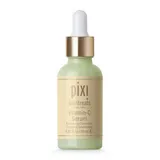
marie veroniqueGentle Retinol Night SerumYOUR PRODUCTpureclinicaTriple Strength Vitamin C, E & Ferulic Acid SerumDermedicine5-in-1 Super Charged SerumPixiVitamin-C Serum
Match—77%76%75%
Price$120.00$27.93−$92.07$65.00−$55.00$22.75−$97.25
Shared key ingredients—6 of 225 of 226 of 22
Key difference—Salicylic AcidCaprylic/Capric TriglyceridePanthenol
Irritancy High Medium Medium High
Drying alcohol————
View product Shop Shop Shop

More alternatives: iS Clinical Pro-Heal Serum Advance PlusREMEDY SCIENCE REMEDY for healthy aging

Cheaper alternatives? See how this stacks up against similar formulas.
We compare ingredient profiles across our catalog — pick the closest match for your budget.
Open dupe finder

Product summary

"marie veronique - Gentle Retinol Night Serum" is effective for: Anti-inflammatory, Anti-aging, Anti-blemish, Exfoliation and Evens skin tone

This product could be helpful for: Moisturizing, but its actives are not the most effective or are not well-studied.

Ingredient callouts

  • This product also contains Vitamin C (Ascorbic Acid). It can be an effective active for anti-aging and evening out the skin tone, but in this product it is used for stabilizing other ingredients in the formulation. In this concentration (1.70% - 2.60%) it cannot have a noticeable benefit for the skin.
  • This product contains an effective form of Retinoids (vitamin A): retinol 0.05% - 0.15%. Retinoids are potent multitasking actives. They work to improve and prevent early signs of aging, reduce hyperpigmentation (age spots and post-acne marks), and prevent inflamed blemishes and clogged pores. The downside of Retinoids is that they can be irritating. If you are not already using a Retinoid in your routine, it is best to start slowly and apply the Retinoid product only a few times per week. If your skin tolerates it well, you can gradually increase the frequency to daily.
  • Ceramides (ceramide np 0.05% - 0.25%). Ceramides are a type of lipids that our skin produces itself. They are a building block of the skin's barrier. Ceramides used in skincare are synthetic or extracted from plants. They work well for softening the skin surface and "patch holes" in the skin's barrier.
  • Humectants (sodium hyaluronate 0.05% - 0.15% and glycerin 3.80% - 5.60%). These ingredients help attract water to the upper layer of the skin and improve the skin hydration.

Price

The product retails for 120.00$ in the United States.

For a detailed price comparison: click here.

Sources cited in this review

Every concentration estimate and effectiveness label is anchored to one of these 57 studies and safety reviews.

  1. 1
  2. 2
  3. 3
  4. 4
  5. 5
  6. 6
marie veronique Gentle Retinol Night Serum
marie veroniqueGentle Retinol Night Serum

Affiliate links · As an Amazon Associate, WIMJ earns from qualifying purchases.

As an Amazon Associate, WIMJ earns from qualifying purchases.