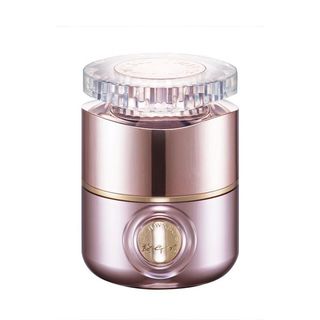
JuneCell Rejuvenation Midnight Recovery Cream Rich
Works for
2 of 2 advertised claims delivered
MoisturizingCopper tripeptide-1, Niacinamide + 67 moreStrong evidence
“Rejuvenation Midnight Recovery Cream Rich”
This product can help improve hydration of the skin with the two types of ingredients.
The first type is called “humectants”:
these ingredients help attract water.
When humectants are on the surface of the skin, they “pull in” the moisture from the outside environment, or from
within deeper layers of the skin. The following ingredients in this product do the job:
alanine, algae extract.
This product also contains ingredients called “occlusives”. They help reduce the speed with which our skin loses moisture to the outside environment. These ingredients also help soften the upper layer of the skin, so it feels less tight and nicer to the touch. The following ingredients in this product do the job: dimethicone, squalane.
The following ingredients in this product are especially good for supporting the skin barrier and helping with the hydration level: ceramide 2, ceramide 3, ceramide np, copper tripeptide-1, niacinamide, palmitoyl oligopeptide, palmitoyl pentapeptide-4, palmitoyl tetrapeptide-7, palmitoyl tripeptide-5, phytosphingosine
Anti-agingNiacinamide, Adenosine + 19 moreStrong evidence
“This nutrient based night cream is ideal for more mature skin that is in need of hydration, as it helps to reduce the appearance of deep wrinkles and fine lines and reveal rejuvenated, brighter and more nourished skin.”
This product can help reduce and prevent fine lines and wrinkles, improve skin elasticity and firmness because it contains adenosine, niacinamide.
These ingredients in the product can also be helpful, even though there is less evidence for their effectiveness: aspartic acid, copper tripeptide-1, folic acid, palmitoyl oligopeptide, palmitoyl pentapeptide-4, palmitoyl tetrapeptide-7, palmitoyl tripeptide-5, resveratrol, serine, threonine.
Keep in mind that it typically takes at least 6 weeks to notice any results because the changes that are needed to improve fine lines and elasticity happen in the deeper layers of the skin. No topical anti-aging product can “erase” wrinkles or fully reverse signs of aging.
Anti-oxidationNot advertised by the brand · Resveratrol, Tocopheryl linoleate + 15 moreStrong evidence
This product contains antioxidants (resveratrol) that can help neutralize free radicals in skin. By doing so, they can lessen the damage the skin gets from the UV light (sun).
The following ingredients - tocopheryl linoleate also can have an antioxidant effect, but there is less evidence to confirm their effectiveness in skin.
Evens skin toneNot advertised by the brand · Niacinamide, Tranexamic acid + 9 moreStrong evidence
This product can help reduce hypepigmentation and even out the skin tone because it contains the following effective ingredients: niacinamide, tranexamic acid
The following ingredient (ingredients) in this product might be helpful, but there is no evidence to confirm that it actually can help even out the skin tone: alanine, glycyrrhiza glabra root extract, paeonia lactiflora root extract, resveratrol.
Keep in mind that you would need to apply any topical skincare targetted at hypigmentation consistently for a couple of months to get a result. No topical skincare product can help get rid of hyperpigmentation (including post-acne marks and age spots) instantly.
Anti-blemishNot advertised by the brand · Niacinamide, Zinc pca + 4 moreStrong evidence
This product can help reduce breakouts and clogged pores because it contains the following ingredient: niacinamide. This ingredient is used for treating acne and can have a noticeable effect.
The following ingredient (ingredients) in this product might be helpful, but there is no evidence to confirm that it actually works: zinc pca
Can it cause trouble?
Irritancy8 strong irritants: Sorbitan sesquioleate, Alcohol + 6 more — patch-test recommendedHigh risk
Comedogenic6 ingredients rated 2 or more on the 0–5 pore-clogging scale6 flagged

User reviews
Be the first — your take helps the next person decide.
Ingredients
Filter by role to see what each ingredient is doing.
Water~45–55%
Glycerin~5–6.1%
- Irritation risk
- Low
One of the best moisturizing ingredients. Naturally present in skin. It attracts water to the upper layer of the skin working as a humectant
More about GlycerinCyclopentasiloxane~4.1–5%
- Irritation risk
- Low
A silicone that helps improve the product texture and spreadability. Can absorb oil creating a short-term mattifying effect on the skin
More about CyclopentasiloxaneButylene glycol~3–3.6%
- Irritation risk
- Low
Used to create a nice product texture and help delivery of other ingredients. Might be somewhat helpful in attracting water to the upper layer of the skin
More about Butylene glycolHydrogenated poly(c6-14 olefin)~2.3–2.8%
- Irritation risk
- Low
Helps soften the upper layer of the skin and create a nice product texture
More about Hydrogenated poly(c6-14 olefin)Sorbitan stearate~1.9–2.3%
Cetyl alcohol~1.6–2%
- Irritation risk
- Low
A non-drying alcohol that works to soften the skin and stabilize product formulations helping oil and water mix together
More about Cetyl alcoholTriethylhexanoin~1.3–1.5%
- Irritation risk
- Medium
Helps soften the upper layer of the skin
More about TriethylhexanoinNiacinamide~1.1–1.4%
- Irritation risk
- Low
Is proven to be effective in reducing blemishes, evening out skin tone and helping to improve lines and wrinkles. It helps the skin to repair sun damage, calm down inflammation and keep maintain good levels of moisture. The concentration of about 2% is effective for supporting the skin barrier and evening out the skin tone. Concentration of 4-6% is better for helping with acne and balancing the sebum production
More about NiacinamideIsohexadecane~1–1.3%
- Irritation risk
- Low
Improves the texture of the product and helps soften the skin. Helps oil and water mix together and can be used as a cleansing agent
More about IsohexadecaneStearic acid~0.75–1.15%
- Irritation risk
- Low
Helps oil and water mix together and works as an emollient
More about Stearic acidBifida ferment lysate~0.5–0.8%
- Irritation risk
- Low
Consists of remains of dead yeast bacteria cells. Helps to hydrate the skin and reduce irritation. Might has some anti-oxidant effect
More about Bifida ferment lysate1,2-hexanediol~0.45–0.7%
Hydroxyacetophenone~0.45–0.65%
Polysorbate 60~0.45–0.65%
Dimethicone~0.45–0.7%
- Irritation risk
- Low
A silicone that helps to reduce water loss from the surface of the skin. Can temporarily "fill in" lines and wrinkles, absorb oil, and create a nice product finish
More about DimethiconeTranexamic acid~0.3–0.6%
- Irritation risk
- Low
An amino acid that is effective in reducing hyperpigmentation and evening out the skin tone. It can also help in skin barrier recovery. It is used to treat melasma, especially with injections and when taken orally
More about Tranexamic acidTromethamine~0.3–0.55%
Methylpropanediol~0.3–0.55%
Sorbitan sesquioleate~0.3–0.5%
- Irritation risk
- High
Used to help oil and water mix together. Can be irritating
More about Sorbitan sesquioleateSucrose cocoate~0.25–0.45%
Caprylic/capric triglyceride~0.3–0.55%
- Irritation risk
- Medium
A good mix of fatty acids that forms a protective layer on the skin. Improves the shelf life of products. Derived from coconut and glycerin
More about Caprylic/capric triglycerideAlcohol~0.25–0.4%
- Irritation risk
- High
Can be drying and contribute to skin irritation. Used in formulars to dissolve other ingredients, create a thinner product consistency or for its antibacterial properties
More about AlcoholParfum~0.2–0.4%
- Irritation risk
- High
An aromatic blend of unspecified and possibly irritating ingredients
More about ParfumDimethicone crosspolymer~0.25–0.4%
- Irritation risk
- Low
Used to create a thicker product texture. Helps soften the upper layer of the skin and might be able to prevent moisture loss from its surface
More about Dimethicone crosspolymerHydrogenated lecithin~0.25–0.45%
- Irritation risk
- Low
Helps to retain moisture by creating a protective barrier on the skin. Rich in fatty acids. Improves product texture and helps with the penetration of other ingredients.
More about Hydrogenated lecithinProline~0.25–0.45%
Dioscorea japonica root extract~0.2–0.4%
- Irritation risk
- Low
Inositol~0.2–0.4%
Ethylhexylglycerin~0.2–0.4%
Sea water~0.2–0.4%
- Irritation risk
- Low
Dissolves other ingredients. It does not have additional skin benefits compared to plain water
More about Sea waterCarbomer~0.2–0.4%
- Irritation risk
- Low
Helps create a thicker or gel-like product texture. It is not a surfactant but can be used in gentle cleansing formulations
More about CarbomerGlycosyl trehalose~0.25–0.45%
Propylene glycol~0.2–0.4%
- Irritation risk
- High
Helps oil and water mix together and can enhance the penetration of other ingredients into the skin. It can be irritating
More about Propylene glycolRaffinose~0.2–0.4%
- Irritation risk
- Low
Disodium edta~0.2–0.4%
Adenosine~0.2–0.4%
- Irritation risk
- Low
Might help improve cell turnover and reduce inflammation in skin. One study shows that the ingredients might be able to help reduce dynamic wrinkles (for example, in the corners of the eyes or on the forehead)
More about AdenosineHydrogenated starch hydrolysate~0.2–0.4%
- Irritation risk
- Low
Helps to attract water to the upper layer of the skin. Can add sweet taste to lip products
More about Hydrogenated starch hydrolysateLaureth-23~0.3–0.55%
- Irritation risk
- Medium
- Comedogenicity
- 2/5
Helps oil and water mix together
More about Laureth-23Laureth-4~0.25–0.45%
- Irritation risk
- Medium
- Comedogenicity
- 2/5
Helps water and oil mix together
More about Laureth-4Glyceryl polymethacrylate~0.25–0.45%
- Irritation risk
- Low
Used to create a nice product texture
More about Glyceryl polymethacrylatePhenoxyethanol~0.25–0.45%
- Irritation risk
- Low
A preservative. It helps prevent bacterial growth in cosmetic products
More about PhenoxyethanolLecithin~0.25–0.5%
- Irritation risk
- Low
Used mostly for creating emulsions - helping oil and water mix together. Helps soften the upper layer of the skin
More about LecithinPiper methysticum leaf/root/stem extract~0.2–0.4%
- Irritation risk
- Low
Sodium hyaluronate~0.2–0.4%
- Irritation risk
- Low
One of the best moisturizing ingredients. Attracts water into the upper layer of the skin
More about Sodium hyaluronateAscorbyl glucoside~0.2–0.4%
- Irritation risk
- Medium
A vitamin C derivative that is more stable but less potent than pure form of vitamin C. Has a potential to boost collagen production, nutralise free radicals and reduce hyperpigmentation, but the required concentration is likely to be much higher than for the pure form of vitamin C, limiting the ingredient's effectiveness in products
More about Ascorbyl glucosideOlea europaea leaf extract~0.2–0.35%
- Irritation risk
- Medium
A plant extract that might have some anti-oxidant and anti-inflammatory properties but evidence for effectiveness in skin is missing
More about Olea europaea leaf extractZinc pca~0.2–0.35%
- Irritation risk
- Low
A compound that combines zinc with a hydrating ingredient PCA. Might to be helpful against acne and clogged pores. Can help calm down inflammation in skin. Could be helpful in reducing the formation of free radicals in skin. Might help to reduce fine lines in wrinkles, but solid evidence is missing
More about Zinc pcaTocopheryl linoleate~0.2–0.4%
- Irritation risk
- Medium
A relative of vitamin E (Tocopherol). It can have an anti-oxidant effect in skin and/or to stabilize the product fromulation. It could be irritating but most of the reported allergy and irritation cases appeared in one geographic location (Switzerland) in 1992, and might be due to the quality issues in manufacturing of a particular batch of the ingredient
More about Tocopheryl linoleateAcrylates/c10-30 alkyl acrylate crosspolymer~0.25–0.45%
- Irritation risk
- Medium
Maintains the texture of skincare products. Allows the product to spread evenly. Helps oil and water mix together
More about Acrylates/c10-30 alkyl acrylate crosspolymerArctium lappa root extract~0.2–0.4%
- Irritation risk
- High
Plant extract. Has some anti-microbial and anti-oxidant properties. Can be irritating
More about Arctium lappa root extractPhellinus linteus extract~0.2–0.4%
- Irritation risk
- Low
Sodium lactate~0.2–0.4%
- Irritation risk
- Medium
Helps attract water to the upper layer of the skin. Is often used to adjust the pH level of the product
More about Sodium lactateCyclohexane~0.2–0.4%
- Irritation risk
- Low
Portulaca oleracea extract~0.2–0.4%
- Irritation risk
- Medium
A plant extract that has some anti-oxidant activity, but solid research is lacking. Can help attract water to the upper layer of the skin
More about Portulaca oleracea extractSoluble collagen~0.2–0.4%
- Irritation risk
- Low
A typically plant-derived compound that is supposed mimic human collagen. Cannot penetrate the skin barrier so is not particularly useful in skincare products beyond attracting water to the upper layer of the skin
More about Soluble collagenPanthenol~0.2–0.4%
- Irritation risk
- Low
Helps attract water to the upper layer of the skin and can help improve skin barrier function
More about PanthenolPalmitoyl tripeptide-5~0.2–0.4%
- Irritation risk
- Low
A type of peptide. Peptides are excellent moisturizers and might be able support collagen production reducing fine lines and wrinkles
More about Palmitoyl tripeptide-5Xanthan gum~0.25–0.45%
- Irritation risk
- Low
Used to create a thicker product consistency
More about Xanthan gumAloe barbadensis leaf juice~0.2–0.4%
- Irritation risk
- Medium
Traditionally used to treat sunburns, dermatitis and inflammation, but evidence for its effectiveness is lacking. The extract can contain humectants that help attract water into the skin
More about Aloe barbadensis leaf juiceCnidium officinale root extract~0.2–0.4%
- Irritation risk
- Low
Glycyrrhiza glabra root extract~0.2–0.35%
- Irritation risk
- Medium
A plant extract that can help lighten the skin and calm down inflammation. Might be helpful in neutralizing free radicals
More about Glycyrrhiza glabra root extractPaeonia lactiflora root extract~0.2–0.4%
- Irritation risk
- Medium
A plant extract that might help neutralize free radicals and reduce hyperpigmentation, but the research on its effectiveness in skin is lacking
More about Paeonia lactiflora root extractPolyquaternium-51~0.25–0.45%
- Irritation risk
- Low
An emollient that helps create a nice silky finish on the skin
More about Polyquaternium-51Polysorbate 20~0.25–0.45%
Propanediol~0.25–0.45%
- Irritation risk
- Low
Acts as a solvent for other ingredients. Speeds up the absorption of other ingredients into the skin
More about PropanediolPueraria thunbergiana root extract~0.2–0.4%
- Irritation risk
- Low
Potassium sorbate~0.25–0.45%
Cholesterol~0.25–0.5%
- Irritation risk
- Low
An emollient that is naturally found in skin
More about CholesterolHydrogenated phosphatidylcholine~0.2–0.4%
- Irritation risk
- Medium
Helps oil and water mix together
More about Hydrogenated phosphatidylcholineIsostearyl isostearate~0.25–0.45%
- Irritation risk
- Medium
- Comedogenicity
- 3/5
Helps soften the upper layer of the skin and improve the product texture. It can be comedogenic
More about Isostearyl isostearateCeramide 3~0.25–0.5%
- Irritation risk
- Low
A type of lipid similar to ceramides naturally present in skin. Helps to soften the upper layer of the skin and supports the skin barrier function to keep it hydrated. Can help to prevent inflammation in skin
More about Ceramide 3Sodium chloride~0.25–0.45%
- Irritation risk
- Low
Used to stabilize mixtures of oil and water, and create thicker, gel-like product textures
More about Sodium chlorideFolic acid~0.2–0.4%
- Irritation risk
- Low
Can help stimulate collagen production in skin. While available studies are promising, more research is needed to confirm the efficacy in skin
More about Folic acidAcetic acid~0.2–0.4%
- Irritation risk
- Low
Inulin lauryl carbamate~0.2–0.4%
Sodium dna~0.2–0.4%
- Irritation risk
- Low
Glucose~0.2–0.4%
- Irritation risk
- Low
Helps attract water to the upper layer of the skin. Could be helpful in restoring the skin barrier function
More about GlucoseLactic acid~0.2–0.4%
- Irritation risk
- Medium
An exfoliating and moisturizing alpha-hydroxy acid (AHA). Typically causes less irritation than other AHAs, for example, glycolic acid. At high concentrations (about 15%), lactic acid can help reduce lines and wrinkles. Recent studies show that lactic acid can support the "good" bacteria living on skin's surface (healthy skin microbiome)
More about Lactic acidSodium bicarbonate~0.3–0.55%
Caprylyl glycol~0.25–0.45%
- Irritation risk
- Medium
Helps preserve products and creates a nice product texture
More about Caprylyl glycolCeramide np~0.25–0.5%
- Irritation risk
- Low
A type of lipid similar to ceramides naturally present in skin. Helps to soften the upper layer of the skin and supports the skin barrier function to keep it hydrated. Can help to prevent inflammation in skin
More about Ceramide npHydrogenated polydecene~0.2–0.4%
- Irritation risk
- Low
Helps to soften the upper layer of the skin and create a nice product texture
More about Hydrogenated polydecenePentylene glycol~0.25–0.5%
- Irritation risk
- Medium
Used to preserve products, dissolve other ingredients and create a nice product texture
More about Pentylene glycolGlycine~0.2–0.4%
- Irritation risk
- Low
Helps to attract water to the upper layer of the skin and can help restore the skin barrier function
More about GlycineAlgae extract~0.3–0.5%
- Irritation risk
- Low
- Comedogenicity
- 3/5
Plant extract that helps the skin to attract water and make it more smooth for touch. Also shows promise of anti-aging properties, but research is not extensive yet
More about Algae extractBiosaccharide gum-1~0.2–0.4%
- Irritation risk
- Low
Helps attract water to the upper layer of the skin and is claimed to provide a longer-lasting hydration because of its ability to create a water-binding film on the surface of the skin
More about Biosaccharide gum-1Cetearyl alcohol~0.25–0.5%
- Irritation risk
- Low
- Comedogenicity
- 2/5
A non-drying alcohol. Works as an emollient. Helps water and oil mix together and creates a nice product texture
More about Cetearyl alcoholPhospholipids~0.2–0.4%
- Irritation risk
- Low
Emollients that are naturaly present in skin. In addition, they help water and oil mix together in the product
More about PhospholipidsGlutamine~0.2–0.4%
- Irritation risk
- Low
Glycine soja sterols~0.25–0.5%
- Irritation risk
- Low
An emollient that helps soften the skin
More about Glycine soja sterolsPeg-40 castor oil~0.25–0.45%
- Irritation risk
- Medium
Helps oil and water mix together
More about Peg-40 castor oilPhytosphingosine~0.25–0.5%
- Irritation risk
- Low
A type of lipid that is naturally present in skin. It might help in repairing skin barrier function and has anti-bacterial effect
More about PhytosphingosinePalmitoyl pentapeptide-4~0.2–0.4%
- Irritation risk
- Low
A type of peptide. Peptides are excellent moisturizers and might be able support collagen production reducing fine lines and wrinkles
More about Palmitoyl pentapeptide-4Ceramide 2~0.25–0.45%
- Irritation risk
- Low
A type of lipid similar to ceramides naturally present in skin. Helps to soften the upper layer of the skin and supports the skin barrier function to keep it hydrated. Can help to prevent inflammation in skin
More about Ceramide 2Potassium cetyl phosphate~0.25–0.45%
- Irritation risk
- Medium
Helps oil and water mix together
More about Potassium cetyl phosphateResveratrol~0.25–0.45%
- Irritation risk
- Medium
Helps neutralize free radicals in skin and might help reduce fine lines and wrinkles, as well as even out the skin tone
More about ResveratrolPotassium chloride~0.25–0.45%
- Irritation risk
- Low
Alanine~0.2–0.4%
- Irritation risk
- Low
An amino-acid that helps to attract water to the upper layer of the skin and might help to lighten the skin, but solid evidence is lacking
More about AlanineSerine~0.2–0.4%
- Irritation risk
- Low
An amino-acid that helps to attract water to the upper layer of the skin. In combination with other amino-acids, might help to reduce fine lines and wrinkles
More about SerineCystine~0.2–0.4%
- Irritation risk
- Low
Caviar extract~0.25–0.45%
- Irritation risk
- Low
Cetyl hydroxyethylcellulose~0.25–0.5%
- Irritation risk
- Low
Used to create a thicker product consistency and stabilize formulations
More about Cetyl hydroxyethylcelluloseOlea europaea fruit oil~0.25–0.5%
- Irritation risk
- Medium
An emollient that helps soften the skin but is not effective for restoring its barrier function. Might be helpful to calm down inflammation
More about Olea europaea fruit oilArginine hcl~0.25–0.45%
- Irritation risk
- Low
An amino acid that is naturally present in skin and helps keep it hydrated. When used together with AHAs, it can reduce their irritating effect on the skin
More about Arginine hclAsparagine~0.25–0.45%
- Irritation risk
- Low
Aspartic acid~0.25–0.45%
- Irritation risk
- Low
An amino-acid that helps increase skin hydration and might help to slightly improve skin firmness, potentially reducing lines and wrinkles
More about Aspartic acidBiotin~0.25–0.45%
- Irritation risk
- Low
Might have some moisturising properties. Is not effective when applied topically beyond some moisturizing effect
More about BiotinCalcium chloride~0.25–0.5%
- Irritation risk
- Medium
Helps create a thicker product consistency. Might be irritating
More about Calcium chlorideCysteine hcl~0.25–0.45%
- Irritation risk
- Low
Disodium phosphate~0.25–0.5%
- Irritation risk
- Low
Helps adjust the product pH and stabilize the formulation
More about Disodium phosphateFerric citrate~0.25–0.45%
- Irritation risk
- Low
Glutamic acid~0.25–0.45%
- Irritation risk
- Low
An amino-acid that helps attract water to the upper layer of the skin
More about Glutamic acidHistidine hcl~0.25–0.45%
- Irritation risk
- Low
A salt of an amino-acid that helps attract water to the upper layer of the skin. Might be helpful in restoring the skin barrier function
More about Histidine hclIsoleucine~0.25–0.45%
- Irritation risk
- Low
An amino acid that can help attract water to the upper layer of the skin and support skin's barrier function
More about IsoleucineLeucine~0.25–0.45%
- Irritation risk
- Low
Linoleic acid~0.4–0.6%
- Irritation risk
- Low
An excellent emollient. Helps soften the skin, restore its barrier function, and can help to calm down inflammation. It can be helpful to prevent blemishes and clogged pores
More about Linoleic acidLysine hcl~0.25–0.45%
Magnesium chloride~0.25–0.5%
Magnesium sulfate~0.3–0.5%
Methionine~0.25–0.45%
- Irritation risk
- Low
Oleic acid~0.3–0.55%
- Irritation risk
- Medium
Helps soften the upper layer of the skin. At the same time, it can weaken the skin's barrier enhancing penetration of other ingredients and increasing the risk of skin dryness
More about Oleic acidPhenylalanine~0.25–0.45%
- Irritation risk
- Low
Phytosterols~0.3–0.55%
- Irritation risk
- Medium
Lipids that work as an emollient and can be helpful in repairing skin barrier function
More about PhytosterolsPyridoxine hcl~0.25–0.45%
- Irritation risk
- Medium
Might help neutralize free radicals in skin
More about Pyridoxine hclRiboflavin~0.25–0.45%
- Irritation risk
- Low
Sodium phosphate~0.25–0.45%
Sodium pyruvate~0.25–0.45%
- Irritation risk
- Low
Squalane~0.3–0.55%
- Irritation risk
- Low
An oil naturally present in skin. Works as an emollient to soften the skin and form a protective layer on its surface without a greasy feeling.
More about SqualaneThiamine hcl~0.25–0.45%
- Irritation risk
- Medium
Can help attract water to the upper layer of the skin. Is studied as a mosquito repellent
More about Thiamine hclThreonine~0.25–0.45%
- Irritation risk
- Low
An amino-acid that helps to attract water to the upper layer of the skin. In combination with other amino-acids, might help to reduce fine lines and wrinkles
More about ThreonineTryptophan~0.25–0.45%
- Irritation risk
- Low
Tyrosine~0.25–0.45%
Valine~0.25–0.45%
- Irritation risk
- Low
Zinc sulfate~0.25–0.45%
Rutin~0.25–0.45%
- Irritation risk
- Low
An antioxidant that might help neutralize free radicals in skin
More about RutinAscorbic acid~0.25–0.45%
- Irritation risk
- High
The most well-researched antioxidant that works in skin. Helps neutralize free radicals supporting collagen production, helping to even out the skin tone and preventing early signs of aging
More about Ascorbic acidBioflavonoids~0.2–0.4%
- Irritation risk
- Low
Butyrospermum parkii butter~0.3–0.55%
- Irritation risk
- Low
- Comedogenicity
- 3/5
A great moisturising ingredient that softens the skin and reduces water loss from its upper layer. It also can be helpful in protecting skin from free radicals
More about Butyrospermum parkii butterHesperidin~0.25–0.5%
- Irritation risk
- Low
Hydrolyzed pea protein~0.25–0.5%
- Irritation risk
- Low
Retinyl palmitate~0.2–0.4%
- Irritation risk
- High
Three steps removed from the active form of vitamin A - retinoic acid. To have an effect in the skin, it first needs to be converted twice to become the retinoic acid. This means it is less potent than retinol, but could also be less irritating. Once converted to the retinoic acid in the skin, it helps against all signs of aging, improves skin cell turnover and helps fight blemishes and clogged pores. However, in many cosmetic formulations, it is used in a concentration that is too low to have the full effect
More about Retinyl palmitateTocopherol~0.2–0.4%
- Irritation risk
- Low
Pure form of vitamin E. Can help moisturise and protect the skin from free radicals. Often used to help stabilise other ingredients or the formula itself
More about TocopherolCopper tripeptide-1~0.2–0.4%
- Irritation risk
- Low
A naturally occurring peptide. One of the most studied peptides in dermatology. It is sometimes abbreviated GHK-Cu. Belongs to the class of carrier peptides. It stimulates both synthesis and breakdown of collagen in skin. It is released in skin wounds and inflammation to support healing. It accelerates wound-healing of the skin and can stimulate hair growth. There are preliminary studies that confirm that copper tripeptide can help support collagen production reducing fine lines and wrinkles and decrease inflammation in skin.
More about Copper tripeptide-1Palmitoyl oligopeptide~0.3–0.55%
- Irritation risk
- Low
A type of peptide. Peptides are excellent moisturizers and might be able support collagen production reducing fine lines and wrinkles
More about Palmitoyl oligopeptidePalmitoyl tetrapeptide-7~0.25–0.45%
- Irritation risk
- Low
A type of peptide. Peptides are excellent moisturizers and might be able support collagen production reducing fine lines and wrinkles
More about Palmitoyl tetrapeptide-7Phaseolus lunatus seed extract~0.2–0.4%
- Irritation risk
- Low
Bean seed extract. It might have some anti-oxidant properties
More about Phaseolus lunatus seed extractAcetyl tripeptide-1~0.15–0.3%
- Irritation risk
- Low
Butylphenyl methylpropional~0.15–0.25%
- Irritation risk
- High
A fragrance. Can trigger allergic reactions and be irritating
More about Butylphenyl methylpropionalBenzyl benzoate~0.15–0.25%
- Irritation risk
- High
Fragrance with sweet balsamic smell. Help to preserve products and dissolve other ingredients. Could trigger allergic reactions and be irritating
More about Benzyl benzoateBenzyl salicylate~0.1–0.15%
Hydroxyisohexyl 3-cyclohexene carboxaldehyde~0.1–0.15%
- Irritation risk
- High
A fragrance. Can be irritating
More about Hydroxyisohexyl 3-cyclohexene carboxaldehydeIngredient list view
Water, Glycerin, Cyclopentasiloxane, Butylene glycol, Hydrogenated poly(c6-14 olefin), Sorbitan stearate, Cetyl alcohol, Triethylhexanoin, Niacinamide, Isohexadecane, Stearic acid, Bifida ferment lysate, 1,2-hexanediol, Hydroxyacetophenone, Polysorbate 60, Dimethicone, Tranexamic acid, Tromethamine, Methylpropanediol, Sorbitan sesquioleate, Sucrose cocoate, Caprylic/capric triglyceride, Alcohol, Parfum, Dimethicone crosspolymer, Hydrogenated lecithin, Proline, Dioscorea japonica root extract, Inositol, Ethylhexylglycerin, Sea water, Carbomer, Glycosyl trehalose, Propylene glycol, Raffinose, Disodium edta, Adenosine, Hydrogenated starch hydrolysate, Laureth-23, Laureth-4, Glyceryl polymethacrylate, Phenoxyethanol, Lecithin, Piper methysticum leaf/root/stem extract, Sodium hyaluronate, Ascorbyl glucoside, Olea europaea leaf extract, Zinc pca, Tocopheryl linoleate, Acrylates/c10-30 alkyl acrylate crosspolymer, Arctium lappa root extract, Phellinus linteus extract, Sodium lactate, Cyclohexane, Portulaca oleracea extract, Soluble collagen, Panthenol, Palmitoyl tripeptide-5, Xanthan gum, Aloe barbadensis leaf juice, Cnidium officinale root extract, Glycyrrhiza glabra root extract, Paeonia lactiflora root extract, Polyquaternium-51, Polysorbate 20, Propanediol, Pueraria thunbergiana root extract, Potassium sorbate, Cholesterol, Hydrogenated phosphatidylcholine, Isostearyl isostearate, Ceramide 3, Sodium chloride, Folic acid, Acetic acid, Inulin lauryl carbamate, Sodium dna, Glucose, Lactic acid, Sodium bicarbonate, Caprylyl glycol, Ceramide np, Hydrogenated polydecene, Pentylene glycol, Glycine, Algae extract, Biosaccharide gum-1, Cetearyl alcohol, Phospholipids, Glutamine, Glycine soja sterols, Peg-40 castor oil, Phytosphingosine, Palmitoyl pentapeptide-4, Ceramide 2, Potassium cetyl phosphate, Resveratrol, Potassium chloride, Alanine, Serine, Cystine, Caviar extract, Cetyl hydroxyethylcellulose, Olea europaea fruit oil, Arginine hcl, Asparagine, Aspartic acid, Biotin, Calcium chloride, Cysteine hcl, Disodium phosphate, Ferric citrate, Glutamic acid, Histidine hcl, Isoleucine, Leucine, Linoleic acid, Lysine hcl, Magnesium chloride, Magnesium sulfate, Methionine, Oleic acid, Phenylalanine, Phytosterols, Pyridoxine hcl, Riboflavin, Sodium phosphate, Sodium pyruvate, Squalane, Thiamine hcl, Threonine, Tryptophan, Tyrosine, Valine, Zinc sulfate, Rutin, Ascorbic acid, Bioflavonoids, Butyrospermum parkii butter, Hesperidin, Hydrolyzed pea protein, Retinyl palmitate, Tocopherol, Copper tripeptide-1, Palmitoyl oligopeptide, Palmitoyl tetrapeptide-7, Phaseolus lunatus seed extract, Acetyl tripeptide-1, Butylphenyl methylpropional, Benzyl benzoate, Benzyl salicylate, Hydroxyisohexyl 3-cyclohexene carboxaldehyde
Compare prices
Retailers ranked by price — lowest first.
Worth comparing, line by line.
Match % combines shared ingredients, the first five ingredients, shared actives and hero ingredients, irritancy (lower counts in the alternative's favour), texture and body area. Only products in the same routine step are compared.
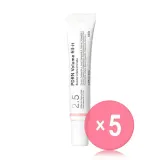
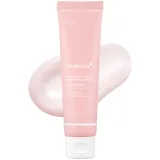
| JuneCellRejuvenation Midnight Recovery Cream RichYOUR PRODUCT | AHCEye Cream For Face | AbibYesStyle Exclusive PDRN Volume Fill-it Booster Crème 2.5 Tube Mini 5pcs Bundle Set | MedicubePDRN Pink Peptide Cream | |
|---|---|---|---|---|
| Match | — | 83% | 79% | 79% |
| Price | — | $14.75 | $37.53 | $27.09 |
| Shared key ingredients | — | 28 of 50 | 14 of 50 | 13 of 50 |
| Key difference | — | Acetyl Dipeptide-1 Cetyl Ester | Retinal | Palmitoyl Tripeptide-1 |
| Irritancy | High | High | Medium | Medium |
| Drying alcohol | Contains drying alcohol | Contains drying alcohol | — | — |
| View product | Shop | Shop | Shop |

Product summary
"JuneCell - Rejuvenation Midnight Recovery Cream Rich" is a well-rounded moisturizing product. This moisturizer uses a good combo of humectants and emollients. These both types of ingredients are essentials for improving the skin hydration and keeping the skin barrier healthy. Humectants in this product (alanine, algae extract, aspartic acid, biosaccharide gum-1 and glutamic acid) help to increase the water content in the upper layer of the skin. (These ingredients do so by "capturing" water molecules from the outside air or from within the deeper layers of the skin). Emollients in this formulation (ceramide 2, ceramide 3, ceramide np, palmitoyl tetrapeptide-7 and phytosphingosine) help to reduce the moisture loss from the skin. They also soften the skin surface and relieve the feeling of dryness and tightness.
Ingredient callouts
- This product also contains Vitamin C (Ascorbic Acid). It can be an effective active for anti-aging and evening out the skin tone, but in this moisturizer it is used for stabilizing other ingredients in the formulation. In this concentration (0.25% - 0.45%) it cannot have a noticeable benefit for the skin.
- This moisturizer includes a form of Retinoids (vitamin A) - retinyl palmitate 0.20% - 0.40%, but this type of vitamin A is not very effective. It could in theory help with fine lines and wrinkles, but the effect is most likely minimal.
- Another benefit is that this moisturizer contain ceramides (ceramide np 0.25% - 0.50%, phytosphingosine 0.25% - 0.50%, ceramide 3 0.25% - 0.50% and ceramide 2 0.25% - 0.45%). Ceramides are an important part of our natural skin barrier. The Ceramides used in skincare are synthetic or come from plants. They help soften the skin and can help "fill the gaps" in the skin barrier, keeping the skin hydrated and resilient for longer.
- We like that this moisturizer contains peptides (palmitoyl tetrapeptide-7 0.25% - 0.45%, palmitoyl pentapeptide-4 0.20% - 0.40%, palmitoyl oligopeptide 0.30% - 0.55%, copper tripeptide-1 0.20% - 0.40% and palmitoyl tripeptide-5 0.20% - 0.40%). There are many different kind of Peptides and they are naturally present in our skin. They all are a combination of aminoacids. Some of them work as natural antibiotics, promote wound-healing and production of collagen. The science is still not settled on how effective Peptides are in skincare, but it is very likely that they have a benefit. Peptides might help restore the skin barrier and fight the signs of aging. At the very least, Peptides work as humectants: they attract water to the upper layer of the skin and improve its hydration.
- Adenosine 0.20% - 0.40%. It is a chemical present inside our skin cells. A clinical trial confirmed that topical application of Adenosine in a low concentration can reduce dynamic wrinkles (these are the wrinkles that appear with age in a places where our mimic is the most active, for example, in the corners of the eyes or on the forehead).
Irritation risk
There are quite a few common irritants in this product, including ingredients without particular skin benefits. We would not recommend it for sensitive skin. We assess the overall irritancy of this moisturizer to be high. For a detailed overview of all potential irritants: click here
You can see the detailed formula review with the breakdown of all actives in the product and the full ingredient list with estimated concentrations in the tables below.
Sources cited in this review
Every concentration estimate and effectiveness label is anchored to one of these 70 studies and safety reviews.
- 1
- 2
- 3
- 4
- 5Bifidobacterium longumlysate, a new ingredient forreactive skinonlinelibrary.wiley.com
- 6Use of Probiotics for Dermal Applicationsresearchgate.net

Affiliate links · As an Amazon Associate, WIMJ earns from qualifying purchases.