Works for:
based on ingredients and %- Moisturizing
- Anti-oxidation
Doesn't work for:
based on ingredients and %- Evens skin tone
- Exfoliation
Can it cause trouble?
- Irritation risk: high
- Comedogenic risk ingredients: 12
Key actives

Moisturizing
What does the product description say?
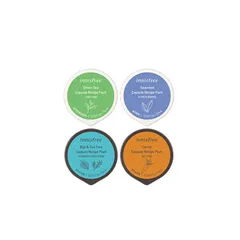
Bija & Aloe: Takes care of troubled skin and calms sensitive skin by offering hydration.
Source: Yesstyle
This product can help improve hydration of the skin with the two types of ingredients.
The first type is called “humectants”:
these ingredients help attract water.
When humectants are on the surface of the skin, they “pull in” the moisture from the outside environment, or from
within deeper layers of the skin. The following ingredients in this product do the job:
algae extract, allantoin.
This product also contains ingredients called “occlusives”. They help reduce the speed with which our skin loses moisture to the outside environment. These ingredients also help soften the upper layer of the skin, so it feels less tight and nicer to the touch. The following ingredients in this product do the job: cocos nucifera oil, dimethicone.
The following ingredients in this product are especially good for supporting the skin barrier and helping with the hydration level: ceramide np
One of the best moisturizing ingredients. Attracts water into the upper layer of the skin
Red algae extract that helps attract water to the upper layer of the skin and might contain antioxidants
An emollient. Found to be as effective as a moisturizer for dry skin as mineral oil. Could be comedogenic
A sugar that attracts water to the upper layer of the skin
Plant extract that helps the skin to attract water and make it more smooth for touch. Also shows promise of anti-aging properties, but research is not extensive yet
Helps calm down inflammation in skin and can help reduce itching. Helps to repair the skin barrier and keep skin hydrated
A plant extract that typically contains linolenic and linoleic acids that help soften the upper layer of the skin and can support skin barrier function
Helps attract water to the upper layer of the skin, calm down inflammation and irritation, restore the barrier function and support wound healing. It can be helpful in reducing fine lines and wrinkles
Helps attract water to the upper layer of the skin and improves the product texture
Seaweed extract that might help to attract water to the upper layer of the skin and have some anti-oxidant properties
An emollient made of jojoba oil. Helps soften the skin and support its barrier function
One of the best moisturizing ingredients. Attracts water into the upper layer of the skin. A version of it is naturally present in skin
One of the best moisturizing ingredients. Naturally present in skin. It attracts water to the upper layer of the skin working as a humectant
Help attract water to the upper layer of the skin
A silicone that makes products more spreadable and keeps skin smooth. Helps to add gloss to skin and may visually fill in fine lines/wrinkles for short time
A silicone that helps to reduce water loss from the surface of the skin. Can temporarily "fill in" lines and wrinkles, absorb oil, and create a nice product finish
Helps attract water to the upper layer of the skin
A type of silicone that leaves a nice silky finish on the skin and can help soften its upper layer
A type of lipid similar to ceramides naturally present in skin. Helps to soften the upper layer of the skin and supports the skin barrier function to keep it hydrated. Can help to prevent inflammation in skin
An oil naturally present in skin. Works as an emollient to soften the skin and form a protective layer on its surface without a greasy feeling.
Helps attract water to the upper layer of the skin and soften it
A non-drying alcohol. Works as an emollient. Helps water and oil mix together and creates a nice product texture
A non-drying alcohol that works to soften the skin and stabilize product formulations helping oil and water mix together
A silicone that helps improve the product texture and spreadability. Can absorb oil creating a short-term mattifying effect on the skin
Used to create a thicker product texture. Helps soften the upper layer of the skin and might be able to prevent moisture loss from its surface
Helps soften the upper layer of the skin
Used to stabilize the product formulations and works as an emollient
Helps attract water to the upper layer of the skin
Helps soften the upper layer of the skin and create a nice product texture
An oil from a mixture of different vegetables. Helps soften the upper layer of the skin
Plant oil from nuts that helps soften the upper layer of the skin. Contains a high concentration of oleic acid that can weaken skin's barrier function and increase water-loss while enhancing penetration of other ingredients
A plant root extract that helps attract water to the upper layer of the skin. It might have an anti-inflammatory effect and could help neturalize free radicals in skin
Helps soften the upper layer of the skin
Helps create a nice product texture and attract water to the upper layer of the skin
An emollient that softens the skin
An emollient that is naturally present in skin and helps soften it
An emollient that can also help water and oil mix together, as well as prevent bacteria growth in products
An emollient that helps soften the skin and creates a thicker product texture
An emollient that softens the skin and forms a protective layer on its surface. Helps water and oil mix together
Helps soften the upper layer of the skin, dissolve other ingredients and create a thicker product consistency
Used to preserve products, dissolve other ingredients and create a nice product texture
Helps water and oil mix together and softens the upper layer of the skin
Helps oil and water mix together and can enhance the penetration of other ingredients into the skin. It can be irritating
Used to create a nice product texture and help delivery of other ingredients. Might be somewhat helpful in attracting water to the upper layer of the skin
Helps dissolve other ingredients and attract water to the upper layer of the skin
A type of silicone that helps soften the upper layer of the skin and create a nice product texture
Helps preserve products and creates a nice product texture
A sugar that is used to stabilize the product formulation. Can help attract water to the upper layer of the skin
Used to create a nice product texture
A great moisturising ingredient that softens the skin and reduces water loss from its upper layer. It also can be helpful in protecting skin from free radicals
A plant extract that has been shown to be able to reduce inflammation in skin, support restoration of skin barrier function, as well as support collagen production. Contains active compounds called centelloids: asiaticoside, madecasosside, asiatic acid and madecassic acid. Might be helpful in preventing stretch marks. It can be itself be irritating though.
A good mix of fatty acids that forms a protective layer on the skin. Improves the shelf life of products. Derived from coconut and glycerin
Helps attract water to the upper layer of the skin and can help improve skin barrier function
A salt derived from licorice. Works as an emollient to soften the upper layer of the skin and can help calm down inflammation. Might be helpful for skin lightening
Traditionally used to treat sunburns, dermatitis and inflammation, but evidence for its effectiveness is lacking. The extract can contain humectants that help attract water into the skin
Helps oil and water mix together and works as an emollient
Pure form of vitamin E. Can help moisturise and protect the skin from free radicals. Often used to help stabilise other ingredients or the formula itself
Might be helpful in neutralizing free radicals in skin but solid research is lacking. Helps attract water to the upper layer of the skin
A grain extract that helps to create a thicker product consistency. It might have some anti-oxidant properties and help attract water to the upper layer of the skin
A silicone that serves as an emollient. Helps create a nice non-greasy feels
Traditionally used to treat sunburns, dermatitis and inflammation, but evidence for its effectiveness is lacking. The extract can contain humectants that help attract water into the skin
Can contain potent anti-oxidant compounds (abbreviated ECG, GCG, EGC, and EGCG) that might help protect the skin from free radicals. Can help calm down inflammation and has some anti-bacterial properties. Unfortunately, these antioxidants are unstable and lose their effectiveness very quickly in products. The concentration of the antioxidant compounds in the extract also tends to be low to be effective in topical formulation
Anti-oxidation
This product contains antioxidants (ficus carica fruit extract, punica granatum extract) that might be able to help neutralize free radicals in skin to lessen the damage it gets from the UV light (sun). There is not enough evidence to confirm their effectiveness in skin though.
A plant extract that can help neutralize free radicals. The concentrations typically used in cosmetics are too small to have an effect
A plant extract that can help neutralize free radicals in skin and even out the skin tone, but is typically used in products in a concentration that is too low to be effective
A plant extract that might have some anti-oxidant properties, but evidence of effectiveness in skin is lacking
Plant extract. Has some anti-microbial and anti-oxidant properties. Can be irritating
Helps attract water to the upper layer of the skin, calm down inflammation and irritation, restore the barrier function and support wound healing. It can be helpful in reducing fine lines and wrinkles
A plant extract that might have antioxidant properties
A plant root extract that helps attract water to the upper layer of the skin. It might have an anti-inflammatory effect and could help neturalize free radicals in skin
A plant extract that might help neutralize free radicals in skin
Green tea leaf water. Might have some minimal anti-oxidant effect
A plant extract that might have some anti-oxidant effect helping neutralize free radicals in skin
Eggplant fruit extract. Might have some anti-oxidant effect
Red algae extract that helps attract water to the upper layer of the skin and might contain antioxidants
A plant extract that might help neutralize free radicals in skin. It can be irritating
A plant extract that might help to neutralize free radicals. It can be irritating
A plant extract that might be helpful to neutralize free radicals in skin
A plant extract that is rich in a fragrance compound eugenol that is a frequent allergen and can be irritating. It might also contain anti-oxidants to help neutralize free radicals
A plant extract that might help neutralize free radicals in skin
A plant extract that is mostly used as a fragrance. Might have some anti-oxidant effect
Carrot extract. Might have anti-oxidant properties and be used to add orange color
A plant extract that can be irritating. It might contain a compound anthocyanin that could be helpful in neutralizing free radicals
An emollient that softens the skin
Pure form of vitamin E. Can help moisturise and protect the skin from free radicals. Often used to help stabilise other ingredients or the formula itself
A plant extract that has been shown to be able to reduce inflammation in skin, support restoration of skin barrier function, as well as support collagen production. Contains active compounds called centelloids: asiaticoside, madecasosside, asiatic acid and madecassic acid. Might be helpful in preventing stretch marks. It can be itself be irritating though.
Can contain potent anti-oxidant compounds (abbreviated ECG, GCG, EGC, and EGCG) that might help protect the skin from free radicals. Can help calm down inflammation and has some anti-bacterial properties. Unfortunately, these antioxidants are unstable and lose their effectiveness very quickly in products. The concentration of the antioxidant compounds in the extract also tends to be low to be effective in topical formulation
A more stable but less bio-available form of vitamin E compared to Tocopherol. Might help moisturize and protect the skin from free radicals, but mostly used in low concentrations to stabilize other ingredients.
A great moisturising ingredient that softens the skin and reduces water loss from its upper layer. It also can be helpful in protecting skin from free radicals
A grain extract that helps to create a thicker product consistency. It might have some anti-oxidant properties and help attract water to the upper layer of the skin
Evens skin tone
What does the product description say?
Rice: Enriched with rice ingredients, whitening effect can be achieved.
Source: Yesstyle
This product contains ingredients (punica granatum extract) that could help reduce hyperpigmentation (for example, post-acne marks or age spots) in theory, but there is not enough evidence that they actually work.
A plant extract that can help neutralize free radicals in skin and even out the skin tone, but is typically used in products in a concentration that is too low to be effective
A salt derived from licorice. Works as an emollient to soften the upper layer of the skin and can help calm down inflammation. Might be helpful for skin lightening
Can contain potent anti-oxidant compounds (abbreviated ECG, GCG, EGC, and EGCG) that might help protect the skin from free radicals. Can help calm down inflammation and has some anti-bacterial properties. Unfortunately, these antioxidants are unstable and lose their effectiveness very quickly in products. The concentration of the antioxidant compounds in the extract also tends to be low to be effective in topical formulation
Exfoliation
What does the product description say?
Rose & Calamine: Exfoliates skin impurities and dead skin cells for skin brightening and soothing purposes.
Source: Yesstyle
This product does not contain effective exfoliating ingredients. It might be able to deliver physical exfoliation, that is scrub off some of the dead cells on the surface of the skin. We do not recommend physical exfoliation, because it is not uniform (some bits of skin can get exfoliated too much while others not at all). It can also traumatize the skin and aggrevate acne and other skin conditions.
Helps calm down inflammation in skin and can help reduce itching. Helps to repair the skin barrier and keep skin hydrated
How honest is this product?
| Promise | Can it deliver? |
|---|---|
| Moisturizing | |
| Evens skin tone | |
| Exfoliation |
Total Promises Fulfilled score: 50/100.
We receive a small commission for purchases made through these links at no cost for you. Thank you for your support! Learn more
Potential irritants
Comedogenic ingredients
User reviews (0)
Averages from community submissions.
No reviews yet for this product.
Be the first to share your experience!
Tried this product?
Help capture what the ingredient list can't—texture, finish, pilling, scent, and more. Answer what you can, skip the rest.
Takes ~30 seconds.
Reviews are shown in aggregate. No personal details.
| Product | Similarity | Price | Irritancy |
|---|---|---|---|
 innisfree Capsule Recipe Pack | Current | $4.00 | |
 ISNTREE Puffy Face Fit Cooling Mask | 55% | $14.36 | |
 It'S SKIN Tiger Cica Green Chill Down Mask | 55% | $4.10 | |
 Dr. Althea 345 Relief Cream Mask | 55% | ≈ $3.44 | |
 looks&meii Super Hyaluronic Moist Balancing Mask | 54% | - | |
 MEDIHEAL D.N.A Hydrating Protein Sheet Mask | 54% | $9.95 |
Key Actives
A plant extract that has been shown to be able to reduce inflammation in skin, support restoration of skin barrier function, as well as support collagen production. Contains active compounds called centelloids: asiaticoside, madecasosside, asiatic acid and madecassic acid. Might be helpful in preventing stretch marks. It can be itself be irritating though.
A plant extract that has been shown to be able to reduce inflammation in skin, support restoration of skin barrier function, as well as support collagen production. Contains active compounds called centelloids: asiaticoside, madecasosside, asiatic acid and madecassic acid. Might be helpful in preventing stretch marks. It can be itself be irritating though.
Helps calm down inflammation in skin and can help reduce itching. Helps to repair the skin barrier and keep skin hydrated
Can contain potent anti-oxidant compounds (abbreviated ECG, GCG, EGC, and EGCG) that might help protect the skin from free radicals. Can help calm down inflammation and has some anti-bacterial properties. Unfortunately, these antioxidants are unstable and lose their effectiveness very quickly in products. The concentration of the antioxidant compounds in the extract also tends to be low to be effective in topical formulation
Helps attract water to the upper layer of the skin, calm down inflammation and irritation, restore the barrier function and support wound healing. It can be helpful in reducing fine lines and wrinkles
Can contain potent anti-oxidant compounds (abbreviated ECG, GCG, EGC, and EGCG) that might help protect the skin from free radicals. Can help calm down inflammation and has some anti-bacterial properties. Unfortunately, these antioxidants are unstable and lose their effectiveness very quickly in products. The concentration of the antioxidant compounds in the extract also tends to be low to be effective in topical formulation
A type of lipid similar to ceramides naturally present in skin. Helps to soften the upper layer of the skin and supports the skin barrier function to keep it hydrated. Can help to prevent inflammation in skin
A great moisturising ingredient that softens the skin and reduces water loss from its upper layer. It also can be helpful in protecting skin from free radicals
Helps attract water to the upper layer of the skin and can help improve skin barrier function
A silicone that helps improve the product texture and spreadability. Can absorb oil creating a short-term mattifying effect on the skin
Red algae extract that helps attract water to the upper layer of the skin and might contain antioxidants
Plant extract that helps the skin to attract water and make it more smooth for touch. Also shows promise of anti-aging properties, but research is not extensive yet
A plant extract that has anti-bacterial properties. Can be used to preserve the product. Can be irritating
A silicone that helps to reduce water loss from the surface of the skin. Can temporarily "fill in" lines and wrinkles, absorb oil, and create a nice product finish
A type of clay that consists mainly of aluminum silicate. Helps absorb oil and creates a thicker product consistency. Can be used to add a white color
A plant extract that can help neutralize free radicals in skin and even out the skin tone, but is typically used in products in a concentration that is too low to be effective
A type of clay that consists mainly of aluminum silicate. Helps absorb oil and creates a thicker product consistency. Can be used to add a white color
Seaweed extract that might help to attract water to the upper layer of the skin and have some anti-oxidant properties
Seaweed extract that might help to attract water to the upper layer of the skin and have some anti-oxidant properties
A type of silicone that leaves a nice silky finish on the skin and can help soften its upper layer
A silicone that makes products more spreadable and keeps skin smooth. Helps to add gloss to skin and may visually fill in fine lines/wrinkles for short time
Help attract water to the upper layer of the skin
A plant extract that typically contains linolenic and linoleic acids that help soften the upper layer of the skin and can support skin barrier function
An oil naturally present in skin. Works as an emollient to soften the skin and form a protective layer on its surface without a greasy feeling.
One of the best moisturizing ingredients. Attracts water into the upper layer of the skin
One of the best moisturizing ingredients. Attracts water into the upper layer of the skin. A version of it is naturally present in skin
Creates a thin drying film on the skin resulting in a short-term tightening effect
Used to create a gel-like product texture, as well as to stabilize emulsions
Helps attract water to the upper layer of the skin
An emollient made of jojoba oil. Helps soften the skin and support its barrier function
A sugar that attracts water to the upper layer of the skin
An emollient. Found to be as effective as a moisturizer for dry skin as mineral oil. Could be comedogenic
One of the best moisturizing ingredients. Naturally present in skin. It attracts water to the upper layer of the skin working as a humectant
A plant extract that typically contains linolenic and linoleic acids that help soften the upper layer of the skin and can support skin barrier function
Helps attract water to the upper layer of the skin and improves the product texture
A plant extract that can help neutralize free radicals. The concentrations typically used in cosmetics are too small to have an effect
A good mix of fatty acids that forms a protective layer on the skin. Improves the shelf life of products. Derived from coconut and glycerin
Potential irritants
An essential oil that can be irritating. Has some anti-bacterial properties
A plant extract that might have antioxidant properties
Can be drying and contribute to skin irritation. Used in formulars to dissolve other ingredients, create a thinner product consistency or for its antibacterial properties
An essentil oil from orange peel. Potential allergen and can be irritating
Fragrance with sweet balsamic smell. Help to preserve products and dissolve other ingredients. Could trigger allergic reactions and be irritating
A plant extract that might help neutralize free radicals in skin
Helps oil and water mix together and can enhance the penetration of other ingredients into the skin. It can be irritating
A plant root extract that helps attract water to the upper layer of the skin. It might have an anti-inflammatory effect and could help neturalize free radicals in skin
A plant extract that has anti-bacterial properties. Can be used to preserve the product. Can be irritating
Plant extract. Has some anti-microbial and anti-oxidant properties. Can be irritating
Creates a thin drying film on the skin resulting in a short-term tightening effect
A plant extract that can contain an active compound curcumin, that may have some anti-inflammatory properties when applied to the skin, but solid research is lacking and the typical concentration used in skincare products is too low. Can be an irritant
A plant extract used as a fragrance. Can be irritating
A plant extract that might have some anti-oxidant properties, but evidence of effectiveness in skin is lacking
A fragrance. Can trigger allergic reactions and be irritating
A plant extract that can be irritating. It might contain a compound anthocyanin that could be helpful in neutralizing free radicals
A plant extract that is mostly used as a fragrance. Might have some anti-oxidant effect
An aromatic blend of unspecified and possibly irritating ingredients
A plant extract that is rich in a fragrance compound eugenol that is a frequent allergen and can be irritating. It might also contain anti-oxidants to help neutralize free radicals
A plant oil with a high content of volatile compounds that can irritate the skin and lead to allergic reactions. Can lead to photosensitivity
A common frangrance that can easily irritate skin, especially if exposed to air, light or heat
A plant extract that might help to neutralize free radicals. It can be irritating
A plant extract that might help neutralize free radicals in skin. It can be irritating
Eggplant fruit extract. Might have some anti-oxidant effect
Traditionally used to treat sunburns, dermatitis and inflammation, but evidence for its effectiveness is lacking. The extract can contain humectants that help attract water into the skin
A plant extract that might help neutralize free radicals in skin
A plant extract that might be helpful to neutralize free radicals in skin
Traditionally used to treat sunburns, dermatitis and inflammation, but evidence for its effectiveness is lacking. The extract can contain humectants that help attract water into the skin
Used to create a thicker product consistency and stabilize the formulation
Plant oil from nuts that helps soften the upper layer of the skin. Contains a high concentration of oleic acid that can weaken skin's barrier function and increase water-loss while enhancing penetration of other ingredients
A gelling agent that thickens the product consistency and leaves the skin with a velvety finish
A plant extract that typically contains linolenic and linoleic acids that help soften the upper layer of the skin and can support skin barrier function
Can work as an exfoliant but is typically used to adjust the product pH
A plant extract that has been shown to be able to reduce inflammation in skin, support restoration of skin barrier function, as well as support collagen production. Contains active compounds called centelloids: asiaticoside, madecasosside, asiatic acid and madecassic acid. Might be helpful in preventing stretch marks. It can be itself be irritating though.
A plant extract that might have some anti-oxidant effect helping neutralize free radicals in skin
Helps evenly disperse other ingredients in a formulation and create an even layer on the surface of the skin
An emollient made of jojoba oil. Helps soften the skin and support its barrier function
A plant extract that can help neutralize free radicals in skin and even out the skin tone, but is typically used in products in a concentration that is too low to be effective
Used to preserve products, dissolve other ingredients and create a nice product texture
Helps water and oil mix together
Helps preserve products and creates a nice product texture
An emollient that helps soften the skin and creates a thicker product texture
Might be helpful in neutralizing free radicals in skin but solid research is lacking. Helps attract water to the upper layer of the skin
Helps water and oil mix together and softens the upper layer of the skin
Maintains the texture of skincare products. Allows the product to spread evenly. Helps oil and water mix together
Helps water and oil in the product mix well together and improves product texture
A more stable but less bio-available form of vitamin E compared to Tocopherol. Might help moisturize and protect the skin from free radicals, but mostly used in low concentrations to stabilize other ingredients.
A plant extract that can help neutralize free radicals. The concentrations typically used in cosmetics are too small to have an effect
Helps mask the small of other ingredients and improve the product texture
Helps create a gel-like product texture
A good mix of fatty acids that forms a protective layer on the skin. Improves the shelf life of products. Derived from coconut and glycerin
Comedogenic ingredients
Seaweed extract that might help to attract water to the upper layer of the skin and have some anti-oxidant properties
Seaweed extract that might help to attract water to the upper layer of the skin and have some anti-oxidant properties
Used to stabilize the product formulations and works as an emollient
Red algae extract that helps attract water to the upper layer of the skin and might contain antioxidants
Plant extract that helps the skin to attract water and make it more smooth for touch. Also shows promise of anti-aging properties, but research is not extensive yet
A great moisturising ingredient that softens the skin and reduces water loss from its upper layer. It also can be helpful in protecting skin from free radicals
A non-drying alcohol. Works as an emollient. Helps water and oil mix together and creates a nice product texture
An emollient. Found to be as effective as a moisturizer for dry skin as mineral oil. Could be comedogenic
An oil from a mixture of different vegetables. Helps soften the upper layer of the skin
All ingredients
Helps calm down inflammation in skin and can help reduce itching. Helps to repair the skin barrier and keep skin hydrated
Seaweed extract that might help to attract water to the upper layer of the skin and have some anti-oxidant properties
Seaweed extract that might help to attract water to the upper layer of the skin and have some anti-oxidant properties
A type of silicone that leaves a nice silky finish on the skin and can help soften its upper layer
Eggplant fruit extract. Might have some anti-oxidant effect
Green tea leaf water. Might have some minimal anti-oxidant effect
Used to stabilize the product formulations and works as an emollient
Traditionally used to treat sunburns, dermatitis and inflammation, but evidence for its effectiveness is lacking. The extract can contain humectants that help attract water into the skin
An essential oil that can be irritating. Has some anti-bacterial properties
A silicone that helps improve the product texture and spreadability. Can absorb oil creating a short-term mattifying effect on the skin
Traditionally used to treat sunburns, dermatitis and inflammation, but evidence for its effectiveness is lacking. The extract can contain humectants that help attract water into the skin
A plant extract that might help neutralize free radicals in skin
A silicone that makes products more spreadable and keeps skin smooth. Helps to add gloss to skin and may visually fill in fine lines/wrinkles for short time
A plant extract that might have antioxidant properties
Can be drying and contribute to skin irritation. Used in formulars to dissolve other ingredients, create a thinner product consistency or for its antibacterial properties
Helps oil and water mix togehter and creates a nice product texture
Red algae extract that helps attract water to the upper layer of the skin and might contain antioxidants
Helps attract water to the upper layer of the skin and soften it
A plant extract that might be helpful to neutralize free radicals in skin
Traditionally used to treat sunburns, dermatitis and inflammation, but evidence for its effectiveness is lacking. The extract can contain humectants that help attract water into the skin
Used to create a thicker product consistency and stabilize the formulation
A grain extract that helps to create a thicker product consistency. It might have some anti-oxidant properties and help attract water to the upper layer of the skin
A preservative. It helps prevent bacterial growth in cosmetic products
Plant oil from nuts that helps soften the upper layer of the skin. Contains a high concentration of oleic acid that can weaken skin's barrier function and increase water-loss while enhancing penetration of other ingredients
An essentil oil from orange peel. Potential allergen and can be irritating
A plant extract that might help neutralize free radicals in skin
Helps create a thicker or gel-like product texture. It is not a surfactant but can be used in gentle cleansing formulations
A gelling agent that thickens the product consistency and leaves the skin with a velvety finish
Fragrance with sweet balsamic smell. Help to preserve products and dissolve other ingredients. Could trigger allergic reactions and be irritating
Plant extract that helps the skin to attract water and make it more smooth for touch. Also shows promise of anti-aging properties, but research is not extensive yet
A plant extract that might help neutralize free radicals in skin
A plant extract that typically contains linolenic and linoleic acids that help soften the upper layer of the skin and can support skin barrier function
Can be drying and contribute to skin irritation. Used in formulars to dissolve other ingredients, create a thinner product consistency or for its antibacterial properties
Helps oil and water mix together and can enhance the penetration of other ingredients into the skin. It can be irritating
Can contain potent anti-oxidant compounds (abbreviated ECG, GCG, EGC, and EGCG) that might help protect the skin from free radicals. Can help calm down inflammation and has some anti-bacterial properties. Unfortunately, these antioxidants are unstable and lose their effectiveness very quickly in products. The concentration of the antioxidant compounds in the extract also tends to be low to be effective in topical formulation
Can work as an exfoliant but is typically used to adjust the product pH
An oil naturally present in skin. Works as an emollient to soften the skin and form a protective layer on its surface without a greasy feeling.
An emollient that softens the skin and forms a protective layer on its surface. Helps water and oil mix together
A plant extract that has been shown to be able to reduce inflammation in skin, support restoration of skin barrier function, as well as support collagen production. Contains active compounds called centelloids: asiaticoside, madecasosside, asiatic acid and madecassic acid. Might be helpful in preventing stretch marks. It can be itself be irritating though.
One of the best moisturizing ingredients. Attracts water into the upper layer of the skin
A plant root extract that helps attract water to the upper layer of the skin. It might have an anti-inflammatory effect and could help neturalize free radicals in skin
One of the best moisturizing ingredients. Attracts water into the upper layer of the skin. A version of it is naturally present in skin
A plant extract that might have some anti-oxidant effect helping neutralize free radicals in skin
A sugar that is used to stabilize the product formulation. Can help attract water to the upper layer of the skin
A plant extract that has been shown to be able to reduce inflammation in skin, support restoration of skin barrier function, as well as support collagen production. Contains active compounds called centelloids: asiaticoside, madecasosside, asiatic acid and madecassic acid. Might be helpful in preventing stretch marks. It can be itself be irritating though.
Helps to retain moisture by creating a protective barrier on the skin. Rich in fatty acids. Improves product texture and helps with the penetration of other ingredients.
A type of lipid similar to ceramides naturally present in skin. Helps to soften the upper layer of the skin and supports the skin barrier function to keep it hydrated. Can help to prevent inflammation in skin
A plant extract that has anti-bacterial properties. Can be used to preserve the product. Can be irritating
Plant extract. Has some anti-microbial and anti-oxidant properties. Can be irritating
A silicone that helps to reduce water loss from the surface of the skin. Can temporarily "fill in" lines and wrinkles, absorb oil, and create a nice product finish
Creates a thin drying film on the skin resulting in a short-term tightening effect
Plant extract. Has some anti-microbial and anti-oxidant properties. Can be irritating
Used to create a gel-like product texture, as well as to stabilize emulsions
A great moisturising ingredient that softens the skin and reduces water loss from its upper layer. It also can be helpful in protecting skin from free radicals
Used to create a nice product texture and help delivery of other ingredients. Might be somewhat helpful in attracting water to the upper layer of the skin
Pure form of vitamin E. Can help moisturise and protect the skin from free radicals. Often used to help stabilise other ingredients or the formula itself
A non-drying alcohol. Works as an emollient. Helps water and oil mix together and creates a nice product texture
Increases thickness of a product. Texture enhancer for oil-in-water emulsions
A plant extract that can contain an active compound curcumin, that may have some anti-inflammatory properties when applied to the skin, but solid research is lacking and the typical concentration used in skincare products is too low. Can be an irritant
Helps attract water to the upper layer of the skin and can help improve skin barrier function
Helps evenly disperse other ingredients in a formulation and create an even layer on the surface of the skin
Helps attract water to the upper layer of the skin, calm down inflammation and irritation, restore the barrier function and support wound healing. It can be helpful in reducing fine lines and wrinkles
An emollient made of jojoba oil. Helps soften the skin and support its barrier function
Helps create thicker product formulations and stabilize emulsions
A plant extract used as a fragrance. Can be irritating
Used to create a thicker product texture. Helps soften the upper layer of the skin and might be able to prevent moisture loss from its surface
Acts as a solvent for other ingredients. Speeds up the absorption of other ingredients into the skin
An essential oil that can be irritating. Has some anti-bacterial properties
Carrot extract. Might have anti-oxidant properties and be used to add orange color
An emollient that can also help water and oil mix together, as well as prevent bacteria growth in products
A plant extract that might have some anti-oxidant properties, but evidence of effectiveness in skin is lacking
A silicone that serves as an emollient. Helps create a nice non-greasy feels
An emollient. Found to be as effective as a moisturizer for dry skin as mineral oil. Could be comedogenic
A fragrance. Can trigger allergic reactions and be irritating
One of the best moisturizing ingredients. Naturally present in skin. It attracts water to the upper layer of the skin working as a humectant
A plant extract that can be irritating. It might contain a compound anthocyanin that could be helpful in neutralizing free radicals
Can contain potent anti-oxidant compounds (abbreviated ECG, GCG, EGC, and EGCG) that might help protect the skin from free radicals. Can help calm down inflammation and has some anti-bacterial properties. Unfortunately, these antioxidants are unstable and lose their effectiveness very quickly in products. The concentration of the antioxidant compounds in the extract also tends to be low to be effective in topical formulation
Used to stabilize mixtures of oil and water, and create thicker, gel-like product textures
A plant extract that typically contains linolenic and linoleic acids that help soften the upper layer of the skin and can support skin barrier function
A type of clay that consists mainly of aluminum silicate. Helps absorb oil and creates a thicker product consistency. Can be used to add a white color
Helps soften the upper layer of the skin and create a nice product texture
Helps dissolve other ingredients and attract water to the upper layer of the skin
A plant extract that can help neutralize free radicals in skin and even out the skin tone, but is typically used in products in a concentration that is too low to be effective
Used to preserve products, dissolve other ingredients and create a nice product texture
Helps water and oil mix together
A plant extract that is mostly used as a fragrance. Might have some anti-oxidant effect
Helps preserve products and creates a nice product texture
A salt derived from licorice. Works as an emollient to soften the upper layer of the skin and can help calm down inflammation. Might be helpful for skin lightening
A grain extract that helps to create a thicker product consistency. It might have some anti-oxidant properties and help attract water to the upper layer of the skin
Helps attract water to the upper layer of the skin and improves the product texture
An emollient that helps soften the skin and creates a thicker product texture
Helps soften the upper layer of the skin, dissolve other ingredients and create a thicker product consistency
An aromatic blend of unspecified and possibly irritating ingredients
Might be helpful in neutralizing free radicals in skin but solid research is lacking. Helps attract water to the upper layer of the skin
A plant extract that is rich in a fragrance compound eugenol that is a frequent allergen and can be irritating. It might also contain anti-oxidants to help neutralize free radicals
A plant oil with a high content of volatile compounds that can irritate the skin and lead to allergic reactions. Can lead to photosensitivity
A type of silicone that helps soften the upper layer of the skin and create a nice product texture
Helps water and oil mix together and softens the upper layer of the skin
Maintains the texture of skincare products. Allows the product to spread evenly. Helps oil and water mix together
Helps create a nice product texture and attract water to the upper layer of the skin
A non-drying alcohol that works to soften the skin and stabilize product formulations helping oil and water mix together
Helps water and oil in the product mix well together and improves product texture
A common frangrance that can easily irritate skin, especially if exposed to air, light or heat
Green tea leaf water. Might have some minimal anti-oxidant effect
The same compound that is used safely in dental implants and bone cements. In cosmetics, it is used to improve the consistency of products
A type of clay that consists mainly of aluminum silicate. Helps absorb oil and creates a thicker product consistency. Can be used to add a white color
Helps to dissolve other ingredients in a formulation. Slows down the rate of product drying
A more stable but less bio-available form of vitamin E compared to Tocopherol. Might help moisturize and protect the skin from free radicals, but mostly used in low concentrations to stabilize other ingredients.
Might be helpful in restoring skin barrier function and, when combined with zinc carbonate and malonic acid, reducing fine lines and wrinkles by stimulating elastin production. Also helps stabilize the product formulation
A plant extract that can help neutralize free radicals. The concentrations typically used in cosmetics are too small to have an effect
A plant extract that might help to neutralize free radicals. It can be irritating
Helps mask the small of other ingredients and improve the product texture
A plant extract that might help neutralize free radicals in skin. It can be irritating
An emollient that is naturally present in skin and helps soften it
Helps create a gel-like product texture
An oil from a mixture of different vegetables. Helps soften the upper layer of the skin
A good mix of fatty acids that forms a protective layer on the skin. Improves the shelf life of products. Derived from coconut and glycerin
Ingredient list view
Water, 1,2-hexanediol, Ci 19140, Allantoin, Laminaria japonica extract, Laminaria japonica extract, Ci 77891, Cyclomethicone, Solanum melongena fruit extract, Bentonite, Camellia sinensis leaf water, Elaeis guineensis oil, Glyceryl stearate se, Linum usitatissimum seed extract, Aloe barbadensis leaf extract, Melaleuca alternifolia leaf oil, Cyclopentasiloxane, Aloe barbadensis leaf extract, Polyglyceryl-10 behenate/eicosadioate, Camellia japonica leaf extract, Ceteareth-25, Dimethiconol, Coptis chinensis root extract, Alcohol, Citronellol, C12-14 pareth-12, Peg-100 stearate, Corallina officinalis extract, Polyacrylate crosspolymer-6, Linalool, Bentonite, Methyl gluceth-20, Ci 42090, Melia azadirachta flower extract, Rosa gallica flower powder, Aloe barbadensis leaf juice, Hydroxypropyl methylcellulose, Tetrasodium pyrophosphate, Aronia arbutifolia extract, Saccharide hydrolysate, Honey extract, Polysorbate 20, Oryza sativa extract, Phenoxyethanol, Macadamia ternifolia seed oil, Geraniol, Citrus aurantium dulcis peel oil, Ci 77492, Ci 77491, Calendula officinalis flower, Fructooligosaccharides, Actinidia chinensis seed, Ci 77499, Camellia japonica leaf extract, Carbomer, Hydroxyethyl acrylate/sodium acryloyldimethyl taurate copolymer, Tetrasodium edta, Benzyl benzoate, Algae extract, Opuntia coccinellifera fruit extract, Salvia hispanica seed extract, Glycereth-26, Alcohol, Propylene glycol, Prunus amygdalus dulcis oil, Camellia sinensis leaf extract, Citric acid, Ci 77499, Squalane, Glyceryl stearate, Xanthan gum, Trisodium edta, Centella asiatica extract, Citrus nobilis fruit extract, Sorbitan stearate, Polyvinyl alcohol, Amaranthus caudatus seed extract, Chlorella vulgaris powder, Sodium hyaluronate, Ulmus davidiana root extract, Hydrolyzed hyaluronic acid, Coccinia indica fruit extract, Sorbitan isostearate, Dextrin, Ci 77288, Centella asiatica extract, Bht, Hydrogenated lecithin, Polysorbate 60, Orchid extract, Ceramide np, Citrus limon peel oil, Melia azadirachta leaf extract, Arctium lappa root extract, Phaseolus angularis seed extract, Luffa cylindrica fruit, Dimethicone, Pullulan, Arctium lappa root extract, Citrus unshiu peel extract, Torreya nucifera seed oil, Sodium polyacrylate, Pyrus malus leaf extract, Hexyl cinnamal, Butyrospermum parkii butter, Ci 42090, Butylene glycol, Tocopherol, Cetearyl alcohol, Theobroma cacao seed extract, Ammonium acryloyldimethyltaurate/vp copolymer, Houttuynia cordata extract, Curcuma longa root extract, Panthenol, Pvp, Diglycerin, Theobroma cacao extract, Beta-glucan, Jojoba esters, Dehydroxanthan gum, Vanilla planifolia fruit extract, Dimethicone crosspolymer, Propanediol, Melaleuca alternifolia leaf oil, Bambusa vulgaris extract, Volcanic ash, Jasminum officinale flower/leaf extract, Daucus carota sativa root extract, Glyceryl caprylate, Actinidia chinensis fruit extract, Methylpropanediol, Torreya nucifera seed oil, Octyldodecyl myristate, Cyclohexasiloxane, Trehalose, Stearyl alcohol, Sodium acrylates crosspolymer-2, Cocos nucifera oil, Butylphenyl methylpropional, Glycerin, Hibiscus sabdariffa flower extract, Camellia sinensis leaf extract, Sodium chloride, Prunus amygdalus amara kernel oil, Biota orientalis leaf extract, Salvia hispanica seed extract, Kaolin, Ci 77891, Hydrogenated poly(c6-14 olefin), Peg-32, Peg/ppg-17/6 copolymer, Ci 17200, Punica granatum extract, Peg-40 hydrogenated castor oil, Ci 77288, Laureth-7, Disodium edta, Tromethamine, Pentylene glycol, Polyglyceryl-3 methylglucose distearate, Eclipta prostrata leaf extract, Caprylyl glycol, Silica, Dipotassium glycyrrhizate, Polyglyceryl-10 laurate, Gaultheria procumbens leaf extract, Oryza sativa extract, Betaine, Cetyl ethylhexanoate, Pelargonium graveolens oil, Ci 77491, C13-14 isoparaffin, Parfum, Brassica oleracea acephala leaf extract, Ethylhexylglycerin, Ocimum sanctum leaf extract, Citrus aurantium bergamia fruit oil, Bis-peg-18 methyl ether dimethyl silane, Sodium benzoate, Polyglyceryl-10 stearate, Citrus unshiu peel extract, Acrylates/c10-30 alkyl acrylate crosspolymer, Peg/ppg/polybutylene glycol-8/5/3 glycerin, Sodium stearoyl glutamate, Cetyl alcohol, Cetearyl glucoside, Limonene, Camellia sinensis leaf water, Caramel, Alumina, Kaolin, Dipropylene glycol, Potassium sorbate, Tocopheryl acetate, Magnesium aluminum silicate, Ficus carica fruit extract, Hibiscus esculentus fruit extract, Acacia senegal gum, Eclipta prostrata extract, Palmitic acid, Amaranthus caudatus seed extract, Glyceryl polymethacrylate, Stearic acid, Solanum tuberosum pulp extract, Silica dimethyl silylate, Peg-240/hdi copolymer bis-decyltetradeceth-20 ether, Peat water, Hydrogenated vegetable oil, Ci 19140, Caprylic/capric triglyceride, Ci 77492, Bambusa vulgaris extract
- The influence of alkane chain length on the skin irritation potential of 1,2-alkanediols
- Analysis of Dyes in Cosmetics: Challenges and Recent Developments
- Profile of wound healing process induced by allantoin
- In Vitro antioxidative and anti-inflammatory activities of the ethanol extract of eggplant (Solanum melongena) stalks in macrophage RAW 264.7 cells
- Genetic Architecture of Palm Oil Fatty Acid Composition in Cultivated Oil Palm (Elaeis guineensis Jacq.) Compared to Its Wild Relative E. oleifera (H.B.K) Cortés
- Nutrient composition of Nigerian palm kernel from the dura and tenera varieties of the oil palm (Elaeis guineensis)
- Anti-photoaging capability of antioxidant extract from Camellia japonica leaf
- Final Report on the Safety Assessment of Ceteareth-2, -3, -4, -5, -6, -7, -8, -9, -10, -11, -12, -13, -14, -15, -16, -17, -18,-20,-22,-23,-24,-25,-27, -28, -29, -30, -33, -34, -40, -50, -55, -60, -80, and -100
- Antioxidant and Anti-Inflammatory Properties of Anthocyanins Extracted from Oryza sativa L. in Primary Dermal Fibroblasts
- Rice antioxidants: phenolic acids, flavonoids, anthocyanins, proanthocyanidins, tocopherols, tocotrienols, c-oryzanol, and phytic acid
- Fatty acids profile of oil from nine varieties of Macadamia nut
- Annex I: Clinical evidence regarding sensitisation to individual fragrance chemicals and to natural extracts
- The Chemical Composition and Nutritional Value of Chia Seeds—Current State of Knowledge
- Safety Assessment of Glycerin Ethoxylates as Used in Cosmetics
- Surfactants and experimental irritant contact dermatitis
- Propylene Glycol
- Skin-sensitizing and irritant properties of propylene glycol
- Anti-Inflammatory and Skin Barrier Repair Effects of Topical Application of Some Plant Oils
- Final report on the safety assessment of EDTA, calcium disodium EDTA, diammonium EDTA, dipotassium EDTA, disodium EDTA, TEA-EDTA, tetrasodium EDTA, tripotassium EDTA, trisodium EDTA, HEDTA, and trisodium HEDTA
- Anti-Inflammatory Effect of Titrated Extract of Centella asiatica in Phthalic Anhydride-Induced Allergic Dermatitis Animal Model
- Centella asiatica in cosmetology
- Triterpene Composition and Bioactivities of Centella asiatica
- Asiaticoside induction for cell-cycle progression, proliferation and collagen synthesis in human dermal fibroblasts
- Assessment report on Centella asiatica (L.) Urban, herba
- Contact dermatitis due to Madecassol
- The Effects of a Standardized Extract of Centella asiatica on Postlaser Resurfacing Wound Healing on the Face: A Split-Face, Double-Blind, Randomized, Placebo-Controlled Trial
- Hyaluronic acid: A key molecule in skin aging
- Hyaluronan (Hyaluronic Acid): a natural moisturizer for skin care
- Chemical constituents of the root bark of Ulmus davidiana var. japonica and their potential biological activities
- Cosmeceutical properties of polysaccharides from the root bark of Ulmus davidiana var. japonica
- Anti-Wrinkle Effect of Ulmus davidiana Extracts
- Development and characterization of a superabsorbing hydrogel film containing Ulmus davidiana var. Japonica root bark and pullulan for skin wound healing
- Efficacy of a New Topical Nano-hyaluronic Acid in Humans
- Physiochemical properties and application of hyaluronic acid: a systematic review
- Skin hydration is significantly increased by a cream formulated to mimic the skin’s own natural moisturizing systems
- Topically Applied Ceramides Interact with the Stratum Corneum Lipid Matrix in Compromised Ex Vivo Skin
- Melia azedarach
- Preliminary and Pharmacological Profile of Melia azedarach L.: An Overview
- Contact dermatitis as an adverse reaction to some topically used European herbal medicinal products – part 1: Achillea millefolium–Curcuma longa
- Dimethicone as a protective ingredient in topical medications
- Final Report on the Safety Assessment of Dimethicone Copolyol
- Vitamin E in dermatology
- Vitamin E and Skin Health
- Vaughn, A. R., Branum, A., & Sivamani, R. K. (2016). Effects of Turmeric (Curcuma longa) on Skin Health: A Systematic Review of the Clinical Evidence. Phytotherapy Research, 30(8), 1243–1264. doi:10.1002/ptr.5640
- Skin moisturizing effects of panthenol-based formulations
- Safety Assessment of Panthenol, Pantothenic Acid, and Derivatives as Used in Cosmetics
- β-Glucans: Multi-Functional Modulator of Wound Healing
- Anti-Wrinkle Therapy: Significant New Findings in the Non-Invasive Cosmetic Treatment of Skin Wrinkles with Beta-Glucan
- Skin Health Promotion Effects of Natural Beta-Glucan Derived from Cereals and Microorganisms: A Review
- Anticancer properties of low molecular weight oat beta-glucan – An in vitro study
- A critical review on production and industrial applications 2 of beta-glucans
- Improving skin function with CM-glucan, a biological response modifier from yeast
- Preparation, characterization, and biological properties of β-glucans
- Characterization of a new beta(1-3)-glucan branching activity of Aspergillus fumigatus
- Glycerol and the skin: holistic approach to its origin and functions
- Anthocyanin-rich extract from Hibiscus sabdariffa calyx counteracts UVC-caused impairments in rats
- Hibiscus sabdariffa L. – A phytochemical and pharmacological review
- Liposome-containing Hibiscus sabdariffa calyx extract formulations with increased antioxidant activity, improved dermal penetration and reduced dermal toxicity
- Safety Evaluation of Polyethylene Glycol (PEG) Compounds for Cosmetic Use
- Extract of Punica granatum inhibits skin photoaging induced by UVB irradiation
- Topical microemulsion containing Punica granatum extract: its control over skin erythema and melanin in healthy Asian subjects
- Safety Assessment of Punica granatum -Derived Ingredients as Used in Cosmetics
- Amended Safety Assessment of PEGylated Oils as Used in Cosmetics
- Safety Assessment of Tromethamine as Used in Cosmetics
- Ameliorating effect of dipotassium glycyrrhizinate on an IL-4- and IL-13-induced atopic dermatitis-like skin-equivalent model
- Final report on the safety assessment of Glycyrrhetinic Acid, Potassium Glycyrrhetinate, Disodium Succinoyl Glycyrrhetinate, Glyceryl Glycyrrhetinate, Glycyrrhetinyl Stearate, Stearyl Glycyrrhetinate, Glycyrrhizic Acid, Ammonium Glycyrrhizate, Dipotassium Glycyrrhizate, Disodium Glycyrrhizate, Trisodium Glycyrrhizate, Methyl Glycyrrhizate, and Potassium Glycyrrhizinate.
- In Vitro Assessment of Skin Irritation Potential of Surfactant-based Formulations by Using a 3-D Skin Reconstructed Tissue Model and Cytokine Response
- Safety Assessment of Isoparaffins as Used in Cosmetics
- Safety Assessment of Citrus-Derived Peel Oils as Used in Cosmetics
- Oxidized citrus oil (R-limonene): A frequent skin sensitizer in Europe
- Air oxidation increases skin irritation from fragrance terpenes
- Safety Assessment of Polyglyceryl Fatty Acid Esters as Used in Cosmetics
- Safety Assessment of Alumina and Aluminum Hydroxide as Used in Cosmetics
- Final report on the safety assessment of aluminum silicate, calcium silicate, magnesium aluminum silicate, magnesium silicate, magnesium trisilicate, sodium magnesium silicate, zirconium silicate, attapulgite, bentonite, Fuller's earth, hectorite, kaolin, lithium magnesium silicate, lithium magnesium sodium silicate, montmorillonite, pyrophyllite, and zeolite
- Extracellular matrix in cutaneous ageing: the effects of 0.1% copper-zinc malonate-containing cream on elastin biosynthesis
- Polyphenol Composition and Antioxidant Potential of Hibiscus esculentus L. Fruit Cultivated in Nigeria
- Potent Antioxidative and UVB Protective Effect of Water Extract of Eclipta prostrata L.