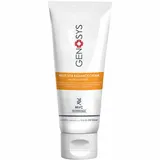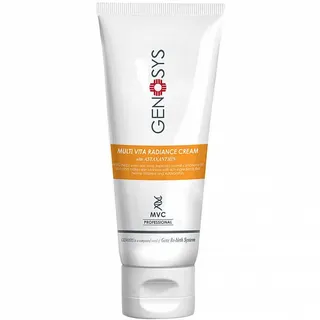
Genosys Multi vita

Genosys Multi vita

Efficacy100/100IrritancyHigh

Works for

Anti-aging
Niacinamide, Astaxanthin + 5 more
Works well
What the product description says
“Ретинол оказывает мощное антивозрастное воздействие, активируя процессы обновления.”
Source: Hollyshop

This product can help reduce and prevent fine lines and wrinkles, improve skin elasticity and firmness because it contains niacinamide.

These ingredients in the product can also be helpful, even though there is less evidence for their effectiveness: astaxanthin, folic acid, retinyl palmitate.

Keep in mind that it typically takes at least 6 weeks to notice any results because the changes that are needed to improve fine lines and elasticity happen in the deeper layers of the skin. No topical anti-aging product can “erase” wrinkles or fully reverse signs of aging.

NiacinamideKey activeEffect: HighIs proven to be effective in reducing blemishes, evening out skin tone and helping to improve lines and wrinkles. It helps the skin to repair sun damage, calm down inflammation and keep maintain good levels of moisture. The concentration of about 2% is effective for supporting the skin barrier and evening out the skin tone. Concentration of 4-6% is better for helping with acne and balancing the sebum production~1.7–2%
AstaxanthinKey activeEffect: MediumHelps neutralize free radicals in skin and might help to calm down inflammation~0.6–0.9%
Folic acidKey activeEffect: MediumCan help stimulate collagen production in skin. While available studies are promising, more research is needed to confirm the efficacy in skin~0.3–0.55%
Retinyl palmitateKey activeEffect: MediumThree steps removed from the active form of vitamin A - retinoic acid. To have an effect in the skin, it first needs to be converted twice to become the retinoic acid. This means it is less potent than retinol, but could also be less irritating. Once converted to the retinoic acid in the skin, it helps against all signs of aging, improves skin cell turnover and helps fight blemishes and clogged pores. However, in many cosmetic formulations, it is used in a concentration that is too low to have the full effect~0.25–0.5%
Sodium ascorbyl phosphateEffect: Low, below effective doseA stable derivative of vitamin C. It is oil-soluble which means it is more likely to penetrate the skin compared to the pure form of vitamin C (which is water-soluble), but it is less bio-available and is way less effective in stimulating collagen and reducing wrinkles compared to the pure form of vitamin C (L-ascorbic acid) and its other derivatives (for example, magnesium ascorbyl phosphate). At the same time, this vitamin C derivative has been shown in studies to be effective in reducing acne, blemishes and clogged pores. It is less irritating then the pure form of vitamin C~0.3–0.55%
Ascorbic acidUnder-dosedThe most well-researched antioxidant that works in skin. Helps neutralize free radicals supporting collagen production, helping to even out the skin tone and preventing early signs of aging~0.5–0.75%
GluconolactoneUnder-dosedA polyhydroxy acid (PHA) that helps shed the dead cells from the skin surface revealing smoother skin. Is believed to be genter than AHAs. It helps attract water to the upper layer of the skin and can stimulate production of skin's own hyaluronic acid resulting in improved hydration levels. It has been shown to be helpful against acne and clogged pores if used consistently (e.g over a period of 12 weeks) in high enough concentration. It can help reduce fine lines and wrinkles and improve skin tone with long-term application. Can help neutralize free radicals~0.3–0.55%
Moisturizing
Niacinamide, Ceramide np + 18 more
Works well
What the product description says
“Средство содержит комплекс из 12 витаминов (A, B1, B3, B5, B6, B9, B12, C, E, F, H, K), который предотвращает образование пигментации, придаёт упругость и плотность за счёт повышения выработки коллагена, увлажняет и удерживает влагу, помогает бороться с процессом окисления, сохраняя молодость клеток, нормализует состояние кожи и оздоравливает.”
Source: Hollyshop

This product can help improve hydration of the skin with the two types of ingredients.

The first type is called “humectants”:
these ingredients help attract water. When humectants are on the surface of the skin, they “pull in” the moisture from the outside environment, or from within deeper layers of the skin. The following ingredients in this product do the job: betaine, erythritol.

This product also contains ingredients called “occlusives”. They help reduce the speed with which our skin loses moisture to the outside environment. These ingredients also help soften the upper layer of the skin, so it feels less tight and nicer to the touch. The following ingredients in this product do the job: dimethicone, squalane.

The following ingredients in this product are especially good for supporting the skin barrier and helping with the hydration level: ceramide np, niacinamide, panthenol

NiacinamideHeroEffect: HighIs proven to be effective in reducing blemishes, evening out skin tone and helping to improve lines and wrinkles. It helps the skin to repair sun damage, calm down inflammation and keep maintain good levels of moisture. The concentration of about 2% is effective for supporting the skin barrier and evening out the skin tone. Concentration of 4-6% is better for helping with acne and balancing the sebum production~1.7–2%
Ceramide npHero· EmollientEffect: HighA type of lipid similar to ceramides naturally present in skin. Helps to soften the upper layer of the skin and supports the skin barrier function to keep it hydrated. Can help to prevent inflammation in skin~0.6–0.9%
PanthenolHero· HumectantEffect: HighHelps attract water to the upper layer of the skin and can help improve skin barrier function~0.5–0.75%
Macadamia ternifolia seed oilKey active· EmollientEffect: MediumPlant oil from nuts that helps soften the upper layer of the skin. Contains a high concentration of oleic acid that can weaken skin's barrier function and increase water-loss while enhancing penetration of other ingredients~4.7–5.8%
DimethiconeKey active· Emollient, OcclusiveEffect: HighA silicone that helps to reduce water loss from the surface of the skin. Can temporarily "fill in" lines and wrinkles, absorb oil, and create a nice product finish~4.3–5.2%
GlycerinKey active· HumectantEffect: HighOne of the best moisturizing ingredients. Naturally present in skin. It attracts water to the upper layer of the skin working as a humectant~2.4–3%
SqualaneKey active· Emollient, OcclusiveEffect: HighAn oil naturally present in skin. Works as an emollient to soften the skin and form a protective layer on its surface without a greasy feeling.~0.75–1.15%
BetaineKey active· HumectantEffect: HighHelps attract water to the upper layer of the skin and improves the product texture~0.45–0.7%
ErythritolKey active· HumectantEffect: HighHelps to attract water to the upper layer of the skin~0.45–0.65%
Glyceryl linolenateKey active· EmollientEffect: MediumHelps soften the upper layer of the skin~0.35–0.6%
Polyglyceryl-10 oleateKey activeEffect: MediumHelps soften the upper layer of the skin~0.3–0.6%
CyanocobalaminKey activeEffect: HighCan support skin barrier function and reduce inflammation in skin~0.25–0.5%
Hydrogenated polydecene· EmollientEffect: LowHelps to soften the upper layer of the skin and create a nice product texture~1.9–2.3%
Cetearyl ethylhexanoate· EmollientEffect: LowAn emollient that helps soften the skin~1.2–1.5%
Butylene glycol· HumectantEffect: LowUsed to create a nice product texture and help delivery of other ingredients. Might be somewhat helpful in attracting water to the upper layer of the skin~0.4–0.6%
Glyceryl stearate· EmollientEffect: LowAn emollient that softens the skin and forms a protective layer on its surface. Helps water and oil mix together~0.3–0.55%
BiotinEffect: LowMight have some moisturising properties. Is not effective when applied topically beyond some moisturizing effect~0.3–0.55%
Polyglyceryl-10 stearateEffect: LowHelps water and oil mix together and softens the upper layer of the skin~0.3–0.55%
GluconolactoneUnder-dosedA polyhydroxy acid (PHA) that helps shed the dead cells from the skin surface revealing smoother skin. Is believed to be genter than AHAs. It helps attract water to the upper layer of the skin and can stimulate production of skin's own hyaluronic acid resulting in improved hydration levels. It has been shown to be helpful against acne and clogged pores if used consistently (e.g over a period of 12 weeks) in high enough concentration. It can help reduce fine lines and wrinkles and improve skin tone with long-term application. Can help neutralize free radicals~0.3–0.55%
Caprylic/capric triglycerideUnder-dosedA good mix of fatty acids that forms a protective layer on the skin. Improves the shelf life of products. Derived from coconut and glycerin~0.2–0.4%
Evens skin tone
Niacinamide, Retinyl palmitate + 3 more
Works well
What the product description says
“Мультивитаминный крем для сияния кожи Genosys Multi Vita Radiance Cream осветляет пигментные пятна, возвращает ровный, здоровый тон, устраняет тусклость и следы усталости, насыщает комплексом 12 витаминов, препятствует образованию пигментации и замедляет старение кожи.”
Source: Hollyshop

This product can help reduce hypepigmentation and even out the skin tone because it contains the following effective ingredients: niacinamide

The following ingredient (ingredients) in this product might be helpful, but there is no evidence to confirm that it actually can help even out the skin tone: glycyrrhiza uralensis root extract, retinyl palmitate.

Keep in mind that you would need to apply any topical skincare targetted at hypigmentation consistently for a couple of months to get a result. No topical skincare product can help get rid of hyperpigmentation (including post-acne marks and age spots) instantly.

NiacinamideKey activeEffect: HighIs proven to be effective in reducing blemishes, evening out skin tone and helping to improve lines and wrinkles. It helps the skin to repair sun damage, calm down inflammation and keep maintain good levels of moisture. The concentration of about 2% is effective for supporting the skin barrier and evening out the skin tone. Concentration of 4-6% is better for helping with acne and balancing the sebum production~1.7–2%
Retinyl palmitateKey activeEffect: MediumThree steps removed from the active form of vitamin A - retinoic acid. To have an effect in the skin, it first needs to be converted twice to become the retinoic acid. This means it is less potent than retinol, but could also be less irritating. Once converted to the retinoic acid in the skin, it helps against all signs of aging, improves skin cell turnover and helps fight blemishes and clogged pores. However, in many cosmetic formulations, it is used in a concentration that is too low to have the full effect~0.25–0.5%
Glycyrrhiza uralensis root extractEffect: LowLicorice root extract. Might be helpful in reducing hyperpigmentation~0.5–0.7%
Ascorbic acidUnder-dosedThe most well-researched antioxidant that works in skin. Helps neutralize free radicals supporting collagen production, helping to even out the skin tone and preventing early signs of aging~0.5–0.75%
GluconolactoneUnder-dosedA polyhydroxy acid (PHA) that helps shed the dead cells from the skin surface revealing smoother skin. Is believed to be genter than AHAs. It helps attract water to the upper layer of the skin and can stimulate production of skin's own hyaluronic acid resulting in improved hydration levels. It has been shown to be helpful against acne and clogged pores if used consistently (e.g over a period of 12 weeks) in high enough concentration. It can help reduce fine lines and wrinkles and improve skin tone with long-term application. Can help neutralize free radicals~0.3–0.55%
Anti-blemish
Side benefit · Niacinamide, Retinyl palmitate + 2 more
Works well

This product can help reduce breakouts and clogged pores because it contains the following ingredient: niacinamide. This ingredient is used for treating acne and can have a noticeable effect.

The following ingredient (ingredients) in this product might be helpful, but there is no evidence to confirm that it actually works: retinyl palmitate

NiacinamideHeroEffect: HighIs proven to be effective in reducing blemishes, evening out skin tone and helping to improve lines and wrinkles. It helps the skin to repair sun damage, calm down inflammation and keep maintain good levels of moisture. The concentration of about 2% is effective for supporting the skin barrier and evening out the skin tone. Concentration of 4-6% is better for helping with acne and balancing the sebum production~1.7–2%
Retinyl palmitateKey activeEffect: MediumThree steps removed from the active form of vitamin A - retinoic acid. To have an effect in the skin, it first needs to be converted twice to become the retinoic acid. This means it is less potent than retinol, but could also be less irritating. Once converted to the retinoic acid in the skin, it helps against all signs of aging, improves skin cell turnover and helps fight blemishes and clogged pores. However, in many cosmetic formulations, it is used in a concentration that is too low to have the full effect~0.25–0.5%
Sodium ascorbyl phosphateUnder-dosedA stable derivative of vitamin C. It is oil-soluble which means it is more likely to penetrate the skin compared to the pure form of vitamin C (which is water-soluble), but it is less bio-available and is way less effective in stimulating collagen and reducing wrinkles compared to the pure form of vitamin C (L-ascorbic acid) and its other derivatives (for example, magnesium ascorbyl phosphate). At the same time, this vitamin C derivative has been shown in studies to be effective in reducing acne, blemishes and clogged pores. It is less irritating then the pure form of vitamin C~0.3–0.55%
GluconolactoneUnder-dosedA polyhydroxy acid (PHA) that helps shed the dead cells from the skin surface revealing smoother skin. Is believed to be genter than AHAs. It helps attract water to the upper layer of the skin and can stimulate production of skin's own hyaluronic acid resulting in improved hydration levels. It has been shown to be helpful against acne and clogged pores if used consistently (e.g over a period of 12 weeks) in high enough concentration. It can help reduce fine lines and wrinkles and improve skin tone with long-term application. Can help neutralize free radicals~0.3–0.55%
Anti-oxidation
Side benefit · Astaxanthin, Pyridoxine + 4 more
Works well

This product contains antioxidants (astaxanthin) that can help neutralize free radicals in skin. By doing so, they can lessen the damage the skin gets from the UV light (sun).

The following ingredients - pyridoxine also can have an antioxidant effect, but there is less evidence to confirm their effectiveness in skin.

AstaxanthinKey activeEffect: HighHelps neutralize free radicals in skin and might help to calm down inflammation~0.6–0.9%
PyridoxineKey activeEffect: MediumMight help neutralize free radicals in skin, but evidence of effectiveness in skin is lacking. It might be irritating~0.25–0.5%
Tocopheryl acetateEffect: Low, below effective doseA more stable but less bio-available form of vitamin E compared to Tocopherol. Might help moisturize and protect the skin from free radicals, but mostly used in low concentrations to stabilize other ingredients.~0.3–0.55%
Ascorbic acidUnder-dosedThe most well-researched antioxidant that works in skin. Helps neutralize free radicals supporting collagen production, helping to even out the skin tone and preventing early signs of aging~0.5–0.75%
Sodium ascorbyl phosphateUnder-dosedA stable derivative of vitamin C. It is oil-soluble which means it is more likely to penetrate the skin compared to the pure form of vitamin C (which is water-soluble), but it is less bio-available and is way less effective in stimulating collagen and reducing wrinkles compared to the pure form of vitamin C (L-ascorbic acid) and its other derivatives (for example, magnesium ascorbyl phosphate). At the same time, this vitamin C derivative has been shown in studies to be effective in reducing acne, blemishes and clogged pores. It is less irritating then the pure form of vitamin C~0.3–0.55%
GluconolactoneUnder-dosedA polyhydroxy acid (PHA) that helps shed the dead cells from the skin surface revealing smoother skin. Is believed to be genter than AHAs. It helps attract water to the upper layer of the skin and can stimulate production of skin's own hyaluronic acid resulting in improved hydration levels. It has been shown to be helpful against acne and clogged pores if used consistently (e.g over a period of 12 weeks) in high enough concentration. It can help reduce fine lines and wrinkles and improve skin tone with long-term application. Can help neutralize free radicals~0.3–0.55%

Can it cause trouble?

Irritancy
4 strong irritants: Retinyl palmitate, Citrus aurantium bergamia fruit oil + 2 more — patch-test recommended
High risk
We flagged 21 ingredients with irritancy potential. Severity depends on your sensitivity threshold; the table lists the worst offenders first.
IngredientFunctionIrritationEst. amount
Ascorbic acidThe most well-researched antioxidant that works in skin. Helps neutralize free radicals supporting collagen production, helping to even out the skin tone and preventing early signs of agingHigh~0.5–0.75%est.
Retinyl palmitateThree steps removed from the active form of vitamin A - retinoic acid. To have an effect in the skin, it first needs to be converted twice to become the retinoic acid. This means it is less potent than retinol, but could also be less irritating. Once converted to the retinoic acid in the skin, it helps against all signs of aging, improves skin cell turnover and helps fight blemishes and clogged pores. However, in many cosmetic formulations, it is used in a concentration that is too low to have the full effectHigh~0.25–0.5%est.
PyridoxineMight help neutralize free radicals in skin, but evidence of effectiveness in skin is lacking. It might be irritatingHigh~0.25–0.5%est.
Citrus aurantium bergamia fruit oilA plant oil with a high content of volatile compounds that can irritate the skin and lead to allergic reactions. Can lead to photosensitivityHigh~0.15–0.25%est.
LimoneneA common frangrance that can easily irritate skin, especially if exposed to air, light or heatHigh~0.1–0.15%est.
LinaloolA fragrance. Can be irritatingHigh~0.1–0.15%est.
Macadamia ternifolia seed oilPlant oil from nuts that helps soften the upper layer of the skin. Contains a high concentration of oleic acid that can weaken skin's barrier function and increase water-loss while enhancing penetration of other ingredientsMedium~4.7–5.8%est.
MethylpropanediolHelps dissolve other ingredients in a formulationMedium~3.1–3.8%est.
1,2-hexanediolA preservativeMedium~0.7–1.05%est.
Hydroxyethyl acrylate/sodium acryloyldimethyl taurate copolymerA gelling agent that thickens the product consistency and leaves the skin with a velvety finishMedium~0.95–1.2%est.
AstaxanthinHelps neutralize free radicals in skin and might help to calm down inflammationMedium~0.6–0.9%est.
Glycyrrhiza uralensis root extractLicorice root extract. Might be helpful in reducing hyperpigmentationMedium~0.5–0.7%est.
GluconolactoneA polyhydroxy acid (PHA) that helps shed the dead cells from the skin surface revealing smoother skin. Is believed to be genter than AHAs. It helps attract water to the upper layer of the skin and can stimulate production of skin's own hyaluronic acid resulting in improved hydration levels. It has been shown to be helpful against acne and clogged pores if used consistently (e.g over a period of 12 weeks) in high enough concentration. It can help reduce fine lines and wrinkles and improve skin tone with long-term application. Can help neutralize free radicalsMedium~0.3–0.55%est.
Polyglyceryl-10 stearateHelps water and oil mix together and softens the upper layer of the skinMedium~0.3–0.55%est.
Sodium ascorbyl phosphateA stable derivative of vitamin C. It is oil-soluble which means it is more likely to penetrate the skin compared to the pure form of vitamin C (which is water-soluble), but it is less bio-available and is way less effective in stimulating collagen and reducing wrinkles compared to the pure form of vitamin C (L-ascorbic acid) and its other derivatives (for example, magnesium ascorbyl phosphate). At the same time, this vitamin C derivative has been shown in studies to be effective in reducing acne, blemishes and clogged pores. It is less irritating then the pure form of vitamin CMedium~0.3–0.55%est.
Tocopheryl acetateA more stable but less bio-available form of vitamin E compared to Tocopherol. Might help moisturize and protect the skin from free radicals, but mostly used in low concentrations to stabilize other ingredients.Medium~0.3–0.55%est.
Glyceryl arachidonateHelps water and oil mix togetherMedium~0.35–0.65%est.
Thiamine hclCan help attract water to the upper layer of the skin. Is studied as a mosquito repellentMedium~0.3–0.55%est.
Polysorbate 60Helps oil and water mix togetherMedium~0.25–0.5%est.
Disodium edtaStabilizes the product formulationMedium~0.15–0.25%est.
Caprylic/capric triglycerideA good mix of fatty acids that forms a protective layer on the skin. Improves the shelf life of products. Derived from coconut and glycerinMedium~0.2–0.4%est.
Comedogenic
Clean of flagged comedogenic ingredients
None flagged
Did this help you decide?

User reviews

Would you recommend?
No community reviews yet.

Be the first — your take helps the next person decide.

Ingredients

Filter by role to see what each ingredient is doing.

Water~45–55%
Formula
Irritation risk
Low

Plain old water

More about Water
Macadamia ternifolia seed oil~4.7–5.8%
Key activeIrritant · medium
Irritation risk
Medium
Works for
Moisturizing

Plant oil from nuts that helps soften the upper layer of the skin. Contains a high concentration of oleic acid that can weaken skin's barrier function and increase water-loss while enhancing penetration of other ingredients

More about Macadamia ternifolia seed oil
Dimethicone~4.3–5.2%
Key active
Irritation risk
Low
Works for
MoisturizingMattifying

A silicone that helps to reduce water loss from the surface of the skin. Can temporarily "fill in" lines and wrinkles, absorb oil, and create a nice product finish

More about Dimethicone
Methylpropanediol~3.1–3.8%
Irritant · medium
Irritation risk
Medium

Helps dissolve other ingredients in a formulation

More about Methylpropanediol
Glycerin~2.4–3%
Key active
Irritation risk
Low
Works for
Moisturizing

One of the best moisturizing ingredients. Naturally present in skin. It attracts water to the upper layer of the skin working as a humectant

More about Glycerin
Hydrogenated polydecene~1.9–2.3%
Formula
Irritation risk
Low
Works for
Moisturizing

Helps to soften the upper layer of the skin and create a nice product texture

More about Hydrogenated polydecene
Niacinamide~1.7–2%
Hero · Moisturizing, Anti-blemish
Irritation risk
Low
Works for
Evens skin toneAnti-agingMoisturizingAnti-blemishReduces irritationAnti-inflammatoryAntibacterialReduces redness

Is proven to be effective in reducing blemishes, evening out skin tone and helping to improve lines and wrinkles. It helps the skin to repair sun damage, calm down inflammation and keep maintain good levels of moisture. The concentration of about 2% is effective for supporting the skin barrier and evening out the skin tone. Concentration of 4-6% is better for helping with acne and balancing the sebum production

More about Niacinamide
1,2-hexanediol~0.7–1.05%
Irritant · medium
Irritation risk
Medium

A preservative

More about 1,2-hexanediol
Cetearyl ethylhexanoate~1.2–1.5%
Formula
Irritation risk
Low
Works for
Moisturizing

An emollient that helps soften the skin

More about Cetearyl ethylhexanoate
Hydroxyethyl acrylate/sodium acryloyldimethyl taurate copolymer~0.95–1.2%
Irritant · medium
Irritation risk
Medium

A gelling agent that thickens the product consistency and leaves the skin with a velvety finish

More about Hydroxyethyl acrylate/sodium acryloyldimethyl taurate copolymer
Squalane~0.75–1.15%
Key active
Irritation risk
Low
Works for
Moisturizing

An oil naturally present in skin. Works as an emollient to soften the skin and form a protective layer on its surface without a greasy feeling.

More about Squalane
Astaxanthin~0.6–0.9%
Key activeIrritant · medium
Irritation risk
Medium
Works for
Anti-oxidationAnti-inflammatoryAnti-aging

Helps neutralize free radicals in skin and might help to calm down inflammation

More about Astaxanthin
Ceramide np~0.6–0.9%
Hero · Moisturizing
Irritation risk
Low
Works for
MoisturizingReduces irritationAnti-inflammatory

A type of lipid similar to ceramides naturally present in skin. Helps to soften the upper layer of the skin and supports the skin barrier function to keep it hydrated. Can help to prevent inflammation in skin

More about Ceramide np
Ascorbic acid~0.5–0.75%
Under-dosedIrritant · high
Irritation risk
High
Works for
Anti-oxidationEvens skin toneAnti-aging

The most well-researched antioxidant that works in skin. Helps neutralize free radicals supporting collagen production, helping to even out the skin tone and preventing early signs of aging

More about Ascorbic acid
Glycyrrhiza uralensis root extract~0.5–0.7%
Irritant · medium
Irritation risk
Medium
Works for
Evens skin tone

Licorice root extract. Might be helpful in reducing hyperpigmentation

More about Glycyrrhiza uralensis root extract
Panthenol~0.5–0.75%
Hero · Moisturizing
Irritation risk
Low
Works for
MoisturizingReduces rednessReduces irritation

Helps attract water to the upper layer of the skin and can help improve skin barrier function

More about Panthenol
Betaine~0.45–0.7%
Key active
Irritation risk
Low
Works for
Moisturizing

Helps attract water to the upper layer of the skin and improves the product texture

More about Betaine
Erythritol~0.45–0.65%
Key active
Irritation risk
Low
Works for
Moisturizing

Helps to attract water to the upper layer of the skin

More about Erythritol
Butylene glycol~0.4–0.6%
Formula
Irritation risk
Low
Works for
Moisturizing

Used to create a nice product texture and help delivery of other ingredients. Might be somewhat helpful in attracting water to the upper layer of the skin

More about Butylene glycol
Hydrogenated lecithin~0.4–0.6%
Formula
Irritation risk
Low
Works for
Cleansing

Helps to retain moisture by creating a protective barrier on the skin. Rich in fatty acids. Improves product texture and helps with the penetration of other ingredients.

More about Hydrogenated lecithin
Gluconolactone~0.3–0.55%
Under-dosedIrritant · medium
Irritation risk
Medium
Works for
ExfoliationMoisturizingAnti-agingEvens skin toneAnti-oxidationAnti-blemish

A polyhydroxy acid (PHA) that helps shed the dead cells from the skin surface revealing smoother skin. Is believed to be genter than AHAs. It helps attract water to the upper layer of the skin and can stimulate production of skin's own hyaluronic acid resulting in improved hydration levels. It has been shown to be helpful against acne and clogged pores if used consistently (e.g over a period of 12 weeks) in high enough concentration. It can help reduce fine lines and wrinkles and improve skin tone with long-term application. Can help neutralize free radicals

More about Gluconolactone
Polyglyceryl-10 oleate~0.3–0.6%
Key active
Irritation risk
Low
Works for
Moisturizing

Helps soften the upper layer of the skin

More about Polyglyceryl-10 oleate
Polyglyceryl-10 stearate~0.3–0.55%
Irritant · medium
Irritation risk
Medium
Works for
Moisturizing

Helps water and oil mix together and softens the upper layer of the skin

More about Polyglyceryl-10 stearate
Sodium ascorbyl phosphate~0.3–0.55%
Under-dosedIrritant · medium
Irritation risk
Medium
Works for
Anti-blemishAnti-oxidationAnti-aging

A stable derivative of vitamin C. It is oil-soluble which means it is more likely to penetrate the skin compared to the pure form of vitamin C (which is water-soluble), but it is less bio-available and is way less effective in stimulating collagen and reducing wrinkles compared to the pure form of vitamin C (L-ascorbic acid) and its other derivatives (for example, magnesium ascorbyl phosphate). At the same time, this vitamin C derivative has been shown in studies to be effective in reducing acne, blemishes and clogged pores. It is less irritating then the pure form of vitamin C

More about Sodium ascorbyl phosphate
Tocopheryl acetate~0.3–0.55%
Irritant · medium
Irritation risk
Medium
Works for
Anti-oxidation

A more stable but less bio-available form of vitamin E compared to Tocopherol. Might help moisturize and protect the skin from free radicals, but mostly used in low concentrations to stabilize other ingredients.

More about Tocopheryl acetate
Glyceryl linolenate~0.35–0.6%
Key active
Irritation risk
Low
Works for
Moisturizing

Helps soften the upper layer of the skin

More about Glyceryl linolenate
Glyceryl arachidonate~0.35–0.65%
Irritant · medium
Irritation risk
Medium
Works for
Cleansing

Helps water and oil mix together

More about Glyceryl arachidonate
Retinyl palmitate~0.25–0.5%
Key activeIrritant · high
Irritation risk
High
Works for
Evens skin toneAnti-blemishAnti-agingExfoliation

Three steps removed from the active form of vitamin A - retinoic acid. To have an effect in the skin, it first needs to be converted twice to become the retinoic acid. This means it is less potent than retinol, but could also be less irritating. Once converted to the retinoic acid in the skin, it helps against all signs of aging, improves skin cell turnover and helps fight blemishes and clogged pores. However, in many cosmetic formulations, it is used in a concentration that is too low to have the full effect

More about Retinyl palmitate
Biotin~0.3–0.55%
Formula
Irritation risk
Low
Works for
Moisturizing

Might have some moisturising properties. Is not effective when applied topically beyond some moisturizing effect

More about Biotin
Thiamine hcl~0.3–0.55%
Irritant · medium
Irritation risk
Medium

Can help attract water to the upper layer of the skin. Is studied as a mosquito repellent

More about Thiamine hcl
Folic acid~0.3–0.55%
Key active
Irritation risk
Low
Works for
Anti-aging

Can help stimulate collagen production in skin. While available studies are promising, more research is needed to confirm the efficacy in skin

More about Folic acid
Pyridoxine~0.25–0.5%
Key activeIrritant · high
Irritation risk
High
Works for
Anti-oxidation

Might help neutralize free radicals in skin, but evidence of effectiveness in skin is lacking. It might be irritating

More about Pyridoxine
Menadione~0.3–0.5%
Formula
Irritation risk
Low
More about Menadione
Cyanocobalamin~0.25–0.5%
Key active
Irritation risk
Low
Works for
Anti-inflammatoryMoisturizing

Can support skin barrier function and reduce inflammation in skin

More about Cyanocobalamin
Glyceryl stearate~0.3–0.55%
Formula
Irritation risk
Low
Works for
CleansingMoisturizing

An emollient that softens the skin and forms a protective layer on its surface. Helps water and oil mix together

More about Glyceryl stearate
Polysorbate 60~0.25–0.5%
Irritant · medium
Irritation risk
Medium
Works for
Cleansing

Helps oil and water mix together

More about Polysorbate 60
Dimethicone/vinyl dimethicone crosspolymer~0.2–0.4%
Formula
Irritation risk
Low

Used to stabilize product formulations and create a nice product texture

More about Dimethicone/vinyl dimethicone crosspolymer
Silica~0.3–0.6%
Formula
Irritation risk
Low

Used to absorb oil and can temporarily mattify skin

More about Silica
Sorbitan isostearate~0.2–0.35%
Formula
Irritation risk
Low
Works for
Cleansing

Helps oil and water mix together

More about Sorbitan isostearate
Disodium edta~0.15–0.25%
Irritant · medium
Irritation risk
Medium

Stabilizes the product formulation

More about Disodium edta
Caprylic/capric triglyceride~0.2–0.4%
Under-dosedIrritant · medium
Irritation risk
Medium
Works for
Moisturizing

A good mix of fatty acids that forms a protective layer on the skin. Improves the shelf life of products. Derived from coconut and glycerin

More about Caprylic/capric triglyceride
Citrus aurantium bergamia fruit oil~0.15–0.25%
Irritant · high
Irritation risk
High

A plant oil with a high content of volatile compounds that can irritate the skin and lead to allergic reactions. Can lead to photosensitivity

More about Citrus aurantium bergamia fruit oil
Limonene~0.1–0.15%
Irritant · high
Irritation risk
High

A common frangrance that can easily irritate skin, especially if exposed to air, light or heat

More about Limonene
Linalool~0.1–0.15%
Irritant · high
Irritation risk
High

A fragrance. Can be irritating

More about Linalool
Ingredient list view

Water, Macadamia ternifolia seed oil, Dimethicone, Methylpropanediol, Glycerin, Hydrogenated polydecene, Niacinamide, 1,2-hexanediol, Cetearyl ethylhexanoate, Hydroxyethyl acrylate/sodium acryloyldimethyl taurate copolymer, Squalane, Astaxanthin, Ceramide np, Ascorbic acid, Glycyrrhiza uralensis root extract, Panthenol, Betaine, Erythritol, Butylene glycol, Hydrogenated lecithin, Gluconolactone, Polyglyceryl-10 oleate, Polyglyceryl-10 stearate, Sodium ascorbyl phosphate, Tocopheryl acetate, Glyceryl linolenate, Glyceryl arachidonate, Retinyl palmitate, Biotin, Thiamine hcl, Folic acid, Pyridoxine, Menadione, Cyanocobalamin, Glyceryl stearate, Polysorbate 60, Dimethicone/vinyl dimethicone crosspolymer, Silica, Sorbitan isostearate, Disodium edta, Caprylic/capric triglyceride, Citrus aurantium bergamia fruit oil, Limonene, Linalool

Compare prices

Retailers ranked by price — lowest first.

Amazon US
Price unavailable Out of stock
Check

Affiliate links · As an Amazon Associate, WIMJ earns from qualifying purchases.

Worth comparing, line by line.

Match % combines shared ingredients, the first five ingredients, shared actives and hero ingredients, irritancy (lower counts in the alternative's favour), texture and body area. Only products in the same routine step are compared.

Side-by-side comparison of this product against its closest alternatives
GenosysMulti vitaYOUR PRODUCTLa MuseDaily Essentials Regenerating CreamThe SaemGold Lifting CreamISNTREEТонізуючий крем C-Niacin
Match—71%69%69%
Price—$27.60$55.50$11.22
Shared key ingredients—9 of 169 of 168 of 16
Key difference—AdenosineAcetyl Tetrapeptide-2Phytosphingosine
Irritancy High Medium Medium Medium
Drying alcohol— Contains drying alcohol Contains drying alcohol —
View product Shop Shop Shop

More alternatives: BYROE SALMON CREAMAHC Hydrating Essential Real Eye Cream for Face

Cheaper alternatives? See how this stacks up against similar formulas.
We compare ingredient profiles across our catalog — pick the closest match for your budget.
Open dupe finder

Product summary

Based on the ingredients included, "Genosys - Multi vita" works well for moisturizing the skin. This moisturizer uses a good combo of humectants and emollients. These both types of ingredients are essentials for improving the skin hydration and keeping the skin barrier healthy. Humectants in this product (panthenol, betaine, erythritol, glycerin and butylene glycol) help to increase the water content in the upper layer of the skin. (These ingredients do so by "capturing" water molecules from the outside air or from within the deeper layers of the skin). Emollients in this formulation (ceramide np, dimethicone, squalane, glyceryl linolenate and macadamia ternifolia seed oil) help to reduce the moisture loss from the skin. They also soften the skin surface and relieve the feeling of dryness and tightness.

Ingredient callouts

  • We particularly like that there is a good concentration of Niacinamide (1.70% - 2.00%) in this moisturizer. Niacinamide is a well-studied multi-tasking active. It is a great ingredient to have in a moisturizer. It is stable, and can work well in almost any hydrating formulation. There is solid evidence that Niacinamide can help support skin barrier, regulate oil production and reduce acne and clogged pores. It also helps to fight photodamage and help improve the skin tone, reducing pigmentation marks.
  • This product also contains Vitamin C (Ascorbic Acid). It can be an effective active for anti-aging and evening out the skin tone, but in this moisturizer it is used for stabilizing other ingredients in the formulation. In this concentration (0.50% - 0.75%) it cannot have a noticeable benefit for the skin.
  • This moisturizer includes a form of Retinoids (vitamin A) - retinyl palmitate 0.25% - 0.50%, but this type of vitamin A is not very effective. It could in theory help with fine lines and wrinkles, but the effect is most likely minimal.
  • As a plus, this moisturizer also contains Ceramides (ceramide np 0.60% - 0.90%). Ceramides are a type of lipids that our skin produces itself. They are a building block of the skin's barrier. Ceramides used in skincare are synthetic or extracted from plants. They work well for softening the skin surface and "patch holes" in the skin's barrier.
This product contains ingredients that could be beneficial, but their concentrations are too low in this formulation: caprylic/capric triglyceride, sodium ascorbyl phosphate, gluconolactone and vitamin c

Irritation risk

There are some common irritants in this product, including ingredients that do not have benefits for the skin. We assess the overall irritancy of this moisturizer to be high. For a detailed overview of all potential irritants: click here

You can see the detailed formula review with the breakdown of all actives in the product and the full ingredient list with estimated concentrations in the tables below.

Sources cited in this review

Every concentration estimate and effectiveness label is anchored to one of these 41 studies and safety reviews.

  1. 1
  2. 2
  3. 3
  4. 4
  5. 5
  6. 6
Genosys Multi vita
GenosysMulti vita

Affiliate links · As an Amazon Associate, WIMJ earns from qualifying purchases.

As an Amazon Associate, WIMJ earns from qualifying purchases.