
Works for:
based on ingredients and %- Anti-aging
- Moisturizing
Can it cause trouble?
- Irritation risk: high
- Comedogenic risk ingredients: 4
Key actives

Product Summary
"BEYOND - Phyto Aqua Royal Ampoule Cream" is effective for: Anti-aging and Moisturizing
Ingredient callouts
- Ceramides (ceramide np 0.30% - 0.55%). Ceramides are a type of lipids that our skin produces itself. They are a building block of the skin's barrier. Ceramides used in skincare are synthetic or extracted from plants. They work well for softening the skin surface and "patch holes" in the skin's barrier.
- Adenosine 0.25% - 0.40%. It is a chemical present inside our skin cells. A clinical trial confirmed that topical application of Adenosine in a low concentration can reduce dynamic wrinkles (these are the wrinkles that appear with age in a places where our mimic is the most active, for example, in the corners of the eyes or on the forehead).
- Panthenol (pro-vitamin B5) at about 0.65% - 0.95% concentration. In this concentration, Panthenol works effectively to improve the skin barrier and reduce inflammation.
- Humectants (urea 0.25% - 0.45%, panthenol 0.65% - 0.95% and glycerin 4.30% - 5.20%). These ingredients help attract water to the upper layer of the skin and improve the skin hydration.
Price
The product retails for 35.73$ in the United States.
For a detailed price comparison: click here.
Works for
Anti-aging
What does the product description say?
Wrinkle-improving functional product helps smoothen and prevent fine lines for youthful, plump skin express.
Source: Yesstyle
This product can help reduce and prevent fine lines and wrinkles, improve skin elasticity and firmness because it contains adenosine.
Keep in mind that it typically takes at least 6 weeks to notice any results because the changes that are needed to improve fine lines and elasticity happen in the deeper layers of the skin. No topical anti-aging product can “erase” wrinkles or fully reverse signs of aging.
Might help improve cell turnover and reduce inflammation in skin. One study shows that the ingredients might be able to help reduce dynamic wrinkles (for example, in the corners of the eyes or on the forehead)
A great moisturising ingredient that softens the skin and reduces water loss from its upper layer. It also can be helpful in protecting skin from free radicals
Can contain potent anti-oxidant compounds (abbreviated ECG, GCG, EGC, and EGCG) that might help protect the skin from free radicals. Can help calm down inflammation and has some anti-bacterial properties. Unfortunately, these antioxidants are unstable and lose their effectiveness very quickly in products. The concentration of the antioxidant compounds in the extract also tends to be low to be effective in topical formulation
Pure form of vitamin E. Can help moisturise and protect the skin from free radicals. Often used to help stabilise other ingredients or the formula itself
Being a lipid soluble form of vitamin C, it is more stable and can penetrate the skin better than L-Ascorbic acid. It is effective in protecting the skin from free radicals, as well as evening the skin tone, but is less effective in stimulating collagen production compared to L-Ascorbic acid.
Moisturizing
What does the product description say?
Deeply permeate and fill tired skin caused by external stress with ample moisture and nutrients.
Source: Yesstyle
This product can help improve hydration of the skin with the two types of ingredients.
The first type is called “humectants”:
these ingredients help attract water.
When humectants are on the surface of the skin, they “pull in” the moisture from the outside environment, or from
within deeper layers of the skin. The following ingredients in this product do the job:
glycerin, honey extract.
This product also contains ingredients called “occlusives”. They help reduce the speed with which our skin loses moisture to the outside environment. These ingredients also help soften the upper layer of the skin, so it feels less tight and nicer to the touch. The following ingredients in this product do the job: caprylic/capric triglyceride, dimethicone.
The following ingredients in this product are especially good for supporting the skin barrier and helping with the hydration level: ceramide np, panthenol, urea
Naturally present in skin (urea makes up about 7% of natural moisturizing factors in skin). Attracts water to the upper layer of the skin. Also has a positive effect on the skin barrier beyond the humectant action. Can enhance penetration of other ingredients. Is an exfoliating ingredient when used in high concentrations
A good mix of fatty acids that forms a protective layer on the skin. Improves the shelf life of products. Derived from coconut and glycerin
A type of lipid similar to ceramides naturally present in skin. Helps to soften the upper layer of the skin and supports the skin barrier function to keep it hydrated. Can help to prevent inflammation in skin
An emollient that is naturally found in skin
A silicone that helps to reduce water loss from the surface of the skin. Can temporarily "fill in" lines and wrinkles, absorb oil, and create a nice product finish
One of the best moisturizing ingredients. Naturally present in skin. It attracts water to the upper layer of the skin working as a humectant
A good emollient that helps soften the skin and helps repair its barrier function. It can clog pores if used in high concentrations.
A type of lipids naturally present in skin. They can be converted to ceramides in skin
A great emollient due to its high linoleic acid content. One of the most effective plant oils in helping skin hydration and repairing skin barrier function
Helps attract water to the upper layer of the skin and can help improve skin barrier function
An oil naturally present in skin. Works as an emollient to soften the skin and form a protective layer on its surface without a greasy feeling.
A complex substance produced by honey bees. Can have anti-bacterial and some anti-oxidant effect. Is an allergen and can be irritating
A silicone that helps improve the product texture and spreadability. Can absorb oil creating a short-term mattifying effect on the skin
An emollient that helps soften the skin but is not effective for restoring its barrier function. Might be helpful to calm down inflammation
Might help improve cell turnover and reduce inflammation in skin. One study shows that the ingredients might be able to help reduce dynamic wrinkles (for example, in the corners of the eyes or on the forehead)
A non-drying alcohol. Works as an emollient. Helps water and oil mix together and creates a nice product texture
A compound secreted by bees. Might be able to attract water to the top layer of the skin. Avoid if sensitive to honey and bee products
Helps attract water to the upper layer of the skin
Helps attract water to the upper layer of the skin and improves the product texture
Used to improve the product consistency and soften the upper layer of the skin
A plant oil that helps soften the upper layer of the skin. Is unlikely to be helpful in restoring skin barrier function due to the low content of linoleic acid
A type of silicone that helps soften the upper layer of the skin and create a nice product texture
An emollient that is naturally present in skin and helps soften it
A great moisturising ingredient that softens the skin and reduces water loss from its upper layer. It also can be helpful in protecting skin from free radicals
Pure form of vitamin E. Can help moisturise and protect the skin from free radicals. Often used to help stabilise other ingredients or the formula itself
Helps oil and water mix together and works as an emollient
Can contain potent anti-oxidant compounds (abbreviated ECG, GCG, EGC, and EGCG) that might help protect the skin from free radicals. Can help calm down inflammation and has some anti-bacterial properties. Unfortunately, these antioxidants are unstable and lose their effectiveness very quickly in products. The concentration of the antioxidant compounds in the extract also tends to be low to be effective in topical formulation
How honest is this product?
| Promise | Can it deliver? |
|---|---|
| Anti-aging | |
| Moisturizing |
Total Promises Fulfilled score: 100/100.
We receive a small commission for purchases made through these links at no cost for you. Thank you for your support! Learn more
Potential irritants
Comedogenic ingredients
User reviews (0)
Averages from community submissions.
No reviews yet for this product.
Be the first to share your experience!
Tried this product?
Help capture what the ingredient list can't—texture, finish, pilling, scent, and more. Answer what you can, skip the rest.
Takes ~30 seconds.
Reviews are shown in aggregate. No personal details.
| Product | Similarity | Price | Irritancy |
|---|---|---|---|
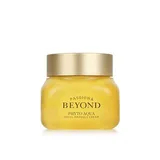 BEYOND Phyto Aqua Royal Ampoule Cream | Current | $35.73 | |
 MEDI-PEEL Derma Maison Time Wrinkle Perfect Serum | 50% | $44.30 |
Key Actives
Can contain potent anti-oxidant compounds (abbreviated ECG, GCG, EGC, and EGCG) that might help protect the skin from free radicals. Can help calm down inflammation and has some anti-bacterial properties. Unfortunately, these antioxidants are unstable and lose their effectiveness very quickly in products. The concentration of the antioxidant compounds in the extract also tends to be low to be effective in topical formulation
Pure form of vitamin E. Can help moisturise and protect the skin from free radicals. Often used to help stabilise other ingredients or the formula itself
Helps attract water to the upper layer of the skin and can help improve skin barrier function
A great moisturising ingredient that softens the skin and reduces water loss from its upper layer. It also can be helpful in protecting skin from free radicals
A type of lipid similar to ceramides naturally present in skin. Helps to soften the upper layer of the skin and supports the skin barrier function to keep it hydrated. Can help to prevent inflammation in skin
Might help improve cell turnover and reduce inflammation in skin. One study shows that the ingredients might be able to help reduce dynamic wrinkles (for example, in the corners of the eyes or on the forehead)
A silicone that helps improve the product texture and spreadability. Can absorb oil creating a short-term mattifying effect on the skin
An emollient that is naturally found in skin
A silicone that helps to reduce water loss from the surface of the skin. Can temporarily "fill in" lines and wrinkles, absorb oil, and create a nice product finish
A plant extract that has anti-bacterial properties. Can be used to preserve the product. Can be irritating
Naturally present in skin (urea makes up about 7% of natural moisturizing factors in skin). Attracts water to the upper layer of the skin. Also has a positive effect on the skin barrier beyond the humectant action. Can enhance penetration of other ingredients. Is an exfoliating ingredient when used in high concentrations
One of the best moisturizing ingredients. Naturally present in skin. It attracts water to the upper layer of the skin working as a humectant
A good mix of fatty acids that forms a protective layer on the skin. Improves the shelf life of products. Derived from coconut and glycerin
An oil naturally present in skin. Works as an emollient to soften the skin and form a protective layer on its surface without a greasy feeling.
A type of lipids naturally present in skin. They can be converted to ceramides in skin
A great emollient due to its high linoleic acid content. One of the most effective plant oils in helping skin hydration and repairing skin barrier function
A good emollient that helps soften the skin and helps repair its barrier function. It can clog pores if used in high concentrations.
Potential irritants
A complex substance produced by honey bees. Can have anti-bacterial and some anti-oxidant effect. Is an allergen and can be irritating
A plant extract that might help neutralize free radicals in skin. It can be irritating
A plant extract that has anti-bacterial properties. Can be used to preserve the product. Can be irritating
An essentil oil from orange peel. Potential allergen and can be irritating
A plant oil with high content of volatile compounds that can irritate the skin. Can be used as a fragrance. Has anti-bacterial properties and might help neutralize free radicals on the surface of the skin
A plant oil with a high content of volatile compounds that can irritate the skin and lead to allergic reactions. Can lead to photosensitivity
A good mix of fatty acids that forms a protective layer on the skin. Improves the shelf life of products. Derived from coconut and glycerin
Helps soften the upper layer of the skin and improve the product texture. It can be comedogenic
A compound secreted by bees. Might be able to attract water to the top layer of the skin. Avoid if sensitive to honey and bee products
An emollient that helps soften the skin but is not effective for restoring its barrier function. Might be helpful to calm down inflammation
Helps water and oil in the product mix well together and improves product texture
Being a lipid soluble form of vitamin C, it is more stable and can penetrate the skin better than L-Ascorbic acid. It is effective in protecting the skin from free radicals, as well as evening the skin tone, but is less effective in stimulating collagen production compared to L-Ascorbic acid.
A plant oil that helps soften the upper layer of the skin. Is unlikely to be helpful in restoring skin barrier function due to the low content of linoleic acid
A good emollient that helps soften the skin and helps repair its barrier function. It can clog pores if used in high concentrations.
Maintains the texture of skincare products. Allows the product to spread evenly. Helps oil and water mix together
Comedogenic ingredients
Helps soften the upper layer of the skin and improve the product texture. It can be comedogenic
A great moisturising ingredient that softens the skin and reduces water loss from its upper layer. It also can be helpful in protecting skin from free radicals
A non-drying alcohol. Works as an emollient. Helps water and oil mix together and creates a nice product texture
A good emollient that helps soften the skin and helps repair its barrier function. It can clog pores if used in high concentrations.
All ingredients
One of the best moisturizing ingredients. Naturally present in skin. It attracts water to the upper layer of the skin working as a humectant
A good mix of fatty acids that forms a protective layer on the skin. Improves the shelf life of products. Derived from coconut and glycerin
An oil naturally present in skin. Works as an emollient to soften the skin and form a protective layer on its surface without a greasy feeling.
Helps soften the upper layer of the skin and improve the product texture. It can be comedogenic
A silicone that helps improve the product texture and spreadability. Can absorb oil creating a short-term mattifying effect on the skin
Acts as a solvent for other ingredients. Speeds up the absorption of other ingredients into the skin
A type of silicone that helps soften the upper layer of the skin and create a nice product texture
Helps attract water to the upper layer of the skin and can help improve skin barrier function
A great moisturising ingredient that softens the skin and reduces water loss from its upper layer. It also can be helpful in protecting skin from free radicals
A compound secreted by bees. Might be able to attract water to the top layer of the skin. Avoid if sensitive to honey and bee products
A complex substance produced by honey bees. Can have anti-bacterial and some anti-oxidant effect. Is an allergen and can be irritating
A type of lipid similar to ceramides naturally present in skin. Helps to soften the upper layer of the skin and supports the skin barrier function to keep it hydrated. Can help to prevent inflammation in skin
Helps to retain moisture by creating a protective barrier on the skin. Rich in fatty acids. Improves product texture and helps with the penetration of other ingredients.
Used to improve the product consistency and soften the upper layer of the skin
A non-drying alcohol. Works as an emollient. Helps water and oil mix together and creates a nice product texture
An emollient that helps soften the skin but is not effective for restoring its barrier function. Might be helpful to calm down inflammation
A type of lipids naturally present in skin. They can be converted to ceramides in skin
An emollient that is naturally present in skin and helps soften it
Helps water and oil in the product mix well together and improves product texture
A silicone that helps to reduce water loss from the surface of the skin. Can temporarily "fill in" lines and wrinkles, absorb oil, and create a nice product finish
A great emollient due to its high linoleic acid content. One of the most effective plant oils in helping skin hydration and repairing skin barrier function
Carrot extract. Might have anti-oxidant properties and be used to add orange color
A plant oil that might help neutralize free radicals and have an anti-bacterial effect
Being a lipid soluble form of vitamin C, it is more stable and can penetrate the skin better than L-Ascorbic acid. It is effective in protecting the skin from free radicals, as well as evening the skin tone, but is less effective in stimulating collagen production compared to L-Ascorbic acid.
Might help improve cell turnover and reduce inflammation in skin. One study shows that the ingredients might be able to help reduce dynamic wrinkles (for example, in the corners of the eyes or on the forehead)
A plant extract that might help neutralize free radicals in skin. It can be irritating
A plant extract that has anti-bacterial properties. Can be used to preserve the product. Can be irritating
A plant oil that helps soften the upper layer of the skin. Is unlikely to be helpful in restoring skin barrier function due to the low content of linoleic acid
Helps attract water to the upper layer of the skin and improves the product texture
Naturally present in skin (urea makes up about 7% of natural moisturizing factors in skin). Attracts water to the upper layer of the skin. Also has a positive effect on the skin barrier beyond the humectant action. Can enhance penetration of other ingredients. Is an exfoliating ingredient when used in high concentrations
Can contain potent anti-oxidant compounds (abbreviated ECG, GCG, EGC, and EGCG) that might help protect the skin from free radicals. Can help calm down inflammation and has some anti-bacterial properties. Unfortunately, these antioxidants are unstable and lose their effectiveness very quickly in products. The concentration of the antioxidant compounds in the extract also tends to be low to be effective in topical formulation
A good emollient that helps soften the skin and helps repair its barrier function. It can clog pores if used in high concentrations.
Pure form of vitamin E. Can help moisturise and protect the skin from free radicals. Often used to help stabilise other ingredients or the formula itself
Helps to dissolve other ingredients in a formulation. Slows down the rate of product drying
Maintains the texture of skincare products. Allows the product to spread evenly. Helps oil and water mix together
Helps create a thicker or gel-like product texture. It is not a surfactant but can be used in gentle cleansing formulations
An essentil oil from orange peel. Potential allergen and can be irritating
A plant oil with high content of volatile compounds that can irritate the skin. Can be used as a fragrance. Has anti-bacterial properties and might help neutralize free radicals on the surface of the skin
A plant oil with a high content of volatile compounds that can irritate the skin and lead to allergic reactions. Can lead to photosensitivity
Ingredient list view
Water, Glycerin, Caprylic/capric triglyceride, Squalane, Isostearyl isostearate, Sucrose polystearate, 1,2-hexanediol, Cyclopentasiloxane, Propanediol, Bis-peg-18 methyl ether dimethyl silane, Panthenol, Butyrospermum parkii butter, Bambusa arundinacea juice, Betula platyphylla japonica juice, Trichosanthes kirilowii root extract, Vitis vinifera vine sap, Honey extract, Royal jelly extract, Propolis extract, Ceramide np, Hydrogenated lecithin, Hydrogenated polyisobutene, Cetearyl alcohol, Olea europaea fruit oil, Cholesterol, Glycosphingolipids, Palmitic acid, Cetearyl glucoside, Xanthan gum, Myristica fragrans extract, Dimethicone, Peg-40 stearate, Helianthus annuus seed oil, Daucus carota sativa root extract, Daucus carota sativa seed oil, Beta-carotene, Ascorbyl palmitate, Sucrose stearate, Stearic acid, Adenosine, Eclipta prostrata extract, Melia azadirachta leaf extract, Moringa oleifera seed oil, Sorbitol, Urea, Artemisia annua extract, Azadirachta indica leaf extract, Camellia sinensis leaf extract, Glycine max seed extract, Glycine soja oil, Tocopherol, Dipropylene glycol, Acrylates/c10-30 alkyl acrylate crosspolymer, Carbomer, Trisodium edta, Tromethamine, Citrus aurantium dulcis peel oil, Rosmarinus officinalis leaf oil, Citrus aurantium bergamia fruit oil, Citrus aurantifolia oil, Santalum album oil
- Glycerol and the skin: holistic approach to its origin and functions
- The influence of alkane chain length on the skin irritation potential of 1,2-alkanediols
- Skin moisturizing effects of panthenol-based formulations
- Safety Assessment of Panthenol, Pantothenic Acid, and Derivatives as Used in Cosmetics
- Propolis: A Wonder Bees Product and Its Pharmacological Potentials
- Skin hydration is significantly increased by a cream formulated to mimic the skin’s own natural moisturizing systems
- Topically Applied Ceramides Interact with the Stratum Corneum Lipid Matrix in Compromised Ex Vivo Skin
- Final report of the cosmetic ingredient review expert panel on the safety assessment of Polyisobutene and Hydrogenated Polyisobutene as used in cosmetics
- Use of “natural” oils for moisturization: Review of olive, coconut, and sunflower seed oil
- Dimethicone as a protective ingredient in topical medications
- Final Report on the Safety Assessment of Dimethicone Copolyol
- Effect of Olive and Sunflower Seed Oil on the Adult Skin Barrier: Implications for Neonatal Skin Care
- Topically Applied Sunflower Seed Oil Prevents Invasive Bacterial Infections in Preterm Infants in Egypt
- Effect of topically applied lipids on surfactant-irritated skin
- Impact of topical oils on the skin barrier: possible implications for neonatal health in developing countries
- New Claims for Wild Carrot (Daucus carota subsp. carota) Essential Oil
- Evaluation of anti-wrinkle efficacy of adenosine-containing products using the FOITS technique
- Potent Antioxidative and UVB Protective Effect of Water Extract of Eclipta prostrata L.
- Melia azedarach
- Preliminary and Pharmacological Profile of Melia azedarach L.: An Overview
- Moringa oleifera seed oil: Composition, nutritional aspects and health attributes
- Moringa oleifera Seeds and Oil: Characteristics and Uses for Human Health
- Topical urea in skincare: A review
- Vitamin E in dermatology
- Vitamin E and Skin Health
- Final report on the safety assessment of EDTA, calcium disodium EDTA, diammonium EDTA, dipotassium EDTA, disodium EDTA, TEA-EDTA, tetrasodium EDTA, tripotassium EDTA, trisodium EDTA, HEDTA, and trisodium HEDTA
- Safety Assessment of Tromethamine as Used in Cosmetics
- Assessment report on Rosmarinus officinalis L., aetheroleum and Rosmarinus officinalis L., folium
- Screening of plant extracts for antimicrobial activity against bacteria and yeasts with dermatological relevance
- Occupational contact dermatitis due to essential oils
- The in vitro antimicrobial activity and chemometric modelling of 59 commercial essential oils against pathogens of dermatological relevance
- Antimicrobial and Antioxidant Properties of Rosemary and Sage (Rosmarinus officinalis L. and Salvia officinalis L., Lamiaceae) Essential Oils
- Chemical Composition, Plant Genetic Differences, Antimicrobial and Antifungal Activity Investigation of the Essential Oil of Rosmarinus officinalis L.
- Safety Assessment of Citrus-Derived Peel Oils as Used in Cosmetics
- Oxidized citrus oil (R-limonene): A frequent skin sensitizer in Europe
- Air oxidation increases skin irritation from fragrance terpenes