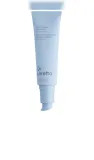
Synergie ReClaim

Synergie ReClaim

Efficacy87/100IrritancyHigh

Works for

Moisturizing
Palmitoyl tripeptide-38, Glycerin + 26 more
Works well
What the product description says
“Reclaim your youth with this luxurious age-defying moisturiser.”
Source: N/A

This product can help improve hydration of the skin with the two types of ingredients.

The first type is called “humectants”:
these ingredients help attract water. When humectants are on the surface of the skin, they “pull in” the moisture from the outside environment, or from within deeper layers of the skin. The following ingredients in this product do the job: glycerin, sodium hyaluronate.

This product also contains ingredients called “occlusives”. They help reduce the speed with which our skin loses moisture to the outside environment. These ingredients also help soften the upper layer of the skin, so it feels less tight and nicer to the touch. The following ingredients in this product do the job: copernicia cerifera wax, helianthus annuus seed oil.

The following ingredients in this product are especially good for supporting the skin barrier and helping with the hydration level: palmitoyl tripeptide-38

Palmitoyl tripeptide-38HeroEffect: HighA type of peptide. Peptides are excellent moisturizers and might be able support collagen production reducing fine lines and wrinkles~0.15–0.3%
GlycerinKey active· HumectantEffect: HighOne of the best moisturizing ingredients. Naturally present in skin. It attracts water to the upper layer of the skin working as a humectant~4.6–5.6%
Ricinus communis seed oilKey active· Emollient, OcclusiveEffect: HighA plant oil that can help soften the skin. It might be helpful in calming down inflammation, but solid research is lacking. Is often used in lip products to create the needed product consistency~4.1–5%
Cetearyl alcoholKey active· EmollientEffect: MediumA non-drying alcohol. Works as an emollient. Helps water and oil mix together and creates a nice product texture~2.4–2.9%
Brassica campestris seed oilKey activeEffect: MediumHelps soften the upper layer of the skin~2.2–2.7%
Argania spinosa kernel oilKey active· EmollientEffect: HighAn emollient that helps soften the upper layer of the skin. Might have some weak anti-oxidant properties~1.8–2.2%
Butyrospermum parkii oilKey active· EmollientEffect: High~1.5–1.8%
Limnanthes alba seed oilKey active· EmollientEffect: HighThis oil's cmposition is closest to rapeseed oil. It is a very stable oil and serves as an emoillient~1.4–1.7%
SqualaneKey active· Emollient, OcclusiveEffect: HighAn oil naturally present in skin. Works as an emollient to soften the skin and form a protective layer on its surface without a greasy feeling.~0.35–0.65%
Beta-glucanKey activeEffect: HighHelps attract water to the upper layer of the skin, calm down inflammation and irritation, restore the barrier function and support wound healing. It can be helpful in reducing fine lines and wrinkles~0.35–0.6%
C10-18 triglyceridesKey active· EmollientEffect: MediumHelps soften the skin and attract water to its upper layer. Helps create nice product texture~0.35–0.6%
SqualeneKey active· Emollient, OcclusiveEffect: HighAn oil that is naturally part of skin sebum that helps to soften its upper layer, reduce water loss and neutralize free radicals. It might be comedogenic. Avoid applying large concentrations (or pure oil) before sun exposure as oxidized squalene can clog pores and lead to skin irritation. Today squalene is mostly derived from vegetable oils or synthetized by yeast~0.3–0.55%
Copernicia cerifera waxKey active· Emollient, OcclusiveEffect: HighHelps to soften the upper layer of the skin and create a nice product consistency~0.25–0.45%
Helianthus annuus seed oilKey active· Emollient, OcclusiveEffect: HighA great emollient due to its high linoleic acid content. One of the most effective plant oils in helping skin hydration and repairing skin barrier function~0.2–0.35%
Glycine soja oilKey active· EmollientEffect: HighA good emollient that helps soften the skin and helps repair its barrier function. It can clog pores if used in high concentrations.~0.2–0.35%
Hydrogenated castor oilKey active· EmollientEffect: MediumA plant oil that can help soften the skin. It might be helpful in calming down inflammation, but solid research is lacking. Is often used in lip products to create the needed product consistency~0.2–0.4%
Olea europaea fruit oilKey active· EmollientEffect: MediumAn emollient that helps soften the skin but is not effective for restoring its barrier function. Might be helpful to calm down inflammation~0.2–0.35%
Copernicia cerifera ceraKey active· EmollientEffect: MediumBrazilian palm wax. Helps soften the upper layer of the skin~0.2–0.4%
Sodium hyaluronateKey active· HumectantEffect: HighOne of the best moisturizing ingredients. Attracts water into the upper layer of the skin~0.15–0.3%
Alteromonas ferment extractKey activeEffect: HighA marine extract that helps attract water to the upper layer of the skin. It is claimed to have anti-inflammatory properties but research is lacking~0.15–0.3%
Stearic acid· EmollientEffect: LowHelps oil and water mix together and works as an emollient~1–1.2%
Palmitic acid· EmollientEffect: LowAn emollient that is naturally present in skin and helps soften it~0.25–0.45%
Caprylyl glycol· Humectant, EmollientEffect: LowHelps preserve products and creates a nice product texture~0.2–0.35%
Hydroxypropyl cyclodextrin· EmollientEffect: LowUsed to stabilize product formulations and help soften the upper layer of the skin~0.2–0.4%
TocopherolEffect: Low, below effective dosePure form of vitamin E. Can help moisturise and protect the skin from free radicals. Often used to help stabilise other ingredients or the formula itself~0.15–0.3%
Caprylic/capric triglycerideUnder-dosedA good mix of fatty acids that forms a protective layer on the skin. Improves the shelf life of products. Derived from coconut and glycerin~0.7–1.05%
Sclerocarya birrea seed oilUnder-dosedAn emollient that helps to soften the skin. It has a high contetn of oleic acid that might weaken the skin barrier. Might have some anti-oxidant properties. It might be somewhat helpful against hyperpigmentation.~0.55–0.8%
Simmondsia chinensis seed oilUnder-dosedSoftens the upper layer of skin and helps restore the healthy skin barrier. Has shown to help calm down inflammation in skin. It is a stable oil, meaning that it retains its properties even when exposed to air.~0.5–0.75%
Anti-aging
Palmitoyl tripeptide-38, Butyrospermum parkii oil + 3 more
May help

This product contains palmitoyl tripeptide-38. This ingredient might be able to help reduce and prevent fine lines and wrinkles, improve skin elasticity and firmness, but there is not enough evidence that it actually works.

Palmitoyl tripeptide-38Key activeEffect: MediumA type of peptide. Peptides are excellent moisturizers and might be able support collagen production reducing fine lines and wrinkles~0.15–0.3%
Butyrospermum parkii oilEffect: Low~1.5–1.8%
Limnanthes alba seed oilEffect: LowThis oil's cmposition is closest to rapeseed oil. It is a very stable oil and serves as an emoillient~1.4–1.7%
Beta-glucanEffect: LowHelps attract water to the upper layer of the skin, calm down inflammation and irritation, restore the barrier function and support wound healing. It can be helpful in reducing fine lines and wrinkles~0.35–0.6%
TocopherolEffect: Low, below effective dosePure form of vitamin E. Can help moisturise and protect the skin from free radicals. Often used to help stabilise other ingredients or the formula itself~0.15–0.3%
Anti-oxidation
Not advertised by the brand · Squalene, Argania spinosa kernel oil + 8 more
May help

This product contains antioxidants (squalene) that might be able to help neutralize free radicals in skin to lessen the damage it gets from the UV light (sun). There is not enough evidence to confirm their effectiveness in skin though.

SqualeneKey activeEffect: MediumAn oil that is naturally part of skin sebum that helps to soften its upper layer, reduce water loss and neutralize free radicals. It might be comedogenic. Avoid applying large concentrations (or pure oil) before sun exposure as oxidized squalene can clog pores and lead to skin irritation. Today squalene is mostly derived from vegetable oils or synthetized by yeast~0.3–0.55%
Argania spinosa kernel oilEffect: LowAn emollient that helps soften the upper layer of the skin. Might have some weak anti-oxidant properties~1.8–2.2%
Butyrospermum parkii oilEffect: Low~1.5–1.8%
Limnanthes alba seed oilEffect: LowThis oil's cmposition is closest to rapeseed oil. It is a very stable oil and serves as an emoillient~1.4–1.7%
Beta-glucanEffect: LowHelps attract water to the upper layer of the skin, calm down inflammation and irritation, restore the barrier function and support wound healing. It can be helpful in reducing fine lines and wrinkles~0.35–0.6%
Hippophae rhamnoides fruit extractEffect: LowA plant extract that might help neutralize free radicals in skin, but research on its effectiveness is lacking~0.25–0.45%
Calendula officinalis flower extractEffect: LowA plant extract that has some anti-oxidant and anti-bacterial properties. Can be irritating~0.15–0.25%
Sclerocarya birrea seed oilEffect: Low, below effective doseAn emollient that helps to soften the skin. It has a high contetn of oleic acid that might weaken the skin barrier. Might have some anti-oxidant properties. It might be somewhat helpful against hyperpigmentation.~0.55–0.8%
Rosmarinus officinalis leaf extractEffect: Low, below effective doseCan be helpful in reducing inflammation in skin, including inflamed acne. It can be irritating~0.15–0.25%
TocopherolUnder-dosedPure form of vitamin E. Can help moisturise and protect the skin from free radicals. Often used to help stabilise other ingredients or the formula itself~0.15–0.3%

Can it cause trouble?

Irritancy
13 strong irritants: Cananga odorata flower oil, Jasminum grandiflorum flower extract + 11 more — patch-test recommended
High risk
We flagged 34 ingredients with irritancy potential. Severity depends on your sensitivity threshold; the table lists the worst offenders first.
IngredientFunctionIrritationEst. amount
Cananga odorata flower oilAn essential oil. Can be irritatingHigh~0.15–0.3%est.
PhenylpropanolHelps mask the smell of other ingredients and helps preserve the product formulationHigh~0.15–0.3%est.
Phenethyl alcoholA fragrance. Can be irritatingHigh~0.2–0.35%est.
Jasminum grandiflorum flower extractUsed as a fragrance. Can be irritatingHigh~0.15–0.3%est.
Calendula officinalis flower extractA plant extract that has some anti-oxidant and anti-bacterial properties. Can be irritatingHigh~0.15–0.25%est.
Chamomilla recutita flower oilPlant oil that can have healing and anti-inflammatory properties. It contains volatile compouunds that are potential allergens and can be irritatingHigh~0.2–0.35%est.
Rosmarinus officinalis leaf extractCan be helpful in reducing inflammation in skin, including inflamed acne. It can be irritatingHigh~0.15–0.25%est.
Benzyl benzoateFragrance with sweet balsamic smell. Help to preserve products and dissolve other ingredients. Could trigger allergic reactions and be irritatingHigh~0.15–0.25%est.
Benzyl salicylateA fragrance. Is a likely irritantHigh~0.15–0.25%est.
EugenolA fragrance. Is a likely irritantHigh~0.1–0.2%est.
FarnesolAdded to create a nice product smell. Can be irritatingHigh~0.1–0.2%est.
GeraniolA fragrance. Can be irritatingHigh~0.15–0.25%est.
Isoeugenol—High~0.1–0.2%est.
LinaloolA fragrance. Can be irritatingHigh~0.05–0.15%est.
CitronellolA fragrance. Can be irritatingHigh~0.05–0.1%est.
Ricinus communis seed oilA plant oil that can help soften the skin. It might be helpful in calming down inflammation, but solid research is lacking. Is often used in lip products to create the needed product consistencyMedium~4.1–5%est.
Argania spinosa kernel oilAn emollient that helps soften the upper layer of the skin. Might have some weak anti-oxidant propertiesMedium~1.8–2.2%est.
MethylpropanediolHelps dissolve other ingredients in a formulationMedium~1.1–1.3%est.
Caprylic/capric triglycerideA good mix of fatty acids that forms a protective layer on the skin. Improves the shelf life of products. Derived from coconut and glycerinMedium~0.7–1.05%est.
Sclerocarya birrea seed oilAn emollient that helps to soften the skin. It has a high contetn of oleic acid that might weaken the skin barrier. Might have some anti-oxidant properties. It might be somewhat helpful against hyperpigmentation.Medium~0.55–0.8%est.
Simmondsia chinensis seed oilSoftens the upper layer of skin and helps restore the healthy skin barrier. Has shown to help calm down inflammation in skin. It is a stable oil, meaning that it retains its properties even when exposed to air.Medium~0.5–0.75%est.
Isoamyl laurateHelps stabilize emulsions and create a nice product textureMedium~0.35–0.6%est.
Hippophae rhamnoides fruit extractA plant extract that might help neutralize free radicals in skin, but research on its effectiveness is lackingMedium~0.25–0.45%est.
Ceteareth-20Helps oil and water mix together. Has some emollient propertiesMedium~0.25–0.45%est.
Caprylyl glycolHelps preserve products and creates a nice product textureMedium~0.2–0.35%est.
Olea europaea fruit oilAn emollient that helps soften the skin but is not effective for restoring its barrier function. Might be helpful to calm down inflammationMedium~0.2–0.35%est.
Hydrogenated castor oilA plant oil that can help soften the skin. It might be helpful in calming down inflammation, but solid research is lacking. Is often used in lip products to create the needed product consistencyMedium~0.2–0.4%est.
Polyglyceryl-3 diisostearateHelps oil and water mix togetherMedium~0.2–0.4%est.
Myristic acidHelps oil and water mix together. Could be comedogenicMedium~0.2–0.4%est.
Lauric acidHelps water and oil mix together. Has anti-bacterial properties that might be helpful in preventing blemishesMedium~0.25–0.45%est.
Hydroxypropyl cyclodextrinUsed to stabilize product formulations and help soften the upper layer of the skinMedium~0.2–0.4%est.
Citric acidCan work as an exfoliant but is typically used to adjust the product pHMedium~0.15–0.3%est.
Glycine soja oilA good emollient that helps soften the skin and helps repair its barrier function. It can clog pores if used in high concentrations.Medium~0.2–0.35%est.
Potassium sorbateA preservativeMedium~0.15–0.3%est.
Comedogenic
8 ingredients rated 2 or more on the 0–5 pore-clogging scale
8 flagged
These ingredients have a comedogenic rating of 2 or more on a 0–5 scale; the table shows each one's rating. In leave-on products they can clog pores in acne-prone skin.
IngredientFunctionRatingEst. amount
Butyrospermum parkii oil—3/5~1.5–1.8%est.
Polyglyceryl-3 diisostearateHelps oil and water mix together3/5~0.2–0.4%est.
Myristic acidHelps oil and water mix together. Could be comedogenic3/5~0.2–0.4%est.
Lauric acidHelps water and oil mix together. Has anti-bacterial properties that might be helpful in preventing blemishes3/5~0.25–0.45%est.
Cetearyl alcoholA non-drying alcohol. Works as an emollient. Helps water and oil mix together and creates a nice product texture2/5~2.4–2.9%est.
SqualeneAn oil that is naturally part of skin sebum that helps to soften its upper layer, reduce water loss and neutralize free radicals. It might be comedogenic. Avoid applying large concentrations (or pure oil) before sun exposure as oxidized squalene can clog pores and lead to skin irritation. Today squalene is mostly derived from vegetable oils or synthetized by yeast2/5~0.3–0.55%est.
Ceteareth-20Helps oil and water mix together. Has some emollient properties2/5~0.25–0.45%est.
Glycine soja oilA good emollient that helps soften the skin and helps repair its barrier function. It can clog pores if used in high concentrations.2/5~0.2–0.35%est.

User reviews

Would you recommend?
No community reviews yet.

Be the first — your take helps the next person decide.

Ingredients

Filter by role to see what each ingredient is doing.

Water~45–55%
Formula
Irritation risk
Low

Plain old water

More about Water
Glycerin~4.6–5.6%
Key active
Irritation risk
Low
Works for
Moisturizing

One of the best moisturizing ingredients. Naturally present in skin. It attracts water to the upper layer of the skin working as a humectant

More about Glycerin
Ricinus communis seed oil~4.1–5%
Key activeIrritant · medium
Irritation risk
Medium
Works for
MoisturizingAnti-inflammatory

A plant oil that can help soften the skin. It might be helpful in calming down inflammation, but solid research is lacking. Is often used in lip products to create the needed product consistency

More about Ricinus communis seed oil
Cetearyl alcohol~2.4–2.9%
Key activeComedogenic 2/5
Irritation risk
Low
Comedogenicity
2/5
Works for
CleansingMoisturizing

A non-drying alcohol. Works as an emollient. Helps water and oil mix together and creates a nice product texture

More about Cetearyl alcohol
Brassica campestris seed oil~2.2–2.7%
Key active
Irritation risk
Low
Works for
Moisturizing

Helps soften the upper layer of the skin

More about Brassica campestris seed oil
Argania spinosa kernel oil~1.8–2.2%
Key activeIrritant · medium
Irritation risk
Medium
Works for
MoisturizingAnti-oxidation

An emollient that helps soften the upper layer of the skin. Might have some weak anti-oxidant properties

More about Argania spinosa kernel oil
Butyrospermum parkii oil~1.5–1.8%
Key activeComedogenic 3/5
Irritation risk
Low
Comedogenicity
3/5
Works for
MoisturizingAnti-oxidationAnti-aging
More about Butyrospermum parkii oil
Limnanthes alba seed oil~1.4–1.7%
Key active
Irritation risk
Low
Works for
MoisturizingAnti-agingAnti-oxidation

This oil's cmposition is closest to rapeseed oil. It is a very stable oil and serves as an emoillient

More about Limnanthes alba seed oil
Methylpropanediol~1.1–1.3%
Irritant · medium
Irritation risk
Medium

Helps dissolve other ingredients in a formulation

More about Methylpropanediol
Stearic acid~1–1.2%
Formula
Irritation risk
Low
Works for
CleansingMoisturizing

Helps oil and water mix together and works as an emollient

More about Stearic acid
Caprylic/capric triglyceride~0.7–1.05%
Under-dosedIrritant · medium
Irritation risk
Medium
Works for
Moisturizing

A good mix of fatty acids that forms a protective layer on the skin. Improves the shelf life of products. Derived from coconut and glycerin

More about Caprylic/capric triglyceride
Sclerocarya birrea seed oil~0.55–0.8%
Under-dosedIrritant · medium
Irritation risk
Medium
Works for
MoisturizingAnti-oxidation

An emollient that helps to soften the skin. It has a high contetn of oleic acid that might weaken the skin barrier. Might have some anti-oxidant properties. It might be somewhat helpful against hyperpigmentation.

More about Sclerocarya birrea seed oil
Simmondsia chinensis seed oil~0.5–0.75%
Under-dosedIrritant · medium
Irritation risk
Medium
Works for
Moisturizing

Softens the upper layer of skin and helps restore the healthy skin barrier. Has shown to help calm down inflammation in skin. It is a stable oil, meaning that it retains its properties even when exposed to air.

More about Simmondsia chinensis seed oil
Beta-glucan~0.35–0.6%
Key active
Irritation risk
Low
Works for
MoisturizingAnti-inflammatoryReduces irritationAnti-agingAnti-blemishAnti-oxidation

Helps attract water to the upper layer of the skin, calm down inflammation and irritation, restore the barrier function and support wound healing. It can be helpful in reducing fine lines and wrinkles

More about Beta-glucan
C10-18 triglycerides~0.35–0.6%
Key active
Irritation risk
Low
Works for
Moisturizing

Helps soften the skin and attract water to its upper layer. Helps create nice product texture

More about C10-18 triglycerides
Isoamyl laurate~0.35–0.6%
Irritant · medium
Irritation risk
Medium

Helps stabilize emulsions and create a nice product texture

More about Isoamyl laurate
Squalane~0.35–0.65%
Key active
Irritation risk
Low
Works for
Moisturizing

An oil naturally present in skin. Works as an emollient to soften the skin and form a protective layer on its surface without a greasy feeling.

More about Squalane
Squalene~0.3–0.55%
Key activeComedogenic 2/5
Irritation risk
Low
Comedogenicity
2/5
Works for
MoisturizingAnti-oxidation

An oil that is naturally part of skin sebum that helps to soften its upper layer, reduce water loss and neutralize free radicals. It might be comedogenic. Avoid applying large concentrations (or pure oil) before sun exposure as oxidized squalene can clog pores and lead to skin irritation. Today squalene is mostly derived from vegetable oils or synthetized by yeast

More about Squalene
Hippophae rhamnoides fruit extract~0.25–0.45%
Irritant · medium
Irritation risk
Medium
Works for
Anti-oxidation

A plant extract that might help neutralize free radicals in skin, but research on its effectiveness is lacking

More about Hippophae rhamnoides fruit extract
Hydrolyzed tomato skin~0.2–0.4%
Formula
Palmitic acid~0.25–0.45%
Formula
Irritation risk
Low
Works for
CleansingMoisturizing

An emollient that is naturally present in skin and helps soften it

More about Palmitic acid
Cananga odorata flower oil~0.15–0.3%
Irritant · high
Irritation risk
High

An essential oil. Can be irritating

More about Cananga odorata flower oil
Tocopherol~0.15–0.3%
Under-dosed
Irritation risk
Low
Works for
Anti-oxidationMoisturizingAnti-inflammatoryAnti-aging

Pure form of vitamin E. Can help moisturise and protect the skin from free radicals. Often used to help stabilise other ingredients or the formula itself

More about Tocopherol
Sodium hyaluronate~0.15–0.3%
Key active
Irritation risk
Low
Works for
Moisturizing

One of the best moisturizing ingredients. Attracts water into the upper layer of the skin

More about Sodium hyaluronate
Ceteareth-20~0.25–0.45%
Comedogenic 2/5Irritant · medium
Irritation risk
Medium
Comedogenicity
2/5
Works for
Cleansing

Helps oil and water mix together. Has some emollient properties

More about Ceteareth-20
Caprylyl glycol~0.2–0.35%
Irritant · medium
Irritation risk
Medium
Works for
Moisturizing

Helps preserve products and creates a nice product texture

More about Caprylyl glycol
Helianthus annuus seed oil~0.2–0.35%
Key active
Irritation risk
Low
Works for
Moisturizing

A great emollient due to its high linoleic acid content. One of the most effective plant oils in helping skin hydration and repairing skin barrier function

More about Helianthus annuus seed oil
Tabebuia impetiginosa bark extract~0.15–0.3%
Formula
Olea europaea fruit oil~0.2–0.35%
Key activeIrritant · medium
Irritation risk
Medium
Works for
Moisturizing

An emollient that helps soften the skin but is not effective for restoring its barrier function. Might be helpful to calm down inflammation

More about Olea europaea fruit oil
Hydrogenated castor oil~0.2–0.4%
Key activeIrritant · medium
Irritation risk
Medium
Works for
CleansingMoisturizingAnti-inflammatory

A plant oil that can help soften the skin. It might be helpful in calming down inflammation, but solid research is lacking. Is often used in lip products to create the needed product consistency

More about Hydrogenated castor oil
Sphingomonas ferment extract~0.15–0.3%
Formula
Sodium hydroxide~0.2–0.35%
Formula
Irritation risk
Low

Used to adjust the product's pH

More about Sodium hydroxide
Polyglyceryl-3 diisostearate~0.2–0.4%
Comedogenic 3/5Irritant · medium
Irritation risk
Medium
Comedogenicity
3/5
Works for
Cleansing

Helps oil and water mix together

More about Polyglyceryl-3 diisostearate
Pelargonium capitatum leaf extract~0.2–0.35%
Formula
Copernicia cerifera cera~0.2–0.4%
Key active
Irritation risk
Low
Works for
Moisturizing

Brazilian palm wax. Helps soften the upper layer of the skin

More about Copernicia cerifera cera
Copernicia cerifera wax~0.25–0.45%
Key active
Irritation risk
Low
Works for
Moisturizing

Helps to soften the upper layer of the skin and create a nice product consistency

More about Copernicia cerifera wax
Myristic acid~0.2–0.4%
Comedogenic 3/5Irritant · medium
Irritation risk
Medium
Comedogenicity
3/5
Works for
Cleansing

Helps oil and water mix together. Could be comedogenic

More about Myristic acid
Phenylpropanol~0.15–0.3%
Irritant · high
Irritation risk
High

Helps mask the smell of other ingredients and helps preserve the product formulation

More about Phenylpropanol
Lauric acid~0.25–0.45%
Comedogenic 3/5Irritant · medium
Irritation risk
Medium
Comedogenicity
3/5
Works for
CleansingAntibacterialAnti-blemish

Helps water and oil mix together. Has anti-bacterial properties that might be helpful in preventing blemishes

More about Lauric acid
Alteromonas ferment extract~0.15–0.3%
Key active
Irritation risk
Low
Works for
Moisturizing

A marine extract that helps attract water to the upper layer of the skin. It is claimed to have anti-inflammatory properties but research is lacking

More about Alteromonas ferment extract
Hydroxypropyl cyclodextrin~0.2–0.4%
Irritant · medium
Irritation risk
Medium
Works for
Moisturizing

Used to stabilize product formulations and help soften the upper layer of the skin

More about Hydroxypropyl cyclodextrin
Phenethyl alcohol~0.2–0.35%
Irritant · high
Irritation risk
High

A fragrance. Can be irritating

More about Phenethyl alcohol
Citric acid~0.15–0.3%
Irritant · medium
Irritation risk
Medium

Can work as an exfoliant but is typically used to adjust the product pH

More about Citric acid
Jasminum grandiflorum flower extract~0.15–0.3%
Irritant · high
Irritation risk
High

Used as a fragrance. Can be irritating

More about Jasminum grandiflorum flower extract
Calendula officinalis flower extract~0.15–0.25%
Irritant · high
Irritation risk
High
Works for
Anti-oxidation

A plant extract that has some anti-oxidant and anti-bacterial properties. Can be irritating

More about Calendula officinalis flower extract
Chamomilla recutita flower oil~0.2–0.35%
Irritant · high
Irritation risk
High

Plant oil that can have healing and anti-inflammatory properties. It contains volatile compouunds that are potential allergens and can be irritating

More about Chamomilla recutita flower oil
Glycine soja oil~0.2–0.35%
Key activeComedogenic 2/5Irritant · medium
Irritation risk
Medium
Comedogenicity
2/5
Works for
Moisturizing

A good emollient that helps soften the skin and helps repair its barrier function. It can clog pores if used in high concentrations.

More about Glycine soja oil
Sodium benzoate~0.15–0.3%
Formula
Irritation risk
Low

A preservative

More about Sodium benzoate
Potassium sorbate~0.15–0.3%
Irritant · medium
Irritation risk
Medium

A preservative

More about Potassium sorbate
Rosmarinus officinalis leaf extract~0.15–0.25%
Irritant · high
Irritation risk
High
Works for
Anti-blemishAntibacterialAnti-oxidation

Can be helpful in reducing inflammation in skin, including inflamed acne. It can be irritating

More about Rosmarinus officinalis leaf extract
Palmitoyl tripeptide-38~0.15–0.3%
Hero · Moisturizing
Irritation risk
Low
Works for
MoisturizingAnti-aging

A type of peptide. Peptides are excellent moisturizers and might be able support collagen production reducing fine lines and wrinkles

More about Palmitoyl tripeptide-38
Benzyl benzoate~0.15–0.25%
Irritant · high
Irritation risk
High

Fragrance with sweet balsamic smell. Help to preserve products and dissolve other ingredients. Could trigger allergic reactions and be irritating

More about Benzyl benzoate
Benzyl salicylate~0.15–0.25%
Irritant · high
Irritation risk
High

A fragrance. Is a likely irritant

More about Benzyl salicylate
Eugenol~0.1–0.2%
Irritant · high
Irritation risk
High

A fragrance. Is a likely irritant

More about Eugenol
Farnesol~0.1–0.2%
Irritant · high
Irritation risk
High

Added to create a nice product smell. Can be irritating

More about Farnesol
Geraniol~0.15–0.25%
Irritant · high
Irritation risk
High

A fragrance. Can be irritating

More about Geraniol
Isoeugenol~0.1–0.2%
Irritant · high
Irritation risk
High
More about Isoeugenol
Linalool~0.05–0.15%
Irritant · high
Irritation risk
High

A fragrance. Can be irritating

More about Linalool
Citronellol~0.05–0.1%
Irritant · high
Irritation risk
High

A fragrance. Can be irritating

More about Citronellol
Ingredient list view

Water, Glycerin, Ricinus communis seed oil, Cetearyl alcohol, Brassica campestris seed oil, Argania spinosa kernel oil, Butyrospermum parkii oil, Limnanthes alba seed oil, Methylpropanediol, Stearic acid, Caprylic/capric triglyceride, Sclerocarya birrea seed oil, Simmondsia chinensis seed oil, Beta-glucan, C10-18 triglycerides, Isoamyl laurate, Squalane, Squalene, Hippophae rhamnoides fruit extract, Hydrolyzed tomato skin, Palmitic acid, Cananga odorata flower oil, Tocopherol, Sodium hyaluronate, Ceteareth-20, Caprylyl glycol, Helianthus annuus seed oil, Tabebuia impetiginosa bark extract, Olea europaea fruit oil, Hydrogenated castor oil, Sphingomonas ferment extract, Sodium hydroxide, Polyglyceryl-3 diisostearate, Pelargonium capitatum leaf extract, Copernicia cerifera cera, Copernicia cerifera wax, Myristic acid, Phenylpropanol, Lauric acid, Alteromonas ferment extract, Hydroxypropyl cyclodextrin, Phenethyl alcohol, Citric acid, Jasminum grandiflorum flower extract, Calendula officinalis flower extract, Chamomilla recutita flower oil, Glycine soja oil, Sodium benzoate, Potassium sorbate, Rosmarinus officinalis leaf extract, Palmitoyl tripeptide-38, Benzyl benzoate, Benzyl salicylate, Eugenol, Farnesol, Geraniol, Isoeugenol, Linalool, Citronellol

Compare prices

Retailers ranked by price — lowest first.

Amazon USPrice as of 11/4 18:41 GMT
$107.00
Buy

Affiliate links · As an Amazon Associate, WIMJ earns from qualifying purchases.

Worth comparing, line by line.

Match % combines shared ingredients, the first five ingredients, shared actives and hero ingredients, irritancy (lower counts in the alternative's favour), texture and body area. Only products in the same routine step are compared.

Side-by-side comparison of this product against its closest alternatives
SynergieReClaimYOUR PRODUCTIcon skinОМОЛАЖИВАЮЩИЙ КРЕМ ДЛЯ КОЖИ ВОКРУГ ГЛАЗ С КОЛЛАГЕНОМ И ПЕПТИДАМИ TIME LOCKDr. LorettaBarrier Repair Gel CreamPhotozyme MDUltra Rich DNA Facial Cream
Match—53%52%52%
Price$107.00—$15.00−$92.00—
Shared key ingredients—6 of 175 of 175 of 17
Key difference—Acetyl Tetrapeptide-5Ceramide NpCamellia Sinensis Leaf Extract
Irritancy High Medium Low Medium
Drying alcohol————
View product Shop Shop Shop

More alternatives: Allies of Skin Retinal 0.1% & Peptides Advanced Repair Night CreamFollain Moisturizer

Cheaper alternatives? See how this stacks up against similar formulas.
We compare ingredient profiles across our catalog — pick the closest match for your budget.
Open dupe finder

Product summary

"Synergie - ReClaim" is effective for: Moisturizing

This product could be helpful for: Anti-aging, but its actives are not the most effective or are not well-studied.

Ingredient callouts

  • Peptides (palmitoyl tripeptide-38 0.15% - 0.30%). There are many different kind of Peptides and they are naturally present in our skin. They all are a combination of aminoacids. Some of them work as natural antibiotics, promote wound-healing and production of collagen. The science is still not settled on how effective Peptides are in skincare, but it is very likely that they have a benefit. They might help restore the skin barrier and fight the signs of aging. At the very least, Peptides work as humectants: they attract water to the upper layer of the skin and improve its hydration.
  • Humectants (sodium hyaluronate 0.15% - 0.30% and glycerin 4.60% - 5.60%). These ingredients help attract water to the upper layer of the skin and improve the skin hydration.

Sources cited in this review

Every concentration estimate and effectiveness label is anchored to one of these 39 studies and safety reviews.

  1. 1
  2. 2
  3. 3
  4. 4
  5. 5
  6. 6

Affiliate links · As an Amazon Associate, WIMJ earns from qualifying purchases.

As an Amazon Associate, WIMJ earns from qualifying purchases.