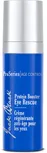
Works for
MoisturizingAvena sativa kernel extract, Palmitoyl oligopeptide + 23 moreWorks well
“Organic Omega-3 Fatty Acids: Smooth, brighten and deliver essential moisture”
This product can help improve hydration of the skin with the two types of ingredients.
The first type is called “humectants”:
these ingredients help attract water.
When humectants are on the surface of the skin, they “pull in” the moisture from the outside environment, or from
within deeper layers of the skin. The following ingredients in this product do the job:
glucosamine hcl, glycerin.
This product also contains ingredients called “occlusives”. They help reduce the speed with which our skin loses moisture to the outside environment. These ingredients also help soften the upper layer of the skin, so it feels less tight and nicer to the touch. The following ingredients in this product do the job: caprylic/capric triglyceride, dimethicone.
The following ingredients in this product are especially good for supporting the skin barrier and helping with the hydration level: avena sativa kernel extract, palmitoyl oligopeptide, palmitoyl tetrapeptide-7
Anti-agingPalmitoyl oligopeptide, Palmitoyl tetrapeptide-7 + 6 moreMay help
“A peptide-rich, multifunctional serum helps reduce the visible signs of aging and keeps skin looking healthy.”
This product contains palmitoyl oligopeptide, palmitoyl tetrapeptide-7. There is some human evidence that these ingredients help reduce and prevent fine lines and wrinkles and improve skin elasticity and firmness, though it is smaller or less consistent than the evidence for the best anti-aging ingredients.
Evens skin toneGlucosamine hcl, Punica granatum extract + 3 moreMay help
“The silky liquid texture allows powerful, efficacious ingredients to be readily absorbed, helping to improve skin tone, reduce the appearance of fine lines and wrinkles, and protect from future damage.”
The following ingredient (ingredients) in this product might be helpful, but there is no evidence to confirm that it actually works: glucosamine hcl, punica granatum extract.
Anti-oxidationSide benefit · Camellia sinensis leaf extract, Punica granatum extract + 9 moreMay help
This product contains antioxidants (camellia sinensis leaf extract, punica granatum extract) that can help neutralize free radicals in skin to lessen the damage it gets from the UV light (sun). There is some human evidence for this effect in skin, though it is smaller or less consistent than the evidence for the best antioxidants.
Can it cause trouble?
Irritancy1 strong irritant: Retinyl palmitateMedium risk
Comedogenic4 ingredients rated 2 or more on the 0–5 pore-clogging scale4 flagged
User reviews
Be the first — your take helps the next person decide.
Ingredients
Filter by role to see what each ingredient is doing.
Water~45–55%
Aloe barbadensis leaf juice~6.3–7.7%
- Irritation risk
- Medium
Traditionally used to treat sunburns, dermatitis and inflammation, but evidence for its effectiveness is lacking. The extract can contain humectants that help attract water into the skin
More about Aloe barbadensis leaf juiceAvena sativa kernel extract~4.3–5.3%
- Irritation risk
- Low
An effective moisturizing and skin barrier repair ingredient. Helps calm down inflammation and has some anti-oxidant properties
More about Avena sativa kernel extractCaprylic/capric triglyceride~3.2–3.9%
- Irritation risk
- Medium
A good mix of fatty acids that forms a protective layer on the skin. Improves the shelf life of products. Derived from coconut and glycerin
More about Caprylic/capric triglycerideMyristyl myristate~2.4–2.9%
- Irritation risk
- Medium
- Comedogenicity
- 3/5
An emollient. Is not recommended for acne-prone skin as it can be comedogenic
More about Myristyl myristateCetearyl isononanoate~2–2.4%
- Irritation risk
- Low
An emollient that softens the skin and helps prevent moisture loss.
More about Cetearyl isononanoateGlycerin~1.6–2%
- Irritation risk
- Low
One of the best moisturizing ingredients. Naturally present in skin. It attracts water to the upper layer of the skin working as a humectant
More about GlycerinCarthamus tinctorius seed oil~1.4–1.7%
- Irritation risk
- Low
An emollient that helps soften the skin and might help calm down inflammation
More about Carthamus tinctorius seed oilCyclopentasiloxane~1.1–1.4%
- Irritation risk
- Low
A silicone that helps improve the product texture and spreadability. Can absorb oil creating a short-term mattifying effect on the skin
More about CyclopentasiloxaneButylene glycol~0.75–1.15%
- Irritation risk
- Low
Used to create a nice product texture and help delivery of other ingredients. Might be somewhat helpful in attracting water to the upper layer of the skin
More about Butylene glycolRicinus communis seed oil~0.65–0.95%
- Irritation risk
- Medium
A plant oil that can help soften the skin. It might be helpful in calming down inflammation, but solid research is lacking. Is often used in lip products to create the needed product consistency
More about Ricinus communis seed oilCetearyl alcohol~0.6–0.95%
- Irritation risk
- Low
- Comedogenicity
- 2/5
A non-drying alcohol. Works as an emollient. Helps water and oil mix together and creates a nice product texture
More about Cetearyl alcoholGlyceryl stearate~0.5–0.75%
- Irritation risk
- Low
An emollient that softens the skin and forms a protective layer on its surface. Helps water and oil mix together
More about Glyceryl stearatePeg-100 stearate~0.65–0.95%
- Irritation risk
- Low
Helps oil and water mix togehter and creates a nice product texture
More about Peg-100 stearateSodium pca~0.4–0.6%
- Irritation risk
- Low
Naturally present in skin and helps to attract water to its upper layer
More about Sodium pcaPalmitoyl oligopeptide~0.6–0.85%
- Irritation risk
- Low
A type of peptide. Peptides are excellent moisturizers and might be able support collagen production reducing fine lines and wrinkles
More about Palmitoyl oligopeptidePalmitoyl tetrapeptide-7~0.45–0.65%
- Irritation risk
- Low
A type of peptide. Peptides are excellent moisturizers and might be able support collagen production reducing fine lines and wrinkles
More about Palmitoyl tetrapeptide-7Bambusa vulgaris leaf/stem extract~0.35–0.65%
- Irritation risk
- Medium
The extract can contain up to 70% of silica. In cosmetics, silica helps absorb oil and creates a thicker product texture
More about Bambusa vulgaris leaf/stem extractPisum sativum extract~0.3–0.55%
- Irritation risk
- Medium
Might be helpful in protecting skin collagen and elastin from breaking down but solid research is lacking
More about Pisum sativum extractGlucosamine hcl~0.3–0.55%
- Irritation risk
- Low
Might be able to stimulate production of skin's natural moisturizing compounds such as hyaluronic acid. Could be helpful for evening the skin tone.
More about Glucosamine hclCaffeine~0.3–0.5%
- Irritation risk
- Medium
Might be helpful in neutralizing free radicals. Can have a dehydration effect that might somewhat decrease the look of puffy eyes
More about CaffeineSodium hyaluronate~0.25–0.5%
- Irritation risk
- Low
One of the best moisturizing ingredients. Attracts water into the upper layer of the skin
More about Sodium hyaluronateBisabolol~0.2–0.4%
- Irritation risk
- Low
An active component of chamomile plant that historically has been used to calm down irritated skin. A recent study shows that bisabolol indeed can have some anti-inflammatory effect on skin, even though conclusive data is lacking. Bisabolol has a sweet floral scent and can be added to products for its aromatic properties
More about BisabololPhospholipids~0.25–0.45%
- Irritation risk
- Low
Emollients that are naturaly present in skin. In addition, they help water and oil mix together in the product
More about PhospholipidsRetinyl palmitate~0.25–0.45%
- Irritation risk
- High
Three steps removed from the active form of vitamin A - retinoic acid. To have an effect in the skin, it first needs to be converted twice to become the retinoic acid. This means it is less potent than retinol, but could also be less irritating. Once converted to the retinoic acid in the skin, it helps against all signs of aging, improves skin cell turnover and helps fight blemishes and clogged pores. However, in many cosmetic formulations, it is used in a concentration that is too low to have the full effect
More about Retinyl palmitateAscorbyl palmitate~0.25–0.45%
- Irritation risk
- Medium
Being a lipid soluble form of vitamin C, it is more stable and can penetrate the skin better than L-Ascorbic acid. It is effective in protecting the skin from free radicals, as well as evening the skin tone, but is less effective in stimulating collagen production compared to L-Ascorbic acid.
More about Ascorbyl palmitateTocopheryl acetate~0.25–0.5%
- Irritation risk
- Medium
A more stable but less bio-available form of vitamin E compared to Tocopherol. Might help moisturize and protect the skin from free radicals, but mostly used in low concentrations to stabilize other ingredients.
More about Tocopheryl acetateHelianthus annuus seed oil~0.3–0.5%
- Irritation risk
- Low
A great emollient due to its high linoleic acid content. One of the most effective plant oils in helping skin hydration and repairing skin barrier function
More about Helianthus annuus seed oilLinum usitatissimum seed extract~0.2–0.4%
- Irritation risk
- Low
Punica granatum extract~0.25–0.45%
- Irritation risk
- Medium
A plant extract that can help neutralize free radicals in skin and even out the skin tone, but is typically used in products in a concentration that is too low to be effective
More about Punica granatum extractOlea europaea fruit extract~0.3–0.55%
- Irritation risk
- Low
An emollient that helps soften the skin but is not effective for restoring its barrier function. Might be helpful to calm down inflammation
More about Olea europaea fruit extractLaminaria digitata extract~0.25–0.45%
- Irritation risk
- Low
- Comedogenicity
- 3/5
Seaweed extract that helps the skin to attract water and make it more smooth for touch. Also shows promise of anti-aging properties, but good research is lacking at the moment
More about Laminaria digitata extractMorinda citrifolia extract~0.25–0.45%
- Irritation risk
- Low
Camellia sinensis leaf extract~0.25–0.5%
- Irritation risk
- Low
Can contain potent anti-oxidant compounds (abbreviated ECG, GCG, EGC, and EGCG) that might help protect the skin from free radicals. Can help calm down inflammation and has some anti-bacterial properties. Unfortunately, these antioxidants are unstable and lose their effectiveness very quickly in products. The concentration of the antioxidant compounds in the extract also tends to be low to be effective in topical formulation
More about Camellia sinensis leaf extractOenothera biennis oil~0.3–0.5%
- Irritation risk
- Medium
Helps soften the upper layer of the skin and can support skin barrier function
More about Oenothera biennis oilCeteareth-20~0.4–0.65%
- Irritation risk
- Medium
- Comedogenicity
- 2/5
Helps oil and water mix together. Has some emollient properties
More about Ceteareth-20Carbomer~0.25–0.45%
- Irritation risk
- Low
Helps create a thicker or gel-like product texture. It is not a surfactant but can be used in gentle cleansing formulations
More about CarbomerPolysorbate 20~0.25–0.5%
Dimethicone~0.3–0.55%
- Irritation risk
- Low
A silicone that helps to reduce water loss from the surface of the skin. Can temporarily "fill in" lines and wrinkles, absorb oil, and create a nice product finish
More about DimethiconeDisodium edta~0.2–0.4%
Aminomethyl propanol~0.2–0.35%
Phenoxyethanol~0.15–0.3%
- Irritation risk
- Low
A preservative. It helps prevent bacterial growth in cosmetic products
More about PhenoxyethanolCaprylyl glycol~0.2–0.35%
- Irritation risk
- Medium
Helps preserve products and creates a nice product texture
More about Caprylyl glycolEthylhexylglycerin~0.15–0.3%
Hexylene glycol~0.15–0.25%
- Irritation risk
- Medium
Helps create a more spreadable product texture
More about Hexylene glycolHydrogenated castor oil~0.15–0.3%
- Irritation risk
- Medium
A plant oil that can help soften the skin. It might be helpful in calming down inflammation, but solid research is lacking. Is often used in lip products to create the needed product consistency
More about Hydrogenated castor oilIngredient list view
Water, Aloe barbadensis leaf juice, Avena sativa kernel extract, Caprylic/capric triglyceride, Myristyl myristate, Cetearyl isononanoate, Glycerin, Carthamus tinctorius seed oil, Cyclopentasiloxane, Butylene glycol, Ricinus communis seed oil, Cetearyl alcohol, Glyceryl stearate, Peg-100 stearate, Sodium pca, Palmitoyl oligopeptide, Palmitoyl tetrapeptide-7, Bambusa vulgaris leaf/stem extract, Pisum sativum extract, Glucosamine hcl, Caffeine, Sodium hyaluronate, Bisabolol, Phospholipids, Retinyl palmitate, Ascorbyl palmitate, Tocopheryl acetate, Helianthus annuus seed oil, Linum usitatissimum seed extract, Punica granatum extract, Olea europaea fruit extract, Laminaria digitata extract, Morinda citrifolia extract, Camellia sinensis leaf extract, Oenothera biennis oil, Ceteareth-20, Carbomer, Polysorbate 20, Dimethicone, Disodium edta, Aminomethyl propanol, Phenoxyethanol, Caprylyl glycol, Ethylhexylglycerin, Hexylene glycol, Hydrogenated castor oil
Worth comparing, line by line.
Match % combines shared ingredients, the first five ingredients, shared actives and hero ingredients, irritancy (lower counts in the alternative's favour), texture and body area. Only products in the same routine step are compared.
| Jack BlackProtein Booster Eye RescueYOUR PRODUCT | June Jacobs SpaJune Jacobs Cellular Collagen Eye Serum | Elizabeth ArdenPREVAGE Anti-Aging Eye Serum | ProactivEye Brightening Serum | |
|---|---|---|---|---|
| Match | — | 46% | 45% | 45% |
| Price | $41.00 | — | $107.80+$66.80 | — |
| Shared key ingredients | — | 9 of 20 | 8 of 20 | 5 of 20 |
| Key difference | — | Panthenol | Acetyl Tetrapeptide-5 | Dipeptide-2 |
| Irritancy | Medium | Medium | Medium | Medium |
| Drying alcohol | — | — | — | — |
| View product | Shop | Shop | Shop |


More alternatives: Dr Sebagh Supreme Eye SerumMineralium Anti-Wrinkle Eye Serum
Product summary
"Jack Black - Protein Booster Eye Rescue" is effective for: Moisturizing
This product could be helpful for: Evens skin tone and Anti-aging, but its actives are not the most effective or are not well-studied.
Ingredient callouts
- Peptides (palmitoyl tripeptide-38 0.20% - 0.40%). Peptides are a very big group of ingredients. They all consist of a different combination of aminoacids. Our skin produces Peptides naturally. Some of them work as natural antibiotics, promote wound-healing and production of collagen. The scientists are still studying how effective the topical application of Peptides is, but it is very likely that theynare helpful. Peptides might be able to support skin barrier restoration and even have an anti-aging benefit. At the very least, they certainly help attract water to the skin and support the hydration in this way.
- Humectants (sodium pca 0.20% - 0.40%, sodium hyaluronate 0.20% - 0.40%, glycerin 5.20% - 6.40% and glucosamine hcl 0.15% - 0.25%). These ingredients help attract water to the upper layer of the skin and improve the skin hydration.
About the brand
According to Cruelty-Free Kitty "Jack Black" is cruelty free, but its parent company is not.
Price
The product retails from 39.90$ up to 41.00$ in the United States, for 50.00CA$ in Canada, for 55.33A$ in Australia, from 28.90£ up to 31.81£ in the United Kingdom and for 408.00HK$ in Hong Kong.
For a detailed price comparison: click here.
Sources cited in this review
Every concentration estimate and effectiveness label is anchored to one of these 17 studies and safety reviews.
- 1
- 2
- 3
- 4
- 5Glucosamine: an ingredient with skin and other benefitsncbi.nlm.nih.gov
- 6Hyaluronic acid: A key molecule in skin agingncbi.nlm.nih.gov
