Works for:
based on ingredients and %- Cleansing
- Exfoliation
- Anti-blemish
Can it cause trouble?
- Irritation risk: high
- Comedogenic risk ingredients: 12
Key actives


Works for
Anti-blemish
This product can help reduce breakouts and clogged pores because it contains the following ingredient: retinol. This ingredient is used for treating acne and can have a noticeable effect.
The following ingredient (ingredients) in this product might be helpful, but there is no evidence to confirm that it actually works: retinyl propionate
Two steps removed from the active form of vitamin A - retinoic acid. Once converted to the retinoic acid in the skin, retinol is proven to be effective against all signs of aging. It improves skin cell turnover, helps fight blemishes and clogged pores, can regulate excess oil production and even skin tone. It can, however, be quite irritating
Three steps removed from the active form of vitamin A - retinoic acid. To have an effect in the skin, it first needs to be converted twice to become the retinoic acid. This means it is less potent than retinol, but could also be less irritating. Once converted to the retinoic acid in the skin, it helps against all signs of aging, improves skin cell turnover and helps fight blemishes and clogged pores, even thought its potency is not as well established as in case of retinol or retinaldehyde
Could be helpful in reducing inflammation in skin, evening out the skin tone and neutralizing free radicals, but more research is needed to confirm its effectiveness
Is proven to be effective in reducing blemishes, evening out skin tone and helping to improve lines and wrinkles. It helps the skin to repair sun damage, calm down inflammation and keep maintain good levels of moisture. The concentration of about 2% is effective for supporting the skin barrier and evening out the skin tone. Concentration of 4-6% is better for helping with acne and balancing the sebum production
Exfoliation
This product can help exfoliate the skin. In other words, it helps break down the bonds between dead cells on the surface of the skin and speed up the skin turnover. Skin often appears softer and brighter after exfoliation, but overdoing it can result in disrupted skin barrier. The following ingredient is doing the exfoliating job in this product: retinol.
Two steps removed from the active form of vitamin A - retinoic acid. Once converted to the retinoic acid in the skin, retinol is proven to be effective against all signs of aging. It improves skin cell turnover, helps fight blemishes and clogged pores, can regulate excess oil production and even skin tone. It can, however, be quite irritating
Naturally present in skin (urea makes up about 7% of natural moisturizing factors in skin). Attracts water to the upper layer of the skin. Also has a positive effect on the skin barrier beyond the humectant action. Can enhance penetration of other ingredients. Is an exfoliating ingredient when used in high concentrations
An exfoliating and moisturizing alpha-hydroxy acid (AHA). Typically causes less irritation than other AHAs, for example, glycolic acid. At high concentrations (about 15%), lactic acid can help reduce lines and wrinkles. Recent studies show that lactic acid can support the "good" bacteria living on skin's surface (healthy skin microbiome)
Cleansing
What does the product description say?
Power up skin’s overnight renewal with line-smoothing retinol and a cleanser that makes quick work of impurities.
Source: Lookfantastic Australia
This product works by removing dirt and oil from the surface of the skin.
It contains the following cleansing agents that tend to be harsh on the skin: benzalkonium chloride.
The following cleansing agents are typically mild, but still can cause an irritation or allergy for some people cocamidopropyl dimethylamine.
Keep in mind that cleansing can disrupt the skin barrier, and most people do not need to cleanse their skin more than once per day.
Used to create a thicker product consistency
Helps water and oil mix together
Helps create a thicker or gel-like product texture. It is not a surfactant but can be used in gentle cleansing formulations
Helps water and oil mix together
A non-drying alcohol that works to soften the skin and stabilize product formulations helping oil and water mix together
Helps oil and water mix together. Can work as a cleansing agent. Can be irritating
An emollient that softens the skin and forms a protective layer on its surface. Helps water and oil mix together
Used to stabilize the product formulations and works as an emollient
Helps create a more spreadable product texture
Helps oil and water mix together
Helps water and oil mix together and works as a cleansing agent (detergent). Also used as a preservative. Can be irritating
Helps oil and water mix togehter and creates a nice product texture
Helps water and oil mix together
Helps oil and water mix together
Helps water and oil mix together. Can be used as a cleansing agent
Helps oil and water mix together
Helps oil and water mix together and works as an emollient
Helps oil and water mix together
Used mostly for creating emulsions - helping oil and water mix together. Helps soften the upper layer of the skin
How honest is this product?
| Promise | Can it deliver? |
|---|---|
| Cleansing |
Total Promises Fulfilled score: 75/100.
We receive a small commission for purchases made through these links at no cost for you. Thank you for your support! Learn more
Potential irritants
Comedogenic ingredients
User reviews (0)
Averages from community submissions.
No reviews yet for this product.
Be the first to share your experience!
Tried this product?
Help capture what the ingredient list can't—texture, finish, pilling, scent, and more. Answer what you can, skip the rest.
Takes ~30 seconds.
Reviews are shown in aggregate. No personal details.
| Product | Similarity | Price | Irritancy |
|---|---|---|---|
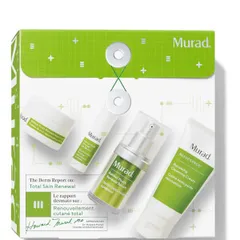
 Murad The Derm Report on: Total Skin Renewal | Current | ≈ $77.64 | |
REVOLUTION SKINCARE Retinol Smoothing Cream Cleanser | 54% | ≈ $13.25 | |
Naturium Multi-Calm Cream Cleanser | 52% | ≈ $15.62 | |
 Kanebo Freeplus Mild Cream Cleanser | 51% | $34.20 | |
 SVR Sensifine Cream Cleanser | 50% | ≈ $13.25 |
Key Actives
Is proven to be effective in reducing blemishes, evening out skin tone and helping to improve lines and wrinkles. It helps the skin to repair sun damage, calm down inflammation and keep maintain good levels of moisture. The concentration of about 2% is effective for supporting the skin barrier and evening out the skin tone. Concentration of 4-6% is better for helping with acne and balancing the sebum production
Two steps removed from the active form of vitamin A - retinoic acid. Once converted to the retinoic acid in the skin, retinol is proven to be effective against all signs of aging. It improves skin cell turnover, helps fight blemishes and clogged pores, can regulate excess oil production and even skin tone. It can, however, be quite irritating
Two steps removed from the active form of vitamin A - retinoic acid. Once converted to the retinoic acid in the skin, retinol is proven to be effective against all signs of aging. It improves skin cell turnover, helps fight blemishes and clogged pores, can regulate excess oil production and even skin tone. It can, however, be quite irritating
Two steps removed from the active form of vitamin A - retinoic acid. Once converted to the retinoic acid in the skin, retinol is proven to be effective against all signs of aging. It improves skin cell turnover, helps fight blemishes and clogged pores, can regulate excess oil production and even skin tone. It can, however, be quite irritating
Two steps removed from the active form of vitamin A - retinoic acid. Once converted to the retinoic acid in the skin, retinol is proven to be effective against all signs of aging. It improves skin cell turnover, helps fight blemishes and clogged pores, can regulate excess oil production and even skin tone. It can, however, be quite irritating
Two steps removed from the active form of vitamin A - retinoic acid. Once converted to the retinoic acid in the skin, retinol is proven to be effective against all signs of aging. It improves skin cell turnover, helps fight blemishes and clogged pores, can regulate excess oil production and even skin tone. It can, however, be quite irritating
An exfoliating and moisturizing alpha-hydroxy acid (AHA). Typically causes less irritation than other AHAs, for example, glycolic acid. At high concentrations (about 15%), lactic acid can help reduce lines and wrinkles. Recent studies show that lactic acid can support the "good" bacteria living on skin's surface (healthy skin microbiome)
A plant oil that is effective in reducing irritation in skin, restore the barrier function and support its hydration
Helps attract water to the upper layer of the skin and can help improve skin barrier function
A plat extract that might help neutralize free radicals in skin and attract water to its upper layer
Three steps removed from the active form of vitamin A - retinoic acid. To have an effect in the skin, it first needs to be converted twice to become the retinoic acid. This means it is less potent than retinol, but could also be less irritating. Once converted to the retinoic acid in the skin, it helps against all signs of aging, improves skin cell turnover and helps fight blemishes and clogged pores, even thought its potency is not as well established as in case of retinol or retinaldehyde
A type of lipid similar to ceramides naturally present in skin. Helps to soften the upper layer of the skin and supports the skin barrier function to keep it hydrated. Can help to prevent inflammation in skin
A plat extract that might help neutralize free radicals in skin and attract water to its upper layer
Three steps removed from the active form of vitamin A - retinoic acid. To have an effect in the skin, it first needs to be converted twice to become the retinoic acid. This means it is less potent than retinol, but could also be less irritating. Once converted to the retinoic acid in the skin, it helps against all signs of aging, improves skin cell turnover and helps fight blemishes and clogged pores, even thought its potency is not as well established as in case of retinol or retinaldehyde
Helps attract water to the upper layer of the skin and might have some anti-oxidant and skin lightening properties
Three steps removed from the active form of vitamin A - retinoic acid. To have an effect in the skin, it first needs to be converted twice to become the retinoic acid. This means it is less potent than retinol, but could also be less irritating. Once converted to the retinoic acid in the skin, it helps against all signs of aging, improves skin cell turnover and helps fight blemishes and clogged pores, even thought its potency is not as well established as in case of retinol or retinaldehyde
Used to stabilize the product formulations and works as an emollient
Helps oil and water mix together and works as an emollient
A non-drying alcohol that works to soften the skin and stabilize product formulations helping oil and water mix together
An emollient that helps soften the skin
A type of peptide. Peptides are excellent moisturizers and might be able support collagen production reducing fine lines and wrinkles
Naturally present in skin (urea makes up about 7% of natural moisturizing factors in skin). Attracts water to the upper layer of the skin. Also has a positive effect on the skin barrier beyond the humectant action. Can enhance penetration of other ingredients. Is an exfoliating ingredient when used in high concentrations
A silicone that helps to reduce water loss from the surface of the skin. Can temporarily "fill in" lines and wrinkles, absorb oil, and create a nice product finish
A silicone that helps improve the product texture and spreadability. Can absorb oil creating a short-term mattifying effect on the skin
An emollient that softens the skin and forms a protective layer on its surface. Helps water and oil mix together
A plant extract that can help neutralize free radicals in skin and even out the skin tone, but is typically used in products in a concentration that is too low to be effective
Naturally present in skin (urea makes up about 7% of natural moisturizing factors in skin). Attracts water to the upper layer of the skin. Also has a positive effect on the skin barrier beyond the humectant action. Can enhance penetration of other ingredients. Is an exfoliating ingredient when used in high concentrations
Used mostly for creating emulsions - helping oil and water mix together. Helps soften the upper layer of the skin
Naturally present in skin (urea makes up about 7% of natural moisturizing factors in skin). Attracts water to the upper layer of the skin. Also has a positive effect on the skin barrier beyond the humectant action. Can enhance penetration of other ingredients. Is an exfoliating ingredient when used in high concentrations
Used mostly for creating emulsions - helping oil and water mix together. Helps soften the upper layer of the skin
A silicone that helps to reduce water loss from the surface of the skin. Can temporarily "fill in" lines and wrinkles, absorb oil, and create a nice product finish
A non-drying alcohol that works to soften the skin and stabilize product formulations helping oil and water mix together
An emollient that softens the skin and forms a protective layer on its surface. Helps water and oil mix together
An amino-acid that helps to attract water to the upper layer of the skin. In combination with other amino-acids, might help to reduce fine lines and wrinkles
Naturally present in skin (urea makes up about 7% of natural moisturizing factors in skin). Attracts water to the upper layer of the skin. Also has a positive effect on the skin barrier beyond the humectant action. Can enhance penetration of other ingredients. Is an exfoliating ingredient when used in high concentrations
Used mostly for creating emulsions - helping oil and water mix together. Helps soften the upper layer of the skin
Helps water and oil mix together. Can be used as a cleansing agent
One of the best moisturizing ingredients. Naturally present in skin. It attracts water to the upper layer of the skin working as a humectant
A great moisturising ingredient that softens the skin and reduces water loss from its upper layer. It also can be helpful in protecting skin from free radicals
Helps oil and water mix together. Can work as a cleansing agent. Can be irritating
Might help reduce hyperpigmentation in skin and help neutralize free radicals
A sugar that attracts water to the upper layer of the skin
Helps attract water to the upper layer of the skin and improves the product texture
Red algae extract that helps attract water to the upper layer of the skin and create a nicer product consistency
One of the best moisturizing ingredients. Attracts water into the upper layer of the skin
Sulisobenzone. A UV filter. Is typically used to improve the product stability under exposure to UV light. It is effective against both UVA and UVB rays. It can be used is larger concentrations as a sun protection ingredient for the skin, but can be irritating
Helps water and oil mix together and works as a cleansing agent (detergent). Also used as a preservative. Can be irritating
Helps create a thicker or gel-like product texture. It is not a surfactant but can be used in gentle cleansing formulations
Used to create a thicker product consistency
A silicone that improves product texture and helps dissolve other ingredients. Can form a non-greasy film on the skin to prevent moisture loss
Helps oil and water mix togehter and creates a nice product texture
One of the best moisturizing ingredients. Attracts water into the upper layer of the skin
An oil naturally present in skin. Works as an emollient to soften the skin and form a protective layer on its surface without a greasy feeling.
A sugar that attracts water to the upper layer of the skin
Helps attract water to the upper layer of the skin and improves the product texture
One of the best moisturizing ingredients. Naturally present in skin. It attracts water to the upper layer of the skin working as a humectant
A good mix of fatty acids that forms a protective layer on the skin. Improves the shelf life of products. Derived from coconut and glycerin
Helps water and oil mix together
Helps oil and water mix together
Works as a UV filter when used in high concentrations. It is photostable and is effective mostly against the UVB light, with some protection in the UVA range. In small concentrations, used for its ability to improve the color of cosmetic products. Is usually well tolerated by the skin
One of the best moisturizing ingredients. Naturally present in skin. It attracts water to the upper layer of the skin working as a humectant
A sugar that attracts water to the upper layer of the skin
Helps attract water to the upper layer of the skin and improves the product texture
Helps create a more spreadable product texture
A good mix of fatty acids that forms a protective layer on the skin. Improves the shelf life of products. Derived from coconut and glycerin
Used to create a thicker product consistency
Helps create a thicker or gel-like product texture. It is not a surfactant but can be used in gentle cleansing formulations
Works as a UV filter when used in high concentrations. It is photostable and is effective mostly against the UVB light, with some protection in the UVA range. In small concentrations, used for its ability to improve the color of cosmetic products. Is usually well tolerated by the skin
A good mix of fatty acids that forms a protective layer on the skin. Improves the shelf life of products. Derived from coconut and glycerin
A silicone that improves product texture and helps dissolve other ingredients. Can form a non-greasy film on the skin to prevent moisture loss
One of the best moisturizing ingredients. Attracts water into the upper layer of the skin
An emollient that helps soften the skin
A sugar that attracts water to the upper layer of the skin
Helps attract water to the upper layer of the skin and improves the product texture
One of the best moisturizing ingredients. Naturally present in skin. It attracts water to the upper layer of the skin working as a humectant
Helps water and oil mix together
Creates a thin drying film on the skin resulting in a short-term tightening effect
Helps create a more spreadable product texture
Potential irritants
Helps oil and water mix together. Can work as a cleansing agent. Can be irritating
Might help reduce hyperpigmentation in skin and help neutralize free radicals
Plant extract that can have healing and anti-inflammatory properties. It is a potential allergen and can be irritating
Sulisobenzone. A UV filter. Is typically used to improve the product stability under exposure to UV light. It is effective against both UVA and UVB rays. It can be used is larger concentrations as a sun protection ingredient for the skin, but can be irritating
Helps water and oil mix together and works as a cleansing agent (detergent). Also used as a preservative. Can be irritating
An aromatic blend of unspecified and possibly irritating ingredients
Two steps removed from the active form of vitamin A - retinoic acid. Once converted to the retinoic acid in the skin, retinol is proven to be effective against all signs of aging. It improves skin cell turnover, helps fight blemishes and clogged pores, can regulate excess oil production and even skin tone. It can, however, be quite irritating
Three steps removed from the active form of vitamin A - retinoic acid. To have an effect in the skin, it first needs to be converted twice to become the retinoic acid. This means it is less potent than retinol, but could also be less irritating. Once converted to the retinoic acid in the skin, it helps against all signs of aging, improves skin cell turnover and helps fight blemishes and clogged pores, even thought its potency is not as well established as in case of retinol or retinaldehyde
A fragrance. Potential allergen and can be irritating
Creates a thin drying film on the skin resulting in a short-term tightening effect
Helps water and oil mix together. Can be used as a cleansing agent
An exfoliating and moisturizing alpha-hydroxy acid (AHA). Typically causes less irritation than other AHAs, for example, glycolic acid. At high concentrations (about 15%), lactic acid can help reduce lines and wrinkles. Recent studies show that lactic acid can support the "good" bacteria living on skin's surface (healthy skin microbiome)
Could be helpful in reducing inflammation in skin, evening out the skin tone and neutralizing free radicals, but more research is needed to confirm its effectiveness
A plant extract that might have some anti-oxidant properties but evidence is lacking
A plant extract that might help calm down inflammation in skin but evidence of effectiveness is lacking
A plat extract that might help neutralize free radicals in skin and attract water to its upper layer
Helps preserve products and creates a nice product texture
Helps soften the upper layer of the skin and create a thicker product consistency
A plant extract that can have an anti-bacterial and anti-inflammatory effect, but evidence of effectiveness is lacking
A plant extract that can help neutralize free radicals in skin and even out the skin tone, but is typically used in products in a concentration that is too low to be effective
A more stable but less bio-available form of vitamin E compared to Tocopherol. Might help moisturize and protect the skin from free radicals, but mostly used in low concentrations to stabilize other ingredients.
A good mix of fatty acids that forms a protective layer on the skin. Improves the shelf life of products. Derived from coconut and glycerin
Helps protect the ingredients in the formulation against UV light
Helps evenly disperse other ingredients in a formulation and create an even layer on the surface of the skin
Used to preserve products, dissolve other ingredients and create a nice product texture
Comedogenic ingredients
Used to stabilize the product formulations and works as an emollient
A great moisturising ingredient that softens the skin and reduces water loss from its upper layer. It also can be helpful in protecting skin from free radicals
Red algae extract that helps attract water to the upper layer of the skin and create a nicer product consistency
Helps soften the upper layer of the skin and create a thicker product consistency
An emollient that helps soften the skin and create a nice product texture
Helps soften the upper layer of the skin and create a thicker product consistency
Helps soften the upper layer of the skin and create a thicker product consistency
Used to thicken product formulation. Can help attract water to the upper layer of the skin
All ingredients
Helps water and oil mix together. Can be used as a cleansing agent
Used to stabilize the product formulations and works as an emollient
One of the best moisturizing ingredients. Naturally present in skin. It attracts water to the upper layer of the skin working as a humectant
A non-drying alcohol that works to soften the skin and stabilize product formulations helping oil and water mix together
A type of peptide. Peptides are excellent moisturizers and might be able support collagen production reducing fine lines and wrinkles
A great moisturising ingredient that softens the skin and reduces water loss from its upper layer. It also can be helpful in protecting skin from free radicals
Helps oil and water mix together. Can work as a cleansing agent. Can be irritating
An exfoliating and moisturizing alpha-hydroxy acid (AHA). Typically causes less irritation than other AHAs, for example, glycolic acid. At high concentrations (about 15%), lactic acid can help reduce lines and wrinkles. Recent studies show that lactic acid can support the "good" bacteria living on skin's surface (healthy skin microbiome)
Might help reduce hyperpigmentation in skin and help neutralize free radicals
Naturally present in skin (urea makes up about 7% of natural moisturizing factors in skin). Attracts water to the upper layer of the skin. Also has a positive effect on the skin barrier beyond the humectant action. Can enhance penetration of other ingredients. Is an exfoliating ingredient when used in high concentrations
Could be helpful in reducing inflammation in skin, evening out the skin tone and neutralizing free radicals, but more research is needed to confirm its effectiveness
Helps attract water to the upper layer of the skin and improves the product texture
A plant oil that is effective in reducing irritation in skin, restore the barrier function and support its hydration
A plant extract that might have some anti-oxidant properties but evidence is lacking
A plant extract that might help calm down inflammation in skin but evidence of effectiveness is lacking
Helps attract water to the upper layer of the skin and can help improve skin barrier function
Red algae extract that helps attract water to the upper layer of the skin and create a nicer product consistency
Plant extract that can have healing and anti-inflammatory properties. It is a potential allergen and can be irritating
One of the best moisturizing ingredients. Attracts water into the upper layer of the skin
A plat extract that might help neutralize free radicals in skin and attract water to its upper layer
Sulisobenzone. A UV filter. Is typically used to improve the product stability under exposure to UV light. It is effective against both UVA and UVB rays. It can be used is larger concentrations as a sun protection ingredient for the skin, but can be irritating
Used to create a nice product texture and help delivery of other ingredients. Might be somewhat helpful in attracting water to the upper layer of the skin
Helps water and oil mix together and works as a cleansing agent (detergent). Also used as a preservative. Can be irritating
Helps create a thicker or gel-like product texture. It is not a surfactant but can be used in gentle cleansing formulations
A preservative. It helps prevent bacterial growth in cosmetic products
Helps preserve products and creates a nice product texture
An aromatic blend of unspecified and possibly irritating ingredients
Two steps removed from the active form of vitamin A - retinoic acid. Once converted to the retinoic acid in the skin, retinol is proven to be effective against all signs of aging. It improves skin cell turnover, helps fight blemishes and clogged pores, can regulate excess oil production and even skin tone. It can, however, be quite irritating
A silicone that helps to reduce water loss from the surface of the skin. Can temporarily "fill in" lines and wrinkles, absorb oil, and create a nice product finish
A silicone that helps improve the product texture and spreadability. Can absorb oil creating a short-term mattifying effect on the skin
Helps soften the upper layer of the skin and create a thicker product consistency
A non-drying alcohol that helps stabilize product formulations
A silicone that improves product texture and helps dissolve other ingredients. Can form a non-greasy film on the skin to prevent moisture loss
Acts as a solvent for other ingredients. Speeds up the absorption of other ingredients into the skin
An emollient that softens the skin and forms a protective layer on its surface. Helps water and oil mix together
Helps oil and water mix togehter and creates a nice product texture
Two steps removed from the active form of vitamin A - retinoic acid. Once converted to the retinoic acid in the skin, retinol is proven to be effective against all signs of aging. It improves skin cell turnover, helps fight blemishes and clogged pores, can regulate excess oil production and even skin tone. It can, however, be quite irritating
Three steps removed from the active form of vitamin A - retinoic acid. To have an effect in the skin, it first needs to be converted twice to become the retinoic acid. This means it is less potent than retinol, but could also be less irritating. Once converted to the retinoic acid in the skin, it helps against all signs of aging, improves skin cell turnover and helps fight blemishes and clogged pores, even thought its potency is not as well established as in case of retinol or retinaldehyde
A type of lipid similar to ceramides naturally present in skin. Helps to soften the upper layer of the skin and supports the skin barrier function to keep it hydrated. Can help to prevent inflammation in skin
One of the best moisturizing ingredients. Attracts water into the upper layer of the skin
A plant extract that can have an anti-bacterial and anti-inflammatory effect, but evidence of effectiveness is lacking
An oil naturally present in skin. Works as an emollient to soften the skin and form a protective layer on its surface without a greasy feeling.
A plant extract that can help neutralize free radicals in skin and even out the skin tone, but is typically used in products in a concentration that is too low to be effective
A more stable but less bio-available form of vitamin E compared to Tocopherol. Might help moisturize and protect the skin from free radicals, but mostly used in low concentrations to stabilize other ingredients.
Naturally present in skin (urea makes up about 7% of natural moisturizing factors in skin). Attracts water to the upper layer of the skin. Also has a positive effect on the skin barrier beyond the humectant action. Can enhance penetration of other ingredients. Is an exfoliating ingredient when used in high concentrations
Could be helpful in reducing inflammation in skin, evening out the skin tone and neutralizing free radicals, but more research is needed to confirm its effectiveness
Helps attract water to the upper layer of the skin and improves the product texture
One of the best moisturizing ingredients. Naturally present in skin. It attracts water to the upper layer of the skin working as a humectant
A good mix of fatty acids that forms a protective layer on the skin. Improves the shelf life of products. Derived from coconut and glycerin
Used to dissolve other ingredients in a product and can enhance their ability to penetrate the skin
An emollient that helps soften the skin and create a nice product texture
Used to create a nice product texture and help delivery of other ingredients. Might be somewhat helpful in attracting water to the upper layer of the skin
Used mostly for creating emulsions - helping oil and water mix together. Helps soften the upper layer of the skin
Increases thickness of a product. Texture enhancer for oil-in-water emulsions
An emollient that helps soften the skin and is used to improve product texture and stability
A mineral that is used as an optical filter (makes the skin looks nicer through light reflection) and to improve the texture of cosmetic products
A preservative. It helps prevent bacterial growth in cosmetic products
Helps protect the ingredients in the formulation against UV light
Works as a UV filter when used in high concentrations. It is photostable and is effective mostly against the UVB light, with some protection in the UVA range. In small concentrations, used for its ability to improve the color of cosmetic products. Is usually well tolerated by the skin
A fragrance. Potential allergen and can be irritating
An aromatic blend of unspecified and possibly irritating ingredients
Two steps removed from the active form of vitamin A - retinoic acid. Once converted to the retinoic acid in the skin, retinol is proven to be effective against all signs of aging. It improves skin cell turnover, helps fight blemishes and clogged pores, can regulate excess oil production and even skin tone. It can, however, be quite irritating
One of the best moisturizing ingredients. Naturally present in skin. It attracts water to the upper layer of the skin working as a humectant
Used to create a nice product texture and help delivery of other ingredients. Might be somewhat helpful in attracting water to the upper layer of the skin
A plat extract that might help neutralize free radicals in skin and attract water to its upper layer
Used to dissolve other ingredients in a product and can enhance their ability to penetrate the skin
Three steps removed from the active form of vitamin A - retinoic acid. To have an effect in the skin, it first needs to be converted twice to become the retinoic acid. This means it is less potent than retinol, but could also be less irritating. Once converted to the retinoic acid in the skin, it helps against all signs of aging, improves skin cell turnover and helps fight blemishes and clogged pores, even thought its potency is not as well established as in case of retinol or retinaldehyde
Two steps removed from the active form of vitamin A - retinoic acid. Once converted to the retinoic acid in the skin, retinol is proven to be effective against all signs of aging. It improves skin cell turnover, helps fight blemishes and clogged pores, can regulate excess oil production and even skin tone. It can, however, be quite irritating
A plant extract that can have an anti-bacterial and anti-inflammatory effect, but evidence of effectiveness is lacking
Naturally present in skin (urea makes up about 7% of natural moisturizing factors in skin). Attracts water to the upper layer of the skin. Also has a positive effect on the skin barrier beyond the humectant action. Can enhance penetration of other ingredients. Is an exfoliating ingredient when used in high concentrations
Could be helpful in reducing inflammation in skin, evening out the skin tone and neutralizing free radicals, but more research is needed to confirm its effectiveness
Helps attract water to the upper layer of the skin and improves the product texture
Helps soften the upper layer of the skin and create a thicker product consistency
Used mostly for creating emulsions - helping oil and water mix together. Helps soften the upper layer of the skin
Helps evenly disperse other ingredients in a formulation and create an even layer on the surface of the skin
Helps preserve products and creates a nice product texture
A good mix of fatty acids that forms a protective layer on the skin. Improves the shelf life of products. Derived from coconut and glycerin
Helps create a thicker or gel-like product texture. It is not a surfactant but can be used in gentle cleansing formulations
A preservative. It helps prevent bacterial growth in cosmetic products
An aromatic blend of unspecified and possibly irritating ingredients
Works as a UV filter when used in high concentrations. It is photostable and is effective mostly against the UVB light, with some protection in the UVA range. In small concentrations, used for its ability to improve the color of cosmetic products. Is usually well tolerated by the skin
A mineral that is used as an optical filter (makes the skin looks nicer through light reflection) and to improve the texture of cosmetic products
Is proven to be effective in reducing blemishes, evening out skin tone and helping to improve lines and wrinkles. It helps the skin to repair sun damage, calm down inflammation and keep maintain good levels of moisture. The concentration of about 2% is effective for supporting the skin barrier and evening out the skin tone. Concentration of 4-6% is better for helping with acne and balancing the sebum production
Acts as a solvent for other ingredients. Speeds up the absorption of other ingredients into the skin
A good mix of fatty acids that forms a protective layer on the skin. Improves the shelf life of products. Derived from coconut and glycerin
A non-drying alcohol that helps stabilize product formulations
A silicone that improves product texture and helps dissolve other ingredients. Can form a non-greasy film on the skin to prevent moisture loss
A silicone that helps to reduce water loss from the surface of the skin. Can temporarily "fill in" lines and wrinkles, absorb oil, and create a nice product finish
A non-drying alcohol that works to soften the skin and stabilize product formulations helping oil and water mix together
An emollient that softens the skin and forms a protective layer on its surface. Helps water and oil mix together
Helps attract water to the upper layer of the skin and might have some anti-oxidant and skin lightening properties
Helps soften the upper layer of the skin and create a thicker product consistency
Two steps removed from the active form of vitamin A - retinoic acid. Once converted to the retinoic acid in the skin, retinol is proven to be effective against all signs of aging. It improves skin cell turnover, helps fight blemishes and clogged pores, can regulate excess oil production and even skin tone. It can, however, be quite irritating
Three steps removed from the active form of vitamin A - retinoic acid. To have an effect in the skin, it first needs to be converted twice to become the retinoic acid. This means it is less potent than retinol, but could also be less irritating. Once converted to the retinoic acid in the skin, it helps against all signs of aging, improves skin cell turnover and helps fight blemishes and clogged pores, even thought its potency is not as well established as in case of retinol or retinaldehyde
One of the best moisturizing ingredients. Attracts water into the upper layer of the skin
An amino-acid that helps to attract water to the upper layer of the skin. In combination with other amino-acids, might help to reduce fine lines and wrinkles
A more stable but less bio-available form of vitamin E compared to Tocopherol. Might help moisturize and protect the skin from free radicals, but mostly used in low concentrations to stabilize other ingredients.
Naturally present in skin (urea makes up about 7% of natural moisturizing factors in skin). Attracts water to the upper layer of the skin. Also has a positive effect on the skin barrier beyond the humectant action. Can enhance penetration of other ingredients. Is an exfoliating ingredient when used in high concentrations
Could be helpful in reducing inflammation in skin, evening out the skin tone and neutralizing free radicals, but more research is needed to confirm its effectiveness
Helps attract water to the upper layer of the skin and improves the product texture
One of the best moisturizing ingredients. Naturally present in skin. It attracts water to the upper layer of the skin working as a humectant
Often used to support the moisturization effect of polysaccharides (contained, for example, in yeast extract)
Used to preserve products, dissolve other ingredients and create a nice product texture
Helps to create a nice product texture and spread the product more easily on the skin
Used to thicken product formulation. Can help attract water to the upper layer of the skin
Helps preserve products and creates a nice product texture
A plant extract that can have an anti-bacterial and anti-inflammatory effect, but evidence of effectiveness is lacking
Used mostly for creating emulsions - helping oil and water mix together. Helps soften the upper layer of the skin
Creates a thin drying film on the skin resulting in a short-term tightening effect
Helps adjust the product pH and stabilize the formulation
Used to create a thicker product consistency and stabilize formulations
A preservative. It helps prevent bacterial growth in cosmetic products
Helps protect the ingredients in the formulation against UV light
Increases thickness of a product. Texture enhancer for oil-in-water emulsions
A fragrance. Potential allergen and can be irritating
An aromatic blend of unspecified and possibly irritating ingredients
Ingredient list view
Cream, Water, Sodium cocoyl isethionate, Glyceryl stearate se, Glycerin, Stearic acid, Cetyl alcohol, Prunus armeniaca kernel oil, Palmitoyl tripeptide-5, Butyrospermum parkii butter extract, Cocamidopropyl dimethylamine, Lactic acid, Hydrated silica, Phenylethyl resorcinol, Hydrolyzed corn starch, Sodium hydroxide, Urea, Yeast amino acids, Trehalose, Inositol, Taurine, Betaine, Borago officinalis seed oil, Oenothera biennis seed extract, Serenoa serrulata fruit extract, Panthenol, Chondrus crispus extract, Chamomilla recutita flower extract, Sodium hyaluronate, Imperata cylindrica root extract, Benzophenone-4, Butylene glycol, Peg-8, Benzalkonium chloride, Carbomer, Xanthan gum, Phenoxyethanol, Caprylyl glycol, Chlorphenesin, Parfum, Retinol, Water, Dimethicone, Cyclopentasiloxane, Isopropyl palmitate, C14-22 alcohols, Polymethylsilsesquioxane, Propanediol, Glyceryl stearate, Peg-100 stearate, Shea butter ethyl esters, Retinol, Retinyl propionate, Ceramide np, Sodium hyaluronate, Solanum lycopersicum fruit extract, Swertia chirata extract, Squalane, Punica granatum extract, Tocopheryl acetate, Glycine soja extract, Urea, Yeast amino acids, Trehalose, Inositol, Taurine, Betaine, Glycerin, Caprylic/capric triglyceride, Dimethyl isosorbide, Silica, Ethylhexyl palmitate, Silica dimethyl silylate, Butylene glycol, Lecithin, Ammonium acryloyldimethyltaurate/vp copolymer, C12-20 alkyl glucoside, Cetyl palmitate, Laureth-23, Polysorbate 20, Trideceth-6 phosphate, Synthetic fluorphlogopite, Phenoxyethanol, Ethylhexylglycerin, Chlorphenesin, Disodium edta, Sodium hydroxide, Tris(tetramethylhydroxypiperidinol) citrate, Sodium benzotriazolyl butylphenol sulfonate, Titanium dioxide, Ci 77891, Ci 14700, Ci 19140, Alpha-isomethyl ionone, Citronellol, Parfum, Retinol, Water, Glycerin, Butylene glycol, Imperata cylindrica root extract, Dimethyl isosorbide, Meadowfoam delta-lactone, Retinyl propionate, Retinol, Swertia chirata extract, Urea, Yeast amino acids, Trehalose, Inositol, Taurine, Betaine, Fucus vesiculosus extract, Glycine soja extract, Macrocystis pyrifera extract, Isopropyl palmitate, Lecithin, Pvp, Hexylene glycol, Caprylyl glycol, Punica granatum seed oil, Caprylic/capric triglyceride, Pvm/ma decadiene crosspolymer, Xanthan gum, Hydrolyzed vegetable protein, Peg-8, Carbomer, Sodium bisulfite, Silica, Sodium hydroxide, Chlorphenesin, Phenoxyethanol, Parfum, Titanium dioxide, Ci 77891, Synthetic fluorphlogopite, Ci 14700, Ci 19140, Water, Isostearyl hydroxystearate, Niacinamide, Propanediol, Caprylic/capric triglyceride, C14-22 alcohols, Polymethylsilsesquioxane, Dimethicone, Cetyl alcohol, Glyceryl stearate, Hydrolyzed yeast extract, Isopropyl palmitate, Retinol, Retinyl propionate, Oleyl alcohol, Sodium hyaluronate, Serine, Hexyldecanol, Glycine soja extract, Tocopheryl acetate, Glycine soja sterols, Urea, Yeast amino acids, Trehalose, Inositol, Taurine, Betaine, Glycerin, Polyglucuronic acid, C12-20 alkyl glucoside, Dioscorea villosa root extract, Pentylene glycol, Glyceryl polyacrylate, Algin, Caprylyl glycol, Swertia chirata extract, Lecithin, Pullulan, Disodium phosphate, Potassium phosphate, Peg-75 stearate, Ceteth-20, Steareth-20, Cetyl hydroxyethylcellulose, Phenoxyethanol, Ethylhexylglycerin, Picolinamide, Disodium edta, Sodium hydroxide, Hexylene glycol, Sodium benzotriazolyl butylphenol sulfonate, Ammonium acryloyldimethyltaurate/vp copolymer, Ci 19140, Ci 14700, Alpha-isomethyl ionone, Citronellol, Parfum
- Final Report on the Safety Assessment of Sodium Cocoyl Isethionate
- Glycerol and the skin: holistic approach to its origin and functions
- Occupational contact allergy to cocamidopropyl betaine and its impurities
- Epidermal and dermal effects of topical lactic acid
- Dual Effects of Alpha-Hydroxy Acids on the Skin
- Topical urea in skincare: A review
- Cosmeceuttical Critigue: Taurine
- Dermatology News - Commentary: Borage Seed Oil
- Undershirts coated with borage oil alleviate the symptoms of atopic dermatitis in children
- Evening Primrose (Oenothera biennis) Biological Activity Dependent on Chemical Composition
- Saw palmetto extract: A dermatologist's perspective
- Skin moisturizing effects of panthenol-based formulations
- Safety Assessment of Panthenol, Pantothenic Acid, and Derivatives as Used in Cosmetics
- Hyaluronic acid: A key molecule in skin aging
- Hyaluronan (Hyaluronic Acid): a natural moisturizer for skin care
- Allergic contact dermatitis from grasses
- Benzophenone 4: An emerging allergen in cosmetics and toiletries?
- Surfactants and experimental irritant contact dermatitis
- Retinoids in the treatment of skin aging: an overview of clinical efficacy and safety
- Improvement of naturally aged skin with vitamin A (retinol)
- A comparative study of the effects of retinol and retinoic acid on histological, molecular, and clinical properties of human skin
- Dimethicone as a protective ingredient in topical medications
- Final Report on the Safety Assessment of Dimethicone Copolyol
- Final Report on the Safety Assessment of Isopropyl Isostearate
- Retinol and retinyl esters: biochemistry and physiology
- A clinicopathological study of the effects of topical retinyl propionate cream in skin photoageing
- Skin hydration is significantly increased by a cream formulated to mimic the skin’s own natural moisturizing systems
- Topically Applied Ceramides Interact with the Stratum Corneum Lipid Matrix in Compromised Ex Vivo Skin
- Antiviral activity of the Indian medicinal plant extract, Swertia chirata against herpes simplex viruses: A study by in-vitro and molecular approach
- Therapeutic Swertia chirata - An Overview
- A Review of Swertia chirayita (Gentianaceae) as a Traditional Medicinal Plant
- Extract of Punica granatum inhibits skin photoaging induced by UVB irradiation
- Topical microemulsion containing Punica granatum extract: its control over skin erythema and melanin in healthy Asian subjects
- Safety Assessment of Punica granatum -Derived Ingredients as Used in Cosmetics
- Activity enhancement of ferulic acid with dimethyl isosorbride in cosmetic compositions
- Contact dermatitis caused by alkyl glucosides in the modern cosmetic industry and contact dermatitis in the Canadian aircraft industry
- Safety Assessment of Decyl Glucoside and Other Alkyl Glucosides as Used in Cosmetics
- Analysis of Dyes in Cosmetics: Challenges and Recent Developments
- Niacinamide - mechanisms of action and its topical use in dermatology
- Gehring, W. (2004). Nicotinic acid/niacinamide and the skin. Journal of Cosmetic Dermatology, 3(2), 88–93. doi:10.1111/j.1473-2130.2004.00115.x
- The natural yeast extract isolated by ethanol precipitation inhibits melanin synthesis by modulating tyrosinase activity and downregulating melanosome transfer
- Evaluation of dermatological effects of cosmetic formulations containing Saccharomyces cerevisiae extract and vitamins
- Topical palmitoyl pentapeptide provides improvement in photoaged human facial skin
- Polyglucuronic acids: Structures, functions and degrading enzymes