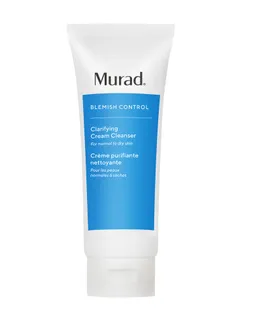
Murad Blemish Control Clarifying Cream Cleanser
Works for
CleansingDisodium cocoamphodiacetate, Cocamidopropyl betaine + 9 moreCleanses gently
“Blemish Control Clarifying Cream Cleanser”
This product works by removing dirt and oil from the surface of the skin. It uses a combination of mild cleansing agents (cetyl alcohol, cocamidopropyl betaine, cocamidopropyl dimethylamine, disodium cocoamphodiacetate, glyceryl stearate, glycol distearate, peg-100 stearate, peg-150 distearate, polysorbate 80, sodium cocoyl isethionate, steareth-4) and should be able to cleanse the skin gently. Still keep in mind that any cleansing can disrupt the skin barrier, and most people do not need to cleanse their skin more than once per day.
Even though this formulation is mild, the following cleansing agents could trigger an irritation or allergy for some people: cocamidopropyl betaine, cocamidopropyl dimethylamine
Anti-blemishSalicylic acid, Retinol + 3 moreWorks well
“Blemish Control Clarifying Cream Cleanser”
This product can help reduce breakouts and clogged pores because it contains the following ingredient: retinol, salicylic acid. These ingredients is used for treating acne and can have a noticeable effect.
In addition, this product contains chitosan. It can help in reducing blemishes, even though it is less effective.
ExfoliationSide benefit · Salicylic acid, Retinol + 2 moreWorks well
This product can help exfoliate the skin. In other words, it helps break down the bonds between dead cells on the surface of the skin and speed up the skin turnover. Skin often appears softer and brighter after exfoliation, but overdoing it can result in disrupted skin barrier. The following ingredient is doing the exfoliating job in this product: retinol, salicylic acid.
Can it cause trouble?
Irritancy4 strong irritants: Retinol, Melaleuca alternifolia leaf oil + 2 more — patch-test recommendedHigh risk
Comedogenic1 ingredient rated 2 or more on the 0–5 pore-clogging scale1 flagged

User reviews
Be the first — your take helps the next person decide.
Ingredients
Filter by role to see what each ingredient is doing.
Water~45–55%
Disodium cocoamphodiacetate~7.4–9.1%
- Irritation risk
- Medium
Helps oil and water mix together and works as a cleansing agent
More about Disodium cocoamphodiacetateGlycerin~4–4.9%
- Irritation risk
- Low
One of the best moisturizing ingredients. Naturally present in skin. It attracts water to the upper layer of the skin working as a humectant
More about GlycerinButylene glycol~3.1–3.8%
- Irritation risk
- Low
Used to create a nice product texture and help delivery of other ingredients. Might be somewhat helpful in attracting water to the upper layer of the skin
More about Butylene glycolCetyl alcohol~2.4–2.9%
- Irritation risk
- Low
A non-drying alcohol that works to soften the skin and stabilize product formulations helping oil and water mix together
More about Cetyl alcoholCocamidopropyl betaine~2.6–3.1%
- Irritation risk
- High
Helps water and oil mix together. Used as a cleansing ingredient. Could be an allergen
More about Cocamidopropyl betainePpg-15 stearyl ether~1.7–2.1%
- Irritation risk
- Low
Help soften the upper layer of the skin and create a nice product consistency
More about Ppg-15 stearyl etherSodium cocoyl isethionate~1.5–1.8%
- Irritation risk
- Medium
Helps water and oil mix together. Can be used as a cleansing agent
More about Sodium cocoyl isethionateGlyceryl stearate~1.2–1.5%
- Irritation risk
- Low
An emollient that softens the skin and forms a protective layer on its surface. Helps water and oil mix together
More about Glyceryl stearatePeg-100 stearate~1–1.3%
- Irritation risk
- Low
Helps oil and water mix togehter and creates a nice product texture
More about Peg-100 stearateSodium polyacrylate~0.8–1.2%
- Irritation risk
- Low
Used to create a gel-like product texture, as well as to stabilize emulsions
More about Sodium polyacrylateSalicylic acid~0.55–0.85%
- Irritation risk
- High
Used for skin exfoliation. It has an anti-inflammatory and anti-bacterial effect, helps to unclog pores, prevent blemishes and speed up healing of the existing ones. Sometimes referred to as a BHA (beta-hydroxy acid)
More about Salicylic acidSodium hyaluronate~0.55–0.8%
- Irritation risk
- Low
One of the best moisturizing ingredients. Attracts water into the upper layer of the skin
More about Sodium hyaluronateTocopheryl acetate~0.5–0.75%
- Irritation risk
- Medium
A more stable but less bio-available form of vitamin E compared to Tocopherol. Might help moisturize and protect the skin from free radicals, but mostly used in low concentrations to stabilize other ingredients.
More about Tocopheryl acetateCaprylic/capric triglyceride~0.5–0.8%
- Irritation risk
- Medium
A good mix of fatty acids that forms a protective layer on the skin. Improves the shelf life of products. Derived from coconut and glycerin
More about Caprylic/capric triglycerideRetinol~0.45–0.65%
- Irritation risk
- High
Two steps removed from the active form of vitamin A - retinoic acid. Once converted to the retinoic acid in the skin, retinol is proven to be effective against all signs of aging. It improves skin cell turnover, helps fight blemishes and clogged pores, can regulate excess oil production and even skin tone. It can, however, be quite irritating
More about RetinolSalix alba bark extract~0.35–0.65%
- Irritation risk
- High
A plant extract that can help neutralize free radicals in skin. It contains a compound salicin that can theoretically be converted into salicylic acid that, in turn, helps reduce inflammation in skin, but the evidence of effectiveness in skin is lacking and the extract is usually not used in a concentration that would enable an exfoliating effect
More about Salix alba bark extractAscorbic acid~0.4–0.6%
- Irritation risk
- High
The most well-researched antioxidant that works in skin. Helps neutralize free radicals supporting collagen production, helping to even out the skin tone and preventing early signs of aging
More about Ascorbic acidChitosan~0.35–0.65%
- Irritation risk
- Medium
Inhibits acne-causing bacteria on the surface of the skin. Can help to reduce inflammation caused by bacteria. Helps neutralize free radicals in skin. Helps to attract water to the upper layer of the skin
More about ChitosanSilver citrate~0.3–0.55%
- Irritation risk
- Low
Sodium pca~0.3–0.55%
- Irritation risk
- Low
Naturally present in skin and helps to attract water to its upper layer
More about Sodium pcaBetaine~0.25–0.5%
- Irritation risk
- Low
Helps attract water to the upper layer of the skin and improves the product texture
More about BetaineSorbitol~0.25–0.45%
- Irritation risk
- Low
Helps attract water to the upper layer of the skin and improves the product texture
More about SorbitolGlycine~0.25–0.45%
- Irritation risk
- Low
Helps to attract water to the upper layer of the skin and can help restore the skin barrier function
More about GlycineAlanine~0.25–0.45%
- Irritation risk
- Low
An amino-acid that helps to attract water to the upper layer of the skin and might help to lighten the skin, but solid evidence is lacking
More about AlanineProline~0.25–0.5%
Serine~0.25–0.45%
- Irritation risk
- Low
An amino-acid that helps to attract water to the upper layer of the skin. In combination with other amino-acids, might help to reduce fine lines and wrinkles
More about SerineThreonine~0.25–0.45%
- Irritation risk
- Low
An amino-acid that helps to attract water to the upper layer of the skin. In combination with other amino-acids, might help to reduce fine lines and wrinkles
More about ThreonineArginine~0.25–0.45%
- Irritation risk
- Low
An amino acid that is naturally present in skin and helps keep it hydrated. When used together with AHAs, it can reduce their irritating effect on the skin
More about ArginineLysine~0.25–0.45%
- Irritation risk
- Low
An amino-acid that helps to attract water to the upper layer of the skin. In combination with other amino-acids, might help to reduce fine lines and wrinkles
More about LysineGlutamic acid~0.25–0.45%
- Irritation risk
- Low
An amino-acid that helps attract water to the upper layer of the skin
More about Glutamic acidZinc gluconate~0.25–0.45%
- Irritation risk
- Medium
Typically used to stabilize the product formulations. It is a salt of a polyhydroxy acid (PHA) and in larger concentrations, can help shed the dead cells from the skin surface revealing smoother skin. It can help attract water to the upper layer of the skin. Might to be helpful against acne and clogged pores. Could be helpful in neutralizing free radicals, but solid research is missing. Due to the zinc content, might help calm down inflammation in skin
More about Zinc gluconateArgania spinosa kernel oil~0.3–0.5%
- Irritation risk
- Medium
An emollient that helps soften the upper layer of the skin. Might have some weak anti-oxidant properties
More about Argania spinosa kernel oilSerenoa serrulata fruit extract~0.25–0.45%
- Irritation risk
- Medium
A plant extract that might help calm down inflammation in skin but evidence of effectiveness is lacking
More about Serenoa serrulata fruit extractSesamum indicum seed oil~0.3–0.5%
- Irritation risk
- Low
A good moisturizing plant oil. Due to the high linoleic acid content, it helps soften the upper layer of the skin, reduce water loss and support skin barrier function
More about Sesamum indicum seed oilBeta-sitosterol~0.3–0.5%
- Irritation risk
- Low
A phytosterol that can support skin's barrier function and help the skin stay hydrated
More about Beta-sitosterolCimicifuga racemosa root extract~0.25–0.5%
- Irritation risk
- Low
Melaleuca alternifolia leaf oil~0.25–0.45%
- Irritation risk
- High
An essential oil that can be irritating. Has some anti-bacterial properties
More about Melaleuca alternifolia leaf oilCocamidopropyl dimethylamine~0.25–0.5%
- Irritation risk
- High
Helps oil and water mix together. Can work as a cleansing agent. Can be irritating
More about Cocamidopropyl dimethylamineZea mays starch~0.25–0.45%
- Irritation risk
- Medium
- Comedogenicity
- 3/5
Used to thicken the product's consistency
More about Zea mays starchHydrolyzed corn starch~0.25–0.45%
- Irritation risk
- Low
Helps improve the product texture
More about Hydrolyzed corn starchHydrolyzed corn starch octenylsuccinate~0.25–0.45%
- Irritation risk
- Low
Used to create a uniform product consistency
More about Hydrolyzed corn starch octenylsuccinateCitric acid~0.25–0.45%
- Irritation risk
- Medium
Can work as an exfoliant but is typically used to adjust the product pH
More about Citric acidDisodium edta~0.25–0.4%
Propyl gallate~0.2–0.4%
- Irritation risk
- Medium
Helps preserve product formulations and can mask the smell of other ingredients in a product
More about Propyl gallatePolysorbate 80~0.25–0.45%
Menthol~0.2–0.35%
- Irritation risk
- High
Glycol distearate~0.25–0.45%
- Irritation risk
- Medium
Helps water and oil mix together
More about Glycol distearateSteareth-4~0.2–0.35%
Peg-150 distearate~0.2–0.35%
- Irritation risk
- Medium
Helps oil and water mix together
More about Peg-150 distearatePhenoxyethanol~0.2–0.35%
- Irritation risk
- Low
A preservative. It helps prevent bacterial growth in cosmetic products
More about PhenoxyethanolCaprylyl glycol~0.2–0.35%
- Irritation risk
- Medium
Helps preserve products and creates a nice product texture
More about Caprylyl glycolChlorphenesin~0.15–0.25%
Parfum~0.1–0.15%
- Irritation risk
- High
An aromatic blend of unspecified and possibly irritating ingredients
More about ParfumIngredient list view
Water, Disodium cocoamphodiacetate, Glycerin, Butylene glycol, Cetyl alcohol, Cocamidopropyl betaine, Ppg-15 stearyl ether, Sodium cocoyl isethionate, Glyceryl stearate, Peg-100 stearate, Sodium polyacrylate, Salicylic acid, Sodium hyaluronate, Tocopheryl acetate, Caprylic/capric triglyceride, Retinol, Salix alba bark extract, Ascorbic acid, Chitosan, Silver citrate, Sodium pca, Betaine, Sorbitol, Glycine, Alanine, Proline, Serine, Threonine, Arginine, Lysine, Glutamic acid, Zinc gluconate, Argania spinosa kernel oil, Serenoa serrulata fruit extract, Sesamum indicum seed oil, Beta-sitosterol, Cimicifuga racemosa root extract, Melaleuca alternifolia leaf oil, Cocamidopropyl dimethylamine, Zea mays starch, Hydrolyzed corn starch, Hydrolyzed corn starch octenylsuccinate, Citric acid, Disodium edta, Propyl gallate, Polysorbate 80, Menthol, Glycol distearate, Steareth-4, Peg-150 distearate, Phenoxyethanol, Caprylyl glycol, Chlorphenesin, Parfum
Compare prices
Retailers ranked by price — lowest first.
Affiliate links · As an Amazon Associate, WIMJ earns from qualifying purchases.
Worth comparing, line by line.
Match % combines shared ingredients, the first five ingredients, shared actives and hero ingredients, irritancy (lower counts in the alternative's favour), texture and body area. Only products in the same routine step are compared.
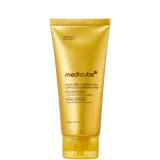
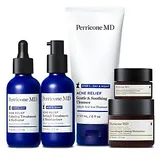
| MuradBlemish Control Clarifying Cream CleanserYOUR PRODUCT | YEOUTHVitamin C Facial Cleanser Day/Night Cream | Perricone MDThe Acne Relief Soothing Regimen | MedicubeKojic Acid Turmeric Vita Capsule Cleansing Foam | |
|---|---|---|---|---|
| Match | — | 86% | 80% | 78% |
| Price | — | $41.90 | $199.00 | $26.80 |
| Shared key ingredients | — | 7 of 31 | 11 of 31 | 5 of 31 |
| Key difference | — | Sodium Ascorbyl Phosphate | Cbd | Niacinamide |
| Irritancy | High | Medium | High | High |
| Drying alcohol | — | — | Contains drying alcohol | — |
| View product | Shop | Shop | Shop |

More alternatives: A'PIEU Vitamin AC Pad 35sheetsDr Dennis Gross Alpha Beta Daily Essentials - Universal
Sources cited in this review
Every concentration estimate and effectiveness label is anchored to one of these 36 studies and safety reviews.
- 1
- 2
- 3Final Report on the Safety Assessment of Sodium Cocoyl Isethionatejournals.sagepub.com
- 4Salicylic acid as a peeling agent: a comprehensive reviewncbi.nlm.nih.gov
- 5Beta Hydroxy Acidsfda.gov
- 6A review of toxicity from topical salicylic acid preparationssciencedirect.com

Affiliate links · As an Amazon Associate, WIMJ earns from qualifying purchases.