
Works for:
based on ingredients and %- Anti-aging
- Moisturizing
- Evens skin tone
- Anti-blemish
Can it cause trouble?
- Irritation risk: high
- Comedogenic risk ingredients: 2
Key actives


Anti-aging
What does the product description say?
[1,2,3] The hydrating overnight serum-cream visibly addresses signs of aging; improving the appearance of wrinkles, texture and tone.
Source: Skinstore
This product can help reduce and prevent fine lines and wrinkles, improve skin elasticity and firmness because it contains retinal, acetyl glucosamine.
These ingredients in the product can also be helpful, even though there is less evidence for their effectiveness: ferric hexapeptide-35.
Keep in mind that it typically takes at least 6 weeks to notice any results because the changes that are needed to improve fine lines and elasticity happen in the deeper layers of the skin. No topical anti-aging product can “erase” wrinkles or fully reverse signs of aging.
One step removed from the biologically active in skin form of vitamin A. Once converted to the retinoic acid in the skin, retinal is proven to be effective against all signs of aging. It improves skin cell turnover, helps fight blemishes and clogged pores, can regulate excess oil production and even skin tone. Concentrations of 0.05% and 0.1% are shown to be effective. It can, however, be irritating
An effective moisturizing ingredient that also has been shown to be effective in evening out the skin tone and reducing hyperpigmentation. It can help somewhat reduce wrinkles in skin
A type of peptide. Peptides are excellent moisturizers and might be able support collagen production reducing fine lines and wrinkles
The most well-researched antioxidant that works in skin. Helps neutralize free radicals supporting collagen production, helping to even out the skin tone and preventing early signs of aging
Being a lipid soluble form of vitamin C, it is more stable than ascorbic acid, but still degrades quickly and needs to be stabilized in a formulation with another ingredient. It is claimed to penetrate skin better than pure vitamin C and have the the similar benefits, but solid studies of its effectiveness are lacking. Is likely to require a higher concentration in a product than pure vitamin C to be effective. It might be able to help reduce pore clogging.
Pure form of vitamin E. Can help moisturise and protect the skin from free radicals. Often used to help stabilise other ingredients or the formula itself
A vitamin C derivative that is more stable but less potent than pure form of vitamin C. Can help neutralize free radicals and help reduce hyperpigmentation, but the required concentration is likely to be much higher than for the pure form of vitamin C, limiting the ingredient's effectiveness in products
Being a lipid soluble form of vitamin C, it is more stable and can penetrate the skin better than L-Ascorbic acid. It is effective in protecting the skin from free radicals, as well as evening the skin tone, but is less effective in stimulating collagen production compared to L-Ascorbic acid.
Anti-blemish
This product can help reduce breakouts and clogged pores because it contains the following ingredient: retinal. This ingredient is used for treating acne and can have a noticeable effect.
The following ingredient (ingredients) in this product might be helpful, but there is no evidence to confirm that it actually works: linoleic acid
One step removed from the biologically active in skin form of vitamin A. Once converted to the retinoic acid in the skin, retinal is proven to be effective against all signs of aging. It improves skin cell turnover, helps fight blemishes and clogged pores, can regulate excess oil production and even skin tone. Concentrations of 0.05% and 0.1% are shown to be effective. It can, however, be irritating
An excellent emollient. Helps soften the skin, restore its barrier function, and can help to calm down inflammation. It can be helpful to prevent blemishes and clogged pores
A type of lipid that is naturally present in skin. It might help in repairing skin barrier function and has anti-bacterial effect
Evens skin tone
This product can help reduce hypepigmentation and even out the skin tone because it contains the following effective ingredients: retinal.
In addition, this product contains acetyl glucosamine. This ingredient (ingredients) might help reduce hyperpigmentation, but the effect, if any, is likely to be small.
Keep in mind that you would need to apply any topical skincare targetted at hypigmentation consistently for a couple of months to get a result. No topical skincare product can help get rid of hyperpigmentation (including post-acne marks and age spots) instantly.
An effective moisturizing ingredient that also has been shown to be effective in evening out the skin tone and reducing hyperpigmentation. It can help somewhat reduce wrinkles in skin
One step removed from the biologically active in skin form of vitamin A. Once converted to the retinoic acid in the skin, retinal is proven to be effective against all signs of aging. It improves skin cell turnover, helps fight blemishes and clogged pores, can regulate excess oil production and even skin tone. Concentrations of 0.05% and 0.1% are shown to be effective. It can, however, be irritating
The most well-researched antioxidant that works in skin. Helps neutralize free radicals supporting collagen production, helping to even out the skin tone and preventing early signs of aging
Being a lipid soluble form of vitamin C, it is more stable than ascorbic acid, but still degrades quickly and needs to be stabilized in a formulation with another ingredient. It is claimed to penetrate skin better than pure vitamin C and have the the similar benefits, but solid studies of its effectiveness are lacking. Is likely to require a higher concentration in a product than pure vitamin C to be effective. It might be able to help reduce pore clogging.
A vitamin C derivative that is more stable but less potent than pure form of vitamin C. Can help neutralize free radicals and help reduce hyperpigmentation, but the required concentration is likely to be much higher than for the pure form of vitamin C, limiting the ingredient's effectiveness in products
Moisturizing
What does the product description say?
Medik8 Advanced Night Ceramide Cream.
Source: Skinstore
This product can help improve hydration of the skin with the two types of ingredients.
The first type is called “humectants”:
these ingredients help attract water.
When humectants are on the surface of the skin, they “pull in” the moisture from the outside environment, or from
within deeper layers of the skin. The following ingredients in this product do the job:
glycerin, sodium hyaluronate.
This product also contains ingredients called “occlusives”. They help reduce the speed with which our skin loses moisture to the outside environment. These ingredients also help soften the upper layer of the skin, so it feels less tight and nicer to the touch. The following ingredients in this product do the job: caprylic/capric triglyceride, dimethicone.
The following ingredients in this product are especially good for supporting the skin barrier and helping with the hydration level: acetyl glucosamine, caprooyl phytosphingosine, caprooyl sphingosine, ceramide eop, ceramide eos, ceramide np, ceramide ns, ferric hexapeptide-35, linoleic acid, phytosphingosine
An emollient that is naturally found in skin
A silicone that helps to reduce water loss from the surface of the skin. Can temporarily "fill in" lines and wrinkles, absorb oil, and create a nice product finish
A type of peptide. Peptides are excellent moisturizers and might be able support collagen production reducing fine lines and wrinkles
One of the best moisturizing ingredients. Naturally present in skin. It attracts water to the upper layer of the skin working as a humectant
A type of lipid similar to ceramides naturally present in skin. Helps to soften the upper layer of the skin and supports the skin barrier function to keep it hydrated. Can help to prevent inflammation in skin
A type of lipid similar to ceramides naturally present in skin. Helps to soften the upper layer of the skin and supports the skin barrier function to keep it hydrated. Can help to prevent inflammation in skin
A type of lipid similar to ceramides naturally present in skin. Helps to soften the upper layer of the skin and supports the skin barrier function to keep it hydrated. Can help to prevent inflammation in skin
A type of lipid similar to ceramides naturally present in skin. Helps to soften the upper layer of the skin and supports the skin barrier function to keep it hydrated. Can help to prevent inflammation in skin
A type of lipid that is naturally present in skin. It might help in repairing skin barrier function and has anti-bacterial effect
An oil naturally present in skin. Works as an emollient to soften the skin and form a protective layer on its surface without a greasy feeling.
Lipids that work as an emollient and can be helpful in repairing skin barrier function
An excellent emollient. Helps soften the skin, restore its barrier function, and can help to calm down inflammation. It can be helpful to prevent blemishes and clogged pores
An effective moisturizing ingredient that also has been shown to be effective in evening out the skin tone and reducing hyperpigmentation. It can help somewhat reduce wrinkles in skin
One of the best moisturizing ingredients. Attracts water into the upper layer of the skin
A component of ceramides. Helps to soften the upper layer of the skin and supports the skin barrier function to keep it hydrated. Can help to prevent inflammation in skin
A component of ceramides. Helps to soften the upper layer of the skin and supports the skin barrier function to keep it hydrated. Can help to prevent inflammation in skin
A good mix of fatty acids that forms a protective layer on the skin. Improves the shelf life of products. Derived from coconut and glycerin
An emollient that helps soften the skin and can decrease moisture loss. Helps create a nice product texture
Helps attract water to the upper layer of the skin and can help stabilize the product formulation
A non-drying alcohol that works to soften the skin and stabilize product formulations helping oil and water mix together
A non-drying alcohol. Works as an emollient. Helps water and oil mix together and creates a nice product texture
Used to preserve products, dissolve other ingredients and create a nice product texture
Helps attract water to the upper layer of the skin and improves the product texture
Helps oil and water mix together and works as an emollient
Non-drying alcohol that helps water and oil mix together. Also serves as an emollient
Helps soften the upper layer of the skin and improve the product's texture
An emollient that is naturally present in skin and helps soften it
A mushroom extract that might help attract water to the upper layer of the skin
Used mostly for creating emulsions - helping oil and water mix together. Helps soften the upper layer of the skin
Pure form of vitamin E. Can help moisturise and protect the skin from free radicals. Often used to help stabilise other ingredients or the formula itself
How honest is this product?
| Promise | Can it deliver? |
|---|---|
| Anti-aging | |
| Moisturizing |
Total Promises Fulfilled score: 100/100.
Potential irritants
Comedogenic ingredients
User reviews (0)
Averages from community submissions.
No reviews yet for this product.
Be the first to share your experience!
Tried this product?
Help capture what the ingredient list can't—texture, finish, pilling, scent, and more. Answer what you can, skip the rest.
Takes ~30 seconds.
Reviews are shown in aggregate. No personal details.
| Product | Similarity | Price | Irritancy |
|---|---|---|---|
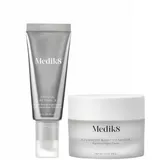 Medik8 Crystal Retinal - Beginners Regimen | Current | - | |
 Omorovicza Midnight Renewal | 70% | ≈ $162.59 | |
Youth To The People Retinal + Niacinamide Youth Serum | 70% | $22.00 | |
Spectacle Skincare Performance Crème | 67% | ≈ $100.47 | |
 Eczema Honey Concentrated Cocktail Renewal Cream | 66% | $19.95 | |
 Dr. Different VITALIFT-A Forte | 65% | $20.24 |
Key Actives
An effective moisturizing ingredient that also has been shown to be effective in evening out the skin tone and reducing hyperpigmentation. It can help somewhat reduce wrinkles in skin
Pure form of vitamin E. Can help moisturise and protect the skin from free radicals. Often used to help stabilise other ingredients or the formula itself
A type of lipid similar to ceramides naturally present in skin. Helps to soften the upper layer of the skin and supports the skin barrier function to keep it hydrated. Can help to prevent inflammation in skin
An excellent emollient. Helps soften the skin, restore its barrier function, and can help to calm down inflammation. It can be helpful to prevent blemishes and clogged pores
A type of lipid that is naturally present in skin. It might help in repairing skin barrier function and has anti-bacterial effect
A type of lipid similar to ceramides naturally present in skin. Helps to soften the upper layer of the skin and supports the skin barrier function to keep it hydrated. Can help to prevent inflammation in skin
A vitamin C derivative that is more stable but less potent than pure form of vitamin C. Can help neutralize free radicals and help reduce hyperpigmentation, but the required concentration is likely to be much higher than for the pure form of vitamin C, limiting the ingredient's effectiveness in products
One step removed from the biologically active in skin form of vitamin A. Once converted to the retinoic acid in the skin, retinal is proven to be effective against all signs of aging. It improves skin cell turnover, helps fight blemishes and clogged pores, can regulate excess oil production and even skin tone. Concentrations of 0.05% and 0.1% are shown to be effective. It can, however, be irritating
A silicone that helps to reduce water loss from the surface of the skin. Can temporarily "fill in" lines and wrinkles, absorb oil, and create a nice product finish
An emollient that is naturally found in skin
A type of lipid similar to ceramides naturally present in skin. Helps to soften the upper layer of the skin and supports the skin barrier function to keep it hydrated. Can help to prevent inflammation in skin
A type of peptide. Peptides are excellent moisturizers and might be able support collagen production reducing fine lines and wrinkles
A type of lipid similar to ceramides naturally present in skin. Helps to soften the upper layer of the skin and supports the skin barrier function to keep it hydrated. Can help to prevent inflammation in skin
A component of ceramides. Helps to soften the upper layer of the skin and supports the skin barrier function to keep it hydrated. Can help to prevent inflammation in skin
A component of ceramides. Helps to soften the upper layer of the skin and supports the skin barrier function to keep it hydrated. Can help to prevent inflammation in skin
An oil naturally present in skin. Works as an emollient to soften the skin and form a protective layer on its surface without a greasy feeling.
A good mix of fatty acids that forms a protective layer on the skin. Improves the shelf life of products. Derived from coconut and glycerin
One of the best moisturizing ingredients. Naturally present in skin. It attracts water to the upper layer of the skin working as a humectant
Lipids that work as an emollient and can be helpful in repairing skin barrier function
A good mix of fatty acids that forms a protective layer on the skin. Improves the shelf life of products. Derived from coconut and glycerin
One of the best moisturizing ingredients. Naturally present in skin. It attracts water to the upper layer of the skin working as a humectant
An oil naturally present in skin. Works as an emollient to soften the skin and form a protective layer on its surface without a greasy feeling.
One of the best moisturizing ingredients. Attracts water into the upper layer of the skin
Works as a UV filter when used in high concentrations. It is photostable and is effective mostly against the UVB light, with some protection in the UVA range. In small concentrations, used for its ability to improve the color of cosmetic products. Is usually well tolerated by the skin
Potential irritants
Helps oil and water mix together and can enhance the penetration of other ingredients into the skin. It can be irritating
A preservative. Can be used to mask unpleasant smell. Can be irritating
A plant oil with high content of volatile compounds that can irritate the skin. Can be used as a fragrance. Has anti-bacterial properties and might help neutralize free radicals on the surface of the skin
An essential oil. Potential allergen and can be irritating. It has some anti-bacterial properties
An essentil oil from orange peel. Potential allergen and can be irritating
An essential oil that is used as a fragrance and can be irritating. It might have some anti-oxidant effect in skin
The most well-researched antioxidant that works in skin. Helps neutralize free radicals supporting collagen production, helping to even out the skin tone and preventing early signs of aging
A common frangrance that can easily irritate skin, especially if exposed to air, light or heat
A vitamin C derivative that is more stable but less potent than pure form of vitamin C. Can help neutralize free radicals and help reduce hyperpigmentation, but the required concentration is likely to be much higher than for the pure form of vitamin C, limiting the ingredient's effectiveness in products
One step removed from the biologically active in skin form of vitamin A. Once converted to the retinoic acid in the skin, retinal is proven to be effective against all signs of aging. It improves skin cell turnover, helps fight blemishes and clogged pores, can regulate excess oil production and even skin tone. Concentrations of 0.05% and 0.1% are shown to be effective. It can, however, be irritating
A berry extract that can have some anti-oxidant properties. It helps to preserve product formulations and improve their smell. It can be irritating
A plant extract that might help neutralize free radicals in skin. Can contain volalite oils and be irritating
A plant extract that might help neutralize free radicals in skin. Can contain volalite oils and be irritating
A plant extract used as a fragrance. Can be irritating
A good mix of fatty acids that forms a protective layer on the skin. Improves the shelf life of products. Derived from coconut and glycerin
Lipids that work as an emollient and can be helpful in repairing skin barrier function
Helps soften the upper layer of the skin and improve the product's texture
A more stable but less bio-available form of vitamin E compared to Tocopherol. Might help moisturize and protect the skin from free radicals, but mostly used in low concentrations to stabilize other ingredients.
Can work as an exfoliant but is typically used to adjust the product pH
A mushroom extract that might help attract water to the upper layer of the skin
Being a lipid soluble form of vitamin C, it is more stable and can penetrate the skin better than L-Ascorbic acid. It is effective in protecting the skin from free radicals, as well as evening the skin tone, but is less effective in stimulating collagen production compared to L-Ascorbic acid.
A gelling agent that thickens the product consistency and leaves the skin with a velvety finish
Used to create a thicker product consistency and stabilize the formulation
Being a lipid soluble form of vitamin C, it is more stable than ascorbic acid, but still degrades quickly and needs to be stabilized in a formulation with another ingredient. It is claimed to penetrate skin better than pure vitamin C and have the the similar benefits, but solid studies of its effectiveness are lacking. Is likely to require a higher concentration in a product than pure vitamin C to be effective. It might be able to help reduce pore clogging.
Used to create a thicker product consistency and stabilize the formulation
Helps attract water to the upper layer of the skin and can help stabilize the product formulation
Used to preserve products, dissolve other ingredients and create a nice product texture
Comedogenic ingredients
A non-drying alcohol. Works as an emollient. Helps water and oil mix together and creates a nice product texture
A non-drying alcohol. Works as an emollient. Helps water and oil mix together and creates a nice product texture
All ingredients
An oil naturally present in skin. Works as an emollient to soften the skin and form a protective layer on its surface without a greasy feeling.
A good mix of fatty acids that forms a protective layer on the skin. Improves the shelf life of products. Derived from coconut and glycerin
A silicone that helps to reduce water loss from the surface of the skin. Can temporarily "fill in" lines and wrinkles, absorb oil, and create a nice product finish
One of the best moisturizing ingredients. Naturally present in skin. It attracts water to the upper layer of the skin working as a humectant
Helps oil and water mix together and can enhance the penetration of other ingredients into the skin. It can be irritating
Lipids that work as an emollient and can be helpful in repairing skin barrier function
Helps soften the upper layer of the skin and improve the product's texture
Used to create a thicker product consistency
A non-drying alcohol. Works as an emollient. Helps water and oil mix together and creates a nice product texture
An emollient that is naturally present in skin and helps soften it
A type of lipid similar to ceramides naturally present in skin. Helps to soften the upper layer of the skin and supports the skin barrier function to keep it hydrated. Can help to prevent inflammation in skin
An excellent emollient. Helps soften the skin, restore its barrier function, and can help to calm down inflammation. It can be helpful to prevent blemishes and clogged pores
Non-drying alcohol that helps water and oil mix together. Also serves as an emollient
Helps to retain moisture by creating a protective barrier on the skin. Rich in fatty acids. Improves product texture and helps with the penetration of other ingredients.
A more stable but less bio-available form of vitamin E compared to Tocopherol. Might help moisturize and protect the skin from free radicals, but mostly used in low concentrations to stabilize other ingredients.
A preservative. It helps prevent bacterial growth in cosmetic products
A preservative. Can be used to mask unpleasant smell. Can be irritating
An effective moisturizing ingredient that also has been shown to be effective in evening out the skin tone and reducing hyperpigmentation. It can help somewhat reduce wrinkles in skin
Can work as an exfoliant but is typically used to adjust the product pH
Helps attract water to the upper layer of the skin and improves the product texture
A plant oil with high content of volatile compounds that can irritate the skin. Can be used as a fragrance. Has anti-bacterial properties and might help neutralize free radicals on the surface of the skin
An essential oil. Potential allergen and can be irritating. It has some anti-bacterial properties
An essentil oil from orange peel. Potential allergen and can be irritating
A mushroom extract that might help attract water to the upper layer of the skin
An essential oil that is used as a fragrance and can be irritating. It might have some anti-oxidant effect in skin
The most well-researched antioxidant that works in skin. Helps neutralize free radicals supporting collagen production, helping to even out the skin tone and preventing early signs of aging
A type of lipid that is naturally present in skin. It might help in repairing skin barrier function and has anti-bacterial effect
Helps create a thicker or gel-like product texture. It is not a surfactant but can be used in gentle cleansing formulations
A non-drying alcohol that works to soften the skin and stabilize product formulations helping oil and water mix together
A type of lipid similar to ceramides naturally present in skin. Helps to soften the upper layer of the skin and supports the skin barrier function to keep it hydrated. Can help to prevent inflammation in skin
A type of peptide. Peptides are excellent moisturizers and might be able support collagen production reducing fine lines and wrinkles
A type of lipid similar to ceramides naturally present in skin. Helps to soften the upper layer of the skin and supports the skin barrier function to keep it hydrated. Can help to prevent inflammation in skin
A type of lipid similar to ceramides naturally present in skin. Helps to soften the upper layer of the skin and supports the skin barrier function to keep it hydrated. Can help to prevent inflammation in skin
A component of ceramides. Helps to soften the upper layer of the skin and supports the skin barrier function to keep it hydrated. Can help to prevent inflammation in skin
A component of ceramides. Helps to soften the upper layer of the skin and supports the skin barrier function to keep it hydrated. Can help to prevent inflammation in skin
Being a lipid soluble form of vitamin C, it is more stable and can penetrate the skin better than L-Ascorbic acid. It is effective in protecting the skin from free radicals, as well as evening the skin tone, but is less effective in stimulating collagen production compared to L-Ascorbic acid.
Pure form of vitamin E. Can help moisturise and protect the skin from free radicals. Often used to help stabilise other ingredients or the formula itself
A common frangrance that can easily irritate skin, especially if exposed to air, light or heat
A good mix of fatty acids that forms a protective layer on the skin. Improves the shelf life of products. Derived from coconut and glycerin
One of the best moisturizing ingredients. Naturally present in skin. It attracts water to the upper layer of the skin working as a humectant
An emollient that helps soften the skin and can decrease moisture loss. Helps create a nice product texture
Used to create a thicker product consistency
A non-drying alcohol. Works as an emollient. Helps water and oil mix together and creates a nice product texture
A more stable but less bio-available form of vitamin E compared to Tocopherol. Might help moisturize and protect the skin from free radicals, but mostly used in low concentrations to stabilize other ingredients.
A type of sugar that is used to support delivery of active ingredients and can enhance their penetration into the skin without disrupting the skin's barrier
An oil naturally present in skin. Works as an emollient to soften the skin and form a protective layer on its surface without a greasy feeling.
A gelling agent that thickens the product consistency and leaves the skin with a velvety finish
A vitamin C derivative that is more stable but less potent than pure form of vitamin C. Can help neutralize free radicals and help reduce hyperpigmentation, but the required concentration is likely to be much higher than for the pure form of vitamin C, limiting the ingredient's effectiveness in products
Used to create a thicker product consistency and stabilize the formulation
One of the best moisturizing ingredients. Attracts water into the upper layer of the skin
A preservative. It helps prevent bacterial growth in cosmetic products
Being a lipid soluble form of vitamin C, it is more stable than ascorbic acid, but still degrades quickly and needs to be stabilized in a formulation with another ingredient. It is claimed to penetrate skin better than pure vitamin C and have the the similar benefits, but solid studies of its effectiveness are lacking. Is likely to require a higher concentration in a product than pure vitamin C to be effective. It might be able to help reduce pore clogging.
A plant oil that might help neutralize free radicals and have an anti-bacterial effect
One step removed from the biologically active in skin form of vitamin A. Once converted to the retinoic acid in the skin, retinal is proven to be effective against all signs of aging. It improves skin cell turnover, helps fight blemishes and clogged pores, can regulate excess oil production and even skin tone. Concentrations of 0.05% and 0.1% are shown to be effective. It can, however, be irritating
A berry extract that can have some anti-oxidant properties. It helps to preserve product formulations and improve their smell. It can be irritating
The same compound that is used safely in dental implants and bone cements. In cosmetics, it is used to improve the consistency of products
Used mostly for creating emulsions - helping oil and water mix together. Helps soften the upper layer of the skin
A plant extract that might help neutralize free radicals in skin. Can contain volalite oils and be irritating
A plant extract that might help neutralize free radicals in skin. Can contain volalite oils and be irritating
Used to create a thicker product consistency and stabilize the formulation
Helps attract water to the upper layer of the skin and can help stabilize the product formulation
Used to preserve products, dissolve other ingredients and create a nice product texture
Can work as an exfoliant but is typically used to adjust the product pH
A plant extract used as a fragrance. Can be irritating
Works as a UV filter when used in high concentrations. It is photostable and is effective mostly against the UVB light, with some protection in the UVA range. In small concentrations, used for its ability to improve the color of cosmetic products. Is usually well tolerated by the skin
Ingredient list view
Water, Squalane, Caprylic/capric triglyceride, Dimethicone, Glycerin, Stearic acid, Propylene glycol, Phytosterols, C12-16 alcohols, Sodium acrylate/sodium acryloyldimethyl taurate copolymer, Cetearyl alcohol, Palmitic acid, Ceramide np, Cetearyl olivate, Linoleic acid, Behenyl alcohol, Hydrogenated lecithin, Tocopheryl acetate, Sorbitan olivate, Phenoxyethanol, Benzyl alcohol, Amelanchier alnifolia fruit extract, Ethylhexylglycerin, Acetyl glucosamine, Citric acid, Sorbitol, Rosmarinus officinalis leaf oil, Citrus aurantium amara flower oil, Lavandula angustifolia oil, Citrus aurantium dulcis peel oil, Hylocereus undatus fruit extract, Dehydroacetic acid, Tremella fuciformis extract, Sodium lauroyl lactylate, Anthemis nobilis flower oil, Pogostemon cablin leaf oil, Vetiveria zizanoides root oil, Ascorbic acid, Disodium edta, Ceteareth-25, Phytosphingosine, Cholesterol, Xanthan gum, Carbomer, Cetyl alcohol, Behenic acid, Ceramide ns, Ferric hexapeptide-35, Ceramide eop, Ceramide eos, Caprooyl phytosphingosine, Caprooyl sphingosine, Ascorbyl palmitate, Tocopherol, Geraniol, Limonene, Linalool, Water, Caprylic/capric triglyceride, Glycerin, Isododecane, Cetearyl olivate, Sodium acrylate/sodium acryloyldimethyl taurate copolymer, Cetearyl alcohol, Ppg-12/smdi copolymer, Sorbitan olivate, Tocopheryl acetate, Cyclodextrin, Squalane, Hydroxyethyl acrylate/sodium acryloyldimethyl taurate copolymer, Hydroxyacetophenone, 3-o-ethyl ascorbic acid, Hydroxypropyl methylcellulose, Sodium hyaluronate, Phenoxyethanol, Tetrahexyldecyl ascorbate, Daucus carota sativa seed oil, Retinal, Rubus chamaemorus seed oil, Alumina, Isostearic acid, Lecithin, Polyglyceryl-3 polyricinoleate, Lonicera japonica flower extract, Lonicera caprifolium flower extract, Polyhydroxystearic acid, Stearic acid, Sodium polyaspartate, Pentylene glycol, Citric acid, Polysorbate 60, Disodium edta, Ethylhexylglycerin, Bht, Sorbitan isostearate, Vanilla planifolia fruit extract, Dipteryx odorata bean extract, Coumarin, Ci 14700, Titanium dioxide, Ci 77891
- Dimethicone as a protective ingredient in topical medications
- Final Report on the Safety Assessment of Dimethicone Copolyol
- Glycerol and the skin: holistic approach to its origin and functions
- Surfactants and experimental irritant contact dermatitis
- Propylene Glycol
- Skin-sensitizing and irritant properties of propylene glycol
- Skin hydration is significantly increased by a cream formulated to mimic the skin’s own natural moisturizing systems
- Topically Applied Ceramides Interact with the Stratum Corneum Lipid Matrix in Compromised Ex Vivo Skin
- The Permeability Barrier in Essential Fatty Acid Deficiency: Evidence for a Direct Role for Linoleic Acid in Barrier Function
- Digital image analysis of the effect of topically applied linoleic acid on acne microcomedones.
- The effect of N-acetyl-glucosamine on stratum corneum desquamation and water content in human skin
- Glucosamine: an ingredient with skin and other benefits
- Genomic expression changes induced by topical N-acetyl glucosamine in skin equivalent cultures in vitro
- Incorporation of D-(^H)glucosamine into normal and psoriatic epidermal glycoconjugates
- Reduction in the appearance of facial hyperpigmentation by topical N-acetyl glucosamine
- Assessment report on Rosmarinus officinalis L., aetheroleum and Rosmarinus officinalis L., folium
- Screening of plant extracts for antimicrobial activity against bacteria and yeasts with dermatological relevance
- Occupational contact dermatitis due to essential oils
- The in vitro antimicrobial activity and chemometric modelling of 59 commercial essential oils against pathogens of dermatological relevance
- Antimicrobial and Antioxidant Properties of Rosemary and Sage (Rosmarinus officinalis L. and Salvia officinalis L., Lamiaceae) Essential Oils
- Chemical Composition, Plant Genetic Differences, Antimicrobial and Antifungal Activity Investigation of the Essential Oil of Rosmarinus officinalis L.
- Biological Activities and Safety of Citrus spp. Essential Oils
- 4 Final Report on the Safety Assessment of Sodium Dehydroacetate and Dehydroacetic Acid
- Safety Assessment of Anthemis nobilis– Derived Ingredients as Used in Cosmetics
- Final Report on the Safety Assessment of Ceteareth-2, -3, -4, -5, -6, -7, -8, -9, -10, -11, -12, -13, -14, -15, -16, -17, -18,-20,-22,-23,-24,-25,-27, -28, -29, -30, -33, -34, -40, -50, -55, -60, -80, and -100
- Topical emulsions containing ceramides: Effects on the skin barrier function and anti‐inflammatory properties
- Safety Assessment of Ceramides as Used in Cosmetics
- Vitamin E in dermatology
- Vitamin E and Skin Health
- Annex I: Clinical evidence regarding sensitisation to individual fragrance chemicals and to natural extracts
- Cyclodextrins: new drug delivery systems in dermatology
- Antioxidant Ability and Stability Studies of 3-O-Ethyl Ascorbic Acid, a Cosmetic Tyrosinase Inhibitor
- Hyaluronic acid: A key molecule in skin aging
- Hyaluronan (Hyaluronic Acid): a natural moisturizer for skin care
- Double-blind, half-face study comparing topical vitamin C and vehicle for rejuvenation of photodamage
- Application of tetra-isopalmitoyl ascorbic acid in cosmetic formulations: Stability studies and in vivo efficacy
- New Claims for Wild Carrot (Daucus carota subsp. carota) Essential Oil
- Retinoids in the treatment of skin aging: an overview of clinical efficacy and safety
- Safety Assessment of Alumina and Aluminum Hydroxide as Used in Cosmetics
- VOLATILE CONSTITUENTS FROM THE FLOWERS OF TWO SPECIES OF HONEYSUCKLE ( LONICERA JAPONICA AND LONICERA CAPRIFOLIUM )
- Chemical composition of the essential oils from the flower, leaf and stem of Lonicera japonica
- Application of sodium polyaspartate in skin care products