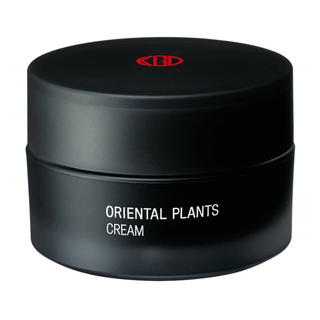
Works for
1 of 2 advertised claims delivered
Moisturizing24 ingredients credited for this claimGood support
“A rich, but non-greasy moisturizer that seals in hydration and protects skin throughout the day.”
This product can help improve hydration of the skin with the two types of ingredients.
The first type is called “humectants”:
these ingredients help attract water.
When humectants are on the surface of the skin, they “pull in” the moisture from the outside environment, or from
within deeper layers of the skin. The following ingredients in this product do the job:
glycerin, butylene glycol.
This product also contains ingredients called “occlusives”. They help reduce the speed with which our skin loses moisture to the outside environment. These ingredients also help soften the upper layer of the skin, so it feels less tight and nicer to the touch. The following ingredients in this product do the job: dimethicone, simmondsia chinensis seed oil.
Evens skin tone3 ingredients credited for this claimLimited support
“Infused with 36 botanical extracts, the Koh Gen Do Oriental Plants Cream delivers intense moisture and hydration to improve skin tone and texture.”
This product contains ingredients (glycyrrhiza glabra root extract) that could help reduce hyperpigmentation (for example, post-acne marks or age spots) in theory, but there is not enough evidence that they actually work.
Can it cause trouble?
Irritancy4 strong irritants: Retinyl palmitate, Rosa multiflora fruit extract + 2 more — patch-test recommendedHigh risk
Comedogenic2 ingredients rated 2 or more on the 0–5 pore-clogging scale2 flagged
User reviews
Be the first — your take helps the next person decide.
Ingredients
Filter by role to see what each ingredient is doing.
Water~45–55%
Butylene glycol~6–7.3%
- Irritation risk
- Low
Used to create a nice product texture and help delivery of other ingredients. Might be somewhat helpful in attracting water to the upper layer of the skin
More about Butylene glycolGlycerin~4.1–5%
- Irritation risk
- Low
One of the best moisturizing ingredients. Naturally present in skin. It attracts water to the upper layer of the skin working as a humectant
More about GlycerinOctyldodecyl myristate~3.1–3.8%
- Irritation risk
- Low
Helps soften the upper layer of the skin
More about Octyldodecyl myristateHydrogenated palm oil~2.3–2.8%
- Irritation risk
- Low
Helps soften the upper layer of the skin
More about Hydrogenated palm oilGlyceryl stearate~1.9–2.3%
- Irritation risk
- Low
An emollient that softens the skin and forms a protective layer on its surface. Helps water and oil mix together
More about Glyceryl stearateSimmondsia chinensis seed oil~1.6–2%
- Irritation risk
- Medium
Softens the upper layer of skin and helps restore the healthy skin barrier. Has shown to help calm down inflammation in skin. It is a stable oil, meaning that it retains its properties even when exposed to air.
More about Simmondsia chinensis seed oilPentylene glycol~1.3–1.6%
- Irritation risk
- Medium
Used to preserve products, dissolve other ingredients and create a nice product texture
More about Pentylene glycolCetyl palmitate~1.1–1.3%
- Irritation risk
- Low
An emollient that helps soften the skin and is used to improve product texture and stability
More about Cetyl palmitateHydrogenated lecithin~0.7–1.05%
- Irritation risk
- Low
Helps to retain moisture by creating a protective barrier on the skin. Rich in fatty acids. Improves product texture and helps with the penetration of other ingredients.
More about Hydrogenated lecithinBehenyl alcohol~0.6–0.9%
- Irritation risk
- Low
Non-drying alcohol that helps water and oil mix together. Also serves as an emollient
More about Behenyl alcoholTriethylhexanoin~0.4–0.65%
- Irritation risk
- Medium
Helps soften the upper layer of the skin
More about TriethylhexanoinDimethicone~0.45–0.7%
- Irritation risk
- Low
A silicone that helps to reduce water loss from the surface of the skin. Can temporarily "fill in" lines and wrinkles, absorb oil, and create a nice product finish
More about DimethiconePhenoxyethanol~0.3–0.6%
- Irritation risk
- Low
A preservative. It helps prevent bacterial growth in cosmetic products
More about PhenoxyethanolBatyl alcohol~0.3–0.6%
- Irritation risk
- Low
Non-drying alcohol. Used to stabilize other ingredients and is an emollient
More about Batyl alcoholStearic acid~0.45–0.7%
- Irritation risk
- Low
Helps oil and water mix together and works as an emollient
More about Stearic acidTocopherol~0.3–0.5%
- Irritation risk
- Low
Pure form of vitamin E. Can help moisturise and protect the skin from free radicals. Often used to help stabilise other ingredients or the formula itself
More about TocopherolButyrospermum parkii butter~0.3–0.55%
- Irritation risk
- Low
- Comedogenicity
- 3/5
A great moisturising ingredient that softens the skin and reduces water loss from its upper layer. It also can be helpful in protecting skin from free radicals
More about Butyrospermum parkii butterHydroxyethylcellulose~0.25–0.5%
- Irritation risk
- Low
Used to thicken product formulations and create gel-like textures
More about HydroxyethylcelluloseBetula platyphylla japonica juice~0.2–0.4%
- Irritation risk
- Low
Glycyrrhiza glabra root extract~0.15–0.3%
- Irritation risk
- Medium
A plant extract that can help lighten the skin and calm down inflammation. Might be helpful in neutralizing free radicals
More about Glycyrrhiza glabra root extractPerilla ocymoides seed oil~0.2–0.35%
- Irritation risk
- High
A plant extract that works as an emollient. It might help neutralize free radicals in skin but solid research is lacking. Contains some volatile compounds and could be irritating
More about Perilla ocymoides seed oilSaccharum officinarum extract~0.15–0.3%
- Irritation risk
- Low
Sugar extract that helps attract water to the upper layer of the skin
More about Saccharum officinarum extractSqualane~0.25–0.4%
- Irritation risk
- Low
An oil naturally present in skin. Works as an emollient to soften the skin and form a protective layer on its surface without a greasy feeling.
More about SqualaneTremella fuciformis polysaccharide~0.2–0.35%
- Irritation risk
- Low
Caprylic/capric triglyceride~0.25–0.45%
- Irritation risk
- Medium
A good mix of fatty acids that forms a protective layer on the skin. Improves the shelf life of products. Derived from coconut and glycerin
More about Caprylic/capric triglycerideLactobacillus/bean seed extract/sodium glutamate ferment filtrate~0.15–0.3%
- Irritation risk
- Low
Retinyl palmitate~0.15–0.25%
- Irritation risk
- High
Three steps removed from the active form of vitamin A - retinoic acid. To have an effect in the skin, it first needs to be converted twice to become the retinoic acid. This means it is less potent than retinol, but could also be less irritating. Once converted to the retinoic acid in the skin, it helps against all signs of aging, improves skin cell turnover and helps fight blemishes and clogged pores. However, in many cosmetic formulations, it is used in a concentration that is too low to have the full effect
More about Retinyl palmitateLecithin~0.25–0.4%
- Irritation risk
- Low
Used mostly for creating emulsions - helping oil and water mix together. Helps soften the upper layer of the skin
More about LecithinBifida ferment lysate~0.2–0.35%
- Irritation risk
- Low
Consists of remains of dead yeast bacteria cells. Helps to hydrate the skin and reduce irritation. Might has some anti-oxidant effect
More about Bifida ferment lysateZea mays oil~0.15–0.3%
- Irritation risk
- Low
- Comedogenicity
- 3/5
A good moisturizing plant oil. Due to the high linoleic acid content, it helps soften the upper layer of the skin, reduce water loss and support skin barrier function
More about Zea mays oilSophora angustifolia root extract~0.2–0.35%
- Irritation risk
- High
Rosa multiflora fruit extract~0.2–0.35%
Zizyphus jujuba fruit extract~0.2–0.35%
- Irritation risk
- Low
Paeonia albiflora root extract~0.2–0.4%
- Irritation risk
- Low
Rehmannia glutinosa root extract~0.2–0.4%
- Irritation risk
- Low
Pueraria mirifica root extract~0.2–0.4%
- Irritation risk
- Low
Paeonia suffruticosa root extract~0.25–0.4%
Angelica acutiloba root extract~0.2–0.4%
- Irritation risk
- Low
Citrus unshiu peel extract~0.25–0.4%
- Irritation risk
- High
Prunus yedoensis leaf extract~0.2–0.4%
- Irritation risk
- Low
Saxifraga sarmentosa extract~0.2–0.4%
- Irritation risk
- Low
Eriobotrya japonica leaf extract~0.2–0.35%
- Irritation risk
- Medium
Plant extract that might be somewhat helpful in neutralizing free radicals in skin
More about Eriobotrya japonica leaf extractLactobacillus/soybean extract ferment filtrate~0.2–0.4%
- Irritation risk
- Low
Lilium candidum bulb extract~0.2–0.4%
- Irritation risk
- Low
Artemisia capillaris flower extract~0.2–0.4%
- Irritation risk
- Low
Gardenia florida fruit extract~0.2–0.4%
- Irritation risk
- High
Used as a fragrance. Can be irritating.
More about Gardenia florida fruit extractHydrangea macrophylla leaf extract~0.2–0.4%
- Irritation risk
- Low
Hydrolyzed soybean extract~0.25–0.4%
- Irritation risk
- Low
Morus alba root extract~0.2–0.4%
- Irritation risk
- Low
Nephelium longana seed extract~0.25–0.4%
- Irritation risk
- Low
Rubus suavissimus leaf extract~0.2–0.4%
- Irritation risk
- Low
Saccharomyces/caragana sinica root ferment extract~0.2–0.4%
- Irritation risk
- Low
Scutellaria baicalensis root extract~0.2–0.35%
- Irritation risk
- High
A plant extract that might contain a compound baicalin that could be helpful in neutralizing free radicals and reducing inflammation in skin. The baicalin concentration in skincare products is often too low for an effective action. Can be used for its fragrant properties
More about Scutellaria baicalensis root extractCoix lacryma-jobi ma-yuen seed extract~0.2–0.4%
- Irritation risk
- Low
Aloe barbadensis leaf extract~0.25–0.5%
- Irritation risk
- Medium
Traditionally used to treat sunburns, dermatitis and inflammation, but evidence for its effectiveness is lacking. The extract can contain humectants that help attract water into the skin
More about Aloe barbadensis leaf extractAspergillus/lactobacillus/camellia sinensis leaf ferment extract~0.15–0.3%
- Irritation risk
- Low
Ganoderma lucidum stem extract~0.15–0.3%
- Irritation risk
- Low
Rhodomyrtus tomentosa fruit extract~0.15–0.3%
- Irritation risk
- Low
Hibiscus esculentus fruit extract~0.15–0.25%
- Irritation risk
- High
A plant extract that might help to neutralize free radicals. It can be irritating
More about Hibiscus esculentus fruit extractLuffa cylindrica fruit extract~0.1–0.2%
- Irritation risk
- Medium
A fruit extract that might be somewhat helpful in neutrlizing free radicals
More about Luffa cylindrica fruit extractNatto gum~0.1–0.2%
- Irritation risk
- Low
Ingredient list view
Water, Butylene glycol, Glycerin, Octyldodecyl myristate, Hydrogenated palm oil, Glyceryl stearate, Simmondsia chinensis seed oil, Pentylene glycol, Cetyl palmitate, Hydrogenated lecithin, Behenyl alcohol, Triethylhexanoin, Dimethicone, Phenoxyethanol, Batyl alcohol, Stearic acid, Tocopherol, Butyrospermum parkii butter, Hydroxyethylcellulose, Betula platyphylla japonica juice, Glycyrrhiza glabra root extract, Perilla ocymoides seed oil, Saccharum officinarum extract, Squalane, Tremella fuciformis polysaccharide, Caprylic/capric triglyceride, Lactobacillus/bean seed extract/sodium glutamate ferment filtrate, Retinyl palmitate, Lecithin, Bifida ferment lysate, Zea mays oil, Sophora angustifolia root extract, Rosa multiflora fruit extract, Zizyphus jujuba fruit extract, Paeonia albiflora root extract, Rehmannia glutinosa root extract, Pueraria mirifica root extract, Paeonia suffruticosa root extract, Angelica acutiloba root extract, Citrus unshiu peel extract, Prunus yedoensis leaf extract, Saxifraga sarmentosa extract, Eriobotrya japonica leaf extract, Lactobacillus/soybean extract ferment filtrate, Lilium candidum bulb extract, Artemisia capillaris flower extract, Gardenia florida fruit extract, Hydrangea macrophylla leaf extract, Hydrolyzed soybean extract, Morus alba root extract, Nephelium longana seed extract, Rubus suavissimus leaf extract, Saccharomyces/caragana sinica root ferment extract, Scutellaria baicalensis root extract, Coix lacryma-jobi ma-yuen seed extract, Aloe barbadensis leaf extract, Aspergillus/lactobacillus/camellia sinensis leaf ferment extract, Ganoderma lucidum stem extract, Rhodomyrtus tomentosa fruit extract, Hibiscus esculentus fruit extract, Luffa cylindrica fruit extract, Natto gum
Compare prices
Retailers ranked by price — lowest first.

Sources cited in this review
Every concentration estimate and effectiveness label is anchored to one of these 18 studies and safety reviews.
- 1
- 2
- 3
- 4Final Report on the Safety Assessment of Dimethicone Copolyoljournals.sagepub.com
- 5Vitamin E in dermatologyncbi.nlm.nih.gov
- 6Vitamin E and Skin Healthlpi.oregonstate.edu

Affiliate links · As an Amazon Associate, WIMJ earns from qualifying purchases.