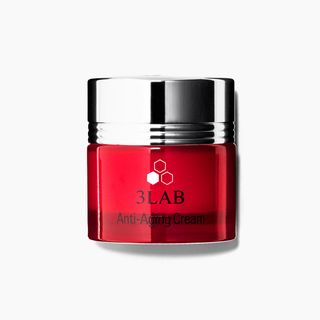
Works for
2 of 3 advertised claims delivered
Moisturizing31 ingredients credited for this claimStrong support
“keeps a proper moisture level for 24 hours”
This product can help improve hydration of the skin with the two types of ingredients.
The first type is called “humectants”:
these ingredients help attract water.
When humectants are on the surface of the skin, they “pull in” the moisture from the outside environment, or from
within deeper layers of the skin. The following ingredients in this product do the job:
dextran, glycerin.
This product also contains ingredients called “occlusives”. They help reduce the speed with which our skin loses moisture to the outside environment. These ingredients also help soften the upper layer of the skin, so it feels less tight and nicer to the touch. The following ingredients in this product do the job: beeswax, butyrospermum parkii butter.
The following ingredients in this product are especially good for supporting the skin barrier and helping with the hydration level: acetyl tetrapeptide-2, palmitoyl tripeptide-38, panthenol
Anti-aging8 ingredients credited for this claimStrong support
“improves and restores youthfulness and density of the skin”
This product can help reduce and prevent fine lines and wrinkles, improve skin elasticity and firmness because it contains adenosine.
These ingredients in the product can also be helpful, even though there is less evidence for their effectiveness: acetyl tetrapeptide-2, palmitoyl tripeptide-38.
Keep in mind that it typically takes at least 6 weeks to notice any results because the changes that are needed to improve fine lines and elasticity happen in the deeper layers of the skin. No topical anti-aging product can “erase” wrinkles or fully reverse signs of aging.
Evens skin tone2 ingredients credited for this claimWeak support
“reduce the appearance of brown spots and brighten the skin”
Effective ingredients missing or their concentration is too low
Anti-oxidationNot advertised by the brand · 8 ingredients credited for this claimModerate support
This product contains antioxidants (decarboxy carnosine hcl) that might be able to help neutralize free radicals in skin to lessen the damage it gets from the UV light (sun). There is not enough evidence to confirm their effectiveness in skin though.
Can it cause trouble?
Irritancy3 strong irritants: Citrus aurantium amara peel oil, Lavandula angustifolia flower + 1 more — patch-test recommendedHigh risk
Comedogenic1 ingredient rated 2 or more on the 0–5 pore-clogging scale1 flagged
User reviews
Be the first — your take helps the next person decide.
Ingredients
Filter by role to see what each ingredient is doing.
Water~45–55%
Glycerin~4.4–5.4%
- Irritation risk
- Low
One of the best moisturizing ingredients. Naturally present in skin. It attracts water to the upper layer of the skin working as a humectant
More about GlycerinButylene glycol~3.9–4.8%
- Irritation risk
- Low
Used to create a nice product texture and help delivery of other ingredients. Might be somewhat helpful in attracting water to the upper layer of the skin
More about Butylene glycolPentaerythrityl tetraethylhexanoate~3.1–3.8%
- Irritation risk
- Low
Used to create a nice product consistency while softening the upper layer of the skin
More about Pentaerythrityl tetraethylhexanoateSimmondsia chinensis seed oil~2.4–2.9%
- Irritation risk
- Medium
Softens the upper layer of skin and helps restore the healthy skin barrier. Has shown to help calm down inflammation in skin. It is a stable oil, meaning that it retains its properties even when exposed to air.
More about Simmondsia chinensis seed oilDimethicone~1.9–2.4%
- Irritation risk
- Low
A silicone that helps to reduce water loss from the surface of the skin. Can temporarily "fill in" lines and wrinkles, absorb oil, and create a nice product finish
More about DimethiconeButyrospermum parkii butter~1.6–2%
- Irritation risk
- Low
- Comedogenicity
- 3/5
A great moisturising ingredient that softens the skin and reduces water loss from its upper layer. It also can be helpful in protecting skin from free radicals
More about Butyrospermum parkii butterSorbitol~1.4–1.7%
- Irritation risk
- Low
Helps attract water to the upper layer of the skin and improves the product texture
More about SorbitolSqualane~1.2–1.5%
- Irritation risk
- Low
An oil naturally present in skin. Works as an emollient to soften the skin and form a protective layer on its surface without a greasy feeling.
More about SqualaneHydrogenated castor oil isostearate~0.8–1.2%
- Irritation risk
- Low
Mangifera indica seed butter~0.65–0.95%
- Irritation risk
- Low
Helps to soften the upper layer of the skin and might have some anti-oxidant effect
More about Mangifera indica seed butterPanthenol~0.55–0.8%
- Irritation risk
- Low
Helps attract water to the upper layer of the skin and can help improve skin barrier function
More about PanthenolTrehalose~0.5–0.7%
- Irritation risk
- Low
A sugar that attracts water to the upper layer of the skin
More about TrehalosePseudoalteromonas ferment extract~0.45–0.65%
- Irritation risk
- Low
Caprylic/capric triglyceride~0.45–0.7%
- Irritation risk
- Medium
A good mix of fatty acids that forms a protective layer on the skin. Improves the shelf life of products. Derived from coconut and glycerin
More about Caprylic/capric triglycerideOctyldodecyl myristate~0.45–0.65%
- Irritation risk
- Low
Helps soften the upper layer of the skin
More about Octyldodecyl myristateCetyl alcohol~0.45–0.7%
- Irritation risk
- Low
A non-drying alcohol that works to soften the skin and stabilize product formulations helping oil and water mix together
More about Cetyl alcoholPolysorbate 60~0.35–0.65%
Stearyl alcohol~0.35–0.6%
- Irritation risk
- Low
An emollient that helps soften the skin
More about Stearyl alcoholBis-behenyl/isostearyl/phytosteryl dimer dilinoleyl dimer dilinoleate~0.3–0.55%
- Irritation risk
- High
Capparis spinosa fruit extract~0.25–0.45%
- Irritation risk
- Low
Hydroxyethyl acrylate/sodium acryloyldimethyl taurate copolymer~0.25–0.45%
- Irritation risk
- Medium
A gelling agent that thickens the product consistency and leaves the skin with a velvety finish
More about Hydroxyethyl acrylate/sodium acryloyldimethyl taurate copolymerStearic acid~0.35–0.6%
- Irritation risk
- Low
Helps oil and water mix together and works as an emollient
More about Stearic acidBeeswax~0.3–0.5%
- Irritation risk
- Low
Forms a protective barrier that holds water and keeps dry skin hydrated. Keeps an emulsion from separating into its oil and liquid components, and increases the thickness of a product. Can be an allergen
More about BeeswaxDimethyl isosorbide~0.25–0.45%
- Irritation risk
- Low
Used to dissolve other ingredients in a product and can enhance their ability to penetrate the skin
More about Dimethyl isosorbideGlyceryl stearate~0.3–0.5%
- Irritation risk
- Low
An emollient that softens the skin and forms a protective layer on its surface. Helps water and oil mix together
More about Glyceryl stearateKappaphycus alvarezii extract~0.2–0.4%
- Irritation risk
- Low
A red algae extract that can help attract water to the upper layer of the skin and might have some antioxidant properties
More about Kappaphycus alvarezii extractPeg-100 stearate~0.3–0.55%
- Irritation risk
- Low
Helps oil and water mix togehter and creates a nice product texture
More about Peg-100 stearateC30-45 alkyldimethylsilyl polypropylsilsesquioxane~0.25–0.45%
- Irritation risk
- Low
Used to create a nice product texture
More about C30-45 alkyldimethylsilyl polypropylsilsesquioxaneSorbitan stearate~0.25–0.45%
Tocopherol~0.25–0.45%
- Irritation risk
- Low
Pure form of vitamin E. Can help moisturise and protect the skin from free radicals. Often used to help stabilise other ingredients or the formula itself
More about TocopherolPentaerythrityl tetra-di-t-butyl hydroxyhydrocinnamate~0.25–0.45%
- Irritation risk
- Low
Used to increase stability of product formulations
More about Pentaerythrityl tetra-di-t-butyl hydroxyhydrocinnamateSigesbeckia orientalis extract~0.2–0.4%
- Irritation risk
- Medium
A plant extract that can contain an anti-inflammatory compound
More about Sigesbeckia orientalis extractCitrus aurantium amara peel oil~0.2–0.4%
- Irritation risk
- High
Lactobacillus ferment~0.2–0.4%
- Irritation risk
- Low
A fermentation product created by bacteria Lactobacillus. The fermented product has anti-bacterial properties and might be helpful in calming down inflammation, but studies are lacking. Helps attract water to the upper layer of the skin. Can be used as a preservative
More about Lactobacillus fermentSodium citrate~0.25–0.4%
- Irritation risk
- Medium
Helps to control the skin's pH level. Maintains the skin's natural film of amino-lactic acids and oils. Helps to preserve products
More about Sodium citrateRabdosia rubescens extract~0.2–0.4%
- Irritation risk
- Low
Decarboxy carnosine hcl~0.2–0.4%
- Irritation risk
- Low
Might be able to protect the skin from free radicals, but further evidence of effectiveness is needed
More about Decarboxy carnosine hclDipotassium glycyrrhizate~0.2–0.4%
- Irritation risk
- Low
A salt derived from licorice. Works as an emollient to soften the upper layer of the skin and can help calm down inflammation. Might be helpful for skin lightening
More about Dipotassium glycyrrhizateSesamum indicum seed extract~0.2–0.35%
- Irritation risk
- Low
Plant oil that due to its high content of linoleic acid can help support skin's barrier function improving its hydration
More about Sesamum indicum seed extractMethylglucoside phosphate~0.2–0.4%
- Irritation risk
- Low
Sea water~0.2–0.4%
- Irritation risk
- Low
Dissolves other ingredients. It does not have additional skin benefits compared to plain water
More about Sea waterAdenosine~0.2–0.4%
- Irritation risk
- Low
Might help improve cell turnover and reduce inflammation in skin. One study shows that the ingredients might be able to help reduce dynamic wrinkles (for example, in the corners of the eyes or on the forehead)
More about AdenosineSorbitan isostearate~0.25–0.45%
- Irritation risk
- Low
Helps oil and water mix together
More about Sorbitan isostearateArachidyl alcohol~0.25–0.5%
- Irritation risk
- Low
Used to soften the upper layer of the skin and create a thicker product consistency
More about Arachidyl alcoholDisodium edta~0.2–0.4%
Caprylyl glycol~0.25–0.45%
- Irritation risk
- Medium
Helps preserve products and creates a nice product texture
More about Caprylyl glycolLavandula angustifolia flower~0.2–0.4%
Copper lysinate/prolinate~0.2–0.4%
- Irritation risk
- Low
Hydroxypropyl cyclodextrin~0.25–0.45%
- Irritation risk
- Medium
Used to stabilize product formulations and help soften the upper layer of the skin
More about Hydroxypropyl cyclodextrinSodium hyaluronate~0.2–0.35%
- Irritation risk
- Low
One of the best moisturizing ingredients. Attracts water into the upper layer of the skin
More about Sodium hyaluronateTetrahexyldecyl ascorbate~0.2–0.35%
- Irritation risk
- Medium
Being a lipid soluble form of vitamin C, it is more stable than ascorbic acid, but still degrades quickly and needs to be stabilized in a formulation with another ingredient. It is claimed to penetrate skin better than pure vitamin C and have the the similar benefits, but solid studies of its effectiveness are lacking. Is likely to require a higher concentration in a product than pure vitamin C to be effective. It might be able to help reduce pore clogging.
More about Tetrahexyldecyl ascorbatePalmitoyl tripeptide-38~0.2–0.35%
- Irritation risk
- Low
A type of peptide. Peptides are excellent moisturizers and might be able support collagen production reducing fine lines and wrinkles
More about Palmitoyl tripeptide-38Acetyl tetrapeptide-2~0.15–0.3%
- Irritation risk
- Low
A type of peptide. Peptides are excellent moisturizers and might be able support collagen production reducing fine lines and wrinkles
More about Acetyl tetrapeptide-2Dextran~0.15–0.25%
- Irritation risk
- Low
Helps attract water to the most upper layer of the skin. Derived from sugar
More about DextranPhenoxyethanol~0.1–0.2%
- Irritation risk
- Low
A preservative. It helps prevent bacterial growth in cosmetic products
More about PhenoxyethanolSodium salicylate~0.15–0.25%
- Irritation risk
- Medium
The salt of salicylic acid. Helps exfoliate the upper layer of the skin. Can also work to preserve cosmetic products
More about Sodium salicylateSodium benzoate~0.1–0.25%
Potassium sorbate~0.1–0.2%
Limonene~0.05–0.1%
- Irritation risk
- High
A common frangrance that can easily irritate skin, especially if exposed to air, light or heat
More about LimoneneIngredient list view
Water, Glycerin, Butylene glycol, Pentaerythrityl tetraethylhexanoate, Simmondsia chinensis seed oil, Dimethicone, Butyrospermum parkii butter, Sorbitol, Squalane, Hydrogenated castor oil isostearate, Mangifera indica seed butter, Panthenol, Trehalose, Pseudoalteromonas ferment extract, Caprylic/capric triglyceride, Octyldodecyl myristate, Cetyl alcohol, Polysorbate 60, Stearyl alcohol, Bis-behenyl/isostearyl/phytosteryl dimer dilinoleyl dimer dilinoleate, Capparis spinosa fruit extract, Hydroxyethyl acrylate/sodium acryloyldimethyl taurate copolymer, Stearic acid, Beeswax, Dimethyl isosorbide, Glyceryl stearate, Kappaphycus alvarezii extract, Peg-100 stearate, C30-45 alkyldimethylsilyl polypropylsilsesquioxane, Sorbitan stearate, Tocopherol, Pentaerythrityl tetra-di-t-butyl hydroxyhydrocinnamate, Sigesbeckia orientalis extract, Citrus aurantium amara peel oil, Lactobacillus ferment, Sodium citrate, Rabdosia rubescens extract, Decarboxy carnosine hcl, Dipotassium glycyrrhizate, Sesamum indicum seed extract, Methylglucoside phosphate, Sea water, Adenosine, Sorbitan isostearate, Arachidyl alcohol, Disodium edta, Caprylyl glycol, Lavandula angustifolia flower, Copper lysinate/prolinate, Hydroxypropyl cyclodextrin, Sodium hyaluronate, Tetrahexyldecyl ascorbate, Palmitoyl tripeptide-38, Acetyl tetrapeptide-2, Dextran, Phenoxyethanol, Sodium salicylate, Sodium benzoate, Potassium sorbate, Limonene
Compare prices
Retailers ranked by price — lowest first.

Affiliate links · prices updated regularly
Product summary
Based on the ingredient list, "3LAB - Anti-Aging Cream" can work well for skin moisturization. As we expect from a proper moisturizer, the formula includes a combo of effective humectants and emollients. These are the two different types of ingredients that are essential for improving the skin hydration and supporting a healthy skin barrier. Panthenol, glycerin, lactobacillus ferment, sodium hyaluronate and trehalose in this product (humectants) attract water molecules to the upper layer of the skin (the water comes from the outside air or from the deeper layers of the skin if the air is dry). Beeswax, butyrospermum parkii butter, dimethicone, simmondsia chinensis seed oil and squalane in this product help decrease the water evoporation from the skin, so that it stays hydrated for longer. These ingredients also soften the skin and take away the feeling of tightness and dryness.
Ingredient callouts
- This moistruizer also contains peptides (palmitoyl tripeptide-38 0.20% - 0.40% and acetyl tetrapeptide-2 0.20% - 0.40%). Peptides is a very big group of ingredients. They all consist of a different combination of amino-acids. Our skin produces peptides naturally. Some of them work as natural anti-biotics, promote wound-healing and production of collagen. The scientists are still studying how effective the topical application of peptides is, but it is very likely that peptides in skincare are helpful. They might be able to support skin barrier restoration and even have an anti-aging benefit. At the very least, they certainly help attract water to the skin and support the hydration in this way.
- Adenosine 0.20% - 0.40% in this moisturizer adds an anti-aging benefit. Adenosine is a compound that in involved in many biological processes inside the skin cells. According one high-quality clinical trial, topical adenosine in low concentrations can help improve "deep wrinkles" - the wrinkles that appear with age in places where our faces are most dynamic (for example, on the forehead or in the corners of the eyes).
Irritation risk
This formulation includes some common irritants, including ingredients that do not provide a benefit for the skin. We assess the overall irritancy of this moisturizer to be medium. For a detailed overview of all potential irritants: click here
You can see the detailed formula review with the breakdown of all actives in the product and the full ingredient list with estimated concentrations in the tables below.
Price
The product retails for 750.00$ in the United States, from 393.35£ up to 412.00£ in the United Kingdom, for 1185.00A$ in Australia and for 931.00CA$ in Canada.
For a detailed price comparison: click here.
Sources cited in this review
Every concentration estimate and effectiveness label is anchored to one of these 27 studies and safety reviews.
- 1
- 2Safety Assessment of Pentaerythrityl Tetraesters as Used in Cosmeticsjournals.sagepub.com
- 3
- 4Final Report on the Safety Assessment of Dimethicone Copolyoljournals.sagepub.com
- 5Extraction and Characteristics of Seed Kernel Oil from Mangopdfs.semanticscholar.org
- 6

Affiliate links · As an Amazon Associate, WIMJ earns from qualifying purchases.