Works for
3 of 3 advertised claims delivered
Moisturizing24 ingredients credited for this claimStrong support
“The all-in-one solution helps with natural collagen production, boosts hydration, helps to smooth fine lines and wrinkles, firms, and brightens an uneven skin tone, all in one powerful formula.”
This product can help improve hydration of the skin with the two types of ingredients.
The first type is called “humectants”:
these ingredients help attract water.
When humectants are on the surface of the skin, they “pull in” the moisture from the outside environment, or from
within deeper layers of the skin. The following ingredients in this product do the job:
biosaccharide gum-1, glycerin.
This product also contains ingredients called “occlusives”. They help reduce the speed with which our skin loses moisture to the outside environment. These ingredients also help soften the upper layer of the skin, so it feels less tight and nicer to the touch. The following ingredients in this product do the job: butyrospermum parkii butter, caprylic/capric triglyceride.
The following ingredients in this product are especially good for supporting the skin barrier and helping with the hydration level: acetyl tetrapeptide-2, niacinamide
Anti-aging7 ingredients credited for this claimStrong support
“Our advanced all-in-one anti-aging cream for face, eyes, and neck.”
This product can help reduce and prevent fine lines and wrinkles, improve skin elasticity and firmness because it contains retinol, niacinamide.
These ingredients in the product can also be helpful, even though there is less evidence for their effectiveness: acetyl tetrapeptide-2.
Keep in mind that it typically takes at least 6 weeks to notice any results because the changes that are needed to improve fine lines and elasticity happen in the deeper layers of the skin. No topical anti-aging product can “erase” wrinkles or fully reverse signs of aging.
Evens skin tone5 ingredients credited for this claimStrong support
“The all-in-one solution helps with natural collagen production, boosts hydration, helps to smooth fine lines and wrinkles, firms, and brightens an uneven skin tone, all in one powerful formula.”
This product can help reduce hypepigmentation and even out the skin tone because it contains the following effective ingredients: retinol.
In addition, this product contains niacinamide. This ingredient (ingredients) might help reduce hyperpigmentation, but the effect, if any, is likely to be small.
The following ingredient (ingredients) in this product might be helpful, but there is no evidence to confirm that it actually can help even out the skin tone: hexylresorcinol.
Keep in mind that you would need to apply any topical skincare targetted at hypigmentation consistently for a couple of months to get a result. No topical skincare product can help get rid of hyperpigmentation (including post-acne marks and age spots) instantly.
ExfoliationNot advertised by the brand · 1 ingredient credited for this claimStrong support
This product can help exfoliate the skin. In other words, it helps break down the bonds between dead cells on the surface of the skin and speed up the skin turnover. Skin often appears softer and brighter after exfoliation, but overdoing it can result in disrupted skin barrier. The following ingredient is doing the exfoliating job in this product: retinol.
Anti-oxidationNot advertised by the brand · 8 ingredients credited for this claimStrong support
This product contains antioxidants (retinol) that can help neutralize free radicals in skin. By doing so, they can lessen the damage the skin gets from the UV light (sun).
The following ingredients - hexylresorcinol also can have an antioxidant effect, but there is less evidence to confirm their effectiveness in skin.
Can it cause trouble?
Irritancy5 strong irritants: Calendula officinalis flower extract, Bellis perennis flower extract + 3 more — patch-test recommendedHigh risk
Comedogenic3 ingredients rated 2 or more on the 0–5 pore-clogging scale3 flagged
User reviews
Be the first — your take helps the next person decide.
Ingredients
Filter by role to see what each ingredient is doing.
Aloe barbadensis leaf juice~23–34%
- Irritation risk
- Medium
Traditionally used to treat sunburns, dermatitis and inflammation, but evidence for its effectiveness is lacking. The extract can contain humectants that help attract water into the skin
More about Aloe barbadensis leaf juiceCaprylic/capric triglyceride~4.8–7.1%
- Irritation risk
- Medium
A good mix of fatty acids that forms a protective layer on the skin. Improves the shelf life of products. Derived from coconut and glycerin
More about Caprylic/capric triglycerideGlycerin~4.2–6.3%
- Irritation risk
- Low
One of the best moisturizing ingredients. Naturally present in skin. It attracts water to the upper layer of the skin working as a humectant
More about GlycerinJojoba oil/macadamia seed oil esters~3.6–5.4%
- Irritation risk
- Low
Pentylene glycol~2.7–4.1%
- Irritation risk
- Medium
Used to preserve products, dissolve other ingredients and create a nice product texture
More about Pentylene glycolCoco-caprylate/caprate~1.9–2.9%
- Irritation risk
- Low
Helps to soften the upper layer of the skin without creating a greasy texture
More about Coco-caprylate/caprateDimethicone~1.5–2.3%
- Irritation risk
- Low
A silicone that helps to reduce water loss from the surface of the skin. Can temporarily "fill in" lines and wrinkles, absorb oil, and create a nice product finish
More about DimethiconeGlyceryl glucoside~1–1.5%
- Irritation risk
- Low
Can help to restore skin barrier function and soften its upper layer
More about Glyceryl glucosideNiacinamide~0.9–1.35%
- Irritation risk
- Low
Is proven to be effective in reducing blemishes, evening out skin tone and helping to improve lines and wrinkles. It helps the skin to repair sun damage, calm down inflammation and keep maintain good levels of moisture. The concentration of about 2% is effective for supporting the skin barrier and evening out the skin tone. Concentration of 4-6% is better for helping with acne and balancing the sebum production
More about NiacinamideButyrospermum parkii butter~0.85–1.3%
- Irritation risk
- Low
- Comedogenicity
- 3/5
A great moisturising ingredient that softens the skin and reduces water loss from its upper layer. It also can be helpful in protecting skin from free radicals
More about Butyrospermum parkii butterHydroxyethyl acrylate/sodium acryloyldimethyl taurate copolymer~0.45–1.1%
- Irritation risk
- Medium
A gelling agent that thickens the product consistency and leaves the skin with a velvety finish
More about Hydroxyethyl acrylate/sodium acryloyldimethyl taurate copolymerSodium hyaluronate~0.4–0.9%
- Irritation risk
- Low
One of the best moisturizing ingredients. Attracts water into the upper layer of the skin
More about Sodium hyaluronateAcetyl tetrapeptide-2~0.35–0.8%
- Irritation risk
- Low
A type of peptide. Peptides are excellent moisturizers and might be able support collagen production reducing fine lines and wrinkles
More about Acetyl tetrapeptide-2Squalane~0.4–0.9%
- Irritation risk
- Low
An oil naturally present in skin. Works as an emollient to soften the skin and form a protective layer on its surface without a greasy feeling.
More about SqualaneCeteareth-20~0.35–0.85%
- Irritation risk
- Medium
- Comedogenicity
- 2/5
Helps oil and water mix together. Has some emollient properties
More about Ceteareth-20Glyceryl stearate~0.35–0.8%
- Irritation risk
- Low
An emollient that softens the skin and forms a protective layer on its surface. Helps water and oil mix together
More about Glyceryl stearatePeg-100 stearate~0.35–0.8%
- Irritation risk
- Low
Helps oil and water mix togehter and creates a nice product texture
More about Peg-100 stearateGlyceryl linoleate~0.3–0.75%
- Irritation risk
- Medium
Helps oil and water mix together
More about Glyceryl linoleatePeg-20~0.15–0.6%
- Irritation risk
- Low
Butylene glycol~0.15–0.55%
- Irritation risk
- Low
Used to create a nice product texture and help delivery of other ingredients. Might be somewhat helpful in attracting water to the upper layer of the skin
More about Butylene glycolCetearyl alcohol~0.2–0.7%
- Irritation risk
- Low
- Comedogenicity
- 2/5
A non-drying alcohol. Works as an emollient. Helps water and oil mix together and creates a nice product texture
More about Cetearyl alcoholCetyl alcohol~0.15–0.7%
- Irritation risk
- Low
A non-drying alcohol that works to soften the skin and stabilize product formulations helping oil and water mix together
More about Cetyl alcoholPhytosteryl macadamiate~0.15–0.65%
- Irritation risk
- Low
Helps soften the upper layer of the skin
More about Phytosteryl macadamiatePhytosterols~0.15–0.65%
- Irritation risk
- Medium
Lipids that work as an emollient and can be helpful in repairing skin barrier function
More about PhytosterolsPotassium azeloyl diglycinate~0.1–0.5%
- Irritation risk
- Low
A derivative of azelaic acid. It is obtained by reacting the chloride of azelaic acid with two molecules of glycine (an amino acid) and potassium hydroxide. It is less studied than azelaic acid, but the available research suggests that it also can be effective in reducing skin redness, hyperpigmentation and blemishes. There are claims that it is more bio-available and more effective than azelaic acid, but no comparison study is available. Potassium azeloyl diglycinate is better soluble in water compared with azelaic acid. Because of this property, products with potassium azeloyl digclycinate can have a nicer texture
More about Potassium azeloyl diglycinateHexylresorcinol~0.1–0.5%
- Irritation risk
- Medium
Might be helpful in reducing hyperpigmentation and neutralizing free radicals in skin
More about HexylresorcinolPolysorbate 60~0.15–0.5%
Sucrose tristearate~0.15–0.65%
- Irritation risk
- Medium
Helps oil and water mix together
More about Sucrose tristearate3-o-ethyl ascorbic acid~0.1–0.45%
- Irritation risk
- High
A vitamin C derivative that is more stable but less potent than pure form of vitamin C. Can help neutralize free radicals and help reduce hyperpigmentation, but the required concentration is likely to be much higher than for the pure form of vitamin C, limiting the ingredient's effectiveness in products
More about 3-o-ethyl ascorbic acidCalendula officinalis flower extract~0.1–0.4%
- Irritation risk
- High
A plant extract that has some anti-oxidant and anti-bacterial properties. Can be irritating
More about Calendula officinalis flower extractHibiscus abelmoschus extract~0.1–0.45%
- Irritation risk
- Low
Bellis perennis flower extract~0.1–0.45%
- Irritation risk
- High
A plant extract. Used as a fragrance. Can be irritating
More about Bellis perennis flower extractArnica montana flower extract~0.1–0.4%
- Irritation risk
- High
A plant extract that can be irritating. It can have some anti-bacterial properties, but there are no evidence of a beneficial effect for skin
More about Arnica montana flower extractLeontopodium alpinum callus culture extract~0.15–0.65%
- Irritation risk
- Low
A plant stem cell extract that might help neutralize free radicals and reduce inflammation in skin
More about Leontopodium alpinum callus culture extractBrassica oleracea italica seed oil~0.15–0.6%
- Irritation risk
- Medium
A plant seed oil that consists mainly of erucic acid and used to help soften the upper layer of the skin. This fatty acid can enhance penetration of other ingredients into the skin but it is not a good moisturizer on its own
More about Brassica oleracea italica seed oilTocopheryl acetate~0.15–0.65%
- Irritation risk
- Medium
A more stable but less bio-available form of vitamin E compared to Tocopherol. Might help moisturize and protect the skin from free radicals, but mostly used in low concentrations to stabilize other ingredients.
More about Tocopheryl acetateTocopherol~0.15–0.6%
- Irritation risk
- Low
Pure form of vitamin E. Can help moisturise and protect the skin from free radicals. Often used to help stabilise other ingredients or the formula itself
More about TocopherolSucrose palmitate~0.3–0.7%
Retinol~0.15–0.5%
- Irritation risk
- High
Two steps removed from the active form of vitamin A - retinoic acid. Once converted to the retinoic acid in the skin, retinol is proven to be effective against all signs of aging. It improves skin cell turnover, helps fight blemishes and clogged pores, can regulate excess oil production and even skin tone. It can, however, be quite irritating
More about RetinolBiosaccharide gum-1~0.15–0.55%
- Irritation risk
- Low
Helps attract water to the upper layer of the skin and is claimed to provide a longer-lasting hydration because of its ability to create a water-binding film on the surface of the skin
More about Biosaccharide gum-1Xanthan gum~0.15–0.55%
- Irritation risk
- Low
Used to create a thicker product consistency
More about Xanthan gumCaprylyl glycol~0.15–0.6%
- Irritation risk
- Medium
Helps preserve products and creates a nice product texture
More about Caprylyl glycolHexylene glycol~0.1–0.4%
- Irritation risk
- Medium
Helps create a more spreadable product texture
More about Hexylene glycolPhenoxyethanol~0.1–0.45%
- Irritation risk
- Low
A preservative. It helps prevent bacterial growth in cosmetic products
More about PhenoxyethanolEthylhexylglycerin~0.1–0.4%
Sodium hydroxide~0.1–0.35%
Parfum~0.05–0.3%
- Irritation risk
- High
An aromatic blend of unspecified and possibly irritating ingredients
More about ParfumIngredient list view
Aloe barbadensis leaf juice, Caprylic/capric triglyceride, Glycerin, Jojoba oil/macadamia seed oil esters, Pentylene glycol, Coco-caprylate/caprate, Dimethicone, Glyceryl glucoside, Niacinamide, Butyrospermum parkii butter, Hydroxyethyl acrylate/sodium acryloyldimethyl taurate copolymer, Sodium hyaluronate, Acetyl tetrapeptide-2, Squalane, Ceteareth-20, Glyceryl stearate, Peg-100 stearate, Glyceryl linoleate, Peg-20, Butylene glycol, Cetearyl alcohol, Cetyl alcohol, Phytosteryl macadamiate, Phytosterols, Potassium azeloyl diglycinate, Hexylresorcinol, Polysorbate 60, Sucrose tristearate, 3-o-ethyl ascorbic acid, Calendula officinalis flower extract, Hibiscus abelmoschus extract, Bellis perennis flower extract, Arnica montana flower extract, Leontopodium alpinum callus culture extract, Brassica oleracea italica seed oil, Tocopheryl acetate, Tocopherol, Sucrose palmitate, Retinol, Biosaccharide gum-1, Xanthan gum, Caprylyl glycol, Hexylene glycol, Phenoxyethanol, Ethylhexylglycerin, Sodium hydroxide, Parfum
Compare prices
Retailers ranked by price — lowest first.
Worth comparing, line by line.
Match % combines shared ingredients, the first five ingredients, shared actives and hero ingredients, irritancy (lower counts in the alternative's favour), texture and body area. Only products in the same routine step are compared.
| Karam MDIlluminateYOUR PRODUCT | SkinMedicaEven & Correct Dark Spot Cream | DepologyAnti-Aging Retinol Night Cream | numbuzinNo.9 NAD+ Retinol Volumetox Eye Cream 1ml (Mini Trial Size) | |
|---|---|---|---|---|
| Match | — | 82% | 78% | 77% |
| Price | — | $88.00 | — | $6.54 |
| Shared key ingredients | — | 7 of 15 | 6 of 15 | 8 of 15 |
| Key difference | — | Glycolic Acid | Vitamin E | Acetyl Dipeptide-1 Cetyl Ester |
| Irritancy | High | Medium | Medium | High |
| Drying alcohol | — | — | — | — |
| View product | Shop | Shop | Shop |



Product summary
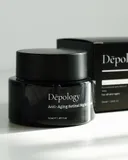
"Karam MD - Illuminate" is effective for: Anti-aging, Evens skin tone, Exfoliation, Moisturizing and Anti-blemish
Ingredient callouts
- this product contains an effective form of Retinoids (vitamin A): retinol 0.15% - 0.50%. Retinoids are potent multitasking actives. They work to improve and prevent early signs of aging, reduce hyperpigmentation (age spots and post-acne marks), and prevent inflamed blemishes and clogged pores. The downside of Retinoids is that they can be irritating. If you are not already using a Retinoid in your routine, it is best to start slowly and apply the Retinoid product only a few times per week. If your skin tolerates it well, you can gradually increase the frequency to daily.
- Peptides (acetyl tetrapeptide-2 0.35% - 0.80%). There are many different kind of Peptides and they are naturally present in our skin. They all are a combination of aminoacids. Some of them work as natural antibiotics, promote wound-healing and production of collagen. The science is still not settled on how effective Peptides are in skincare, but it is very likely that they have a benefit. They might help restore the skin barrier and fight the signs of aging. At the very least, Peptides work as humectants: they attract water to the upper layer of the skin and improve its hydration.
- Humectants (biosaccharide gum-1 0.15% - 0.55%, sodium hyaluronate 0.40% - 0.90%, glyceryl glucoside 1.00% - 1.50% and glycerin 4.20% - 6.30%). These ingredients help attract water to the upper layer of the skin and improve the skin hydration.
Sources cited in this review
Every concentration estimate and effectiveness label is anchored to one of these 31 studies and safety reviews.
- 1
- 2Safety Assessment of Alkyl Esters as Used in Cosmeticscir-safety.org
- 3
- 4Final Report on the Safety Assessment of Dimethicone Copolyoljournals.sagepub.com
- 5
- 6

Affiliate links · As an Amazon Associate, WIMJ earns from qualifying purchases.