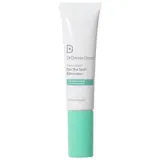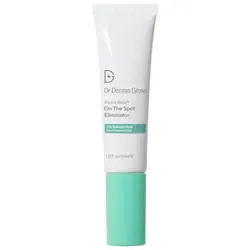
Dr Dennis Gross Alpha Beta On The Spot Eliminator 2% Salicylic Acid Acne Treatment Gel

Dr Dennis Gross Alpha Beta On The Spot Eliminator 2% Salicylic Acid Acne Treatment Gel

Efficacy100/100IrritancyHigh

Works for

Exfoliation
Salicylic acid, Gluconolactone + 3 more
Works well
What the product description says
“- 2% Salicylic Acid: Exfoliates the pore lining to reduce the number of blockages.”
Source: Sephora

This product can help exfoliate the skin. In other words, it helps break down the bonds between dead cells on the surface of the skin and speed up the skin turnover. Skin often appears softer and brighter after exfoliation, but overdoing it can result in disrupted skin barrier. The following ingredient is doing the exfoliating job in this product: gluconolactone, glycolic acid, retinol, salicylic acid.

Salicylic acidKey activeEffect: HighUsed for skin exfoliation. It has an anti-inflammatory and anti-bacterial effect, helps to unclog pores, prevent blemishes and speed up healing of the existing ones. Sometimes referred to as a BHA (beta-hydroxy acid)2%
GluconolactoneKey activeEffect: HighA polyhydroxy acid (PHA) that helps shed the dead cells from the skin surface revealing smoother skin. Is believed to be genter than AHAs. It helps attract water to the upper layer of the skin and can stimulate production of skin's own hyaluronic acid resulting in improved hydration levels. It has been shown to be helpful against acne and clogged pores if used consistently (e.g over a period of 12 weeks) in high enough concentration. It can help reduce fine lines and wrinkles and improve skin tone with long-term application. Can help neutralize free radicals~1–1.2%
Glycolic acidKey activeEffect: HighAn alpha-hydroxy acid (AHA) that helps to remove the dead skin cells on the surface of the skin reveling a more even, smoother complexation. It is also able to stimulate collagen production with long-term use. Could help to reduce pore congestion. It can be irritating to the skin. Apply sunscreen daily if using products with glycolic acid~0.75–1.1%
RetinolKey activeEffect: HighTwo steps removed from the active form of vitamin A - retinoic acid. Once converted to the retinoic acid in the skin, retinol is proven to be effective against all signs of aging. It improves skin cell turnover, helps fight blemishes and clogged pores, can regulate excess oil production and even skin tone. It can, however, be quite irritating~0.5–0.75%
AllantoinEffect: Low, below effective doseHelps calm down inflammation in skin and can help reduce itching. Helps to repair the skin barrier and keep skin hydrated~0.4–0.6%
Moisturizing
Sh-oligopeptide-1, Glycerin + 22 more
Works well
What the product description says
“This ultra-hydrating gel calms irritation and redness with ingredients like green tea, bisabolol, mushroom extract, and centella”
Source: Sephora

This product contains good ingredients to attract water to the upper layer of the skin. These ingredients are called "humectants": glycerin, mannitol.

When humectants are on the surface of the skin, they “pull in” the moisture from the outside environment, or from within deeper layers of the skin. If the air is dry, humectants can speed up the moisture loss from the skin. This is why it is a good idea to use another product on top of this one to help "seal in" the moisture (look for ingredients like dimethicone, squalane, oils and butters).

The following ingredients in this product are especially good for supporting the skin barrier and helping with the hydration level: sh-oligopeptide-1

Sh-oligopeptide-1HeroEffect: HighA type of peptide. Peptides are excellent moisturizers and might be able support collagen production reducing fine lines and wrinkles~0.5–0.75%
GlycerinKey active· HumectantEffect: HighOne of the best moisturizing ingredients. Naturally present in skin. It attracts water to the upper layer of the skin working as a humectant~1.9–2.3%
Carnitine hclKey active· HumectantEffect: MediumMight be helpful in decreasing sebum production making the skin less oily. Is claimed to be able to support ceramide production in skin that leads to better hydration, but evidence is lacking. Is able to attract water to the upper layer of the skin~1.2–1.4%
GluconolactoneKey activeEffect: HighA polyhydroxy acid (PHA) that helps shed the dead cells from the skin surface revealing smoother skin. Is believed to be genter than AHAs. It helps attract water to the upper layer of the skin and can stimulate production of skin's own hyaluronic acid resulting in improved hydration levels. It has been shown to be helpful against acne and clogged pores if used consistently (e.g over a period of 12 weeks) in high enough concentration. It can help reduce fine lines and wrinkles and improve skin tone with long-term application. Can help neutralize free radicals~1–1.2%
Ganoderma lucidum extractKey activeEffect: HighHelps attract water to the upper layer of the skin~0.65–1%
GlutathioneKey activeEffect: HighA peptide that can help neutralize free radicals in skin and reduce melanin production resulting in skin lightening effect and reduction in hyperpigmentation. It can also help attract moisture to the upper layer of the skin~0.6–0.85%
Centella asiatica extractKey activeEffect: HighA plant extract that has been shown to be able to reduce inflammation in skin, support restoration of skin barrier function, as well as support collagen production. Contains active compounds called centelloids: asiaticoside, madecasosside, asiatic acid and madecassic acid. Might be helpful in preventing stretch marks. It can be itself be irritating though.~0.55–0.85%
PhospholipidsKey activeEffect: MediumEmollients that are naturaly present in skin. In addition, they help water and oil mix together in the product~0.55–0.8%
MannitolKey active· HumectantEffect: HighHelps to attract water to the upper layer of the skin~0.5–0.75%
Saccharide isomerateKey active· HumectantEffect: HighHelps attract water to the upper layer of the skin~0.5–0.75%
Sodium hyaluronateKey active· HumectantEffect: HighOne of the best moisturizing ingredients. Attracts water into the upper layer of the skin~0.5–0.75%
Zinc pcaKey active· HumectantEffect: HighA compound that combines zinc with a hydrating ingredient PCA. Might to be helpful against acne and clogged pores. Can help calm down inflammation in skin. Could be helpful in reducing the formation of free radicals in skin. Might help to reduce fine lines in wrinkles, but solid evidence is missing~0.45–0.7%
Vitis vinifera fruit extractKey activeEffect: MediumA plant extract that helps attract water to the upper layer of the skin. It might be helpful in neutralizing free radicals in skin, but is less potent than the extract from the seeds~0.2–0.35%
Butylene glycol· HumectantEffect: LowUsed to create a nice product texture and help delivery of other ingredients. Might be somewhat helpful in attracting water to the upper layer of the skin~2.6–3.2%
Stearic acid· EmollientEffect: LowHelps oil and water mix together and works as an emollient~0.65–1%
Glyceryl stearate· EmollientEffect: LowAn emollient that softens the skin and forms a protective layer on its surface. Helps water and oil mix together~0.6–0.9%
Camellia sinensis leaf extractEffect: LowCan contain potent anti-oxidant compounds (abbreviated ECG, GCG, EGC, and EGCG) that might help protect the skin from free radicals. Can help calm down inflammation and has some anti-bacterial properties. Unfortunately, these antioxidants are unstable and lose their effectiveness very quickly in products. The concentration of the antioxidant compounds in the extract also tends to be low to be effective in topical formulation~0.5–0.8%
Potassium gluconateEffect: LowA mineral that might be able to support skin hydration, but convincing research on its effectiveness in topical skincare is lacking~0.45–0.65%
Calcium gluconate· HumectantEffect: LowHelps attract water to the upper layer of the skin and helps to improve appearance of the product~0.45–0.7%
Aloe barbadensis leaf juiceEffect: Low, below effective doseTraditionally used to treat sunburns, dermatitis and inflammation, but evidence for its effectiveness is lacking. The extract can contain humectants that help attract water into the skin~0.5–0.8%
NiacinamideUnder-dosedIs proven to be effective in reducing blemishes, evening out skin tone and helping to improve lines and wrinkles. It helps the skin to repair sun damage, calm down inflammation and keep maintain good levels of moisture. The concentration of about 2% is effective for supporting the skin barrier and evening out the skin tone. Concentration of 4-6% is better for helping with acne and balancing the sebum production~0.55–0.8%
Potassium azeloyl diglycinateUnder-dosedA derivative of azelaic acid. It is obtained by reacting the chloride of azelaic acid with two molecules of glycine (an amino acid) and potassium hydroxide. It is less studied than azelaic acid, but the available research suggests that it also can be effective in reducing skin redness, hyperpigmentation and blemishes. There are claims that it is more bio-available and more effective than azelaic acid, but no comparison study is available. Potassium azeloyl diglycinate is better soluble in water compared with azelaic acid. Because of this property, products with potassium azeloyl digclycinate can have a nicer texture~0.55–0.85%
AllantoinUnder-dosedHelps calm down inflammation in skin and can help reduce itching. Helps to repair the skin barrier and keep skin hydrated~0.4–0.6%
Caprylic/capric triglycerideUnder-dosedA good mix of fatty acids that forms a protective layer on the skin. Improves the shelf life of products. Derived from coconut and glycerin~0.35–0.65%
Anti-blemish
Salicylic acid, Retinol + 10 more
Works well
What the product description says
“What it is: A fast-acting spot treatment that reduces the look of blemishes while soothing redness and irritation.”
Source: Sephora

This product can help reduce breakouts and clogged pores because it contains the following ingredient: retinol, salicylic acid. These ingredients is used for treating acne and can have a noticeable effect.

The following ingredient (ingredients) in this product might be helpful, but there is no evidence to confirm that it actually works: gluconolactone, glycolic acid, zinc pca

Salicylic acidHeroEffect: HighUsed for skin exfoliation. It has an anti-inflammatory and anti-bacterial effect, helps to unclog pores, prevent blemishes and speed up healing of the existing ones. Sometimes referred to as a BHA (beta-hydroxy acid)2%
RetinolHeroEffect: HighTwo steps removed from the active form of vitamin A - retinoic acid. Once converted to the retinoic acid in the skin, retinol is proven to be effective against all signs of aging. It improves skin cell turnover, helps fight blemishes and clogged pores, can regulate excess oil production and even skin tone. It can, however, be quite irritating~0.5–0.75%
GluconolactoneKey activeEffect: MediumA polyhydroxy acid (PHA) that helps shed the dead cells from the skin surface revealing smoother skin. Is believed to be genter than AHAs. It helps attract water to the upper layer of the skin and can stimulate production of skin's own hyaluronic acid resulting in improved hydration levels. It has been shown to be helpful against acne and clogged pores if used consistently (e.g over a period of 12 weeks) in high enough concentration. It can help reduce fine lines and wrinkles and improve skin tone with long-term application. Can help neutralize free radicals~1–1.2%
Glycolic acidKey activeEffect: MediumAn alpha-hydroxy acid (AHA) that helps to remove the dead skin cells on the surface of the skin reveling a more even, smoother complexation. It is also able to stimulate collagen production with long-term use. Could help to reduce pore congestion. It can be irritating to the skin. Apply sunscreen daily if using products with glycolic acid~0.75–1.1%
Zinc pcaKey activeEffect: MediumA compound that combines zinc with a hydrating ingredient PCA. Might to be helpful against acne and clogged pores. Can help calm down inflammation in skin. Could be helpful in reducing the formation of free radicals in skin. Might help to reduce fine lines in wrinkles, but solid evidence is missing~0.45–0.7%
Carnitine hclEffect: LowMight be helpful in decreasing sebum production making the skin less oily. Is claimed to be able to support ceramide production in skin that leads to better hydration, but evidence is lacking. Is able to attract water to the upper layer of the skin~1.2–1.4%
Centella asiatica extractEffect: LowA plant extract that has been shown to be able to reduce inflammation in skin, support restoration of skin barrier function, as well as support collagen production. Contains active compounds called centelloids: asiaticoside, madecasosside, asiatic acid and madecassic acid. Might be helpful in preventing stretch marks. It can be itself be irritating though.~0.55–0.85%
Camellia sinensis leaf extractEffect: LowCan contain potent anti-oxidant compounds (abbreviated ECG, GCG, EGC, and EGCG) that might help protect the skin from free radicals. Can help calm down inflammation and has some anti-bacterial properties. Unfortunately, these antioxidants are unstable and lose their effectiveness very quickly in products. The concentration of the antioxidant compounds in the extract also tends to be low to be effective in topical formulation~0.5–0.8%
Aloe barbadensis leaf juiceEffect: Low, below effective doseTraditionally used to treat sunburns, dermatitis and inflammation, but evidence for its effectiveness is lacking. The extract can contain humectants that help attract water into the skin~0.5–0.8%
AllantoinEffect: Low, below effective doseHelps calm down inflammation in skin and can help reduce itching. Helps to repair the skin barrier and keep skin hydrated~0.4–0.6%
Potassium azeloyl diglycinateUnder-dosedA derivative of azelaic acid. It is obtained by reacting the chloride of azelaic acid with two molecules of glycine (an amino acid) and potassium hydroxide. It is less studied than azelaic acid, but the available research suggests that it also can be effective in reducing skin redness, hyperpigmentation and blemishes. There are claims that it is more bio-available and more effective than azelaic acid, but no comparison study is available. Potassium azeloyl diglycinate is better soluble in water compared with azelaic acid. Because of this property, products with potassium azeloyl digclycinate can have a nicer texture~0.55–0.85%
NiacinamideUnder-dosedIs proven to be effective in reducing blemishes, evening out skin tone and helping to improve lines and wrinkles. It helps the skin to repair sun damage, calm down inflammation and keep maintain good levels of moisture. The concentration of about 2% is effective for supporting the skin barrier and evening out the skin tone. Concentration of 4-6% is better for helping with acne and balancing the sebum production~0.55–0.8%
Anti-oxidation
Side benefit · Gluconolactone, Vitis vinifera seed extract + 9 more
Works well

This product contains antioxidants (ferulic acid, glutathione, retinol, vitis vinifera seed extract) that can help neutralize free radicals in skin. By doing so, they can lessen the damage the skin gets from the UV light (sun).

The following ingredients - camellia sinensis leaf extract, centella asiatica extract, gluconolactone also can have an antioxidant effect, but there is less evidence to confirm their effectiveness in skin.

GluconolactoneKey activeEffect: MediumA polyhydroxy acid (PHA) that helps shed the dead cells from the skin surface revealing smoother skin. Is believed to be genter than AHAs. It helps attract water to the upper layer of the skin and can stimulate production of skin's own hyaluronic acid resulting in improved hydration levels. It has been shown to be helpful against acne and clogged pores if used consistently (e.g over a period of 12 weeks) in high enough concentration. It can help reduce fine lines and wrinkles and improve skin tone with long-term application. Can help neutralize free radicals~1–1.2%
Vitis vinifera seed extractKey activeEffect: HighA plant extract that contains resveratrol and other anti-oxidant compounds that can help neutralize free radicals, reduce inflammation in skin and even out its tone. Can be also used to stabilize the product formulation~0.6–0.95%
GlutathioneKey activeEffect: HighA peptide that can help neutralize free radicals in skin and reduce melanin production resulting in skin lightening effect and reduction in hyperpigmentation. It can also help attract moisture to the upper layer of the skin~0.6–0.85%
Centella asiatica extractKey activeEffect: MediumA plant extract that has been shown to be able to reduce inflammation in skin, support restoration of skin barrier function, as well as support collagen production. Contains active compounds called centelloids: asiaticoside, madecasosside, asiatic acid and madecassic acid. Might be helpful in preventing stretch marks. It can be itself be irritating though.~0.55–0.85%
Ferulic acidKey activeEffect: HighA potent anti-oxidant that has been shown to be effective in neutralizing free radicals in skin. There seem to have a synergetic effect of ferulic acid, vitamin E and C, meaning that when the ingredients are used together, they enhance each other's ability protect the skin against free radicals. Ferulic acid also helps to stabilize other ingredients - including vitamins C and E. It can help to even out the skin tone. Ferulic acid is approved for use as a sunscreen ingredient in Japan in concentrations up to 10%~0.5–0.75%
RetinolKey activeEffect: HighTwo steps removed from the active form of vitamin A - retinoic acid. Once converted to the retinoic acid in the skin, retinol is proven to be effective against all signs of aging. It improves skin cell turnover, helps fight blemishes and clogged pores, can regulate excess oil production and even skin tone. It can, however, be quite irritating~0.5–0.75%
Camellia sinensis leaf extractKey activeEffect: MediumCan contain potent anti-oxidant compounds (abbreviated ECG, GCG, EGC, and EGCG) that might help protect the skin from free radicals. Can help calm down inflammation and has some anti-bacterial properties. Unfortunately, these antioxidants are unstable and lose their effectiveness very quickly in products. The concentration of the antioxidant compounds in the extract also tends to be low to be effective in topical formulation~0.5–0.8%
Vitex agnus-castus extractEffect: LowA plant extract that might have some antioxidant properties but evidence of effectiveness in skin is missing~0.65–1%
Zinc pcaEffect: LowA compound that combines zinc with a hydrating ingredient PCA. Might to be helpful against acne and clogged pores. Can help calm down inflammation in skin. Could be helpful in reducing the formation of free radicals in skin. Might help to reduce fine lines in wrinkles, but solid evidence is missing~0.45–0.7%
Vitis vinifera fruit extractEffect: LowA plant extract that helps attract water to the upper layer of the skin. It might be helpful in neutralizing free radicals in skin, but is less potent than the extract from the seeds~0.2–0.35%
BisabololEffect: Low, below effective doseAn active component of chamomile plant that historically has been used to calm down irritated skin. A recent study shows that bisabolol indeed can have some anti-inflammatory effect on skin, even though conclusive data is lacking. Bisabolol has a sweet floral scent and can be added to products for its aromatic properties~0.6–0.9%
Anti-aging
Side benefit · Retinol, Gluconolactone + 9 more
Works well

This product can help reduce and prevent fine lines and wrinkles, improve skin elasticity and firmness because it contains retinol, gluconolactone, glycolic acid.

These ingredients in the product can also be helpful, even though there is less evidence for their effectiveness: centella asiatica extract, ferulic acid, sh-oligopeptide-1, vitis vinifera seed extract.

Keep in mind that it typically takes at least 6 weeks to notice any results because the changes that are needed to improve fine lines and elasticity happen in the deeper layers of the skin. No topical anti-aging product can “erase” wrinkles or fully reverse signs of aging.

RetinolHeroEffect: HighTwo steps removed from the active form of vitamin A - retinoic acid. Once converted to the retinoic acid in the skin, retinol is proven to be effective against all signs of aging. It improves skin cell turnover, helps fight blemishes and clogged pores, can regulate excess oil production and even skin tone. It can, however, be quite irritating~0.5–0.75%
GluconolactoneKey activeEffect: HighA polyhydroxy acid (PHA) that helps shed the dead cells from the skin surface revealing smoother skin. Is believed to be genter than AHAs. It helps attract water to the upper layer of the skin and can stimulate production of skin's own hyaluronic acid resulting in improved hydration levels. It has been shown to be helpful against acne and clogged pores if used consistently (e.g over a period of 12 weeks) in high enough concentration. It can help reduce fine lines and wrinkles and improve skin tone with long-term application. Can help neutralize free radicals~1–1.2%
Glycolic acidKey activeEffect: HighAn alpha-hydroxy acid (AHA) that helps to remove the dead skin cells on the surface of the skin reveling a more even, smoother complexation. It is also able to stimulate collagen production with long-term use. Could help to reduce pore congestion. It can be irritating to the skin. Apply sunscreen daily if using products with glycolic acid~0.75–1.1%
Vitis vinifera seed extractKey activeEffect: MediumA plant extract that contains resveratrol and other anti-oxidant compounds that can help neutralize free radicals, reduce inflammation in skin and even out its tone. Can be also used to stabilize the product formulation~0.6–0.95%
Centella asiatica extractKey activeEffect: MediumA plant extract that has been shown to be able to reduce inflammation in skin, support restoration of skin barrier function, as well as support collagen production. Contains active compounds called centelloids: asiaticoside, madecasosside, asiatic acid and madecassic acid. Might be helpful in preventing stretch marks. It can be itself be irritating though.~0.55–0.85%
Sh-oligopeptide-1Key activeEffect: MediumA type of peptide. Peptides are excellent moisturizers and might be able support collagen production reducing fine lines and wrinkles~0.5–0.75%
Ferulic acidKey activeEffect: MediumA potent anti-oxidant that has been shown to be effective in neutralizing free radicals in skin. There seem to have a synergetic effect of ferulic acid, vitamin E and C, meaning that when the ingredients are used together, they enhance each other's ability protect the skin against free radicals. Ferulic acid also helps to stabilize other ingredients - including vitamins C and E. It can help to even out the skin tone. Ferulic acid is approved for use as a sunscreen ingredient in Japan in concentrations up to 10%~0.5–0.75%
Camellia sinensis leaf extractEffect: LowCan contain potent anti-oxidant compounds (abbreviated ECG, GCG, EGC, and EGCG) that might help protect the skin from free radicals. Can help calm down inflammation and has some anti-bacterial properties. Unfortunately, these antioxidants are unstable and lose their effectiveness very quickly in products. The concentration of the antioxidant compounds in the extract also tends to be low to be effective in topical formulation~0.5–0.8%
Zinc pcaEffect: LowA compound that combines zinc with a hydrating ingredient PCA. Might to be helpful against acne and clogged pores. Can help calm down inflammation in skin. Could be helpful in reducing the formation of free radicals in skin. Might help to reduce fine lines in wrinkles, but solid evidence is missing~0.45–0.7%
Aloe barbadensis leaf juiceEffect: Low, below effective doseTraditionally used to treat sunburns, dermatitis and inflammation, but evidence for its effectiveness is lacking. The extract can contain humectants that help attract water into the skin~0.5–0.8%
NiacinamideUnder-dosedIs proven to be effective in reducing blemishes, evening out skin tone and helping to improve lines and wrinkles. It helps the skin to repair sun damage, calm down inflammation and keep maintain good levels of moisture. The concentration of about 2% is effective for supporting the skin barrier and evening out the skin tone. Concentration of 4-6% is better for helping with acne and balancing the sebum production~0.55–0.8%
Evens skin tone
Side benefit · Retinol, Gluconolactone + 7 more
Works well

This product can help reduce hypepigmentation and even out the skin tone because it contains the following effective ingredients: retinol.

In addition, this product contains gluconolactone, glutathione, glycolic acid, salicylic acid. This ingredient (ingredients) might help reduce hyperpigmentation, but the effect, if any, is likely to be small.

The following ingredient (ingredients) in this product might be helpful, but there is no evidence to confirm that it actually can help even out the skin tone: ferulic acid.

Keep in mind that you would need to apply any topical skincare targetted at hypigmentation consistently for a couple of months to get a result. No topical skincare product can help get rid of hyperpigmentation (including post-acne marks and age spots) instantly.

RetinolHeroEffect: HighTwo steps removed from the active form of vitamin A - retinoic acid. Once converted to the retinoic acid in the skin, retinol is proven to be effective against all signs of aging. It improves skin cell turnover, helps fight blemishes and clogged pores, can regulate excess oil production and even skin tone. It can, however, be quite irritating~0.5–0.75%
GluconolactoneKey activeEffect: HighA polyhydroxy acid (PHA) that helps shed the dead cells from the skin surface revealing smoother skin. Is believed to be genter than AHAs. It helps attract water to the upper layer of the skin and can stimulate production of skin's own hyaluronic acid resulting in improved hydration levels. It has been shown to be helpful against acne and clogged pores if used consistently (e.g over a period of 12 weeks) in high enough concentration. It can help reduce fine lines and wrinkles and improve skin tone with long-term application. Can help neutralize free radicals~1–1.2%
Glycolic acidKey activeEffect: HighAn alpha-hydroxy acid (AHA) that helps to remove the dead skin cells on the surface of the skin reveling a more even, smoother complexation. It is also able to stimulate collagen production with long-term use. Could help to reduce pore congestion. It can be irritating to the skin. Apply sunscreen daily if using products with glycolic acid~0.75–1.1%
GlutathioneKey activeEffect: HighA peptide that can help neutralize free radicals in skin and reduce melanin production resulting in skin lightening effect and reduction in hyperpigmentation. It can also help attract moisture to the upper layer of the skin~0.6–0.85%
Ferulic acidKey activeEffect: MediumA potent anti-oxidant that has been shown to be effective in neutralizing free radicals in skin. There seem to have a synergetic effect of ferulic acid, vitamin E and C, meaning that when the ingredients are used together, they enhance each other's ability protect the skin against free radicals. Ferulic acid also helps to stabilize other ingredients - including vitamins C and E. It can help to even out the skin tone. Ferulic acid is approved for use as a sunscreen ingredient in Japan in concentrations up to 10%~0.5–0.75%
Salicylic acidEffect: LowUsed for skin exfoliation. It has an anti-inflammatory and anti-bacterial effect, helps to unclog pores, prevent blemishes and speed up healing of the existing ones. Sometimes referred to as a BHA (beta-hydroxy acid)2%
Camellia sinensis leaf extractEffect: LowCan contain potent anti-oxidant compounds (abbreviated ECG, GCG, EGC, and EGCG) that might help protect the skin from free radicals. Can help calm down inflammation and has some anti-bacterial properties. Unfortunately, these antioxidants are unstable and lose their effectiveness very quickly in products. The concentration of the antioxidant compounds in the extract also tends to be low to be effective in topical formulation~0.5–0.8%
NiacinamideUnder-dosedIs proven to be effective in reducing blemishes, evening out skin tone and helping to improve lines and wrinkles. It helps the skin to repair sun damage, calm down inflammation and keep maintain good levels of moisture. The concentration of about 2% is effective for supporting the skin barrier and evening out the skin tone. Concentration of 4-6% is better for helping with acne and balancing the sebum production~0.55–0.8%
Potassium azeloyl diglycinateUnder-dosedA derivative of azelaic acid. It is obtained by reacting the chloride of azelaic acid with two molecules of glycine (an amino acid) and potassium hydroxide. It is less studied than azelaic acid, but the available research suggests that it also can be effective in reducing skin redness, hyperpigmentation and blemishes. There are claims that it is more bio-available and more effective than azelaic acid, but no comparison study is available. Potassium azeloyl diglycinate is better soluble in water compared with azelaic acid. Because of this property, products with potassium azeloyl digclycinate can have a nicer texture~0.55–0.85%

Can it cause trouble?

Irritancy
7 strong irritants: Alcohol denat., Hamamelis virginiana water + 5 more — patch-test recommended
High risk
We flagged 29 ingredients with irritancy potential. Severity depends on your sensitivity threshold; the table lists the worst offenders first.
IngredientFunctionIrritationEst. amount
Salicylic acidUsed for skin exfoliation. It has an anti-inflammatory and anti-bacterial effect, helps to unclog pores, prevent blemishes and speed up healing of the existing ones. Sometimes referred to as a BHA (beta-hydroxy acid)High2%
Alcohol denat.Produces temporary toning effect. Can help dissolve other ingredients or preserve productsHigh~9.4–11.5%est.
Hamamelis virginiana waterA plant extract that can help calm down inflammation in skin. Can, however, itself be irritatingHigh~5.8–7.1%est.
Glycolic acidAn alpha-hydroxy acid (AHA) that helps to remove the dead skin cells on the surface of the skin reveling a more even, smoother complexation. It is also able to stimulate collagen production with long-term use. Could help to reduce pore congestion. It can be irritating to the skin. Apply sunscreen daily if using products with glycolic acidHigh~0.75–1.1%est.
FarnesolAdded to create a nice product smell. Can be irritatingHigh~0.5–0.75%est.
RetinolTwo steps removed from the active form of vitamin A - retinoic acid. Once converted to the retinoic acid in the skin, retinol is proven to be effective against all signs of aging. It improves skin cell turnover, helps fight blemishes and clogged pores, can regulate excess oil production and even skin tone. It can, however, be quite irritatingHigh~0.5–0.75%est.
Chamomilla recutita flower extractPlant extract that can have healing and anti-inflammatory properties. It is a potential allergen and can be irritatingHigh~0.5–0.75%est.
Jasminum officinale flower/leaf extractUsed as a fragranceHigh~0.2–0.35%est.
Eugenia caryophyllus flower extractA plant extract that is used as a fragrance. Can be irritatingHigh~0.15–0.3%est.
Lavandula angustifolia flower/leaf/stem extractUsed as a fragranceHigh~0.2–0.35%est.
Potassium hydroxideUsed to adjust the pH level of productsMedium~1.6–2%est.
GluconolactoneA polyhydroxy acid (PHA) that helps shed the dead cells from the skin surface revealing smoother skin. Is believed to be genter than AHAs. It helps attract water to the upper layer of the skin and can stimulate production of skin's own hyaluronic acid resulting in improved hydration levels. It has been shown to be helpful against acne and clogged pores if used consistently (e.g over a period of 12 weeks) in high enough concentration. It can help reduce fine lines and wrinkles and improve skin tone with long-term application. Can help neutralize free radicalsMedium~1–1.2%est.
Phytic acidAn alpha-hydroxy acid (AHA), but is mostly used to stabilize product formulations in cosmeticsMedium~0.8–1.2%est.
Vitex agnus-castus extractA plant extract that might have some antioxidant properties but evidence of effectiveness in skin is missingMedium~0.65–1%est.
Ganoderma lucidum extractHelps attract water to the upper layer of the skinMedium~0.65–1%est.
GlutathioneA peptide that can help neutralize free radicals in skin and reduce melanin production resulting in skin lightening effect and reduction in hyperpigmentation. It can also help attract moisture to the upper layer of the skinMedium~0.6–0.85%est.
Leuconostoc/radish root ferment filtrateA preservative that comes from radishes fermented by a bacteria. New research suggests that the preservation properties in the ingredient come from an ammonium salt that is not present naturally in radish root but used in its cultivation. Is problematic because the exact amount of the preservative agents is difficult to determineMedium~0.55–0.8%est.
Methyl glucose sesquistearateHelps water and oil mix togetherMedium~0.55–0.85%est.
Peg-20 methyl glucose sesquistearateHelps oil and water mix togetherMedium~0.55–0.85%est.
Aloe barbadensis leaf juiceTraditionally used to treat sunburns, dermatitis and inflammation, but evidence for its effectiveness is lacking. The extract can contain humectants that help attract water into the skinMedium~0.5–0.8%est.
Centella asiatica extractA plant extract that has been shown to be able to reduce inflammation in skin, support restoration of skin barrier function, as well as support collagen production. Contains active compounds called centelloids: asiaticoside, madecasosside, asiatic acid and madecassic acid. Might be helpful in preventing stretch marks. It can be itself be irritating though.Medium~0.55–0.85%est.
Polyglyceryl-10 laurateHelps water and oil mix togetherMedium~0.55–0.8%est.
EthylhexylglycerinA preservativeMedium~0.5–0.75%est.
EthoxydiglycolHelps to improve the product consistencyMedium~0.4–0.65%est.
Citric acidCan work as an exfoliant but is typically used to adjust the product pHMedium~0.45–0.65%est.
Sodium citrateHelps to control the skin's pH level. Maintains the skin's natural film of amino-lactic acids and oils. Helps to preserve productsMedium~0.45–0.65%est.
Caprylic/capric triglycerideA good mix of fatty acids that forms a protective layer on the skin. Improves the shelf life of products. Derived from coconut and glycerinMedium~0.35–0.65%est.
Vitis vinifera fruit extractA plant extract that helps attract water to the upper layer of the skin. It might be helpful in neutralizing free radicals in skin, but is less potent than the extract from the seedsMedium~0.2–0.35%est.
Potassium sorbateA preservativeMedium~0.15–0.25%est.
Comedogenic
Clean of flagged comedogenic ingredients
None flagged
Did this help you decide?

User reviews

Would you recommend?
No community reviews yet.

Be the first — your take helps the next person decide.

Ingredients

Filter by role to see what each ingredient is doing.

Salicylic acid2%
Hero · Anti-blemishIrritant · high
Irritation risk
High
Works for
ExfoliationAnti-blemishAnti-inflammatoryAntibacterialEvens skin tone

Used for skin exfoliation. It has an anti-inflammatory and anti-bacterial effect, helps to unclog pores, prevent blemishes and speed up healing of the existing ones. Sometimes referred to as a BHA (beta-hydroxy acid)

More about Salicylic acid
Water~45–55%
Formula
Irritation risk
Low

Plain old water

More about Water
Alcohol denat.~9.4–11.5%
Irritant · high
Irritation risk
High

Produces temporary toning effect. Can help dissolve other ingredients or preserve products

More about Alcohol denat.
Hamamelis virginiana water~5.8–7.1%
Irritant · high
Irritation risk
High
Works for
Anti-inflammatory

A plant extract that can help calm down inflammation in skin. Can, however, itself be irritating

More about Hamamelis virginiana water
Pvm/ma decadiene crosspolymer~4–4.9%
Formula
Butylene glycol~2.6–3.2%
Formula
Irritation risk
Low
Works for
Moisturizing

Used to create a nice product texture and help delivery of other ingredients. Might be somewhat helpful in attracting water to the upper layer of the skin

More about Butylene glycol
Dimethyl isosorbide~2.1–2.6%
Formula
Irritation risk
Low

Used to dissolve other ingredients in a product and can enhance their ability to penetrate the skin

More about Dimethyl isosorbide
Glycerin~1.9–2.3%
Key active
Irritation risk
Low
Works for
Moisturizing

One of the best moisturizing ingredients. Naturally present in skin. It attracts water to the upper layer of the skin working as a humectant

More about Glycerin
Potassium hydroxide~1.6–2%
Irritant · medium
Irritation risk
Medium

Used to adjust the pH level of products

More about Potassium hydroxide
Polysorbate 20~1.4–1.7%
Formula
Irritation risk
Low
Works for
Cleansing

Helps oil and water mix together

More about Polysorbate 20
Carnitine hcl~1.2–1.4%
Key active
Irritation risk
Low
Works for
MattifyingMoisturizingAnti-blemish

Might be helpful in decreasing sebum production making the skin less oily. Is claimed to be able to support ceramide production in skin that leads to better hydration, but evidence is lacking. Is able to attract water to the upper layer of the skin

More about Carnitine hcl
Gluconolactone~1–1.2%
Key activeIrritant · medium
Irritation risk
Medium
Works for
ExfoliationMoisturizingAnti-agingEvens skin toneAnti-oxidationAnti-blemish

A polyhydroxy acid (PHA) that helps shed the dead cells from the skin surface revealing smoother skin. Is believed to be genter than AHAs. It helps attract water to the upper layer of the skin and can stimulate production of skin's own hyaluronic acid resulting in improved hydration levels. It has been shown to be helpful against acne and clogged pores if used consistently (e.g over a period of 12 weeks) in high enough concentration. It can help reduce fine lines and wrinkles and improve skin tone with long-term application. Can help neutralize free radicals

More about Gluconolactone
Phytic acid~0.8–1.2%
Irritant · medium
Irritation risk
Medium

An alpha-hydroxy acid (AHA), but is mostly used to stabilize product formulations in cosmetics

More about Phytic acid
Glycolic acid~0.75–1.1%
Key activeIrritant · high
Irritation risk
High
Works for
Anti-agingEvens skin toneExfoliationAnti-blemish

An alpha-hydroxy acid (AHA) that helps to remove the dead skin cells on the surface of the skin reveling a more even, smoother complexation. It is also able to stimulate collagen production with long-term use. Could help to reduce pore congestion. It can be irritating to the skin. Apply sunscreen daily if using products with glycolic acid

More about Glycolic acid
Silybum marianum fruit extract~0.7–1.05%
Formula
Bisabolol~0.6–0.9%
Formula
Irritation risk
Low
Works for
Reduces irritationAnti-inflammatoryAnti-oxidation

An active component of chamomile plant that historically has been used to calm down irritated skin. A recent study shows that bisabolol indeed can have some anti-inflammatory effect on skin, even though conclusive data is lacking. Bisabolol has a sweet floral scent and can be added to products for its aromatic properties

More about Bisabolol
Vitex agnus-castus extract~0.65–1%
Irritant · medium
Irritation risk
Medium
Works for
Anti-oxidation

A plant extract that might have some antioxidant properties but evidence of effectiveness in skin is missing

More about Vitex agnus-castus extract
Ganoderma lucidum extract~0.65–1%
Key activeIrritant · medium
Irritation risk
Medium
Works for
Moisturizing

Helps attract water to the upper layer of the skin

More about Ganoderma lucidum extract
Vitis vinifera seed extract~0.6–0.95%
Key active
Irritation risk
Low
Works for
Anti-oxidationAnti-agingAnti-inflammatoryAntibacterial

A plant extract that contains resveratrol and other anti-oxidant compounds that can help neutralize free radicals, reduce inflammation in skin and even out its tone. Can be also used to stabilize the product formulation

More about Vitis vinifera seed extract
Tetrahydrocurcumin~0.6–0.9%
Formula
Glutathione~0.6–0.85%
Key activeIrritant · medium
Irritation risk
Medium
Works for
Anti-oxidationMoisturizingEvens skin tone

A peptide that can help neutralize free radicals in skin and reduce melanin production resulting in skin lightening effect and reduction in hyperpigmentation. It can also help attract moisture to the upper layer of the skin

More about Glutathione
Potassium azeloyl diglycinate~0.55–0.85%
Under-dosed
Irritation risk
Low
Works for
Anti-inflammatoryEvens skin toneAnti-blemishMoisturizing

A derivative of azelaic acid. It is obtained by reacting the chloride of azelaic acid with two molecules of glycine (an amino acid) and potassium hydroxide. It is less studied than azelaic acid, but the available research suggests that it also can be effective in reducing skin redness, hyperpigmentation and blemishes. There are claims that it is more bio-available and more effective than azelaic acid, but no comparison study is available. Potassium azeloyl diglycinate is better soluble in water compared with azelaic acid. Because of this property, products with potassium azeloyl digclycinate can have a nicer texture

More about Potassium azeloyl diglycinate
Farnesol~0.5–0.75%
Irritant · high
Irritation risk
High

Added to create a nice product smell. Can be irritating

More about Farnesol
Leuconostoc/radish root ferment filtrate~0.55–0.8%
Irritant · medium
Irritation risk
Medium

A preservative that comes from radishes fermented by a bacteria. New research suggests that the preservation properties in the ingredient come from an ammonium salt that is not present naturally in radish root but used in its cultivation. Is problematic because the exact amount of the preservative agents is difficult to determine

More about Leuconostoc/radish root ferment filtrate
Sodium pantothenate~0.55–0.8%
Formula
Retinol~0.5–0.75%
Hero · Anti-aging, Evens skin tone, Anti-blemishIrritant · high
Irritation risk
High
Works for
Anti-oxidationEvens skin toneAnti-blemishMattifyingExfoliationAnti-aging

Two steps removed from the active form of vitamin A - retinoic acid. Once converted to the retinoic acid in the skin, retinol is proven to be effective against all signs of aging. It improves skin cell turnover, helps fight blemishes and clogged pores, can regulate excess oil production and even skin tone. It can, however, be quite irritating

More about Retinol
Niacinamide~0.55–0.8%
Under-dosed
Irritation risk
Low
Works for
Anti-agingEvens skin toneMoisturizingAnti-blemishReduces irritationAntibacterialReduces rednessAnti-inflammatory

Is proven to be effective in reducing blemishes, evening out skin tone and helping to improve lines and wrinkles. It helps the skin to repair sun damage, calm down inflammation and keep maintain good levels of moisture. The concentration of about 2% is effective for supporting the skin barrier and evening out the skin tone. Concentration of 4-6% is better for helping with acne and balancing the sebum production

More about Niacinamide
Saccharide isomerate~0.5–0.75%
Key active
Irritation risk
Low
Works for
Moisturizing

Helps attract water to the upper layer of the skin

More about Saccharide isomerate
Ferulic acid~0.5–0.75%
Key active
Irritation risk
Low
Works for
Anti-oxidationAnti-inflammatoryAnti-agingEvens skin tone

A potent anti-oxidant that has been shown to be effective in neutralizing free radicals in skin. There seem to have a synergetic effect of ferulic acid, vitamin E and C, meaning that when the ingredients are used together, they enhance each other's ability protect the skin against free radicals. Ferulic acid also helps to stabilize other ingredients - including vitamins C and E. It can help to even out the skin tone. Ferulic acid is approved for use as a sunscreen ingredient in Japan in concentrations up to 10%

More about Ferulic acid
Camellia sinensis leaf extract~0.5–0.8%
Key active
Irritation risk
Low
Works for
Anti-oxidationAntibacterialAnti-agingAnti-blemishEvens skin toneMoisturizing

Can contain potent anti-oxidant compounds (abbreviated ECG, GCG, EGC, and EGCG) that might help protect the skin from free radicals. Can help calm down inflammation and has some anti-bacterial properties. Unfortunately, these antioxidants are unstable and lose their effectiveness very quickly in products. The concentration of the antioxidant compounds in the extract also tends to be low to be effective in topical formulation

More about Camellia sinensis leaf extract
Glyceryl stearate~0.6–0.9%
Formula
Irritation risk
Low
Works for
CleansingMoisturizing

An emollient that softens the skin and forms a protective layer on its surface. Helps water and oil mix together

More about Glyceryl stearate
Mannitol~0.5–0.75%
Key active
Irritation risk
Low
Works for
Moisturizing

Helps to attract water to the upper layer of the skin

More about Mannitol
Sh-oligopeptide-1~0.5–0.75%
Hero · Moisturizing
Irritation risk
Low
Works for
MoisturizingAnti-aging

A type of peptide. Peptides are excellent moisturizers and might be able support collagen production reducing fine lines and wrinkles

More about Sh-oligopeptide-1
Methyl glucose sesquistearate~0.55–0.85%
Irritant · medium
Irritation risk
Medium
Works for
Cleansing

Helps water and oil mix together

More about Methyl glucose sesquistearate
Neopentyl glycol diethylhexanoate~0.55–0.85%
Formula
Peg-20 methyl glucose sesquistearate~0.55–0.85%
Irritant · medium
Irritation risk
Medium
Works for
Cleansing

Helps oil and water mix together

More about Peg-20 methyl glucose sesquistearate
Aloe barbadensis leaf juice~0.5–0.8%
Irritant · medium
Irritation risk
Medium
Works for
MoisturizingAntibacterialReduces irritationReduces rednessAnti-inflammatoryAnti-blemishAnti-aging

Traditionally used to treat sunburns, dermatitis and inflammation, but evidence for its effectiveness is lacking. The extract can contain humectants that help attract water into the skin

More about Aloe barbadensis leaf juice
Centella asiatica extract~0.55–0.85%
Key activeIrritant · medium
Irritation risk
Medium
Works for
Reduces irritationAnti-inflammatoryReduces rednessMoisturizingAnti-agingAnti-oxidationAnti-blemish

A plant extract that has been shown to be able to reduce inflammation in skin, support restoration of skin barrier function, as well as support collagen production. Contains active compounds called centelloids: asiaticoside, madecasosside, asiatic acid and madecassic acid. Might be helpful in preventing stretch marks. It can be itself be irritating though.

More about Centella asiatica extract
Phospholipids~0.55–0.8%
Key active
Irritation risk
Low
Works for
Moisturizing

Emollients that are naturaly present in skin. In addition, they help water and oil mix together in the product

More about Phospholipids
Sodium hyaluronate~0.5–0.75%
Key active
Irritation risk
Low
Works for
Moisturizing

One of the best moisturizing ingredients. Attracts water into the upper layer of the skin

More about Sodium hyaluronate
Soy isoflavones~0.5–0.75%
Formula
Chamomilla recutita flower extract~0.5–0.75%
Irritant · high
Irritation risk
High
Works for
Anti-inflammatory

Plant extract that can have healing and anti-inflammatory properties. It is a potential allergen and can be irritating

More about Chamomilla recutita flower extract
Polyglyceryl-10 laurate~0.55–0.8%
Irritant · medium
Irritation risk
Medium
Works for
Cleansing

Helps water and oil mix together

More about Polyglyceryl-10 laurate
Zinc pca~0.45–0.7%
Key active
Irritation risk
Low
Works for
Anti-inflammatoryMoisturizingAnti-blemishAnti-oxidationAnti-aging

A compound that combines zinc with a hydrating ingredient PCA. Might to be helpful against acne and clogged pores. Can help calm down inflammation in skin. Could be helpful in reducing the formation of free radicals in skin. Might help to reduce fine lines in wrinkles, but solid evidence is missing

More about Zinc pca
Ethylhexylglycerin~0.5–0.75%
Irritant · medium
Irritation risk
Medium

A preservative

More about Ethylhexylglycerin
Allantoin~0.4–0.6%
Under-dosed
Irritation risk
Low
Works for
Anti-inflammatoryMoisturizingReduces irritationReduces rednessAnti-blemishExfoliation

Helps calm down inflammation in skin and can help reduce itching. Helps to repair the skin barrier and keep skin hydrated

More about Allantoin
Ethoxydiglycol~0.4–0.65%
Irritant · medium
Irritation risk
Medium

Helps to improve the product consistency

More about Ethoxydiglycol
Stearic acid~0.65–1%
Formula
Irritation risk
Low
Works for
CleansingMoisturizing

Helps oil and water mix together and works as an emollient

More about Stearic acid
Citric acid~0.45–0.65%
Irritant · medium
Irritation risk
Medium

Can work as an exfoliant but is typically used to adjust the product pH

More about Citric acid
Sodium citrate~0.45–0.65%
Irritant · medium
Irritation risk
Medium

Helps to control the skin's pH level. Maintains the skin's natural film of amino-lactic acids and oils. Helps to preserve products

More about Sodium citrate
Calcium gluconate~0.45–0.7%
Formula
Irritation risk
Low
Works for
Moisturizing

Helps attract water to the upper layer of the skin and helps to improve appearance of the product

More about Calcium gluconate
Potassium gluconate~0.45–0.65%
Formula
Irritation risk
Low
Works for
Moisturizing

A mineral that might be able to support skin hydration, but convincing research on its effectiveness in topical skincare is lacking

More about Potassium gluconate
Cyclodextrin~0.4–0.6%
Formula
Irritation risk
Low

A type of sugar that is used to support delivery of active ingredients and can enhance their penetration into the skin without disrupting the skin's barrier

More about Cyclodextrin
Tetrasodium glutamate diacetate~0.35–0.65%
Formula
Irritation risk
Low

Helps stabilize the product formulation

More about Tetrasodium glutamate diacetate
Caprylic/capric triglyceride~0.35–0.65%
Under-dosedIrritant · medium
Irritation risk
Medium
Works for
Moisturizing

A good mix of fatty acids that forms a protective layer on the skin. Improves the shelf life of products. Derived from coconut and glycerin

More about Caprylic/capric triglyceride
Jasminum officinale flower/leaf extract~0.2–0.35%
Irritant · high
Irritation risk
High

Used as a fragrance

More about Jasminum officinale flower/leaf extract
Vitis vinifera fruit extract~0.2–0.35%
Key activeIrritant · medium
Irritation risk
Medium
Works for
MoisturizingAnti-oxidation

A plant extract that helps attract water to the upper layer of the skin. It might be helpful in neutralizing free radicals in skin, but is less potent than the extract from the seeds

More about Vitis vinifera fruit extract
Eugenia caryophyllus flower extract~0.15–0.3%
Irritant · high
Irritation risk
High

A plant extract that is used as a fragrance. Can be irritating

More about Eugenia caryophyllus flower extract
Lavandula angustifolia flower/leaf/stem extract~0.2–0.35%
Irritant · high
Phenoxyethanol~0.15–0.3%
Formula
Irritation risk
Low

A preservative. It helps prevent bacterial growth in cosmetic products

More about Phenoxyethanol
Sodium benzoate~0.1–0.25%
Formula
Irritation risk
Low

A preservative

More about Sodium benzoate
Potassium sorbate~0.15–0.25%
Irritant · medium
Irritation risk
Medium

A preservative

More about Potassium sorbate
Ingredient list view

Salicylic acid, Water, Alcohol denat., Hamamelis virginiana water, Pvm/ma decadiene crosspolymer, Butylene glycol, Dimethyl isosorbide, Glycerin, Potassium hydroxide, Polysorbate 20, Carnitine hcl, Gluconolactone, Phytic acid, Glycolic acid, Silybum marianum fruit extract, Bisabolol, Vitex agnus-castus extract, Ganoderma lucidum extract, Vitis vinifera seed extract, Tetrahydrocurcumin, Glutathione, Potassium azeloyl diglycinate, Farnesol, Leuconostoc/radish root ferment filtrate, Sodium pantothenate, Retinol, Niacinamide, Saccharide isomerate, Ferulic acid, Camellia sinensis leaf extract, Glyceryl stearate, Mannitol, Sh-oligopeptide-1, Methyl glucose sesquistearate, Neopentyl glycol diethylhexanoate, Peg-20 methyl glucose sesquistearate, Aloe barbadensis leaf juice, Centella asiatica extract, Phospholipids, Sodium hyaluronate, Soy isoflavones, Chamomilla recutita flower extract, Polyglyceryl-10 laurate, Zinc pca, Ethylhexylglycerin, Allantoin, Ethoxydiglycol, Stearic acid, Citric acid, Sodium citrate, Calcium gluconate, Potassium gluconate, Cyclodextrin, Tetrasodium glutamate diacetate, Caprylic/capric triglyceride, Jasminum officinale flower/leaf extract, Vitis vinifera fruit extract, Eugenia caryophyllus flower extract, Lavandula angustifolia flower/leaf/stem extract, Phenoxyethanol, Sodium benzoate, Potassium sorbate

Compare prices

Retailers ranked by price — lowest first.

Sephora
$40.00
Buy

Affiliate links · As an Amazon Associate, WIMJ earns from qualifying purchases.

Worth comparing, line by line.

Match % combines shared ingredients, the first five ingredients, shared actives and hero ingredients, irritancy (lower counts in the alternative's favour), texture and body area. Only products in the same routine step are compared.

Side-by-side comparison of this product against its closest alternatives
Dr Dennis GrossAlpha Beta On The Spot Eliminator 2% Salicylic Acid Acne Treatment GelYOUR PRODUCTGlytoneEnhance Brightening SolutionMedik8Blemish SOS TreatmentPerricone MDRetinol Treatment & Moisturizer
Match—62%60%59%
Price$40.00$29.11−$10.89$27.48−$12.52—
Shared key ingredients—7 of 224 of 224 of 22
Key difference—Sodium Pca—Arginine
Irritancy High Medium High Medium
Drying alcohol Contains drying alcohol Contains drying alcohol Contains drying alcohol Contains drying alcohol
View product Shop Shop Shop

More alternatives: Remedy for pore sizeTransparent Lab PIH Sun Spot Fading Treatment

Cheaper alternatives? See how this stacks up against similar formulas.
We compare ingredient profiles across our catalog — pick the closest match for your budget.
Open dupe finder

Sources cited in this review

Every concentration estimate and effectiveness label is anchored to one of these 56 studies and safety reviews.

  1. 1
  2. 2
  3. 3
  4. 4
  5. 5
  6. 6
Dr Dennis Gross Alpha Beta On The Spot Eliminator 2% Salicylic Acid Acne Treatment Gel
Dr Dennis GrossAlpha Beta On The Spot Eliminator 2% Salicylic Acid Acne Treatment Gel

Affiliate links · As an Amazon Associate, WIMJ earns from qualifying purchases.

As an Amazon Associate, WIMJ earns from qualifying purchases.