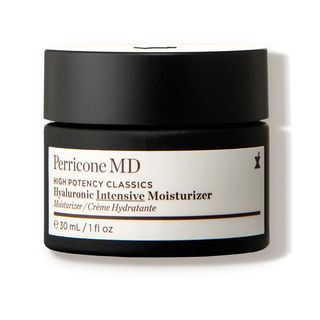
Perricone MD Hyaluronic Intensive Moisturizer

Perricone MD Hyaluronic Intensive Moisturizer

Efficacy100/100IrritancyMedium
Edit

Works for

2 of 2 advertised claims delivered

Anti-aging
8 ingredients credited for this claim
Strong support
What the product description says
“Target cellular inflammation for a more youthful complexion. Brand details”
Source: Dermstore

This product can help reduce and prevent fine lines and wrinkles, improve skin elasticity and firmness because it contains niacinamide.

These ingredients in the product can also be helpful, even though there is less evidence for their effectiveness: serine.

Keep in mind that it typically takes at least 6 weeks to notice any results because the changes that are needed to improve fine lines and elasticity happen in the deeper layers of the skin. No topical anti-aging product can “erase” wrinkles or fully reverse signs of aging.

NiacinamideKey activeEffect: HighIs proven to be effective in reducing blemishes, evening out skin tone and helping to improve lines and wrinkles. It helps the skin to repair sun damage, calm down inflammation and keep maintain good levels of moisture. The concentration of about 2% is effective for supporting the skin barrier and evening out the skin tone. Concentration of 4-6% is better for helping with acne and balancing the sebum production~2.4–2.9%
SerineKey activeEffect: MediumAn amino-acid that helps to attract water to the upper layer of the skin. In combination with other amino-acids, might help to reduce fine lines and wrinkles~0.2–0.4%
Butyrospermum parkii butterEffect: LowA great moisturising ingredient that softens the skin and reduces water loss from its upper layer. It also can be helpful in protecting skin from free radicals~1.3–1.6%
Hyaluronic acidEffect: LowOne of the best moisturizing ingredients. Attracts water into the upper layer of the skin. Naturally present in skin. Typically has large molecule size unless advertised otherwise on the product label. Helps support skin's barrier function and may help to reduce inflammation~0.25–0.45%
Tetrahexyldecyl ascorbateUnder-dosedEffect: HighBeing a lipid soluble form of vitamin C, it is more stable than ascorbic acid, but still degrades quickly and needs to be stabilized in a formulation with another ingredient. It is claimed to penetrate skin better than pure vitamin C and have the the similar benefits, but solid studies of its effectiveness are lacking. Is likely to require a higher concentration in a product than pure vitamin C to be effective. It might be able to help reduce pore clogging.~0.5–0.7%
Lactic acidUnder-dosedEffect: MediumAn exfoliating and moisturizing alpha-hydroxy acid (AHA). Typically causes less irritation than other AHAs, for example, glycolic acid. At high concentrations (about 15%), lactic acid can help reduce lines and wrinkles. Recent studies show that lactic acid can support the "good" bacteria living on skin's surface (healthy skin microbiome)~0.2–0.4%
Copper gluconateEffect: Low, below effective doseTypically used to stabilize the product formulations. It is a salt of polyhydroxy acid (PHA) and in larger concentrations, can help shed the dead cells from the skin surface revealing smoother skin. It can help attract water to the upper layer of the skin. Might to be helpful against acne and clogged pores. Could be helpful in neutralizing free radicals, but solid research is missing~0.1–0.2%
Zinc gluconateEffect: Low, below effective doseTypically used to stabilize the product formulations. It is a salt of a polyhydroxy acid (PHA) and in larger concentrations, can help shed the dead cells from the skin surface revealing smoother skin. It can help attract water to the upper layer of the skin. Might to be helpful against acne and clogged pores. Could be helpful in neutralizing free radicals, but solid research is missing. Due to the zinc content, might help calm down inflammation in skin~0.1–0.2%
Moisturizing
21 ingredients credited for this claim
Strong support
What the product description says
“Hyaluronic Intensive Moisturizer”
From product name

This product can help improve hydration of the skin with the two types of ingredients.

The first type is called “humectants”:
these ingredients help attract water. When humectants are on the surface of the skin, they “pull in” the moisture from the outside environment, or from within deeper layers of the skin. The following ingredients in this product do the job: glycerin, hyaluronic acid.

This product also contains ingredients called “occlusives”. They help reduce the speed with which our skin loses moisture to the outside environment. These ingredients also help soften the upper layer of the skin, so it feels less tight and nicer to the touch. The following ingredients in this product do the job: butyrospermum parkii butter, caprylic/capric triglyceride.

The following ingredients in this product are especially good for supporting the skin barrier and helping with the hydration level: niacinamide, urea

GlycerinKey active· HumectantEffect: HighOne of the best moisturizing ingredients. Naturally present in skin. It attracts water to the upper layer of the skin working as a humectant~4.2–5.2%
Sodium hyaluronate crosspolymerKey active· HumectantEffect: HighAttracts water into the upper layer of the skin~0.65–1%
Sodium lactateKey active· HumectantEffect: HighHelps attract water to the upper layer of the skin. Is often used to adjust the pH level of the product~0.25–0.45%
SqualaneKey active· Emollient, OcclusiveEffect: HighAn oil naturally present in skin. Works as an emollient to soften the skin and form a protective layer on its surface without a greasy feeling.~1–1.2%
UreaHero· HumectantEffect: HighNaturally present in skin (urea makes up about 7% of natural moisturizing factors in skin). Attracts water to the upper layer of the skin. Also has a positive effect on the skin barrier beyond the humectant action. Can enhance penetration of other ingredients. Is an exfoliating ingredient when used in high concentrations~0.5–0.75%
Butyrospermum parkii butterKey active· Emollient, OcclusiveEffect: HighA great moisturising ingredient that softens the skin and reduces water loss from its upper layer. It also can be helpful in protecting skin from free radicals~1.3–1.6%
Caprylic/capric triglycerideKey active· Emollient, OcclusiveEffect: HighA good mix of fatty acids that forms a protective layer on the skin. Improves the shelf life of products. Derived from coconut and glycerin~1.8–2.2%
DimethiconeKey active· Emollient, OcclusiveEffect: HighA silicone that helps to reduce water loss from the surface of the skin. Can temporarily "fill in" lines and wrinkles, absorb oil, and create a nice product finish~5.6–6.9%
Hyaluronic acidKey active· HumectantEffect: HighOne of the best moisturizing ingredients. Attracts water into the upper layer of the skin. Naturally present in skin. Typically has large molecule size unless advertised otherwise on the product label. Helps support skin's barrier function and may help to reduce inflammation~0.25–0.45%
NiacinamideHeroEffect: HighIs proven to be effective in reducing blemishes, evening out skin tone and helping to improve lines and wrinkles. It helps the skin to repair sun damage, calm down inflammation and keep maintain good levels of moisture. The concentration of about 2% is effective for supporting the skin barrier and evening out the skin tone. Concentration of 4-6% is better for helping with acne and balancing the sebum production~2.4–2.9%
SerineKey activeEffect: HighAn amino-acid that helps to attract water to the upper layer of the skin. In combination with other amino-acids, might help to reduce fine lines and wrinkles~0.2–0.4%
Sodium hyaluronateKey active· HumectantEffect: HighOne of the best moisturizing ingredients. Attracts water into the upper layer of the skin~0.15–0.3%
Magnesium aspartateKey activeEffect: MediumMight be helpful in restoring skin barrier function and calm down inflammation in skin~0.15–0.3%
Polysilicone-11Effect: LowA silicone that forms a light film on the skin surface helping to bind water and temporarily absorb oils creating a matt and powdery feel~0.3–0.55%
Pentylene glycol· EmollientEffect: LowUsed to preserve products, dissolve other ingredients and create a nice product texture~3.2–3.9%
Butylene glycol· HumectantEffect: LowUsed to create a nice product texture and help delivery of other ingredients. Might be somewhat helpful in attracting water to the upper layer of the skin~2–2.4%
Sorbitol· HumectantEffect: LowHelps attract water to the upper layer of the skin and improves the product texture~0.2–0.4%
Lactic acidUnder-dosedEffect: HighAn exfoliating and moisturizing alpha-hydroxy acid (AHA). Typically causes less irritation than other AHAs, for example, glycolic acid. At high concentrations (about 15%), lactic acid can help reduce lines and wrinkles. Recent studies show that lactic acid can support the "good" bacteria living on skin's surface (healthy skin microbiome)~0.2–0.4%
Copper gluconateUnder-dosedEffect: HighTypically used to stabilize the product formulations. It is a salt of polyhydroxy acid (PHA) and in larger concentrations, can help shed the dead cells from the skin surface revealing smoother skin. It can help attract water to the upper layer of the skin. Might to be helpful against acne and clogged pores. Could be helpful in neutralizing free radicals, but solid research is missing~0.1–0.2%
AllantoinUnder-dosedEffect: HighHelps calm down inflammation in skin and can help reduce itching. Helps to repair the skin barrier and keep skin hydrated~0.25–0.45%
Zinc gluconateUnder-dosedEffect: HighTypically used to stabilize the product formulations. It is a salt of a polyhydroxy acid (PHA) and in larger concentrations, can help shed the dead cells from the skin surface revealing smoother skin. It can help attract water to the upper layer of the skin. Might to be helpful against acne and clogged pores. Could be helpful in neutralizing free radicals, but solid research is missing. Due to the zinc content, might help calm down inflammation in skin~0.1–0.2%
Evens skin tone
Not advertised by the brand · 5 ingredients credited for this claim
Strong support

This product can help reduce hypepigmentation and even out the skin tone because it contains the following effective ingredients: niacinamide

Keep in mind that you would need to apply any topical skincare targetted at hypigmentation consistently for a couple of months to get a result. No topical skincare product can help get rid of hyperpigmentation (including post-acne marks and age spots) instantly.

NiacinamideKey activeEffect: HighIs proven to be effective in reducing blemishes, evening out skin tone and helping to improve lines and wrinkles. It helps the skin to repair sun damage, calm down inflammation and keep maintain good levels of moisture. The concentration of about 2% is effective for supporting the skin barrier and evening out the skin tone. Concentration of 4-6% is better for helping with acne and balancing the sebum production~2.4–2.9%
Lactic acidUnder-dosedEffect: HighAn exfoliating and moisturizing alpha-hydroxy acid (AHA). Typically causes less irritation than other AHAs, for example, glycolic acid. At high concentrations (about 15%), lactic acid can help reduce lines and wrinkles. Recent studies show that lactic acid can support the "good" bacteria living on skin's surface (healthy skin microbiome)~0.2–0.4%
Tetrahexyldecyl ascorbateUnder-dosedEffect: HighBeing a lipid soluble form of vitamin C, it is more stable than ascorbic acid, but still degrades quickly and needs to be stabilized in a formulation with another ingredient. It is claimed to penetrate skin better than pure vitamin C and have the the similar benefits, but solid studies of its effectiveness are lacking. Is likely to require a higher concentration in a product than pure vitamin C to be effective. It might be able to help reduce pore clogging.~0.5–0.7%
Zinc gluconateEffect: Low, below effective doseTypically used to stabilize the product formulations. It is a salt of a polyhydroxy acid (PHA) and in larger concentrations, can help shed the dead cells from the skin surface revealing smoother skin. It can help attract water to the upper layer of the skin. Might to be helpful against acne and clogged pores. Could be helpful in neutralizing free radicals, but solid research is missing. Due to the zinc content, might help calm down inflammation in skin~0.1–0.2%
Copper gluconateEffect: Low, below effective doseTypically used to stabilize the product formulations. It is a salt of polyhydroxy acid (PHA) and in larger concentrations, can help shed the dead cells from the skin surface revealing smoother skin. It can help attract water to the upper layer of the skin. Might to be helpful against acne and clogged pores. Could be helpful in neutralizing free radicals, but solid research is missing~0.1–0.2%
Anti-blemish
Not advertised by the brand · 5 ingredients credited for this claim
Strong support

This product can help reduce breakouts and clogged pores because it contains the following ingredient: niacinamide. This ingredient is used for treating acne and can have a noticeable effect.

NiacinamideHeroEffect: HighIs proven to be effective in reducing blemishes, evening out skin tone and helping to improve lines and wrinkles. It helps the skin to repair sun damage, calm down inflammation and keep maintain good levels of moisture. The concentration of about 2% is effective for supporting the skin barrier and evening out the skin tone. Concentration of 4-6% is better for helping with acne and balancing the sebum production~2.4–2.9%
Rosmarinus officinalis leaf extractUnder-dosedEffect: MediumCan be helpful in reducing inflammation in skin, including inflamed acne. It can be irritating~0.2–0.4%
Copper gluconateEffect: Low, below effective doseTypically used to stabilize the product formulations. It is a salt of polyhydroxy acid (PHA) and in larger concentrations, can help shed the dead cells from the skin surface revealing smoother skin. It can help attract water to the upper layer of the skin. Might to be helpful against acne and clogged pores. Could be helpful in neutralizing free radicals, but solid research is missing~0.1–0.2%
Zinc gluconateEffect: Low, below effective doseTypically used to stabilize the product formulations. It is a salt of a polyhydroxy acid (PHA) and in larger concentrations, can help shed the dead cells from the skin surface revealing smoother skin. It can help attract water to the upper layer of the skin. Might to be helpful against acne and clogged pores. Could be helpful in neutralizing free radicals, but solid research is missing. Due to the zinc content, might help calm down inflammation in skin~0.1–0.2%
AllantoinEffect: Low, below effective doseHelps calm down inflammation in skin and can help reduce itching. Helps to repair the skin barrier and keep skin hydrated~0.25–0.45%

Can it cause trouble?

Irritancy
1 strong irritant: Rosmarinus officinalis leaf extract
Medium risk
We flagged 15 ingredients with irritancy potential. Severity depends on your sensitivity threshold; the table lists the worst offenders first.
IngredientFunctionIrritationEst. amount
Benzyl alcoholA preservative. Can be used to mask unpleasant smell. Can be irritatingHigh~0.5–0.75%est.
TriacetinUsed to dissolve other ingredientsHigh~0.25–0.5%est.
Rosmarinus officinalis leaf extractCan be helpful in reducing inflammation in skin, including inflamed acne. It can be irritatingHigh~0.2–0.4%est.
Pentylene glycolUsed to preserve products, dissolve other ingredients and create a nice product textureMedium~3.2–3.9%est.
Caprylic/capric triglycerideA good mix of fatty acids that forms a protective layer on the skin. Improves the shelf life of products. Derived from coconut and glycerinMedium~1.8–2.2%est.
Sodium hyaluronate crosspolymerAttracts water into the upper layer of the skinMedium~0.65–1%est.
Tetrahexyldecyl ascorbateBeing a lipid soluble form of vitamin C, it is more stable than ascorbic acid, but still degrades quickly and needs to be stabilized in a formulation with another ingredient. It is claimed to penetrate skin better than pure vitamin C and have the the similar benefits, but solid studies of its effectiveness are lacking. Is likely to require a higher concentration in a product than pure vitamin C to be effective. It might be able to help reduce pore clogging.Medium~0.5–0.7%est.
PhosphatidylcholineUsed to enhance the delivery of other ingredientsMedium~0.3–0.55%est.
Citric acidCan work as an exfoliant but is typically used to adjust the product pHMedium~0.25–0.45%est.
Tocopheryl acetateA more stable but less bio-available form of vitamin E compared to Tocopherol. Might help moisturize and protect the skin from free radicals, but mostly used in low concentrations to stabilize other ingredients.Medium~0.25–0.5%est.
Sodium lactateHelps attract water to the upper layer of the skin. Is often used to adjust the pH level of the productMedium~0.25–0.45%est.
Lactic acidAn exfoliating and moisturizing alpha-hydroxy acid (AHA). Typically causes less irritation than other AHAs, for example, glycolic acid. At high concentrations (about 15%), lactic acid can help reduce lines and wrinkles. Recent studies show that lactic acid can support the "good" bacteria living on skin's surface (healthy skin microbiome)Medium~0.2–0.4%est.
Potassium sorbateA preservativeMedium~0.2–0.35%est.
Zinc gluconateTypically used to stabilize the product formulations. It is a salt of a polyhydroxy acid (PHA) and in larger concentrations, can help shed the dead cells from the skin surface revealing smoother skin. It can help attract water to the upper layer of the skin. Might to be helpful against acne and clogged pores. Could be helpful in neutralizing free radicals, but solid research is missing. Due to the zinc content, might help calm down inflammation in skinMedium~0.1–0.2%est.
Copper gluconateTypically used to stabilize the product formulations. It is a salt of polyhydroxy acid (PHA) and in larger concentrations, can help shed the dead cells from the skin surface revealing smoother skin. It can help attract water to the upper layer of the skin. Might to be helpful against acne and clogged pores. Could be helpful in neutralizing free radicals, but solid research is missingMedium~0.1–0.2%est.
Comedogenic
1 ingredient rated 2 or more on the 0–5 pore-clogging scale
1 flagged
These ingredients have a comedogenic rating of 2 or more on a 0–5 scale; the table shows each one's rating. In leave-on products they can clog pores in acne-prone skin.
IngredientFunctionRatingEst. amount
Butyrospermum parkii butterA great moisturising ingredient that softens the skin and reduces water loss from its upper layer. It also can be helpful in protecting skin from free radicals3/5~1.3–1.6%est.
Edit

User reviews

Would you recommend?
No community reviews yet.

Be the first — your take helps the next person decide.

Write a review · ~30s

Ingredients

Filter by role to see what each ingredient is doing.

Water~45–55%
Formula
Irritation risk
Low

Plain old water

More about Water
Dimethicone~5.6–6.9%
Key active
Irritation risk
Low
Works for
MoisturizingMattifying

A silicone that helps to reduce water loss from the surface of the skin. Can temporarily "fill in" lines and wrinkles, absorb oil, and create a nice product finish

More about Dimethicone
Glycerin~4.2–5.2%
Key active
Irritation risk
Low
Works for
Moisturizing

One of the best moisturizing ingredients. Naturally present in skin. It attracts water to the upper layer of the skin working as a humectant

More about Glycerin
Pentylene glycol~3.2–3.9%
Irritant · medium
Irritation risk
Medium
Works for
Moisturizing

Used to preserve products, dissolve other ingredients and create a nice product texture

More about Pentylene glycol
Niacinamide~2.4–2.9%
Hero · Moisturizing, Anti-blemish
Irritation risk
Low
Works for
Evens skin toneAnti-agingMoisturizingAnti-blemishReduces irritationAntibacterialReduces rednessAnti-inflammatory

Is proven to be effective in reducing blemishes, evening out skin tone and helping to improve lines and wrinkles. It helps the skin to repair sun damage, calm down inflammation and keep maintain good levels of moisture. The concentration of about 2% is effective for supporting the skin barrier and evening out the skin tone. Concentration of 4-6% is better for helping with acne and balancing the sebum production

More about Niacinamide
Butylene glycol~2–2.4%
Formula
Irritation risk
Low
Works for
Moisturizing

Used to create a nice product texture and help delivery of other ingredients. Might be somewhat helpful in attracting water to the upper layer of the skin

More about Butylene glycol
Caprylic/capric triglyceride~1.8–2.2%
Key activeIrritant · medium
Irritation risk
Medium
Works for
Moisturizing

A good mix of fatty acids that forms a protective layer on the skin. Improves the shelf life of products. Derived from coconut and glycerin

More about Caprylic/capric triglyceride
Ammonium acryloyldimethyltaurate/vp copolymer~1.4–1.7%
Formula
Irritation risk
Low

Increases thickness of a product. Texture enhancer for oil-in-water emulsions

More about Ammonium acryloyldimethyltaurate/vp copolymer
Butyrospermum parkii butter~1.3–1.6%
Key activeComedogenic 3/5
Irritation risk
Low
Comedogenicity
3/5
Works for
MoisturizingAnti-oxidationAnti-aging

A great moisturising ingredient that softens the skin and reduces water loss from its upper layer. It also can be helpful in protecting skin from free radicals

More about Butyrospermum parkii butter
Squalane~1–1.2%
Key active
Irritation risk
Low
Works for
Moisturizing

An oil naturally present in skin. Works as an emollient to soften the skin and form a protective layer on its surface without a greasy feeling.

More about Squalane
Sodium hyaluronate crosspolymer~0.65–1%
Key activeIrritant · medium
Irritation risk
Medium
Works for
Moisturizing

Attracts water into the upper layer of the skin

More about Sodium hyaluronate crosspolymer
Benzyl alcohol~0.5–0.75%
Irritant · high
Irritation risk
High

A preservative. Can be used to mask unpleasant smell. Can be irritating

More about Benzyl alcohol
Urea~0.5–0.75%
Hero · Moisturizing
Irritation risk
Low
Works for
MoisturizingExfoliation

Naturally present in skin (urea makes up about 7% of natural moisturizing factors in skin). Attracts water to the upper layer of the skin. Also has a positive effect on the skin barrier beyond the humectant action. Can enhance penetration of other ingredients. Is an exfoliating ingredient when used in high concentrations

More about Urea
Tetrahexyldecyl ascorbate~0.5–0.7%
Under-dosedIrritant · medium
Irritation risk
Medium
Works for
Evens skin toneAnti-oxidationAnti-aging

Being a lipid soluble form of vitamin C, it is more stable than ascorbic acid, but still degrades quickly and needs to be stabilized in a formulation with another ingredient. It is claimed to penetrate skin better than pure vitamin C and have the the similar benefits, but solid studies of its effectiveness are lacking. Is likely to require a higher concentration in a product than pure vitamin C to be effective. It might be able to help reduce pore clogging.

More about Tetrahexyldecyl ascorbate
Bisabolol~0.35–0.65%
Formula
Irritation risk
Low
Works for
Anti-inflammatoryReduces irritationAnti-oxidation

An active component of chamomile plant that historically has been used to calm down irritated skin. A recent study shows that bisabolol indeed can have some anti-inflammatory effect on skin, even though conclusive data is lacking. Bisabolol has a sweet floral scent and can be added to products for its aromatic properties

More about Bisabolol
Dimethyl mea~0.45–0.65%
Formula
Irritation risk
Low
More about Dimethyl mea
Styrene/acrylates copolymer~0.4–0.65%
Formula
Irritation risk
Low

Used to create an even product consistency. Can help boost efficiency of sunscreen filters

More about Styrene/acrylates copolymer
Dimethicone/vinyl dimethicone crosspolymer~0.35–0.65%
Formula
Irritation risk
Low

Used to stabilize product formulations and create a nice product texture

More about Dimethicone/vinyl dimethicone crosspolymer
Carbomer~0.3–0.6%
Formula
Irritation risk
Low
Works for
Cleansing

Helps create a thicker or gel-like product texture. It is not a surfactant but can be used in gentle cleansing formulations

More about Carbomer
Sodium polyacrylate~0.35–0.6%
Formula
Irritation risk
Low
Works for
Mattifying

Used to create a gel-like product texture, as well as to stabilize emulsions

More about Sodium polyacrylate
Phosphatidylcholine~0.3–0.55%
Irritant · medium
Irritation risk
Medium
Works for
Cleansing

Used to enhance the delivery of other ingredients

More about Phosphatidylcholine
Hydrogenated lecithin~0.3–0.55%
Formula
Irritation risk
Low
Works for
Cleansing

Helps to retain moisture by creating a protective barrier on the skin. Rich in fatty acids. Improves product texture and helps with the penetration of other ingredients.

More about Hydrogenated lecithin
Citric acid~0.25–0.45%
Irritant · medium
Irritation risk
Medium

Can work as an exfoliant but is typically used to adjust the product pH

More about Citric acid
Allantoin~0.25–0.45%
Under-dosed
Irritation risk
Low
Works for
MoisturizingAnti-inflammatoryReduces rednessAnti-blemishReduces irritationExfoliation

Helps calm down inflammation in skin and can help reduce itching. Helps to repair the skin barrier and keep skin hydrated

More about Allantoin
Hyaluronic acid~0.25–0.45%
Key active
Irritation risk
Low
Works for
MoisturizingAnti-inflammatoryAnti-aging

One of the best moisturizing ingredients. Attracts water into the upper layer of the skin. Naturally present in skin. Typically has large molecule size unless advertised otherwise on the product label. Helps support skin's barrier function and may help to reduce inflammation

More about Hyaluronic acid
Polysilicone-11~0.3–0.55%
Formula
Irritation risk
Low
Works for
MattifyingMoisturizing

A silicone that forms a light film on the skin surface helping to bind water and temporarily absorb oils creating a matt and powdery feel

More about Polysilicone-11
Triacetin~0.25–0.5%
Irritant · high
Irritation risk
High

Used to dissolve other ingredients

More about Triacetin
Xanthan gum~0.25–0.5%
Formula
Irritation risk
Low
Works for
Cleansing

Used to create a thicker product consistency

More about Xanthan gum
Tocopheryl acetate~0.25–0.5%
Irritant · medium
Irritation risk
Medium
Works for
Anti-oxidation

A more stable but less bio-available form of vitamin E compared to Tocopherol. Might help moisturize and protect the skin from free radicals, but mostly used in low concentrations to stabilize other ingredients.

More about Tocopheryl acetate
Sodium chloride~0.3–0.5%
Formula
Irritation risk
Low

Used to stabilize mixtures of oil and water, and create thicker, gel-like product textures

More about Sodium chloride
Phenoxyethanol~0.25–0.45%
Formula
Irritation risk
Low

A preservative. It helps prevent bacterial growth in cosmetic products

More about Phenoxyethanol
Rosmarinus officinalis leaf extract~0.2–0.4%
Under-dosedIrritant · high
Irritation risk
High
Works for
Anti-blemishAnti-oxidationAntibacterial

Can be helpful in reducing inflammation in skin, including inflamed acne. It can be irritating

More about Rosmarinus officinalis leaf extract
Sodium lactate~0.25–0.45%
Key activeIrritant · medium
Irritation risk
Medium
Works for
Moisturizing

Helps attract water to the upper layer of the skin. Is often used to adjust the pH level of the product

More about Sodium lactate
Lactic acid~0.2–0.4%
Under-dosedIrritant · medium
Irritation risk
Medium
Works for
ExfoliationEvens skin toneMoisturizingAnti-aging

An exfoliating and moisturizing alpha-hydroxy acid (AHA). Typically causes less irritation than other AHAs, for example, glycolic acid. At high concentrations (about 15%), lactic acid can help reduce lines and wrinkles. Recent studies show that lactic acid can support the "good" bacteria living on skin's surface (healthy skin microbiome)

More about Lactic acid
Serine~0.2–0.4%
Key active
Irritation risk
Low
Works for
MoisturizingAnti-aging

An amino-acid that helps to attract water to the upper layer of the skin. In combination with other amino-acids, might help to reduce fine lines and wrinkles

More about Serine
Sorbitol~0.2–0.4%
Formula
Irritation risk
Low
Works for
Moisturizing

Helps attract water to the upper layer of the skin and improves the product texture

More about Sorbitol
Potassium sorbate~0.2–0.35%
Irritant · medium
Irritation risk
Medium

A preservative

More about Potassium sorbate
Sodium benzoate~0.15–0.25%
Formula
Irritation risk
Low

A preservative

More about Sodium benzoate
Sodium hyaluronate~0.15–0.3%
Key active
Irritation risk
Low
Works for
Moisturizing

One of the best moisturizing ingredients. Attracts water into the upper layer of the skin

More about Sodium hyaluronate
Docosahexaenoic acid~0.15–0.3%
Formula
Magnesium aspartate~0.15–0.3%
Key active
Irritation risk
Low
Works for
Anti-inflammatoryMoisturizing

Might be helpful in restoring skin barrier function and calm down inflammation in skin

More about Magnesium aspartate
Zinc gluconate~0.1–0.2%
Under-dosedIrritant · medium
Irritation risk
Medium
Works for
MoisturizingAnti-inflammatoryAnti-oxidationExfoliationAnti-agingEvens skin toneAnti-blemish

Typically used to stabilize the product formulations. It is a salt of a polyhydroxy acid (PHA) and in larger concentrations, can help shed the dead cells from the skin surface revealing smoother skin. It can help attract water to the upper layer of the skin. Might to be helpful against acne and clogged pores. Could be helpful in neutralizing free radicals, but solid research is missing. Due to the zinc content, might help calm down inflammation in skin

More about Zinc gluconate
Copper gluconate~0.1–0.2%
Under-dosedIrritant · medium
Irritation risk
Medium
Works for
MoisturizingAnti-agingExfoliationEvens skin toneAnti-blemishAnti-oxidation

Typically used to stabilize the product formulations. It is a salt of polyhydroxy acid (PHA) and in larger concentrations, can help shed the dead cells from the skin surface revealing smoother skin. It can help attract water to the upper layer of the skin. Might to be helpful against acne and clogged pores. Could be helpful in neutralizing free radicals, but solid research is missing

More about Copper gluconate
Ingredient list view

Water, Dimethicone, Glycerin, Pentylene glycol, Niacinamide, Butylene glycol, Caprylic/capric triglyceride, Ammonium acryloyldimethyltaurate/vp copolymer, Butyrospermum parkii butter, Squalane, Sodium hyaluronate crosspolymer, Benzyl alcohol, Urea, Tetrahexyldecyl ascorbate, Bisabolol, Dimethyl mea, Styrene/acrylates copolymer, Dimethicone/vinyl dimethicone crosspolymer, Carbomer, Sodium polyacrylate, Phosphatidylcholine, Hydrogenated lecithin, Citric acid, Allantoin, Hyaluronic acid, Polysilicone-11, Triacetin, Xanthan gum, Tocopheryl acetate, Sodium chloride, Phenoxyethanol, Rosmarinus officinalis leaf extract, Sodium lactate, Lactic acid, Serine, Sorbitol, Potassium sorbate, Sodium benzoate, Sodium hyaluronate, Docosahexaenoic acid, Magnesium aspartate, Zinc gluconate, Copper gluconate

Compare prices

Retailers ranked by price — lowest first.

Amazon USPrice as of 10/12/2026 12:47 GMT
$52.50
Buy
Dermstore
$75.00
Buy
Perricone MD
$150.00
Buy

Affiliate links · prices updated regularly · As an Amazon Associate, WIMJ earns from qualifying purchases.

Worth comparing, line by line.

Match % combines shared ingredients, the first five ingredients, shared actives and hero ingredients, irritancy (lower counts in the alternative's favour), texture and body area. Only products in the same routine step are compared.

Side-by-side comparison of this product against its closest alternatives
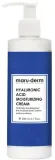
Perricone MDHyaluronic Intensive MoisturizerYOUR PRODUCTMarudermHyaluronic Acid Moisturizer Face & Body CreamThe Grey MenCOMFORT+ FACE CREAMSimpleX Kindness Hydrating Light Facial Moisturiser
Match—82%81%79%
Price$52.50$21.99−$30.51$100.00+$47.50$0.04−$52.46
Shared key ingredients—9 of 198 of 197 of 19
Key difference—PanthenolSaccharomyces/Copper FermentMineral Oil
Irritancy Medium Low Low Low
Drying alcohol————
View product Shop Shop Shop
Cheaper alternatives? See how this stacks up against similar formulas.
We compare ingredient profiles across our catalog — pick the closest match for your budget.
Open dupe finder

Product summary

"Perricone MD - Hyaluronic Intensive Moisturizer" has a good moisturizing formula. As we expect from a proper moisturizer, the formula includes a combo of effective humectants and emollients. These are the two different types of ingredients that are essential for improving the skin hydration and supporting a healthy skin barrier. Humectants in this product (urea, glycerin, hyaluronic acid, sodium hyaluronate and sodium hyaluronate crosspolymer) help to increase the water content in the upper layer of the skin. (These ingredients do so by "capturing" water molecules from the outside air or from within the deeper layers of the skin). Butyrospermum parkii butter, caprylic/capric triglyceride, dimethicone, squalane and pentylene glycol in this product help decrease the water evoporation from the skin, so that it stays hydrated for longer. These ingredients also soften the skin and take away the feeling of tightness and dryness.

Ingredient callouts

  • We particularly like that there is a good concentration of Niacinamide (2.40% - 2.90%) in this moisturizer. Niacinamide is a well-studied multi-tasking active. It is a great ingredient to have in a moisturizer. It is stable, and can work well in almost any hydrating formulation. There is solid evidence that Niacinamide can help support skin barrier, regulate oil production and reduce acne and clogged pores. It also helps to fight photodamage and help improve the skin tone, reducing pigmentation marks.
This product contains ingredients that could be beneficial, but their concentrations are too low in this formulation: lactic acid, copper gluconate, zinc gluconate, tetrahexyldecyl ascorbate and allantoin

Irritation risk

This formulation includes some common irritants, including ingredients that do not provide a benefit for the skin. We assess the overall irritancy of this moisturizer to be medium. For a detailed overview of all potential irritants: click here

You can see the detailed formula review with the breakdown of all actives in the product and the full ingredient list with estimated concentrations in the tables below.

About the brand

According to Cruelty-Free Kitty "Perricone MD" is cruelty free and so is its parent company.

Price

The product retails from 75.00$ up to 150.00$ in the United States and for 59.00£ in the United Kingdom.

For a detailed price comparison: click here.

Sources cited in this review

Every concentration estimate and effectiveness label is anchored to one of these 29 studies and safety reviews.

  1. 1
  2. 2
  3. 3
  4. 4
  5. 5
  6. 6
    Topical urea in skincare: A reviewpubmed.ncbi.nlm.nih.gov
Perricone MD Hyaluronic Intensive Moisturizer
Perricone MDHyaluronic Intensive Moisturizer

Affiliate links · As an Amazon Associate, WIMJ earns from qualifying purchases.

As an Amazon Associate, WIMJ earns from qualifying purchases.