![Lumene Nordic Ageless [AJATON] Radiant Youth SPF30 Day Cream](/_ipx/fit_inside&s_320x320/https://image-delivery.nyc3.cdn.digitaloceanspaces.com/full/4fe35d2ae0b5d41870db74fd869d2f83.jpeg)
Lumene Nordic Ageless [AJATON] Radiant Youth SPF30 Day Cream
Works for
3 of 3 advertised claims delivered
Sun protectionSPF 30 · 6 UV filtersBroad spectrum
This product offers a good level of protection against both UVB and UVA rays.
This sunscreen uses organic (so-called "chemical") sunscreen filters. Organic, or "chemical" filters usually provide reliable sun protection and rarely leave a white cast. Sunscreens with organic filters can sting eyes.
Anti-aging5 ingredients credited for this claimStrong support
“Enriched with SPF30, the cream shields against UVA and UVB rays.”
This product can help reduce and prevent fine lines and wrinkles, improve skin elasticity and firmness because it contains adenosine.
These ingredients in the product can also be helpful, even though there is less evidence for their effectiveness: n-prolyl palmitoyl tripeptide-56 acetate.
Keep in mind that it typically takes at least 6 weeks to notice any results because the changes that are needed to improve fine lines and elasticity happen in the deeper layers of the skin. No topical anti-aging product can “erase” wrinkles or fully reverse signs of aging.
This product can also help prevent early signs of skin aging because it offers a good level of broad spectrum sun protection. Sun damage is the main cause of premature skin aging, and protecting your skin from the sun is the best anti-aging strategy.
Moisturizing24 ingredients credited for this claimStrong support
“Lumene’s day cream works to protect and nourish your complexion, targeting the appearance of fine lines and wrinkles.”
This product can help improve hydration of the skin with the two types of ingredients.
The first type is called “humectants”:
these ingredients help attract water.
When humectants are on the surface of the skin, they “pull in” the moisture from the outside environment, or from
within deeper layers of the skin. The following ingredients in this product do the job:
betaine, biosaccharide gum-1.
This product also contains ingredients called “occlusives”. They help reduce the speed with which our skin loses moisture to the outside environment. These ingredients also help soften the upper layer of the skin, so it feels less tight and nicer to the touch. The following ingredients in this product do the job: dimethicone, helianthus annuus seed oil.
The following ingredients in this product are especially good for supporting the skin barrier and helping with the hydration level: ceramide ap, ceramide eop, ceramide np, n-prolyl palmitoyl tripeptide-56 acetate, phytosphingosine
Evens skin toneNot advertised by the brand · 3 ingredients credited for this claimStrong support
This product offers broad spectrum sun protection. It means that it can prevent hyperpigmentation and help keep the skin tone even (sun damage is the main factor causing age spots, darkening of post-acne marks and other discolorations).
Can it cause trouble?
Irritancy3 strong irritants: Benzophenone-3, Rosmarinus officinalis leaf extract + 1 more — patch-test recommendedHigh risk
Comedogenic1 ingredient rated 2 or more on the 0–5 pore-clogging scale1 flagged


User reviews
Be the first — your take helps the next person decide.
Ingredients
Filter by role to see what each ingredient is doing.
Water~45–55%
Octocrylene~4.9–6%
- Irritation risk
- Medium
A weak sunscreen that protects against the sun rays that cause sunburn (UVB) and is somewhat effective against the UVA rays. It is quite stable and can help stabilize other, more vulnerable, sunscreen ingredients like Avobenzone. It is an organic, or so called "chemical" sunscreen
More about OctocryleneHomosalate~4.5–5.5%
- Irritation risk
- Medium
A weak sunscreen that offers some protection against the sun rays that cause sunburn (UVB), but does not offer meaningful protection against protect against the most aging sun rays (UVA). It loses its effectiveness quickly when exposed to sunlight. It is an organic, or so called "chemical" sunscreen. When used in low concentrations, helps to stabilize the product formulation
More about HomosalateGlycerin~3–3.7%
- Irritation risk
- Low
One of the best moisturizing ingredients. Naturally present in skin. It attracts water to the upper layer of the skin working as a humectant
More about GlycerinEthylhexyl salicylate~3.2–3.9%
- Irritation risk
- Low
Octisalate. A UV filter. It offers some protection against the sun rays that cause sunburn (UVB), but does not protect against the most aging sun rays (UVA). It loses its effectiveness quickly when exposed to sunlight. It is an organic, or so called "chemical" sunscreen
More about Ethylhexyl salicylatePhenoxyethyl caprylate~1.9–2.4%
- Irritation risk
- Low
Propanediol~1.6–2%
- Irritation risk
- Low
Acts as a solvent for other ingredients. Speeds up the absorption of other ingredients into the skin
More about PropanediolButyl methoxydibenzoylmethane~2–2.5%
- Irritation risk
- Medium
Avobenzone. An organic, or so-called "chemical" UV filter. Protects against both UVA and UVB rays. Needs to be combined with other filters in a formulation to be stable.
More about Butyl methoxydibenzoylmethaneBetaine~1.2–1.5%
- Irritation risk
- Low
Helps attract water to the upper layer of the skin and improves the product texture
More about BetaineCetearyl alcohol~1.1–1.3%
- Irritation risk
- Low
- Comedogenicity
- 2/5
A non-drying alcohol. Works as an emollient. Helps water and oil mix together and creates a nice product texture
More about Cetearyl alcoholCetyl palmitate~0.8–1.15%
- Irritation risk
- Low
An emollient that helps soften the skin and is used to improve product texture and stability
More about Cetyl palmitateDimethicone~0.7–1.05%
- Irritation risk
- Low
A silicone that helps to reduce water loss from the surface of the skin. Can temporarily "fill in" lines and wrinkles, absorb oil, and create a nice product finish
More about DimethiconeEthylhexyl methoxycinnamate~0.8–1.2%
- Irritation risk
- High
Octinoxate. When used in higher concentrations, works as a sunscreen protecting the skin from UVB rays. When used in lower concentration, helps to preserve the product formulation. Is shown to be harmful to coral reefs - consider avoiding bathing in coral reef areas when wearing a product with this ingredient. It can be irritating
More about Ethylhexyl methoxycinnamateNiacinamide~0.55–0.8%
- Irritation risk
- Low
Is proven to be effective in reducing blemishes, evening out skin tone and helping to improve lines and wrinkles. It helps the skin to repair sun damage, calm down inflammation and keep maintain good levels of moisture. The concentration of about 2% is effective for supporting the skin barrier and evening out the skin tone. Concentration of 4-6% is better for helping with acne and balancing the sebum production
More about NiacinamideSodium stearoyl glutamate~0.55–0.85%
- Irritation risk
- Medium
Helps oil and water mix together
More about Sodium stearoyl glutamateBenzophenone-3~0.65–1%
- Irritation risk
- High
Same as oxybenzone. Protects in the UVB and short UVA range. In small concentrations, used to stabilize product formulation. Can be irritating. Is shown to be harmful to coral reefs - consider avoiding bathing in coral reef areas when wearing a product with this ingredient. It can penetrate the skin and get absorbed into bloodstream faster than other popular filters available in the US. The study that produced this finding did not address any potential health effects of the absorption
More about Benzophenone-3Bis-ethylhexyl hydroxydimethoxy benzylmalonate~0.5–0.7%
- Irritation risk
- Low
Polymethylsilsesquioxane~0.5–0.7%
- Irritation risk
- Low
A silicone that improves product texture and helps dissolve other ingredients. Can form a non-greasy film on the skin to prevent moisture loss
More about PolymethylsilsesquioxaneAvena sativa kernel oil~0.4–0.6%
- Irritation risk
- Low
An effective moisturizing and skin barrier repair ingredient. Helps calm down inflammation and has some anti-oxidant properties
More about Avena sativa kernel oilVaccinium vitis-idaea fruit extract~0.4–0.6%
- Irritation risk
- Low
Vaccinium vitis-idaea seed oil~0.4–0.65%
- Irritation risk
- Low
Rubus chamaemorus fruit extract~0.35–0.6%
- Irritation risk
- Low
Calluna vulgaris flower extract~0.3–0.55%
- Irritation risk
- Low
Hydroxyethyl acrylate/sodium acryloyldimethyl taurate copolymer~0.3–0.6%
- Irritation risk
- Medium
A gelling agent that thickens the product consistency and leaves the skin with a velvety finish
More about Hydroxyethyl acrylate/sodium acryloyldimethyl taurate copolymerPhenoxyethanol~0.35–0.6%
- Irritation risk
- Low
A preservative. It helps prevent bacterial growth in cosmetic products
More about PhenoxyethanolCetearyl dimethicone crosspolymer~0.3–0.6%
- Irritation risk
- Low
Helps create a nice product texture and soften the upper layer of the skin
More about Cetearyl dimethicone crosspolymerBoron nitride~0.3–0.6%
- Irritation risk
- Low
Helps to absord oil and evenly disperse other ingredients (for example, pigment) in product formulation
More about Boron nitrideDisodium edta~0.3–0.55%
Ethylhexylglycerin~0.3–0.6%
Sodium lauroyl lactylate~0.35–0.6%
- Irritation risk
- Medium
Helps water and oil mix together
More about Sodium lauroyl lactylatePentylene glycol~0.4–0.6%
- Irritation risk
- Medium
Used to preserve products, dissolve other ingredients and create a nice product texture
More about Pentylene glycolPolysorbate 60~0.35–0.65%
Sorbitan isostearate~0.35–0.6%
- Irritation risk
- Low
Helps oil and water mix together
More about Sorbitan isostearateAdenosine~0.3–0.55%
- Irritation risk
- Low
Might help improve cell turnover and reduce inflammation in skin. One study shows that the ingredients might be able to help reduce dynamic wrinkles (for example, in the corners of the eyes or on the forehead)
More about AdenosineBiosaccharide gum-4~0.3–0.55%
Biosaccharide gum-1~0.3–0.6%
- Irritation risk
- Low
Helps attract water to the upper layer of the skin and is claimed to provide a longer-lasting hydration because of its ability to create a water-binding film on the surface of the skin
More about Biosaccharide gum-1Hydrolyzed hyaluronic acid~0.3–0.55%
- Irritation risk
- Low
One of the best moisturizing ingredients. Attracts water into the upper layer of the skin. A version of it is naturally present in skin
More about Hydrolyzed hyaluronic acidLactic acid~0.3–0.55%
- Irritation risk
- Medium
An exfoliating and moisturizing alpha-hydroxy acid (AHA). Typically causes less irritation than other AHAs, for example, glycolic acid. At high concentrations (about 15%), lactic acid can help reduce lines and wrinkles. Recent studies show that lactic acid can support the "good" bacteria living on skin's surface (healthy skin microbiome)
More about Lactic acidCitric acid~0.3–0.55%
- Irritation risk
- Medium
Can work as an exfoliant but is typically used to adjust the product pH
More about Citric acidXanthan gum~0.3–0.6%
- Irritation risk
- Low
Used to create a thicker product consistency
More about Xanthan gumCeramide np~0.35–0.65%
- Irritation risk
- Low
A type of lipid similar to ceramides naturally present in skin. Helps to soften the upper layer of the skin and supports the skin barrier function to keep it hydrated. Can help to prevent inflammation in skin
More about Ceramide npGluconolactone~0.3–0.55%
- Irritation risk
- Medium
A polyhydroxy acid (PHA) that helps shed the dead cells from the skin surface revealing smoother skin. Is believed to be genter than AHAs. It helps attract water to the upper layer of the skin and can stimulate production of skin's own hyaluronic acid resulting in improved hydration levels. It has been shown to be helpful against acne and clogged pores if used consistently (e.g over a period of 12 weeks) in high enough concentration. It can help reduce fine lines and wrinkles and improve skin tone with long-term application. Can help neutralize free radicals
More about GluconolactoneCeramide ap~0.3–0.55%
- Irritation risk
- Low
A type of lipid similar to ceramides naturally present in skin. Helps to soften the upper layer of the skin and supports the skin barrier function to keep it hydrated. Can help to prevent inflammation in skin
More about Ceramide apPhytosphingosine~0.4–0.6%
- Irritation risk
- Low
A type of lipid that is naturally present in skin. It might help in repairing skin barrier function and has anti-bacterial effect
More about PhytosphingosineCholesterol~0.4–0.6%
- Irritation risk
- Low
An emollient that is naturally found in skin
More about CholesterolSodium benzoate~0.25–0.5%
Caprylyl glycol~0.3–0.6%
- Irritation risk
- Medium
Helps preserve products and creates a nice product texture
More about Caprylyl glycolCarbomer~0.3–0.5%
- Irritation risk
- Low
Helps create a thicker or gel-like product texture. It is not a surfactant but can be used in gentle cleansing formulations
More about CarbomerHelianthus annuus seed oil~0.3–0.55%
- Irritation risk
- Low
A great emollient due to its high linoleic acid content. One of the most effective plant oils in helping skin hydration and repairing skin barrier function
More about Helianthus annuus seed oilN-prolyl palmitoyl tripeptide-56 acetate~0.25–0.45%
- Irritation risk
- Low
A type of peptide. Peptides are excellent moisturizers and might be able support collagen production reducing fine lines and wrinkles
More about N-prolyl palmitoyl tripeptide-56 acetatePotassium sorbate~0.2–0.4%
Rosmarinus officinalis leaf extract~0.2–0.35%
- Irritation risk
- High
Can be helpful in reducing inflammation in skin, including inflamed acne. It can be irritating
More about Rosmarinus officinalis leaf extractCalcium gluconate~0.2–0.4%
- Irritation risk
- Low
Helps attract water to the upper layer of the skin and helps to improve appearance of the product
More about Calcium gluconateCeramide eop~0.2–0.35%
- Irritation risk
- Low
A type of lipid similar to ceramides naturally present in skin. Helps to soften the upper layer of the skin and supports the skin barrier function to keep it hydrated. Can help to prevent inflammation in skin
More about Ceramide eopParfum~0.15–0.25%
- Irritation risk
- High
An aromatic blend of unspecified and possibly irritating ingredients
More about ParfumCi 77491~0.15–0.3%
- Irritation risk
- Low
A red colorant made of iron oxide. Typically is not irritating
More about Ci 77491Ci 77492~0.1–0.2%
Iron oxides~0.1–0.15%
- Irritation risk
- Low
An umbrella term for the following three colorants: CI 77491, CI 77492, CI 77499. They might be able to offer some protection against visible light, but the degree of the protection is not clear
More about Iron oxidesIngredient list view
Water, Octocrylene, Homosalate, Glycerin, Ethylhexyl salicylate, Phenoxyethyl caprylate, Propanediol, Butyl methoxydibenzoylmethane, Betaine, Cetearyl alcohol, Cetyl palmitate, Dimethicone, Ethylhexyl methoxycinnamate, Niacinamide, Sodium stearoyl glutamate, Benzophenone-3, Bis-ethylhexyl hydroxydimethoxy benzylmalonate, Polymethylsilsesquioxane, Avena sativa kernel oil, Vaccinium vitis-idaea fruit extract, Vaccinium vitis-idaea seed oil, Rubus chamaemorus fruit extract, Calluna vulgaris flower extract, Hydroxyethyl acrylate/sodium acryloyldimethyl taurate copolymer, Phenoxyethanol, Cetearyl dimethicone crosspolymer, Boron nitride, Disodium edta, Ethylhexylglycerin, Sodium lauroyl lactylate, Pentylene glycol, Polysorbate 60, Sorbitan isostearate, Adenosine, Biosaccharide gum-4, Biosaccharide gum-1, Hydrolyzed hyaluronic acid, Lactic acid, Citric acid, Xanthan gum, Ceramide np, Gluconolactone, Ceramide ap, Phytosphingosine, Cholesterol, Sodium benzoate, Caprylyl glycol, Carbomer, Helianthus annuus seed oil, N-prolyl palmitoyl tripeptide-56 acetate, Potassium sorbate, Rosmarinus officinalis leaf extract, Calcium gluconate, Ceramide eop, Parfum, Ci 77491, Ci 77492, Iron oxides
Compare prices
Retailers ranked by price — lowest first.

Worth comparing, line by line.
Match % combines shared ingredients, the first five ingredients, shared actives and hero ingredients, irritancy (lower counts in the alternative's favour), texture and body area. Only products in the same routine step are compared.
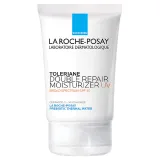
| LumeneNordic Ageless [AJATON] Radiant Youth SPF30 Day CreamYOUR PRODUCT | CeraVeAM Facial Moisturiser SPF50 Normal to Dry Skin | Up&UpMorning Facial Moisturizing Lotion with Sunscreen SPF 30 | La Roche-PosayToleriane Double Repair Face Moisturizer UV Broad Spectrum SPF 30 | |
|---|---|---|---|---|
| Match | — | 80% | 77% | 74% |
| Price | $51.36 | $19.82−$31.54 | $10.49−$40.87 | $25.99−$25.37 |
| Shared key ingredients | — | 8 of 24 | 11 of 24 | 7 of 24 |
| Key difference | — | Sodium Hyaluronate | Sodium Hyaluronate | Allantoin |
| Irritancy | High | Low | Low | Low |
| SPF | SPF 30 | SPF 50 | SPF 30 | SPF 30 |
| Drying alcohol | — | — | — | — |
| View product | Shop | Shop | Shop |

Product summary
We assess that "Lumene - Nordic Ageless [AJATON] Radiant Youth SPF30 Day Cream" can provide reliable sun protection based on the ingredient list. It can protect from both UVA and UVB rays. This is great news because not all sunscreens with SPF ratings give UVA protection. (UVA rays do not cause sunburn, but still damage our skin and lead to early aging).
It also works as a moisturizer, so you do not have to use an additional hydrating product. Like all broad-spectrum sunscreens, this product has an anti-aging benefit.
Sunscreen filters
This is a so-called "chemical" sunscreen. It means that it uses organic UV filters. They typically offer good sun protection and rarely leave a white cast, but they can be irritating for some people with sensitive skin. Here are the exact UV filters in this sunscreen: oxybenzone 0.65% - 1.00%, avobenzone 2.00% - 2.50%, octinoxate 0.80% - 1.20%, octisalate 3.20% - 3.90%, homosalate 4.50% - 5.50% and octocrylene 4.90% - 6.00%.
Irritation risk
This formulation includes some common irritants, including ingredients that do not provide a benefit for the skin. We assess the overall irritancy of this moisturizer to be high. For a detailed overview of all potential irritants: click here
You can see the detailed formula review with the breakdown of all actives in the product and the full ingredient list with estimated concentrations in the tables below.
Price
The product retails from 42.90£ up to 54.15£ in the United Kingdom.
For a detailed price comparison: click here.
Sources cited in this review
Every concentration estimate and effectiveness label is anchored to one of these 36 studies and safety reviews.
- 1
- 2
- 3
- 4Final Report on the Safety Assessment of Dimethicone Copolyoljournals.sagepub.com
- 5
- 6
![Lumene Nordic Ageless [AJATON] Radiant Youth SPF30 Day Cream](/_ipx/fit_inside&s_40x40/https://image-delivery.nyc3.cdn.digitaloceanspaces.com/full/4fe35d2ae0b5d41870db74fd869d2f83.jpeg)
Affiliate links · As an Amazon Associate, WIMJ earns from qualifying purchases.