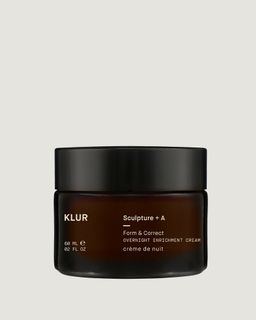
Works for
2 of 2 advertised claims delivered
Anti-aging10 ingredients credited for this claimStrong support
“Retinol — Upregulates collagen synthesis, accelerates cellular renewal, and inhibits collagen-degrading enzyme activity.”
This product can help reduce and prevent fine lines and wrinkles, improve skin elasticity and firmness because it contains retinol.
These ingredients in the product can also be helpful, even though there is less evidence for their effectiveness: centella asiatica extract, palmitoyl tetrapeptide-7, palmitoyl tripeptide-1, vitis vinifera seed extract.
Keep in mind that it typically takes at least 6 weeks to notice any results because the changes that are needed to improve fine lines and elasticity happen in the deeper layers of the skin. No topical anti-aging product can “erase” wrinkles or fully reverse signs of aging.
Moisturizing29 ingredients credited for this claimStrong support
“Gotu Kola — Barrier repair and collagen synthesis support through the overnight renewal cycle.”
This product can help improve hydration of the skin with the two types of ingredients.
The first type is called “humectants”:
these ingredients help attract water.
When humectants are on the surface of the skin, they “pull in” the moisture from the outside environment, or from
within deeper layers of the skin. The following ingredients in this product do the job:
glycerin, sodium lactate.
This product also contains ingredients called “occlusives”. They help reduce the speed with which our skin loses moisture to the outside environment. These ingredients also help soften the upper layer of the skin, so it feels less tight and nicer to the touch. The following ingredients in this product do the job: butyrospermum parkii butter, simmondsia chinensis seed oil.
The following ingredients in this product are especially good for supporting the skin barrier and helping with the hydration level: palmitoyl tetrapeptide-7, palmitoyl tripeptide-1, panthenol
ExfoliationNot advertised by the brand · 1 ingredient credited for this claimStrong support
This product can help exfoliate the skin. In other words, it helps break down the bonds between dead cells on the surface of the skin and speed up the skin turnover. Skin often appears softer and brighter after exfoliation, but overdoing it can result in disrupted skin barrier. The following ingredient is doing the exfoliating job in this product: retinol.
Anti-blemishNot advertised by the brand · 5 ingredients credited for this claimStrong support
This product can help reduce breakouts and clogged pores because it contains the following ingredient: retinol. This ingredient is used for treating acne and can have a noticeable effect.
Evens skin toneNot advertised by the brand · 2 ingredients credited for this claimStrong support
This product can help reduce hypepigmentation and even out the skin tone because it contains the following effective ingredients: retinol.
Keep in mind that you would need to apply any topical skincare targetted at hypigmentation consistently for a couple of months to get a result. No topical skincare product can help get rid of hyperpigmentation (including post-acne marks and age spots) instantly.
Anti-oxidationNot advertised by the brand · 19 ingredients credited for this claimStrong support
This product contains antioxidants (retinol, vitis vinifera seed extract) that can help neutralize free radicals in skin. By doing so, they can lessen the damage the skin gets from the UV light (sun).
The following ingredients - camellia sinensis leaf extract, centella asiatica extract, ginkgo biloba leaf extract also can have an antioxidant effect, but there is less evidence to confirm their effectiveness in skin.
Can it cause trouble?
Irritancy5 strong irritants: Retinol, Cassia senna leaf extract + 3 more — patch-test recommendedHigh risk
Comedogenic2 ingredients rated 2 or more on the 0–5 pore-clogging scale2 flagged


User reviews
Be the first — your take helps the next person decide.
Ingredients
Filter by role to see what each ingredient is doing.
Aloe barbadensis leaf juice~26–31%
- Irritation risk
- Medium
Traditionally used to treat sunburns, dermatitis and inflammation, but evidence for its effectiveness is lacking. The extract can contain humectants that help attract water into the skin
More about Aloe barbadensis leaf juiceWater~13–16%
Carthamus tinctorius seed oil~5.9–7.3%
- Irritation risk
- Low
An emollient that helps soften the skin and might help calm down inflammation
More about Carthamus tinctorius seed oilGlycerin~3.8–4.6%
- Irritation risk
- Low
One of the best moisturizing ingredients. Naturally present in skin. It attracts water to the upper layer of the skin working as a humectant
More about GlycerinLecithin~3.1–3.8%
- Irritation risk
- Low
Used mostly for creating emulsions - helping oil and water mix together. Helps soften the upper layer of the skin
More about LecithinPanthenol~2.1–2.6%
- Irritation risk
- Low
Helps attract water to the upper layer of the skin and can help improve skin barrier function
More about PanthenolDimethyl sulfone~1.7–2.1%
Butyrospermum parkii butter~1.7–2.1%
- Irritation risk
- Low
- Comedogenicity
- 3/5
A great moisturising ingredient that softens the skin and reduces water loss from its upper layer. It also can be helpful in protecting skin from free radicals
More about Butyrospermum parkii butterSimmondsia chinensis seed oil~1.6–1.9%
- Irritation risk
- Medium
Softens the upper layer of skin and helps restore the healthy skin barrier. Has shown to help calm down inflammation in skin. It is a stable oil, meaning that it retains its properties even when exposed to air.
More about Simmondsia chinensis seed oilBorago officinalis seed oil~1.3–1.6%
- Irritation risk
- Low
A plant oil that is effective in reducing irritation in skin, restore the barrier function and support its hydration
More about Borago officinalis seed oilCentella asiatica extract~1.1–1.3%
- Irritation risk
- Medium
A plant extract that has been shown to be able to reduce inflammation in skin, support restoration of skin barrier function, as well as support collagen production. Contains active compounds called centelloids: asiaticoside, madecasosside, asiatic acid and madecassic acid. Might be helpful in preventing stretch marks. It can be itself be irritating though.
More about Centella asiatica extractPrunus domestica seed oil~0.8–1.2%
- Irritation risk
- Medium
Helps soften the upper layer of the skin
More about Prunus domestica seed oilTocopheryl acetate~0.75–1.15%
- Irritation risk
- Medium
A more stable but less bio-available form of vitamin E compared to Tocopherol. Might help moisturize and protect the skin from free radicals, but mostly used in low concentrations to stabilize other ingredients.
More about Tocopheryl acetateRetinol~0.7–1.05%
- Irritation risk
- High
Two steps removed from the active form of vitamin A - retinoic acid. Once converted to the retinoic acid in the skin, retinol is proven to be effective against all signs of aging. It improves skin cell turnover, helps fight blemishes and clogged pores, can regulate excess oil production and even skin tone. It can, however, be quite irritating
More about RetinolCetyl alcohol~0.75–1.15%
- Irritation risk
- Low
A non-drying alcohol that works to soften the skin and stabilize product formulations helping oil and water mix together
More about Cetyl alcoholPhoenix dactylifera seed extract~0.7–1.05%
- Irritation risk
- Low
Vitis vinifera seed extract~0.7–1.05%
- Irritation risk
- Low
A plant extract that contains resveratrol and other anti-oxidant compounds that can help neutralize free radicals, reduce inflammation in skin and even out its tone. Can be also used to stabilize the product formulation
More about Vitis vinifera seed extractPalmitoyl tetrapeptide-7~0.7–1%
- Irritation risk
- Low
A type of peptide. Peptides are excellent moisturizers and might be able support collagen production reducing fine lines and wrinkles
More about Palmitoyl tetrapeptide-7Palmitoyl tripeptide-1~0.65–1%
- Irritation risk
- Low
A type of peptide. Peptides are excellent moisturizers and might be able support collagen production reducing fine lines and wrinkles
More about Palmitoyl tripeptide-1Ganoderma lucidum extract~0.6–0.9%
- Irritation risk
- Medium
Helps attract water to the upper layer of the skin
More about Ganoderma lucidum extractAnthemis nobilis flower water~0.55–0.85%
- Irritation risk
- Low
Camellia sinensis leaf extract~0.6–0.9%
- Irritation risk
- Low
Can contain potent anti-oxidant compounds (abbreviated ECG, GCG, EGC, and EGCG) that might help protect the skin from free radicals. Can help calm down inflammation and has some anti-bacterial properties. Unfortunately, these antioxidants are unstable and lose their effectiveness very quickly in products. The concentration of the antioxidant compounds in the extract also tends to be low to be effective in topical formulation
More about Camellia sinensis leaf extractPotassium phosphate~0.55–0.85%
Isopropyl palmitate~0.55–0.85%
- Irritation risk
- Medium
- Comedogenicity
- 3/5
Helps soften the upper layer of the skin and create a thicker product consistency
More about Isopropyl palmitateGlyceryl stearate~0.6–0.9%
- Irritation risk
- Low
An emollient that softens the skin and forms a protective layer on its surface. Helps water and oil mix together
More about Glyceryl stearateCalendula officinalis extract~0.55–0.8%
- Irritation risk
- High
A plant extract that might help neutralize free radicals in skin
More about Calendula officinalis extractTocopherol~0.55–0.85%
- Irritation risk
- Low
Pure form of vitamin E. Can help moisturise and protect the skin from free radicals. Often used to help stabilise other ingredients or the formula itself
More about TocopherolCurcuma longa rhizome extract~0.55–0.8%
- Irritation risk
- Medium
A plant extract that might have some anti-oxidant properties but there is no evidence of effectiveness in skin
More about Curcuma longa rhizome extractMedicago sativa leaf extract~0.55–0.8%
- Irritation risk
- Low
Schisandra chinensis fruit extract~0.55–0.8%
- Irritation risk
- Medium
A berry extract that might help neutralize free radicals on the surface of the skin
More about Schisandra chinensis fruit extractGinkgo biloba leaf extract~0.55–0.8%
- Irritation risk
- High
A plant extract that might help neutralize free radicals and reduce inflammation in skin. It can be irritating
More about Ginkgo biloba leaf extractDaucus carota sativa seed oil~0.55–0.85%
- Irritation risk
- Low
A plant oil that might help neutralize free radicals and have an anti-bacterial effect
More about Daucus carota sativa seed oilVaccinium angustifolium fruit extract~0.5–0.75%
- Irritation risk
- Medium
A plant extract tha can have anti-oxidant properties, but evidence of effectiveness in skin is lacking
More about Vaccinium angustifolium fruit extractViola tricolor extract~0.55–0.8%
- Irritation risk
- Medium
A plant extract that might have an anti-inflammatory effect in skin
More about Viola tricolor extractLimnanthes alba seed oil~0.6–0.9%
- Irritation risk
- Low
This oil's cmposition is closest to rapeseed oil. It is a very stable oil and serves as an emoillient
More about Limnanthes alba seed oilRosa canina fruit oil~0.6–0.85%
- Irritation risk
- Medium
A great emollient. Contains vitamin E (tocopherol) which may give it some anti-oxidant properties. Can contain volatile compounds and can be irritating
More about Rosa canina fruit oilCarbomer~0.5–0.8%
- Irritation risk
- Low
Helps create a thicker or gel-like product texture. It is not a surfactant but can be used in gentle cleansing formulations
More about CarbomerCassia angustifolia seed polysaccharide~0.5–0.75%
- Irritation risk
- Medium
Helps attract water to the upper layer of the skin. Is sometimes referred to as "natural" hyaluronic acid (even though hyaluronic acid is not unnatural and is present in human skin)
More about Cassia angustifolia seed polysaccharideTaraxacum officinale rhizome/root extract~0.45–0.65%
- Irritation risk
- High
A plant extract that might have some anti-oxidant properties
More about Taraxacum officinale rhizome/root extractCassia senna leaf extract~0.45–0.7%
- Irritation risk
- High
Brassica oleracea italica seed oil~0.5–0.75%
- Irritation risk
- Medium
A plant seed oil that consists mainly of erucic acid and used to help soften the upper layer of the skin. This fatty acid can enhance penetration of other ingredients into the skin but it is not a good moisturizer on its own
More about Brassica oleracea italica seed oilAleurites moluccanus seed oil~0.45–0.7%
- Irritation risk
- Low
Helps soften the upper layer of the skin
More about Aleurites moluccanus seed oilPunica granatum seed oil~0.5–0.75%
- Irritation risk
- Low
Helps soften the upper layer of the skin
More about Punica granatum seed oilEquisetum arvense extract~0.45–0.7%
- Irritation risk
- High
A plant extract that might have anti-oxidant properties. Can be irritating
More about Equisetum arvense extractXanthan gum~0.45–0.7%
- Irritation risk
- Low
Used to create a thicker product consistency
More about Xanthan gumSodium lactate~0.4–0.65%
- Irritation risk
- Medium
Helps attract water to the upper layer of the skin. Is often used to adjust the pH level of the product
More about Sodium lactateStearic acid~0.55–0.8%
- Irritation risk
- Low
Helps oil and water mix together and works as an emollient
More about Stearic acidArnica montana flower extract~0.3–0.6%
- Irritation risk
- High
A plant extract that can be irritating. It can have some anti-bacterial properties, but there are no evidence of a beneficial effect for skin
More about Arnica montana flower extractBoswellia serrata extract~0.35–0.6%
- Irritation risk
- Low
Geranium maculatum extract~0.25–0.45%
- Irritation risk
- High
Contains an essential oil. Can be irritating
More about Geranium maculatum extractCaprylic/capric triglyceride~0.3–0.55%
- Irritation risk
- Medium
A good mix of fatty acids that forms a protective layer on the skin. Improves the shelf life of products. Derived from coconut and glycerin
More about Caprylic/capric triglyceridePentylene glycol~0.3–0.55%
- Irritation risk
- Medium
Used to preserve products, dissolve other ingredients and create a nice product texture
More about Pentylene glycolPhenoxyethanol~0.25–0.45%
- Irritation risk
- Low
A preservative. It helps prevent bacterial growth in cosmetic products
More about PhenoxyethanolEthylhexylglycerin~0.2–0.35%
Ingredient list view
Aloe barbadensis leaf juice, Water, Carthamus tinctorius seed oil, Glycerin, Lecithin, Panthenol, Dimethyl sulfone, Butyrospermum parkii butter, Simmondsia chinensis seed oil, Borago officinalis seed oil, Centella asiatica extract, Prunus domestica seed oil, Tocopheryl acetate, Retinol, Cetyl alcohol, Phoenix dactylifera seed extract, Vitis vinifera seed extract, Palmitoyl tetrapeptide-7, Palmitoyl tripeptide-1, Ganoderma lucidum extract, Anthemis nobilis flower water, Camellia sinensis leaf extract, Potassium phosphate, Isopropyl palmitate, Glyceryl stearate, Calendula officinalis extract, Tocopherol, Curcuma longa rhizome extract, Medicago sativa leaf extract, Schisandra chinensis fruit extract, Ginkgo biloba leaf extract, Daucus carota sativa seed oil, Vaccinium angustifolium fruit extract, Viola tricolor extract, Limnanthes alba seed oil, Rosa canina fruit oil, Carbomer, Cassia angustifolia seed polysaccharide, Taraxacum officinale rhizome/root extract, Cassia senna leaf extract, Brassica oleracea italica seed oil, Aleurites moluccanus seed oil, Punica granatum seed oil, Equisetum arvense extract, Xanthan gum, Sodium lactate, Stearic acid, Arnica montana flower extract, Boswellia serrata extract, Geranium maculatum extract, Caprylic/capric triglyceride, Pentylene glycol, Phenoxyethanol, Ethylhexylglycerin
Compare prices
Retailers ranked by price — lowest first.

Affiliate links · prices updated regularly
Worth comparing, line by line.
Match % combines shared ingredients, the first five ingredients, shared actives and hero ingredients, irritancy (lower counts in the alternative's favour), texture and body area. Only products in the same routine step are compared.
| KLURSculpture + A ™YOUR PRODUCT | No7Pure Retinol Night Repair Cream | Marini SkinSolutionsRetinol Plus Face Cream | Paula's choiceResist Intensive Repair Cream | |
|---|---|---|---|---|
| Match | — | 86% | 82% | 82% |
| Price | $150.00 | $30.00−$120.00 | — | $26.40−$123.60 |
| Shared key ingredients | — | 7 of 21 | 8 of 21 | 8 of 21 |
| Key difference | — | Acetyl Dipeptide-1 Cetyl Ester | Cyclopentasiloxane | Niacinamide |
| Irritancy | High | Medium | Medium | Medium |
| Drying alcohol | — | Contains drying alcohol | — | — |
| View product | Shop | Shop | Shop |


Sources cited in this review
Every concentration estimate and effectiveness label is anchored to one of these 35 studies and safety reviews.
- 1
- 2Skin moisturizing effects of panthenol-based formulationspdfs.semanticscholar.org
- 3
- 4
- 5
- 6

Affiliate links · As an Amazon Associate, WIMJ earns from qualifying purchases.