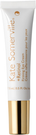
Kate Somerville +Retinol Firming Eye Cream
Works for
3 of 3 advertised claims delivered
Anti-aging5 ingredients credited for this claimStrong support
“Advanced eye wrinkle cream clinically proven to firm and smooth.”
This product can help reduce and prevent fine lines and wrinkles, improve skin elasticity and firmness because it contains hydroxypinacolone retinoate, retinol, adenosine, bakuchiol.
Keep in mind that it typically takes at least 6 weeks to notice any results because the changes that are needed to improve fine lines and elasticity happen in the deeper layers of the skin. No topical anti-aging product can “erase” wrinkles or fully reverse signs of aging.
Evens skin tone4 ingredients credited for this claimStrong support
“-Retinol: Combats the appearance of fine lines and wrinkles, supports skin elasticity and firmness, smooths, enhances skin clarity, reduces the appearance of dark spots and imperfections, and reduces the appearance of pores.”
This product can help reduce hypepigmentation and even out the skin tone because it contains the following effective ingredients: hydroxypinacolone retinoate, retinol.
In addition, this product contains bakuchiol. This ingredient (ingredients) might help reduce hyperpigmentation, but the effect, if any, is likely to be small.
The following ingredient (ingredients) in this product might be helpful, but there is no evidence to confirm that it actually can help even out the skin tone: ethyl linoleate.
Keep in mind that you would need to apply any topical skincare targetted at hypigmentation consistently for a couple of months to get a result. No topical skincare product can help get rid of hyperpigmentation (including post-acne marks and age spots) instantly.
Moisturizing18 ingredients credited for this claimGood support
“It helps to reverse the visible signs of aging, protects skin from further damage and even helps to improve problem skin, provides hydration, visible wrinkle reduction, improved skin clarity and firmness, and reduction in rough skin texture”
This product can help improve hydration of the skin with the two types of ingredients.
The first type is called “humectants”:
these ingredients help attract water.
When humectants are on the surface of the skin, they “pull in” the moisture from the outside environment, or from
within deeper layers of the skin. The following ingredients in this product do the job:
glycerin, hydrolyzed hyaluronic acid.
This product also contains ingredients called “occlusives”. They help reduce the speed with which our skin loses moisture to the outside environment. These ingredients also help soften the upper layer of the skin, so it feels less tight and nicer to the touch. The following ingredients in this product do the job: dimethicone, ethylhexyl hydroxystearate.
Anti-oxidationNot advertised by the brand · 5 ingredients credited for this claimStrong support
This product contains antioxidants (bakuchiol, retinol) that can help neutralize free radicals in skin. By doing so, they can lessen the damage the skin gets from the UV light (sun).
ExfoliationNot advertised by the brand · 2 ingredients credited for this claimStrong support
This product can help exfoliate the skin. In other words, it helps break down the bonds between dead cells on the surface of the skin and speed up the skin turnover. Skin often appears softer and brighter after exfoliation, but overdoing it can result in disrupted skin barrier. The following ingredient is doing the exfoliating job in this product: retinol.
Can it cause trouble?
Irritancy4 strong irritants: Retinol, Hydroxypinacolone retinoate + 2 more — patch-test recommendedHigh risk
Comedogenic1 ingredient rated 2 or more on the 0–5 pore-clogging scale1 flagged


User reviews
Be the first — your take helps the next person decide.
Ingredients
Filter by role to see what each ingredient is doing.
Water~45–55%
Dimethicone~5.4–6.6%
- Irritation risk
- Low
A silicone that helps to reduce water loss from the surface of the skin. Can temporarily "fill in" lines and wrinkles, absorb oil, and create a nice product finish
More about DimethiconePropanediol~4.2–5.1%
- Irritation risk
- Low
Acts as a solvent for other ingredients. Speeds up the absorption of other ingredients into the skin
More about PropanediolGlycerin~3.1–3.8%
- Irritation risk
- Low
One of the best moisturizing ingredients. Naturally present in skin. It attracts water to the upper layer of the skin working as a humectant
More about GlycerinPolysilicone-11~2.4–2.9%
- Irritation risk
- Low
A silicone that forms a light film on the skin surface helping to bind water and temporarily absorb oils creating a matt and powdery feel
More about Polysilicone-11Synthetic fluorphlogopite~2–2.4%
- Irritation risk
- Low
A mineral that is used as an optical filter (makes the skin looks nicer through light reflection) and to improve the texture of cosmetic products
More about Synthetic fluorphlogopiteButylene glycol~1.6–2%
- Irritation risk
- Low
Used to create a nice product texture and help delivery of other ingredients. Might be somewhat helpful in attracting water to the upper layer of the skin
More about Butylene glycolPolymethylsilsesquioxane~1.5–1.8%
- Irritation risk
- Low
A silicone that improves product texture and helps dissolve other ingredients. Can form a non-greasy film on the skin to prevent moisture loss
More about PolymethylsilsesquioxaneEthyl linoleate~1.2–1.4%
- Irritation risk
- Medium
Helps reduce acne and blemishes. Helps to soften the upper layer of the skin and reduce inflammation. Might be helpful in reducing hyperpigmentation and evening out the skin tone, but evidence of effectiveness in skin are lacking
More about Ethyl linoleateLauryl polyglyceryl-3 polydimethylsiloxyethyl dimethicone~0.95–1.15%
- Irritation risk
- Low
Retinol~0.65–1%
- Irritation risk
- High
Two steps removed from the active form of vitamin A - retinoic acid. Once converted to the retinoic acid in the skin, retinol is proven to be effective against all signs of aging. It improves skin cell turnover, helps fight blemishes and clogged pores, can regulate excess oil production and even skin tone. It can, however, be quite irritating
More about RetinolHydroxypinacolone retinoate~0.05%
- Irritation risk
- High
A derivative of the most potent form of vitamin A, retinoic acid. The ingredient can be sold under name Granactive Retinoid. Note that if a skincare brand discloses the concentration of Granactive Retinoid in a product, the concentration refers to a diluted form of Hydroxypinacolone Retinoate: 1% of Granactive Retinoid corresponds to 0.1% of Hydroxypinacolone Retinoate. Hydroxypinacolone Retinoate (HPR) is a unique derivative of retinoic acid because it can directly work in the skin and does not require additional conversion steps. According to studies done by the manufacturer on models of human skin (not real people), this derivative is more effective than other cosmetic versions of retinoids (such as retinol, retinaldehyde, and retinyl palmitate), and, at the same time, causes less irritation. It has been also demonstrated to be more stable than retinol which makes formulating with easier and increases the chances that a product with it will maintain its effectiveness after opening. The packaging should still ideally be air-tight. HPR is available over the counter in the EU, UK, Asia, Australia and New Zealand, but is only with a prescription in Canada.
More about Hydroxypinacolone retinoateBidens pilosa extract~0.5–0.75%
- Irritation risk
- Low
Bakuchiol~0.5–0.75%
- Irritation risk
- Medium
A plant extract that is, though different in chemical structure, acts similar to retinoids. First studies show that it can help reduce fine lines and wrinkles, improve skin tone, reduce clogged pores and blemishes, and reduce inflammation. There is no conclusive evidence that bakuchiol is as effective as retinol however. The study that directly compared retinol with bakuchiol used bakuchiol applied twice daily compared to once per day for the retinol. According to this study, bakuchiol is less irritating than retinol. Bakuchiol is extracted from seeds of Babchi plant. Other parts of the plant contain coumarins that could cause allergic and irritant reactions. These compounds should be removed in the extraction process when bakuchiol is produced, but it is a good idea to be cautious and stay away from products that include the Babchi plant extracts other than purified bakuchiol to avoid irritation
More about BakuchiolHydrolyzed hyaluronic acid~0.45–0.65%
- Irritation risk
- Low
One of the best moisturizing ingredients. Attracts water into the upper layer of the skin. A version of it is naturally present in skin
More about Hydrolyzed hyaluronic acidMicrocitrus australasica fruit extract~0.4–0.65%
- Irritation risk
- High
Most likely used for its fragrance. Can be irritating and lead to photosensitivity
More about Microcitrus australasica fruit extractOryza sativa bran extract~0.4–0.6%
Terminalia chebula fruit extract~0.35–0.6%
- Irritation risk
- Low
Glycine soja extract~0.3–0.6%
- Irritation risk
- Low
Elaeis guineensis oil~0.35–0.6%
- Irritation risk
- Low
Helps soften the upper layer of the skin
More about Elaeis guineensis oilGossypium herbaceum seed oil~0.25–0.5%
- Irritation risk
- Low
- Comedogenicity
- 3/5
Cottonseed oil. It is used as an emollient and occlusive in products. It is rich palmitic, oleic acid, and linoleic fatty acids.
More about Gossypium herbaceum seed oilHelianthus annuus seed oil~0.3–0.55%
- Irritation risk
- Low
A great emollient due to its high linoleic acid content. One of the most effective plant oils in helping skin hydration and repairing skin barrier function
More about Helianthus annuus seed oilLinum usitatissimum seed oil~0.25–0.4%
Adenosine~0.25–0.45%
- Irritation risk
- Low
Might help improve cell turnover and reduce inflammation in skin. One study shows that the ingredients might be able to help reduce dynamic wrinkles (for example, in the corners of the eyes or on the forehead)
More about AdenosineAloe barbadensis leaf juice powder~0.25–0.45%
- Irritation risk
- Medium
Traditionally used to treat sunburns, dermatitis and inflammation, but evidence for its effectiveness is lacking. The extract can contain humectants that help attract water into the skin
More about Aloe barbadensis leaf juice powderRosmarinus officinalis leaf extract~0.25–0.45%
- Irritation risk
- High
Can be helpful in reducing inflammation in skin, including inflamed acne. It can be irritating
More about Rosmarinus officinalis leaf extractTocopherol~0.25–0.5%
- Irritation risk
- Low
Pure form of vitamin E. Can help moisturise and protect the skin from free radicals. Often used to help stabilise other ingredients or the formula itself
More about TocopherolDimethyl isosorbide~0.25–0.5%
- Irritation risk
- Low
Used to dissolve other ingredients in a product and can enhance their ability to penetrate the skin
More about Dimethyl isosorbideHdi/trimethylol hexyllactone crosspolymer~0.25–0.5%
- Irritation risk
- Low
Used to create a silky product texture and add volume to products
More about Hdi/trimethylol hexyllactone crosspolymerPolyacrylamide~0.3–0.5%
- Irritation risk
- Medium
Used to improve product texture and help oil and water mix together
More about PolyacrylamidePhenoxyethanol~0.25–0.45%
- Irritation risk
- Low
A preservative. It helps prevent bacterial growth in cosmetic products
More about PhenoxyethanolEthylhexyl hydroxystearate~0.3–0.5%
- Irritation risk
- Low
Helps soften the upper layer of the skin and reduce water loss from it
More about Ethylhexyl hydroxystearatePeg-12 dimethicone~0.25–0.45%
- Irritation risk
- Low
Helps soften the upper layer of the skin and create a nice product texture
More about Peg-12 dimethiconeC13-14 isoparaffin~0.25–0.5%
- Irritation risk
- Low
Helps soften the upper layer of the skin, dissolve other ingredients and create a thicker product consistency
More about C13-14 isoparaffinCaprylyl glycol~0.25–0.45%
- Irritation risk
- Medium
Helps preserve products and creates a nice product texture
More about Caprylyl glycolDecyl glucoside~0.3–0.55%
- Irritation risk
- High
Helps oil and water mix together. Can be irritating
More about Decyl glucosideAcrylates/c10-30 alkyl acrylate crosspolymer~0.2–0.35%
- Irritation risk
- Medium
Maintains the texture of skincare products. Allows the product to spread evenly. Helps oil and water mix together
More about Acrylates/c10-30 alkyl acrylate crosspolymerHexylene glycol~0.15–0.3%
- Irritation risk
- Medium
Helps create a more spreadable product texture
More about Hexylene glycolEthylhexylglycerin~0.15–0.25%
Aminomethyl propanol~0.15–0.3%
Laureth-7~0.15–0.25%
Xanthan gum~0.1–0.2%
- Irritation risk
- Low
Used to create a thicker product consistency
More about Xanthan gumDisodium edta~0.05–0.1%
Ingredient list view
Water, Dimethicone, Propanediol, Glycerin, Polysilicone-11, Synthetic fluorphlogopite, Butylene glycol, Polymethylsilsesquioxane, Ethyl linoleate, Lauryl polyglyceryl-3 polydimethylsiloxyethyl dimethicone, Retinol, Hydroxypinacolone retinoate, Bidens pilosa extract, Bakuchiol, Hydrolyzed hyaluronic acid, Microcitrus australasica fruit extract, Oryza sativa bran extract, Terminalia chebula fruit extract, Glycine soja extract, Elaeis guineensis oil, Gossypium herbaceum seed oil, Helianthus annuus seed oil, Linum usitatissimum seed oil, Adenosine, Aloe barbadensis leaf juice powder, Rosmarinus officinalis leaf extract, Tocopherol, Dimethyl isosorbide, Hdi/trimethylol hexyllactone crosspolymer, Polyacrylamide, Phenoxyethanol, Ethylhexyl hydroxystearate, Peg-12 dimethicone, C13-14 isoparaffin, Caprylyl glycol, Decyl glucoside, Acrylates/c10-30 alkyl acrylate crosspolymer, Hexylene glycol, Ethylhexylglycerin, Aminomethyl propanol, Laureth-7, Xanthan gum, Disodium edta
Compare prices
Retailers ranked by price — lowest first.


Worth comparing, line by line.
Match % combines shared ingredients, the first five ingredients, shared actives and hero ingredients, irritancy (lower counts in the alternative's favour), texture and body area. Only products in the same routine step are compared.
| Kate Somerville+Retinol Firming Eye CreamYOUR PRODUCT | SkinfoodBlack Cherry Retinol Daily Cream | GoodalBlack Carrot Vita-A Retinol Firming Eye Cream 30ml | Centellian24360º Shot PDRN Lifting Eye Cream | |
|---|---|---|---|---|
| Match | — | 72% | 70% | 66% |
| Price | $83.29 | $17.58−$65.71 | $43.56−$39.73 | — |
| Shared key ingredients | — | 5 of 14 | 7 of 14 | 5 of 14 |
| Key difference | — | Niacinamide | Niacinamide | Niacinamide |
| Irritancy | High | High | High | High |
| Drying alcohol | — | — | Contains drying alcohol | — |
| View product | Shop | Shop | Shop |


Sources cited in this review
Every concentration estimate and effectiveness label is anchored to one of these 32 studies and safety reviews.
- 1
- 2Final Report on the Safety Assessment of Dimethicone Copolyoljournals.sagepub.com
- 3
- 4
- 5
- 6

Affiliate links · As an Amazon Associate, WIMJ earns from qualifying purchases.