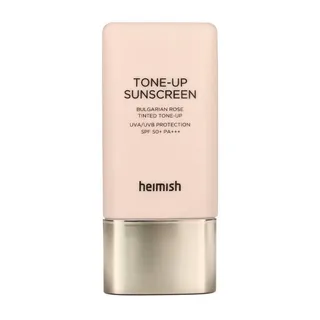
Heimish Bulgarian Rose Tone-up Sunscreen

Heimish Bulgarian Rose Tone-up Sunscreen

Efficacy100/100IrritancyHigh

Works for

Evens skin tone
Lactobionic acid, Niacinamide + 1 more
Works well
What the product description says
“Features a tone up effect to brighten and even your skin tone for a natural look.”
Source: Lila Beauty

This product can help reduce hypepigmentation and even out the skin tone because it contains the following effective ingredients: lactobionic acid

Keep in mind that you would need to apply any topical skincare targetted at hypigmentation consistently for a couple of months to get a result. No topical skincare product can help get rid of hyperpigmentation (including post-acne marks and age spots) instantly.

Lactobionic acidKey activeEffect: HighA polyhydroxy acid (PHA) that helps shed dead cells from the surface of the skin revealing a smoother, more even skin. PHAs tend to be gentler on the skin compared to AHAs (for example, glycolic acid). It also has hydrating properties and helps attract water to the upper layer of the skin. It can help calm down inflammation in skin and support restoration of the barrier function. It has an anti-oxidant effect as well. It can help reduce fine line, wrinkles and improve skin elasticity~0.35–0.8%
NiacinamideUnder-dosedIs proven to be effective in reducing blemishes, evening out skin tone and helping to improve lines and wrinkles. It helps the skin to repair sun damage, calm down inflammation and keep maintain good levels of moisture. The concentration of about 2% is effective for supporting the skin barrier and evening out the skin tone. Concentration of 4-6% is better for helping with acne and balancing the sebum production~0.6–1.4%
Ascorbic acidUnder-dosedThe most well-researched antioxidant that works in skin. Helps neutralize free radicals supporting collagen production, helping to even out the skin tone and preventing early signs of aging~0.2–0.75%
Moisturizing
Lactobionic acid, Phenyl trimethicone + 17 more
Works well
What the product description says
“Hydrating formula blended with rose water and other hydrating agents to leave your skin supple and moisturized.”
Source: Lila Beauty

This product can help improve hydration of the skin with the two types of ingredients.

The first type is called “humectants”:
these ingredients help attract water. When humectants are on the surface of the skin, they “pull in” the moisture from the outside environment, or from within deeper layers of the skin. The following ingredients in this product do the job: glycerin, butylene glycol.

This product also contains ingredients called “occlusives”. They help reduce the speed with which our skin loses moisture to the outside environment. These ingredients also help soften the upper layer of the skin, so it feels less tight and nicer to the touch. The following ingredients in this product do the job: dimethicone, phenyl trimethicone.

The following ingredients in this product are especially good for supporting the skin barrier and helping with the hydration level: lactobionic acid

Lactobionic acidHeroEffect: HighA polyhydroxy acid (PHA) that helps shed dead cells from the surface of the skin revealing a smoother, more even skin. PHAs tend to be gentler on the skin compared to AHAs (for example, glycolic acid). It also has hydrating properties and helps attract water to the upper layer of the skin. It can help calm down inflammation in skin and support restoration of the barrier function. It has an anti-oxidant effect as well. It can help reduce fine line, wrinkles and improve skin elasticity~0.35–0.8%
Phenyl trimethiconeKey active· OcclusiveEffect: HighA type of silicone that can decrease loss of moisture from the skin surface. It helps create a nice product texture~0.95–1.45%
IsododecaneKey active· Emollient, OcclusiveEffect: MediumAn emollient that helps soften the skin and can decrease moisture loss. Helps create a nice product texture~0.8–1.2%
GlycerinKey active· HumectantEffect: HighOne of the best moisturizing ingredients. Naturally present in skin. It attracts water to the upper layer of the skin working as a humectant~0.6–1.4%
DimethiconeKey active· Emollient, OcclusiveEffect: HighA silicone that helps to reduce water loss from the surface of the skin. Can temporarily "fill in" lines and wrinkles, absorb oil, and create a nice product finish~0.5–1.2%
AdenosineKey activeEffect: MediumMight help improve cell turnover and reduce inflammation in skin. One study shows that the ingredients might be able to help reduce dynamic wrinkles (for example, in the corners of the eyes or on the forehead)~0.45–1.05%
Olea europaea fruit oilKey active· EmollientEffect: MediumAn emollient that helps soften the skin but is not effective for restoring its barrier function. Might be helpful to calm down inflammation~0.45–1.05%
Tartaric acidKey activeEffect: MediumAn AHA (alpha-hydroxy acid). It oxidizes quickly which makes it less effective in skincare formulations. It can support skin's barrier and moisture levels~0.15–0.5%
Butylene glycol· HumectantEffect: LowUsed to create a nice product texture and help delivery of other ingredients. Might be somewhat helpful in attracting water to the upper layer of the skin~3.2–4.8%
Hexyl laurate· EmollientEffect: LowHelps soften the upper layer of the skin and create a nice product consistency~0.5–1.1%
Dicaprylyl carbonate· EmollientEffect: LowHelps products spread more easily and works as an emollient to soften skin~0.5–1.2%
Propylene carbonateEffect: LowIs used to dissolve other ingredients and create nice product texture~0.5–1.15%
Propylene glycol· HumectantEffect: LowHelps oil and water mix together and can enhance the penetration of other ingredients into the skin. It can be irritating~0.45–1.05%
Cetyl peg/ppg-10/1 dimethiconeEffect: LowA type of silicone that helps water and oil mix together. Can help to soften upper layer of the skin~0.45–1.1%
Viola tricolor extract· EmollientEffect: LowA plant extract that might have an anti-inflammatory effect in skin~0.4–0.9%
Rosa damascena flower waterEffect: Low, below effective doseUsed to add a nice rose smell to the product. Might help attract water to the upper layer of the skin and have some anti-oxidant effect. Can be irritating~0.45–1.05%
TocopherolEffect: Low, below effective dosePure form of vitamin E. Can help moisturise and protect the skin from free radicals. Often used to help stabilise other ingredients or the formula itself~0.3–0.7%
NiacinamideUnder-dosedIs proven to be effective in reducing blemishes, evening out skin tone and helping to improve lines and wrinkles. It helps the skin to repair sun damage, calm down inflammation and keep maintain good levels of moisture. The concentration of about 2% is effective for supporting the skin barrier and evening out the skin tone. Concentration of 4-6% is better for helping with acne and balancing the sebum production~0.6–1.4%
Rosa canina fruit oilUnder-dosedA great emollient. Contains vitamin E (tocopherol) which may give it some anti-oxidant properties. Can contain volatile compounds and can be irritating~0.5–1.15%
Exfoliation
Side benefit · Lactobionic acid, Tartaric acid
Works well

This product can help exfoliate the skin. In other words, it helps break down the bonds between dead cells on the surface of the skin and speed up the skin turnover. Skin often appears softer and brighter after exfoliation, but overdoing it can result in disrupted skin barrier. The following ingredient is doing the exfoliating job in this product: lactobionic acid.

Lactobionic acidKey activeEffect: HighA polyhydroxy acid (PHA) that helps shed dead cells from the surface of the skin revealing a smoother, more even skin. PHAs tend to be gentler on the skin compared to AHAs (for example, glycolic acid). It also has hydrating properties and helps attract water to the upper layer of the skin. It can help calm down inflammation in skin and support restoration of the barrier function. It has an anti-oxidant effect as well. It can help reduce fine line, wrinkles and improve skin elasticity~0.35–0.8%
Tartaric acidKey activeEffect: MediumAn AHA (alpha-hydroxy acid). It oxidizes quickly which makes it less effective in skincare formulations. It can support skin's barrier and moisture levels~0.15–0.5%
Anti-oxidation
Side benefit · Lactobionic acid, Tartaric acid + 9 more
Works well

This product contains antioxidants (lactobionic acid) that can help neutralize free radicals in skin. By doing so, they can lessen the damage the skin gets from the UV light (sun).

The following ingredients - tartaric acid also can have an antioxidant effect, but there is less evidence to confirm their effectiveness in skin.

Lactobionic acidKey activeEffect: HighA polyhydroxy acid (PHA) that helps shed dead cells from the surface of the skin revealing a smoother, more even skin. PHAs tend to be gentler on the skin compared to AHAs (for example, glycolic acid). It also has hydrating properties and helps attract water to the upper layer of the skin. It can help calm down inflammation in skin and support restoration of the barrier function. It has an anti-oxidant effect as well. It can help reduce fine line, wrinkles and improve skin elasticity~0.35–0.8%
Tartaric acidKey activeEffect: MediumAn AHA (alpha-hydroxy acid). It oxidizes quickly which makes it less effective in skincare formulations. It can support skin's barrier and moisture levels~0.15–0.5%
AdenosineEffect: LowMight help improve cell turnover and reduce inflammation in skin. One study shows that the ingredients might be able to help reduce dynamic wrinkles (for example, in the corners of the eyes or on the forehead)~0.45–1.05%
Pelargonium graveolens flower oilEffect: LowAn essential oil. Can be irritating. Can become an allergen with oxidation~0.45–1.1%
Hibiscus sabdariffa flower extractEffect: LowA plant extract that can be irritating. It might contain a compound anthocyanin that could be helpful in neutralizing free radicals~0.45–1%
Viola tricolor extractEffect: LowA plant extract that might have an anti-inflammatory effect in skin~0.4–0.9%
Rosa canina fruit oilEffect: Low, below effective doseA great emollient. Contains vitamin E (tocopherol) which may give it some anti-oxidant properties. Can contain volatile compounds and can be irritating~0.5–1.15%
Tocopheryl acetateEffect: Low, below effective doseA more stable but less bio-available form of vitamin E compared to Tocopherol. Might help moisturize and protect the skin from free radicals, but mostly used in low concentrations to stabilize other ingredients.~0.45–1.1%
Rosa damascena flower waterEffect: Low, below effective doseUsed to add a nice rose smell to the product. Might help attract water to the upper layer of the skin and have some anti-oxidant effect. Can be irritating~0.45–1.05%
TocopherolUnder-dosedPure form of vitamin E. Can help moisturise and protect the skin from free radicals. Often used to help stabilise other ingredients or the formula itself~0.3–0.7%
Ascorbic acidUnder-dosedThe most well-researched antioxidant that works in skin. Helps neutralize free radicals supporting collagen production, helping to even out the skin tone and preventing early signs of aging~0.2–0.75%
Anti-aging
Side benefit · Adenosine, Lactobionic acid + 3 more
Works well

This product can help reduce and prevent fine lines and wrinkles, improve skin elasticity and firmness because it contains adenosine, lactobionic acid.

Keep in mind that it typically takes at least 6 weeks to notice any results because the changes that are needed to improve fine lines and elasticity happen in the deeper layers of the skin. No topical anti-aging product can “erase” wrinkles or fully reverse signs of aging.

AdenosineKey activeEffect: HighMight help improve cell turnover and reduce inflammation in skin. One study shows that the ingredients might be able to help reduce dynamic wrinkles (for example, in the corners of the eyes or on the forehead)~0.45–1.05%
Lactobionic acidKey activeEffect: HighA polyhydroxy acid (PHA) that helps shed dead cells from the surface of the skin revealing a smoother, more even skin. PHAs tend to be gentler on the skin compared to AHAs (for example, glycolic acid). It also has hydrating properties and helps attract water to the upper layer of the skin. It can help calm down inflammation in skin and support restoration of the barrier function. It has an anti-oxidant effect as well. It can help reduce fine line, wrinkles and improve skin elasticity~0.35–0.8%
TocopherolEffect: Low, below effective dosePure form of vitamin E. Can help moisturise and protect the skin from free radicals. Often used to help stabilise other ingredients or the formula itself~0.3–0.7%
NiacinamideUnder-dosedIs proven to be effective in reducing blemishes, evening out skin tone and helping to improve lines and wrinkles. It helps the skin to repair sun damage, calm down inflammation and keep maintain good levels of moisture. The concentration of about 2% is effective for supporting the skin barrier and evening out the skin tone. Concentration of 4-6% is better for helping with acne and balancing the sebum production~0.6–1.4%
Ascorbic acidUnder-dosedThe most well-researched antioxidant that works in skin. Helps neutralize free radicals supporting collagen production, helping to even out the skin tone and preventing early signs of aging~0.2–0.75%

Can it cause trouble?

Irritancy
11 strong irritants: Alcohol denat., Rosa damascena flower water + 9 more — patch-test recommended
High risk
We flagged 32 ingredients with irritancy potential. Severity depends on your sensitivity threshold; the table lists the worst offenders first.
IngredientFunctionIrritationEst. amount
Ethylhexyl methoxycinnamateOctinoxate. When used in higher concentrations, works as a sunscreen protecting the skin from UVB rays. When used in lower concentration, helps to preserve the product formulation. Is shown to be harmful to coral reefs - consider avoiding bathing in coral reef areas when wearing a product with this ingredient. It can be irritatingHigh~3.4–5%est.
Alcohol denat.Produces temporary toning effect. Can help dissolve other ingredients or preserve productsHigh~1.1–1.7%est.
Rosa damascena flower waterUsed to add a nice rose smell to the product. Might help attract water to the upper layer of the skin and have some anti-oxidant effect. Can be irritatingHigh~0.45–1.05%est.
Citrus aurantium dulcis peel oilAn essentil oil from orange peel. Potential allergen and can be irritatingHigh~0.45–1.05%est.
Pelargonium graveolens flower oilAn essential oil. Can be irritating. Can become an allergen with oxidationHigh~0.45–1.1%est.
Propylene glycolHelps oil and water mix together and can enhance the penetration of other ingredients into the skin. It can be irritatingHigh~0.45–1.05%est.
Hibiscus sabdariffa flower extractA plant extract that can be irritating. It might contain a compound anthocyanin that could be helpful in neutralizing free radicalsHigh~0.45–1%est.
ParfumAn aromatic blend of unspecified and possibly irritating ingredientsHigh~0.35–0.8%est.
Ascorbic acidThe most well-researched antioxidant that works in skin. Helps neutralize free radicals supporting collagen production, helping to even out the skin tone and preventing early signs of agingHigh~0.2–0.75%est.
LimoneneA common frangrance that can easily irritate skin, especially if exposed to air, light or heatHigh~0.1–0.4%est.
CitronellolA fragrance. Can be irritatingHigh~0.1–0.35%est.
GeraniolA fragrance. Can be irritatingHigh~0.05–0.3%est.
LinaloolA fragrance. Can be irritatingHigh~0.05–0.2%est.
CitralA fragrance with a lemon scent. A likely irritantHigh~0.05–0.2%est.
Butyloctyl salicylateA synthetic ester of salicylic acid that is used to help disperse pigments and boost effectiveness of sunscreen ingredients. It is able to absorb UV light (working as an organic, or chemical filter), but is not approved as a sunscreen ingredient on its ownMedium~1.3–1.9%est.
Phenylbenzimidazole sulfonic acidEnsulizole. A UV filter that is effective against UVB rays. Does not protect against UVA light. It is photostable and can be used to help stabilize other sunscreen ingredients. It is water-soluble meaning that it can help create lighter sunscreen formulationsMedium~1.1–1.6%est.
Pentaerythrityl tetraisostearateUsed to create a thicker product consistencyMedium~0.6–1.35%est.
Lauryl peg-8 dimethiconeA type of silicone that helps water and oil mix togetherMedium~0.5–1.1%est.
Polyglyceryl-4 diisostearate/polyhydroxystearate/sebacateHelps water and oil mix togetherMedium~0.5–1.15%est.
Polyglyceryl-4 isostearateHelps water and oil mix togetherMedium~0.5–1.15%est.
Hexyl laurateHelps soften the upper layer of the skin and create a nice product consistencyMedium~0.5–1.1%est.
Tocopheryl acetateA more stable but less bio-available form of vitamin E compared to Tocopherol. Might help moisturize and protect the skin from free radicals, but mostly used in low concentrations to stabilize other ingredients.Medium~0.45–1.1%est.
Potassium sorbateA preservativeMedium~0.3–0.6%est.
Olea europaea fruit oilAn emollient that helps soften the skin but is not effective for restoring its barrier function. Might be helpful to calm down inflammationMedium~0.45–1.05%est.
Rosa canina fruit oilA great emollient. Contains vitamin E (tocopherol) which may give it some anti-oxidant properties. Can contain volatile compounds and can be irritatingMedium~0.5–1.15%est.
Disodium edtaStabilizes the product formulationMedium~0.5–1%est.
Disodium stearoyl glutamateHelps oil and water mix together and workd as a cleanserMedium~0.5–1.15%est.
Viola tricolor extractA plant extract that might have an anti-inflammatory effect in skinMedium~0.4–0.9%est.
Lactobionic acidA polyhydroxy acid (PHA) that helps shed dead cells from the surface of the skin revealing a smoother, more even skin. PHAs tend to be gentler on the skin compared to AHAs (for example, glycolic acid). It also has hydrating properties and helps attract water to the upper layer of the skin. It can help calm down inflammation in skin and support restoration of the barrier function. It has an anti-oxidant effect as well. It can help reduce fine line, wrinkles and improve skin elasticityMedium~0.35–0.8%est.
1,2-hexanediolA preservativeMedium~0.35–0.75%est.
Citric acidCan work as an exfoliant but is typically used to adjust the product pHMedium~0.2–0.7%est.
Tartaric acidAn AHA (alpha-hydroxy acid). It oxidizes quickly which makes it less effective in skincare formulations. It can support skin's barrier and moisture levelsMedium~0.15–0.5%est.
Comedogenic
Clean of flagged comedogenic ingredients
None flagged

User reviews

Would you recommend?
No community reviews yet.

Be the first — your take helps the next person decide.

Ingredients

Filter by role to see what each ingredient is doing.

Water~40–60%
Formula
Irritation risk
Low

Plain old water

More about Water
Titanium dioxide~6.6–9.9%
Formula
Irritation risk
Low
Works for
Sun protection

Works as a UV filter when used in high concentrations. It is photostable and is effective mostly against the UVB light, with some protection in the UVA range. In small concentrations, used for its ability to improve the color of cosmetic products. Is usually well tolerated by the skin

More about Titanium dioxide
Ci 77891~4.4–6.7%
Formula
Irritation risk
Low
More about Ci 77891
Butylene glycol~3.2–4.8%
Formula
Irritation risk
Low
Works for
Moisturizing

Used to create a nice product texture and help delivery of other ingredients. Might be somewhat helpful in attracting water to the upper layer of the skin

More about Butylene glycol
Ethylhexyl methoxycinnamate~3.4–5%
Irritant · high
Irritation risk
High
Works for
Sun protection

Octinoxate. When used in higher concentrations, works as a sunscreen protecting the skin from UVB rays. When used in lower concentration, helps to preserve the product formulation. Is shown to be harmful to coral reefs - consider avoiding bathing in coral reef areas when wearing a product with this ingredient. It can be irritating

More about Ethylhexyl methoxycinnamate
Methyl trimethicone~2.2–3.3%
Formula
Irritation risk
Low

A type of silicone that helps create a silky product finish and dissolve other ingredients

More about Methyl trimethicone
Zinc oxide~2.5–3.8%
Formula
Irritation risk
Low
Works for
Sun protection

A broad spectrum sunblock (protects from both UVA and UVB rays). Is suitable for most sensitive skins. In small concentrations, can be used as a colorant

More about Zinc oxide
Ci 77947~1.6–2.4%
Formula
Irritation risk
Low
More about Ci 77947
Butyloctyl salicylate~1.3–1.9%
Irritant · medium
Irritation risk
Medium

A synthetic ester of salicylic acid that is used to help disperse pigments and boost effectiveness of sunscreen ingredients. It is able to absorb UV light (working as an organic, or chemical filter), but is not approved as a sunscreen ingredient on its own

More about Butyloctyl salicylate
Alcohol denat.~1.1–1.7%
Irritant · high
Irritation risk
High

Produces temporary toning effect. Can help dissolve other ingredients or preserve products

More about Alcohol denat.
Phenyl trimethicone~0.95–1.45%
Key active
Irritation risk
Low
Works for
Moisturizing

A type of silicone that can decrease loss of moisture from the skin surface. It helps create a nice product texture

More about Phenyl trimethicone
Phenylbenzimidazole sulfonic acid~1.1–1.6%
Irritant · medium
Irritation risk
Medium
Works for
Sun protection

Ensulizole. A UV filter that is effective against UVB rays. Does not protect against UVA light. It is photostable and can be used to help stabilize other sunscreen ingredients. It is water-soluble meaning that it can help create lighter sunscreen formulations

More about Phenylbenzimidazole sulfonic acid
Isododecane~0.8–1.2%
Key active
Irritation risk
Low
Works for
Moisturizing

An emollient that helps soften the skin and can decrease moisture loss. Helps create a nice product texture

More about Isododecane
Niacinamide~0.6–1.4%
Under-dosed
Irritation risk
Low
Works for
Anti-agingEvens skin toneMoisturizingAnti-blemishReduces irritationAntibacterialReduces rednessAnti-inflammatory

Is proven to be effective in reducing blemishes, evening out skin tone and helping to improve lines and wrinkles. It helps the skin to repair sun damage, calm down inflammation and keep maintain good levels of moisture. The concentration of about 2% is effective for supporting the skin barrier and evening out the skin tone. Concentration of 4-6% is better for helping with acne and balancing the sebum production

More about Niacinamide
Phenylpropyldimethylsiloxysilicate~0.8–1.25%
Formula
Glycerin~0.6–1.4%
Key active
Irritation risk
Low
Works for
Moisturizing

One of the best moisturizing ingredients. Naturally present in skin. It attracts water to the upper layer of the skin working as a humectant

More about Glycerin
Pentaerythrityl tetraisostearate~0.6–1.35%
Irritant · medium
Irritation risk
Medium
Works for
Cleansing

Used to create a thicker product consistency

More about Pentaerythrityl tetraisostearate
Methyl hydrogenated rosinate~0.55–1.25%
Formula
Dicaprylyl carbonate~0.5–1.2%
Formula
Irritation risk
Low
Works for
Moisturizing

Helps products spread more easily and works as an emollient to soften skin

More about Dicaprylyl carbonate
Tromethamine~0.45–1.1%
Formula
Irritation risk
Low

Helps adjust pH in products

More about Tromethamine
Magnesium sulfate~0.5–1.1%
Formula
Irritation risk
Low

Used to create a thicker product consistency

More about Magnesium sulfate
Lauryl peg-8 dimethicone~0.5–1.1%
Irritant · medium
Irritation risk
Medium
Works for
Cleansing

A type of silicone that helps water and oil mix together

More about Lauryl peg-8 dimethicone
Polyglyceryl-4 diisostearate/polyhydroxystearate/sebacate~0.5–1.15%
Irritant · medium
Irritation risk
Medium
Works for
Cleansing

Helps water and oil mix together

More about Polyglyceryl-4 diisostearate/polyhydroxystearate/sebacate
Boron nitride~0.45–1.1%
Formula
Irritation risk
Low

Helps to absord oil and evenly disperse other ingredients (for example, pigment) in product formulation

More about Boron nitride
Cetyl peg/ppg-10/1 dimethicone~0.45–1.1%
Formula
Irritation risk
Low
Works for
CleansingMoisturizing

A type of silicone that helps water and oil mix together. Can help to soften upper layer of the skin

More about Cetyl peg/ppg-10/1 dimethicone
Polyglyceryl-4 isostearate~0.5–1.15%
Irritant · medium
Irritation risk
Medium
Works for
Cleansing

Helps water and oil mix together

More about Polyglyceryl-4 isostearate
Hexyl laurate~0.5–1.1%
Irritant · medium
Irritation risk
Medium
Works for
Moisturizing

Helps soften the upper layer of the skin and create a nice product consistency

More about Hexyl laurate
Alumina~0.55–1.25%
Formula
Irritation risk
Low

The same compound that is used safely in dental implants and bone cements. In cosmetics, it is used to improve the consistency of products

More about Alumina
Sodium benzoate~0.25–0.5%
Formula
Irritation risk
Low

A preservative

More about Sodium benzoate
Hydrogen dimethicone~0.45–1.1%
Formula
Irritation risk
Low

Helps the function of sunscreen and pigment ingredients in the formulation

More about Hydrogen dimethicone
Tocopheryl acetate~0.45–1.1%
Irritant · medium
Irritation risk
Medium
Works for
Anti-oxidation

A more stable but less bio-available form of vitamin E compared to Tocopherol. Might help moisturize and protect the skin from free radicals, but mostly used in low concentrations to stabilize other ingredients.

More about Tocopheryl acetate
Triethoxycaprylylsilane~0.45–1.05%
Formula
Irritation risk
Low

A type of silicone that helps oil and water mix well together. Helps to disperse other ingredients, e.g. pigments, evenly in a formulation

More about Triethoxycaprylylsilane
Potassium sorbate~0.3–0.6%
Irritant · medium
Irritation risk
Medium

A preservative

More about Potassium sorbate
Disteardimonium hectorite~0.45–1.1%
Formula
Irritation risk
Low

A type of clay that is used to thicken the product consistency

More about Disteardimonium hectorite
Olea europaea fruit oil~0.45–1.05%
Key activeIrritant · medium
Irritation risk
Medium
Works for
Moisturizing

An emollient that helps soften the skin but is not effective for restoring its barrier function. Might be helpful to calm down inflammation

More about Olea europaea fruit oil
Poly c10-30 alkyl acrylate~0.45–1.1%
Formula
Rosa canina fruit oil~0.5–1.15%
Under-dosedIrritant · medium
Irritation risk
Medium
Works for
MoisturizingAnti-oxidation

A great emollient. Contains vitamin E (tocopherol) which may give it some anti-oxidant properties. Can contain volatile compounds and can be irritating

More about Rosa canina fruit oil
Rosa damascena flower water~0.45–1.05%
Irritant · high
Irritation risk
High
Works for
MoisturizingAnti-oxidation

Used to add a nice rose smell to the product. Might help attract water to the upper layer of the skin and have some anti-oxidant effect. Can be irritating

More about Rosa damascena flower water
Aluminum hydroxide~0.5–1.15%
Formula
Irritation risk
Low

Is used to add opaque (non-transparent) appearance to formulations. Can be used to coat other ingredients for even dispersion. This is a different ingredient compared to the ones used in antipersperants (aluminium chloride and aluminium chlorohydrate)

More about Aluminum hydroxide
Iron oxides~0.45–1.05%
Formula
Irritation risk
Low
Works for
Sun protection

An umbrella term for the following three colorants: CI 77491, CI 77492, CI 77499. They might be able to offer some protection against visible light, but the degree of the protection is not clear

More about Iron oxides
Ci 77491~0.45–1.1%
Formula
Irritation risk
Low

A red colorant made of iron oxide. Typically is not irritating

More about Ci 77491
Citrus aurantium dulcis peel oil~0.45–1.05%
Irritant · high
Irritation risk
High

An essentil oil from orange peel. Potential allergen and can be irritating

More about Citrus aurantium dulcis peel oil
Adenosine~0.45–1.05%
Key active
Irritation risk
Low
Works for
Anti-agingMoisturizingAnti-oxidation

Might help improve cell turnover and reduce inflammation in skin. One study shows that the ingredients might be able to help reduce dynamic wrinkles (for example, in the corners of the eyes or on the forehead)

More about Adenosine
Pelargonium graveolens flower oil~0.45–1.1%
Irritant · high
Irritation risk
High
Works for
Anti-oxidation

An essential oil. Can be irritating. Can become an allergen with oxidation

More about Pelargonium graveolens flower oil
Dimethicone~0.5–1.2%
Key active
Irritation risk
Low
Works for
MoisturizingMattifying

A silicone that helps to reduce water loss from the surface of the skin. Can temporarily "fill in" lines and wrinkles, absorb oil, and create a nice product finish

More about Dimethicone
Disodium edta~0.5–1%
Irritant · medium
Irritation risk
Medium

Stabilizes the product formulation

More about Disodium edta
Disodium stearoyl glutamate~0.5–1.15%
Irritant · medium
Irritation risk
Medium
Works for
Cleansing

Helps oil and water mix together and workd as a cleanser

More about Disodium stearoyl glutamate
Propylene carbonate~0.5–1.15%
Formula
Irritation risk
Low
Works for
Moisturizing

Is used to dissolve other ingredients and create nice product texture

More about Propylene carbonate
Propylene glycol~0.45–1.05%
Irritant · high
Irritation risk
High
Works for
Moisturizing

Helps oil and water mix together and can enhance the penetration of other ingredients into the skin. It can be irritating

More about Propylene glycol
Silica~0.5–1.2%
Formula
Irritation risk
Low

Used to absorb oil and can temporarily mattify skin

More about Silica
Tin oxide~0.5–1.2%
Formula
Irritation risk
Low

A colorant that can add a pearl-like appearance to the formulation

More about Tin oxide
Crataegus monogyna flower extract~0.45–1.05%
Formula
Hibiscus sabdariffa flower extract~0.45–1%
Irritant · high
Irritation risk
High
Works for
Anti-oxidation

A plant extract that can be irritating. It might contain a compound anthocyanin that could be helpful in neutralizing free radicals

More about Hibiscus sabdariffa flower extract
Viola tricolor extract~0.4–0.9%
Irritant · medium
Irritation risk
Medium
Works for
Anti-oxidationMoisturizingAnti-inflammatory

A plant extract that might have an anti-inflammatory effect in skin

More about Viola tricolor extract
Parfum~0.35–0.8%
Irritant · high
Irritation risk
High

An aromatic blend of unspecified and possibly irritating ingredients

More about Parfum
Iron oxides~0.35–0.85%
Formula
Irritation risk
Low
Works for
Sun protection

An umbrella term for the following three colorants: CI 77491, CI 77492, CI 77499. They might be able to offer some protection against visible light, but the degree of the protection is not clear

More about Iron oxides
Ci 77492~0.35–0.85%
Formula
Irritation risk
Low

A colorant. Usually well-tolerated

More about Ci 77492
Lactobionic acid~0.35–0.8%
Hero · MoisturizingIrritant · medium
Irritation risk
Medium
Works for
MoisturizingAnti-oxidationAnti-agingEvens skin toneExfoliationAnti-blemishAnti-inflammatory

A polyhydroxy acid (PHA) that helps shed dead cells from the surface of the skin revealing a smoother, more even skin. PHAs tend to be gentler on the skin compared to AHAs (for example, glycolic acid). It also has hydrating properties and helps attract water to the upper layer of the skin. It can help calm down inflammation in skin and support restoration of the barrier function. It has an anti-oxidant effect as well. It can help reduce fine line, wrinkles and improve skin elasticity

More about Lactobionic acid
1,2-hexanediol~0.35–0.75%
Irritant · medium
Irritation risk
Medium

A preservative

More about 1,2-hexanediol
Tocopherol~0.3–0.7%
Under-dosed
Irritation risk
Low
Works for
Anti-oxidationAnti-agingAnti-inflammatoryMoisturizing

Pure form of vitamin E. Can help moisturise and protect the skin from free radicals. Often used to help stabilise other ingredients or the formula itself

More about Tocopherol
Ascorbic acid~0.2–0.75%
Under-dosedIrritant · high
Irritation risk
High
Works for
Anti-agingEvens skin toneAnti-oxidation

The most well-researched antioxidant that works in skin. Helps neutralize free radicals supporting collagen production, helping to even out the skin tone and preventing early signs of aging

More about Ascorbic acid
Citric acid~0.2–0.7%
Irritant · medium
Irritation risk
Medium

Can work as an exfoliant but is typically used to adjust the product pH

More about Citric acid
Malic acid~0.15–0.65%
Formula
Irritation risk
Low

Helps adjust the product pH

More about Malic acid
Tartaric acid~0.15–0.5%
Key activeIrritant · medium
Irritation risk
Medium
Works for
ExfoliationAnti-oxidationMoisturizing

An AHA (alpha-hydroxy acid). It oxidizes quickly which makes it less effective in skincare formulations. It can support skin's barrier and moisture levels

More about Tartaric acid
Limonene~0.1–0.4%
Irritant · high
Irritation risk
High

A common frangrance that can easily irritate skin, especially if exposed to air, light or heat

More about Limonene
Citronellol~0.1–0.35%
Irritant · high
Irritation risk
High

A fragrance. Can be irritating

More about Citronellol
Geraniol~0.05–0.3%
Irritant · high
Irritation risk
High

A fragrance. Can be irritating

More about Geraniol
Linalool~0.05–0.2%
Irritant · high
Irritation risk
High

A fragrance. Can be irritating

More about Linalool
Citral~0.05–0.2%
Irritant · high
Irritation risk
High

A fragrance with a lemon scent. A likely irritant

More about Citral
Ingredient list view

Water, Titanium dioxide, Ci 77891, Butylene glycol, Ethylhexyl methoxycinnamate, Methyl trimethicone, Zinc oxide, Ci 77947, Butyloctyl salicylate, Alcohol denat., Phenyl trimethicone, Phenylbenzimidazole sulfonic acid, Isododecane, Niacinamide, Phenylpropyldimethylsiloxysilicate, Glycerin, Pentaerythrityl tetraisostearate, Methyl hydrogenated rosinate, Dicaprylyl carbonate, Tromethamine, Magnesium sulfate, Lauryl peg-8 dimethicone, Polyglyceryl-4 diisostearate/polyhydroxystearate/sebacate, Boron nitride, Cetyl peg/ppg-10/1 dimethicone, Polyglyceryl-4 isostearate, Hexyl laurate, Alumina, Sodium benzoate, Hydrogen dimethicone, Tocopheryl acetate, Triethoxycaprylylsilane, Potassium sorbate, Disteardimonium hectorite, Olea europaea fruit oil, Poly c10-30 alkyl acrylate, Rosa canina fruit oil, Rosa damascena flower water, Aluminum hydroxide, Iron oxides, Ci 77491, Citrus aurantium dulcis peel oil, Adenosine, Pelargonium graveolens flower oil, Dimethicone, Disodium edta, Disodium stearoyl glutamate, Propylene carbonate, Propylene glycol, Silica, Tin oxide, Crataegus monogyna flower extract, Hibiscus sabdariffa flower extract, Viola tricolor extract, Parfum, Iron oxides, Ci 77492, Lactobionic acid, 1,2-hexanediol, Tocopherol, Ascorbic acid, Citric acid, Malic acid, Tartaric acid, Limonene, Citronellol, Geraniol, Linalool, Citral

Compare prices

Retailers ranked by price — lowest first.

🇦🇺 Lila Beauty (AU)30 ml
≈ $13.44
Buy

Affiliate links · As an Amazon Associate, WIMJ earns from qualifying purchases.

Worth comparing, line by line.

Match % combines shared ingredients, the first five ingredients, shared actives and hero ingredients, irritancy (lower counts in the alternative's favour), texture and body area. Only products in the same routine step are compared.

Side-by-side comparison of this product against its closest alternatives
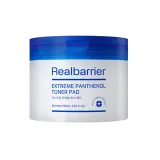
HeimishBulgarian Rose Tone-up SunscreenYOUR PRODUCTReal BarrierExtreme Pathenol Toner PadMEDIHEALTHE I.P.I Brightening Ampoule MaskinnisfreeRetinol Cica Repair Ampoule Gel Mask 23ml (1 Mask)
Match—70%70%70%
Price—$19.99$20.93$3.36
Shared key ingredients—5 of 134 of 134 of 13
Key difference—MadecassosideCapryloyl Salicylic AcidRetinol
Irritancy High Medium Medium Medium
Drying alcohol Contains drying alcohol Contains drying alcohol ——
View product Shop Shop Shop

More alternatives: Meditherapy Retinal Skin Booster SerumKLAVUU Blue Pearlsation One Day 8 Cups Marine Collagen Aqua Toner

Cheaper alternatives? See how this stacks up against similar formulas.
We compare ingredient profiles across our catalog — pick the closest match for your budget.
Open dupe finder

Product summary

"Heimish - Buy Heimish Bulgarian Rose Tone-up Sunscreen in Australia - Korean Skincare and Cosmetics" is effective for: Evens skin tone, Moisturizing, Exfoliation and Anti-aging

Ingredient callouts

  • This product also contains Vitamin C (Ascorbic Acid). It can be an effective active for anti-aging and evening out the skin tone, but in this product it is used for stabilizing other ingredients in the formulation. In this concentration (0.20% - 0.75%) it cannot have a noticeable benefit for the skin.
  • Adenosine 0.45% - 1.05%. It is a chemical present inside our skin cells. A clinical trial confirmed that topical application of Adenosine in a low concentration can reduce dynamic wrinkles (these are the wrinkles that appear with age in a places where our mimic is the most active, for example, in the corners of the eyes or on the forehead).
  • Humectants (glycerin 0.60% - 1.40%). These ingredients help attract water to the upper layer of the skin and improve the skin hydration.

Price

The product retails for 19.80A$ in Australia.

For a detailed price comparison: click here.

Sources cited in this review

Every concentration estimate and effectiveness label is anchored to one of these 39 studies and safety reviews.

  1. 1
  2. 2
  3. 3
  4. 4
  5. 5
  6. 6
Heimish Bulgarian Rose Tone-up Sunscreen
HeimishBulgarian Rose Tone-up Sunscreen

Affiliate links · As an Amazon Associate, WIMJ earns from qualifying purchases.

As an Amazon Associate, WIMJ earns from qualifying purchases.