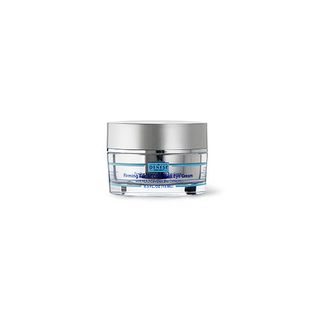
Dr. Denese Firming Facial Collagen Eye Cream
Works for
2 of 2 advertised claims delivered
Anti-aging8 ingredients credited for this claimStrong support
“Firming Facial Collagen Eye Cream”
This product can help reduce and prevent fine lines and wrinkles, improve skin elasticity and firmness because it contains adenosine, palmitoyl hexapeptide-12.
These ingredients in the product can also be helpful, even though there is less evidence for their effectiveness: palmitoyl tetrapeptide-7, palmitoyl tripeptide-1.
Keep in mind that it typically takes at least 6 weeks to notice any results because the changes that are needed to improve fine lines and elasticity happen in the deeper layers of the skin. No topical anti-aging product can “erase” wrinkles or fully reverse signs of aging.
Moisturizing31 ingredients credited for this claimStrong support
“Firming Facial Collagen Eye Cream”
This product can help improve hydration of the skin with the two types of ingredients.
The first type is called “humectants”:
these ingredients help attract water.
When humectants are on the surface of the skin, they “pull in” the moisture from the outside environment, or from
within deeper layers of the skin. The following ingredients in this product do the job:
glycerin, sodium hyaluronate.
This product also contains ingredients called “occlusives”. They help reduce the speed with which our skin loses moisture to the outside environment. These ingredients also help soften the upper layer of the skin, so it feels less tight and nicer to the touch. The following ingredients in this product do the job: beeswax, butyrospermum parkii butter.
The following ingredients in this product are especially good for supporting the skin barrier and helping with the hydration level: ceramide ng, isosorbide dicaprylate, palmitoyl hexapeptide-12, palmitoyl tetrapeptide-7, palmitoyl tripeptide-1
Evens skin toneNot advertised by the brand · 4 ingredients credited for this claimModerate support
The following ingredient (ingredients) in this product might be helpful, but there is no evidence to confirm that it actually works: chrysin.
Anti-oxidationNot advertised by the brand · 10 ingredients credited for this claimModerate support
This product contains antioxidants (chrysin) that might be able to help neutralize free radicals in skin to lessen the damage it gets from the UV light (sun). There is not enough evidence to confirm their effectiveness in skin though.
Can it cause trouble?
Irritancy4 strong irritants: Retinyl palmitate, Humulus lupulus extract + 2 more — patch-test recommendedHigh risk
Comedogenic3 ingredients rated 2 or more on the 0–5 pore-clogging scale3 flagged


User reviews
Be the first — your take helps the next person decide.
Ingredients
Filter by role to see what each ingredient is doing.
Water~45–55%
Butyrospermum parkii butter~5.8–7.1%
- Irritation risk
- Low
- Comedogenicity
- 3/5
A great moisturising ingredient that softens the skin and reduces water loss from its upper layer. It also can be helpful in protecting skin from free radicals
More about Butyrospermum parkii butterGlycerin~4.3–5.2%
- Irritation risk
- Low
One of the best moisturizing ingredients. Naturally present in skin. It attracts water to the upper layer of the skin working as a humectant
More about GlycerinPentaerythrityl tetraethylhexanoate~3.2–3.9%
- Irritation risk
- Low
Used to create a nice product consistency while softening the upper layer of the skin
More about Pentaerythrityl tetraethylhexanoateSqualane~2.5–3.1%
- Irritation risk
- Low
An oil naturally present in skin. Works as an emollient to soften the skin and form a protective layer on its surface without a greasy feeling.
More about SqualaneTheobroma cacao seed butter~2–2.4%
- Irritation risk
- Low
- Comedogenicity
- 3/5
Helps soften the upper layer of the skin and can be helpful in restoring the skin barrier function. Might have some anti-oxidant effect
More about Theobroma cacao seed butterDi-c12-15 alkyl fumarate~1.7–2%
- Irritation risk
- Medium
Used to soften the upper layer of the skin and create a nice product texture
More about Di-c12-15 alkyl fumarateSodium hyaluronate~1.4–1.7%
- Irritation risk
- Low
One of the best moisturizing ingredients. Attracts water into the upper layer of the skin
More about Sodium hyaluronateHydrolyzed sodium hyaluronate~1.1–1.3%
- Irritation risk
- Low
Attracts water into the upper layer of the skin
More about Hydrolyzed sodium hyaluronateSoluble collagen~0.9–1.15%
- Irritation risk
- Low
A typically plant-derived compound that is supposed mimic human collagen. Cannot penetrate the skin barrier so is not particularly useful in skincare products beyond attracting water to the upper layer of the skin
More about Soluble collagenPalmitoyl tripeptide-1~0.7–1%
- Irritation risk
- Low
A type of peptide. Peptides are excellent moisturizers and might be able support collagen production reducing fine lines and wrinkles
More about Palmitoyl tripeptide-1Palmitoyl hexapeptide-12~0.5–0.8%
- Irritation risk
- Low
A type of peptide. Peptides are excellent moisturizers and might be able support collagen production reducing fine lines and wrinkles
More about Palmitoyl hexapeptide-12Palmitoyl tripeptide-1~0.5–0.75%
- Irritation risk
- Low
A type of peptide. Peptides are excellent moisturizers and might be able support collagen production reducing fine lines and wrinkles
More about Palmitoyl tripeptide-1Palmitoyl tetrapeptide-7~0.45–0.7%
- Irritation risk
- Low
A type of peptide. Peptides are excellent moisturizers and might be able support collagen production reducing fine lines and wrinkles
More about Palmitoyl tetrapeptide-7N-hydroxysuccinimide~0.35–0.65%
- Irritation risk
- High
Is claimed to be able to brighten skin tone by removing some blood-related pigmented compounds in skin (hemoglobin and related elements) but solid research is missing. Can be irritating
More about N-hydroxysuccinimideChrysin~0.4–0.6%
- Irritation risk
- Medium
Might be helpful in reducing fine lines and wrinkles, as well as lightening the skin, but solid evidence is missing. Could somewhat help in reducing the darkness of the under-eye area. Helps to neutralise free radicals in skin
More about ChrysinDipotassium glycyrrhizate~0.35–0.6%
- Irritation risk
- Low
A salt derived from licorice. Works as an emollient to soften the upper layer of the skin and can help calm down inflammation. Might be helpful for skin lightening
More about Dipotassium glycyrrhizateGlucosyl hesperidin~0.3–0.55%
- Irritation risk
- Low
Might be able to neutralize free radicals in skin. Also works as a humectant
More about Glucosyl hesperidinC12-15 alkyl benzoate~0.3–0.6%
- Irritation risk
- Low
Enhances the product texture and makes it more spreadable. Helps reduce water loss from the outer layer of skin. Extands the shelf life by preventing bacteria growth
More about C12-15 alkyl benzoateTribehenin~0.3–0.55%
- Irritation risk
- Low
Used to create a thicker product consistency and soften the upper layer of the skin
More about TribeheninCeramide ng~0.25–0.5%
- Irritation risk
- Low
A type of lipid similar to ceramides naturally present in skin. Helps to soften the upper layer of the skin and supports the skin barrier function to keep it hydrated. Can help to prevent inflammation in skin
More about Ceramide ngPeg-10 phytosterol~0.25–0.5%
- Irritation risk
- Medium
Helps oil and water mix together
More about Peg-10 phytosterolIsosorbide dicaprylate~0.25–0.45%
- Irritation risk
- Low
Helps soften the upper layer of the skin. Early studies suggest that it can help strengthen the skin barrier
More about Isosorbide dicaprylatePhospholipids~0.25–0.4%
- Irritation risk
- Low
Emollients that are naturaly present in skin. In addition, they help water and oil mix together in the product
More about PhospholipidsRetinyl palmitate~0.2–0.35%
- Irritation risk
- High
Three steps removed from the active form of vitamin A - retinoic acid. To have an effect in the skin, it first needs to be converted twice to become the retinoic acid. This means it is less potent than retinol, but could also be less irritating. Once converted to the retinoic acid in the skin, it helps against all signs of aging, improves skin cell turnover and helps fight blemishes and clogged pores. However, in many cosmetic formulations, it is used in a concentration that is too low to have the full effect
More about Retinyl palmitatePantothenic acid~0.2–0.4%
- Irritation risk
- Low
Helps attract water to the upper layer of the skin and may help reduce inflammation in skin
More about Pantothenic acidAscorbyl palmitate~0.2–0.4%
- Irritation risk
- Medium
Being a lipid soluble form of vitamin C, it is more stable and can penetrate the skin better than L-Ascorbic acid. It is effective in protecting the skin from free radicals, as well as evening the skin tone, but is less effective in stimulating collagen production compared to L-Ascorbic acid.
More about Ascorbyl palmitateTocopheryl acetate~0.25–0.45%
- Irritation risk
- Medium
A more stable but less bio-available form of vitamin E compared to Tocopherol. Might help moisturize and protect the skin from free radicals, but mostly used in low concentrations to stabilize other ingredients.
More about Tocopheryl acetateAdenosine~0.2–0.4%
- Irritation risk
- Low
Might help improve cell turnover and reduce inflammation in skin. One study shows that the ingredients might be able to help reduce dynamic wrinkles (for example, in the corners of the eyes or on the forehead)
More about AdenosineMica~0.25–0.5%
- Irritation risk
- Low
Creates an illusion of smoother and more radiant skin tone. Adds shimmer to the skin by reflecting light
More about MicaFoeniculum vulgare fruit extract~0.25–0.45%
- Irritation risk
- Low
Humulus lupulus extract~0.2–0.4%
- Irritation risk
- High
Hops extract. Can contain common irritants and allergens geraniol, limonene, linalool
More about Humulus lupulus extractMelissa officinalis leaf extract~0.2–0.4%
- Irritation risk
- High
A plant extract that is added for its fragrance. Can be irritating
More about Melissa officinalis leaf extractViscum album leaf extract~0.2–0.4%
- Irritation risk
- Medium
A plant extract that has anti-inflammatory and anti-bacterial properties and might help neutralize free radicals in skin, but solid research is lacking
More about Viscum album leaf extractChamomilla recutita flower extract~0.2–0.4%
- Irritation risk
- High
Plant extract that can have healing and anti-inflammatory properties. It is a potential allergen and can be irritating
More about Chamomilla recutita flower extractAchillea millefolium extract~0.25–0.5%
- Irritation risk
- High
Plant extract that can help neutralize free radicals in skin. Can be used as a fragrance. Can be irritating
More about Achillea millefolium extractSodium acrylate/sodium acryloyldimethyl taurate copolymer~0.2–0.4%
- Irritation risk
- Low
Used to create a thicker product consistency
More about Sodium acrylate/sodium acryloyldimethyl taurate copolymerCaprylic/capric triglyceride~0.3–0.5%
- Irritation risk
- Medium
A good mix of fatty acids that forms a protective layer on the skin. Improves the shelf life of products. Derived from coconut and glycerin
More about Caprylic/capric triglycerideHydroxymethoxyphenyl decanone~0.2–0.4%
- Irritation risk
- Low
An anti-oxidant. Is also called 6-paradol. It might be able to neutralize free radicals in skin. The manufacturer claims that it is able to stimulate synthesis of hyaluronic acid in skin, but there is no evidence of effectiveness of this ingredient so far. The only evidence of efficacy for this ingredient so far come from small lab tests. This ingredient comes together with Caprylic/Capric Triglyceride as part of the complex called SymDecanox HA produced by a cosmetic ingredient supplier Symrise.
More about Hydroxymethoxyphenyl decanoneGlyceryl polymethacrylate~0.25–0.45%
- Irritation risk
- Low
Used to create a nice product texture
More about Glyceryl polymethacrylateButylene glycol~0.2–0.4%
- Irritation risk
- Low
Used to create a nice product texture and help delivery of other ingredients. Might be somewhat helpful in attracting water to the upper layer of the skin
More about Butylene glycolPeg-100 stearate~0.3–0.55%
- Irritation risk
- Low
Helps oil and water mix togehter and creates a nice product texture
More about Peg-100 stearateGlyceryl stearate~0.25–0.5%
- Irritation risk
- Low
An emollient that softens the skin and forms a protective layer on its surface. Helps water and oil mix together
More about Glyceryl stearateCetearyl alcohol~0.3–0.5%
- Irritation risk
- Low
- Comedogenicity
- 2/5
A non-drying alcohol. Works as an emollient. Helps water and oil mix together and creates a nice product texture
More about Cetearyl alcoholSodium stearoyl glutamate~0.3–0.5%
- Irritation risk
- Medium
Helps oil and water mix together
More about Sodium stearoyl glutamateBeeswax~0.3–0.5%
- Irritation risk
- Low
Forms a protective barrier that holds water and keeps dry skin hydrated. Keeps an emulsion from separating into its oil and liquid components, and increases the thickness of a product. Can be an allergen
More about BeeswaxDimethicone~0.3–0.5%
- Irritation risk
- Low
A silicone that helps to reduce water loss from the surface of the skin. Can temporarily "fill in" lines and wrinkles, absorb oil, and create a nice product finish
More about DimethiconePeg-40 stearate~0.25–0.45%
Polysorbate 80~0.25–0.45%
Isohexadecane~0.3–0.6%
- Irritation risk
- Low
Improves the texture of the product and helps soften the skin. Helps oil and water mix together and can be used as a cleansing agent
More about IsohexadecaneSteareth-20~0.3–0.55%
Polysorbate 20~0.2–0.35%
Allantoin~0.1–0.25%
- Irritation risk
- Low
Helps calm down inflammation in skin and can help reduce itching. Helps to repair the skin barrier and keep skin hydrated
More about AllantoinCarbomer~0.15–0.3%
- Irritation risk
- Low
Helps create a thicker or gel-like product texture. It is not a surfactant but can be used in gentle cleansing formulations
More about CarbomerDisodium edta~0.15–0.25%
Phenoxyethanol~0.15–0.25%
- Irritation risk
- Low
A preservative. It helps prevent bacterial growth in cosmetic products
More about PhenoxyethanolEthylhexylglycerin~0.1–0.15%
Ingredient list view
Water, Butyrospermum parkii butter, Glycerin, Pentaerythrityl tetraethylhexanoate, Squalane, Theobroma cacao seed butter, Di-c12-15 alkyl fumarate, Sodium hyaluronate, Hydrolyzed sodium hyaluronate, Soluble collagen, Palmitoyl tripeptide-1, Palmitoyl hexapeptide-12, Palmitoyl tripeptide-1, Palmitoyl tetrapeptide-7, N-hydroxysuccinimide, Chrysin, Dipotassium glycyrrhizate, Unknown, Glucosyl hesperidin, C12-15 alkyl benzoate, Tribehenin, Ceramide ng, Peg-10 phytosterol, Isosorbide dicaprylate, Phospholipids, Retinyl palmitate, Pantothenic acid, Ascorbyl palmitate, Tocopheryl acetate, Adenosine, Mica, Foeniculum vulgare fruit extract, Humulus lupulus extract, Melissa officinalis leaf extract, Viscum album leaf extract, Chamomilla recutita flower extract, Achillea millefolium extract, Sodium acrylate/sodium acryloyldimethyl taurate copolymer, Caprylic/capric triglyceride, Hydroxymethoxyphenyl decanone, Glyceryl polymethacrylate, Butylene glycol, Peg-100 stearate, Glyceryl stearate, Cetearyl alcohol, Sodium stearoyl glutamate, Beeswax, Dimethicone, Peg-40 stearate, Polysorbate 80, Isohexadecane, Steareth-20, Polysorbate 20, Allantoin, Carbomer, Disodium edta, Phenoxyethanol, Ethylhexylglycerin
Compare prices
Retailers ranked by price — lowest first.
Affiliate links · prices updated regularly · As an Amazon Associate, WIMJ earns from qualifying purchases.
Worth comparing, line by line.
Match % combines shared ingredients, the first five ingredients, shared actives and hero ingredients, irritancy (lower counts in the alternative's favour), texture and body area. Only products in the same routine step are compared.
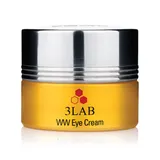
| Dr. DeneseFirming Facial Collagen Eye CreamYOUR PRODUCT | 3LABWW Eye Cream | Dr Dennis GrossB₃Adaptive SuperFoods™ Stress SOS Eye Cream™ deluxe Deluxe | CliniquePep-Start Eye Cream | |
|---|---|---|---|---|
| Match | — | 61% | 56% | 52% |
| Price | $39.00 | $330.00+$291.00 | — | $24.00−$15.00 |
| Shared key ingredients | — | 12 of 20 | 9 of 20 | 8 of 20 |
| Key difference | — | Niacinamide | Vitamin C | Acetyl Hexapeptide-8 |
| Irritancy | High | Medium | Medium | Medium |
| Drying alcohol | — | — | — | — |
| View product | Shop | Shop | Shop |


Product summary
"Dr. Denese - Firming Facial Collagen Eye Cream" is a well-rounded moisturizing product. This moisturizer uses a good combo of humectants and emollients. These both types of ingredients are essentials for improving the skin hydration and keeping the skin barrier healthy. Glycerin, sodium hyaluronate, soluble collagen, glucosyl hesperidin and butylene glycol in this product (humectants) attract water molecules to the upper layer of the skin (the water comes from the outside air or from the deeper layers of the skin if the air is dry). Emollients in this formulation (ceramide ng, isosorbide dicaprylate, palmitoyl tetrapeptide-7, palmitoyl tripeptide-1 and theobroma cacao seed butter) help to reduce the moisture loss from the skin. They also soften the skin surface and relieve the feeling of dryness and tightness.
Ingredient callouts
- this moisturizer includes a form of retinoids (vitamin A) - retinyl palmitate 0.20% - 0.35%, but this type of vitamin A is not very effective. It could in theory help with fine lines and wrinkles, but the effect is most likely minimal.
- As a plus, this moisturizer also contains ceramides (ceramide ng 0.25% - 0.50%). Ceramides are a type of lipids that our skin produces itself. They are a building block of the skin's barrier. Ceramides used in skincare are synthetic or extracted from plants. They work well for softening the skin surface and "patch holes" in the skin's barrier.
- We like that this moisturizer contains peptides (palmitoyl tripeptide-1 0.50% - 0.75%, palmitoyl tripeptide-1 0.70% - 1.00%, palmitoyl tetrapeptide-7 0.45% - 0.70% and palmitoyl hexapeptide-12 0.50% - 0.80%). There are many different kind of peptides and they are naturally present in our skin. They all are a combination of amino-acids. Some of them work as natural anti-biotics, promote wound-healing and production of collagen. The science is still not settled on how effective peptides in skincare are, but it is very likely that they have a benefit. Peptides might help restore the skin barrier and fight the signs of aging. At the very least, peptides work as humectants: they attract water to the upper layer of the skin and improve its hydration.
- Adenosine 0.20% - 0.40% in this moisturizer adds an anti-aging benefit. Adenosine is a compound that in involved in many biological processes inside the skin cells. According one high-quality clinical trial, topical adenosine in low concentrations can help improve "deep wrinkles" - the wrinkles that appear with age in places where our faces are most dynamic (for example, on the forehead or in the corners of the eyes).
Irritation risk
This moisturizer contains some common irritants, including those without a benefit for the skin. We assess the overall irritancy of this moisturizer to be high. For a detailed overview of all potential irritants: click here
You can see the detailed formula review with the breakdown of all actives in the product and the full ingredient list with estimated concentrations in the tables below.
Price
The product retails for 32.99$ in the United States.
For a detailed price comparison: click here.
Sources cited in this review
Every concentration estimate and effectiveness label is anchored to one of these 21 studies and safety reviews.
- 1
- 2Safety Assessment of Pentaerythrityl Tetraesters as Used in Cosmeticsjournals.sagepub.com
- 3
- 4Hyaluronic acid: A key molecule in skin agingncbi.nlm.nih.gov
- 5
- 6Anti-photoageing and anti-melanogenesis activities of chrysinncbi.nlm.nih.gov

Affiliate links · As an Amazon Associate, WIMJ earns from qualifying purchases.