Works for:
based on ingredients and %- Anti-aging
- Moisturizing
- Anti-oxidation
Can it cause trouble?
- Irritation risk: high
- Comedogenic risk ingredients: 4
Key actives


Product Summary
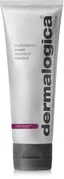
"Dermalogica - Multivitamin Power Recovery Masque" is effective for: Anti-aging and Moisturizing
Ingredient callouts
- this product contains an effective form of Retinoids (vitamin A): retinol 0.20% - 0.40%. Retinoids are potent multitasking actives. They work to improve and prevent early signs of aging, reduce hyperpigmentation (age spots and post-acne marks), and prevent inflamed blemishes and clogged pores. The downside of Retinoids is that they can be irritating. If you are not already using a Retinoid in your routine, it is best to start slowly and apply the Retinoid product only a few times per week. If your skin tolerates it well, you can gradually increase the frequency to daily.
- Peptides (arginine/lysine polypeptide 0.20% - 0.35%, palmitoyl tetrapeptide-7 0.30% - 0.55% and palmitoyl tripeptide-1 0.30% - 0.55%). Peptides are a very big group of ingredients. They all consist of a different combination of aminoacids. Our skin produces Peptides naturally. Some of them work as natural antibiotics, promote wound-healing and production of collagen. The scientists are still studying how effective the topical application of Peptides is, but it is very likely that theynare helpful. Peptides might be able to support skin barrier restoration and even have an anti-aging benefit. At the very least, they certainly help attract water to the skin and support the hydration in this way.
- Panthenol (pro-vitamin B5) at about 1.40% - 1.80% concentration. In this concentration, Panthenol works effectively to improve the skin barrier and reduce inflammation.
- Humectants (sodium lactate 0.25% - 0.40%, sodium pca 0.20% - 0.35%, panthenol 1.40% - 1.80% and glycerin 3.00% - 3.60%). These ingredients help attract water to the upper layer of the skin and improve the skin hydration.
About the brand
According to Cruelty-Free Kitty "Dermalogica" is cruelty free, but its parent company is not.
Price
The product retails from 15.50$ up to 118.77$ in the United States, from 15.00£ up to 65.00£ in the United Kingdom, for 17.10€ in Germany, from 21.00CA$ up to 85.00CA$ in Canada and for 178.00HK$ in Hong Kong.
For a detailed price comparison: click here.
Works for
Anti-aging
What does the product description say?
A wash-off mask containing vitamins A, C, E, and B5 (skin conditioning ingredients) for skin with signs of aging.
Source: Yesstyle
This product can help reduce and prevent fine lines and wrinkles, improve skin elasticity and firmness because it contains retinol.
These ingredients in the product can also be helpful, even though there is less evidence for their effectiveness: arginine/lysine polypeptide, palmitoyl tetrapeptide-7, palmitoyl tripeptide-1, vitis vinifera seed extract.
Keep in mind that it typically takes at least 6 weeks to notice any results because the changes that are needed to improve fine lines and elasticity happen in the deeper layers of the skin. No topical anti-aging product can “erase” wrinkles or fully reverse signs of aging.
Two steps removed from the active form of vitamin A - retinoic acid. Once converted to the retinoic acid in the skin, retinol is proven to be effective against all signs of aging. It improves skin cell turnover, helps fight blemishes and clogged pores, can regulate excess oil production and even skin tone. It can, however, be quite irritating
A plant extract that contains resveratrol and other anti-oxidant compounds that can help neutralize free radicals, reduce inflammation in skin and even out its tone. Can be also used to stabilize the product formulation
A type of peptide. Peptides are excellent moisturizers and might be able support collagen production reducing fine lines and wrinkles
A type of peptide. Peptides are excellent moisturizers and might be able support collagen production reducing fine lines and wrinkles
A type of peptide. Peptides are excellent moisturizers and might be able support collagen production reducing fine lines and wrinkles
Helps attract water to the upper layer of the skin, calm down inflammation and irritation, restore the barrier function and support wound healing. It can be helpful in reducing fine lines and wrinkles
An exfoliating and moisturizing alpha-hydroxy acid (AHA). Typically causes less irritation than other AHAs, for example, glycolic acid. At high concentrations (about 15%), lactic acid can help reduce lines and wrinkles. Recent studies show that lactic acid can support the "good" bacteria living on skin's surface (healthy skin microbiome)
Pure form of vitamin E. Can help moisturise and protect the skin from free radicals. Often used to help stabilise other ingredients or the formula itself
Can contain potent anti-oxidant compounds (abbreviated ECG, GCG, EGC, and EGCG) that might help protect the skin from free radicals. Can help calm down inflammation and has some anti-bacterial properties. Unfortunately, these antioxidants are unstable and lose their effectiveness very quickly in products. The concentration of the antioxidant compounds in the extract also tends to be low to be effective in topical formulation
Being a lipid soluble form of vitamin C, it is more stable and can penetrate the skin better than L-Ascorbic acid. It is effective in protecting the skin from free radicals, as well as evening the skin tone, but is less effective in stimulating collagen production compared to L-Ascorbic acid.
Anti-oxidation
This product contains antioxidants (retinol, vitis vinifera seed extract) that can help neutralize free radicals in skin. By doing so, they can lessen the damage the skin gets from the UV light (sun).
Two steps removed from the active form of vitamin A - retinoic acid. Once converted to the retinoic acid in the skin, retinol is proven to be effective against all signs of aging. It improves skin cell turnover, helps fight blemishes and clogged pores, can regulate excess oil production and even skin tone. It can, however, be quite irritating
A plant extract that contains resveratrol and other anti-oxidant compounds that can help neutralize free radicals, reduce inflammation in skin and even out its tone. Can be also used to stabilize the product formulation
A more stable but less bio-available form of vitamin E compared to Tocopherol. Might help moisturize and protect the skin from free radicals, but mostly used in low concentrations to stabilize other ingredients.
Helps attract water to the upper layer of the skin, calm down inflammation and irritation, restore the barrier function and support wound healing. It can be helpful in reducing fine lines and wrinkles
A plant extract that can help lighten the skin and calm down inflammation. Might be helpful in neutralizing free radicals
A plant extract that might be able to help decrease inflammation in skin and have an anti-oxidant effect
Helps attract water to the upper layer of the skin. Might have some anti-aging, anti-oxidant, and skin lightening properties, but solid evidence is missing
Pure form of vitamin E. Can help moisturise and protect the skin from free radicals. Often used to help stabilise other ingredients or the formula itself
Can contain potent anti-oxidant compounds (abbreviated ECG, GCG, EGC, and EGCG) that might help protect the skin from free radicals. Can help calm down inflammation and has some anti-bacterial properties. Unfortunately, these antioxidants are unstable and lose their effectiveness very quickly in products. The concentration of the antioxidant compounds in the extract also tends to be low to be effective in topical formulation
Being a lipid soluble form of vitamin C, it is more stable and can penetrate the skin better than L-Ascorbic acid. It is effective in protecting the skin from free radicals, as well as evening the skin tone, but is less effective in stimulating collagen production compared to L-Ascorbic acid.
An essential oil that is used as a fragrance and can be irritating. It might have some anti-oxidant effect in skin
Moisturizing
What does the product description say?
Apply after cleansing as a revitalising remedy for dulling, dry, dehydrated, lackluster, photodamaged skin.
Source: Feelunique
This product can help improve hydration of the skin with the two types of ingredients.
The first type is called “humectants”:
these ingredients help attract water.
When humectants are on the surface of the skin, they “pull in” the moisture from the outside environment, or from
within deeper layers of the skin. The following ingredients in this product do the job:
glycerin, sodium lactate.
This product also contains ingredients called “occlusives”. They help reduce the speed with which our skin loses moisture to the outside environment. These ingredients also help soften the upper layer of the skin, so it feels less tight and nicer to the touch. The following ingredients in this product do the job: dimethicone, glycine soja oil.
The following ingredients in this product are especially good for supporting the skin barrier and helping with the hydration level: arginine/lysine polypeptide, palmitoyl tetrapeptide-7, palmitoyl tripeptide-1, panthenol
A type of peptide. Peptides are excellent moisturizers and might be able support collagen production reducing fine lines and wrinkles
Helps attract water to the upper layer of the skin and can help improve skin barrier function
Helps attract water to the upper layer of the skin. Is often used to adjust the pH level of the product
Naturally present in skin and helps to attract water to its upper layer
Helps soften the upper layer of the skin
A good moisturizing plant oil. Due to the high linoleic acid content, it helps soften the upper layer of the skin, reduce water loss and support skin barrier function
A type of peptide. Peptides are excellent moisturizers and might be able support collagen production reducing fine lines and wrinkles
Helps attract water to the upper layer of the skin, calm down inflammation and irritation, restore the barrier function and support wound healing. It can be helpful in reducing fine lines and wrinkles
Red algae extract that helps attract water to the upper layer of the skin and create a nicer product consistency
A silicone that helps to reduce water loss from the surface of the skin. Can temporarily "fill in" lines and wrinkles, absorb oil, and create a nice product finish
One of the best moisturizing ingredients. Naturally present in skin. It attracts water to the upper layer of the skin working as a humectant
A good emollient that helps soften the skin and helps repair its barrier function. It can clog pores if used in high concentrations.
A plant oil that can help soften the upper layer of the skin. Might be helpful in calming down inflammation in skin
A type of peptide. Peptides are excellent moisturizers and might be able support collagen production reducing fine lines and wrinkles
Enhances the product texture and makes it more spreadable. Helps reduce water loss from the outer layer of skin. Extands the shelf life by preventing bacteria growth
Helps attract water to the upper layer of the skin. Might have some anti-aging, anti-oxidant, and skin lightening properties, but solid evidence is missing
An oil from a mixture of different vegetables. Helps soften the upper layer of the skin
Emollients that are naturaly present in skin. In addition, they help water and oil mix together in the product
An emollient that helps soften the skin but is not effective for restoring its barrier function. Might be helpful to calm down inflammation
Used to create a nice product texture and help delivery of other ingredients. Might be somewhat helpful in attracting water to the upper layer of the skin
Helps preserve products and creates a nice product texture
Helps oil and water mix together and can enhance the penetration of other ingredients into the skin. It can be irritating
Used to soften the upper layer of the skin and create a nice product texture
A plant extract that might be able to help decrease inflammation in skin and have an anti-oxidant effect
An emollient that softens the skin and forms a protective layer on its surface. Helps water and oil mix together
Helps calm down inflammation in skin and can help reduce itching. Helps to repair the skin barrier and keep skin hydrated
An exfoliating and moisturizing alpha-hydroxy acid (AHA). Typically causes less irritation than other AHAs, for example, glycolic acid. At high concentrations (about 15%), lactic acid can help reduce lines and wrinkles. Recent studies show that lactic acid can support the "good" bacteria living on skin's surface (healthy skin microbiome)
An excellent emollient. Helps soften the skin, restore its barrier function, and can help to calm down inflammation. It can be helpful to prevent blemishes and clogged pores
Pure form of vitamin E. Can help moisturise and protect the skin from free radicals. Often used to help stabilise other ingredients or the formula itself
Can contain potent anti-oxidant compounds (abbreviated ECG, GCG, EGC, and EGCG) that might help protect the skin from free radicals. Can help calm down inflammation and has some anti-bacterial properties. Unfortunately, these antioxidants are unstable and lose their effectiveness very quickly in products. The concentration of the antioxidant compounds in the extract also tends to be low to be effective in topical formulation
How honest is this product?
| Promise | Can it deliver? |
|---|---|
| Anti-aging | |
| Moisturizing |
Total Promises Fulfilled score: 100/100.
We receive a small commission for purchases made through these links at no cost for you. Thank you for your support! Learn more
Potential irritants
Comedogenic ingredients
User reviews (0)
Averages from community submissions.
No reviews yet for this product.
Be the first to share your experience!
Tried this product?
Help capture what the ingredient list can't—texture, finish, pilling, scent, and more. Answer what you can, skip the rest.
Takes ~30 seconds.
Reviews are shown in aggregate. No personal details.
| Product | Similarity | Price | Irritancy |
|---|---|---|---|
 Dermalogica Multivitamin Power Recovery Masque | Current | ≈ $14.95 | |
innisfree Retinol Green Tea PDRN Skinbooster Ampoule Gel Mask 25ml (1 Mask) | 72% | ≈ $3.46 | |
Formula 10.0.6 Night Work Vitamin A Renewing Sleep Mask | 66% | - | |
 The Crème Shop Be Smooth, Skin! Animated Red Panda Face Mask - Wrinkle-Reducing Retinol | 65% | $4.00 | |
 Peace Out Wrinkles Retinol Patches | 65% | $28.00 | |
 Danne Montague-King DMK Hydrating Masque | 65% | ≈ $42.71 |
Key Actives
Can contain potent anti-oxidant compounds (abbreviated ECG, GCG, EGC, and EGCG) that might help protect the skin from free radicals. Can help calm down inflammation and has some anti-bacterial properties. Unfortunately, these antioxidants are unstable and lose their effectiveness very quickly in products. The concentration of the antioxidant compounds in the extract also tends to be low to be effective in topical formulation
Helps attract water to the upper layer of the skin, calm down inflammation and irritation, restore the barrier function and support wound healing. It can be helpful in reducing fine lines and wrinkles
Helps calm down inflammation in skin and can help reduce itching. Helps to repair the skin barrier and keep skin hydrated
Two steps removed from the active form of vitamin A - retinoic acid. Once converted to the retinoic acid in the skin, retinol is proven to be effective against all signs of aging. It improves skin cell turnover, helps fight blemishes and clogged pores, can regulate excess oil production and even skin tone. It can, however, be quite irritating
An exfoliating and moisturizing alpha-hydroxy acid (AHA). Typically causes less irritation than other AHAs, for example, glycolic acid. At high concentrations (about 15%), lactic acid can help reduce lines and wrinkles. Recent studies show that lactic acid can support the "good" bacteria living on skin's surface (healthy skin microbiome)
A plant extract that contains resveratrol and other anti-oxidant compounds that can help neutralize free radicals, reduce inflammation in skin and even out its tone. Can be also used to stabilize the product formulation
Pure form of vitamin E. Can help moisturise and protect the skin from free radicals. Often used to help stabilise other ingredients or the formula itself
Helps attract water to the upper layer of the skin and can help improve skin barrier function
An excellent emollient. Helps soften the skin, restore its barrier function, and can help to calm down inflammation. It can be helpful to prevent blemishes and clogged pores
A plant oil that can help soften the upper layer of the skin. Might be helpful in calming down inflammation in skin
A type of peptide. Peptides are excellent moisturizers and might be able support collagen production reducing fine lines and wrinkles
A type of peptide. Peptides are excellent moisturizers and might be able support collagen production reducing fine lines and wrinkles
A good moisturizing plant oil. Due to the high linoleic acid content, it helps soften the upper layer of the skin, reduce water loss and support skin barrier function
A silicone that helps to reduce water loss from the surface of the skin. Can temporarily "fill in" lines and wrinkles, absorb oil, and create a nice product finish
A type of peptide. Peptides are excellent moisturizers and might be able support collagen production reducing fine lines and wrinkles
One of the best moisturizing ingredients. Naturally present in skin. It attracts water to the upper layer of the skin working as a humectant
Helps soften the upper layer of the skin
Red algae extract that helps attract water to the upper layer of the skin and create a nicer product consistency
A good emollient that helps soften the skin and helps repair its barrier function. It can clog pores if used in high concentrations.
Naturally present in skin and helps to attract water to its upper layer
Used to create a gel-like product texture, as well as to stabilize emulsions
Helps attract water to the upper layer of the skin. Is often used to adjust the pH level of the product
Potential irritants
An essential oil that is used as a fragrance and can be irritating. It might have some anti-oxidant effect in skin
Plant extract that can have healing and anti-inflammatory properties. It is a potential allergen and can be irritating
Helps oil and water mix together and can enhance the penetration of other ingredients into the skin. It can be irritating
Two steps removed from the active form of vitamin A - retinoic acid. Once converted to the retinoic acid in the skin, retinol is proven to be effective against all signs of aging. It improves skin cell turnover, helps fight blemishes and clogged pores, can regulate excess oil production and even skin tone. It can, however, be quite irritating
A common frangrance that can easily irritate skin, especially if exposed to air, light or heat
Used to soften the upper layer of the skin and create a nice product texture
A more stable but less bio-available form of vitamin E compared to Tocopherol. Might help moisturize and protect the skin from free radicals, but mostly used in low concentrations to stabilize other ingredients.
An exfoliating and moisturizing alpha-hydroxy acid (AHA). Typically causes less irritation than other AHAs, for example, glycolic acid. At high concentrations (about 15%), lactic acid can help reduce lines and wrinkles. Recent studies show that lactic acid can support the "good" bacteria living on skin's surface (healthy skin microbiome)
Being a lipid soluble form of vitamin C, it is more stable and can penetrate the skin better than L-Ascorbic acid. It is effective in protecting the skin from free radicals, as well as evening the skin tone, but is less effective in stimulating collagen production compared to L-Ascorbic acid.
An emollient that helps soften the skin but is not effective for restoring its barrier function. Might be helpful to calm down inflammation
A plant extract that can help lighten the skin and calm down inflammation. Might be helpful in neutralizing free radicals
A good emollient that helps soften the skin and helps repair its barrier function. It can clog pores if used in high concentrations.
A plant extract that might be able to help decrease inflammation in skin and have an anti-oxidant effect
A preservative that comes from radishes fermented by a bacteria. New research suggests that the preservation properties in the ingredient come from an ammonium salt that is not present naturally in radish root but used in its cultivation. Is problematic because the exact amount of the preservative agents is difficult to determine
Helps preserve products and creates a nice product texture
Helps attract water to the upper layer of the skin. Is often used to adjust the pH level of the product
Can work as an exfoliant but is typically used to adjust the product pH
Comedogenic ingredients
Red algae extract that helps attract water to the upper layer of the skin and create a nicer product consistency
A good emollient that helps soften the skin and helps repair its barrier function. It can clog pores if used in high concentrations.
An oil from a mixture of different vegetables. Helps soften the upper layer of the skin
A good moisturizing plant oil. Due to the high linoleic acid content, it helps soften the upper layer of the skin, reduce water loss and support skin barrier function
All ingredients
Used to create a nice product texture and help delivery of other ingredients. Might be somewhat helpful in attracting water to the upper layer of the skin
Enhances the product texture and makes it more spreadable. Helps reduce water loss from the outer layer of skin. Extands the shelf life by preventing bacteria growth
One of the best moisturizing ingredients. Naturally present in skin. It attracts water to the upper layer of the skin working as a humectant
Used to soften the upper layer of the skin and create a nice product texture
Helps attract water to the upper layer of the skin and can help improve skin barrier function
A more stable but less bio-available form of vitamin E compared to Tocopherol. Might help moisturize and protect the skin from free radicals, but mostly used in low concentrations to stabilize other ingredients.
A plant oil that can help soften the upper layer of the skin. Might be helpful in calming down inflammation in skin
An emollient that softens the skin and forms a protective layer on its surface. Helps water and oil mix together
Helps oil and water mix togehter and creates a nice product texture
A type of peptide. Peptides are excellent moisturizers and might be able support collagen production reducing fine lines and wrinkles
A type of peptide. Peptides are excellent moisturizers and might be able support collagen production reducing fine lines and wrinkles
An exfoliating and moisturizing alpha-hydroxy acid (AHA). Typically causes less irritation than other AHAs, for example, glycolic acid. At high concentrations (about 15%), lactic acid can help reduce lines and wrinkles. Recent studies show that lactic acid can support the "good" bacteria living on skin's surface (healthy skin microbiome)
Being a lipid soluble form of vitamin C, it is more stable and can penetrate the skin better than L-Ascorbic acid. It is effective in protecting the skin from free radicals, as well as evening the skin tone, but is less effective in stimulating collagen production compared to L-Ascorbic acid.
An emollient that helps soften the skin but is not effective for restoring its barrier function. Might be helpful to calm down inflammation
Red algae extract that helps attract water to the upper layer of the skin and create a nicer product consistency
A plant extract that can help lighten the skin and calm down inflammation. Might be helpful in neutralizing free radicals
An essential oil that is used as a fragrance and can be irritating. It might have some anti-oxidant effect in skin
A good emollient that helps soften the skin and helps repair its barrier function. It can clog pores if used in high concentrations.
A plant extract that might be able to help decrease inflammation in skin and have an anti-oxidant effect
Can contain potent anti-oxidant compounds (abbreviated ECG, GCG, EGC, and EGCG) that might help protect the skin from free radicals. Can help calm down inflammation and has some anti-bacterial properties. Unfortunately, these antioxidants are unstable and lose their effectiveness very quickly in products. The concentration of the antioxidant compounds in the extract also tends to be low to be effective in topical formulation
A plant extract that contains resveratrol and other anti-oxidant compounds that can help neutralize free radicals, reduce inflammation in skin and even out its tone. Can be also used to stabilize the product formulation
Plant extract that can have healing and anti-inflammatory properties. It is a potential allergen and can be irritating
An oil from a mixture of different vegetables. Helps soften the upper layer of the skin
Helps attract water to the upper layer of the skin. Might have some anti-aging, anti-oxidant, and skin lightening properties, but solid evidence is missing
A good moisturizing plant oil. Due to the high linoleic acid content, it helps soften the upper layer of the skin, reduce water loss and support skin barrier function
A preservative that comes from radishes fermented by a bacteria. New research suggests that the preservation properties in the ingredient come from an ammonium salt that is not present naturally in radish root but used in its cultivation. Is problematic because the exact amount of the preservative agents is difficult to determine
Naturally present in skin and helps to attract water to its upper layer
Pure form of vitamin E. Can help moisturise and protect the skin from free radicals. Often used to help stabilise other ingredients or the formula itself
A silicone that helps to reduce water loss from the surface of the skin. Can temporarily "fill in" lines and wrinkles, absorb oil, and create a nice product finish
An excellent emollient. Helps soften the skin, restore its barrier function, and can help to calm down inflammation. It can be helpful to prevent blemishes and clogged pores
Helps attract water to the upper layer of the skin, calm down inflammation and irritation, restore the barrier function and support wound healing. It can be helpful in reducing fine lines and wrinkles
A type of peptide. Peptides are excellent moisturizers and might be able support collagen production reducing fine lines and wrinkles
Helps preserve products and creates a nice product texture
Helps calm down inflammation in skin and can help reduce itching. Helps to repair the skin barrier and keep skin hydrated
Emollients that are naturaly present in skin. In addition, they help water and oil mix together in the product
Used to create a gel-like product texture, as well as to stabilize emulsions
Used to creat a nice product texture and support penetration of other ingredients
Helps oil and water mix together and can enhance the penetration of other ingredients into the skin. It can be irritating
Helps attract water to the upper layer of the skin. Is often used to adjust the pH level of the product
Two steps removed from the active form of vitamin A - retinoic acid. Once converted to the retinoic acid in the skin, retinol is proven to be effective against all signs of aging. It improves skin cell turnover, helps fight blemishes and clogged pores, can regulate excess oil production and even skin tone. It can, however, be quite irritating
Can work as an exfoliant but is typically used to adjust the product pH
Helps create a thicker or gel-like product texture. It is not a surfactant but can be used in gentle cleansing formulations
Acts as a solvent for other ingredients. Speeds up the absorption of other ingredients into the skin
A preservative. It helps prevent bacterial growth in cosmetic products
A common frangrance that can easily irritate skin, especially if exposed to air, light or heat
Ingredient list view
Water, Butylene glycol, C12-15 alkyl benzoate, Glycerin, Di-c12-15 alkyl fumarate, Triethylhexanoin, Panthenol, Tocopheryl acetate, Orbignya oleifera seed oil, Glyceryl stearate, Peg-100 stearate, Dipropylene glycol dibenzoate, Stearyl alcohol, Sorbitan stearate, Palmitoyl tripeptide-1, Palmitoyl tetrapeptide-7, Lactic acid, Ascorbyl palmitate, Olea europaea fruit oil, Chondrus crispus, Glycyrrhiza glabra root extract, Anthemis nobilis flower oil, Glycine soja oil, Symphytum officinale root extract, Camellia sinensis leaf extract, Citrus limon peel extract, Vitis vinifera seed extract, Arctium majus root extract, Chamomilla recutita flower extract, Hydrogenated vegetable oil, Hydrolyzed soy protein, Zea mays oil, Leuconostoc/radish root ferment filtrate, Sodium pca, Tocopherol, Dimethicone, Linoleic acid, Beta-glucan, Arginine/lysine polypeptide, Caprylyl glycol, Beta-carotene, Allantoin, Phospholipids, Sodium polyacrylate, Sclerotium gum, Decylene glycol, Propylene glycol, Ammonium glycyrrhizate, Sodium lactate, Retinol, Potassium cetyl phosphate, Ppg-15 stearyl ether benzoate, Tetrasodium glutamate diacetate, 1,2-hexanediol, Ci 75120, Polysorbate 20, Phenethyl alcohol, Sodium hydroxide, Sorbic acid, Aminomethyl propanol, Citric acid, Carbomer, Propanediol, Menthoxypropanediol, Phenoxyethanol, Sodium benzoate, Chlorphenesin, Sodium dehydroacetate, Potassium sorbate, Limonene
- Glycerol and the skin: holistic approach to its origin and functions
- Amended Safety Assessment of Triglycerides as Used in Cosmetics
- Skin moisturizing effects of panthenol-based formulations
- Safety Assessment of Panthenol, Pantothenic Acid, and Derivatives as Used in Cosmetics
- Anti-Inflammatory Activity of Babassu Oil and Development of a Microemulsion System for Topical Delivery
- Epidermal and dermal effects of topical lactic acid
- Dual Effects of Alpha-Hydroxy Acids on the Skin
- Use of “natural” oils for moisturization: Review of olive, coconut, and sunflower seed oil
- Seaweeds as Source of Bioactive Substances and Skin Care Therapy—Cosmeceuticals, Algotheraphy, and Thalassotherapy
- Safety Assessment of Anthemis nobilis– Derived Ingredients as Used in Cosmetics
- A Symphytum officinale Root Extract Exerts Anti-inflammatory Properties by Affecting Two Distinct Steps of NF-κB Signaling
- Comfrey root: from tradition to modern clinical trials
- Safety Assessment of Vitis Vinifera (Grape)-Derived Ingredients as Used in Cosmetics
- The Topical Effect of Grape Seed Extract 2% Cream on Surgery Wound Healing
- Review of the Pharmacological Effects of Vitis vinifera (Grape) and its Bioactive Constituents: An Update
- Extracts from Glycine max (soybean) induce elastin synthesis and inhibit elastase activity
- Dermatological and cosmeceutical benefits of Glycine max (soybean) and its active components
- Safety Assessment of Soy Peptides as Used in Cosmetics
- Content of fatty acids in corn (Zea mays L.) oil from Ecuador
- Vitamin E in dermatology
- Vitamin E and Skin Health
- Dimethicone as a protective ingredient in topical medications
- Final Report on the Safety Assessment of Dimethicone Copolyol
- The Permeability Barrier in Essential Fatty Acid Deficiency: Evidence for a Direct Role for Linoleic Acid in Barrier Function
- Digital image analysis of the effect of topically applied linoleic acid on acne microcomedones.
- β-Glucans: Multi-Functional Modulator of Wound Healing
- Anti-Wrinkle Therapy: Significant New Findings in the Non-Invasive Cosmetic Treatment of Skin Wrinkles with Beta-Glucan
- Skin Health Promotion Effects of Natural Beta-Glucan Derived from Cereals and Microorganisms: A Review
- Anticancer properties of low molecular weight oat beta-glucan – An in vitro study
- A critical review on production and industrial applications 2 of beta-glucans
- Improving skin function with CM-glucan, a biological response modifier from yeast
- Preparation, characterization, and biological properties of β-glucans
- Characterization of a new beta(1-3)-glucan branching activity of Aspergillus fumigatus
- Profile of wound healing process induced by allantoin
- Surfactants and experimental irritant contact dermatitis
- Propylene Glycol
- Skin-sensitizing and irritant properties of propylene glycol
- Retinoids in the treatment of skin aging: an overview of clinical efficacy and safety
- Improvement of naturally aged skin with vitamin A (retinol)
- A comparative study of the effects of retinol and retinoic acid on histological, molecular, and clinical properties of human skin
- The influence of alkane chain length on the skin irritation potential of 1,2-alkanediols
- Final Report on the Safety Assessment of Phenethyl Alcohol
- 4 Final Report on the Safety Assessment of Sodium Dehydroacetate and Dehydroacetic Acid