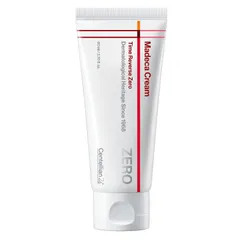
Centellian24 Buy Centellian24 Madeca Cream Time Reverse Zero in Australia - Korean Skincare Online Store
Works for:
based on ingredients and %- Moisturizing
- Anti-aging
- Anti-oxidation
- Evens skin tone
Can it cause trouble?
- Irritation risk: high
- Comedogenic risk ingredients: 5
Key actives


Product Summary
Based on the ingredient list, "Centellian24 - Buy Centellian24 Madeca Cream Time Reverse Zero in Australia - Korean Skincare Online Store" can work well for skin moisturization. To work well, any moisturizer needs to include a combination of water-binding and emollient ingredients. Centellian24 - Buy Centellian24 Madeca Cream Time Reverse Zero in Australia - Korean Skincare Online Store ticks this box. Humectants in this product (panthenol, anhydroxylitol, arginine, glycerin and hydrolyzed hyaluronic acid) help to increase the water content in the upper layer of the skin. (These ingredients do so by "capturing" water molecules from the outside air or from within the deeper layers of the skin). Ceramide np, phytosphingosine, glycine soja oil, helianthus annuus seed wax and jojoba esters in this product help decrease the water evoporation from the skin, so that it stays hydrated for longer. These ingredients also soften the skin and take away the feeling of tightness and dryness.
Ingredient callouts
- We love that this moisturizer contains a good concentration of niacinamide 2.00% - 2.50%. Niacinamide is a perfect active in a moistruizer because it helps calm down inflamation in skin and support the skin barrier. More than that, it is helpful for most common skin concerns: it helps regulat oil production, help reduce acne and clogged pores, improve skin tone and prevent pigmentation marks. It also helps fight photodamage.
- This moisturizer contains an effective form of Retinoids (vitamin A): retinol 0.20% - 0.40%. Retinoids are potent multitasking actives. They work to improve and prevent early signs of aging, reduce hyperpigmentation (age spots and post-acne marks), and prevent inflamed blemishes and clogged pores. The downside of Retinoids is that they can be irritating. If you are not already using a Retinoid in your routine, it is best to start slowly and apply the Retinoid product only a few times per week. If your skin tolerates it well, you can gradually increase the frequency to daily. Because of the irritation risk of Retinoids, we recommend to have another, retinoid-free moisturizer in your routine to use on the alternate days or when your skin feels dry.
- Another benefit is that this moisturizer contain ceramides (phytosphingosine 0.25% - 0.50% and ceramide np 0.25% - 0.45%). Ceramides are an important part of our natural skin barrier. The Ceramides used in skincare are synthetic or come from plants. They help soften the skin and can help "fill the gaps" in the skin barrier, keeping the skin hydrated and resilient for longer.
- Adenosine 0.20% - 0.40%. It is a compound that in involved in many biological processes inside the skin cells. According one high-quality clinical trial, topical Adenosine in low concentrations can somewhat help improve "deep wrinkles" - the wrinkles that appear with age in places where our faces are most dynamic (for example, on the forehead or in the corners of the eyes).
- Actives derived from an extract of the Centella Asiatica plant (also known as Gotu Kola) - madecassoside 0.20% - 0.40%, asiatic acid 0.20% - 0.40%, asiaticoside 0.20% - 0.40% and madecassic acid 0.25% - 0.45% The Centella Asiatica Actives help strengthen and restore the skin barrier, decrease inflammation in skin and neutralize free radicals. They also can help to reduce scarring. The good news is that these actives work even in low concentrations.
Irritation risk
There are quite a few common irritants in this product, including ingredients without particular skin benefits. We would not recommend it for sensitive skin. We assess the overall irritancy of this moisturizer to be high. For a detailed overview of all potential irritants: click here
You can see the detailed formula review with the breakdown of all actives in the product and the full ingredient list with estimated concentrations in the tables below.
Price
The product retails for 19.95A$ in Australia.
For a detailed price comparison: click here.
Anti-aging
What does the product description say?
DESCRIPTION Centellian 24 Madeca Cream Time Reverse Zero allows you to get all the anti-aging benefits of the Time Reversal Cream, now in a lightweight summer formula.
Source: Lila Beauty
This product can help reduce and prevent fine lines and wrinkles, improve skin elasticity and firmness because it contains retinol, adenosine, niacinamide.
These ingredients in the product can also be helpful, even though there is less evidence for their effectiveness: asiaticoside, centella asiatica leaf extract, madecassoside, resveratrol.
Keep in mind that it typically takes at least 6 weeks to notice any results because the changes that are needed to improve fine lines and elasticity happen in the deeper layers of the skin. No topical anti-aging product can “erase” wrinkles or fully reverse signs of aging.
Is proven to be effective in reducing blemishes, evening out skin tone and helping to improve lines and wrinkles. It helps the skin to repair sun damage, calm down inflammation and keep maintain good levels of moisture. The concentration of about 2% is effective for supporting the skin barrier and evening out the skin tone. Concentration of 4-6% is better for helping with acne and balancing the sebum production
Might help improve cell turnover and reduce inflammation in skin. One study shows that the ingredients might be able to help reduce dynamic wrinkles (for example, in the corners of the eyes or on the forehead)
Two steps removed from the active form of vitamin A - retinoic acid. Once converted to the retinoic acid in the skin, retinol is proven to be effective against all signs of aging. It improves skin cell turnover, helps fight blemishes and clogged pores, can regulate excess oil production and even skin tone. It can, however, be quite irritating
An antioxidant that is typically derived from plant Centella Asiatica. It can help neutralize free radicals in skin and support skin barrier function. It could, however, itself be irritating. It is often unstable in formulations
Helps neutralize free radicals in skin and might help reduce fine lines and wrinkles, as well as even out the skin tone
A plant extract that has been shown to be able to reduce inflammation in skin, support restoration of skin barrier function, as well as support collagen production. It can be irritating to sensitive skin. Might be helpful in preventing stretch marks. It could, however, itself be irritating.
An active compound of Centella Asiatica plant extract. In combination with other active compounds of Centella Asiatica extract (madecasosside, asiatic acid and madecassic acid), asiaticoside has been shown to be helpful in wound-healing, restoring skin barrier function and supporting collagen production in skin. It can, however, itself be irritating
A plant extract that has been shown to be able to reduce inflammation in skin, support restoration of skin barrier function, as well as support collagen production. Contains active compounds called centelloids: asiaticoside, madecasosside, asiatic acid and madecassic acid. Might be helpful in preventing stretch marks. It can be itself be irritating though.
Pure form of vitamin E. Can help moisturise and protect the skin from free radicals. Often used to help stabilise other ingredients or the formula itself
Anti-blemish
This product can help reduce breakouts and clogged pores because it contains the following ingredient: niacinamide, retinol. These ingredients is used for treating acne and can have a noticeable effect.
Two steps removed from the active form of vitamin A - retinoic acid. Once converted to the retinoic acid in the skin, retinol is proven to be effective against all signs of aging. It improves skin cell turnover, helps fight blemishes and clogged pores, can regulate excess oil production and even skin tone. It can, however, be quite irritating
Is proven to be effective in reducing blemishes, evening out skin tone and helping to improve lines and wrinkles. It helps the skin to repair sun damage, calm down inflammation and keep maintain good levels of moisture. The concentration of about 2% is effective for supporting the skin barrier and evening out the skin tone. Concentration of 4-6% is better for helping with acne and balancing the sebum production
Could be helpful in reducing inflammation in skin, evening out the skin tone and neutralizing free radicals, but more research is needed to confirm its effectiveness
A plant extract that has been shown to be able to reduce inflammation in skin, support restoration of skin barrier function, as well as support collagen production. It can be irritating to sensitive skin. Might be helpful in preventing stretch marks. It could, however, itself be irritating.
A type of lipid that is naturally present in skin. It might help in repairing skin barrier function and has anti-bacterial effect
Helps water and oil mix together. Has anti-bacterial properties that might be helpful in preventing blemishes
Helps calm down inflammation in skin and can help reduce itching. Helps to repair the skin barrier and keep skin hydrated
A plant extract that has been shown to be able to reduce inflammation in skin, support restoration of skin barrier function, as well as support collagen production. Contains active compounds called centelloids: asiaticoside, madecasosside, asiatic acid and madecassic acid. Might be helpful in preventing stretch marks. It can be itself be irritating though.
A plant extract that can help neutralize free radicals in skin. It contains a compound salicin that can theoretically be converted into salicylic acid that, in turn, helps reduce inflammation in skin, but the evidence of effectiveness in skin is lacking and the extract is usually not used in a concentration that would enable an exfoliating effect
Anti-oxidation
This product contains antioxidants (asiaticoside, madecassoside, resveratrol, retinol) that can help neutralize free radicals in skin. By doing so, they can lessen the damage the skin gets from the UV light (sun).
The following ingredients - ficus carica fruit extract also can have an antioxidant effect, but there is less evidence to confirm their effectiveness in skin.
An antioxidant that is typically derived from plant Centella Asiatica. It can help neutralize free radicals in skin and support skin barrier function. It could, however, itself be irritating. It is often unstable in formulations
An active compound of Centella Asiatica plant extract. In combination with other active compounds of Centella Asiatica extract (madecasosside, asiatic acid and madecassic acid), asiaticoside has been shown to be helpful in wound-healing, restoring skin barrier function and supporting collagen production in skin. It can, however, itself be irritating
Two steps removed from the active form of vitamin A - retinoic acid. Once converted to the retinoic acid in the skin, retinol is proven to be effective against all signs of aging. It improves skin cell turnover, helps fight blemishes and clogged pores, can regulate excess oil production and even skin tone. It can, however, be quite irritating
Helps neutralize free radicals in skin and might help reduce fine lines and wrinkles, as well as even out the skin tone
A plant extract that can help neutralize free radicals. The concentrations typically used in cosmetics are too small to have an effect
Flower oil that is used as a fragrance
A plant extract that has some anti-oxidant activity, but solid research is lacking. Can help attract water to the upper layer of the skin
A plant extract. Can have an anti-oxidant effect, but can also contain irritants
Might be helpful in neutralizing free radicals. Can have a dehydration effect that might somewhat decrease the look of puffy eyes
Might help improve cell turnover and reduce inflammation in skin. One study shows that the ingredients might be able to help reduce dynamic wrinkles (for example, in the corners of the eyes or on the forehead)
A plant root extract that helps attract water to the upper layer of the skin. It might have an anti-inflammatory effect and could help neturalize free radicals in skin
Could be helpful in reducing inflammation in skin, evening out the skin tone and neutralizing free radicals, but more research is needed to confirm its effectiveness
A plant extract that might contain a compound baicalin that could be helpful in neutralizing free radicals and reducing inflammation in skin. The baicalin concentration in skincare products is often too low for an effective action. Can be used for its fragrant properties
An essential oil. Can be irritating. Can become an allergen with oxidation
Pure form of vitamin E. Can help moisturise and protect the skin from free radicals. Often used to help stabilise other ingredients or the formula itself
Might be able to help neutralize free radical, calm down inflammation in skin, and even skin tone
A plant extract that has been shown to be able to reduce inflammation in skin, support restoration of skin barrier function, as well as support collagen production. Contains active compounds called centelloids: asiaticoside, madecasosside, asiatic acid and madecassic acid. Might be helpful in preventing stretch marks. It can be itself be irritating though.
A plant oil with high content of volatile compounds that can irritate the skin. Can be used as a fragrance. Has anti-bacterial properties and might help neutralize free radicals on the surface of the skin
A plant extract that can help neutralize free radicals in skin. It contains a compound salicin that can theoretically be converted into salicylic acid that, in turn, helps reduce inflammation in skin, but the evidence of effectiveness in skin is lacking and the extract is usually not used in a concentration that would enable an exfoliating effect
Evens skin tone
This product can help reduce hypepigmentation and even out the skin tone because it contains the following effective ingredients: retinol.
In addition, this product contains niacinamide. This ingredient (ingredients) might help reduce hyperpigmentation, but the effect, if any, is likely to be small.
The following ingredient (ingredients) in this product might be helpful, but there is no evidence to confirm that it actually can help even out the skin tone: madecassoside, resveratrol.
Keep in mind that you would need to apply any topical skincare targetted at hypigmentation consistently for a couple of months to get a result. No topical skincare product can help get rid of hyperpigmentation (including post-acne marks and age spots) instantly.
Two steps removed from the active form of vitamin A - retinoic acid. Once converted to the retinoic acid in the skin, retinol is proven to be effective against all signs of aging. It improves skin cell turnover, helps fight blemishes and clogged pores, can regulate excess oil production and even skin tone. It can, however, be quite irritating
Is proven to be effective in reducing blemishes, evening out skin tone and helping to improve lines and wrinkles. It helps the skin to repair sun damage, calm down inflammation and keep maintain good levels of moisture. The concentration of about 2% is effective for supporting the skin barrier and evening out the skin tone. Concentration of 4-6% is better for helping with acne and balancing the sebum production
An antioxidant that is typically derived from plant Centella Asiatica. It can help neutralize free radicals in skin and support skin barrier function. It could, however, itself be irritating. It is often unstable in formulations
Helps neutralize free radicals in skin and might help reduce fine lines and wrinkles, as well as even out the skin tone
Could be helpful in reducing inflammation in skin, evening out the skin tone and neutralizing free radicals, but more research is needed to confirm its effectiveness
Exfoliation
This product can help exfoliate the skin. In other words, it helps break down the bonds between dead cells on the surface of the skin and speed up the skin turnover. Skin often appears softer and brighter after exfoliation, but overdoing it can result in disrupted skin barrier. The following ingredient is doing the exfoliating job in this product: retinol.
Two steps removed from the active form of vitamin A - retinoic acid. Once converted to the retinoic acid in the skin, retinol is proven to be effective against all signs of aging. It improves skin cell turnover, helps fight blemishes and clogged pores, can regulate excess oil production and even skin tone. It can, however, be quite irritating
Helps calm down inflammation in skin and can help reduce itching. Helps to repair the skin barrier and keep skin hydrated
A plant extract that can help neutralize free radicals in skin. It contains a compound salicin that can theoretically be converted into salicylic acid that, in turn, helps reduce inflammation in skin, but the evidence of effectiveness in skin is lacking and the extract is usually not used in a concentration that would enable an exfoliating effect
Moisturizing
What does the product description say?
Reduces redness, improves elasticity, lowers skin temperature, and boosts moisture.
Source: Lila Beauty
This product can help improve hydration of the skin with the two types of ingredients.
The first type is called “humectants”:
these ingredients help attract water.
When humectants are on the surface of the skin, they “pull in” the moisture from the outside environment, or from
within deeper layers of the skin. The following ingredients in this product do the job:
anhydroxylitol, arginine.
This product also contains ingredients called “occlusives”. They help reduce the speed with which our skin loses moisture to the outside environment. These ingredients also help soften the upper layer of the skin, so it feels less tight and nicer to the touch. The following ingredients in this product do the job: arginine, caprylic/capric triglyceride.
The following ingredients in this product are especially good for supporting the skin barrier and helping with the hydration level: ceramide np, madecassoside, niacinamide, panthenol, phytosphingosine
Helps to attract water to the upper layer of the skin
A type of lipid that is naturally present in skin. It might help in repairing skin barrier function and has anti-bacterial effect
One of the best moisturizing ingredients. Attracts water into the upper layer of the skin. A version of it is naturally present in skin
Helps soften the upper layer of the skin and support skin's barrier function while creating a thicker product consistency
A good emollient that helps soften the skin and helps repair its barrier function. It can clog pores if used in high concentrations.
Lipids that work as an emollient and can be helpful in repairing skin barrier function
One of the best moisturizing ingredients. Naturally present in skin. It attracts water to the upper layer of the skin working as a humectant
Can support skin barrier function and reduce inflammation in skin
A type of lipid similar to ceramides naturally present in skin. Helps to soften the upper layer of the skin and supports the skin barrier function to keep it hydrated. Can help to prevent inflammation in skin
An amino acid that is naturally present in skin and helps keep it hydrated. When used together with AHAs, it can reduce their irritating effect on the skin
A good mix of fatty acids that forms a protective layer on the skin. Improves the shelf life of products. Derived from coconut and glycerin
An active compound of Centella Asiatica plant extract. In combination with other active compounds of Centella Asiatica extract (madecasosside, asiatic acid and madecassic acid), asiaticoside has been shown to be helpful in wound-healing, restoring skin barrier function and supporting collagen production in skin. It can, however, itself be irritating
An active compound of Centella Asiatica plant extract. In combination with other active compounds of Centella Asiatica extract (asiaticoside, madecasosside and madecassic acid) asiatic acid has been shown to be helpful in wound-healing, restoring skin barrier function and supporting collagen production in skin. It can, however, itself be irritating
One of the best moisturizing ingredients. Attracts water into the upper layer of the skin
Helps attract water to the upper layer of the skin and repair the skin barrir function
A type of silicone that helps to create a nice product texture and soften the upper layer of the skin
Helps attract water to the upper layer of the skin and repair the skin barrier function
Helps attract water to the upper layer of the skin and can help improve skin barrier function
Is proven to be effective in reducing blemishes, evening out skin tone and helping to improve lines and wrinkles. It helps the skin to repair sun damage, calm down inflammation and keep maintain good levels of moisture. The concentration of about 2% is effective for supporting the skin barrier and evening out the skin tone. Concentration of 4-6% is better for helping with acne and balancing the sebum production
An antioxidant that is typically derived from plant Centella Asiatica. It can help neutralize free radicals in skin and support skin barrier function. It could, however, itself be irritating. It is often unstable in formulations
An active compound of Centella Asiatica plant extract. In combination with other active compounds of Centella Asiatica extract (asiaticoside, madecasosside and asiatic acid), madecassic acid has been shown to be helpful in wound-healing, restoring skin barrier function and supporting collagen production in skin. It can, however, itself be irritating
Seaweed extract that might help to attract water to the upper layer of the skin and have some anti-oxidant properties
An emollient made of jojoba oil. Helps soften the skin and support its barrier function
A non-drying alcohol. Works as an emollient. Helps water and oil mix together and creates a nice product texture
Helps soften the upper layer of the skin and create a nice product texture
Might help improve cell turnover and reduce inflammation in skin. One study shows that the ingredients might be able to help reduce dynamic wrinkles (for example, in the corners of the eyes or on the forehead)
A fermentation product created by bacteria Lactobacillus out of soybean. The fermented product helps to attract water to the upper layer of the skin and has anti-bacterial properties. It might be helpful in calming down inflammation and could be helpful in evening out skin tone, but studies are lacking
An emollient that helps soften the skin but is not effective for restoring its barrier function. Might be helpful to calm down inflammation
A plant root extract that helps attract water to the upper layer of the skin. It might have an anti-inflammatory effect and could help neturalize free radicals in skin
Plant oil from nuts that helps soften the upper layer of the skin. Contains a high concentration of oleic acid that can weaken skin's barrier function and increase water-loss while enhancing penetration of other ingredients
An emollient that softens the skin and forms a protective layer on its surface. Helps water and oil mix together
Helps oil and water mix together while softening the upper layer of the skin
A plant extract that has some anti-oxidant activity, but solid research is lacking. Can help attract water to the upper layer of the skin
A plant extract that might contain a compound baicalin that could be helpful in neutralizing free radicals and reducing inflammation in skin. The baicalin concentration in skincare products is often too low for an effective action. Can be used for its fragrant properties
An emollient that helps soften the skin. It also forms a protective on its surface to reduce water loss.
An emollient that helps to soften the skin and create a pleasant product texture and stabilize the formulation
Helps soften the upper layer of the skin while creating a non-greasy feel on the skin. Helps to dissolve other ingredients
Used to create a nice product texture and help delivery of other ingredients. Might be somewhat helpful in attracting water to the upper layer of the skin
An emollient that is naturally present in skin and helps soften it
Helps calm down inflammation in skin and can help reduce itching. Helps to repair the skin barrier and keep skin hydrated
A plant extract that has been shown to be able to reduce inflammation in skin, support restoration of skin barrier function, as well as support collagen production. Contains active compounds called centelloids: asiaticoside, madecasosside, asiatic acid and madecassic acid. Might be helpful in preventing stretch marks. It can be itself be irritating though.
Pure form of vitamin E. Can help moisturise and protect the skin from free radicals. Often used to help stabilise other ingredients or the formula itself
Traditionally used to treat sunburns, dermatitis and inflammation, but evidence for its effectiveness is lacking. The extract can contain humectants that help attract water into the skin
Helps oil and water mix together and works as an emollient
Might be able to help neutralize free radical, calm down inflammation in skin, and even skin tone
How honest is this product?
| Promise | Can it deliver? |
|---|---|
| Anti-aging | |
| Moisturizing |
Total Promises Fulfilled score: 100/100.
We receive a small commission for purchases made through these links at no cost for you. Thank you for your support! Learn more
Affiliate link · supports WIMJ at no cost to you
Potential irritants
Comedogenic ingredients
User reviews (0)
Averages from community submissions.
No reviews yet for this product.
Be the first to share your experience!
Tried this product?
Help capture what the ingredient list can't—texture, finish, pilling, scent, and more. Answer what you can, skip the rest.
Takes ~30 seconds.
Reviews are shown in aggregate. No personal details.
| Product | Similarity | Price | Irritancy |
|---|---|---|---|
 Centellian24 Buy Centellian24 Madeca Cream Time Reverse Zero in Australia - Korean Skincare Online Store | Current | $19.95 | |
SUNGBOON EDITOR Centell Lacto Skin Barrier Relaxing Cream | 75% | $24.00 | |
AHC Eye Cream For Face | 75% | $15.99 | |
 Goodal Buy Goodal Black Carrot Vita-A Retinol Cream Firming Moisturizing - Korean Skincare | 74% | $39.50 | |
 Meebak Cica cream | 73% | $18.73 | |
 Frankly Buy Retinol 0.1% Wrinkle Care Cream in Australia - Korean Skincare Online | 72% | $16.95 |
Key Actives
Is proven to be effective in reducing blemishes, evening out skin tone and helping to improve lines and wrinkles. It helps the skin to repair sun damage, calm down inflammation and keep maintain good levels of moisture. The concentration of about 2% is effective for supporting the skin barrier and evening out the skin tone. Concentration of 4-6% is better for helping with acne and balancing the sebum production
A plant extract that has been shown to be able to reduce inflammation in skin, support restoration of skin barrier function, as well as support collagen production. Contains active compounds called centelloids: asiaticoside, madecasosside, asiatic acid and madecassic acid. Might be helpful in preventing stretch marks. It can be itself be irritating though.
A plant extract that has been shown to be able to reduce inflammation in skin, support restoration of skin barrier function, as well as support collagen production. Contains active compounds called centelloids: asiaticoside, madecasosside, asiatic acid and madecassic acid. Might be helpful in preventing stretch marks. It can be itself be irritating though.
A plant extract that has been shown to be able to reduce inflammation in skin, support restoration of skin barrier function, as well as support collagen production. Contains active compounds called centelloids: asiaticoside, madecasosside, asiatic acid and madecassic acid. Might be helpful in preventing stretch marks. It can be itself be irritating though.
Helps calm down inflammation in skin and can help reduce itching. Helps to repair the skin barrier and keep skin hydrated
Two steps removed from the active form of vitamin A - retinoic acid. Once converted to the retinoic acid in the skin, retinol is proven to be effective against all signs of aging. It improves skin cell turnover, helps fight blemishes and clogged pores, can regulate excess oil production and even skin tone. It can, however, be quite irritating
A plant extract that has been shown to be able to reduce inflammation in skin, support restoration of skin barrier function, as well as support collagen production. It can be irritating to sensitive skin. Might be helpful in preventing stretch marks. It could, however, itself be irritating.
An active compound of Centella Asiatica plant extract. In combination with other active compounds of Centella Asiatica extract (madecasosside, asiatic acid and madecassic acid), asiaticoside has been shown to be helpful in wound-healing, restoring skin barrier function and supporting collagen production in skin. It can, however, itself be irritating
Pure form of vitamin E. Can help moisturise and protect the skin from free radicals. Often used to help stabilise other ingredients or the formula itself
An antioxidant that is typically derived from plant Centella Asiatica. It can help neutralize free radicals in skin and support skin barrier function. It could, however, itself be irritating. It is often unstable in formulations
Helps attract water to the upper layer of the skin and can help improve skin barrier function
An active compound of Centella Asiatica plant extract. In combination with other active compounds of Centella Asiatica extract (asiaticoside, madecasosside and madecassic acid) asiatic acid has been shown to be helpful in wound-healing, restoring skin barrier function and supporting collagen production in skin. It can, however, itself be irritating
Might help improve cell turnover and reduce inflammation in skin. One study shows that the ingredients might be able to help reduce dynamic wrinkles (for example, in the corners of the eyes or on the forehead)
A type of lipid similar to ceramides naturally present in skin. Helps to soften the upper layer of the skin and supports the skin barrier function to keep it hydrated. Can help to prevent inflammation in skin
Helps neutralize free radicals in skin and might help reduce fine lines and wrinkles, as well as even out the skin tone
Might be able to help neutralize free radical, calm down inflammation in skin, and even skin tone
A type of lipid that is naturally present in skin. It might help in repairing skin barrier function and has anti-bacterial effect
An active compound of Centella Asiatica plant extract. In combination with other active compounds of Centella Asiatica extract (asiaticoside, madecasosside and asiatic acid), madecassic acid has been shown to be helpful in wound-healing, restoring skin barrier function and supporting collagen production in skin. It can, however, itself be irritating
Might be helpful in neutralizing free radicals. Can have a dehydration effect that might somewhat decrease the look of puffy eyes
Can support skin barrier function and reduce inflammation in skin
A good mix of fatty acids that forms a protective layer on the skin. Improves the shelf life of products. Derived from coconut and glycerin
A type of silicone that helps to create a nice product texture and soften the upper layer of the skin
One of the best moisturizing ingredients. Naturally present in skin. It attracts water to the upper layer of the skin working as a humectant
A plant extract that can help neutralize free radicals. The concentrations typically used in cosmetics are too small to have an effect
An emollient made of jojoba oil. Helps soften the skin and support its barrier function
Helps attract water to the upper layer of the skin and repair the skin barrier function
Helps soften the upper layer of the skin and support skin's barrier function while creating a thicker product consistency
Helps attract water to the upper layer of the skin and repair the skin barrir function
An amino acid that is naturally present in skin and helps keep it hydrated. When used together with AHAs, it can reduce their irritating effect on the skin
Helps to attract water to the upper layer of the skin
One of the best moisturizing ingredients. Attracts water into the upper layer of the skin
One of the best moisturizing ingredients. Attracts water into the upper layer of the skin. A version of it is naturally present in skin
A good emollient that helps soften the skin and helps repair its barrier function. It can clog pores if used in high concentrations.
Lipids that work as an emollient and can be helpful in repairing skin barrier function
Seaweed extract that might help to attract water to the upper layer of the skin and have some anti-oxidant properties
Potential irritants
Used as a fragrance. It can be irritating and cause photosensitivity
A plant oil with high content of volatile compounds that, especially when exposed to air, can cause allergic reactions and irritate the skin
An essential oil. Potential allergen and can be irritating. It has some anti-bacterial properties
A plant oil with a high content of volatile compounds that can irritate the skin and lead to allergic reactions. Can lead to photosensitivity
An essential oil with a lemon-like smell that is extracted from a fruit grown in Asia. Used as a fragrance
A plant oil with high content of volatile compounds that can irritate the skin. Can be used as a fragrance. Has anti-bacterial properties and might help neutralize free radicals on the surface of the skin
An essentil oil from orange peel. Potential allergen and can be irritating
A plant oil with high content of volatile compounds that, especially when exposed to air, can cause allergic reactions and irritate the skin
An essential oil. Can be irritating. Can become an allergen with oxidation
A plant extract used as a fragrance. Can be irritating
Two steps removed from the active form of vitamin A - retinoic acid. Once converted to the retinoic acid in the skin, retinol is proven to be effective against all signs of aging. It improves skin cell turnover, helps fight blemishes and clogged pores, can regulate excess oil production and even skin tone. It can, however, be quite irritating
Might be able to help neutralize free radical, calm down inflammation in skin, and even skin tone
A plant extract that can help neutralize free radicals in skin. It contains a compound salicin that can theoretically be converted into salicylic acid that, in turn, helps reduce inflammation in skin, but the evidence of effectiveness in skin is lacking and the extract is usually not used in a concentration that would enable an exfoliating effect
A plant extract. Can have an anti-oxidant effect, but can also contain irritants
A plant root extract that helps attract water to the upper layer of the skin. It might have an anti-inflammatory effect and could help neturalize free radicals in skin
A plant extract that might contain a compound baicalin that could be helpful in neutralizing free radicals and reducing inflammation in skin. The baicalin concentration in skincare products is often too low for an effective action. Can be used for its fragrant properties
A common frangrance that can easily irritate skin, especially if exposed to air, light or heat
A good mix of fatty acids that forms a protective layer on the skin. Improves the shelf life of products. Derived from coconut and glycerin
Helps oil and water mix together while softening the upper layer of the skin
Help oil and water mix together
An active compound of Centella Asiatica plant extract. In combination with other active compounds of Centella Asiatica extract (asiaticoside, madecasosside and asiatic acid), madecassic acid has been shown to be helpful in wound-healing, restoring skin barrier function and supporting collagen production in skin. It can, however, itself be irritating
An active compound of Centella Asiatica plant extract. In combination with other active compounds of Centella Asiatica extract (madecasosside, asiatic acid and madecassic acid), asiaticoside has been shown to be helpful in wound-healing, restoring skin barrier function and supporting collagen production in skin. It can, however, itself be irritating
An active compound of Centella Asiatica plant extract. In combination with other active compounds of Centella Asiatica extract (asiaticoside, madecasosside and madecassic acid) asiatic acid has been shown to be helpful in wound-healing, restoring skin barrier function and supporting collagen production in skin. It can, however, itself be irritating
A plant extract that has been shown to be able to reduce inflammation in skin, support restoration of skin barrier function, as well as support collagen production. Contains active compounds called centelloids: asiaticoside, madecasosside, asiatic acid and madecassic acid. Might be helpful in preventing stretch marks. It can be itself be irritating though.
A plant extract that can help neutralize free radicals. The concentrations typically used in cosmetics are too small to have an effect
An emollient made of jojoba oil. Helps soften the skin and support its barrier function
An emollient that helps soften the skin but is not effective for restoring its barrier function. Might be helpful to calm down inflammation
Helps water and oil mix together. Has anti-bacterial properties that might be helpful in preventing blemishes
A plant extract that has been shown to be able to reduce inflammation in skin, support restoration of skin barrier function, as well as support collagen production. It can be irritating to sensitive skin. Might be helpful in preventing stretch marks. It could, however, itself be irritating.
Might be helpful in neutralizing free radicals. Can have a dehydration effect that might somewhat decrease the look of puffy eyes
Cedarwood oil. Used as a fragrance. Can be irritating
Plant oil from nuts that helps soften the upper layer of the skin. Contains a high concentration of oleic acid that can weaken skin's barrier function and increase water-loss while enhancing penetration of other ingredients
An antioxidant that is typically derived from plant Centella Asiatica. It can help neutralize free radicals in skin and support skin barrier function. It could, however, itself be irritating. It is often unstable in formulations
A good emollient that helps soften the skin and helps repair its barrier function. It can clog pores if used in high concentrations.
A plant extract that has been shown to be able to reduce inflammation in skin, support restoration of skin barrier function, as well as support collagen production. Contains active compounds called centelloids: asiaticoside, madecasosside, asiatic acid and madecassic acid. Might be helpful in preventing stretch marks. It can be itself be irritating though.
Lipids that work as an emollient and can be helpful in repairing skin barrier function
Helps neutralize free radicals in skin and might help reduce fine lines and wrinkles, as well as even out the skin tone
Could be helpful in reducing inflammation in skin, evening out the skin tone and neutralizing free radicals, but more research is needed to confirm its effectiveness
A plant extract that has been shown to be able to reduce inflammation in skin, support restoration of skin barrier function, as well as support collagen production. Contains active compounds called centelloids: asiaticoside, madecasosside, asiatic acid and madecassic acid. Might be helpful in preventing stretch marks. It can be itself be irritating though.
Traditionally used to treat sunburns, dermatitis and inflammation, but evidence for its effectiveness is lacking. The extract can contain humectants that help attract water into the skin
Helps oil and water mix together. Could be comedogenic
A plant extract that has some anti-oxidant activity, but solid research is lacking. Can help attract water to the upper layer of the skin
Comedogenic ingredients
A non-drying alcohol. Works as an emollient. Helps water and oil mix together and creates a nice product texture
Helps water and oil mix together. Has anti-bacterial properties that might be helpful in preventing blemishes
A good emollient that helps soften the skin and helps repair its barrier function. It can clog pores if used in high concentrations.
Seaweed extract that might help to attract water to the upper layer of the skin and have some anti-oxidant properties
Helps oil and water mix together. Could be comedogenic
All ingredients
Helps to dissolve other ingredients in a formulation. Slows down the rate of product drying
Helps soften the upper layer of the skin and create a nice product texture
A good mix of fatty acids that forms a protective layer on the skin. Improves the shelf life of products. Derived from coconut and glycerin
Is proven to be effective in reducing blemishes, evening out skin tone and helping to improve lines and wrinkles. It helps the skin to repair sun damage, calm down inflammation and keep maintain good levels of moisture. The concentration of about 2% is effective for supporting the skin barrier and evening out the skin tone. Concentration of 4-6% is better for helping with acne and balancing the sebum production
An emollient that helps soften the skin. It also forms a protective on its surface to reduce water loss.
An emollient that softens the skin and forms a protective layer on its surface. Helps water and oil mix together
Helps oil and water mix together while softening the upper layer of the skin
A non-drying alcohol. Works as an emollient. Helps water and oil mix together and creates a nice product texture
A type of silicone that helps to create a nice product texture and soften the upper layer of the skin
Helps soften the upper layer of the skin while creating a non-greasy feel on the skin. Helps to dissolve other ingredients
Help oil and water mix together
Helps attract water to the upper layer of the skin and can help improve skin barrier function
One of the best moisturizing ingredients. Naturally present in skin. It attracts water to the upper layer of the skin working as a humectant
An active compound of Centella Asiatica plant extract. In combination with other active compounds of Centella Asiatica extract (asiaticoside, madecasosside and asiatic acid), madecassic acid has been shown to be helpful in wound-healing, restoring skin barrier function and supporting collagen production in skin. It can, however, itself be irritating
An active compound of Centella Asiatica plant extract. In combination with other active compounds of Centella Asiatica extract (madecasosside, asiatic acid and madecassic acid), asiaticoside has been shown to be helpful in wound-healing, restoring skin barrier function and supporting collagen production in skin. It can, however, itself be irritating
An active compound of Centella Asiatica plant extract. In combination with other active compounds of Centella Asiatica extract (asiaticoside, madecasosside and madecassic acid) asiatic acid has been shown to be helpful in wound-healing, restoring skin barrier function and supporting collagen production in skin. It can, however, itself be irritating
Helps calm down inflammation in skin and can help reduce itching. Helps to repair the skin barrier and keep skin hydrated
Used as a fragrance. It can be irritating and cause photosensitivity
Used to create a nice product texture and help delivery of other ingredients. Might be somewhat helpful in attracting water to the upper layer of the skin
Might help improve cell turnover and reduce inflammation in skin. One study shows that the ingredients might be able to help reduce dynamic wrinkles (for example, in the corners of the eyes or on the forehead)
A plant oil with high content of volatile compounds that, especially when exposed to air, can cause allergic reactions and irritate the skin
Helps to retain moisture by creating a protective barrier on the skin. Rich in fatty acids. Improves product texture and helps with the penetration of other ingredients.
An essential oil. Potential allergen and can be irritating. It has some anti-bacterial properties
A type of sugar that is used to support delivery of active ingredients and can enhance their penetration into the skin without disrupting the skin's barrier
Helps water and oil mix together and preserve the product formulation
A plant extract that has been shown to be able to reduce inflammation in skin, support restoration of skin barrier function, as well as support collagen production. Contains active compounds called centelloids: asiaticoside, madecasosside, asiatic acid and madecassic acid. Might be helpful in preventing stretch marks. It can be itself be irritating though.
A plant extract that can help neutralize free radicals. The concentrations typically used in cosmetics are too small to have an effect
An emollient made of jojoba oil. Helps soften the skin and support its barrier function
A plant oil with a high content of volatile compounds that can irritate the skin and lead to allergic reactions. Can lead to photosensitivity
An emollient that helps soften the skin but is not effective for restoring its barrier function. Might be helpful to calm down inflammation
An essential oil with a lemon-like smell that is extracted from a fruit grown in Asia. Used as a fragrance
Helps attract water to the upper layer of the skin and repair the skin barrier function
A plant oil with high content of volatile compounds that can irritate the skin. Can be used as a fragrance. Has anti-bacterial properties and might help neutralize free radicals on the surface of the skin
An essentil oil from orange peel. Potential allergen and can be irritating
Helps soften the upper layer of the skin and support skin's barrier function while creating a thicker product consistency
Helps attract water to the upper layer of the skin and repair the skin barrir function
Helps water and oil mix together. Has anti-bacterial properties that might be helpful in preventing blemishes
A type of lipid similar to ceramides naturally present in skin. Helps to soften the upper layer of the skin and supports the skin barrier function to keep it hydrated. Can help to prevent inflammation in skin
Helps attract water to the upper layer of the skin and repair the skin barrier function
A plant extract that has been shown to be able to reduce inflammation in skin, support restoration of skin barrier function, as well as support collagen production. It can be irritating to sensitive skin. Might be helpful in preventing stretch marks. It could, however, itself be irritating.
Might be helpful in neutralizing free radicals. Can have a dehydration effect that might somewhat decrease the look of puffy eyes
An amino acid that is naturally present in skin and helps keep it hydrated. When used together with AHAs, it can reduce their irritating effect on the skin
A plant oil with high content of volatile compounds that, especially when exposed to air, can cause allergic reactions and irritate the skin
Cedarwood oil. Used as a fragrance. Can be irritating
An emollient that helps to soften the skin and create a pleasant product texture and stabilize the formulation
Plant oil from nuts that helps soften the upper layer of the skin. Contains a high concentration of oleic acid that can weaken skin's barrier function and increase water-loss while enhancing penetration of other ingredients
Pure form of vitamin E. Can help moisturise and protect the skin from free radicals. Often used to help stabilise other ingredients or the formula itself
An essential oil. Can be irritating. Can become an allergen with oxidation
One of the best moisturizing ingredients. Attracts water into the upper layer of the skin
Can support skin barrier function and reduce inflammation in skin
An antioxidant that is typically derived from plant Centella Asiatica. It can help neutralize free radicals in skin and support skin barrier function. It could, however, itself be irritating. It is often unstable in formulations
One of the best moisturizing ingredients. Attracts water into the upper layer of the skin. A version of it is naturally present in skin
A good emollient that helps soften the skin and helps repair its barrier function. It can clog pores if used in high concentrations.
An emollient that is naturally present in skin and helps soften it
Used to stabilize the product formulation and can help absorb oil
Acts as a solvent for other ingredients. Speeds up the absorption of other ingredients into the skin
A plant extract used as a fragrance. Can be irritating
Two steps removed from the active form of vitamin A - retinoic acid. Once converted to the retinoic acid in the skin, retinol is proven to be effective against all signs of aging. It improves skin cell turnover, helps fight blemishes and clogged pores, can regulate excess oil production and even skin tone. It can, however, be quite irritating
A plant extract that has been shown to be able to reduce inflammation in skin, support restoration of skin barrier function, as well as support collagen production. Contains active compounds called centelloids: asiaticoside, madecasosside, asiatic acid and madecassic acid. Might be helpful in preventing stretch marks. It can be itself be irritating though.
Lipids that work as an emollient and can be helpful in repairing skin barrier function
Helps neutralize free radicals in skin and might help reduce fine lines and wrinkles, as well as even out the skin tone
Might be able to help neutralize free radical, calm down inflammation in skin, and even skin tone
Could be helpful in reducing inflammation in skin, evening out the skin tone and neutralizing free radicals, but more research is needed to confirm its effectiveness
A type of lipid that is naturally present in skin. It might help in repairing skin barrier function and has anti-bacterial effect
A plant extract that has been shown to be able to reduce inflammation in skin, support restoration of skin barrier function, as well as support collagen production. Contains active compounds called centelloids: asiaticoside, madecasosside, asiatic acid and madecassic acid. Might be helpful in preventing stretch marks. It can be itself be irritating though.
A plant extract that can help neutralize free radicals in skin. It contains a compound salicin that can theoretically be converted into salicylic acid that, in turn, helps reduce inflammation in skin, but the evidence of effectiveness in skin is lacking and the extract is usually not used in a concentration that would enable an exfoliating effect
A plant extract. Can have an anti-oxidant effect, but can also contain irritants
Seaweed extract that might help to attract water to the upper layer of the skin and have some anti-oxidant properties
Traditionally used to treat sunburns, dermatitis and inflammation, but evidence for its effectiveness is lacking. The extract can contain humectants that help attract water into the skin
A plant root extract that helps attract water to the upper layer of the skin. It might have an anti-inflammatory effect and could help neturalize free radicals in skin
Helps oil and water mix together. Could be comedogenic
A plant extract that has some anti-oxidant activity, but solid research is lacking. Can help attract water to the upper layer of the skin
A plant extract that might contain a compound baicalin that could be helpful in neutralizing free radicals and reducing inflammation in skin. The baicalin concentration in skincare products is often too low for an effective action. Can be used for its fragrant properties
A fermentation product created by bacteria Lactobacillus out of soybean. The fermented product helps to attract water to the upper layer of the skin and has anti-bacterial properties. It might be helpful in calming down inflammation and could be helpful in evening out skin tone, but studies are lacking
A common frangrance that can easily irritate skin, especially if exposed to air, light or heat
Ingredient list view
Water, Dipropylene glycol, 2,3-butanediol, Hydrogenated poly(c6-14 olefin), Caprylic/capric triglyceride, Niacinamide, Isodecyl neopentanoate, Glyceryl stearate, Polyglyceryl-6 distearate, Cetearyl alcohol, Vinyl dimethicone, Dicaprylyl ether, Candelilla/jojoba/rice bran polyglyceryl-3 esters, 1,2-hexanediol, Sodium polyacryloyldimethyl taurate, Panthenol, Polyglyceryl-10 laurate, Glycerin, Sodium stearoyl glutamate, Hydroxyacetophenone, Madecassic acid, Asiaticoside, Asiatic acid, Allantoin, Ethylhexylglycerin, Citrus aurantium dulcis oil, Butylene glycol, Xanthan gum, Disodium edta, Adenosine, Citrus nobilis peel oil, Hydrogenated lecithin, Lavandula angustifolia oil, Cyclodextrin, Candida bombicola/glucose/methyl rapeseedate ferment, Centella asiatica extract, Ficus carica fruit extract, Jojoba esters, Citrus aurantium bergamia fruit oil, Sodium laurate, Olea europaea fruit oil, Litsea cubeba fruit oil, Ethoxydiglycol, Xylitylglucoside, Malt extract, Rosmarinus officinalis leaf oil, Citrus aurantium dulcis peel oil, Helianthus annuus seed wax, Anhydroxylitol, Lauric acid, Ceramide np, Xylitol, Centella asiatica leaf extract, Caffeine, Arginine, Citrus grandis peel oil, Copaifera officinalis resin, Juniperus virginiana oil, Cedrus atlantica bark oil, Octyldodecanol, Macadamia ternifolia seed oil, Tocopherol, Pelargonium graveolens flower oil, Glycolipids, Polyglycerin-3, C12-13 alketh-9, Sodium hyaluronate, Cyanocobalamin, Madecassoside, Sucrose distearate, Hydrolyzed hyaluronic acid, Glycine soja oil, Jasminum officinale oil, Palmitic acid, Maltodextrin, Lepidium meyenii root extract, Propanediol, Ascorbyl asiatate, Stearic acid, Myrtus communis oil, Artemisia absinthium extract, Rose flower oil, Centella asiatica oil, Vanilla planifolia fruit extract, Retinol, Centella asiatica extract, Unknown, Ferula galbaniflua resin oil, Phytosterols, Resveratrol, Cimicifuga racemosa root extract, Silybum marianum extract, Taurine, Hydrolyzed centella asiatica extract, Phytosphingosine, Unknown, Centella asiatica extract, Salix alba bark extract, Origanum vulgare leaf extract, Chamaecyparis obtusa leaf extract, Laminaria japonica extract, Aloe barbadensis leaf extract, Dioscorea japonica root extract, Ulmus davidiana root extract, Viola mandshurica flower extract, Myristic acid, Arachidic acid, Cinnamomum cassia bark extract, Portulaca oleracea extract, Scutellaria baicalensis root extract, Lactobacillus/soybean ferment extract, Sodium dna, Limonene, Linalool, Citral
- Niacinamide - mechanisms of action and its topical use in dermatology
- Gehring, W. (2004). Nicotinic acid/niacinamide and the skin. Journal of Cosmetic Dermatology, 3(2), 88–93. doi:10.1111/j.1473-2130.2004.00115.x
- The influence of alkane chain length on the skin irritation potential of 1,2-alkanediols
- Skin moisturizing effects of panthenol-based formulations
- Safety Assessment of Panthenol, Pantothenic Acid, and Derivatives as Used in Cosmetics
- In Vitro Assessment of Skin Irritation Potential of Surfactant-based Formulations by Using a 3-D Skin Reconstructed Tissue Model and Cytokine Response
- Glycerol and the skin: holistic approach to its origin and functions
- Contact dermatitis due to Madecassol
- Centella asiatica in Dermatology: An Overview
- Centella asiatica in cosmetology
- Contact dermatitis due to Madecassol
- Centella asiatica in Dermatology: An Overview
- Profile of wound healing process induced by allantoin
- Safety Assessment of Citrus-Derived Peel Oils as Used in Cosmetics
- Oxidized citrus oil (R-limonene): A frequent skin sensitizer in Europe
- Air oxidation increases skin irritation from fragrance terpenes
- Evaluation of anti-wrinkle efficacy of adenosine-containing products using the FOITS technique
- Cyclodextrins: new drug delivery systems in dermatology
- Anti-Inflammatory Effect of Titrated Extract of Centella asiatica in Phthalic Anhydride-Induced Allergic Dermatitis Animal Model
- Triterpene Composition and Bioactivities of Centella asiatica
- Asiaticoside induction for cell-cycle progression, proliferation and collagen synthesis in human dermal fibroblasts
- Assessment report on Centella asiatica (L.) Urban, herba
- The Effects of a Standardized Extract of Centella asiatica on Postlaser Resurfacing Wound Healing on the Face: A Split-Face, Double-Blind, Randomized, Placebo-Controlled Trial
- Oxidized citrus oil (R-limonene): A frequent skin sensitizer in Europe
- Use of “natural” oils for moisturization: Review of olive, coconut, and sunflower seed oil
- Ethnopharmacological Properties and Medicinal Uses of Litsea cubeba
- Assessment report on Rosmarinus officinalis L., aetheroleum and Rosmarinus officinalis L., folium
- Screening of plant extracts for antimicrobial activity against bacteria and yeasts with dermatological relevance
- Occupational contact dermatitis due to essential oils
- The in vitro antimicrobial activity and chemometric modelling of 59 commercial essential oils against pathogens of dermatological relevance
- Antimicrobial and Antioxidant Properties of Rosemary and Sage (Rosmarinus officinalis L. and Salvia officinalis L., Lamiaceae) Essential Oils
- Chemical Composition, Plant Genetic Differences, Antimicrobial and Antifungal Activity Investigation of the Essential Oil of Rosmarinus officinalis L.
- Effect of Olive and Sunflower Seed Oil on the Adult Skin Barrier: Implications for Neonatal Skin Care
- Skin hydration is significantly increased by a cream formulated to mimic the skin’s own natural moisturizing systems
- Topically Applied Ceramides Interact with the Stratum Corneum Lipid Matrix in Compromised Ex Vivo Skin
- Fatty acids profile of oil from nine varieties of Macadamia nut
- Vitamin E in dermatology
- Vitamin E and Skin Health
- Fragrance Compound Geraniol Forms Contact Allergens on Air Exposure. Identification and Quantification of Oxidation Products and Effect on Skin Sensitization
- Hyaluronic acid: A key molecule in skin aging
- Hyaluronan (Hyaluronic Acid): a natural moisturizer for skin care
- Topical vitamin B12--a new therapeutic approach in atopic dermatitis-evaluation of efficacy and tolerability in a randomized placebo-controlled multicentre clinical trial
- Superiority of a vitamin B12-containing emollient compared to a standard emollient in the maintenance treatment of mild-to-moderate plaque psoriasis
- Centella asiatica in Dermatology: An Overview
- Protective effect of madecassoside on H2O2-induced oxidative stress and autophagy activation in human melanocytes
- Madecassoside, a triterpenoid saponin isolated from Centella asiatica herbs, protects endothelial cells against oxidative stress
- Madecassoside Inhibits Melanin Synthesis by Blocking Ultraviolet-Induced Inflammation
- Stability Study of the Active Constituents in the Centella asiatica Extract Formulations
- Efficacy of a New Topical Nano-hyaluronic Acid in Humans
- Physiochemical properties and application of hyaluronic acid: a systematic review
- Retinoids in the treatment of skin aging: an overview of clinical efficacy and safety
- Improvement of naturally aged skin with vitamin A (retinol)
- A comparative study of the effects of retinol and retinoic acid on histological, molecular, and clinical properties of human skin
- Skin permeation and antioxidant efficacy of topically applied resveratrol
- Chemoprevention of skin cancer by grape constituent resveratrol: relevance to human disease?
- Evaluation of efficacy and tolerance of a nighttime topical antioxidant containing resveratrol, baicalin, and vitamin e for treatment of mild to moderately photodamaged skin
- Resveratrol as a Multifunctional Topical Hypopigmenting Agent
- Anti-aging properties of resveratrol: review and report of a potent new antioxidant skin care formulation
- Resveratrol: A Unique Antioxidant Offering a Multi-Mechanistic Approach for Treating Aging Skin
- Cosmeceuttical Critigue: Taurine
- Efficacy and Safety of White Willow Bark (Salix alba) Extract
- An evaluation of the effect of a topical product containing salicin on the visible signs of human skin aging
- Chemical constituents of the root bark of Ulmus davidiana var. japonica and their potential biological activities
- Cosmeceutical properties of polysaccharides from the root bark of Ulmus davidiana var. japonica
- Anti-Wrinkle Effect of Ulmus davidiana Extracts
- Development and characterization of a superabsorbing hydrogel film containing Ulmus davidiana var. Japonica root bark and pullulan for skin wound healing
- The fatty acid profile of the skin surface lipid layer in papulopustular rosacea
- Portulaca oleracea (purslane)
- Scutellaria baicalensis, the golden herb from the garden of Chinese medicinal plants
- Flavonoids in Treating Psoriasis
- Improvement of skin barrier dysfunction by Scutellaria baicalensis GEOGI extracts through lactic acid fermentation
- Safety Assessment of Scutellaria baicalensis-Derived Ingredients as Used in Cosmetics