Works for:
based on ingredients and %- Moisturizing
Can it cause trouble?
- Irritation risk: high
- Comedogenic risk ingredients: 2
Key actives

Works for
Moisturizing
What does the product description say?
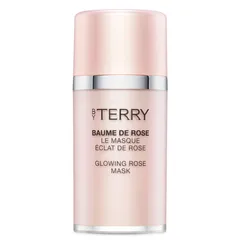
Rose blossom essential wax and vitamin E nourish and cocoon the complexion, making this brightening face mask a real treat for your skin.
Source: Beautylish
This product can help improve hydration of the skin with the two types of ingredients.
The first type is called “humectants”:
these ingredients help attract water.
When humectants are on the surface of the skin, they “pull in” the moisture from the outside environment, or from
within deeper layers of the skin. The following ingredients in this product do the job:
glycerin, butylene glycol.
This product also contains ingredients called “occlusives”. They help reduce the speed with which our skin loses moisture to the outside environment. These ingredients also help soften the upper layer of the skin, so it feels less tight and nicer to the touch. The following ingredients in this product do the job: glycine soja oil.
A good emollient that helps soften the skin and helps repair its barrier function. It can clog pores if used in high concentrations.
One of the best moisturizing ingredients. Naturally present in skin. It attracts water to the upper layer of the skin working as a humectant
Might be helpful in restoring skin barrier function and calm down inflammation in skin
Is likely to contain an essential oil that can be irritating. Typically used for its fragrance and to create a thicker product consistency
Is likely to contain rose essential oil that can be irritating. Typically used for its fragrance and to create a thicker product consistency
Used to create a nice product texture and help delivery of other ingredients. Might be somewhat helpful in attracting water to the upper layer of the skin
Typically used to stabilize the product formulations. It is a salt of a polyhydroxy acid (PHA) and in larger concentrations, can help shed the dead cells from the skin surface revealing smoother skin. It can help attract water to the upper layer of the skin. Might to be helpful against acne and clogged pores. Could be helpful in neutralizing free radicals, but solid research is missing. Due to the zinc content, might help calm down inflammation in skin
Typically used to stabilize the product formulations. It is a salt of polyhydroxy acid (PHA) and in larger concentrations, can help shed the dead cells from the skin surface revealing smoother skin. It can help attract water to the upper layer of the skin. Might to be helpful against acne and clogged pores. Could be helpful in neutralizing free radicals, but solid research is missing
A great emollient. Contains vitamin E (tocopherol) which may give it some anti-oxidant properties. Can contain volatile compounds and can be irritating
Pure form of vitamin E. Can help moisturise and protect the skin from free radicals. Often used to help stabilise other ingredients or the formula itself
How honest is this product?
| Promise | Can it deliver? |
|---|---|
| Moisturizing |
Total Promises Fulfilled score: 75/100.
We receive a small commission for purchases made through these links at no cost for you. Thank you for your support! Learn more
Potential irritants
Comedogenic ingredients
User reviews (0)
Averages from community submissions.
No reviews yet for this product.
Be the first to share your experience!
Tried this product?
Help capture what the ingredient list can't—texture, finish, pilling, scent, and more. Answer what you can, skip the rest.
Takes ~30 seconds.
Reviews are shown in aggregate. No personal details.
Key Actives
Typically used to stabilize the product formulations. It is a salt of a polyhydroxy acid (PHA) and in larger concentrations, can help shed the dead cells from the skin surface revealing smoother skin. It can help attract water to the upper layer of the skin. Might to be helpful against acne and clogged pores. Could be helpful in neutralizing free radicals, but solid research is missing. Due to the zinc content, might help calm down inflammation in skin
Pure form of vitamin E. Can help moisturise and protect the skin from free radicals. Often used to help stabilise other ingredients or the formula itself
A great emollient. Contains vitamin E (tocopherol) which may give it some anti-oxidant properties. Can contain volatile compounds and can be irritating
Might be helpful in restoring skin barrier function and calm down inflammation in skin
One of the best moisturizing ingredients. Naturally present in skin. It attracts water to the upper layer of the skin working as a humectant
A good emollient that helps soften the skin and helps repair its barrier function. It can clog pores if used in high concentrations.
Potential irritants
Works as a foaming cleansing agent
An aromatic blend of unspecified and possibly irritating ingredients
Is likely to contain an essential oil that can be irritating. Typically used for its fragrance and to create a thicker product consistency
Is likely to contain rose essential oil that can be irritating. Typically used for its fragrance and to create a thicker product consistency
A plant extract that can be irritating. It might contain a compound anthocyanin that could be helpful in neutralizing free radicals
Used in products to help dissolve oxygen and enhance oxygen molecule penetration into the skin. There is no evidence for benefits of the oxygen emulsion in topical creams, lotions or serums. There is a study available confirming a positive impact of oxygen therapy for skin wound healing, but it used an oxygen emulsion stored under high pressure using special equipment
Maintains the texture of skincare products. Allows the product to spread evenly. Helps oil and water mix together
A great emollient. Contains vitamin E (tocopherol) which may give it some anti-oxidant properties. Can contain volatile compounds and can be irritating
A good emollient that helps soften the skin and helps repair its barrier function. It can clog pores if used in high concentrations.
Typically used to stabilize the product formulations. It is a salt of a polyhydroxy acid (PHA) and in larger concentrations, can help shed the dead cells from the skin surface revealing smoother skin. It can help attract water to the upper layer of the skin. Might to be helpful against acne and clogged pores. Could be helpful in neutralizing free radicals, but solid research is missing. Due to the zinc content, might help calm down inflammation in skin
Used to dissolve other ingredients and to improve smell of products. It could be irritating
Typically used to stabilize the product formulations. It is a salt of polyhydroxy acid (PHA) and in larger concentrations, can help shed the dead cells from the skin surface revealing smoother skin. It can help attract water to the upper layer of the skin. Might to be helpful against acne and clogged pores. Could be helpful in neutralizing free radicals, but solid research is missing
Can work as an exfoliant but is typically used to adjust the product pH
Comedogenic ingredients
Works as a foaming cleansing agent
A good emollient that helps soften the skin and helps repair its barrier function. It can clog pores if used in high concentrations.
All ingredients
Used in products to help dissolve oxygen and enhance oxygen molecule penetration into the skin. There is no evidence for benefits of the oxygen emulsion in topical creams, lotions or serums. There is a study available confirming a positive impact of oxygen therapy for skin wound healing, but it used an oxygen emulsion stored under high pressure using special equipment
One of the best moisturizing ingredients. Naturally present in skin. It attracts water to the upper layer of the skin working as a humectant
Used to create a nice product texture and help delivery of other ingredients. Might be somewhat helpful in attracting water to the upper layer of the skin
Works as a foaming cleansing agent
Maintains the texture of skincare products. Allows the product to spread evenly. Helps oil and water mix together
A great emollient. Contains vitamin E (tocopherol) which may give it some anti-oxidant properties. Can contain volatile compounds and can be irritating
Pure form of vitamin E. Can help moisturise and protect the skin from free radicals. Often used to help stabilise other ingredients or the formula itself
An aromatic blend of unspecified and possibly irritating ingredients
A preservative. It helps prevent bacterial growth in cosmetic products
A good emollient that helps soften the skin and helps repair its barrier function. It can clog pores if used in high concentrations.
Creates an illusion of smoother and more radiant skin tone. Adds shimmer to the skin by reflecting light
Oxygen molecules that are abundant in normal air. In cosmetic formulas typically comes as a perfluorohexane oxygen emulsion. There is no evidence for benefits of the oxygen emulsion in topical creams, lotions or serums. There is a study available confirming a positive impact of oxygen therapy for skin wound healing, but it used an emulsion stored under high pressure using special equipment
Might be helpful in restoring skin barrier function and calm down inflammation in skin
Typically used to stabilize the product formulations. It is a salt of a polyhydroxy acid (PHA) and in larger concentrations, can help shed the dead cells from the skin surface revealing smoother skin. It can help attract water to the upper layer of the skin. Might to be helpful against acne and clogged pores. Could be helpful in neutralizing free radicals, but solid research is missing. Due to the zinc content, might help calm down inflammation in skin
Is likely to contain an essential oil that can be irritating. Typically used for its fragrance and to create a thicker product consistency
Is likely to contain rose essential oil that can be irritating. Typically used for its fragrance and to create a thicker product consistency
Used to dissolve other ingredients and to improve smell of products. It could be irritating
A plant extract that can be irritating. It might contain a compound anthocyanin that could be helpful in neutralizing free radicals
Typically used to stabilize the product formulations. It is a salt of polyhydroxy acid (PHA) and in larger concentrations, can help shed the dead cells from the skin surface revealing smoother skin. It can help attract water to the upper layer of the skin. Might to be helpful against acne and clogged pores. Could be helpful in neutralizing free radicals, but solid research is missing
Can work as an exfoliant but is typically used to adjust the product pH
Ingredient list view
Water, Perfluorohexane, Glycerin, Butylene glycol, Sodium laureth sulfate, Perfluorodecalin, Acrylates/c10-30 alkyl acrylate crosspolymer, Perfluoromethylcyclopentane, Polyacrylate crosspolymer-6, Tromethamine, Rosa canina fruit oil, Tocopherol, Parfum, Phenoxyethanol, Glycine soja oil, Chlorphenesin, Methylparaben, Mica, Tetrasodium edta, Ci 77891, Geraniol, Ethylparaben, Oxygen, Magnesium aspartate, Zinc gluconate, Citronellol, Rosa centifolia flower wax, Rosa damascena flower wax, T-butyl alcohol, Rosa centifolia flower, Hibiscus sabdariffa flower extract, Ci 75470, Copper gluconate, Rosa hybrid flower extract, Sodium benzoate, Citric acid
- Topical Oxygen Emulsion A Novel Wound Therapy
- Glycerol and the skin: holistic approach to its origin and functions
- Surfactants and experimental irritant contact dermatitis
- Safety Assessment of Tromethamine as Used in Cosmetics
- Vitamin E in dermatology
- Vitamin E and Skin Health
- Annex I: Clinical evidence regarding sensitisation to individual fragrance chemicals and to natural extracts
- Magnesium ions inhibit the antigen-presenting function of human epidermal Langerhans cells in vivo and in vitro. Involvement of ATPase, HLA-DR, B7 molecules, and cytokines
- Zinc salts in dermatology
- An overview of zinc and its importance in dermatology-Part II: The association of zinc with some dermatologic disorders
- Zinc, copper and manganese enhanced keratinocyte migration through a functional modulation of keratinocyte integrins
- Evaluation of the effects of topical zinc gluconate in wound healing
- A polyhydroxy acid skin care regimen provides antiaging effects comparable to an alpha-hydroxyacid regimen
- Applications of hydroxy acids: classification, mechanisms, and photoactivity
- Amended final report of the safety assessment of t-Butyl Alcohol as used in cosmetics
- Anthocyanin-rich extract from Hibiscus sabdariffa calyx counteracts UVC-caused impairments in rats
- Hibiscus sabdariffa L. – A phytochemical and pharmacological review
- Liposome-containing Hibiscus sabdariffa calyx extract formulations with increased antioxidant activity, improved dermal penetration and reduced dermal toxicity