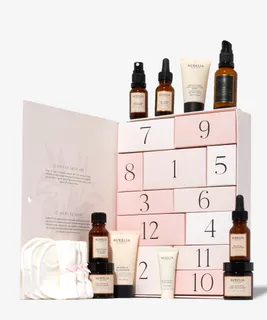
Works for
CleansingGlyceryl stearate, Arachidyl glucoside + 12 moreCan be harsh
“- Miracle Cleanser (30ml)”
This product works by removing dirt and oil from the surface of the skin.
The following cleansing agents are typically mild, but still can cause an irritation or allergy for some people cocoglycerides, decyl glucoside.
Keep in mind that cleansing can disrupt the skin barrier, and most people do not need to cleanse their skin more than once per day.
ExfoliationNot advertised by the brand · Salicylic acid, Lactic acidWorks well
This product can help exfoliate the skin. In other words, it helps break down the bonds between dead cells on the surface of the skin and speed up the skin turnover. Skin often appears softer and brighter after exfoliation, but overdoing it can result in disrupted skin barrier. The following ingredient is doing the exfoliating job in this product: salicylic acid.
Anti-blemishSide benefit the brand mentions · Salicylic acid, Kaolin + 2 moreWorks well
“. . Spoilers ahead!Set Contains.”
This product can help reduce breakouts and clogged pores because it contains the following ingredient: salicylic acid. This ingredient is used for treating acne and can have a noticeable effect.
Can it cause trouble?
Irritancy32 strong irritants: Hibiscus sabdariffa flower extract, Rosmarinus officinalis leaf oil + 30 more — patch-test recommendedHigh risk
Comedogenic18 ingredients rated 2 or more on the 0–5 pore-clogging scale18 flagged

User reviews
Be the first — your take helps the next person decide.
Ingredients
Filter by role to see what each ingredient is doing.
Water~40–60%
Dicaprylyl carbonate~3.6–5.4%
- Irritation risk
- Low
Helps products spread more easily and works as an emollient to soften skin
More about Dicaprylyl carbonateCetearyl alcohol~3.4–5.1%
- Irritation risk
- Low
- Comedogenicity
- 2/5
A non-drying alcohol. Works as an emollient. Helps water and oil mix together and creates a nice product texture
More about Cetearyl alcoholGlycerin~2.7–4.1%
- Irritation risk
- Low
One of the best moisturizing ingredients. Naturally present in skin. It attracts water to the upper layer of the skin working as a humectant
More about GlycerinCocoglycerides~2.1–3.1%
- Irritation risk
- High
Help soften the upper layer of the skin and make it easier for oil and water mix together. Recently, a rising number of allergic reactions to cocoglycerides and other coconut-derived surfactants has been reported. As there is a significant overlap between frequent irritants and allergens, we flag this ingredient for attention of those with very sensitive, reactive skin
More about CocoglyceridesButyrospermum parkii butter~1.8–2.7%
- Irritation risk
- Low
- Comedogenicity
- 3/5
A great moisturising ingredient that softens the skin and reduces water loss from its upper layer. It also can be helpful in protecting skin from free radicals
More about Butyrospermum parkii butterGlyceryl stearate~1.5–2.2%
- Irritation risk
- Low
An emollient that softens the skin and forms a protective layer on its surface. Helps water and oil mix together
More about Glyceryl stearateCetearyl glucoside~1.2–1.8%
- Irritation risk
- Medium
Helps water and oil in the product mix well together and improves product texture
More about Cetearyl glucosideRhus verniciflua peel wax~1–1.45%
- Irritation risk
- Low
Theobroma cacao seed butter~0.8–1.2%
- Irritation risk
- Low
- Comedogenicity
- 3/5
Helps soften the upper layer of the skin and can be helpful in restoring the skin barrier function. Might have some anti-oxidant effect
More about Theobroma cacao seed butterKigelia africana fruit extract~0.45–1.05%
- Irritation risk
- Low
Hibiscus sabdariffa flower extract~0.35–0.85%
- Irritation risk
- High
A plant extract that can be irritating. It might contain a compound anthocyanin that could be helpful in neutralizing free radicals
More about Hibiscus sabdariffa flower extractAdansonia digitata fruit extract~0.35–0.85%
- Irritation risk
- Low
Lactose~0.2–0.8%
- Irritation risk
- Low
Helps attract water to the upper layer of the skin
More about LactoseLactis proteinum~0.2–0.7%
- Irritation risk
- Low
Bifida ferment lysate~0.2–0.7%
- Irritation risk
- Low
Consists of remains of dead yeast bacteria cells. Helps to hydrate the skin and reduce irritation. Might has some anti-oxidant effect
More about Bifida ferment lysateSchinziophyton rautanenii kernel oil~0.2–0.75%
- Irritation risk
- Low
Panthenol~0.15–0.65%
- Irritation risk
- Low
Helps attract water to the upper layer of the skin and can help improve skin barrier function
More about PanthenolSodium ascorbyl phosphate~0.15–0.6%
- Irritation risk
- Medium
A stable derivative of vitamin C. It is oil-soluble which means it is more likely to penetrate the skin compared to the pure form of vitamin C (which is water-soluble), but it is less bio-available and is way less effective in stimulating collagen and reducing wrinkles compared to the pure form of vitamin C (L-ascorbic acid) and its other derivatives (for example, magnesium ascorbyl phosphate). At the same time, this vitamin C derivative has been shown in studies to be effective in reducing acne, blemishes and clogged pores. It is less irritating then the pure form of vitamin C
More about Sodium ascorbyl phosphateRosmarinus officinalis leaf oil~0.15–0.5%
- Irritation risk
- High
A plant oil with high content of volatile compounds that can irritate the skin. Can be used as a fragrance. Has anti-bacterial properties and might help neutralize free radicals on the surface of the skin
More about Rosmarinus officinalis leaf oilCitrus aurantium bergamia peel oil~0.1–0.5%
- Irritation risk
- High
Anthemis nobilis flower oil~0.1–0.4%
- Irritation risk
- High
An essential oil that is used as a fragrance and can be irritating. It might have some anti-oxidant effect in skin
More about Anthemis nobilis flower oilEucalyptus globulus leaf oil~0.1–0.35%
- Irritation risk
- High
An essential oil that can be very irritating. Has some anti-bacterial properties
More about Eucalyptus globulus leaf oilXanthan gum~0.1–0.45%
- Irritation risk
- Low
Used to create a thicker product consistency
More about Xanthan gumSodium stearoyl glutamate~0.15–0.55%
- Irritation risk
- Medium
Helps oil and water mix together
More about Sodium stearoyl glutamateTocopheryl acetate~0.1–0.45%
- Irritation risk
- Medium
A more stable but less bio-available form of vitamin E compared to Tocopherol. Might help moisturize and protect the skin from free radicals, but mostly used in low concentrations to stabilize other ingredients.
More about Tocopheryl acetateCitric acid~0.1–0.45%
- Irritation risk
- Medium
Can work as an exfoliant but is typically used to adjust the product pH
More about Citric acidHydroxyacetophenone~0.1–0.45%
Benzyl alcohol~0.1–0.35%
- Irritation risk
- High
A preservative. Can be used to mask unpleasant smell. Can be irritating
More about Benzyl alcoholDehydroacetic acid~0.1–0.45%
Limonene~0.1–0.4%
- Irritation risk
- High
A common frangrance that can easily irritate skin, especially if exposed to air, light or heat
More about LimoneneLinalool~0.1–0.4%
Water~0.1–0.45%
Aloe barbadensis leaf juice~0.1–0.45%
- Irritation risk
- Medium
Traditionally used to treat sunburns, dermatitis and inflammation, but evidence for its effectiveness is lacking. The extract can contain humectants that help attract water into the skin
More about Aloe barbadensis leaf juiceBifida ferment lysate~0.1–0.4%
- Irritation risk
- Low
Consists of remains of dead yeast bacteria cells. Helps to hydrate the skin and reduce irritation. Might has some anti-oxidant effect
More about Bifida ferment lysateCocoglycerides~0.15–0.5%
- Irritation risk
- High
Help soften the upper layer of the skin and make it easier for oil and water mix together. Recently, a rising number of allergic reactions to cocoglycerides and other coconut-derived surfactants has been reported. As there is a significant overlap between frequent irritants and allergens, we flag this ingredient for attention of those with very sensitive, reactive skin
More about CocoglyceridesGlycerin~0.15–0.5%
- Irritation risk
- Low
One of the best moisturizing ingredients. Naturally present in skin. It attracts water to the upper layer of the skin working as a humectant
More about GlycerinCoco-caprylate~0.15–0.5%
- Irritation risk
- Medium
An emollient that softens skin and creates a nice product texture
More about Coco-caprylateLactose~0.1–0.4%
- Irritation risk
- Low
Helps attract water to the upper layer of the skin
More about LactoseMilk protein~0.1–0.4%
- Irritation risk
- Low
Helps attract water to the upper layer of the skin
More about Milk proteinLactis proteinum~0.1–0.4%
- Irritation risk
- Low
Adansonia digitata fruit extract~0.15–0.5%
- Irritation risk
- Low
Helianthus annuus seed oil~0.1–0.5%
- Irritation risk
- Low
A great emollient due to its high linoleic acid content. One of the most effective plant oils in helping skin hydration and repairing skin barrier function
More about Helianthus annuus seed oilSodium phytate~0.1–0.45%
Tocopherol~0.1–0.45%
- Irritation risk
- Low
Pure form of vitamin E. Can help moisturise and protect the skin from free radicals. Often used to help stabilise other ingredients or the formula itself
More about TocopherolHibiscus sabdariffa flower extract~0.1–0.4%
- Irritation risk
- High
A plant extract that can be irritating. It might contain a compound anthocyanin that could be helpful in neutralizing free radicals
More about Hibiscus sabdariffa flower extractKigelia africana fruit extract~0.1–0.4%
- Irritation risk
- Low
Jasminum officinale flower/leaf extract~0.1–0.35%
Polianthes tuberosa extract~0.1–0.45%
- Irritation risk
- High
Citrus nobilis peel oil~0.1–0.4%
- Irritation risk
- High
A plant oil with high content of volatile compounds that, especially when exposed to air, can cause allergic reactions and irritate the skin
More about Citrus nobilis peel oilPlumeria acutifolia flower extract~0.1–0.45%
- Irritation risk
- Low
Cetearyl alcohol~0.15–0.55%
- Irritation risk
- Low
- Comedogenicity
- 2/5
A non-drying alcohol. Works as an emollient. Helps water and oil mix together and creates a nice product texture
More about Cetearyl alcoholCetearyl glucoside~0.1–0.45%
- Irritation risk
- Medium
Helps water and oil in the product mix well together and improves product texture
More about Cetearyl glucosideXanthan gum~0.1–0.45%
- Irritation risk
- Low
Used to create a thicker product consistency
More about Xanthan gumGlyceryl caprylate~0.15–0.55%
- Irritation risk
- Low
An emollient that can also help water and oil mix together, as well as prevent bacteria growth in products
More about Glyceryl caprylateSodium stearoyl glutamate~0.15–0.55%
- Irritation risk
- Medium
Helps oil and water mix together
More about Sodium stearoyl glutamateDehydroacetic acid~0.1–0.45%
Lactic acid~0.1–0.4%
- Irritation risk
- Medium
An exfoliating and moisturizing alpha-hydroxy acid (AHA). Typically causes less irritation than other AHAs, for example, glycolic acid. At high concentrations (about 15%), lactic acid can help reduce lines and wrinkles. Recent studies show that lactic acid can support the "good" bacteria living on skin's surface (healthy skin microbiome)
More about Lactic acidMagnesium aluminum silicate~0.1–0.45%
- Irritation risk
- Low
Might be helpful in restoring skin barrier function and, when combined with zinc carbonate and malonic acid, reducing fine lines and wrinkles by stimulating elastin production. Also helps stabilize the product formulation
More about Magnesium aluminum silicateCitric acid~0.1–0.45%
- Irritation risk
- Medium
Can work as an exfoliant but is typically used to adjust the product pH
More about Citric acidBenzyl alcohol~0.1–0.35%
- Irritation risk
- High
A preservative. Can be used to mask unpleasant smell. Can be irritating
More about Benzyl alcoholLimonene~0.1–0.4%
- Irritation risk
- High
A common frangrance that can easily irritate skin, especially if exposed to air, light or heat
More about LimoneneBenzyl benzoate~0.1–0.4%
- Irritation risk
- High
Fragrance with sweet balsamic smell. Help to preserve products and dissolve other ingredients. Could trigger allergic reactions and be irritating
More about Benzyl benzoateWater~0.1–0.45%
Aloe barbadensis leaf extract~0.15–0.55%
- Irritation risk
- Medium
Traditionally used to treat sunburns, dermatitis and inflammation, but evidence for its effectiveness is lacking. The extract can contain humectants that help attract water into the skin
More about Aloe barbadensis leaf extractGlycerin~0.15–0.5%
- Irritation risk
- Low
One of the best moisturizing ingredients. Naturally present in skin. It attracts water to the upper layer of the skin working as a humectant
More about GlycerinBifida ferment lysate~0.1–0.4%
- Irritation risk
- Low
Consists of remains of dead yeast bacteria cells. Helps to hydrate the skin and reduce irritation. Might has some anti-oxidant effect
More about Bifida ferment lysateButyrospermum parkii butter~0.15–0.55%
- Irritation risk
- Low
- Comedogenicity
- 3/5
A great moisturising ingredient that softens the skin and reduces water loss from its upper layer. It also can be helpful in protecting skin from free radicals
More about Butyrospermum parkii butterCoco-caprylate~0.15–0.5%
- Irritation risk
- Medium
An emollient that softens skin and creates a nice product texture
More about Coco-caprylateGlyceryl stearate se~0.1–0.45%
- Irritation risk
- Low
- Comedogenicity
- 2/5
Used to stabilize the product formulations and works as an emollient
More about Glyceryl stearate seCetearyl alcohol~0.15–0.55%
- Irritation risk
- Low
- Comedogenicity
- 2/5
A non-drying alcohol. Works as an emollient. Helps water and oil mix together and creates a nice product texture
More about Cetearyl alcoholCocoglycerides~0.15–0.5%
- Irritation risk
- High
Help soften the upper layer of the skin and make it easier for oil and water mix together. Recently, a rising number of allergic reactions to cocoglycerides and other coconut-derived surfactants has been reported. As there is a significant overlap between frequent irritants and allergens, we flag this ingredient for attention of those with very sensitive, reactive skin
More about CocoglyceridesLactose~0.1–0.4%
- Irritation risk
- Low
Helps attract water to the upper layer of the skin
More about LactoseLactis proteinum~0.1–0.4%
- Irritation risk
- Low
Rhus verniciflua peel wax~0.1–0.45%
- Irritation risk
- Low
Borago officinalis seed oil~0.1–0.5%
- Irritation risk
- Low
A plant oil that is effective in reducing irritation in skin, restore the barrier function and support its hydration
More about Borago officinalis seed oilRosa damascena flower oil~0.1–0.4%
- Irritation risk
- High
Used as a fragrance. Can be irritating
More about Rosa damascena flower oilArgania spinosa kernel oil~0.1–0.5%
- Irritation risk
- Medium
An emollient that helps soften the upper layer of the skin. Might have some weak anti-oxidant properties
More about Argania spinosa kernel oilPrunus armeniaca kernel oil~0.15–0.5%
- Irritation risk
- Medium
An emollient that helps soften the skin
More about Prunus armeniaca kernel oilKigelia africana fruit extract~0.1–0.4%
- Irritation risk
- Low
Hibiscus sabdariffa flower extract~0.1–0.4%
- Irritation risk
- High
A plant extract that can be irritating. It might contain a compound anthocyanin that could be helpful in neutralizing free radicals
More about Hibiscus sabdariffa flower extractAdansonia digitata fruit extract~0.15–0.5%
- Irritation risk
- Low
Citrus nobilis peel oil~0.1–0.4%
- Irritation risk
- High
A plant oil with high content of volatile compounds that, especially when exposed to air, can cause allergic reactions and irritate the skin
More about Citrus nobilis peel oilHelianthus annuus seed oil~0.1–0.5%
- Irritation risk
- Low
A great emollient due to its high linoleic acid content. One of the most effective plant oils in helping skin hydration and repairing skin barrier function
More about Helianthus annuus seed oilJasminum officinale flower extract~0.1–0.4%
Plumeria acutifolia flower extract~0.1–0.45%
- Irritation risk
- Low
Polianthes tuberosa flower extract~0.1–0.4%
- Irritation risk
- High
Schinziophyton rautanenii kernel oil~0.15–0.5%
- Irritation risk
- Low
Sodium ascorbyl phosphate~0.1–0.45%
- Irritation risk
- Medium
A stable derivative of vitamin C. It is oil-soluble which means it is more likely to penetrate the skin compared to the pure form of vitamin C (which is water-soluble), but it is less bio-available and is way less effective in stimulating collagen and reducing wrinkles compared to the pure form of vitamin C (L-ascorbic acid) and its other derivatives (for example, magnesium ascorbyl phosphate). At the same time, this vitamin C derivative has been shown in studies to be effective in reducing acne, blemishes and clogged pores. It is less irritating then the pure form of vitamin C
More about Sodium ascorbyl phosphatePanthenol~0.1–0.45%
- Irritation risk
- Low
Helps attract water to the upper layer of the skin and can help improve skin barrier function
More about PanthenolTocopheryl acetate~0.1–0.45%
- Irritation risk
- Medium
A more stable but less bio-available form of vitamin E compared to Tocopherol. Might help moisturize and protect the skin from free radicals, but mostly used in low concentrations to stabilize other ingredients.
More about Tocopheryl acetateLauroyl lysine~0.1–0.4%
- Irritation risk
- Low
Helps soften the upper layer of the skin and creates a nice product texture
More about Lauroyl lysineXanthan gum~0.1–0.45%
- Irritation risk
- Low
Used to create a thicker product consistency
More about Xanthan gumSodium stearoyl glutamate~0.15–0.55%
- Irritation risk
- Medium
Helps oil and water mix together
More about Sodium stearoyl glutamateSodium phytate~0.1–0.45%
Glyceryl caprylate~0.15–0.55%
- Irritation risk
- Low
An emollient that can also help water and oil mix together, as well as prevent bacteria growth in products
More about Glyceryl caprylateCitric acid~0.1–0.45%
- Irritation risk
- Medium
Can work as an exfoliant but is typically used to adjust the product pH
More about Citric acidHydroxyacetophenone~0.1–0.45%
Benzyl alcohol~0.1–0.35%
- Irritation risk
- High
A preservative. Can be used to mask unpleasant smell. Can be irritating
More about Benzyl alcoholDehydroacetic acid~0.1–0.45%
Benzyl benzoate~0.1–0.4%
- Irritation risk
- High
Fragrance with sweet balsamic smell. Help to preserve products and dissolve other ingredients. Could trigger allergic reactions and be irritating
More about Benzyl benzoateLimonene~0.1–0.4%
- Irritation risk
- High
A common frangrance that can easily irritate skin, especially if exposed to air, light or heat
More about LimoneneLinalool~0.1–0.4%
Water~0.1–0.45%
Aloe barbadensis leaf juice~0.1–0.45%
- Irritation risk
- Medium
Traditionally used to treat sunburns, dermatitis and inflammation, but evidence for its effectiveness is lacking. The extract can contain humectants that help attract water into the skin
More about Aloe barbadensis leaf juiceBifida ferment lysate~0.1–0.4%
- Irritation risk
- Low
Consists of remains of dead yeast bacteria cells. Helps to hydrate the skin and reduce irritation. Might has some anti-oxidant effect
More about Bifida ferment lysateButyrospermum parkii butter~0.15–0.55%
- Irritation risk
- Low
- Comedogenicity
- 3/5
A great moisturising ingredient that softens the skin and reduces water loss from its upper layer. It also can be helpful in protecting skin from free radicals
More about Butyrospermum parkii butterGlycerin~0.15–0.5%
- Irritation risk
- Low
One of the best moisturizing ingredients. Naturally present in skin. It attracts water to the upper layer of the skin working as a humectant
More about GlycerinGlyceryl stearate se~0.1–0.45%
- Irritation risk
- Low
- Comedogenicity
- 2/5
Used to stabilize the product formulations and works as an emollient
More about Glyceryl stearate seCetearyl alcohol~0.15–0.55%
- Irritation risk
- Low
- Comedogenicity
- 2/5
A non-drying alcohol. Works as an emollient. Helps water and oil mix together and creates a nice product texture
More about Cetearyl alcoholCoco-caprylate~0.15–0.5%
- Irritation risk
- Medium
An emollient that softens skin and creates a nice product texture
More about Coco-caprylateMyristyl myristate~0.1–0.5%
- Irritation risk
- Medium
- Comedogenicity
- 3/5
An emollient. Is not recommended for acne-prone skin as it can be comedogenic
More about Myristyl myristateCocoglycerides~0.15–0.5%
- Irritation risk
- High
Help soften the upper layer of the skin and make it easier for oil and water mix together. Recently, a rising number of allergic reactions to cocoglycerides and other coconut-derived surfactants has been reported. As there is a significant overlap between frequent irritants and allergens, we flag this ingredient for attention of those with very sensitive, reactive skin
More about CocoglyceridesBorago officinalis seed oil~0.1–0.5%
- Irritation risk
- Low
A plant oil that is effective in reducing irritation in skin, restore the barrier function and support its hydration
More about Borago officinalis seed oilRhus verniciflua peel wax~0.1–0.45%
- Irritation risk
- Low
Rosa canina fruit oil~0.15–0.5%
- Irritation risk
- Medium
A great emollient. Contains vitamin E (tocopherol) which may give it some anti-oxidant properties. Can contain volatile compounds and can be irritating
More about Rosa canina fruit oilMilk protein~0.1–0.4%
- Irritation risk
- Low
Helps attract water to the upper layer of the skin
More about Milk proteinLactis proteinum~0.1–0.4%
- Irritation risk
- Low
Lactose~0.1–0.4%
- Irritation risk
- Low
Helps attract water to the upper layer of the skin
More about LactoseSodium stearoyl glutamate~0.15–0.55%
- Irritation risk
- Medium
Helps oil and water mix together
More about Sodium stearoyl glutamateGlyceryl caprylate~0.15–0.55%
- Irritation risk
- Low
An emollient that can also help water and oil mix together, as well as prevent bacteria growth in products
More about Glyceryl caprylateHydroxyacetophenone~0.1–0.45%
Schinziophyton rautanenii kernel oil~0.15–0.5%
- Irritation risk
- Low
Citrus aurantium flower oil~0.1–0.4%
- Irritation risk
- High
Hibiscus sabdariffa flower extract~0.1–0.4%
- Irritation risk
- High
A plant extract that can be irritating. It might contain a compound anthocyanin that could be helpful in neutralizing free radicals
More about Hibiscus sabdariffa flower extractKigelia africana fruit extract~0.1–0.4%
- Irritation risk
- Low
Adansonia digitata fruit extract~0.15–0.5%
- Irritation risk
- Low
Persea gratissima oil~0.15–0.55%
- Irritation risk
- Medium
An emollient that helps soften the skin and could be helpful in repairing its barrier function
More about Persea gratissima oilPrunus armeniaca kernel oil~0.15–0.5%
- Irritation risk
- Medium
An emollient that helps soften the skin
More about Prunus armeniaca kernel oilMannitol~0.1–0.4%
- Irritation risk
- Low
Helps to attract water to the upper layer of the skin
More about MannitolCitrus nobilis peel oil~0.1–0.4%
- Irritation risk
- High
A plant oil with high content of volatile compounds that, especially when exposed to air, can cause allergic reactions and irritate the skin
More about Citrus nobilis peel oilLauroyl lysine~0.1–0.4%
- Irritation risk
- Low
Helps soften the upper layer of the skin and creates a nice product texture
More about Lauroyl lysineXanthan gum~0.1–0.45%
- Irritation risk
- Low
Used to create a thicker product consistency
More about Xanthan gumPanthenol~0.1–0.45%
- Irritation risk
- Low
Helps attract water to the upper layer of the skin and can help improve skin barrier function
More about PanthenolLavandula angustifolia oil~0.1–0.4%
- Irritation risk
- High
An essential oil. Potential allergen and can be irritating. It has some anti-bacterial properties
More about Lavandula angustifolia oilRosa damascena flower oil~0.1–0.4%
- Irritation risk
- High
Used as a fragrance. Can be irritating
More about Rosa damascena flower oilCitric acid~0.1–0.45%
- Irritation risk
- Medium
Can work as an exfoliant but is typically used to adjust the product pH
More about Citric acidSodium phytate~0.1–0.45%
Tocopheryl acetate~0.1–0.45%
- Irritation risk
- Medium
A more stable but less bio-available form of vitamin E compared to Tocopherol. Might help moisturize and protect the skin from free radicals, but mostly used in low concentrations to stabilize other ingredients.
More about Tocopheryl acetateSodium citrate~0.1–0.4%
- Irritation risk
- Medium
Helps to control the skin's pH level. Maintains the skin's natural film of amino-lactic acids and oils. Helps to preserve products
More about Sodium citrateDehydroacetic acid~0.1–0.45%
Lactic acid~0.1–0.4%
- Irritation risk
- Medium
An exfoliating and moisturizing alpha-hydroxy acid (AHA). Typically causes less irritation than other AHAs, for example, glycolic acid. At high concentrations (about 15%), lactic acid can help reduce lines and wrinkles. Recent studies show that lactic acid can support the "good" bacteria living on skin's surface (healthy skin microbiome)
More about Lactic acidAcetyl tetrapeptide-15~0.1–0.4%
- Irritation risk
- Low
A type of peptide. Peptides are excellent moisturizers and might be able support collagen production reducing fine lines and wrinkles
More about Acetyl tetrapeptide-15Benzyl alcohol~0.1–0.35%
- Irritation risk
- High
A preservative. Can be used to mask unpleasant smell. Can be irritating
More about Benzyl alcoholLimonene~0.1–0.4%
- Irritation risk
- High
A common frangrance that can easily irritate skin, especially if exposed to air, light or heat
More about LimoneneLinalool~0.1–0.4%
Citronellol~0.1–0.4%
Geraniol~0.1–0.4%
Hydroxycitronellal~0.1–0.4%
- Irritation risk
- High
A fragrance. A likely allergen and can be irritating
More about HydroxycitronellalCitral~0.1–0.4%
Prunus amygdalus dulcis seed~0.1–0.4%
- Irritation risk
- Low
Helps soften the upper layer of the skin
More about Prunus amygdalus dulcis seedCannabis sativa seed oil~0.1–0.5%
- Irritation risk
- Medium
A plant oil that due to its high linoleic acid content can help strengthen skin's barrier function and soften its upper layer
More about Cannabis sativa seed oilTriticum vulgare germ oil~0.15–0.5%
- Irritation risk
- Low
- Comedogenicity
- 3/5
A good emoillient. Contains vitamin E which can help neutralise free radicals, however the oil is unstable. Avoid if you have gluten or wheat sensitivity (including food allergies).
More about Triticum vulgare germ oilOlea europaea fruit oil~0.1–0.45%
- Irritation risk
- Medium
An emollient that helps soften the skin but is not effective for restoring its barrier function. Might be helpful to calm down inflammation
More about Olea europaea fruit oilSchinziophyton rautanenii kernel oil~0.15–0.5%
- Irritation risk
- Low
Citrullus lanatus seed oil~0.1–0.5%
- Irritation risk
- Low
Punica granatum seed oil~0.15–0.5%
- Irritation risk
- Low
Helps soften the upper layer of the skin
More about Punica granatum seed oilAdansonia digitata seed oil~0.1–0.5%
- Irritation risk
- Medium
Helps soften the upper layer of the skin
More about Adansonia digitata seed oilKigelia africana fruit extract~0.1–0.4%
- Irritation risk
- Low
Helianthus annuus seed oil~0.1–0.5%
- Irritation risk
- Low
A great emollient due to its high linoleic acid content. One of the most effective plant oils in helping skin hydration and repairing skin barrier function
More about Helianthus annuus seed oilHibiscus sabdariffa flower extract~0.1–0.4%
- Irritation risk
- High
A plant extract that can be irritating. It might contain a compound anthocyanin that could be helpful in neutralizing free radicals
More about Hibiscus sabdariffa flower extractCitrus aurantium dulcis flower oil~0.1–0.4%
- Irritation risk
- High
Citrus nobilis peel oil~0.1–0.4%
- Irritation risk
- High
A plant oil with high content of volatile compounds that, especially when exposed to air, can cause allergic reactions and irritate the skin
More about Citrus nobilis peel oilLavandula angustifolia oil~0.1–0.4%
- Irritation risk
- High
An essential oil. Potential allergen and can be irritating. It has some anti-bacterial properties
More about Lavandula angustifolia oilRosa damascena flower oil~0.1–0.4%
- Irritation risk
- High
Used as a fragrance. Can be irritating
More about Rosa damascena flower oilTocopherol~0.1–0.45%
- Irritation risk
- Low
Pure form of vitamin E. Can help moisturise and protect the skin from free radicals. Often used to help stabilise other ingredients or the formula itself
More about TocopherolTocopheryl acetate~0.1–0.45%
- Irritation risk
- Medium
A more stable but less bio-available form of vitamin E compared to Tocopherol. Might help moisturize and protect the skin from free radicals, but mostly used in low concentrations to stabilize other ingredients.
More about Tocopheryl acetateLimonene~0.1–0.4%
- Irritation risk
- High
A common frangrance that can easily irritate skin, especially if exposed to air, light or heat
More about LimoneneLinalool~0.1–0.4%
Citronellol~0.1–0.4%
Geraniol~0.1–0.4%
Hydroxycitronellal~0.1–0.4%
- Irritation risk
- High
A fragrance. A likely allergen and can be irritating
More about HydroxycitronellalCitral~0.1–0.4%
Glycerin~0.15–0.5%
- Irritation risk
- Low
One of the best moisturizing ingredients. Naturally present in skin. It attracts water to the upper layer of the skin working as a humectant
More about GlycerinWater~0.1–0.45%
Cetearyl olivate~0.1–0.45%
Heptyl glucoside~0.1–0.45%
Sorbitan olivate~0.1–0.45%
Lavandula angustifolia oil~0.1–0.4%
- Irritation risk
- High
An essential oil. Potential allergen and can be irritating. It has some anti-bacterial properties
More about Lavandula angustifolia oilBifida ferment lysate~0.1–0.4%
- Irritation risk
- Low
Consists of remains of dead yeast bacteria cells. Helps to hydrate the skin and reduce irritation. Might has some anti-oxidant effect
More about Bifida ferment lysateCitrus nobilis oil~0.1–0.4%
- Irritation risk
- High
Lactose~0.1–0.4%
- Irritation risk
- Low
Helps attract water to the upper layer of the skin
More about LactoseLactis proteinum~0.1–0.4%
- Irritation risk
- Low
Milk protein~0.1–0.4%
- Irritation risk
- Low
Helps attract water to the upper layer of the skin
More about Milk proteinCitrus aurantium flower oil~0.1–0.4%
- Irritation risk
- High
Illite~0.15–0.65%
- Irritation risk
- Low
Arnica montana flower extract~0.1–0.35%
- Irritation risk
- High
A plant extract that can be irritating. It can have some anti-bacterial properties, but there are no evidence of a beneficial effect for skin
More about Arnica montana flower extractJasminum officinale flower/leaf extract~0.1–0.35%
Aesculus hippocastanum seed extract~0.1–0.4%
- Irritation risk
- High
Plant extract. Might have some anti-oxidant properties. Can be irritating
More about Aesculus hippocastanum seed extractAvena sativa kernel extract~0.1–0.45%
- Irritation risk
- Low
An effective moisturizing and skin barrier repair ingredient. Helps calm down inflammation and has some anti-oxidant properties
More about Avena sativa kernel extractKaolin~0.15–0.7%
- Irritation risk
- Low
A type of clay that consists mainly of aluminum silicate. Helps absorb oil and creates a thicker product consistency. Can be used to add a white color
More about KaolinMontmorillonite~0.1–0.5%
- Irritation risk
- Low
A clay mineral. Can absorb oil from the surface of the skin
More about MontmorillonitePlumeria acutifolia flower extract~0.1–0.45%
- Irritation risk
- Low
Calendula officinalis flower extract~0.1–0.35%
- Irritation risk
- High
A plant extract that has some anti-oxidant and anti-bacterial properties. Can be irritating
More about Calendula officinalis flower extractChamomilla recutita flower extract~0.1–0.4%
- Irritation risk
- High
Plant extract that can have healing and anti-inflammatory properties. It is a potential allergen and can be irritating
More about Chamomilla recutita flower extractAvena sativa kernel flour~0.15–0.55%
- Irritation risk
- Low
A type of colloidal oatmeal. Can contain potent antioxidants and anti-inflammatory compounds. Is effective in supporting skin barrier
More about Avena sativa kernel flourAchillea millefolium extract~0.15–0.5%
- Irritation risk
- High
Plant extract that can help neutralize free radicals in skin. Can be used as a fragrance. Can be irritating
More about Achillea millefolium extractSpiraea ulmaria leaf extract~0.1–0.4%
- Irritation risk
- Low
An algae extract that might help attract water to the upper layer of the skin
More about Spiraea ulmaria leaf extractHelianthus annuus seed oil~0.1–0.5%
- Irritation risk
- Low
A great emollient due to its high linoleic acid content. One of the most effective plant oils in helping skin hydration and repairing skin barrier function
More about Helianthus annuus seed oilLactic acid~0.1–0.4%
- Irritation risk
- Medium
An exfoliating and moisturizing alpha-hydroxy acid (AHA). Typically causes less irritation than other AHAs, for example, glycolic acid. At high concentrations (about 15%), lactic acid can help reduce lines and wrinkles. Recent studies show that lactic acid can support the "good" bacteria living on skin's surface (healthy skin microbiome)
More about Lactic acidCitric acid~0.1–0.45%
- Irritation risk
- Medium
Can work as an exfoliant but is typically used to adjust the product pH
More about Citric acidMenthyl lactate~0.1–0.45%
Potassium sorbate~0.1–0.45%
Tocopherol~0.1–0.45%
- Irritation risk
- Low
Pure form of vitamin E. Can help moisturise and protect the skin from free radicals. Often used to help stabilise other ingredients or the formula itself
More about TocopherolXanthan gum~0.1–0.45%
- Irritation risk
- Low
Used to create a thicker product consistency
More about Xanthan gumSodium benzoate~0.1–0.45%
Polianthes tuberosa extract~0.1–0.45%
- Irritation risk
- High
Hydroxyacetophenone~0.1–0.45%
Dehydroacetic acid~0.1–0.45%
Furfural~0.1–0.45%
- Irritation risk
- Low
Linalool~0.1–0.4%
Limonene~0.1–0.4%
- Irritation risk
- High
A common frangrance that can easily irritate skin, especially if exposed to air, light or heat
More about LimoneneBenzyl alcohol~0.1–0.35%
- Irritation risk
- High
A preservative. Can be used to mask unpleasant smell. Can be irritating
More about Benzyl alcoholGeraniol~0.1–0.4%
Citrus aurantium amara flower water~0.1–0.4%
- Irritation risk
- High
A citrus plant essential oil (in a less concentrated format). Used as a fragrance and can be irritating
More about Citrus aurantium amara flower waterAloe barbadensis leaf juice~0.1–0.45%
- Irritation risk
- Medium
Traditionally used to treat sunburns, dermatitis and inflammation, but evidence for its effectiveness is lacking. The extract can contain humectants that help attract water into the skin
More about Aloe barbadensis leaf juiceRosa damascena flower water~0.1–0.4%
- Irritation risk
- High
Used to add a nice rose smell to the product. Might help attract water to the upper layer of the skin and have some anti-oxidant effect. Can be irritating
More about Rosa damascena flower waterBifida ferment lysate~0.1–0.4%
- Irritation risk
- Low
Consists of remains of dead yeast bacteria cells. Helps to hydrate the skin and reduce irritation. Might has some anti-oxidant effect
More about Bifida ferment lysateWater~0.1–0.45%
Glycerin~0.15–0.5%
- Irritation risk
- Low
One of the best moisturizing ingredients. Naturally present in skin. It attracts water to the upper layer of the skin working as a humectant
More about GlycerinCetearyl alcohol~0.15–0.55%
- Irritation risk
- Low
- Comedogenicity
- 2/5
A non-drying alcohol. Works as an emollient. Helps water and oil mix together and creates a nice product texture
More about Cetearyl alcoholCoco-caprylate~0.15–0.5%
- Irritation risk
- Medium
An emollient that softens skin and creates a nice product texture
More about Coco-caprylateCocoglycerides~0.15–0.5%
- Irritation risk
- High
Help soften the upper layer of the skin and make it easier for oil and water mix together. Recently, a rising number of allergic reactions to cocoglycerides and other coconut-derived surfactants has been reported. As there is a significant overlap between frequent irritants and allergens, we flag this ingredient for attention of those with very sensitive, reactive skin
More about CocoglyceridesArgania spinosa kernel oil~0.1–0.5%
- Irritation risk
- Medium
An emollient that helps soften the upper layer of the skin. Might have some weak anti-oxidant properties
More about Argania spinosa kernel oilButyrospermum parkii butter~0.15–0.55%
- Irritation risk
- Low
- Comedogenicity
- 3/5
A great moisturising ingredient that softens the skin and reduces water loss from its upper layer. It also can be helpful in protecting skin from free radicals
More about Butyrospermum parkii butterGlyceryl stearate se~0.1–0.45%
- Irritation risk
- Low
- Comedogenicity
- 2/5
Used to stabilize the product formulations and works as an emollient
More about Glyceryl stearate seMilk protein~0.1–0.4%
- Irritation risk
- Low
Helps attract water to the upper layer of the skin
More about Milk proteinLactis proteinum~0.1–0.4%
- Irritation risk
- Low
Lactose~0.1–0.4%
- Irritation risk
- Low
Helps attract water to the upper layer of the skin
More about LactoseArnica montana flower extract~0.1–0.35%
- Irritation risk
- High
A plant extract that can be irritating. It can have some anti-bacterial properties, but there are no evidence of a beneficial effect for skin
More about Arnica montana flower extractPrunus armeniaca kernel oil~0.15–0.5%
- Irritation risk
- Medium
An emollient that helps soften the skin
More about Prunus armeniaca kernel oilChondrus crispus powder~0.15–0.6%
- Irritation risk
- Low
- Comedogenicity
- 3/5
A powder from red algae extract that helps attract water to the upper layer of the skin and create a nicer product consistency
More about Chondrus crispus powderOlea europaea leaf extract~0.1–0.35%
- Irritation risk
- Medium
A plant extract that might have some anti-oxidant and anti-inflammatory properties but evidence for effectiveness in skin is missing
More about Olea europaea leaf extractZiziphus jujuba seed extract~0.1–0.35%
- Irritation risk
- Low
Citric acid~0.1–0.45%
- Irritation risk
- Medium
Can work as an exfoliant but is typically used to adjust the product pH
More about Citric acidBorago officinalis seed oil~0.1–0.5%
- Irritation risk
- Low
A plant oil that is effective in reducing irritation in skin, restore the barrier function and support its hydration
More about Borago officinalis seed oilChlorella vulgaris extract~0.1–0.4%
- Irritation risk
- Medium
- Comedogenicity
- 3/5
A plant extract that can help to attract water to the upper layer of the skin and might have some anti-oxidant and anti-inflammatory properties
More about Chlorella vulgaris extractSodium phytate~0.1–0.45%
Tocopheryl acetate~0.1–0.45%
- Irritation risk
- Medium
A more stable but less bio-available form of vitamin E compared to Tocopherol. Might help moisturize and protect the skin from free radicals, but mostly used in low concentrations to stabilize other ingredients.
More about Tocopheryl acetateDecyl glucoside~0.15–0.6%
- Irritation risk
- High
Helps oil and water mix together. Can be irritating
More about Decyl glucosideGlyceryl caprylate~0.15–0.55%
- Irritation risk
- Low
An emollient that can also help water and oil mix together, as well as prevent bacteria growth in products
More about Glyceryl caprylateLevan~0.1–0.5%
- Irritation risk
- Low
Sodium stearoyl glutamate~0.15–0.55%
- Irritation risk
- Medium
Helps oil and water mix together
More about Sodium stearoyl glutamateDehydroacetic acid~0.1–0.45%
Phenethyl alcohol~0.1–0.45%
Lactic acid~0.1–0.4%
- Irritation risk
- Medium
An exfoliating and moisturizing alpha-hydroxy acid (AHA). Typically causes less irritation than other AHAs, for example, glycolic acid. At high concentrations (about 15%), lactic acid can help reduce lines and wrinkles. Recent studies show that lactic acid can support the "good" bacteria living on skin's surface (healthy skin microbiome)
More about Lactic acidAscorbic acid~0.1–0.45%
- Irritation risk
- High
The most well-researched antioxidant that works in skin. Helps neutralize free radicals supporting collagen production, helping to even out the skin tone and preventing early signs of aging
More about Ascorbic acidPotassium sorbate~0.1–0.45%
Sodium benzoate~0.1–0.45%
Benzyl alcohol~0.1–0.35%
- Irritation risk
- High
A preservative. Can be used to mask unpleasant smell. Can be irritating
More about Benzyl alcoholLimonene~0.1–0.4%
- Irritation risk
- High
A common frangrance that can easily irritate skin, especially if exposed to air, light or heat
More about LimoneneLinalool~0.1–0.4%
Water~0.1–0.45%
Bifida ferment lysate~0.1–0.4%
- Irritation risk
- Low
Consists of remains of dead yeast bacteria cells. Helps to hydrate the skin and reduce irritation. Might has some anti-oxidant effect
More about Bifida ferment lysatePropylheptyl caprylate~0.15–0.5%
- Irritation risk
- Low
Helps soften the upper layer of the skin
More about Propylheptyl caprylateGlycerin~0.15–0.5%
- Irritation risk
- Low
One of the best moisturizing ingredients. Naturally present in skin. It attracts water to the upper layer of the skin working as a humectant
More about GlycerinArachidyl alcohol~0.15–0.5%
- Irritation risk
- Low
Used to soften the upper layer of the skin and create a thicker product consistency
More about Arachidyl alcoholLactose~0.1–0.4%
- Irritation risk
- Low
Helps attract water to the upper layer of the skin
More about LactoseLactis proteinum~0.1–0.4%
- Irritation risk
- Low
Milk protein~0.1–0.4%
- Irritation risk
- Low
Helps attract water to the upper layer of the skin
More about Milk proteinChondrus crispus powder~0.15–0.7%
- Irritation risk
- Low
- Comedogenicity
- 3/5
A powder from red algae extract that helps attract water to the upper layer of the skin and create a nicer product consistency
More about Chondrus crispus powderBehenyl alcohol~0.15–0.65%
- Irritation risk
- Low
Non-drying alcohol that helps water and oil mix together. Also serves as an emollient
More about Behenyl alcoholHydroxyacetophenone~0.15–0.5%
Sodium stearoyl glutamate~0.15–0.6%
- Irritation risk
- Medium
Helps oil and water mix together
More about Sodium stearoyl glutamateArachidyl glucoside~0.15–0.55%
Glyceryl caprylate~0.15–0.6%
- Irritation risk
- Low
An emollient that can also help water and oil mix together, as well as prevent bacteria growth in products
More about Glyceryl caprylateMagnesium aluminum silicate~0.15–0.55%
- Irritation risk
- Low
Might be helpful in restoring skin barrier function and, when combined with zinc carbonate and malonic acid, reducing fine lines and wrinkles by stimulating elastin production. Also helps stabilize the product formulation
More about Magnesium aluminum silicateCitric acid~0.15–0.55%
- Irritation risk
- Medium
Can work as an exfoliant but is typically used to adjust the product pH
More about Citric acidSodium phytate~0.15–0.55%
Salicylic acid~0.15–0.5%
- Irritation risk
- High
Used for skin exfoliation. It has an anti-inflammatory and anti-bacterial effect, helps to unclog pores, prevent blemishes and speed up healing of the existing ones. Sometimes referred to as a BHA (beta-hydroxy acid)
More about Salicylic acidLactic acid~0.15–0.5%
- Irritation risk
- Medium
An exfoliating and moisturizing alpha-hydroxy acid (AHA). Typically causes less irritation than other AHAs, for example, glycolic acid. At high concentrations (about 15%), lactic acid can help reduce lines and wrinkles. Recent studies show that lactic acid can support the "good" bacteria living on skin's surface (healthy skin microbiome)
More about Lactic acidSorbic acid~0.15–0.55%
Benzyl alcohol~0.1–0.5%
- Irritation risk
- High
A preservative. Can be used to mask unpleasant smell. Can be irritating
More about Benzyl alcoholWater~0.15–0.55%
Citrus aurantium amara flower water~0.1–0.5%
- Irritation risk
- High
A citrus plant essential oil (in a less concentrated format). Used as a fragrance and can be irritating
More about Citrus aurantium amara flower waterPolyglyceryl-4 caprate~0.15–0.6%
Quartz powder~0.15–0.7%
- Irritation risk
- Low
Lavandula angustifolia flower oil~0.15–0.55%
- Irritation risk
- High
A fragrant plant oil, can be irritating
More about Lavandula angustifolia flower oilAnthemis nobilis flower oil~0.1–0.45%
- Irritation risk
- High
An essential oil that is used as a fragrance and can be irritating. It might have some anti-oxidant effect in skin
More about Anthemis nobilis flower oilPelargonium graveolens flower oil~0.15–0.55%
- Irritation risk
- High
An essential oil. Can be irritating. Can become an allergen with oxidation
More about Pelargonium graveolens flower oilAgonis fragrans branch/leaf oil~0.15–0.55%
- Irritation risk
- Low
Cananga odorata flower oil~0.1–0.5%
Hydroxyacetophenone~0.15–0.55%
Potassium sorbate~0.15–0.55%
Sodium benzoate~0.25–0.5%
Linalool~0.1–0.5%
Geraniol~0.1–0.5%
Citral~0.1–0.5%
Citronellol~0.1–0.5%
Benzyl benzoate~0.1–0.5%
- Irritation risk
- High
Fragrance with sweet balsamic smell. Help to preserve products and dissolve other ingredients. Could trigger allergic reactions and be irritating
More about Benzyl benzoateFarnesol~0.1–0.5%
Benzyl salicylate~0.1–0.5%
Water~0.15–0.55%
Propanediol~0.15–0.6%
- Irritation risk
- Low
Acts as a solvent for other ingredients. Speeds up the absorption of other ingredients into the skin
More about PropanediolRosa damascena flower water~0.15–0.5%
- Irritation risk
- High
Used to add a nice rose smell to the product. Might help attract water to the upper layer of the skin and have some anti-oxidant effect. Can be irritating
More about Rosa damascena flower waterHeptyl glucoside~0.15–0.55%
Polyglyceryl-4 caprate~0.15–0.55%
Cucumis sativus fruit extract~0.15–0.5%
- Irritation risk
- Medium
Might be somewhat helpful in reducing hyperpigmentation and neutralizing free radicals but its typical concentration in a product is too low for having an effect
More about Cucumis sativus fruit extractSalicylic acid~0.15–0.55%
- Irritation risk
- High
Used for skin exfoliation. It has an anti-inflammatory and anti-bacterial effect, helps to unclog pores, prevent blemishes and speed up healing of the existing ones. Sometimes referred to as a BHA (beta-hydroxy acid)
More about Salicylic acidBifida ferment lysate~0.15–0.5%
- Irritation risk
- Low
Consists of remains of dead yeast bacteria cells. Helps to hydrate the skin and reduce irritation. Might has some anti-oxidant effect
More about Bifida ferment lysateGlycerin~0.15–0.6%
- Irritation risk
- Low
One of the best moisturizing ingredients. Naturally present in skin. It attracts water to the upper layer of the skin working as a humectant
More about GlycerinSodium hydroxide~0.1–0.5%
Sorbic acid~0.1–0.4%
Lepidium meyenii root extract~0.1–0.4%
- Irritation risk
- Low
Lactose~0.1–0.35%
- Irritation risk
- Low
Helps attract water to the upper layer of the skin
More about LactoseMilk protein~0.1–0.4%
- Irritation risk
- Low
Helps attract water to the upper layer of the skin
More about Milk proteinCitric acid~0.1–0.35%
- Irritation risk
- Medium
Can work as an exfoliant but is typically used to adjust the product pH
More about Citric acidPotassium sorbate~0.1–0.35%
Benzyl alcohol~0.05–0.25%
- Irritation risk
- High
A preservative. Can be used to mask unpleasant smell. Can be irritating
More about Benzyl alcoholIngredient list view
Water, Dicaprylyl carbonate, Cetearyl alcohol, Glycerin, Cocoglycerides, Butyrospermum parkii butter, Glyceryl stearate, Cetearyl glucoside, Rhus verniciflua peel wax, Theobroma cacao seed butter, Kigelia africana fruit extract, Hibiscus sabdariffa flower extract, Adansonia digitata fruit extract, Lactose, Lactis proteinum, Bifida ferment lysate, Schinziophyton rautanenii kernel oil, Panthenol, Sodium ascorbyl phosphate, Rosmarinus officinalis leaf oil, Citrus aurantium bergamia peel oil, Anthemis nobilis flower oil, Eucalyptus globulus leaf oil, Xanthan gum, Sodium stearoyl glutamate, Tocopheryl acetate, Citric acid, Hydroxyacetophenone, Benzyl alcohol, Dehydroacetic acid, Limonene, Linalool, Water, Aloe barbadensis leaf juice, Bifida ferment lysate, Cocoglycerides, Glycerin, Coco-caprylate, Lactose, Milk protein, Lactis proteinum, Adansonia digitata fruit extract, Helianthus annuus seed oil, Sodium phytate, Tocopherol, Hibiscus sabdariffa flower extract, Kigelia africana fruit extract, Jasminum officinale flower/leaf extract, Polianthes tuberosa extract, Citrus nobilis peel oil, Plumeria acutifolia flower extract, Cetearyl alcohol, Cetearyl glucoside, Xanthan gum, Glyceryl caprylate, Sodium stearoyl glutamate, Dehydroacetic acid, Lactic acid, Magnesium aluminum silicate, Citric acid, Benzyl alcohol, Limonene, Benzyl benzoate, Water, Aloe barbadensis leaf extract, Glycerin, Bifida ferment lysate, Butyrospermum parkii butter, Coco-caprylate, Glyceryl stearate se, Cetearyl alcohol, Cocoglycerides, Lactose, Lactis proteinum, Rhus verniciflua peel wax, Borago officinalis seed oil, Rosa damascena flower oil, Argania spinosa kernel oil, Prunus armeniaca kernel oil, Kigelia africana fruit extract, Hibiscus sabdariffa flower extract, Adansonia digitata fruit extract, Citrus nobilis peel oil, Helianthus annuus seed oil, Jasminum officinale flower extract, Plumeria acutifolia flower extract, Polianthes tuberosa flower extract, Schinziophyton rautanenii kernel oil, Sodium ascorbyl phosphate, Panthenol, Tocopheryl acetate, Lauroyl lysine, Xanthan gum, Sodium stearoyl glutamate, Sodium phytate, Glyceryl caprylate, Citric acid, Hydroxyacetophenone, Benzyl alcohol, Dehydroacetic acid, Benzyl benzoate, Limonene, Linalool, Water, Aloe barbadensis leaf juice, Bifida ferment lysate, Butyrospermum parkii butter, Glycerin, Glyceryl stearate se, Cetearyl alcohol, Coco-caprylate, Myristyl myristate, Cocoglycerides, Borago officinalis seed oil, Rhus verniciflua peel wax, Rosa canina fruit oil, Milk protein, Lactis proteinum, Lactose, Sodium stearoyl glutamate, Glyceryl caprylate, Hydroxyacetophenone, Schinziophyton rautanenii kernel oil, Citrus aurantium flower oil, Hibiscus sabdariffa flower extract, Kigelia africana fruit extract, Adansonia digitata fruit extract, Persea gratissima oil, Prunus armeniaca kernel oil, Mannitol, Citrus nobilis peel oil, Lauroyl lysine, Xanthan gum, Panthenol, Lavandula angustifolia oil, Rosa damascena flower oil, Citric acid, Sodium phytate, Tocopheryl acetate, Sodium citrate, Dehydroacetic acid, Lactic acid, Acetyl tetrapeptide-15, Benzyl alcohol, Limonene, Linalool, Citronellol, Geraniol, Hydroxycitronellal, Citral, Prunus amygdalus dulcis seed, Cannabis sativa seed oil, Triticum vulgare germ oil, Olea europaea fruit oil, Schinziophyton rautanenii kernel oil, Citrullus lanatus seed oil, Punica granatum seed oil, Adansonia digitata seed oil, Kigelia africana fruit extract, Helianthus annuus seed oil, Hibiscus sabdariffa flower extract, Citrus aurantium dulcis flower oil, Citrus nobilis peel oil, Lavandula angustifolia oil, Rosa damascena flower oil, Tocopherol, Tocopheryl acetate, Limonene, Linalool, Citronellol, Geraniol, Hydroxycitronellal, Citral, Glycerin, Water, Cetearyl olivate, Heptyl glucoside, Sorbitan olivate, Lavandula angustifolia oil, Bifida ferment lysate, Citrus nobilis oil, Lactose, Lactis proteinum, Milk protein, Citrus aurantium flower oil, Illite, Arnica montana flower extract, Jasminum officinale flower/leaf extract, Aesculus hippocastanum seed extract, Avena sativa kernel extract, Kaolin, Montmorillonite, Plumeria acutifolia flower extract, Calendula officinalis flower extract, Chamomilla recutita flower extract, Avena sativa kernel flour, Achillea millefolium extract, Spiraea ulmaria leaf extract, Helianthus annuus seed oil, Lactic acid, Citric acid, Menthyl lactate, Potassium sorbate, Tocopherol, Xanthan gum, Sodium benzoate, Polianthes tuberosa extract, Hydroxyacetophenone, Dehydroacetic acid, Furfural, Linalool, Limonene, Benzyl alcohol, Geraniol, Citrus aurantium amara flower water, Aloe barbadensis leaf juice, Rosa damascena flower water, Bifida ferment lysate, Water, Glycerin, Cetearyl alcohol, Coco-caprylate, Cocoglycerides, Argania spinosa kernel oil, Butyrospermum parkii butter, Glyceryl stearate se, Milk protein, Lactis proteinum, Lactose, Arnica montana flower extract, Prunus armeniaca kernel oil, Chondrus crispus powder, Olea europaea leaf extract, Ziziphus jujuba seed extract, Citric acid, Borago officinalis seed oil, Chlorella vulgaris extract, Sodium phytate, Tocopheryl acetate, Decyl glucoside, Glyceryl caprylate, Levan, Sodium stearoyl glutamate, Dehydroacetic acid, Phenethyl alcohol, Lactic acid, Ascorbic acid, Potassium sorbate, Sodium benzoate, Benzyl alcohol, Limonene, Linalool, Water, Bifida ferment lysate, Propylheptyl caprylate, Glycerin, Arachidyl alcohol, Lactose, Lactis proteinum, Milk protein, Chondrus crispus powder, Behenyl alcohol, Hydroxyacetophenone, Sodium stearoyl glutamate, Arachidyl glucoside, Glyceryl caprylate, Magnesium aluminum silicate, Citric acid, Sodium phytate, Salicylic acid, Lactic acid, Sorbic acid, Benzyl alcohol, Water, Citrus aurantium amara flower water, Polyglyceryl-4 caprate, Quartz powder, Lavandula angustifolia flower oil, Anthemis nobilis flower oil, Pelargonium graveolens flower oil, Agonis fragrans branch/leaf oil, Cananga odorata flower oil, Hydroxyacetophenone, Potassium sorbate, Sodium benzoate, Linalool, Geraniol, Citral, Citronellol, Benzyl benzoate, Farnesol, Benzyl salicylate, Water, Propanediol, Rosa damascena flower water, Heptyl glucoside, Polyglyceryl-4 caprate, Cucumis sativus fruit extract, Salicylic acid, Bifida ferment lysate, Glycerin, Sodium hydroxide, Sorbic acid, Lepidium meyenii root extract, Lactose, Milk protein, Citric acid, Potassium sorbate, Benzyl alcohol
Compare prices
Retailers ranked by price — lowest first.

Worth comparing, line by line.
Match % combines shared ingredients, the first five ingredients, shared actives and hero ingredients, irritancy (lower counts in the alternative's favour), texture and body area. Only products in the same routine step are compared.
| Aurelia12 Day Advent CalendarYOUR PRODUCT | frank bodyCreamy Face Cleanser | Colleen Rothschild BeautyPurifying Cleanser | YEOUTHVitamin C Facial Cleanser Day/Night Cream | |
|---|---|---|---|---|
| Match | — | 60% | 59% | 58% |
| Price | — | $21.47 | — | $41.90 |
| Shared key ingredients | — | 8 of 30 | 8 of 30 | 7 of 30 |
| Key difference | — | Marshmallow Root Extract | Niacinamide | Sodium Ascorbyl Phosphate |
| Irritancy | High | Medium | Medium | Medium |
| Drying alcohol | — | Contains drying alcohol | — | — |
| View product | Shop | Shop | Shop |


More alternatives: ROUND LAB 1025 Dokdo Bubble FoamCarbon Theory Charcoal & Tea Tree Oil Cleansing Wash
Sources cited in this review
Every concentration estimate and effectiveness label is anchored to one of these 60 studies and safety reviews.
- 1
- 2
- 3
- 4Hibiscus sabdariffa L. – A phytochemical and pharmacological reviewsciencedirect.com
- 5
- 6Bifidobacterium longumlysate, a new ingredient forreactive skinonlinelibrary.wiley.com

Affiliate links · As an Amazon Associate, WIMJ earns from qualifying purchases.