
Works for:
based on ingredients and %- Anti-blemish
- Moisturizing
- Evens skin tone
- Anti-aging
Can it cause trouble?
- Irritation risk: medium
- Comedogenic risk ingredients: 2
Key actives


Product Summary
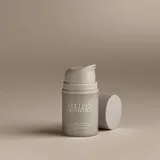
Judging from the ingredient list, "Atwater - Oil Regulator Facial Moisturizer" works well for improving skin hydration The formulation is based on a combination of good humectants and emollients. Both are needed to increase the skin hydration level. Urea, algae extract, glycerin, lactobacillus ferment and mannitol in this product (humectants) attract water molecules to the upper layer of the skin (the water comes from the outside air or from the deeper layers of the skin if the air is dry). Emollients in this formulation (algae extract, glycosphingolipids, dimethicone, squalane and ethylhexyl stearate) help to reduce the moisture loss from the skin. They also soften the skin surface and relieve the feeling of dryness and tightness.
Ingredient callouts
- We particularly like that there is a good concentration of Niacinamide (1.70% - 2.50%) in this moisturizer. Niacinamide is a well-studied multi-tasking active. It is a great ingredient to have in a moisturizer. It is stable, and can work well in almost any hydrating formulation. There is solid evidence that Niacinamide can help support skin barrier, regulate oil production and reduce acne and clogged pores. It also helps to fight photodamage and help improve the skin tone, reducing pigmentation marks.
- Salicylic acid (1.25% - 2.50%) in this product will have an exfoliating effect and help smooth the skin. We, however, do not recommend using a moisturizer with Salicylic Acid daily to avoid over-exfoliating.
Irritation risk
There are some common irritants in this product, including ingredients that do not have benefits for the skin. We assess the overall irritancy of this moisturizer to be medium. For a detailed overview of all potential irritants: click here
You can see the detailed formula review with the breakdown of all actives in the product and the full ingredient list with estimated concentrations in the tables below.
Price
The product retails for 35.00$ in the United States.
For a detailed price comparison: click here.
Anti-aging
This product can help reduce and prevent fine lines and wrinkles, improve skin elasticity and firmness because it contains niacinamide.
Keep in mind that it typically takes at least 6 weeks to notice any results because the changes that are needed to improve fine lines and elasticity happen in the deeper layers of the skin. No topical anti-aging product can “erase” wrinkles or fully reverse signs of aging.
Is proven to be effective in reducing blemishes, evening out skin tone and helping to improve lines and wrinkles. It helps the skin to repair sun damage, calm down inflammation and keep maintain good levels of moisture. The concentration of about 2% is effective for supporting the skin barrier and evening out the skin tone. Concentration of 4-6% is better for helping with acne and balancing the sebum production
Might be able to stimulate production of skin's natural moisturizing compounds such as hyaluronic acid. Could be helpful for evening the skin tone.
Seaweed extract that helps the skin to attract water and make it more smooth for touch. Also shows promise of anti-aging properties, but good research is lacking at the moment
Traditionally used to treat sunburns, dermatitis and inflammation, but evidence for its effectiveness is lacking. The extract can contain humectants that help attract water into the skin
Anti-blemish
What does the product description say?
Helps to unclog pores and maintain a fresh clear complexion.
Source: Ulta
This product can help reduce breakouts and clogged pores because it contains the following ingredient: niacinamide, salicylic acid. These ingredients is used for treating acne and can have a noticeable effect.
Is proven to be effective in reducing blemishes, evening out skin tone and helping to improve lines and wrinkles. It helps the skin to repair sun damage, calm down inflammation and keep maintain good levels of moisture. The concentration of about 2% is effective for supporting the skin barrier and evening out the skin tone. Concentration of 4-6% is better for helping with acne and balancing the sebum production
Used for skin exfoliation. It has an anti-inflammatory and anti-bacterial effect, helps to unclog pores, prevent blemishes and speed up healing of the existing ones. Sometimes referred to as a BHA (beta-hydroxy acid)
Traditionally used to treat sunburns, dermatitis and inflammation, but evidence for its effectiveness is lacking. The extract can contain humectants that help attract water into the skin
Evens skin tone
What does the product description say?
Infused with Salicylic Acid and Niacinamide, this face cream hydrates, brightens and clarifies your skin.
Source: Ulta
This product can help reduce hypepigmentation and even out the skin tone because it contains the following effective ingredients: niacinamide, salicylic acid
The following ingredient (ingredients) in this product might be helpful, but there is no evidence to confirm that it actually can help even out the skin tone: glucosamine hcl, glycyrrhiza glabra root extract.
Keep in mind that you would need to apply any topical skincare targetted at hypigmentation consistently for a couple of months to get a result. No topical skincare product can help get rid of hyperpigmentation (including post-acne marks and age spots) instantly.
Is proven to be effective in reducing blemishes, evening out skin tone and helping to improve lines and wrinkles. It helps the skin to repair sun damage, calm down inflammation and keep maintain good levels of moisture. The concentration of about 2% is effective for supporting the skin barrier and evening out the skin tone. Concentration of 4-6% is better for helping with acne and balancing the sebum production
Might be able to stimulate production of skin's natural moisturizing compounds such as hyaluronic acid. Could be helpful for evening the skin tone.
A plant extract that can help lighten the skin and calm down inflammation. Might be helpful in neutralizing free radicals
Used for skin exfoliation. It has an anti-inflammatory and anti-bacterial effect, helps to unclog pores, prevent blemishes and speed up healing of the existing ones. Sometimes referred to as a BHA (beta-hydroxy acid)
Helps attract water to the upper layer of the skin and might have some anti-oxidant and skin lightening properties. It can help calm down inflammation in skin
Exfoliation
This product can help exfoliate the skin. In other words, it helps break down the bonds between dead cells on the surface of the skin and speed up the skin turnover. Skin often appears softer and brighter after exfoliation, but overdoing it can result in disrupted skin barrier. The following ingredient is doing the exfoliating job in this product: salicylic acid.
Used for skin exfoliation. It has an anti-inflammatory and anti-bacterial effect, helps to unclog pores, prevent blemishes and speed up healing of the existing ones. Sometimes referred to as a BHA (beta-hydroxy acid)
Naturally present in skin (urea makes up about 7% of natural moisturizing factors in skin). Attracts water to the upper layer of the skin. Also has a positive effect on the skin barrier beyond the humectant action. Can enhance penetration of other ingredients. Is an exfoliating ingredient when used in high concentrations
Moisturizing
What does the product description say?
Oil Regulator Facial Moisturizer
Source: Bluemercury
This product can help improve hydration of the skin with the two types of ingredients.
The first type is called “humectants”:
these ingredients help attract water.
When humectants are on the surface of the skin, they “pull in” the moisture from the outside environment, or from
within deeper layers of the skin. The following ingredients in this product do the job:
glucosamine hcl, glycerin.
This product also contains ingredients called “occlusives”. They help reduce the speed with which our skin loses moisture to the outside environment. These ingredients also help soften the upper layer of the skin, so it feels less tight and nicer to the touch. The following ingredients in this product do the job: dimethicone, squalane.
The following ingredients in this product are especially good for supporting the skin barrier and helping with the hydration level: niacinamide, panthenol, urea
A silicone that helps to reduce water loss from the surface of the skin. Can temporarily "fill in" lines and wrinkles, absorb oil, and create a nice product finish
A fermentation product created by bacteria Lactobacillus. The fermented product has anti-bacterial properties and might be helpful in calming down inflammation, but studies are lacking. Helps attract water to the upper layer of the skin. Can be used as a preservative
Helps to attract water to the upper layer of the skin
Is proven to be effective in reducing blemishes, evening out skin tone and helping to improve lines and wrinkles. It helps the skin to repair sun damage, calm down inflammation and keep maintain good levels of moisture. The concentration of about 2% is effective for supporting the skin barrier and evening out the skin tone. Concentration of 4-6% is better for helping with acne and balancing the sebum production
Helps attract water to the upper layer of the skin and can help improve skin barrier function
One of the best moisturizing ingredients. Attracts water into the upper layer of the skin
An oil naturally present in skin. Works as an emollient to soften the skin and form a protective layer on its surface without a greasy feeling.
Naturally present in skin (urea makes up about 7% of natural moisturizing factors in skin). Attracts water to the upper layer of the skin. Also has a positive effect on the skin barrier beyond the humectant action. Can enhance penetration of other ingredients. Is an exfoliating ingredient when used in high concentrations
A type of lipids naturally present in skin. They can be converted to ceramides in skin
One of the best moisturizing ingredients. Naturally present in skin. It attracts water to the upper layer of the skin working as a humectant
Might be able to stimulate production of skin's natural moisturizing compounds such as hyaluronic acid. Could be helpful for evening the skin tone.
Used to stabilize the product formulations and works as an emollient
An emollient that can also help water and oil mix together, as well as prevent bacteria growth in products
Used to create a nice product texture and help delivery of other ingredients. Might be somewhat helpful in attracting water to the upper layer of the skin
Helps soften the upper layer of the skin
Forms a protective film on the surface of the skin to prevent moisture loss. Gives a velvety feel to products while reducing tackiness
Helps attract water to the upper layer of the skin and might have some anti-oxidant and skin lightening properties. It can help calm down inflammation in skin
Seaweed extract that helps the skin to attract water and make it more smooth for touch. Also shows promise of anti-aging properties, but good research is lacking at the moment
Traditionally used to treat sunburns, dermatitis and inflammation, but evidence for its effectiveness is lacking. The extract can contain humectants that help attract water into the skin
How honest is this product?
| Promise | Can it deliver? |
|---|---|
| Moisturizing | |
| Evens skin tone | |
| Anti-blemish |
Total Promises Fulfilled score: 100/100.
We receive a small commission for purchases made through these links at no cost for you. Thank you for your support! Learn more
Potential irritants
Comedogenic ingredients
User reviews (0)
Averages from community submissions.
No reviews yet for this product.
Be the first to share your experience!
Tried this product?
Help capture what the ingredient list can't—texture, finish, pilling, scent, and more. Answer what you can, skip the rest.
Takes ~30 seconds.
Reviews are shown in aggregate. No personal details.
| Product | Similarity | Price | Irritancy |
|---|---|---|---|
 Atwater Oil Regulator Facial Moisturizer | Current | $35.00 | |
 KYLIE SKIN Clarifying Gel Cream | 76% | - | |
 Colleen Rothschild Beauty Weightless Moisturizer | 76% | - | |
 Paula's choice Invisible Finish Moisture Gel | 75% | ≈ $38.81 | |
Bioderma Hydrabio Gel-Creme | 73% | ≈ $21.42 | |
Facetheory Supergel+ | 73% | - |
Key Actives
Is proven to be effective in reducing blemishes, evening out skin tone and helping to improve lines and wrinkles. It helps the skin to repair sun damage, calm down inflammation and keep maintain good levels of moisture. The concentration of about 2% is effective for supporting the skin barrier and evening out the skin tone. Concentration of 4-6% is better for helping with acne and balancing the sebum production
Used for skin exfoliation. It has an anti-inflammatory and anti-bacterial effect, helps to unclog pores, prevent blemishes and speed up healing of the existing ones. Sometimes referred to as a BHA (beta-hydroxy acid)
Might be able to stimulate production of skin's natural moisturizing compounds such as hyaluronic acid. Could be helpful for evening the skin tone.
Helps attract water to the upper layer of the skin and might have some anti-oxidant and skin lightening properties. It can help calm down inflammation in skin
A fermentation product created by bacteria Lactobacillus. The fermented product has anti-bacterial properties and might be helpful in calming down inflammation, but studies are lacking. Helps attract water to the upper layer of the skin. Can be used as a preservative
Helps attract water to the upper layer of the skin and can help improve skin barrier function
A silicone that helps to reduce water loss from the surface of the skin. Can temporarily "fill in" lines and wrinkles, absorb oil, and create a nice product finish
Naturally present in skin (urea makes up about 7% of natural moisturizing factors in skin). Attracts water to the upper layer of the skin. Also has a positive effect on the skin barrier beyond the humectant action. Can enhance penetration of other ingredients. Is an exfoliating ingredient when used in high concentrations
An oil naturally present in skin. Works as an emollient to soften the skin and form a protective layer on its surface without a greasy feeling.
One of the best moisturizing ingredients. Naturally present in skin. It attracts water to the upper layer of the skin working as a humectant
Used to create a gel-like product texture, as well as to stabilize emulsions
A type of lipids naturally present in skin. They can be converted to ceramides in skin
One of the best moisturizing ingredients. Attracts water into the upper layer of the skin
Helps to attract water to the upper layer of the skin
Potential irritants
Used for skin exfoliation. It has an anti-inflammatory and anti-bacterial effect, helps to unclog pores, prevent blemishes and speed up healing of the existing ones. Sometimes referred to as a BHA (beta-hydroxy acid)
Plant extract that can have healing and anti-inflammatory properties. It is a potential allergen and can be irritating
Used to thicken the product's consistency
Traditionally used to treat sunburns, dermatitis and inflammation, but evidence for its effectiveness is lacking. The extract can contain humectants that help attract water into the skin
A plant extract that can help lighten the skin and calm down inflammation. Might be helpful in neutralizing free radicals
Used to improve stability of the formulation
A preservative that comes from radishes fermented by a bacteria. New research suggests that the preservation properties in the ingredient come from an ammonium salt that is not present naturally in radish root but used in its cultivation. Is problematic because the exact amount of the preservative agents is difficult to determine
A stable derivative of pectin and vitamin C. It might help neutralize free radicals in skin, but evidence of effectiveness is lacking. Helps create a thicker product consistency and stabilize the product formulation
Can work as an exfoliant but is typically used to adjust the product pH
Comedogenic ingredients
Used to stabilize the product formulations and works as an emollient
Seaweed extract that helps the skin to attract water and make it more smooth for touch. Also shows promise of anti-aging properties, but good research is lacking at the moment
All ingredients
Acts as a solvent for other ingredients. Speeds up the absorption of other ingredients into the skin
Is proven to be effective in reducing blemishes, evening out skin tone and helping to improve lines and wrinkles. It helps the skin to repair sun damage, calm down inflammation and keep maintain good levels of moisture. The concentration of about 2% is effective for supporting the skin barrier and evening out the skin tone. Concentration of 4-6% is better for helping with acne and balancing the sebum production
Forms a protective film on the surface of the skin to prevent moisture loss. Gives a velvety feel to products while reducing tackiness
An oil naturally present in skin. Works as an emollient to soften the skin and form a protective layer on its surface without a greasy feeling.
One of the best moisturizing ingredients. Naturally present in skin. It attracts water to the upper layer of the skin working as a humectant
Used to thicken the product's consistency
Used to stabilize the product formulations and works as an emollient
Helps to retain moisture by creating a protective barrier on the skin. Rich in fatty acids. Improves product texture and helps with the penetration of other ingredients.
A silicone that helps to reduce water loss from the surface of the skin. Can temporarily "fill in" lines and wrinkles, absorb oil, and create a nice product finish
Traditionally used to treat sunburns, dermatitis and inflammation, but evidence for its effectiveness is lacking. The extract can contain humectants that help attract water into the skin
An emollient that can also help water and oil mix together, as well as prevent bacteria growth in products
A plant extract that can help lighten the skin and calm down inflammation. Might be helpful in neutralizing free radicals
Used for skin exfoliation. It has an anti-inflammatory and anti-bacterial effect, helps to unclog pores, prevent blemishes and speed up healing of the existing ones. Sometimes referred to as a BHA (beta-hydroxy acid)
Used to create a gel-like product texture, as well as to stabilize emulsions
Helps create a thicker or gel-like product texture. It is not a surfactant but can be used in gentle cleansing formulations
Used to create a nice product texture and help delivery of other ingredients. Might be somewhat helpful in attracting water to the upper layer of the skin
Used to improve stability of the formulation
Plant extract that can have healing and anti-inflammatory properties. It is a potential allergen and can be irritating
A type of lipids naturally present in skin. They can be converted to ceramides in skin
A preservative that comes from radishes fermented by a bacteria. New research suggests that the preservation properties in the ingredient come from an ammonium salt that is not present naturally in radish root but used in its cultivation. Is problematic because the exact amount of the preservative agents is difficult to determine
Naturally present in skin (urea makes up about 7% of natural moisturizing factors in skin). Attracts water to the upper layer of the skin. Also has a positive effect on the skin barrier beyond the humectant action. Can enhance penetration of other ingredients. Is an exfoliating ingredient when used in high concentrations
Might be able to stimulate production of skin's natural moisturizing compounds such as hyaluronic acid. Could be helpful for evening the skin tone.
Seaweed extract that helps the skin to attract water and make it more smooth for touch. Also shows promise of anti-aging properties, but good research is lacking at the moment
Helps attract water to the upper layer of the skin and might have some anti-oxidant and skin lightening properties. It can help calm down inflammation in skin
One of the best moisturizing ingredients. Attracts water into the upper layer of the skin
Helps attract water to the upper layer of the skin and can help improve skin barrier function
A stable derivative of pectin and vitamin C. It might help neutralize free radicals in skin, but evidence of effectiveness is lacking. Helps create a thicker product consistency and stabilize the product formulation
A preservative. It helps prevent bacterial growth in cosmetic products
Used to stabilize the product formulation and can help absorb oil
A fermentation product created by bacteria Lactobacillus. The fermented product has anti-bacterial properties and might be helpful in calming down inflammation, but studies are lacking. Helps attract water to the upper layer of the skin. Can be used as a preservative
Can work as an exfoliant but is typically used to adjust the product pH
Ingredient list view
Water, Propanediol, Niacinamide, Isononyl isononanoate, Silica, Squalane, Glycerin, Aluminum starch octenylsuccinate, Glyceryl stearate se, Nylon-12, Hydrogenated lecithin, Dimethicone, Phenethyl alcohol, Aloe barbadensis leaf juice, Glyceryl caprylate, Glycyrrhiza glabra root extract, Methylpropanediol, Salicylic acid, Sodium polyacrylate, 1,2-hexanediol, Fucus spiralis extract, Xanthan gum, Carbomer, Ethylhexyl stearate, Tetraselmis chui extract, Butylene glycol, Trisodium ethylenediamine disuccinate, Carum petroselinum extract, Chamomilla recutita flower extract, Oat amino acids, Glycosphingolipids, Leuconostoc/radish root ferment filtrate, Trideceth-6, Urea, Glucosamine hcl, Laminaria digitata extract, Yeast extract, Sodium hyaluronate, Panthenol, Ascorbyl methylsilanol pectinate, Phenoxyethanol, Sodium benzoate, Mannitol, Maltodextrin, Potassium sorbate, Lactobacillus ferment, Citric acid
- Niacinamide - mechanisms of action and its topical use in dermatology
- Gehring, W. (2004). Nicotinic acid/niacinamide and the skin. Journal of Cosmetic Dermatology, 3(2), 88–93. doi:10.1111/j.1473-2130.2004.00115.x
- Glycerol and the skin: holistic approach to its origin and functions
- Dimethicone as a protective ingredient in topical medications
- Final Report on the Safety Assessment of Dimethicone Copolyol
- Final Report on the Safety Assessment of Phenethyl Alcohol
- Salicylic acid as a peeling agent: a comprehensive review
- Beta Hydroxy Acids
- A review of toxicity from topical salicylic acid preparations
- Glycolic Acid Peels Versus Salicylic–Mandelic Acid Peels in Active Acne Vulgaris and Post‐Acne Scarring and Hyperpigmentation: A Comparative Study
- The influence of alkane chain length on the skin irritation potential of 1,2-alkanediols
- Topical urea in skincare: A review
- Glucosamine: an ingredient with skin and other benefits
- The natural yeast extract isolated by ethanol precipitation inhibits melanin synthesis by modulating tyrosinase activity and downregulating melanosome transfer
- Evaluation of dermatological effects of cosmetic formulations containing Saccharomyces cerevisiae extract and vitamins
- Hyaluronic acid: A key molecule in skin aging
- Hyaluronan (Hyaluronic Acid): a natural moisturizer for skin care
- Skin moisturizing effects of panthenol-based formulations
- Safety Assessment of Panthenol, Pantothenic Acid, and Derivatives as Used in Cosmetics
- The effect of probiotics on immune regulation, acne, and photoaging
- Comparison of clinical and histological effects between lactobacillus-fermented Chamaecyparis obtusa and tea tree oil for the treatment of acne: an eight-week double-blind randomized controlled split-face study
- Use of Probiotics for Dermal Applications