sh-Polypeptide-1
On 1 avoid lists
|In 371 skincare routines
Summary
Works for
- Moisturizing
Irritancy risk
A human growth factor, basic fibroblast growth factor (bFGF, also called FGF2), produced by bacteria (E. coli) that were given the human gene. The "sh" in the name stands for "synthetic human". It is not a small signal peptide like most "peptides" on ingredient lists: it is a full protein; the common form has about 155 amino acids and weighs roughly 17,000 daltons. In the body, bFGF makes fibroblasts and other skin cells multiply, helps new blood vessels form and drives wound repair. Do not confuse it with sh-Oligopeptide-1, which is epidermal growth factor (EGF).
What does it do in skincare?
As a medicine, it works on broken skin. Japan has sold it since 2001 as a prescription spray (trafermin, Fiblast) for pressure, burn and leg ulcers, at 0.01%. In burn studies it sped up healing and left softer scars, although one small trial on skin-graft donor sites found no difference. Cosmetics apply it to intact skin, which is a different situation: molecules larger than about 500 daltons barely cross the outer skin layer, and bFGF is fragile: enzymes break it down quickly, and even the dissolved drug must be kept cold and used within two weeks. Suppliers try to get around this with liposomes or engineered, more stable versions. A 2023 review of growth-factor skincare found only modest improvements in texture and fine lines, from products that varied in which growth factors they contained, and the three trials that compared products head to head found no significant differences; no result can be credited to bFGF alone. Labels rarely give an amount, and a figure such as "3% Bio-Placenta" is the share of a multi-growth-factor blend; suppliers do not publish how much bFGF it contains. For hair, the only trial used drug-grade bFGF together with minoxidil, which says nothing about cosmetic hair serums.
Is it safe?
Reactions on the skin are rare: on ulcers, the drug label reports irritation, pain or redness in under 2% of patients, with rash and itching at an unknown frequency. Because bFGF makes cells multiply, the drug must not be used on skin with a tumour or a history of one, and in lab studies it helped mouse melanoma cells spread. The long-term animal studies that could be run found no sign of cancer, and we found no case of cancer linked to a bFGF cosmetic; with so little getting through intact skin, the exposure is likely much lower than from the drug. Injected growth factors are a different matter: unlicensed facial injections in China have caused uncontrolled tissue overgrowth that often needed surgery.
In WIMJ's data
It is in about 190 products we analyse, mostly moisturizers and serums. Our rating gives it 3 out of 5 for Moisturizing and no Anti-aging credit; no study shows that it moisturizes or reduces wrinkles on intact skin.
Where this fits
Products with sh-Polypeptide-1
 Jan MariniSkinSolutions Marini BioShield
 EighthDayThe Eye Renewal Cream
 Saturday SkinPerilla Leaf Pore Minimizing Serum with Cica and Tea Tree
 Noble PanaceaThe Exceptional Chronobiology Sleep Mask
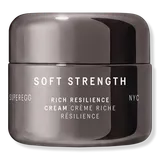 SupereggSoft Strength Rich Resilience Cream
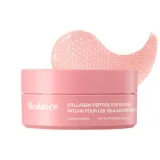 BIODANCECollagen Peptide Eye Patches for Wrinkles & Fine Lines
 SUNGBOON EDITORSilk Peptide EGF Intensive Collagen 24K Gold Mask 5-Pack with 31 Peptides & Collagen for Firming & Hydration
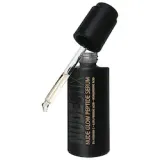 NUDESTIXNude Glow Peptide Serum
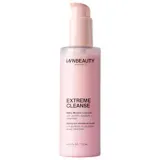 INNBEAUTY PROJECTExtreme Cleanse Milky Micellar Barrier-Repair Cleanser
 KlairsEGF Blue Calming Toner Pads
Scientific sources
- Fiblast Spray (trafermin) package insert, Kaken Pharmaceutical (JAPIC)
- The Japanese Experience with Basic Fibroblast Growth Factor in Cutaneous Wound Management and Scar Prevention: A Systematic Review of Clinical and Biological Aspects (Dermatol Ther 2020)
- The 500 Dalton rule for the skin penetration of chemical compounds and drugs (Exp Dermatol 2000)
- Topical growth factor preparations for facial skin rejuvenation: A systematic review (2023)
- Complications Following Facial Injection of Growth Factor Solution (2023)