
Works for:
based on ingredients and %- Moisturizing
- Evens skin tone
- Anti-aging
- Anti-blemish
Can it cause trouble?
- Irritation risk: high
- Comedogenic risk ingredients: 0
Key actives


Anti-aging
This product can help reduce and prevent fine lines and wrinkles, improve skin elasticity and firmness because it contains niacinamide.
Keep in mind that it typically takes at least 6 weeks to notice any results because the changes that are needed to improve fine lines and elasticity happen in the deeper layers of the skin. No topical anti-aging product can “erase” wrinkles or fully reverse signs of aging.
Is proven to be effective in reducing blemishes, evening out skin tone and helping to improve lines and wrinkles. It helps the skin to repair sun damage, calm down inflammation and keep maintain good levels of moisture. The concentration of about 2% is effective for supporting the skin barrier and evening out the skin tone. Concentration of 4-6% is better for helping with acne and balancing the sebum production
A vitamin C derivative that is more stable but less potent than pure form of vitamin C. Can help neutralize free radicals and help reduce hyperpigmentation, but the required concentration is likely to be much higher than for the pure form of vitamin C, limiting the ingredient's effectiveness in products
Consists of remains of dead bacteria cells. Is likely helpful in attracting water to the upper layer of the skin. Might be helpful in reducing inflammation and neutralizing free radicals in skin
An anti-oxidant derived from curcumin (naturally present in tumeric). Is a part of the tetrahydrocurcuminoids complex (THC). The complex might be helpful in neutralizing free radicals in skin and possibly help even out the skin tone. Can be irritating
An exfoliating and moisturizing alpha-hydroxy acid (AHA). Typically causes less irritation than other AHAs, for example, glycolic acid. At high concentrations (about 15%), lactic acid can help reduce lines and wrinkles. Recent studies show that lactic acid can support the "good" bacteria living on skin's surface (healthy skin microbiome)
A vitamin C derivative that is more stable but less potent than pure form of vitamin C. Has a potential to boost collagen production, nutralise free radicals and reduce hyperpigmentation, but the required concentration is likely to be much higher than for the pure form of vitamin C, limiting the ingredient's effectiveness in products
Typically used to stabilize the product formulations. It is a salt of a polyhydroxy acid (PHA) and in larger concentrations, can help shed the dead cells from the skin surface revealing smoother skin. It can help attract water to the upper layer of the skin. Might to be helpful against acne and clogged pores. Could be helpful in neutralizing free radicals, but solid research is missing. Due to the zinc content, might help calm down inflammation in skin
Pure form of vitamin E. Can help moisturise and protect the skin from free radicals. Often used to help stabilise other ingredients or the formula itself
Typically used to stabilize the product formulations. It is a salt of polyhydroxy acid (PHA) and in larger concentrations, can help shed the dead cells from the skin surface revealing smoother skin. It can help attract water to the upper layer of the skin. Might to be helpful against acne and clogged pores. Could be helpful in neutralizing free radicals, but solid research is missing
Anti-blemish
This product can help reduce breakouts and clogged pores because it contains the following ingredient: niacinamide. This ingredient is used for treating acne and can have a noticeable effect.
The following ingredient (ingredients) in this product might be helpful, but there is no evidence to confirm that it actually works: mandelic acid
Is proven to be effective in reducing blemishes, evening out skin tone and helping to improve lines and wrinkles. It helps the skin to repair sun damage, calm down inflammation and keep maintain good levels of moisture. The concentration of about 2% is effective for supporting the skin barrier and evening out the skin tone. Concentration of 4-6% is better for helping with acne and balancing the sebum production
Helps shed the upper layer of dead cells from the surface of the skin revealing smoother, brighter skin. It can help to reduce hyperpigmentation. It has anti-bacterial properties, and might help to reduce blemishes, as well as fine lines and wrinkles. It is considered to be gentler than glycolic acid
Helps attract water to the upper layer of the skin. Is claimed to support the growth of "good" bacteria in skin (as a "prebiotic"), but the research is lacking
Typically used to stabilize the product formulations. It is a salt of polyhydroxy acid (PHA) and in larger concentrations, can help shed the dead cells from the skin surface revealing smoother skin. It can help attract water to the upper layer of the skin. Might to be helpful against acne and clogged pores. Could be helpful in neutralizing free radicals, but solid research is missing
Typically used to stabilize the product formulations. It is a salt of a polyhydroxy acid (PHA) and in larger concentrations, can help shed the dead cells from the skin surface revealing smoother skin. It can help attract water to the upper layer of the skin. Might to be helpful against acne and clogged pores. Could be helpful in neutralizing free radicals, but solid research is missing. Due to the zinc content, might help calm down inflammation in skin
Evens skin tone
What does the product description say?
Vita-Charge™ Brightening Complex: 5 essential vitamins & minerals to help even skin tone & texture
Source: Tula
This product can help reduce hypepigmentation and even out the skin tone because it contains the following effective ingredients: mandelic acid, niacinamide
The following ingredient (ingredients) in this product might be helpful, but there is no evidence to confirm that it actually can help even out the skin tone: 3-o-ethyl ascorbic acid, tetrahydrodiferuloylmethane.
Keep in mind that you would need to apply any topical skincare targetted at hypigmentation consistently for a couple of months to get a result. No topical skincare product can help get rid of hyperpigmentation (including post-acne marks and age spots) instantly.
Helps shed the upper layer of dead cells from the surface of the skin revealing smoother, brighter skin. It can help to reduce hyperpigmentation. It has anti-bacterial properties, and might help to reduce blemishes, as well as fine lines and wrinkles. It is considered to be gentler than glycolic acid
Is proven to be effective in reducing blemishes, evening out skin tone and helping to improve lines and wrinkles. It helps the skin to repair sun damage, calm down inflammation and keep maintain good levels of moisture. The concentration of about 2% is effective for supporting the skin barrier and evening out the skin tone. Concentration of 4-6% is better for helping with acne and balancing the sebum production
A vitamin C derivative that is more stable but less potent than pure form of vitamin C. Can help neutralize free radicals and help reduce hyperpigmentation, but the required concentration is likely to be much higher than for the pure form of vitamin C, limiting the ingredient's effectiveness in products
An anti-oxidant derived from curcumin (naturally present in tumeric). Is a part of the tetrahydrocurcuminoids complex (THC). The complex might be helpful in neutralizing free radicals in skin and possibly help even out the skin tone. Can be irritating
An exfoliating and moisturizing alpha-hydroxy acid (AHA). Typically causes less irritation than other AHAs, for example, glycolic acid. At high concentrations (about 15%), lactic acid can help reduce lines and wrinkles. Recent studies show that lactic acid can support the "good" bacteria living on skin's surface (healthy skin microbiome)
A vitamin C derivative that is more stable but less potent than pure form of vitamin C. Has a potential to boost collagen production, nutralise free radicals and reduce hyperpigmentation, but the required concentration is likely to be much higher than for the pure form of vitamin C, limiting the ingredient's effectiveness in products
Typically used to stabilize the product formulations. It is a salt of a polyhydroxy acid (PHA) and in larger concentrations, can help shed the dead cells from the skin surface revealing smoother skin. It can help attract water to the upper layer of the skin. Might to be helpful against acne and clogged pores. Could be helpful in neutralizing free radicals, but solid research is missing. Due to the zinc content, might help calm down inflammation in skin
Typically used to stabilize the product formulations. It is a salt of polyhydroxy acid (PHA) and in larger concentrations, can help shed the dead cells from the skin surface revealing smoother skin. It can help attract water to the upper layer of the skin. Might to be helpful against acne and clogged pores. Could be helpful in neutralizing free radicals, but solid research is missing
Exfoliation
This product can help exfoliate the skin. In other words, it helps break down the bonds between dead cells on the surface of the skin and speed up the skin turnover. Skin often appears softer and brighter after exfoliation, but overdoing it can result in disrupted skin barrier. The following ingredient is doing the exfoliating job in this product: mandelic acid.
Helps shed the upper layer of dead cells from the surface of the skin revealing smoother, brighter skin. It can help to reduce hyperpigmentation. It has anti-bacterial properties, and might help to reduce blemishes, as well as fine lines and wrinkles. It is considered to be gentler than glycolic acid
An exfoliating and moisturizing alpha-hydroxy acid (AHA). Typically causes less irritation than other AHAs, for example, glycolic acid. At high concentrations (about 15%), lactic acid can help reduce lines and wrinkles. Recent studies show that lactic acid can support the "good" bacteria living on skin's surface (healthy skin microbiome)
Typically used to stabilize the product formulations. It is a salt of a polyhydroxy acid (PHA) and in larger concentrations, can help shed the dead cells from the skin surface revealing smoother skin. It can help attract water to the upper layer of the skin. Might to be helpful against acne and clogged pores. Could be helpful in neutralizing free radicals, but solid research is missing. Due to the zinc content, might help calm down inflammation in skin
Typically used to stabilize the product formulations. It is a salt of polyhydroxy acid (PHA) and in larger concentrations, can help shed the dead cells from the skin surface revealing smoother skin. It can help attract water to the upper layer of the skin. Might to be helpful against acne and clogged pores. Could be helpful in neutralizing free radicals, but solid research is missing
Moisturizing
What does the product description say?
Clinically proven to lock in moisture for overnight protection*
Source: Tula
This product can help improve hydration of the skin with the two types of ingredients.
The first type is called “humectants”:
these ingredients help attract water.
When humectants are on the surface of the skin, they “pull in” the moisture from the outside environment, or from
within deeper layers of the skin. The following ingredients in this product do the job:
diglycerin, glycerin.
This product also contains ingredients called “occlusives”. They help reduce the speed with which our skin loses moisture to the outside environment. These ingredients also help soften the upper layer of the skin, so it feels less tight and nicer to the touch. The following ingredients in this product do the job: helianthus annuus seed oil, pentylene glycol.
The following ingredients in this product are especially good for supporting the skin barrier and helping with the hydration level: niacinamide, panthenol
Is proven to be effective in reducing blemishes, evening out skin tone and helping to improve lines and wrinkles. It helps the skin to repair sun damage, calm down inflammation and keep maintain good levels of moisture. The concentration of about 2% is effective for supporting the skin barrier and evening out the skin tone. Concentration of 4-6% is better for helping with acne and balancing the sebum production
Helps attract water to the upper layer of the skin. Is claimed to support the growth of "good" bacteria in skin (as a "prebiotic"), but the research is lacking
A non-living ingredient made by fermentation with the bacteria Lactobacillus. It can help attract water to the upper layer of the skin and might help reduce inflammation
A fermentation product created by bacteria Lactobacillus. The fermented product has anti-bacterial properties and might be helpful in calming down inflammation, but studies are lacking. Helps attract water to the upper layer of the skin. Can be used as a preservative
Consists of remains of dead bacteria cells. Is likely helpful in attracting water to the upper layer of the skin. Might be helpful in reducing inflammation and neutralizing free radicals in skin
Helps attract water to the upper layer of the skin and can help improve skin barrier function
Helps attract water to the upper layer of the skin
Helps attract water to the upper layer of the skin
One of the best moisturizing ingredients. Naturally present in skin. It attracts water to the upper layer of the skin working as a humectant
A great emollient due to its high linoleic acid content. One of the most effective plant oils in helping skin hydration and repairing skin barrier function
Helps attract water to the upper layer of the skin and soften it
Might be helpful in restoring skin barrier function and calm down inflammation in skin
Used to preserve products, dissolve other ingredients and create a nice product texture
A plant extract that helps attract water to the upper layer of the skin and might have some anti-oxidant properties
Used to create a nice product texture and help delivery of other ingredients. Might be somewhat helpful in attracting water to the upper layer of the skin
Typically used to stabilize the product formulations. It is a salt of a polyhydroxy acid (PHA) and in larger concentrations, can help shed the dead cells from the skin surface revealing smoother skin. It can help attract water to the upper layer of the skin. Might to be helpful against acne and clogged pores. Could be helpful in neutralizing free radicals, but solid research is missing. Due to the zinc content, might help calm down inflammation in skin
Typically used to stabilize the product formulations. It is a salt of polyhydroxy acid (PHA) and in larger concentrations, can help shed the dead cells from the skin surface revealing smoother skin. It can help attract water to the upper layer of the skin. Might to be helpful against acne and clogged pores. Could be helpful in neutralizing free radicals, but solid research is missing
An exfoliating and moisturizing alpha-hydroxy acid (AHA). Typically causes less irritation than other AHAs, for example, glycolic acid. At high concentrations (about 15%), lactic acid can help reduce lines and wrinkles. Recent studies show that lactic acid can support the "good" bacteria living on skin's surface (healthy skin microbiome)
Pure form of vitamin E. Can help moisturise and protect the skin from free radicals. Often used to help stabilise other ingredients or the formula itself
Anti-oxidation
This product contains antioxidants (3-o-ethyl ascorbic acid, tetrahydrodiferuloylmethane) that might be able to help neutralize free radicals in skin to lessen the damage it gets from the UV light (sun). There is not enough evidence to confirm their effectiveness in skin though.
A vitamin C derivative that is more stable but less potent than pure form of vitamin C. Can help neutralize free radicals and help reduce hyperpigmentation, but the required concentration is likely to be much higher than for the pure form of vitamin C, limiting the ingredient's effectiveness in products
An anti-oxidant derived from curcumin (naturally present in tumeric). Is a part of the tetrahydrocurcuminoids complex (THC). The complex might be helpful in neutralizing free radicals in skin and possibly help even out the skin tone. Can be irritating
A plant extract that might help neutralize free radicals in skin, but research on its effectiveness is lacking
Consists of remains of dead bacteria cells. Is likely helpful in attracting water to the upper layer of the skin. Might be helpful in reducing inflammation and neutralizing free radicals in skin
A fermentation product created by bacteria Lactobacillus. The fermented product has anti-bacterial properties and might be helpful in calming down inflammation, but studies are lacking. Helps attract water to the upper layer of the skin. Can be used as a preservative
Pure form of vitamin E. Can help moisturise and protect the skin from free radicals. Often used to help stabilise other ingredients or the formula itself
A vitamin C derivative that is more stable but less potent than pure form of vitamin C. Has a potential to boost collagen production, nutralise free radicals and reduce hyperpigmentation, but the required concentration is likely to be much higher than for the pure form of vitamin C, limiting the ingredient's effectiveness in products
Typically used to stabilize the product formulations. It is a salt of polyhydroxy acid (PHA) and in larger concentrations, can help shed the dead cells from the skin surface revealing smoother skin. It can help attract water to the upper layer of the skin. Might to be helpful against acne and clogged pores. Could be helpful in neutralizing free radicals, but solid research is missing
Typically used to stabilize the product formulations. It is a salt of a polyhydroxy acid (PHA) and in larger concentrations, can help shed the dead cells from the skin surface revealing smoother skin. It can help attract water to the upper layer of the skin. Might to be helpful against acne and clogged pores. Could be helpful in neutralizing free radicals, but solid research is missing. Due to the zinc content, might help calm down inflammation in skin
A plant extract that might have some antioxidant properties, but mostly used in cosmetics for its color
How honest is this product?
| Promise | Can it deliver? |
|---|---|
| Moisturizing | |
| Evens skin tone |
Total Promises Fulfilled score: 100/100.
We receive a small commission for purchases made through these links at no cost for you. Thank you for your support! Learn more
Potential irritants
Comedogenic ingredients
No comedogenic ingredients detected
User reviews (0)
Averages from community submissions.
No reviews yet for this product.
Be the first to share your experience!
Tried this product?
Help capture what the ingredient list can't—texture, finish, pilling, scent, and more. Answer what you can, skip the rest.
Takes ~30 seconds.
Reviews are shown in aggregate. No personal details.
| Product | Similarity | Price | Irritancy |
|---|---|---|---|
 Tula Bedtime Bright™ | Current | $40.60 | |
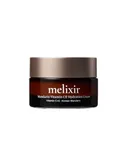
melixir Mandarin Vitamin CE Hydration Cream | 81% | $27.00 | |
Naturium Multi-Peptide Moisturizer | 80% | $11.00 | |
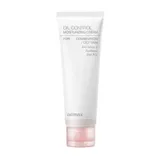 celimax Oil Control Moisturizing Cream 80ml | 79% | ≈ $18.25 | |
 January Labs Retexturizing Night Cream | 77% | - | |
 Oodee Nova Illuminating Moisturiser | 77% | - |
Key Actives
Is proven to be effective in reducing blemishes, evening out skin tone and helping to improve lines and wrinkles. It helps the skin to repair sun damage, calm down inflammation and keep maintain good levels of moisture. The concentration of about 2% is effective for supporting the skin barrier and evening out the skin tone. Concentration of 4-6% is better for helping with acne and balancing the sebum production
Typically used to stabilize the product formulations. It is a salt of a polyhydroxy acid (PHA) and in larger concentrations, can help shed the dead cells from the skin surface revealing smoother skin. It can help attract water to the upper layer of the skin. Might to be helpful against acne and clogged pores. Could be helpful in neutralizing free radicals, but solid research is missing. Due to the zinc content, might help calm down inflammation in skin
Typically used to stabilize the product formulations. It is a salt of polyhydroxy acid (PHA) and in larger concentrations, can help shed the dead cells from the skin surface revealing smoother skin. It can help attract water to the upper layer of the skin. Might to be helpful against acne and clogged pores. Could be helpful in neutralizing free radicals, but solid research is missing
Consists of remains of dead bacteria cells. Is likely helpful in attracting water to the upper layer of the skin. Might be helpful in reducing inflammation and neutralizing free radicals in skin
Helps shed the upper layer of dead cells from the surface of the skin revealing smoother, brighter skin. It can help to reduce hyperpigmentation. It has anti-bacterial properties, and might help to reduce blemishes, as well as fine lines and wrinkles. It is considered to be gentler than glycolic acid
An exfoliating and moisturizing alpha-hydroxy acid (AHA). Typically causes less irritation than other AHAs, for example, glycolic acid. At high concentrations (about 15%), lactic acid can help reduce lines and wrinkles. Recent studies show that lactic acid can support the "good" bacteria living on skin's surface (healthy skin microbiome)
A fermentation product created by bacteria Lactobacillus. The fermented product has anti-bacterial properties and might be helpful in calming down inflammation, but studies are lacking. Helps attract water to the upper layer of the skin. Can be used as a preservative
A vitamin C derivative that is more stable but less potent than pure form of vitamin C. Can help neutralize free radicals and help reduce hyperpigmentation, but the required concentration is likely to be much higher than for the pure form of vitamin C, limiting the ingredient's effectiveness in products
Helps attract water to the upper layer of the skin and can help improve skin barrier function
An anti-oxidant derived from curcumin (naturally present in tumeric). Is a part of the tetrahydrocurcuminoids complex (THC). The complex might be helpful in neutralizing free radicals in skin and possibly help even out the skin tone. Can be irritating
A vitamin C derivative that is more stable but less potent than pure form of vitamin C. Has a potential to boost collagen production, nutralise free radicals and reduce hyperpigmentation, but the required concentration is likely to be much higher than for the pure form of vitamin C, limiting the ingredient's effectiveness in products
Helps attract water to the upper layer of the skin. Is claimed to support the growth of "good" bacteria in skin (as a "prebiotic"), but the research is lacking
Might be helpful in restoring skin barrier function and calm down inflammation in skin
One of the best moisturizing ingredients. Naturally present in skin. It attracts water to the upper layer of the skin working as a humectant
Helps attract water to the upper layer of the skin
A non-living ingredient made by fermentation with the bacteria Lactobacillus. It can help attract water to the upper layer of the skin and might help reduce inflammation
Helps attract water to the upper layer of the skin
A great emollient due to its high linoleic acid content. One of the most effective plant oils in helping skin hydration and repairing skin barrier function
Potential irritants
A vitamin C derivative that is more stable but less potent than pure form of vitamin C. Can help neutralize free radicals and help reduce hyperpigmentation, but the required concentration is likely to be much higher than for the pure form of vitamin C, limiting the ingredient's effectiveness in products
An anti-oxidant derived from curcumin (naturally present in tumeric). Is a part of the tetrahydrocurcuminoids complex (THC). The complex might be helpful in neutralizing free radicals in skin and possibly help even out the skin tone. Can be irritating
Helps shed the upper layer of dead cells from the surface of the skin revealing smoother, brighter skin. It can help to reduce hyperpigmentation. It has anti-bacterial properties, and might help to reduce blemishes, as well as fine lines and wrinkles. It is considered to be gentler than glycolic acid
A plant extract that can contain an active compound curcumin, that may have some anti-inflammatory properties when applied to the skin, but solid research is lacking and the typical concentration used in skincare products is too low. Can be an irritant
A plant extract that helps attract water to the upper layer of the skin and might have some anti-oxidant properties
An essentil oil from orange peel. Potential allergen and can be irritating
An essential oil used for fragrance. Can be an allergen and irritant
A plant extract that is used as a fragrance. Can be irritating
A plant extract used as a fragrance. Can be irritating
Used to preserve products, dissolve other ingredients and create a nice product texture
A plant extract that might have some antioxidant properties, but mostly used in cosmetics for its color
A vitamin C derivative that is more stable but less potent than pure form of vitamin C. Has a potential to boost collagen production, nutralise free radicals and reduce hyperpigmentation, but the required concentration is likely to be much higher than for the pure form of vitamin C, limiting the ingredient's effectiveness in products
An exfoliating and moisturizing alpha-hydroxy acid (AHA). Typically causes less irritation than other AHAs, for example, glycolic acid. At high concentrations (about 15%), lactic acid can help reduce lines and wrinkles. Recent studies show that lactic acid can support the "good" bacteria living on skin's surface (healthy skin microbiome)
A plant extract that might help neutralize free radicals in skin, but research on its effectiveness is lacking
Typically used to stabilize the product formulations. It is a salt of polyhydroxy acid (PHA) and in larger concentrations, can help shed the dead cells from the skin surface revealing smoother skin. It can help attract water to the upper layer of the skin. Might to be helpful against acne and clogged pores. Could be helpful in neutralizing free radicals, but solid research is missing
Typically used to stabilize the product formulations. It is a salt of a polyhydroxy acid (PHA) and in larger concentrations, can help shed the dead cells from the skin surface revealing smoother skin. It can help attract water to the upper layer of the skin. Might to be helpful against acne and clogged pores. Could be helpful in neutralizing free radicals, but solid research is missing. Due to the zinc content, might help calm down inflammation in skin
Maintains the texture of skincare products. Allows the product to spread evenly. Helps oil and water mix together
Comedogenic ingredients
We couldn't find any comedogenic ingredients in this product
All ingredients
One of the best moisturizing ingredients. Naturally present in skin. It attracts water to the upper layer of the skin working as a humectant
Used to create a nice product texture and help delivery of other ingredients. Might be somewhat helpful in attracting water to the upper layer of the skin
Helps attract water to the upper layer of the skin and soften it
Is proven to be effective in reducing blemishes, evening out skin tone and helping to improve lines and wrinkles. It helps the skin to repair sun damage, calm down inflammation and keep maintain good levels of moisture. The concentration of about 2% is effective for supporting the skin barrier and evening out the skin tone. Concentration of 4-6% is better for helping with acne and balancing the sebum production
Used to preserve products, dissolve other ingredients and create a nice product texture
Consists of remains of dead bacteria cells. Is likely helpful in attracting water to the upper layer of the skin. Might be helpful in reducing inflammation and neutralizing free radicals in skin
A vitamin C derivative that is more stable but less potent than pure form of vitamin C. Can help neutralize free radicals and help reduce hyperpigmentation, but the required concentration is likely to be much higher than for the pure form of vitamin C, limiting the ingredient's effectiveness in products
Helps attract water to the upper layer of the skin and can help improve skin barrier function
An anti-oxidant derived from curcumin (naturally present in tumeric). Is a part of the tetrahydrocurcuminoids complex (THC). The complex might be helpful in neutralizing free radicals in skin and possibly help even out the skin tone. Can be irritating
A plant extract that might have some antioxidant properties, but mostly used in cosmetics for its color
A vitamin C derivative that is more stable but less potent than pure form of vitamin C. Has a potential to boost collagen production, nutralise free radicals and reduce hyperpigmentation, but the required concentration is likely to be much higher than for the pure form of vitamin C, limiting the ingredient's effectiveness in products
Helps attract water to the upper layer of the skin. Is claimed to support the growth of "good" bacteria in skin (as a "prebiotic"), but the research is lacking
Helps shed the upper layer of dead cells from the surface of the skin revealing smoother, brighter skin. It can help to reduce hyperpigmentation. It has anti-bacterial properties, and might help to reduce blemishes, as well as fine lines and wrinkles. It is considered to be gentler than glycolic acid
An exfoliating and moisturizing alpha-hydroxy acid (AHA). Typically causes less irritation than other AHAs, for example, glycolic acid. At high concentrations (about 15%), lactic acid can help reduce lines and wrinkles. Recent studies show that lactic acid can support the "good" bacteria living on skin's surface (healthy skin microbiome)
A plant extract that can contain an active compound curcumin, that may have some anti-inflammatory properties when applied to the skin, but solid research is lacking and the typical concentration used in skincare products is too low. Can be an irritant
A plant extract that might help neutralize free radicals in skin, but research on its effectiveness is lacking
Typically used to stabilize the product formulations. It is a salt of polyhydroxy acid (PHA) and in larger concentrations, can help shed the dead cells from the skin surface revealing smoother skin. It can help attract water to the upper layer of the skin. Might to be helpful against acne and clogged pores. Could be helpful in neutralizing free radicals, but solid research is missing
Might be helpful in restoring skin barrier function and calm down inflammation in skin
Typically used to stabilize the product formulations. It is a salt of a polyhydroxy acid (PHA) and in larger concentrations, can help shed the dead cells from the skin surface revealing smoother skin. It can help attract water to the upper layer of the skin. Might to be helpful against acne and clogged pores. Could be helpful in neutralizing free radicals, but solid research is missing. Due to the zinc content, might help calm down inflammation in skin
A fermentation product created by bacteria Lactobacillus. The fermented product has anti-bacterial properties and might be helpful in calming down inflammation, but studies are lacking. Helps attract water to the upper layer of the skin. Can be used as a preservative
A non-living ingredient made by fermentation with the bacteria Lactobacillus. It can help attract water to the upper layer of the skin and might help reduce inflammation
Helps attract water to the upper layer of the skin
Helps create a thicker or gel-like product texture. It is not a surfactant but can be used in gentle cleansing formulations
Maintains the texture of skincare products. Allows the product to spread evenly. Helps oil and water mix together
Increases thickness of a product. Texture enhancer for oil-in-water emulsions
A plant extract that helps attract water to the upper layer of the skin and might have some anti-oxidant properties
An essentil oil from orange peel. Potential allergen and can be irritating
A great emollient due to its high linoleic acid content. One of the most effective plant oils in helping skin hydration and repairing skin barrier function
Used to stabilize the product formulation and can help absorb oil
Used to stabilize mixtures of oil and water, and create thicker, gel-like product textures
An essential oil used for fragrance. Can be an allergen and irritant
A plant extract that is used as a fragrance. Can be irritating
A plant extract used as a fragrance. Can be irritating
A preservative. It helps prevent bacterial growth in cosmetic products
Pure form of vitamin E. Can help moisturise and protect the skin from free radicals. Often used to help stabilise other ingredients or the formula itself
Ingredient list view
Water, Glycerin, Butylene glycol, Diglycerin, Methyl gluceth-20, Niacinamide, Pentylene glycol, Lactococcus ferment lysate, 3-o-ethyl ascorbic acid, Betula alba juice, Panthenol, Tetrahydrodiferuloylmethane, Beta vulgaris root extract, Ascorbyl glucoside, Inulin, Mandelic acid, Lactic acid, Curcuma longa root extract, Hippophae rhamnoides fruit extract, Copper gluconate, Magnesium aspartate, Zinc gluconate, Pseudozyma epicola/soybean flour/apricot kernel oil/olive fruit oil/sunflower seed oil/sweet almond oil/panax ginseng root extract ferment extract filtrate, Lactobacillus ferment, Lactobacillus, Alpha-glucan oligosaccharide, Tromethamine, Sodium polyacrylate starch, Carbomer, Acrylates/c10-30 alkyl acrylate crosspolymer, Xanthan gum, Ammonium acryloyldimethyltaurate/vp copolymer, Ethylhexylglycerin, Triethyl citrate, 1,2-hexanediol, Polymnia sonchifolia root juice, Citrus aurantium dulcis peel oil, Helianthus annuus seed oil, Maltodextrin, Sodium benzoate, Sodium chloride, Citrus reticulata peel oil, Eugenia caryophyllus flower extract, Vanilla planifolia fruit extract, Phenoxyethanol, Tocopherol, Ci 19140, Ci 17200
- Glycerol and the skin: holistic approach to its origin and functions
- Niacinamide - mechanisms of action and its topical use in dermatology
- Gehring, W. (2004). Nicotinic acid/niacinamide and the skin. Journal of Cosmetic Dermatology, 3(2), 88–93. doi:10.1111/j.1473-2130.2004.00115.x
- Antioxidant Ability and Stability Studies of 3-O-Ethyl Ascorbic Acid, a Cosmetic Tyrosinase Inhibitor
- Skin moisturizing effects of panthenol-based formulations
- Safety Assessment of Panthenol, Pantothenic Acid, and Derivatives as Used in Cosmetics
- Use of tetrahydrocurcuminoids to regulate physiological and pathological events in the skin and mucosa
- Tetrahydrocurcuminoid cream plus targeted narrowband UVB phototherapy for vitiligo: a preliminary randomized controlled study
- Skin lightening effect of tetrahydrocurcumin
- The Roles of Vitamin C in Skin Health
- Stability, transdermal penetration, and cutaneous effects of ascorbic acid and its derivatives
- Probiotics and prebiotics potential for the care of skin, female urogenital tract, and respiratory tract
- Summary of mandelic acid for the improvement of skin conditions
- Comparative Evaluation of Efficacy and Tolerability of Glycolic Acid, Salicylic Mandelic Acid, and Phytic Acid Combination Peels in Melasma
- Epidermal and dermal effects of topical lactic acid
- Dual Effects of Alpha-Hydroxy Acids on the Skin
- Vaughn, A. R., Branum, A., & Sivamani, R. K. (2016). Effects of Turmeric (Curcuma longa) on Skin Health: A Systematic Review of the Clinical Evidence. Phytotherapy Research, 30(8), 1243–1264. doi:10.1002/ptr.5640
- Abundance of active ingredients in sea-buckthorn oil
- Applications of hydroxy acids: classification, mechanisms, and photoactivity
- Magnesium ions inhibit the antigen-presenting function of human epidermal Langerhans cells in vivo and in vitro. Involvement of ATPase, HLA-DR, B7 molecules, and cytokines
- Zinc salts in dermatology
- An overview of zinc and its importance in dermatology-Part II: The association of zinc with some dermatologic disorders
- Zinc, copper and manganese enhanced keratinocyte migration through a functional modulation of keratinocyte integrins
- Evaluation of the effects of topical zinc gluconate in wound healing
- A polyhydroxy acid skin care regimen provides antiaging effects comparable to an alpha-hydroxyacid regimen
- The effect of probiotics on immune regulation, acne, and photoaging
- Comparison of clinical and histological effects between lactobacillus-fermented Chamaecyparis obtusa and tea tree oil for the treatment of acne: an eight-week double-blind randomized controlled split-face study
- Use of Probiotics for Dermal Applications
- Safety Assessment of Tromethamine as Used in Cosmetics
- Citric Acid, Inorganic Citrate Salts and Alkyl Citrate Esters As Used in Cosmetics
- The influence of alkane chain length on the skin irritation potential of 1,2-alkanediols
- Effect of Olive and Sunflower Seed Oil on the Adult Skin Barrier: Implications for Neonatal Skin Care
- Topically Applied Sunflower Seed Oil Prevents Invasive Bacterial Infections in Preterm Infants in Egypt
- Effect of topically applied lipids on surfactant-irritated skin
- Impact of topical oils on the skin barrier: possible implications for neonatal health in developing countries
- Vitamin E in dermatology
- Vitamin E and Skin Health
- Analysis of Dyes in Cosmetics: Challenges and Recent Developments