
Works for:
based on ingredients and %- Cleansing
Doesn't work for:
based on ingredients and %- Exfoliation
Can it cause trouble?
- Irritation risk: medium
- Comedogenic risk ingredients: 2
Key actives


Cleansing
This product works by removing dirt and oil from the surface of the skin. It uses a combination of mild cleansing agents (ceteareth-20, glyceryl stearate, polysorbate 60, stearyl alcohol, xanthan gum) and should be able to cleanse the skin gently. Still keep in mind that any cleansing can disrupt the skin barrier, and most people do not need to cleanse their skin more than once per day.
An emollient that softens the skin and forms a protective layer on its surface. Helps water and oil mix together
An emollient that helps soften the skin
Used to create a thicker product consistency
Helps oil and water mix together. Has some emollient properties
Helps oil and water mix together
Exfoliation
This product does not contain effective exfoliating ingredients. It might be able to deliver physical exfoliation, that is scrub off some of the dead cells on the surface of the skin. We do not recommend physical exfoliation, because it is not uniform (some bits of skin can get exfoliated too much while others not at all). It can also traumatize the skin and aggrevate acne and other skin conditions.
Typically used to stabilize the product formulations. It is a salt of a polyhydroxy acid (PHA) and in larger concentrations, can help shed the dead cells from the skin surface revealing smoother skin. It can help attract water to the upper layer of the skin. Might to be helpful against acne and clogged pores. Could be helpful in neutralizing free radicals, but solid research is missing. Due to the zinc content, might help calm down inflammation in skin
Typically used to stabilize the product formulations. It is a salt of polyhydroxy acid (PHA) and in larger concentrations, can help shed the dead cells from the skin surface revealing smoother skin. It can help attract water to the upper layer of the skin. Might to be helpful against acne and clogged pores. Could be helpful in neutralizing free radicals, but solid research is missing
How honest is this product?
| Promise | Can it deliver? |
|---|---|
| Cleansing | |
| Exfoliation |
Total Promises Fulfilled score: 50/100.
We receive a small commission for purchases made through these links at no cost for you. Thank you for your support! Learn more
Affiliate link · supports WIMJ at no cost to you
Potential irritants
Comedogenic ingredients
User reviews (0)
Averages from community submissions.
No reviews yet for this product.
Be the first to share your experience!
Tried this product?
Help capture what the ingredient list can't—texture, finish, pilling, scent, and more. Answer what you can, skip the rest.
Takes ~30 seconds.
Reviews are shown in aggregate. No personal details.
| Product | Similarity | Price | Irritancy |
|---|---|---|---|
 Skin Physics Vitamin C Purifying Clay Mask + Application Brush | Current | - | |
Simple Kind Defence Anti-Bac Cleansing Wipes | 79% | ≈ $0.13 | |
CeraVe Makeup Removing Cleanser Cloths | 71% | $9.99 | |
 Skinfix USA Acne+ 2% BHA Cleanser | 70% | $35.00 | |
ANAI Rui Turmeric Vitamin C Wash Off Mask | 70% | - | |
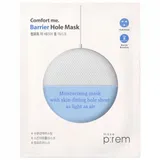 Make P:rem Comfort Me. Barrier Hole Mask | 69% | ≈ $2.80 |
Key Actives
Is proven to be effective in reducing blemishes, evening out skin tone and helping to improve lines and wrinkles. It helps the skin to repair sun damage, calm down inflammation and keep maintain good levels of moisture. The concentration of about 2% is effective for supporting the skin barrier and evening out the skin tone. Concentration of 4-6% is better for helping with acne and balancing the sebum production
A stable derivative of vitamin C. It is oil-soluble which means it is more likely to penetrate the skin compared to the pure form of vitamin C (which is water-soluble), but it is less bio-available and is way less effective in stimulating collagen and reducing wrinkles compared to the pure form of vitamin C (L-ascorbic acid) and its other derivatives (for example, magnesium ascorbyl phosphate). At the same time, this vitamin C derivative has been shown in studies to be effective in reducing acne, blemishes and clogged pores. It is less irritating then the pure form of vitamin C
An emollient that softens the skin and forms a protective layer on its surface. Helps water and oil mix together
Might be helpful in restoring skin barrier function and calm down inflammation in skin
One of the best moisturizing ingredients. Naturally present in skin. It attracts water to the upper layer of the skin working as a humectant
An emollient that helps soften the skin
Works as a UV filter when used in high concentrations. It is photostable and is effective mostly against the UVB light, with some protection in the UVA range. In small concentrations, used for its ability to improve the color of cosmetic products. Is usually well tolerated by the skin
Helps oil and water mix together. Has some emollient properties
A plant extract that can help calm down inflammation in skin. Can, however, itself be irritating
Used to create a thicker product consistency
Potential irritants
A plant extract that can help calm down inflammation in skin. Can, however, itself be irritating
A plant extract that can contain an active compound curcumin, that may have some anti-inflammatory properties when applied to the skin, but solid research is lacking and the typical concentration used in skincare products is too low. Can be an irritant
Used to stabilize product formulation, help create an even product layer over skin (for example, in sunscreen) and create a thicker product consistency
A stable derivative of vitamin C. It is oil-soluble which means it is more likely to penetrate the skin compared to the pure form of vitamin C (which is water-soluble), but it is less bio-available and is way less effective in stimulating collagen and reducing wrinkles compared to the pure form of vitamin C (L-ascorbic acid) and its other derivatives (for example, magnesium ascorbyl phosphate). At the same time, this vitamin C derivative has been shown in studies to be effective in reducing acne, blemishes and clogged pores. It is less irritating then the pure form of vitamin C
Helps oil and water mix together. Has some emollient properties
Typically used to stabilize the product formulations. It is a salt of a polyhydroxy acid (PHA) and in larger concentrations, can help shed the dead cells from the skin surface revealing smoother skin. It can help attract water to the upper layer of the skin. Might to be helpful against acne and clogged pores. Could be helpful in neutralizing free radicals, but solid research is missing. Due to the zinc content, might help calm down inflammation in skin
Used to preserve products, dissolve other ingredients and create a nice product texture
A plant extract that might have some anti-oxidant effect in skin, but evidence is lacking
Typically used to stabilize the product formulations. It is a salt of polyhydroxy acid (PHA) and in larger concentrations, can help shed the dead cells from the skin surface revealing smoother skin. It can help attract water to the upper layer of the skin. Might to be helpful against acne and clogged pores. Could be helpful in neutralizing free radicals, but solid research is missing
Comedogenic ingredients
Helps oil and water mix together. Has some emollient properties
All ingredients
One of the best moisturizing ingredients. Naturally present in skin. It attracts water to the upper layer of the skin working as a humectant
Used to stabilize product formulation, help create an even product layer over skin (for example, in sunscreen) and create a thicker product consistency
Works as a UV filter when used in high concentrations. It is photostable and is effective mostly against the UVB light, with some protection in the UVA range. In small concentrations, used for its ability to improve the color of cosmetic products. Is usually well tolerated by the skin
An emollient that softens the skin and forms a protective layer on its surface. Helps water and oil mix together
A stable derivative of vitamin C. It is oil-soluble which means it is more likely to penetrate the skin compared to the pure form of vitamin C (which is water-soluble), but it is less bio-available and is way less effective in stimulating collagen and reducing wrinkles compared to the pure form of vitamin C (L-ascorbic acid) and its other derivatives (for example, magnesium ascorbyl phosphate). At the same time, this vitamin C derivative has been shown in studies to be effective in reducing acne, blemishes and clogged pores. It is less irritating then the pure form of vitamin C
Helps oil and water mix together. Has some emollient properties
A plant extract that can help calm down inflammation in skin. Can, however, itself be irritating
A preservative. It helps prevent bacterial growth in cosmetic products
Is proven to be effective in reducing blemishes, evening out skin tone and helping to improve lines and wrinkles. It helps the skin to repair sun damage, calm down inflammation and keep maintain good levels of moisture. The concentration of about 2% is effective for supporting the skin barrier and evening out the skin tone. Concentration of 4-6% is better for helping with acne and balancing the sebum production
A plant extract that can contain an active compound curcumin, that may have some anti-inflammatory properties when applied to the skin, but solid research is lacking and the typical concentration used in skincare products is too low. Can be an irritant
Is used to add opaque (non-transparent) appearance to formulations. Can be used to coat other ingredients for even dispersion. This is a different ingredient compared to the ones used in antipersperants (aluminium chloride and aluminium chlorohydrate)
Might be helpful in restoring skin barrier function and calm down inflammation in skin
Typically used to stabilize the product formulations. It is a salt of a polyhydroxy acid (PHA) and in larger concentrations, can help shed the dead cells from the skin surface revealing smoother skin. It can help attract water to the upper layer of the skin. Might to be helpful against acne and clogged pores. Could be helpful in neutralizing free radicals, but solid research is missing. Due to the zinc content, might help calm down inflammation in skin
Used to preserve products, dissolve other ingredients and create a nice product texture
A plant extract that might have some anti-oxidant effect in skin, but evidence is lacking
Typically used to stabilize the product formulations. It is a salt of polyhydroxy acid (PHA) and in larger concentrations, can help shed the dead cells from the skin surface revealing smoother skin. It can help attract water to the upper layer of the skin. Might to be helpful against acne and clogged pores. Could be helpful in neutralizing free radicals, but solid research is missing
Ingredient list view
Water, Montmorillonite, Glycerin, Decyl oleate, Acrylates copolymer, Stearyl alcohol, Bentonite, Titanium dioxide, Glyceryl stearate, Sodium ascorbyl phosphate, Ceteareth-20, Hamamelis virginiana extract, Phenoxyethanol, Polysorbate 60, Niacinamide, Quartz, Curcuma longa root extract, Curcumin, Xanthan gum, Silica, Ethylhexylglycerin, Aluminum hydroxide, Magnesium aspartate, Zinc gluconate, Pentylene glycol, Terminalia ferdinandiana fruit extract, Copper gluconate, Benzoic acid
- Glycerol and the skin: holistic approach to its origin and functions
- Final Report on the Safety Assessment of Acrylates Copolymer and 33 Related Cosmetic Ingredients
- Amended Safety Assessment of Acrylates Copolymers as Used in Cosmetics
- Sodium ascorbyl phosphate shows in vitro and in vivo efficacy in the prevention and treatment of acne vulgaris
- Sodium ascorbyl phosphate in topical microemulsions
- Final report of the safety assessment of L-Ascorbic Acid, Calcium Ascorbate, Magnesium Ascorbate, Magnesium Ascorbyl Phosphate, Sodium Ascorbate, and Sodium Ascorbyl Phosphate as used in cosmetics
- Regulation of collagen synthesis in human dermal fibroblasts by the sodium and magnesium salts of ascorbyl-2-phosphate
- Comparison of clinical efficacies of sodium ascorbyl phosphate, retinol and their combination in acne treatment
- Application of l-ascorbic acid and its derivatives (sodium ascorbyl phosphate and magnesium ascorbyl phosphate) in topical cosmetic formulations: stability studies
- Sodium L-ascorbyl-2-phosphate 5% lotion for the treatment of acne vulgaris: a randomized, double-blind, controlled trial
- Anti-Inflammatory Efficacy of Topical Preparations with 10% Hamamelis Distillate in a UV Erythema Test
- Anti-inflammatory activity of hamamelis distillate applied topically to the skin
- ASSESSMENT REPORT ON HAMAMELIS VIRGINIANA L., CORTEX HAMAMELIS VIRGINIANA L., FOLIUM HAMAMELIS VIRGINIANA L., FOLIUM ET CORTEX AUT RAMUNCULUS DESTILLATUM
- Niacinamide - mechanisms of action and its topical use in dermatology
- Gehring, W. (2004). Nicotinic acid/niacinamide and the skin. Journal of Cosmetic Dermatology, 3(2), 88–93. doi:10.1111/j.1473-2130.2004.00115.x
- Vaughn, A. R., Branum, A., & Sivamani, R. K. (2016). Effects of Turmeric (Curcuma longa) on Skin Health: A Systematic Review of the Clinical Evidence. Phytotherapy Research, 30(8), 1243–1264. doi:10.1002/ptr.5640
- Safety Assessment of Alumina and Aluminum Hydroxide as Used in Cosmetics
- Magnesium ions inhibit the antigen-presenting function of human epidermal Langerhans cells in vivo and in vitro. Involvement of ATPase, HLA-DR, B7 molecules, and cytokines
- Zinc salts in dermatology
- An overview of zinc and its importance in dermatology-Part II: The association of zinc with some dermatologic disorders
- Zinc, copper and manganese enhanced keratinocyte migration through a functional modulation of keratinocyte integrins
- Evaluation of the effects of topical zinc gluconate in wound healing
- A polyhydroxy acid skin care regimen provides antiaging effects comparable to an alpha-hydroxyacid regimen
- Applications of hydroxy acids: classification, mechanisms, and photoactivity
- The chemotherapeutic potential of Terminalia ferdinandiana: Phytochemistry and bioactivity