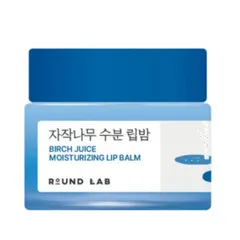
Works for:
based on ingredients and %- Moisturizing
Doesn't work for:
based on ingredients and %- Anti-aging
Can it cause trouble?
- Irritation risk: medium
- Comedogenic risk ingredients: 1
Key actives
Moisturizing
What does the product description say?
Buy Round Lab Birch Juice Moisturizing Lip Balm , Korean Skincare Online
Source: From product name
This product can help improve hydration of the skin with the two types of ingredients.
The first type is called “humectants”:
these ingredients help attract water.
When humectants are on the surface of the skin, they “pull in” the moisture from the outside environment, or from
within deeper layers of the skin. The following ingredients in this product do the job:
arginine, glycerin.
This product also contains ingredients called “occlusives”. They help reduce the speed with which our skin loses moisture to the outside environment. These ingredients also help soften the upper layer of the skin, so it feels less tight and nicer to the touch. The following ingredients in this product do the job: arginine, dimethicone.
Softens the upper layer of skin and helps restore the healthy skin barrier. Has shown to help calm down inflammation in skin. It is a stable oil, meaning that it retains its properties even when exposed to air.
An oil naturally present in skin. Works as an emollient to soften the skin and form a protective layer on its surface without a greasy feeling.
Can help to restore skin barrier function and soften its upper layer
An amino acid that is naturally present in skin and helps keep it hydrated. When used together with AHAs, it can reduce their irritating effect on the skin
One of the best moisturizing ingredients. Attracts water into the upper layer of the skin. A version of it is naturally present in skin
Helps soften the upper layer of the skin
One of the best moisturizing ingredients. Attracts water into the upper layer of the skin
Red algae extract that helps attract water to the upper layer of the skin and might contain antioxidants
A silicone that helps to reduce water loss from the surface of the skin. Can temporarily "fill in" lines and wrinkles, absorb oil, and create a nice product finish
One of the best moisturizing ingredients. Naturally present in skin. It attracts water to the upper layer of the skin working as a humectant
Plant oil from nuts that helps soften the upper layer of the skin. Contains a high concentration of oleic acid that can weaken skin's barrier function and increase water-loss while enhancing penetration of other ingredients
An emollient that helps soften the skin but is not effective for restoring its barrier function. Might be helpful to calm down inflammation
Used to create a nice product texture and help delivery of other ingredients. Might be somewhat helpful in attracting water to the upper layer of the skin
Helps to soften the upper layer of the skin and create a nice product texture
One of the best moisturizing ingredients. Attracts water into the upper layer of the skin. Naturally present in skin. Typically has large molecule size unless advertised otherwise on the product label. Helps support skin's barrier function and may help to reduce inflammation
An emollient that helps soften the upper layer of the skin. Might have some weak anti-oxidant properties
Anti-aging
What does the product description say?
The melting balm texture adheres to lip wrinkles, promoting a smooth and glowy lip appearance.
Source: Lila Beauty
Effective ingredients missing or their concentration is too low.
The most well-researched antioxidant that works in skin. Helps neutralize free radicals supporting collagen production, helping to even out the skin tone and preventing early signs of aging
One of the best moisturizing ingredients. Attracts water into the upper layer of the skin. Naturally present in skin. Typically has large molecule size unless advertised otherwise on the product label. Helps support skin's barrier function and may help to reduce inflammation
How honest is this product?
| Promise | Can it deliver? |
|---|---|
| Moisturizing | |
| Anti-aging |
Total Promises Fulfilled score: 37/100.
We receive a small commission for purchases made through these links at no cost for you. Thank you for your support! Learn more
Affiliate link · supports WIMJ at no cost to you
Potential irritants
Comedogenic ingredients
User reviews (0)
Averages from community submissions.
No reviews yet for this product.
Be the first to share your experience!
Tried this product?
Help capture what the ingredient list can't—texture, finish, pilling, scent, and more. Answer what you can, skip the rest.
Takes ~30 seconds.
Reviews are shown in aggregate. No personal details.
Key Actives
One of the best moisturizing ingredients. Attracts water into the upper layer of the skin. Naturally present in skin. Typically has large molecule size unless advertised otherwise on the product label. Helps support skin's barrier function and may help to reduce inflammation
An emollient that helps soften the upper layer of the skin. Might have some weak anti-oxidant properties
A silicone that helps to reduce water loss from the surface of the skin. Can temporarily "fill in" lines and wrinkles, absorb oil, and create a nice product finish
A plant extract that has anti-bacterial properties. Can be used to preserve the product. Can be irritating
Red algae extract that helps attract water to the upper layer of the skin and might contain antioxidants
An oil naturally present in skin. Works as an emollient to soften the skin and form a protective layer on its surface without a greasy feeling.
Softens the upper layer of skin and helps restore the healthy skin barrier. Has shown to help calm down inflammation in skin. It is a stable oil, meaning that it retains its properties even when exposed to air.
Helps soften the upper layer of the skin
Can help to restore skin barrier function and soften its upper layer
An amino acid that is naturally present in skin and helps keep it hydrated. When used together with AHAs, it can reduce their irritating effect on the skin
One of the best moisturizing ingredients. Naturally present in skin. It attracts water to the upper layer of the skin working as a humectant
One of the best moisturizing ingredients. Attracts water into the upper layer of the skin
One of the best moisturizing ingredients. Attracts water into the upper layer of the skin. A version of it is naturally present in skin
Potential irritants
A plant extract that has anti-bacterial properties. Can be used to preserve the product. Can be irritating
A plant extract that might have some anti-oxidant effect
A plant extract that can contain an active compound curcumin, that may have some anti-inflammatory properties when applied to the skin, but solid research is lacking and the typical concentration used in skincare products is too low. Can be an irritant
A plant extract that is rich in a fragrance compound eugenol that is a frequent allergen and can be irritating. It might also contain anti-oxidants to help neutralize free radicals
The most well-researched antioxidant that works in skin. Helps neutralize free radicals supporting collagen production, helping to even out the skin tone and preventing early signs of aging
A more stable but less bio-available form of vitamin E compared to Tocopherol. Might help moisturize and protect the skin from free radicals, but mostly used in low concentrations to stabilize other ingredients.
Softens the upper layer of skin and helps restore the healthy skin barrier. Has shown to help calm down inflammation in skin. It is a stable oil, meaning that it retains its properties even when exposed to air.
Plant oil from nuts that helps soften the upper layer of the skin. Contains a high concentration of oleic acid that can weaken skin's barrier function and increase water-loss while enhancing penetration of other ingredients
An emollient that helps soften the upper layer of the skin. Might have some weak anti-oxidant properties
An emollient that helps soften the skin but is not effective for restoring its barrier function. Might be helpful to calm down inflammation
A plant extract that might be helpful to neutralize free radicals in skin
A plant extract that might have some anti-oxidant effect helping neutralize free radicals in skin
Eggplant fruit extract. Might have some anti-oxidant effect
Comedogenic ingredients
Red algae extract that helps attract water to the upper layer of the skin and might contain antioxidants
All ingredients
Helps to soften the upper layer of the skin and create a nice product texture
An oil naturally present in skin. Works as an emollient to soften the skin and form a protective layer on its surface without a greasy feeling.
A more stable but less bio-available form of vitamin E compared to Tocopherol. Might help moisturize and protect the skin from free radicals, but mostly used in low concentrations to stabilize other ingredients.
Softens the upper layer of skin and helps restore the healthy skin barrier. Has shown to help calm down inflammation in skin. It is a stable oil, meaning that it retains its properties even when exposed to air.
Plant oil from nuts that helps soften the upper layer of the skin. Contains a high concentration of oleic acid that can weaken skin's barrier function and increase water-loss while enhancing penetration of other ingredients
An emollient that helps soften the upper layer of the skin. Might have some weak anti-oxidant properties
An emollient that helps soften the skin but is not effective for restoring its barrier function. Might be helpful to calm down inflammation
A silicone that helps to reduce water loss from the surface of the skin. Can temporarily "fill in" lines and wrinkles, absorb oil, and create a nice product finish
A plant extract that has anti-bacterial properties. Can be used to preserve the product. Can be irritating
A plant extract that might be helpful to neutralize free radicals in skin
A plant extract that might have some anti-oxidant effect helping neutralize free radicals in skin
A plant extract that might have some anti-oxidant effect
Eggplant fruit extract. Might have some anti-oxidant effect
Can help to restore skin barrier function and soften its upper layer
A plant extract that can contain an active compound curcumin, that may have some anti-inflammatory properties when applied to the skin, but solid research is lacking and the typical concentration used in skincare products is too low. Can be an irritant
Used to create a nice product texture and help delivery of other ingredients. Might be somewhat helpful in attracting water to the upper layer of the skin
Red algae extract that helps attract water to the upper layer of the skin and might contain antioxidants
A plant extract that is rich in a fragrance compound eugenol that is a frequent allergen and can be irritating. It might also contain anti-oxidants to help neutralize free radicals
An amino acid that is naturally present in skin and helps keep it hydrated. When used together with AHAs, it can reduce their irritating effect on the skin
One of the best moisturizing ingredients. Naturally present in skin. It attracts water to the upper layer of the skin working as a humectant
One of the best moisturizing ingredients. Attracts water into the upper layer of the skin
One of the best moisturizing ingredients. Attracts water into the upper layer of the skin. A version of it is naturally present in skin
One of the best moisturizing ingredients. Attracts water into the upper layer of the skin. Naturally present in skin. Typically has large molecule size unless advertised otherwise on the product label. Helps support skin's barrier function and may help to reduce inflammation
The most well-researched antioxidant that works in skin. Helps neutralize free radicals supporting collagen production, helping to even out the skin tone and preventing early signs of aging
Ingredient list view
Polyglyceryl-2 isostearate/dimer dilinoleate copolymer, Polyglyceryl-2 triisostearate, Squalane, Triisostearin, Ceresin, Microcrystalline wax, Tocopheryl acetate, Simmondsia chinensis seed oil, Macadamia ternifolia seed oil, Prunus amygdalus dulcis seed, Argania spinosa kernel oil, Olea europaea fruit oil, Dehydroacetic acid, Dimethicone, Melia azadirachta leaf extract, Melia azadirachta flower extract, Coccinia indica fruit extract, Aloe barbadensis flower extract, Solanum melongena fruit extract, Water, Betula platyphylla japonica juice, Glyceryl glucoside, Curcuma longa root extract, Butylene glycol, Corallina officinalis extract, Ocimum sanctum leaf extract, Arginine, Caprylic acid, Glycerin, 1,2-hexanediol, Sodium hyaluronate, Betulin, Hydrolyzed hyaluronic acid, Hyaluronic acid, Ascorbic acid
- Safety Assessment of Polyglyceryl Fatty Acid Esters as Used in Cosmetics
- Fatty acids profile of oil from nine varieties of Macadamia nut
- Natural vegetable fats in the prevention of irritant contact dermatitis
- Use of “natural” oils for moisturization: Review of olive, coconut, and sunflower seed oil
- 4 Final Report on the Safety Assessment of Sodium Dehydroacetate and Dehydroacetic Acid
- Dimethicone as a protective ingredient in topical medications
- Final Report on the Safety Assessment of Dimethicone Copolyol
- Melia azedarach
- Preliminary and Pharmacological Profile of Melia azedarach L.: An Overview
- In Vitro antioxidative and anti-inflammatory activities of the ethanol extract of eggplant (Solanum melongena) stalks in macrophage RAW 264.7 cells
- Effects of glyceryl glucoside on AQP3 expression, barrier function and hydration of human skin
- Treatment of Xerosis with a Topical Formulation Containing Glyceryl Glucoside, Natural Moisturizing Factors, and Ceramide
- Vaughn, A. R., Branum, A., & Sivamani, R. K. (2016). Effects of Turmeric (Curcuma longa) on Skin Health: A Systematic Review of the Clinical Evidence. Phytotherapy Research, 30(8), 1243–1264. doi:10.1002/ptr.5640
- Glycerol and the skin: holistic approach to its origin and functions
- The influence of alkane chain length on the skin irritation potential of 1,2-alkanediols
- Hyaluronic acid: A key molecule in skin aging
- Hyaluronan (Hyaluronic Acid): a natural moisturizer for skin care
- Efficacy of a New Topical Nano-hyaluronic Acid in Humans
- Physiochemical properties and application of hyaluronic acid: a systematic review