Works for:
based on ingredients and %- Anti-aging
- Sun protection
- Evens skin tone
- Moisturizing
Can it cause trouble?
- Irritation risk: medium
- Comedogenic risk ingredients: 0
Key actives


Product Summary
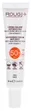
We believe that "Rougj - Sunscreen Cream Anti-Spot SPF50+" can provide reliable sun protection based on the ingredients listed. We love that it can protect from both UVA and UVB rays (not all sunscreens with SPF ratings give UVA protection. UVA rays do not cause sunburn, but still damage our skin and lead to early aging).
This product should also be hydrating enough to use without an additional moisturizer during the day. Like all broad-spectrum sunscreens, this product has an anti-aging benefit.
Sunscreen filters
This sunscreen uses so-called "chemical", or organic UV filters (organic simply means that their molecules contain atoms of carbon). These filters typically give good sun protection and rarely leave a white cast, but they can be irritating for sensitive skin. Here are the exact UV filters in this sunscreen: tinosorb s 2.20% - 2.70%, uvinul a plus 3.70% - 4.50%, uvasorb heb 1.70% - 2.10%, octisalate 3.30% - 4.00%, uvinul t 1.50% - 1.80%, ensulizole 2.60% - 3.20% and tinosrob a2b 0.90% - 1.10%.
Irritation risk
This product contains some common irritants, including those without a benefit for the skin. We assess the overall irritancy of it to be medium. For a detailed overview of all potential irritants: click here
You can see the detailed formula review with the breakdown of all actives in the product and the full ingredient list with estimated concentrations in the tables below.
Price
The product retails for 10.82£ in the United Kingdom.
For a detailed price comparison: click here.
Anti-aging
What does the product description say?
Sunscreen Cream Anti-Spot SPF50+
Source: From product name
This product can help prevent early signs of skin aging because it offers a good level of broad spectrum sun protection. Sun damage is the main cause of premature skin aging, and protecting your skin from the sun is the best anti-aging strategy.
Is proven to be effective in reducing blemishes, evening out skin tone and helping to improve lines and wrinkles. It helps the skin to repair sun damage, calm down inflammation and keep maintain good levels of moisture. The concentration of about 2% is effective for supporting the skin barrier and evening out the skin tone. Concentration of 4-6% is better for helping with acne and balancing the sebum production
A vitamin C derivative that is more stable but less potent than pure form of vitamin C. Can help neutralize free radicals and help reduce hyperpigmentation, but the required concentration is likely to be much higher than for the pure form of vitamin C, limiting the ingredient's effectiveness in products
Pure form of vitamin E. Can help moisturise and protect the skin from free radicals. Often used to help stabilise other ingredients or the formula itself
Being a lipid soluble form of vitamin C, it is more stable and can penetrate the skin better than L-Ascorbic acid. It is effective in protecting the skin from free radicals, as well as evening the skin tone, but is less effective in stimulating collagen production compared to L-Ascorbic acid.
Evens skin tone
This product offers broad spectrum sun protection. It means that it can prevent hyperpigmentation and help keep the skin tone even (sun damage is the main factor causing age spots, darkening of post-acne marks and other discolorations).
Is proven to be effective in reducing blemishes, evening out skin tone and helping to improve lines and wrinkles. It helps the skin to repair sun damage, calm down inflammation and keep maintain good levels of moisture. The concentration of about 2% is effective for supporting the skin barrier and evening out the skin tone. Concentration of 4-6% is better for helping with acne and balancing the sebum production
A vitamin C derivative that is more stable but less potent than pure form of vitamin C. Can help neutralize free radicals and help reduce hyperpigmentation, but the required concentration is likely to be much higher than for the pure form of vitamin C, limiting the ingredient's effectiveness in products
Sun protection
This product offers a good level of protection against both UVB and UVA rays.
This sunscreen uses organic (so-called "chemical") sunscreen filters. Organic, or "chemical" filters usually provide reliable sun protection and rarely leave a white cast. Sunscreens with organic filters can sting eyes.
This product can be considered "reef safe" because it does not contain the UV filters (oxybenzone and octinoxate) that can be harmful to coral reefs when present in the water in high concentrations.
Uvasorb HEB. A UV filter. Is effective against UVB and UVA II rays (but not UVA I). It is photostable. Unfortunately, is not approved by FDA (US) yet
Tinosorb A2B. A UV filter. It is effective against both UVA and UVB rays. It is photostable. Soluble in water, which helps to create lighter sunscreen formulations. Unfortunately, not approved by the FDA in the US yet
Uvinul A Plus. A new generation broad spectrum sunscreen that offers an effective protection especially in the UVA range. It is stable in formulations. Unfortunately, is not approved by the FDA (US) yet
Tinosorb S. One of the most effective broad spectrum sunscreen ingredients. Protects from both UVA and UVB rays. It is photostable. Unfortunately, not approved by FDA (US) yet.
Uvinul T. A UV filter. Effective against UVB rays. It is photostable. Can increase water resistance properties of the sunscreen. Unfortunately, not approved by the FDA (US) yet
Ensulizole. A UV filter that is effective against UVB rays. Does not protect against UVA light. It is photostable and can be used to help stabilize other sunscreen ingredients. It is water-soluble meaning that it can help create lighter sunscreen formulations
Octisalate. A UV filter. It offers some protection against the sun rays that cause sunburn (UVB), but does not protect against the most aging sun rays (UVA). It loses its effectiveness quickly when exposed to sunlight. It is an organic, or so called "chemical" sunscreen
Moisturizing
This product can help improve hydration of the skin with the two types of ingredients.
The first type is called “humectants”:
these ingredients help attract water.
When humectants are on the surface of the skin, they “pull in” the moisture from the outside environment, or from
within deeper layers of the skin. The following ingredients in this product do the job:
arginine, citrulline.
This product also contains ingredients called “occlusives”. They help reduce the speed with which our skin loses moisture to the outside environment. These ingredients also help soften the upper layer of the skin, so it feels less tight and nicer to the touch. The following ingredients in this product do the job: arginine, c12-15 alkyl benzoate.
One of the best moisturizing ingredients. Naturally present in skin. It attracts water to the upper layer of the skin working as a humectant
An amino acid that is naturally present in skin and helps keep it hydrated. When used together with AHAs, it can reduce their irritating effect on the skin
An amino-acid that helps attract water to the upper layer of the skin
Helps soften the upper layer of the skin
Enhances the product texture and makes it more spreadable. Helps reduce water loss from the outer layer of skin. Extands the shelf life by preventing bacteria growth
Helps attract water to the upper layer of the skin. Could be helpful in restoring the skin barrier function
Helps preserve products and creates a nice product texture
Used to create a nice product texture and help delivery of other ingredients. Might be somewhat helpful in attracting water to the upper layer of the skin
Helps soften the upper layer of the skin and create a nice product consistency
Is proven to be effective in reducing blemishes, evening out skin tone and helping to improve lines and wrinkles. It helps the skin to repair sun damage, calm down inflammation and keep maintain good levels of moisture. The concentration of about 2% is effective for supporting the skin barrier and evening out the skin tone. Concentration of 4-6% is better for helping with acne and balancing the sebum production
An emollient that softens skin and creates a nice product texture
Pure form of vitamin E. Can help moisturise and protect the skin from free radicals. Often used to help stabilise other ingredients or the formula itself
Used mostly for creating emulsions - helping oil and water mix together. Helps soften the upper layer of the skin
How honest is this product?
| Promise | Can it deliver? |
|---|---|
| Sun protection | |
| Anti-aging |
Total Promises Fulfilled score: 90/100.
We receive a small commission for purchases made through these links at no cost for you. Thank you for your support! Learn more
Affiliate link · supports WIMJ at no cost to you
Potential irritants
Comedogenic ingredients
No comedogenic ingredients detected
User reviews (0)
Averages from community submissions.
No reviews yet for this product.
Be the first to share your experience!
Tried this product?
Help capture what the ingredient list can't—texture, finish, pilling, scent, and more. Answer what you can, skip the rest.
Takes ~30 seconds.
Reviews are shown in aggregate. No personal details.
| Product | Similarity | Price | Irritancy |
|---|---|---|---|
 Rougj Sunscreen Cream Anti-Spot SPF50+ | Current | ≈ $14.32 | |
 Thank You Farmer Sun Project Skin Relief Sun Cream Fragrance-Free SPF50+ PA++++ | 80% | ≈ $26.47 | |
 Balea Niacinamide Tagescreme LSF30 | 80% | - | |
 CeraVe Crème Hydratante Visage SPF30 | 76% | - | |
 SVR Clairial Anti-Spot Cream SPF50+ | 75% | ≈ $34.54 | |
 Holika Holika Aloe Soothing Essence Waterproof Sun Cream SPF50+ | 75% | - |
Key Actives
Is proven to be effective in reducing blemishes, evening out skin tone and helping to improve lines and wrinkles. It helps the skin to repair sun damage, calm down inflammation and keep maintain good levels of moisture. The concentration of about 2% is effective for supporting the skin barrier and evening out the skin tone. Concentration of 4-6% is better for helping with acne and balancing the sebum production
Pure form of vitamin E. Can help moisturise and protect the skin from free radicals. Often used to help stabilise other ingredients or the formula itself
A vitamin C derivative that is more stable but less potent than pure form of vitamin C. Can help neutralize free radicals and help reduce hyperpigmentation, but the required concentration is likely to be much higher than for the pure form of vitamin C, limiting the ingredient's effectiveness in products
Uvinul A Plus. A new generation broad spectrum sunscreen that offers an effective protection especially in the UVA range. It is stable in formulations. Unfortunately, is not approved by the FDA (US) yet
Ensulizole. A UV filter that is effective against UVB rays. Does not protect against UVA light. It is photostable and can be used to help stabilize other sunscreen ingredients. It is water-soluble meaning that it can help create lighter sunscreen formulations
Tinosorb S. One of the most effective broad spectrum sunscreen ingredients. Protects from both UVA and UVB rays. It is photostable. Unfortunately, not approved by FDA (US) yet.
An amino acid that is naturally present in skin and helps keep it hydrated. When used together with AHAs, it can reduce their irritating effect on the skin
Uvasorb HEB. A UV filter. Is effective against UVB and UVA II rays (but not UVA I). It is photostable. Unfortunately, is not approved by FDA (US) yet
Uvinul T. A UV filter. Effective against UVB rays. It is photostable. Can increase water resistance properties of the sunscreen. Unfortunately, not approved by the FDA (US) yet
Tinosorb A2B. A UV filter. It is effective against both UVA and UVB rays. It is photostable. Soluble in water, which helps to create lighter sunscreen formulations. Unfortunately, not approved by the FDA in the US yet
Helps soften the upper layer of the skin
An amino-acid that helps attract water to the upper layer of the skin
One of the best moisturizing ingredients. Naturally present in skin. It attracts water to the upper layer of the skin working as a humectant
Potential irritants
A vitamin C derivative that is more stable but less potent than pure form of vitamin C. Can help neutralize free radicals and help reduce hyperpigmentation, but the required concentration is likely to be much higher than for the pure form of vitamin C, limiting the ingredient's effectiveness in products
An aromatic blend of unspecified and possibly irritating ingredients
Uvinul A Plus. A new generation broad spectrum sunscreen that offers an effective protection especially in the UVA range. It is stable in formulations. Unfortunately, is not approved by the FDA (US) yet
Ensulizole. A UV filter that is effective against UVB rays. Does not protect against UVA light. It is photostable and can be used to help stabilize other sunscreen ingredients. It is water-soluble meaning that it can help create lighter sunscreen formulations
Tinosorb S. One of the most effective broad spectrum sunscreen ingredients. Protects from both UVA and UVB rays. It is photostable. Unfortunately, not approved by FDA (US) yet.
Uvasorb HEB. A UV filter. Is effective against UVB and UVA II rays (but not UVA I). It is photostable. Unfortunately, is not approved by FDA (US) yet
Uvinul T. A UV filter. Effective against UVB rays. It is photostable. Can increase water resistance properties of the sunscreen. Unfortunately, not approved by the FDA (US) yet
Tinosorb A2B. A UV filter. It is effective against both UVA and UVB rays. It is photostable. Soluble in water, which helps to create lighter sunscreen formulations. Unfortunately, not approved by the FDA in the US yet
A plant extract that can contain an antioxidant compound
Being a lipid soluble form of vitamin C, it is more stable and can penetrate the skin better than L-Ascorbic acid. It is effective in protecting the skin from free radicals, as well as evening the skin tone, but is less effective in stimulating collagen production compared to L-Ascorbic acid.
An emollient that softens skin and creates a nice product texture
Helps preserve products and creates a nice product texture
Can work as an exfoliant but is typically used to adjust the product pH
Comedogenic ingredients
We couldn't find any comedogenic ingredients in this product
All ingredients
Helps soften the upper layer of the skin and create a nice product consistency
Enhances the product texture and makes it more spreadable. Helps reduce water loss from the outer layer of skin. Extands the shelf life by preventing bacteria growth
Uvinul A Plus. A new generation broad spectrum sunscreen that offers an effective protection especially in the UVA range. It is stable in formulations. Unfortunately, is not approved by the FDA (US) yet
Octisalate. A UV filter. It offers some protection against the sun rays that cause sunburn (UVB), but does not protect against the most aging sun rays (UVA). It loses its effectiveness quickly when exposed to sunlight. It is an organic, or so called "chemical" sunscreen
Ensulizole. A UV filter that is effective against UVB rays. Does not protect against UVA light. It is photostable and can be used to help stabilize other sunscreen ingredients. It is water-soluble meaning that it can help create lighter sunscreen formulations
Tinosorb S. One of the most effective broad spectrum sunscreen ingredients. Protects from both UVA and UVB rays. It is photostable. Unfortunately, not approved by FDA (US) yet.
An amino acid that is naturally present in skin and helps keep it hydrated. When used together with AHAs, it can reduce their irritating effect on the skin
Uvasorb HEB. A UV filter. Is effective against UVB and UVA II rays (but not UVA I). It is photostable. Unfortunately, is not approved by FDA (US) yet
Uvinul T. A UV filter. Effective against UVB rays. It is photostable. Can increase water resistance properties of the sunscreen. Unfortunately, not approved by the FDA (US) yet
Tinosorb A2B. A UV filter. It is effective against both UVA and UVB rays. It is photostable. Soluble in water, which helps to create lighter sunscreen formulations. Unfortunately, not approved by the FDA in the US yet
A plant extract that can contain an antioxidant compound
Being a lipid soluble form of vitamin C, it is more stable and can penetrate the skin better than L-Ascorbic acid. It is effective in protecting the skin from free radicals, as well as evening the skin tone, but is less effective in stimulating collagen production compared to L-Ascorbic acid.
An amino-acid that helps attract water to the upper layer of the skin
Helps attract water to the upper layer of the skin. Could be helpful in restoring the skin barrier function
Pure form of vitamin E. Can help moisturise and protect the skin from free radicals. Often used to help stabilise other ingredients or the formula itself
Is proven to be effective in reducing blemishes, evening out skin tone and helping to improve lines and wrinkles. It helps the skin to repair sun damage, calm down inflammation and keep maintain good levels of moisture. The concentration of about 2% is effective for supporting the skin barrier and evening out the skin tone. Concentration of 4-6% is better for helping with acne and balancing the sebum production
A vitamin C derivative that is more stable but less potent than pure form of vitamin C. Can help neutralize free radicals and help reduce hyperpigmentation, but the required concentration is likely to be much higher than for the pure form of vitamin C, limiting the ingredient's effectiveness in products
An emollient that softens skin and creates a nice product texture
An aromatic blend of unspecified and possibly irritating ingredients
A preservative. It helps prevent bacterial growth in cosmetic products
One of the best moisturizing ingredients. Naturally present in skin. It attracts water to the upper layer of the skin working as a humectant
Helps preserve products and creates a nice product texture
Used mostly for creating emulsions - helping oil and water mix together. Helps soften the upper layer of the skin
Helps adjust the product pH and stabilize the formulation
Used to create a nice product texture and help delivery of other ingredients. Might be somewhat helpful in attracting water to the upper layer of the skin
Used to stabilize mixtures of oil and water, and create thicker, gel-like product textures
Can work as an exfoliant but is typically used to adjust the product pH
Ingredient list view
Water, Dibutyl adipate, C12-15 alkyl benzoate, Diethylamino hydroxybenzoyl hexyl benzoate, Ethylhexyl salicylate, Phenylbenzimidazole sulfonic acid, Bis-ethylhexyloxyphenol methoxyphenyl triazine, Arginine, Diethylhexyl butamido triazone, Ethylhexyl triazone, Tris-biphenyl triazine, Polyester-5, Aleurites moluccanus seed oil, Citrullus lanatus fruit extract, Ascorbyl palmitate, Citrulline, Hydrolyzed pea protein, Glucose, Tocopherol, Niacinamide, 3-o-ethyl ascorbic acid, Coco-caprylate, Polyacrylate crosspolymer-6, 1,2-hexanediol, Parfum, Phenoxyethanol, Glycerin, Acrylates/palmeth-25 acrylate copolymer, Potassium cetyl phosphate, Caprylyl glycol, Hydroxyacetophenone, Xanthan gum, Chlorphenesin, Decyl glucoside, Sodium stearoyl glutamate, Caprylhydroxamic acid, Ethylhexylglycerin, Polyglyceryl-3 cocoate, Lecithin, Tetrasodium glutamate diacetate, Disodium phosphate, Butylene glycol, Potassium sorbate, Sodium benzoate, Sodium chloride, Sodium succinate, Citric acid
- Tris-biphenyl Triazine, a New Ultraviolet Filter Studied in Terms of Photoprotective Efficacy
- Analyzing Lycopene Content in Fruits
- Dermatologic compositions comprising pyrrolidone-5-carboxylic acid and at least one entity chosen from citrulline, arginine and asparagine, and uses thereof in the treatment of atopic dermatitis
- Topical Glucose Induces Claudin-1 and Filaggrin Expression in a Mouse Model of Atopic Dermatitis and in Keratinocyte Culture, Exerting Anti-inflammatory Effects by Repairing Skin Barrier Function
- Vitamin E in dermatology
- Vitamin E and Skin Health
- Niacinamide - mechanisms of action and its topical use in dermatology
- Gehring, W. (2004). Nicotinic acid/niacinamide and the skin. Journal of Cosmetic Dermatology, 3(2), 88–93. doi:10.1111/j.1473-2130.2004.00115.x
- Antioxidant Ability and Stability Studies of 3-O-Ethyl Ascorbic Acid, a Cosmetic Tyrosinase Inhibitor
- The influence of alkane chain length on the skin irritation potential of 1,2-alkanediols
- Glycerol and the skin: holistic approach to its origin and functions
- Ecofriendly surfactant is allergen of the year