Works for
2 of 3 advertised claims delivered
Moisturizing20 ingredients credited for this claimStrong support
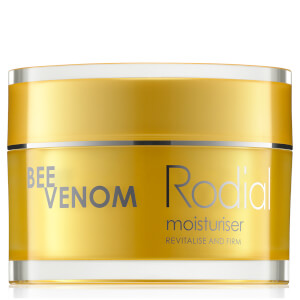
“Bee Venom Moisturiser”
This product can help improve hydration of the skin with the two types of ingredients.
The first type is called “humectants”:
these ingredients help attract water.
When humectants are on the surface of the skin, they “pull in” the moisture from the outside environment, or from
within deeper layers of the skin. The following ingredients in this product do the job:
glycerin, sodium hyaluronate.
This product also contains ingredients called “occlusives”. They help reduce the speed with which our skin loses moisture to the outside environment. These ingredients also help soften the upper layer of the skin, so it feels less tight and nicer to the touch. The following ingredients in this product do the job: butyrospermum parkii butter, caprylic/capric triglyceride.
The following ingredients in this product are especially good for supporting the skin barrier and helping with the hydration level: cyclotetrapeptide-24 aminocyclohexane carboxylate
Anti-aging5 ingredients credited for this claimModerate support
“Reduces the appearance of fine lines and wrinkles.”
This product contains cyclotetrapeptide-24 aminocyclohexane carboxylate. This ingredient might be able to help reduce and prevent fine lines and wrinkles, improve skin elasticity and firmness, but there is not enough evidence that it actually works.
Evens skin tone1 ingredient credited for this claimWeak support
“Bee Venom works in synergy with a unique complex of plant stem cells to help visibly improve skin tone and elasticity.”
Effective ingredients missing or their concentration is too low
Can it cause trouble?
Irritancy6 strong irritants: Alcohol, Parfum + 4 more — patch-test recommendedHigh risk
Comedogenic2 ingredients rated 2 or more on the 0–5 pore-clogging scale2 flagged
User reviews
Be the first — your take helps the next person decide.
Ingredients
Filter by role to see what each ingredient is doing.
Water~45–55%
Cyclopentasiloxane~5.9–7.2%
- Irritation risk
- Low
A silicone that helps improve the product texture and spreadability. Can absorb oil creating a short-term mattifying effect on the skin
More about CyclopentasiloxaneButyrospermum parkii butter~4.6–5.6%
- Irritation risk
- Low
- Comedogenicity
- 3/5
A great moisturising ingredient that softens the skin and reduces water loss from its upper layer. It also can be helpful in protecting skin from free radicals
More about Butyrospermum parkii butterGlycerin~3.2–3.9%
- Irritation risk
- Low
One of the best moisturizing ingredients. Naturally present in skin. It attracts water to the upper layer of the skin working as a humectant
More about GlycerinOryza sativa germ oil~2.5–3%
Dimethicone~2.1–2.6%
- Irritation risk
- Low
A silicone that helps to reduce water loss from the surface of the skin. Can temporarily "fill in" lines and wrinkles, absorb oil, and create a nice product finish
More about DimethiconeEthylhexyl dodecanol~2–2.4%
- Irritation risk
- Low
Squalane~1.6–1.9%
- Irritation risk
- Low
An oil naturally present in skin. Works as an emollient to soften the skin and form a protective layer on its surface without a greasy feeling.
More about SqualaneCaprylic/capric triglyceride~1.3–1.6%
- Irritation risk
- Medium
A good mix of fatty acids that forms a protective layer on the skin. Improves the shelf life of products. Derived from coconut and glycerin
More about Caprylic/capric triglycerideCetyl alcohol~1.1–1.3%
- Irritation risk
- Low
A non-drying alcohol that works to soften the skin and stabilize product formulations helping oil and water mix together
More about Cetyl alcoholCyclohexasiloxane~0.75–1.1%
- Irritation risk
- Low
A silicone that serves as an emollient. Helps create a nice non-greasy feels
More about CyclohexasiloxanePolysilicone-11~0.65–0.95%
- Irritation risk
- Low
A silicone that forms a light film on the skin surface helping to bind water and temporarily absorb oils creating a matt and powdery feel
More about Polysilicone-11Cetearyl alcohol~0.65–0.95%
- Irritation risk
- Low
- Comedogenicity
- 2/5
A non-drying alcohol. Works as an emollient. Helps water and oil mix together and creates a nice product texture
More about Cetearyl alcoholGlyceryl dibehenate~0.5–0.8%
- Irritation risk
- Low
Phenoxyethanol~0.45–0.7%
- Irritation risk
- Low
A preservative. It helps prevent bacterial growth in cosmetic products
More about PhenoxyethanolPeg-75 stearate~0.45–0.7%
Tribehenin~0.45–0.7%
- Irritation risk
- Low
Used to create a thicker product consistency and soften the upper layer of the skin
More about TribeheninAlcohol~0.4–0.6%
- Irritation risk
- High
Can be drying and contribute to skin irritation. Used in formulars to dissolve other ingredients, create a thinner product consistency or for its antibacterial properties
More about AlcoholAscorbyl tetraisopalmitate~0.35–0.65%
- Irritation risk
- Medium
A vitamin C derivative. Studies show that is might be effective in reducing hyperpigmentation, but there are no studies confirming that it is effectively converted into the bioavailable form of Vitamin C in skin. It is not clear how this derivative compares in effectiveness to the topical application of bioavailable form of vitamin C (L-ascorbic acid)
More about Ascorbyl tetraisopalmitateCeteth-20~0.5–0.7%
Steareth-20~0.4–0.65%
Glyceryl behenate~0.35–0.6%
- Irritation risk
- Medium
Used to create a thicker product consistency and help soften the upper layer of the skin
More about Glyceryl behenateEctoin~0.25–0.45%
- Irritation risk
- Low
Softens the upper layer of the skin and can support skin barrier function
More about EctoinLecithin~0.3–0.55%
- Irritation risk
- Low
Used mostly for creating emulsions - helping oil and water mix together. Helps soften the upper layer of the skin
More about LecithinPolyacrylamide~0.3–0.55%
- Irritation risk
- Medium
Used to improve product texture and help oil and water mix together
More about PolyacrylamideXanthan gum~0.25–0.5%
- Irritation risk
- Low
Used to create a thicker product consistency
More about Xanthan gumParfum~0.25–0.45%
- Irritation risk
- High
An aromatic blend of unspecified and possibly irritating ingredients
More about ParfumEthylhexylglycerin~0.25–0.5%
Sodium hyaluronate~0.25–0.5%
- Irritation risk
- Low
One of the best moisturizing ingredients. Attracts water into the upper layer of the skin
More about Sodium hyaluronateTocopherol~0.25–0.5%
- Irritation risk
- Low
Pure form of vitamin E. Can help moisturise and protect the skin from free radicals. Often used to help stabilise other ingredients or the formula itself
More about TocopherolC13-14 isoparaffin~0.3–0.55%
- Irritation risk
- Low
Helps soften the upper layer of the skin, dissolve other ingredients and create a thicker product consistency
More about C13-14 isoparaffinDisodium edta~0.25–0.5%
Geranylgeranylisopropanol~0.25–0.45%
- Irritation risk
- Low
Helianthus annuus seed oil~0.3–0.55%
- Irritation risk
- Low
A great emollient due to its high linoleic acid content. One of the most effective plant oils in helping skin hydration and repairing skin barrier function
More about Helianthus annuus seed oilLaureth-7~0.25–0.5%
Triethanolamine~0.3–0.5%
- Irritation risk
- Medium
Used to adjust pH of the product and can help improve the product's smell
More about TriethanolamineCitric acid~0.25–0.45%
- Irritation risk
- Medium
Can work as an exfoliant but is typically used to adjust the product pH
More about Citric acidAlpha-isomethyl ionone~0.2–0.4%
- Irritation risk
- High
A fragrance. Potential allergen and can be irritating
More about Alpha-isomethyl iononeHydroxycitronellal~0.2–0.4%
- Irritation risk
- High
A fragrance. A likely allergen and can be irritating
More about HydroxycitronellalLimonene~0.2–0.4%
- Irritation risk
- High
A common frangrance that can easily irritate skin, especially if exposed to air, light or heat
More about LimoneneCitronellol~0.2–0.35%
Sodium benzoate~0.2–0.4%
Potassium sorbate~0.2–0.35%
Beta-carotene~0.2–0.35%
Daucus carota sativa root extract~0.15–0.3%
- Irritation risk
- Low
Carrot extract. Might have anti-oxidant properties and be used to add orange color
More about Daucus carota sativa root extractDaucus carota sativa seed oil~0.2–0.4%
- Irritation risk
- Low
A plant oil that might help neutralize free radicals and have an anti-bacterial effect
More about Daucus carota sativa seed oilCyclotetrapeptide-24 aminocyclohexane carboxylate~0.15–0.3%
- Irritation risk
- Low
A type of peptide. Peptides are excellent moisturizers and might be able support collagen production reducing fine lines and wrinkles
More about Cyclotetrapeptide-24 aminocyclohexane carboxylateAscorbyl palmitate~0.1–0.15%
- Irritation risk
- Medium
Being a lipid soluble form of vitamin C, it is more stable and can penetrate the skin better than L-Ascorbic acid. It is effective in protecting the skin from free radicals, as well as evening the skin tone, but is less effective in stimulating collagen production compared to L-Ascorbic acid.
More about Ascorbyl palmitateBee venom~0.1–0.2%
- Irritation risk
- Low
Ingredient list view
Water, Cyclopentasiloxane, Butyrospermum parkii butter, Glycerin, Oryza sativa germ oil, Dimethicone, Ethylhexyl dodecanol, Squalane, Caprylic/capric triglyceride, Cetyl alcohol, Cyclohexasiloxane, Polysilicone-11, Cetearyl alcohol, Glyceryl dibehenate, Phenoxyethanol, Peg-75 stearate, Tribehenin, Alcohol, Ascorbyl tetraisopalmitate, Ceteth-20, Steareth-20, Glyceryl behenate, Ectoin, Lecithin, Polyacrylamide, Xanthan gum, Unknown, Parfum, Ethylhexylglycerin, Sodium hyaluronate, Tocopherol, C13-14 isoparaffin, Disodium edta, Geranylgeranylisopropanol, Helianthus annuus seed oil, Laureth-7, Triethanolamine, Citric acid, Alpha-isomethyl ionone, Hydroxycitronellal, Limonene, Citronellol, Sodium benzoate, Potassium sorbate, Beta-carotene, Daucus carota sativa root extract, Daucus carota sativa seed oil, Cyclotetrapeptide-24 aminocyclohexane carboxylate, Ascorbyl palmitate, Bee venom
Compare prices
Retailers ranked by price — lowest first.


Worth comparing, line by line.
Match % combines shared ingredients, the first five ingredients, shared actives and hero ingredients, irritancy (lower counts in the alternative's favour), texture and body area. Only products in the same routine step are compared.
| RodialBee Venom MoisturiserYOUR PRODUCT | DermaquestNourishing Peptide Cream | |
|---|---|---|
| Match | — | 52% |
| Price | $45.11 | $64.99+$19.88 |
| Shared key ingredients | — | 6 of 12 |
| Key difference | — | Retinyl Palmitate |
| Irritancy | High | Medium |
| Drying alcohol | Contains drying alcohol | Contains drying alcohol |
| View product | Shop |


Product summary
"Rodial - Bee Venom Moisturiser" is a well-rounded moisturizing product. As we expect from a proper moisturizer, the formula includes a combo of effective humectants and emollients. These are the two different types of ingredients that are essential for improving the skin hydration and supporting a healthy skin barrier. Humectants in this product (glycerin and sodium hyaluronate) help to increase the water content in the upper layer of the skin. (These ingredients do so by "capturing" water molecules from the outside air or from within the deeper layers of the skin). Emollients in this formulation (butyrospermum parkii butter, caprylic/capric triglyceride, dimethicone, helianthus annuus seed oil and squalane) help to reduce the moisture loss from the skin. They also soften the skin surface and relieve the feeling of dryness and tightness.
Ingredient callouts
- This moistruizer also contains peptides (cyclotetrapeptide-24 aminocyclohexane carboxylate 0.15% - 0.30%). Peptides is a very big group of ingredients. They all consist of a different combination of amino-acids. Our skin produces peptides naturally. Some of them work as natural anti-biotics, promote wound-healing and production of collagen. The scientists are still studying how effective the topical application of peptides is, but it is very likely that peptides in skincare are helpful. They might be able to support skin barrier restoration and even have an anti-aging benefit. At the very least, they certainly help attract water to the skin and support the hydration in this way.
Irritation risk
There are quite a few common irritants in this product, including ingredients without particular skin benefits. We would not recommend it for sensitive skin. We assess the overall irritancy of this moisturizer to be high. For a detailed overview of all potential irritants: click here
You can see the detailed formula review with the breakdown of all actives in the product and the full ingredient list with estimated concentrations in the tables below.
About the brand
According to Cruelty-Free Kitty "Rodial" is cruelty free and so is its parent company.
Price
The product retails from 50.00$ up to 214.50$ in the United States, from 92.00A$ up to 389.11A$ in Australia, from 29.67£ up to 253.00£ in the United Kingdom and for 215.30CA$ in Canada.
For a detailed price comparison: click here.
Sources cited in this review
Every concentration estimate and effectiveness label is anchored to one of these 17 studies and safety reviews.
- 1
- 2
- 3Final Report on the Safety Assessment of Dimethicone Copolyoljournals.sagepub.com
- 4
- 5
- 6

Affiliate links · As an Amazon Associate, WIMJ earns from qualifying purchases.