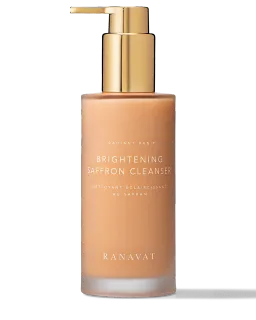
Works for
CleansingDecyl glucoside, Cocamidopropyl hydroxysultaine + 14 moreCleanses gently
“An antioxidant-rich cleanser that gently lifts makeup, impurities, and excess oil, leaving skin brighter and hydrated and never stripped.”
This product works by removing dirt and oil from the surface of the skin. It uses a combination of mild cleansing agents (caprylyl/capryl glucoside, cetearyl alcohol, cetearyl olivate, cocamidopropyl betaine, cocamidopropyl hydroxysultaine, coco-glucoside, decyl glucoside, glyceryl stearate se, glycol distearate, lauryl glucoside, sodium cocoamphoacetate, sodium lauroyl methyl isethionate, sodium methyl oleoyl taurate, sorbitan olivate, xanthan gum) and should be able to cleanse the skin gently. Still keep in mind that any cleansing can disrupt the skin barrier, and most people do not need to cleanse their skin more than once per day.
Even though this formulation is mild, the following cleansing agents could trigger an irritation or allergy for some people: cocamidopropyl betaine, coco-glucoside, decyl glucoside
Can it cause trouble?
Irritancy6 strong irritants: Rosa damascena flower oil, Benzyl benzoate + 4 more — patch-test recommendedHigh risk
Comedogenic2 ingredients rated 2 or more on the 0–5 pore-clogging scale2 flagged
User reviews
Be the first — your take helps the next person decide.
Ingredients
Filter by role to see what each ingredient is doing.
Water~45–55%
Decyl glucoside~7.3–8.9%
- Irritation risk
- High
Helps oil and water mix together. Can be irritating
More about Decyl glucosideCocamidopropyl hydroxysultaine~5.5–6.8%
- Irritation risk
- Medium
Used as a cleansing agent. Helps water and oil mix together
More about Cocamidopropyl hydroxysultaineCoco-glucoside~4.1–5%
- Irritation risk
- High
Used as a cleansing agent (surfactant) in cleansers. Helps water and oil mix together in lotions. Can be irritating
More about Coco-glucosideGlycerin~2.4–2.9%
- Irritation risk
- Low
One of the best moisturizing ingredients. Naturally present in skin. It attracts water to the upper layer of the skin working as a humectant
More about GlycerinCaprylic/capric triglyceride~2–2.5%
- Irritation risk
- Medium
A good mix of fatty acids that forms a protective layer on the skin. Improves the shelf life of products. Derived from coconut and glycerin
More about Caprylic/capric triglycerideBetaine~1.6–1.9%
- Irritation risk
- Low
Helps attract water to the upper layer of the skin and improves the product texture
More about BetaineCapryloyl glycerin/sebacic acid copolymer~1.4–1.7%
- Irritation risk
- Low
Helps soften the upper layer of the skin
More about Capryloyl glycerin/sebacic acid copolymerCaprylyl/capryl glucoside~1.2–1.5%
- Irritation risk
- Medium
Helps oil and water mix together. Can be used as a cleansing agent
More about Caprylyl/capryl glucosideCetearyl alcohol~1–1.3%
- Irritation risk
- Low
- Comedogenicity
- 2/5
A non-drying alcohol. Works as an emollient. Helps water and oil mix together and creates a nice product texture
More about Cetearyl alcoholGlycol distearate~0.75–1.1%
- Irritation risk
- Medium
Helps water and oil mix together
More about Glycol distearateCetearyl olivate~0.55–0.85%
Squalane~0.55–0.8%
- Irritation risk
- Low
An oil naturally present in skin. Works as an emollient to soften the skin and form a protective layer on its surface without a greasy feeling.
More about SqualaneIsoamyl laurate~0.45–0.7%
- Irritation risk
- Medium
Helps stabilize emulsions and create a nice product texture
More about Isoamyl laurateHydroxypropyl starch phosphate~0.45–0.7%
- Irritation risk
- Medium
Helps oil and water mix together and used to stabilize product formulations
More about Hydroxypropyl starch phosphateSorbitan olivate~0.4–0.65%
Glyceryl stearate se~0.45–0.65%
- Irritation risk
- Low
- Comedogenicity
- 2/5
Used to stabilize the product formulations and works as an emollient
More about Glyceryl stearate seGlycolipids~0.3–0.6%
- Irritation risk
- Low
Niacinamide~0.3–0.55%
- Irritation risk
- Low
Is proven to be effective in reducing blemishes, evening out skin tone and helping to improve lines and wrinkles. It helps the skin to repair sun damage, calm down inflammation and keep maintain good levels of moisture. The concentration of about 2% is effective for supporting the skin barrier and evening out the skin tone. Concentration of 4-6% is better for helping with acne and balancing the sebum production
More about NiacinamideSodium cocoamphoacetate~0.5–0.75%
- Irritation risk
- Medium
Helps oil and water mix together and works as a cleansing agent. Creates foam
More about Sodium cocoamphoacetateCrocus sativus flower extract~0.25–0.5%
- Irritation risk
- Low
Haematococcus pluvialis extract~0.25–0.5%
- Irritation risk
- Medium
Green algae extract that might contain antioxidant astaxanthin
More about Haematococcus pluvialis extractYeast ferment extract~0.25–0.45%
- Irritation risk
- Low
Lactobacillus ferment~0.25–0.45%
- Irritation risk
- Low
A fermentation product created by bacteria Lactobacillus. The fermented product has anti-bacterial properties and might be helpful in calming down inflammation, but studies are lacking. Helps attract water to the upper layer of the skin. Can be used as a preservative
More about Lactobacillus fermentAvena strigosa seed extract~0.25–0.45%
- Irritation risk
- Low
Rubia cordifolia root extract~0.25–0.45%
- Irritation risk
- Low
Curcuma longa root extract~0.2–0.4%
- Irritation risk
- High
A plant extract that can contain an active compound curcumin, that may have some anti-inflammatory properties when applied to the skin, but solid research is lacking and the typical concentration used in skincare products is too low. Can be an irritant
More about Curcuma longa root extractBeta vulgaris root extract~0.25–0.45%
- Irritation risk
- Medium
A plant extract that might have some antioxidant properties, but mostly used in cosmetics for its color
More about Beta vulgaris root extractAloe barbadensis leaf juice powder~0.25–0.45%
- Irritation risk
- Medium
Traditionally used to treat sunburns, dermatitis and inflammation, but evidence for its effectiveness is lacking. The extract can contain humectants that help attract water into the skin
More about Aloe barbadensis leaf juice powderRosa damascena flower oil~0.25–0.45%
- Irritation risk
- High
Used as a fragrance. Can be irritating
More about Rosa damascena flower oilSaccharide isomerate~0.25–0.45%
- Irritation risk
- Low
Helps attract water to the upper layer of the skin
More about Saccharide isomerateFructooligosaccharides~0.25–0.45%
- Irritation risk
- Low
Help attract water to the upper layer of the skin
More about FructooligosaccharidesLauryl glucoside~0.3–0.6%
Sodium lauroyl methyl isethionate~0.3–0.6%
- Irritation risk
- Medium
Works as a cleansing agent
More about Sodium lauroyl methyl isethionateCocamidopropyl betaine~0.8–1.2%
- Irritation risk
- High
Helps water and oil mix together. Used as a cleansing ingredient. Could be an allergen
More about Cocamidopropyl betaineSodium methyl oleoyl taurate~0.5–0.75%
- Irritation risk
- Medium
Helps oil and water mix together
More about Sodium methyl oleoyl taurateSodium pca~0.25–0.45%
- Irritation risk
- Low
Naturally present in skin and helps to attract water to its upper layer
More about Sodium pcaSodium polygamma-glutamate~0.25–0.45%
- Irritation risk
- Low
Sodium hyaluronate~0.25–0.45%
- Irritation risk
- Low
One of the best moisturizing ingredients. Attracts water into the upper layer of the skin
More about Sodium hyaluronatePanthenol~0.25–0.45%
- Irritation risk
- Low
Helps attract water to the upper layer of the skin and can help improve skin barrier function
More about PanthenolPhytosterols~0.3–0.55%
- Irritation risk
- Medium
Lipids that work as an emollient and can be helpful in repairing skin barrier function
More about PhytosterolsTocotrienols~0.25–0.45%
- Irritation risk
- Low
A type of vitamin E that is more powerful in neutralizing free radicals compared to its other forms
More about TocotrienolsTocopherol~0.25–0.45%
- Irritation risk
- Low
Pure form of vitamin E. Can help moisturise and protect the skin from free radicals. Often used to help stabilise other ingredients or the formula itself
More about TocopherolIsoamyl cocoate~0.25–0.5%
- Irritation risk
- Medium
Helps oil and water mix together and works as a cleansing agent
More about Isoamyl cocoateLecithin~0.3–0.5%
- Irritation risk
- Low
Used mostly for creating emulsions - helping oil and water mix together. Helps soften the upper layer of the skin
More about LecithinXanthan gum~0.25–0.45%
- Irritation risk
- Low
Used to create a thicker product consistency
More about Xanthan gumSodium gluconate~0.2–0.4%
Potassium lactate~0.25–0.4%
- Irritation risk
- Low
Lactic acid~0.2–0.4%
- Irritation risk
- Medium
An exfoliating and moisturizing alpha-hydroxy acid (AHA). Typically causes less irritation than other AHAs, for example, glycolic acid. At high concentrations (about 15%), lactic acid can help reduce lines and wrinkles. Recent studies show that lactic acid can support the "good" bacteria living on skin's surface (healthy skin microbiome)
More about Lactic acidCitric acid~0.25–0.45%
- Irritation risk
- Medium
Can work as an exfoliant but is typically used to adjust the product pH
More about Citric acidSodium citrate~0.2–0.4%
- Irritation risk
- Medium
Helps to control the skin's pH level. Maintains the skin's natural film of amino-lactic acids and oils. Helps to preserve products
More about Sodium citrateDehydroacetic acid~0.2–0.4%
Sodium benzoate~0.2–0.35%
Potassium sorbate~0.2–0.35%
Benzyl alcohol~0.1–0.2%
- Irritation risk
- High
A preservative. Can be used to mask unpleasant smell. Can be irritating
More about Benzyl alcoholBenzyl benzoate~0.15–0.25%
- Irritation risk
- High
Fragrance with sweet balsamic smell. Help to preserve products and dissolve other ingredients. Could trigger allergic reactions and be irritating
More about Benzyl benzoateCitronellol~0.15–0.3%
Geraniol~0.15–0.25%
Eugenol~0.1–0.15%
Linalool~0.1–0.15%
Ingredient list view
Water, Decyl glucoside, Cocamidopropyl hydroxysultaine, Coco-glucoside, Glycerin, Caprylic/capric triglyceride, Betaine, Capryloyl glycerin/sebacic acid copolymer, Caprylyl/capryl glucoside, Cetearyl alcohol, Glycol distearate, Cetearyl olivate, Squalane, Isoamyl laurate, Hydroxypropyl starch phosphate, Sorbitan olivate, Glyceryl stearate se, Glycolipids, Niacinamide, Sodium cocoamphoacetate, Crocus sativus flower extract, Haematococcus pluvialis extract, Yeast ferment extract, Lactobacillus ferment, Avena strigosa seed extract, Rubia cordifolia root extract, Curcuma longa root extract, Beta vulgaris root extract, Aloe barbadensis leaf juice powder, Rosa damascena flower oil, Saccharide isomerate, Fructooligosaccharides, Lauryl glucoside, Sodium lauroyl methyl isethionate, Cocamidopropyl betaine, Sodium methyl oleoyl taurate, Sodium pca, Sodium polygamma-glutamate, Sodium hyaluronate, Panthenol, Phytosterols, Tocotrienols, Tocopherol, Isoamyl cocoate, Lecithin, Xanthan gum, Sodium gluconate, Potassium lactate, Lactic acid, Citric acid, Sodium citrate, Dehydroacetic acid, Sodium benzoate, Potassium sorbate, Benzyl alcohol, Benzyl benzoate, Citronellol, Geraniol, Eugenol, Linalool
Compare prices
Retailers ranked by price — lowest first.


Worth comparing, line by line.
Match % combines shared ingredients, the first five ingredients, shared actives and hero ingredients, irritancy (lower counts in the alternative's favour), texture and body area. Only products in the same routine step are compared.
| RanavatBrightening Saffron CleanserYOUR PRODUCT | Merci HandyFacial Cleansing Gel | Marie HunterBotanical Cleansing Gel | OleHenriksenPeach Glaze 2% Niacinamide Cleanser for dull and uneven skin | |
|---|---|---|---|---|
| Match | — | 87% | 85% | 85% |
| Price | $20.00 | — | $48.00+$28.00 | $18.00−$2.00 |
| Shared key ingredients | — | 5 of 31 | 7 of 31 | 7 of 31 |
| Key difference | — | Salicylic Acid | Urea | Sodium Cocoyl Isethionate |
| Irritancy | High | Medium | Low | Medium |
| Drying alcohol | — | — | — | — |
| View product | Shop | Shop | Shop |
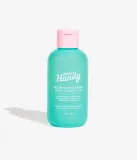
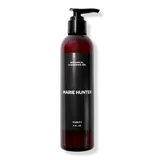
More alternatives: DECAAR Purifying Cleansing GelBielenda BEAUTY MOLECULES Molecular niacinamide face wash gel
Sources cited in this review
Every concentration estimate and effectiveness label is anchored to one of these 28 studies and safety reviews.
- 1
- 2
- 3Allergen of the Year—Alkyl Glucosidepracticeupdate.com
- 4
- 5
- 6

Affiliate links · As an Amazon Associate, WIMJ earns from qualifying purchases.