Works for:
based on ingredients and %- Moisturizing
- Anti-aging
- Evens skin tone
- Anti-blemish
Doesn't work for:
based on ingredients and %- Anti-oxidation
Can it cause trouble?
- Irritation risk: high
- Comedogenic risk ingredients: 0
Key actives


Product Summary
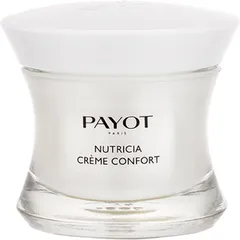
Based on the ingredients included, "Payot - Nourishing and Restructuring Cream for Dry Skin" works well for moisturizing the skin. The formulation is based on a combination of good humectants and emollients. Both are needed to increase the skin hydration level. Humectants in this product (panthenol, glycerin, sodium hyaluronate, honey extract and royal jelly extract) help to increase the water content in the upper layer of the skin. (These ingredients do so by "capturing" water molecules from the outside air or from within the deeper layers of the skin). Butyrospermum parkii butter, caprylic/capric triglyceride, dimethicone, cetyl alcohol and cetyl palmitate in this product help decrease the water evoporation from the skin, so that it stays hydrated for longer. These ingredients also soften the skin and take away the feeling of tightness and dryness.
Ingredient callouts
- this moisturizer includes a form of retinoids (vitamin A) - retinyl palmitate 0.30% - 0.55%, but this type of vitamin A is not very effective. It could in theory help with fine lines and wrinkles, but the effect is most likely minimal.
Irritation risk
There are quite a few common irritants in this product, including ingredients without particular skin benefits. We would not recommend it for sensitive skin. We assess the overall irritancy of this moisturizer to be high. For a detailed overview of all potential irritants: click here
You can see the detailed formula review with the breakdown of all actives in the product and the full ingredient list with estimated concentrations in the tables below.
Price
The product retails from 110.00A$ up to 149.62A$ in Australia and for 43.00£ in the United Kingdom.
For a detailed price comparison: click here.
Anti-aging
This product can help reduce and prevent fine lines and wrinkles, improve skin elasticity and firmness because it contains niacinamide.
These ingredients in the product can also be helpful, even though there is less evidence for their effectiveness: retinyl palmitate.
Keep in mind that it typically takes at least 6 weeks to notice any results because the changes that are needed to improve fine lines and elasticity happen in the deeper layers of the skin. No topical anti-aging product can “erase” wrinkles or fully reverse signs of aging.
Is proven to be effective in reducing blemishes, evening out skin tone and helping to improve lines and wrinkles. It helps the skin to repair sun damage, calm down inflammation and keep maintain good levels of moisture. The concentration of about 2% is effective for supporting the skin barrier and evening out the skin tone. Concentration of 4-6% is better for helping with acne and balancing the sebum production
Three steps removed from the active form of vitamin A - retinoic acid. To have an effect in the skin, it first needs to be converted twice to become the retinoic acid. This means it is less potent than retinol, but could also be less irritating. Once converted to the retinoic acid in the skin, it helps against all signs of aging, improves skin cell turnover and helps fight blemishes and clogged pores. However, in many cosmetic formulations, it is used in a concentration that is too low to have the full effect
A mineral, magnesium iron silicate. It can help add minerals to the surface of the skin that might be helpful for its barrier function. It is claimed to be able to support collagen production but evidence of effectiveness in skin is lacking
A stable derivative of vitamin C. It is oil-soluble which means it is more likely to penetrate the skin compared to the pure form of vitamin C (which is water-soluble), but it is less bio-available and is way less effective in stimulating collagen and reducing wrinkles compared to the pure form of vitamin C (L-ascorbic acid) and its other derivatives (for example, magnesium ascorbyl phosphate). At the same time, this vitamin C derivative has been shown in studies to be effective in reducing acne, blemishes and clogged pores. It is less irritating then the pure form of vitamin C
Anti-blemish
This product can help reduce breakouts and clogged pores because it contains the following ingredient: niacinamide. This ingredient is used for treating acne and can have a noticeable effect.
The following ingredient (ingredients) in this product might be helpful, but there is no evidence to confirm that it actually works: retinyl palmitate
Is proven to be effective in reducing blemishes, evening out skin tone and helping to improve lines and wrinkles. It helps the skin to repair sun damage, calm down inflammation and keep maintain good levels of moisture. The concentration of about 2% is effective for supporting the skin barrier and evening out the skin tone. Concentration of 4-6% is better for helping with acne and balancing the sebum production
Three steps removed from the active form of vitamin A - retinoic acid. To have an effect in the skin, it first needs to be converted twice to become the retinoic acid. This means it is less potent than retinol, but could also be less irritating. Once converted to the retinoic acid in the skin, it helps against all signs of aging, improves skin cell turnover and helps fight blemishes and clogged pores. However, in many cosmetic formulations, it is used in a concentration that is too low to have the full effect
A stable derivative of vitamin C. It is oil-soluble which means it is more likely to penetrate the skin compared to the pure form of vitamin C (which is water-soluble), but it is less bio-available and is way less effective in stimulating collagen and reducing wrinkles compared to the pure form of vitamin C (L-ascorbic acid) and its other derivatives (for example, magnesium ascorbyl phosphate). At the same time, this vitamin C derivative has been shown in studies to be effective in reducing acne, blemishes and clogged pores. It is less irritating then the pure form of vitamin C
Evens skin tone
This product can help reduce hypepigmentation and even out the skin tone because it contains the following effective ingredients: niacinamide
The following ingredient (ingredients) in this product might be helpful, but there is no evidence to confirm that it actually can help even out the skin tone: retinyl palmitate.
Keep in mind that you would need to apply any topical skincare targetted at hypigmentation consistently for a couple of months to get a result. No topical skincare product can help get rid of hyperpigmentation (including post-acne marks and age spots) instantly.
Is proven to be effective in reducing blemishes, evening out skin tone and helping to improve lines and wrinkles. It helps the skin to repair sun damage, calm down inflammation and keep maintain good levels of moisture. The concentration of about 2% is effective for supporting the skin barrier and evening out the skin tone. Concentration of 4-6% is better for helping with acne and balancing the sebum production
Three steps removed from the active form of vitamin A - retinoic acid. To have an effect in the skin, it first needs to be converted twice to become the retinoic acid. This means it is less potent than retinol, but could also be less irritating. Once converted to the retinoic acid in the skin, it helps against all signs of aging, improves skin cell turnover and helps fight blemishes and clogged pores. However, in many cosmetic formulations, it is used in a concentration that is too low to have the full effect
Moisturizing
What does the product description say?
Comfort and protect dry skin with PAYOT Nourishing and Restructuring Cream , a rich, super-nourishing moisturiser that helps restore softness and hydration to dry or very dry skin.
Source: Mankind
This product can help improve hydration of the skin with the two types of ingredients.
The first type is called “humectants”:
these ingredients help attract water.
When humectants are on the surface of the skin, they “pull in” the moisture from the outside environment, or from
within deeper layers of the skin. The following ingredients in this product do the job:
sodium hyaluronate, royal jelly extract.
This product also contains ingredients called “occlusives”. They help reduce the speed with which our skin loses moisture to the outside environment. These ingredients also help soften the upper layer of the skin, so it feels less tight and nicer to the touch. The following ingredients in this product do the job: dimethicone, cetyl alcohol.
The following ingredients in this product are especially good for supporting the skin barrier and helping with the hydration level: niacinamide, panthenol
Helps soften the upper layer of the skin
Helps attract water to the upper layer of the skin and can help improve skin barrier function
One of the best moisturizing ingredients. Attracts water into the upper layer of the skin
Helps soften the upper layer of the skin
A silicone that helps to reduce water loss from the surface of the skin. Can temporarily "fill in" lines and wrinkles, absorb oil, and create a nice product finish
Is proven to be effective in reducing blemishes, evening out skin tone and helping to improve lines and wrinkles. It helps the skin to repair sun damage, calm down inflammation and keep maintain good levels of moisture. The concentration of about 2% is effective for supporting the skin barrier and evening out the skin tone. Concentration of 4-6% is better for helping with acne and balancing the sebum production
A non-drying alcohol that works to soften the skin and stabilize product formulations helping oil and water mix together
A compound secreted by bees. Might be able to attract water to the top layer of the skin. Avoid if sensitive to honey and bee products
An emollient that helps soften the skin and is used to improve product texture and stability
An emollient that softens the skin and forms a protective layer on its surface. Helps water and oil mix together
Helps oil and water mix together and can enhance the penetration of other ingredients into the skin. It can be irritating
Non-drying alcohol that helps water and oil mix together. Also serves as an emollient
Used to improve the product consistency and soften the upper layer of the skin
Helps preserve products and creates a nice product texture
A mineral, magnesium iron silicate. It can help add minerals to the surface of the skin that might be helpful for its barrier function. It is claimed to be able to support collagen production but evidence of effectiveness in skin is lacking
Anti-oxidation
Effective ingredients missing or their concentration is too low.
A plant extract that might have some anti-inflammatory properties, but solid evidence is lacking. It can be irritating
A stable derivative of vitamin C. It is oil-soluble which means it is more likely to penetrate the skin compared to the pure form of vitamin C (which is water-soluble), but it is less bio-available and is way less effective in stimulating collagen and reducing wrinkles compared to the pure form of vitamin C (L-ascorbic acid) and its other derivatives (for example, magnesium ascorbyl phosphate). At the same time, this vitamin C derivative has been shown in studies to be effective in reducing acne, blemishes and clogged pores. It is less irritating then the pure form of vitamin C
A more stable but less bio-available form of vitamin E compared to Tocopherol. Might help moisturize and protect the skin from free radicals, but mostly used in low concentrations to stabilize other ingredients.
How honest is this product?
| Promise | Can it deliver? |
|---|---|
| Moisturizing |
Total Promises Fulfilled score: 100/100.
We receive a small commission for purchases made through these links at no cost for you. Thank you for your support! Learn more
Affiliate link · supports WIMJ at no cost to you
Potential irritants
Comedogenic ingredients
No comedogenic ingredients detected
User reviews (0)
Averages from community submissions.
No reviews yet for this product.
Be the first to share your experience!
Tried this product?
Help capture what the ingredient list can't—texture, finish, pilling, scent, and more. Answer what you can, skip the rest.
Takes ~30 seconds.
Reviews are shown in aggregate. No personal details.
| Product | Similarity | Price | Irritancy |
|---|---|---|---|
 Payot Nourishing and Restructuring Cream for Dry Skin | Current | ≈ $57.70 | |
 Agency Cloud Care Weightless Whipped Moisturizer | 87% | - | |
MCoBeauty Ultra Repair Ceramide Cream | 86% | ≈ $16.82 | |
 Rovectin Skin Essentials Lotus Water Cream | 82% | - | |
ROVECTIN Clean Lotus Water Cream | 82% | $3.86 | |
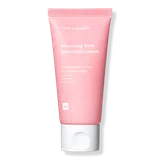 face republic Blooming Time Bakuchiol Cream | 81% | $19.58 |
Key Actives
Is proven to be effective in reducing blemishes, evening out skin tone and helping to improve lines and wrinkles. It helps the skin to repair sun damage, calm down inflammation and keep maintain good levels of moisture. The concentration of about 2% is effective for supporting the skin barrier and evening out the skin tone. Concentration of 4-6% is better for helping with acne and balancing the sebum production
Three steps removed from the active form of vitamin A - retinoic acid. To have an effect in the skin, it first needs to be converted twice to become the retinoic acid. This means it is less potent than retinol, but could also be less irritating. Once converted to the retinoic acid in the skin, it helps against all signs of aging, improves skin cell turnover and helps fight blemishes and clogged pores. However, in many cosmetic formulations, it is used in a concentration that is too low to have the full effect
Helps attract water to the upper layer of the skin and can help improve skin barrier function
A silicone that helps to reduce water loss from the surface of the skin. Can temporarily "fill in" lines and wrinkles, absorb oil, and create a nice product finish
Helps soften the upper layer of the skin
Helps soften the upper layer of the skin
One of the best moisturizing ingredients. Attracts water into the upper layer of the skin
Potential irritants
A plant extract that might have some anti-inflammatory properties, but solid evidence is lacking. It can be irritating
Three steps removed from the active form of vitamin A - retinoic acid. To have an effect in the skin, it first needs to be converted twice to become the retinoic acid. This means it is less potent than retinol, but could also be less irritating. Once converted to the retinoic acid in the skin, it helps against all signs of aging, improves skin cell turnover and helps fight blemishes and clogged pores. However, in many cosmetic formulations, it is used in a concentration that is too low to have the full effect
Helps oil and water mix together and can enhance the penetration of other ingredients into the skin. It can be irritating
An aromatic blend of unspecified and possibly irritating ingredients
A fragrance. Can be irritating
A fragrance. Potential allergen and can be irritating
A compound secreted by bees. Might be able to attract water to the top layer of the skin. Avoid if sensitive to honey and bee products
A more stable but less bio-available form of vitamin E compared to Tocopherol. Might help moisturize and protect the skin from free radicals, but mostly used in low concentrations to stabilize other ingredients.
A stable derivative of vitamin C. It is oil-soluble which means it is more likely to penetrate the skin compared to the pure form of vitamin C (which is water-soluble), but it is less bio-available and is way less effective in stimulating collagen and reducing wrinkles compared to the pure form of vitamin C (L-ascorbic acid) and its other derivatives (for example, magnesium ascorbyl phosphate). At the same time, this vitamin C derivative has been shown in studies to be effective in reducing acne, blemishes and clogged pores. It is less irritating then the pure form of vitamin C
Helps preserve products and creates a nice product texture
Used to stabilize product formulation, help create an even product layer over skin (for example, in sunscreen), evenly disperse pigements and create a nice product consistency
Comedogenic ingredients
We couldn't find any comedogenic ingredients in this product
All ingredients
Used to improve the product consistency and soften the upper layer of the skin
A non-drying alcohol that works to soften the skin and stabilize product formulations helping oil and water mix together
Non-drying alcohol that helps water and oil mix together. Also serves as an emollient
An emollient that helps soften the skin and is used to improve product texture and stability
A silicone that helps to reduce water loss from the surface of the skin. Can temporarily "fill in" lines and wrinkles, absorb oil, and create a nice product finish
Helps oil and water mix togehter and creates a nice product texture
An emollient that softens the skin and forms a protective layer on its surface. Helps water and oil mix together
A compound secreted by bees. Might be able to attract water to the top layer of the skin. Avoid if sensitive to honey and bee products
A plant extract that might have some anti-inflammatory properties, but solid evidence is lacking. It can be irritating
Helps soften the upper layer of the skin
Helps attract water to the upper layer of the skin and can help improve skin barrier function
Is proven to be effective in reducing blemishes, evening out skin tone and helping to improve lines and wrinkles. It helps the skin to repair sun damage, calm down inflammation and keep maintain good levels of moisture. The concentration of about 2% is effective for supporting the skin barrier and evening out the skin tone. Concentration of 4-6% is better for helping with acne and balancing the sebum production
Three steps removed from the active form of vitamin A - retinoic acid. To have an effect in the skin, it first needs to be converted twice to become the retinoic acid. This means it is less potent than retinol, but could also be less irritating. Once converted to the retinoic acid in the skin, it helps against all signs of aging, improves skin cell turnover and helps fight blemishes and clogged pores. However, in many cosmetic formulations, it is used in a concentration that is too low to have the full effect
A more stable but less bio-available form of vitamin E compared to Tocopherol. Might help moisturize and protect the skin from free radicals, but mostly used in low concentrations to stabilize other ingredients.
A stable derivative of vitamin C. It is oil-soluble which means it is more likely to penetrate the skin compared to the pure form of vitamin C (which is water-soluble), but it is less bio-available and is way less effective in stimulating collagen and reducing wrinkles compared to the pure form of vitamin C (L-ascorbic acid) and its other derivatives (for example, magnesium ascorbyl phosphate). At the same time, this vitamin C derivative has been shown in studies to be effective in reducing acne, blemishes and clogged pores. It is less irritating then the pure form of vitamin C
One of the best moisturizing ingredients. Attracts water into the upper layer of the skin
A mineral, magnesium iron silicate. It can help add minerals to the surface of the skin that might be helpful for its barrier function. It is claimed to be able to support collagen production but evidence of effectiveness in skin is lacking
Helps oil and water mix together and can enhance the penetration of other ingredients into the skin. It can be irritating
Helps preserve products and creates a nice product texture
Used to stabilize product formulation, help create an even product layer over skin (for example, in sunscreen), evenly disperse pigements and create a nice product consistency
An aromatic blend of unspecified and possibly irritating ingredients
A fragrance. Can be irritating
A fragrance. Potential allergen and can be irritating
A preservative. It helps prevent bacterial growth in cosmetic products
Ingredient list view
Hydrogenated polyisobutene, Cetyl alcohol, Behenyl alcohol, Synthetic beeswax, Cetyl palmitate, Dimethicone, Peg-100 stearate, Glyceryl stearate, Royal jelly extract, Panax ginseng root extract, Chenopodium quinoa seed extract, Glutamylamidoethyl indole, Mel extract, Panthenol, Niacinamide, Retinyl palmitate, Tocopheryl acetate, Sesamum indicum oil unsaponifiables, Sodium ascorbyl phosphate, Sodium hyaluronate, Smithsonite extract, Olivine extract, Propylene glycol, Ethylhexylglycerin, Caprylyl glycol, 1,2-hexanediol, Tromethamine, Acrylates/vinyl isodecanoate crosspolymer, Disodium edta, Parfum, Coumarin, Hydroxyisohexyl 3-cyclohexene carboxaldehyde, Citronellol, Hydroxycitronellal, Linalool, Alpha-isomethyl ionone, Geraniol, Phenoxyethanol, Sodium benzoate, Potassium sorbate
- Final report of the cosmetic ingredient review expert panel on the safety assessment of Polyisobutene and Hydrogenated Polyisobutene as used in cosmetics
- Dimethicone as a protective ingredient in topical medications
- Final Report on the Safety Assessment of Dimethicone Copolyol
- Ginseng in Dermatology: A Review
- Antiaging effects of the mixture of Panax ginseng and Crataegus pinnatifida in human dermal fibroblasts and healthy human skin
- Skin moisturizing effects of panthenol-based formulations
- Safety Assessment of Panthenol, Pantothenic Acid, and Derivatives as Used in Cosmetics
- Niacinamide - mechanisms of action and its topical use in dermatology
- Gehring, W. (2004). Nicotinic acid/niacinamide and the skin. Journal of Cosmetic Dermatology, 3(2), 88–93. doi:10.1111/j.1473-2130.2004.00115.x
- Sodium ascorbyl phosphate shows in vitro and in vivo efficacy in the prevention and treatment of acne vulgaris
- Sodium ascorbyl phosphate in topical microemulsions
- Final report of the safety assessment of L-Ascorbic Acid, Calcium Ascorbate, Magnesium Ascorbate, Magnesium Ascorbyl Phosphate, Sodium Ascorbate, and Sodium Ascorbyl Phosphate as used in cosmetics
- Regulation of collagen synthesis in human dermal fibroblasts by the sodium and magnesium salts of ascorbyl-2-phosphate
- Comparison of clinical efficacies of sodium ascorbyl phosphate, retinol and their combination in acne treatment
- Application of l-ascorbic acid and its derivatives (sodium ascorbyl phosphate and magnesium ascorbyl phosphate) in topical cosmetic formulations: stability studies
- Sodium L-ascorbyl-2-phosphate 5% lotion for the treatment of acne vulgaris: a randomized, double-blind, controlled trial
- Hyaluronic acid: A key molecule in skin aging
- Hyaluronan (Hyaluronic Acid): a natural moisturizer for skin care
- Surfactants and experimental irritant contact dermatitis
- Propylene Glycol
- Skin-sensitizing and irritant properties of propylene glycol
- The influence of alkane chain length on the skin irritation potential of 1,2-alkanediols
- Safety Assessment of Tromethamine as Used in Cosmetics
- Safety Assessment of Cross-Linked Alkyl Acrylates as Used in Cosmetics
- Annex I: Clinical evidence regarding sensitisation to individual fragrance chemicals and to natural extracts