Works for:
based on ingredients and %- Evens skin tone
- Anti-aging
- Moisturizing
- Anti-oxidation
Can it cause trouble?
- Irritation risk: high
- Comedogenic risk ingredients: 1
Key actives

Anti-aging
What does the product description say?
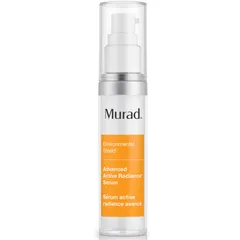
Fast-acting treatment featuring Resilient-C Complex rapidly boosts radiance and reverses visible signs of environmental damage.
Source: SkincareRX
This product can help reduce and prevent fine lines and wrinkles, improve skin elasticity and firmness because it contains glycolic acid.
These ingredients in the product can also be helpful, even though there is less evidence for their effectiveness: hexapeptide-2.
Keep in mind that it typically takes at least 6 weeks to notice any results because the changes that are needed to improve fine lines and elasticity happen in the deeper layers of the skin. No topical anti-aging product can “erase” wrinkles or fully reverse signs of aging.
An alpha-hydroxy acid (AHA) that helps to remove the dead skin cells on the surface of the skin reveling a more even, smoother complexation. It is also able to stimulate collagen production with long-term use. Could help to reduce pore congestion. It can be irritating to the skin. Apply sunscreen daily if using products with glycolic acid
A type of peptide. Peptides are excellent moisturizers and might be able support collagen production reducing fine lines and wrinkles
The most well-researched antioxidant that works in skin. Helps neutralize free radicals supporting collagen production, helping to even out the skin tone and preventing early signs of aging
Being a lipid soluble form of vitamin C, it is more stable than ascorbic acid, but still degrades quickly and needs to be stabilized in a formulation with another ingredient. It is claimed to penetrate skin better than pure vitamin C and have the the similar benefits, but solid studies of its effectiveness are lacking. Is likely to require a higher concentration in a product than pure vitamin C to be effective. It might be able to help reduce pore clogging.
Might be helpful against blemishes, work as an anti-oxidant, reduce inflammation and improve skin's ability to hold on to moisture, but more research is needed to confirm its effectiveness when applied topically to human skin
A stable derivative of vitamin C. It is oil-soluble which means it is more likely to penetrate the skin compared to the pure form of vitamin C (which is water-soluble), but it is less bio-available and is way less effective in stimulating collagen and reducing wrinkles compared to the pure form of vitamin C (L-ascorbic acid) and its other derivatives (for example, magnesium ascorbyl phosphate). At the same time, this vitamin C derivative has been shown in studies to be effective in reducing acne, blemishes and clogged pores. It is less irritating then the pure form of vitamin C
Typically used to stabilize the product formulations. It is a salt of a polyhydroxy acid (PHA) and in larger concentrations, can help shed the dead cells from the skin surface revealing smoother skin. It can help attract water to the upper layer of the skin. Might to be helpful against acne and clogged pores. Could be helpful in neutralizing free radicals, but solid research is missing. Due to the zinc content, might help calm down inflammation in skin
Anti-oxidation
This product contains antioxidants (camellia oleifera leaf extract) that can help neutralize free radicals in skin. By doing so, they can lessen the damage the skin gets from the UV light (sun).
The following ingredients - chitosan also can have an antioxidant effect, but there is less evidence to confirm their effectiveness in skin.
A plant extract that can help neutralize free radicals and reduce inflammation, even though it is not usually used in sufficient concentration in cosmetics
Inhibits acne-causing bacteria on the surface of the skin. Can help to reduce inflammation caused by bacteria. Helps neutralize free radicals in skin. Helps to attract water to the upper layer of the skin
Could be helpful in reducing inflammation in skin, evening out the skin tone and neutralizing free radicals, but more research is needed to confirm its effectiveness
A bark extract that might help clam down inflammation and neutralize free radicals , but evidence of effectiveness in skin is lacking
A plant extract. Can help attract water the upper layer of the skin and might have some anti-oxidant properties
The most well-researched antioxidant that works in skin. Helps neutralize free radicals supporting collagen production, helping to even out the skin tone and preventing early signs of aging
Being a lipid soluble form of vitamin C, it is more stable than ascorbic acid, but still degrades quickly and needs to be stabilized in a formulation with another ingredient. It is claimed to penetrate skin better than pure vitamin C and have the the similar benefits, but solid studies of its effectiveness are lacking. Is likely to require a higher concentration in a product than pure vitamin C to be effective. It might be able to help reduce pore clogging.
Might be helpful against blemishes, work as an anti-oxidant, reduce inflammation and improve skin's ability to hold on to moisture, but more research is needed to confirm its effectiveness when applied topically to human skin
A stable derivative of vitamin C. It is oil-soluble which means it is more likely to penetrate the skin compared to the pure form of vitamin C (which is water-soluble), but it is less bio-available and is way less effective in stimulating collagen and reducing wrinkles compared to the pure form of vitamin C (L-ascorbic acid) and its other derivatives (for example, magnesium ascorbyl phosphate). At the same time, this vitamin C derivative has been shown in studies to be effective in reducing acne, blemishes and clogged pores. It is less irritating then the pure form of vitamin C
Typically used to stabilize the product formulations. It is a salt of a polyhydroxy acid (PHA) and in larger concentrations, can help shed the dead cells from the skin surface revealing smoother skin. It can help attract water to the upper layer of the skin. Might to be helpful against acne and clogged pores. Could be helpful in neutralizing free radicals, but solid research is missing. Due to the zinc content, might help calm down inflammation in skin
An effective moisturizing and skin barrier repair ingredient. Helps calm down inflammation and has some anti-oxidant properties
A more stable but less bio-available form of vitamin E compared to Tocopherol. Might help moisturize and protect the skin from free radicals, but mostly used in low concentrations to stabilize other ingredients.
Evens skin tone
What does the product description say?
Absorbing quickly without greasy residue, the regenerating treatment targets dark spots and UV damage caused by exposure to environmental aggressors, whilst protecting against future damage that can lead to signs of premature ageing.
Source: Lookfantastic US
This product can help reduce hypepigmentation and even out the skin tone because it contains the following effective ingredients: glycolic acid
Keep in mind that you would need to apply any topical skincare targetted at hypigmentation consistently for a couple of months to get a result. No topical skincare product can help get rid of hyperpigmentation (including post-acne marks and age spots) instantly.
An alpha-hydroxy acid (AHA) that helps to remove the dead skin cells on the surface of the skin reveling a more even, smoother complexation. It is also able to stimulate collagen production with long-term use. Could help to reduce pore congestion. It can be irritating to the skin. Apply sunscreen daily if using products with glycolic acid
Could be helpful in reducing inflammation in skin, evening out the skin tone and neutralizing free radicals, but more research is needed to confirm its effectiveness
Being a lipid soluble form of vitamin C, it is more stable than ascorbic acid, but still degrades quickly and needs to be stabilized in a formulation with another ingredient. It is claimed to penetrate skin better than pure vitamin C and have the the similar benefits, but solid studies of its effectiveness are lacking. Is likely to require a higher concentration in a product than pure vitamin C to be effective. It might be able to help reduce pore clogging.
The most well-researched antioxidant that works in skin. Helps neutralize free radicals supporting collagen production, helping to even out the skin tone and preventing early signs of aging
A salt derived from licorice. Works as an emollient to soften the upper layer of the skin and can help calm down inflammation. Might be helpful for skin lightening
Typically used to stabilize the product formulations. It is a salt of a polyhydroxy acid (PHA) and in larger concentrations, can help shed the dead cells from the skin surface revealing smoother skin. It can help attract water to the upper layer of the skin. Might to be helpful against acne and clogged pores. Could be helpful in neutralizing free radicals, but solid research is missing. Due to the zinc content, might help calm down inflammation in skin
Exfoliation
This product can help exfoliate the skin. In other words, it helps break down the bonds between dead cells on the surface of the skin and speed up the skin turnover. Skin often appears softer and brighter after exfoliation, but overdoing it can result in disrupted skin barrier. The following ingredient is doing the exfoliating job in this product: glycolic acid.
An alpha-hydroxy acid (AHA) that helps to remove the dead skin cells on the surface of the skin reveling a more even, smoother complexation. It is also able to stimulate collagen production with long-term use. Could help to reduce pore congestion. It can be irritating to the skin. Apply sunscreen daily if using products with glycolic acid
Naturally present in skin (urea makes up about 7% of natural moisturizing factors in skin). Attracts water to the upper layer of the skin. Also has a positive effect on the skin barrier beyond the humectant action. Can enhance penetration of other ingredients. Is an exfoliating ingredient when used in high concentrations
Typically used to stabilize the product formulations. It is a salt of a polyhydroxy acid (PHA) and in larger concentrations, can help shed the dead cells from the skin surface revealing smoother skin. It can help attract water to the upper layer of the skin. Might to be helpful against acne and clogged pores. Could be helpful in neutralizing free radicals, but solid research is missing. Due to the zinc content, might help calm down inflammation in skin
Moisturizing
What does the product description say?
Wait one minute for maximum absorption then follow with a moisturiser.
Source: Allbeauty
This product can help improve hydration of the skin with the two types of ingredients.
The first type is called “humectants”:
these ingredients help attract water.
When humectants are on the surface of the skin, they “pull in” the moisture from the outside environment, or from
within deeper layers of the skin. The following ingredients in this product do the job:
betaine, inositol.
This product also contains ingredients called “occlusives”. They help reduce the speed with which our skin loses moisture to the outside environment. These ingredients also help soften the upper layer of the skin, so it feels less tight and nicer to the touch. The following ingredients in this product do the job: jojoba esters, cyclopentasiloxane.
The following ingredients in this product are especially good for supporting the skin barrier and helping with the hydration level: hexapeptide-2, urea
Softens the upper layer of the skin and can support skin barrier function
A type of peptide. Peptides are excellent moisturizers and might be able support collagen production reducing fine lines and wrinkles
Helps soften the upper layer of the skin
An emollient made of jojoba oil. Helps soften the skin and support its barrier function
Helps to attract water to the upper layer of the skin
One of the best moisturizing ingredients. Attracts water into the upper layer of the skin
A sugar that attracts water to the upper layer of the skin
Naturally present in skin (urea makes up about 7% of natural moisturizing factors in skin). Attracts water to the upper layer of the skin. Also has a positive effect on the skin barrier beyond the humectant action. Can enhance penetration of other ingredients. Is an exfoliating ingredient when used in high concentrations
Helps attract water to the upper layer of the skin and improves the product texture
Used to create a thicker product texture. Helps soften the upper layer of the skin and might be able to prevent moisture loss from its surface
An emollient that helps soften the skin and create a nice product texture
Inhibits acne-causing bacteria on the surface of the skin. Can help to reduce inflammation caused by bacteria. Helps neutralize free radicals in skin. Helps to attract water to the upper layer of the skin
A silicone that helps improve the product texture and spreadability. Can absorb oil creating a short-term mattifying effect on the skin
Helps soften the upper layer of the skin
Might have some moisturising properties. Is not effective when applied topically beyond some moisturizing effect
A plant extract. Can help attract water the upper layer of the skin and might have some anti-oxidant properties
Used to create a nice product texture and help delivery of other ingredients. Might be somewhat helpful in attracting water to the upper layer of the skin
Helps preserve products and creates a nice product texture
An effective moisturizing and skin barrier repair ingredient. Helps calm down inflammation and has some anti-oxidant properties
A salt derived from licorice. Works as an emollient to soften the upper layer of the skin and can help calm down inflammation. Might be helpful for skin lightening
Typically used to stabilize the product formulations. It is a salt of a polyhydroxy acid (PHA) and in larger concentrations, can help shed the dead cells from the skin surface revealing smoother skin. It can help attract water to the upper layer of the skin. Might to be helpful against acne and clogged pores. Could be helpful in neutralizing free radicals, but solid research is missing. Due to the zinc content, might help calm down inflammation in skin
Might be helpful against blemishes, work as an anti-oxidant, reduce inflammation and improve skin's ability to hold on to moisture, but more research is needed to confirm its effectiveness when applied topically to human skin
Anti-blemish
This product might be able to help reduce blemishes and clogged pores because it contains chitosan.
The following ingredient (ingredients) in this product might be helpful, but there is no evidence to confirm that it actually works: glycolic acid
Inhibits acne-causing bacteria on the surface of the skin. Can help to reduce inflammation caused by bacteria. Helps neutralize free radicals in skin. Helps to attract water to the upper layer of the skin
An alpha-hydroxy acid (AHA) that helps to remove the dead skin cells on the surface of the skin reveling a more even, smoother complexation. It is also able to stimulate collagen production with long-term use. Could help to reduce pore congestion. It can be irritating to the skin. Apply sunscreen daily if using products with glycolic acid
Could be helpful in reducing inflammation in skin, evening out the skin tone and neutralizing free radicals, but more research is needed to confirm its effectiveness
A stable derivative of vitamin C. It is oil-soluble which means it is more likely to penetrate the skin compared to the pure form of vitamin C (which is water-soluble), but it is less bio-available and is way less effective in stimulating collagen and reducing wrinkles compared to the pure form of vitamin C (L-ascorbic acid) and its other derivatives (for example, magnesium ascorbyl phosphate). At the same time, this vitamin C derivative has been shown in studies to be effective in reducing acne, blemishes and clogged pores. It is less irritating then the pure form of vitamin C
Might be helpful against blemishes, work as an anti-oxidant, reduce inflammation and improve skin's ability to hold on to moisture, but more research is needed to confirm its effectiveness when applied topically to human skin
Typically used to stabilize the product formulations. It is a salt of a polyhydroxy acid (PHA) and in larger concentrations, can help shed the dead cells from the skin surface revealing smoother skin. It can help attract water to the upper layer of the skin. Might to be helpful against acne and clogged pores. Could be helpful in neutralizing free radicals, but solid research is missing. Due to the zinc content, might help calm down inflammation in skin
How honest is this product?
| Promise | Can it deliver? |
|---|---|
| Anti-aging | |
| Moisturizing | |
| Evens skin tone |
Total Promises Fulfilled score: 100/100.
We receive a small commission for purchases made through these links at no cost for you. Thank you for your support! Learn more
Potential irritants
Comedogenic ingredients
User reviews (0)
Averages from community submissions.
No reviews yet for this product.
Be the first to share your experience!
Tried this product?
Help capture what the ingredient list can't—texture, finish, pilling, scent, and more. Answer what you can, skip the rest.
Takes ~30 seconds.
Reviews are shown in aggregate. No personal details.
| Product | Similarity | Price | Irritancy |
|---|---|---|---|
 Murad Advanced Active Radiance Serum | Current | $90.00 | |
 SkinMedica GlyPro Antioxidant Serum | 50% | - |
Key Actives
Typically used to stabilize the product formulations. It is a salt of a polyhydroxy acid (PHA) and in larger concentrations, can help shed the dead cells from the skin surface revealing smoother skin. It can help attract water to the upper layer of the skin. Might to be helpful against acne and clogged pores. Could be helpful in neutralizing free radicals, but solid research is missing. Due to the zinc content, might help calm down inflammation in skin
Might be helpful against blemishes, work as an anti-oxidant, reduce inflammation and improve skin's ability to hold on to moisture, but more research is needed to confirm its effectiveness when applied topically to human skin
An alpha-hydroxy acid (AHA) that helps to remove the dead skin cells on the surface of the skin reveling a more even, smoother complexation. It is also able to stimulate collagen production with long-term use. Could help to reduce pore congestion. It can be irritating to the skin. Apply sunscreen daily if using products with glycolic acid
Inhibits acne-causing bacteria on the surface of the skin. Can help to reduce inflammation caused by bacteria. Helps neutralize free radicals in skin. Helps to attract water to the upper layer of the skin
A salt derived from licorice. Works as an emollient to soften the upper layer of the skin and can help calm down inflammation. Might be helpful for skin lightening
A silicone that helps improve the product texture and spreadability. Can absorb oil creating a short-term mattifying effect on the skin
Naturally present in skin (urea makes up about 7% of natural moisturizing factors in skin). Attracts water to the upper layer of the skin. Also has a positive effect on the skin barrier beyond the humectant action. Can enhance penetration of other ingredients. Is an exfoliating ingredient when used in high concentrations
A type of peptide. Peptides are excellent moisturizers and might be able support collagen production reducing fine lines and wrinkles
A plant extract that can help neutralize free radicals and reduce inflammation, even though it is not usually used in sufficient concentration in cosmetics
A sugar that attracts water to the upper layer of the skin
Helps attract water to the upper layer of the skin and improves the product texture
Helps soften the upper layer of the skin
An emollient made of jojoba oil. Helps soften the skin and support its barrier function
Softens the upper layer of the skin and can support skin barrier function
Helps to attract water to the upper layer of the skin
One of the best moisturizing ingredients. Attracts water into the upper layer of the skin
Potential irritants
An alpha-hydroxy acid (AHA) that helps to remove the dead skin cells on the surface of the skin reveling a more even, smoother complexation. It is also able to stimulate collagen production with long-term use. Could help to reduce pore congestion. It can be irritating to the skin. Apply sunscreen daily if using products with glycolic acid
A plant extract. Can help attract water the upper layer of the skin and might have some anti-oxidant properties
A bark extract that might help clam down inflammation and neutralize free radicals , but evidence of effectiveness in skin is lacking
The most well-researched antioxidant that works in skin. Helps neutralize free radicals supporting collagen production, helping to even out the skin tone and preventing early signs of aging
A common frangrance that can easily irritate skin, especially if exposed to air, light or heat
An aromatic blend of unspecified and possibly irritating ingredients
An essentil oil from orange peel. Potential allergen and can be irritating
A gelling agent that thickens the product consistency and leaves the skin with a velvety finish
Could be helpful in reducing inflammation in skin, evening out the skin tone and neutralizing free radicals, but more research is needed to confirm its effectiveness
An emollient made of jojoba oil. Helps soften the skin and support its barrier function
A stable derivative of vitamin C. It is oil-soluble which means it is more likely to penetrate the skin compared to the pure form of vitamin C (which is water-soluble), but it is less bio-available and is way less effective in stimulating collagen and reducing wrinkles compared to the pure form of vitamin C (L-ascorbic acid) and its other derivatives (for example, magnesium ascorbyl phosphate). At the same time, this vitamin C derivative has been shown in studies to be effective in reducing acne, blemishes and clogged pores. It is less irritating then the pure form of vitamin C
Typically used to stabilize the product formulations. It is a salt of a polyhydroxy acid (PHA) and in larger concentrations, can help shed the dead cells from the skin surface revealing smoother skin. It can help attract water to the upper layer of the skin. Might to be helpful against acne and clogged pores. Could be helpful in neutralizing free radicals, but solid research is missing. Due to the zinc content, might help calm down inflammation in skin
A more stable but less bio-available form of vitamin E compared to Tocopherol. Might help moisturize and protect the skin from free radicals, but mostly used in low concentrations to stabilize other ingredients.
Being a lipid soluble form of vitamin C, it is more stable than ascorbic acid, but still degrades quickly and needs to be stabilized in a formulation with another ingredient. It is claimed to penetrate skin better than pure vitamin C and have the the similar benefits, but solid studies of its effectiveness are lacking. Is likely to require a higher concentration in a product than pure vitamin C to be effective. It might be able to help reduce pore clogging.
Inhibits acne-causing bacteria on the surface of the skin. Can help to reduce inflammation caused by bacteria. Helps neutralize free radicals in skin. Helps to attract water to the upper layer of the skin
Helps preserve product formulations and can mask the smell of other ingredients in a product
Helps preserve products and creates a nice product texture
Comedogenic ingredients
An emollient that helps soften the skin and create a nice product texture
All ingredients
An alpha-hydroxy acid (AHA) that helps to remove the dead skin cells on the surface of the skin reveling a more even, smoother complexation. It is also able to stimulate collagen production with long-term use. Could help to reduce pore congestion. It can be irritating to the skin. Apply sunscreen daily if using products with glycolic acid
Used to create a nice product texture and help delivery of other ingredients. Might be somewhat helpful in attracting water to the upper layer of the skin
A gelling agent that thickens the product consistency and leaves the skin with a velvety finish
A silicone that helps improve the product texture and spreadability. Can absorb oil creating a short-term mattifying effect on the skin
Naturally present in skin (urea makes up about 7% of natural moisturizing factors in skin). Attracts water to the upper layer of the skin. Also has a positive effect on the skin barrier beyond the humectant action. Can enhance penetration of other ingredients. Is an exfoliating ingredient when used in high concentrations
Could be helpful in reducing inflammation in skin, evening out the skin tone and neutralizing free radicals, but more research is needed to confirm its effectiveness
Helps attract water to the upper layer of the skin and improves the product texture
A plant extract. Can help attract water the upper layer of the skin and might have some anti-oxidant properties
A type of peptide. Peptides are excellent moisturizers and might be able support collagen production reducing fine lines and wrinkles
An emollient made of jojoba oil. Helps soften the skin and support its barrier function
Used to create a thicker product texture. Helps soften the upper layer of the skin and might be able to prevent moisture loss from its surface
A plant extract that can help neutralize free radicals and reduce inflammation, even though it is not usually used in sufficient concentration in cosmetics
An effective moisturizing and skin barrier repair ingredient. Helps calm down inflammation and has some anti-oxidant properties
A bark extract that might help clam down inflammation and neutralize free radicals , but evidence of effectiveness in skin is lacking
Might be helpful against blemishes, work as an anti-oxidant, reduce inflammation and improve skin's ability to hold on to moisture, but more research is needed to confirm its effectiveness when applied topically to human skin
Softens the upper layer of the skin and can support skin barrier function
A stable derivative of vitamin C. It is oil-soluble which means it is more likely to penetrate the skin compared to the pure form of vitamin C (which is water-soluble), but it is less bio-available and is way less effective in stimulating collagen and reducing wrinkles compared to the pure form of vitamin C (L-ascorbic acid) and its other derivatives (for example, magnesium ascorbyl phosphate). At the same time, this vitamin C derivative has been shown in studies to be effective in reducing acne, blemishes and clogged pores. It is less irritating then the pure form of vitamin C
Might have some moisturising properties. Is not effective when applied topically beyond some moisturizing effect
Typically used to stabilize the product formulations. It is a salt of a polyhydroxy acid (PHA) and in larger concentrations, can help shed the dead cells from the skin surface revealing smoother skin. It can help attract water to the upper layer of the skin. Might to be helpful against acne and clogged pores. Could be helpful in neutralizing free radicals, but solid research is missing. Due to the zinc content, might help calm down inflammation in skin
A more stable but less bio-available form of vitamin E compared to Tocopherol. Might help moisturize and protect the skin from free radicals, but mostly used in low concentrations to stabilize other ingredients.
A salt derived from licorice. Works as an emollient to soften the upper layer of the skin and can help calm down inflammation. Might be helpful for skin lightening
An emollient that helps soften the skin and create a nice product texture
One of the best moisturizing ingredients. Attracts water into the upper layer of the skin
Being a lipid soluble form of vitamin C, it is more stable than ascorbic acid, but still degrades quickly and needs to be stabilized in a formulation with another ingredient. It is claimed to penetrate skin better than pure vitamin C and have the the similar benefits, but solid studies of its effectiveness are lacking. Is likely to require a higher concentration in a product than pure vitamin C to be effective. It might be able to help reduce pore clogging.
The most well-researched antioxidant that works in skin. Helps neutralize free radicals supporting collagen production, helping to even out the skin tone and preventing early signs of aging
Inhibits acne-causing bacteria on the surface of the skin. Can help to reduce inflammation caused by bacteria. Helps neutralize free radicals in skin. Helps to attract water to the upper layer of the skin
Helps preserve product formulations and can mask the smell of other ingredients in a product
A preservative. It helps prevent bacterial growth in cosmetic products
Helps preserve products and creates a nice product texture
A common frangrance that can easily irritate skin, especially if exposed to air, light or heat
An aromatic blend of unspecified and possibly irritating ingredients
An essentil oil from orange peel. Potential allergen and can be irritating
Ingredient list view
Water, Glycolic acid, Butylene glycol, Hydroxyethyl acrylate/sodium acryloyldimethyl taurate copolymer, Cyclopentasiloxane, Urea, Yeast amino acids, Trehalose, Inositol, Taurine, Betaine, Hydrolyzed opuntia ficus-indica flower extract, Hexapeptide-2, Hydrolyzed jojoba esters, Jojoba esters, Dimethicone crosspolymer, Camellia oleifera leaf extract, Avena sativa kernel extract, Enantia chlorantha bark extract, Oleanolic acid, Ectoin, Sodium ascorbyl phosphate, Biotin, Mannitol, Zinc gluconate, Tocopheryl acetate, Dipotassium glycyrrhizate, Ethylhexyl palmitate, Silica dimethyl silylate, Sodium hyaluronate, Tetrahexyldecyl ascorbate, Ascorbic acid, Chitosan, Propyl gallate, Methyl diisopropyl propionamide, Ethyl menthane carboxamide, Menthyl lactate, Lauryl laurate, Hydroxyethyl behenamidopropyl dimonium chloride, Ethylhexylglycerin, Silica, Xanthan gum, Ppg-26-buteth-26, Peg-40 hydrogenated castor oil, Sodium hydroxide, Disodium edta, Phenoxyethanol, Caprylyl glycol, Chlorphenesin, Limonene, Parfum, Ci 19140, Citrus aurantium dulcis peel oil, Ci 15510
- Photoprotective and antiinflammatory effects of topical glycolic acid
- Glycolic acid peel therapy – a current review
- Dual Effects of Alpha-Hydroxy Acids on the Skin
- Topical urea in skincare: A review
- Cosmeceuttical Critigue: Taurine
- Anti-oxidant, Histopathology and LD50 Evaluation of Ethanol Stem Bark Extract of Enantia chlorantha in Rodents
- Effectiveness of the formulation that containing oleanolic acid 3% on inhibition of 5-α reductase activity on skin of patients with acne
- The effect of ursolic and oleanolic acids on human skin fibroblast cells
- Sodium ascorbyl phosphate shows in vitro and in vivo efficacy in the prevention and treatment of acne vulgaris
- Sodium ascorbyl phosphate in topical microemulsions
- Final report of the safety assessment of L-Ascorbic Acid, Calcium Ascorbate, Magnesium Ascorbate, Magnesium Ascorbyl Phosphate, Sodium Ascorbate, and Sodium Ascorbyl Phosphate as used in cosmetics
- Regulation of collagen synthesis in human dermal fibroblasts by the sodium and magnesium salts of ascorbyl-2-phosphate
- Comparison of clinical efficacies of sodium ascorbyl phosphate, retinol and their combination in acne treatment
- Application of l-ascorbic acid and its derivatives (sodium ascorbyl phosphate and magnesium ascorbyl phosphate) in topical cosmetic formulations: stability studies
- Sodium L-ascorbyl-2-phosphate 5% lotion for the treatment of acne vulgaris: a randomized, double-blind, controlled trial
- Zinc salts in dermatology
- An overview of zinc and its importance in dermatology-Part II: The association of zinc with some dermatologic disorders
- Zinc, copper and manganese enhanced keratinocyte migration through a functional modulation of keratinocyte integrins
- Evaluation of the effects of topical zinc gluconate in wound healing
- A polyhydroxy acid skin care regimen provides antiaging effects comparable to an alpha-hydroxyacid regimen
- Applications of hydroxy acids: classification, mechanisms, and photoactivity
- Ameliorating effect of dipotassium glycyrrhizinate on an IL-4- and IL-13-induced atopic dermatitis-like skin-equivalent model
- Final report on the safety assessment of Glycyrrhetinic Acid, Potassium Glycyrrhetinate, Disodium Succinoyl Glycyrrhetinate, Glyceryl Glycyrrhetinate, Glycyrrhetinyl Stearate, Stearyl Glycyrrhetinate, Glycyrrhizic Acid, Ammonium Glycyrrhizate, Dipotassium Glycyrrhizate, Disodium Glycyrrhizate, Trisodium Glycyrrhizate, Methyl Glycyrrhizate, and Potassium Glycyrrhizinate.
- Hyaluronic acid: A key molecule in skin aging
- Hyaluronan (Hyaluronic Acid): a natural moisturizer for skin care
- Double-blind, half-face study comparing topical vitamin C and vehicle for rejuvenation of photodamage
- Application of tetra-isopalmitoyl ascorbic acid in cosmetic formulations: Stability studies and in vivo efficacy
- Chitosan against cutaneous pathogens
- Antimicrobial and anti-inflammatory activity of chitosan-alginate nanoparticles: a targeted therapy for cutaneous pathogens
- Chitosan preparations for wounds and burns: antimicrobial and wound-healing effects
- Cosmetics and Cosmeceutical Applications of Chitin, Chitosan and Their Derivatives
- Amended Safety Assessment of Butyl Polyoxyalkylene Ethers as Used in Cosmetics
- Amended Safety Assessment of PEGylated Oils as Used in Cosmetics
- Analysis of Dyes in Cosmetics: Challenges and Recent Developments