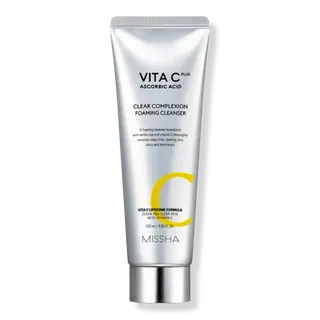
MISSHA Vita C Plus Clear Complexion Foaming Cleanser
Works for
CleansingMyristic acid, Stearic acid + 10 moreCleanses gently
“Vita C Plus Clear Complexion Foaming Cleanser”
This product works by removing dirt and oil from the surface of the skin. It uses a combination of mild cleansing agents (arachidic acid, coco-glucoside, glyceryl stearate, hydrogenated lecithin, hydroxypropyl methylcellulose, lauric acid, myristic acid, oleic acid, palmitic acid, quillaja saponaria bark extract, sodium cocoyl isethionate, stearic acid) and should be able to cleanse the skin gently. Still keep in mind that any cleansing can disrupt the skin barrier, and most people do not need to cleanse their skin more than once per day.
Even though this formulation is mild, the following cleansing agents could trigger an irritation or allergy for some people: coco-glucoside
Can it cause trouble?
Irritancy4 strong irritants: Citrus aurantium dulcis peel oil, Citrus grandis peel oil + 2 more — patch-test recommendedHigh risk
Comedogenic2 ingredients rated 2 or more on the 0–5 pore-clogging scale2 flagged

User reviews
Be the first — your take helps the next person decide.
Ingredients
Filter by role to see what each ingredient is doing.
Water~45–55%
Glycerin~4.6–5.7%
- Irritation risk
- Low
One of the best moisturizing ingredients. Naturally present in skin. It attracts water to the upper layer of the skin working as a humectant
More about GlycerinMyristic acid~4.2–5.2%
- Irritation risk
- Medium
- Comedogenicity
- 3/5
Helps oil and water mix together. Could be comedogenic
More about Myristic acidStearic acid~2.8–3.4%
- Irritation risk
- Low
Helps oil and water mix together and works as an emollient
More about Stearic acidKaolin~2.4–2.9%
- Irritation risk
- Low
A type of clay that consists mainly of aluminum silicate. Helps absorb oil and creates a thicker product consistency. Can be used to add a white color
More about KaolinPotassium hydroxide~1.9–2.3%
Bentonite~1.6–2%
Palmitic acid~1.4–1.7%
- Irritation risk
- Low
An emollient that is naturally present in skin and helps soften it
More about Palmitic acidLauric acid~1.2–1.4%
- Irritation risk
- Medium
- Comedogenicity
- 3/5
Helps water and oil mix together. Has anti-bacterial properties that might be helpful in preventing blemishes
More about Lauric acidGlyceryl stearate~0.95–1.15%
- Irritation risk
- Low
An emollient that softens the skin and forms a protective layer on its surface. Helps water and oil mix together
More about Glyceryl stearateCoco-glucoside~0.7–1.05%
- Irritation risk
- High
Used as a cleansing agent (surfactant) in cleansers. Helps water and oil mix together in lotions. Can be irritating
More about Coco-glucosideCi 77492~0.55–0.8%
Polyquaternium-7~0.5–0.75%
- Irritation risk
- Low
Helps soften the upper layer of the skin and create a nice product finish
More about Polyquaternium-7Lactose~0.4–0.65%
- Irritation risk
- Low
Helps attract water to the upper layer of the skin
More about LactoseCitrus aurantium dulcis peel oil~0.35–0.65%
- Irritation risk
- High
An essentil oil from orange peel. Potential allergen and can be irritating
More about Citrus aurantium dulcis peel oilCellulose~0.45–0.7%
- Irritation risk
- Low
Can be used to help absorb oil as well as add volume and imporve texture of products.
More about CelluloseArachidic acid~0.5–0.75%
Sodium cocoyl isethionate~0.45–0.65%
- Irritation risk
- Medium
Helps water and oil mix together. Can be used as a cleansing agent
More about Sodium cocoyl isethionateCitrus grandis peel oil~0.25–0.45%
- Irritation risk
- High
A plant oil with high content of volatile compounds that, especially when exposed to air, can cause allergic reactions and irritate the skin
More about Citrus grandis peel oilDisodium edta~0.25–0.5%
Eucalyptus globulus leaf oil~0.2–0.4%
- Irritation risk
- High
An essential oil that can be very irritating. Has some anti-bacterial properties
More about Eucalyptus globulus leaf oilLavandula angustifolia oil~0.25–0.45%
- Irritation risk
- High
An essential oil. Potential allergen and can be irritating. It has some anti-bacterial properties
More about Lavandula angustifolia oilOleic acid~0.3–0.55%
- Irritation risk
- Medium
Helps soften the upper layer of the skin. At the same time, it can weaken the skin's barrier enhancing penetration of other ingredients and increasing the risk of skin dryness
More about Oleic acid1,2-hexanediol~0.25–0.45%
Sodium benzoate~0.25–0.45%
Quillaja saponaria bark extract~0.35–0.65%
- Irritation risk
- Medium
Helps water and oil mix together
More about Quillaja saponaria bark extractHydroxypropyl methylcellulose~0.25–0.5%
- Irritation risk
- Medium
Used to create a thicker product consistency and stabilize the formulation
More about Hydroxypropyl methylcelluloseTocopheryl acetate~0.25–0.45%
- Irritation risk
- Medium
A more stable but less bio-available form of vitamin E compared to Tocopherol. Might help moisturize and protect the skin from free radicals, but mostly used in low concentrations to stabilize other ingredients.
More about Tocopheryl acetateCitric acid~0.25–0.45%
- Irritation risk
- Medium
Can work as an exfoliant but is typically used to adjust the product pH
More about Citric acidHippophae rhamnoides water~0.2–0.4%
- Irritation risk
- Medium
A plant-infused water. The concentration of compounds with potential skin benefits is unlikely to be effective
More about Hippophae rhamnoides waterEthylhexylglycerin~0.25–0.45%
Ascorbic acid~0.25–0.45%
- Irritation risk
- High
The most well-researched antioxidant that works in skin. Helps neutralize free radicals supporting collagen production, helping to even out the skin tone and preventing early signs of aging
More about Ascorbic acid3-o-ethyl ascorbic acid~0.25–0.4%
- Irritation risk
- High
A vitamin C derivative that is more stable but less potent than pure form of vitamin C. Can help neutralize free radicals and help reduce hyperpigmentation, but the required concentration is likely to be much higher than for the pure form of vitamin C, limiting the ingredient's effectiveness in products
More about 3-o-ethyl ascorbic acidAllantoin~0.2–0.4%
- Irritation risk
- Low
Helps calm down inflammation in skin and can help reduce itching. Helps to repair the skin barrier and keep skin hydrated
More about AllantoinGlyceryl glucoside~0.25–0.4%
- Irritation risk
- Low
Can help to restore skin barrier function and soften its upper layer
More about Glyceryl glucosideCaprylic/capric triglyceride~0.3–0.55%
- Irritation risk
- Medium
A good mix of fatty acids that forms a protective layer on the skin. Improves the shelf life of products. Derived from coconut and glycerin
More about Caprylic/capric triglycerideButylene glycol~0.25–0.45%
- Irritation risk
- Low
Used to create a nice product texture and help delivery of other ingredients. Might be somewhat helpful in attracting water to the upper layer of the skin
More about Butylene glycolHydrogenated lecithin~0.25–0.45%
- Irritation risk
- Low
Helps to retain moisture by creating a protective barrier on the skin. Rich in fatty acids. Improves product texture and helps with the penetration of other ingredients.
More about Hydrogenated lecithinCeramide np~0.25–0.5%
- Irritation risk
- Low
A type of lipid similar to ceramides naturally present in skin. Helps to soften the upper layer of the skin and supports the skin barrier function to keep it hydrated. Can help to prevent inflammation in skin
More about Ceramide npPalmitoyl tripeptide-5~0.25–0.4%
- Irritation risk
- Low
A type of peptide. Peptides are excellent moisturizers and might be able support collagen production reducing fine lines and wrinkles
More about Palmitoyl tripeptide-5Caprylyl glycol~0.25–0.5%
- Irritation risk
- Medium
Helps preserve products and creates a nice product texture
More about Caprylyl glycolHyaluronic acid~0.25–0.45%
- Irritation risk
- Low
One of the best moisturizing ingredients. Attracts water into the upper layer of the skin. Naturally present in skin. Typically has large molecule size unless advertised otherwise on the product label. Helps support skin's barrier function and may help to reduce inflammation
More about Hyaluronic acidAcetyl hexapeptide-8~0.2–0.4%
- Irritation risk
- Low
A type of peptide. Peptides are excellent moisturizers and might be able support collagen production reducing fine lines and wrinkles
More about Acetyl hexapeptide-8Tocopherol~0.25–0.45%
- Irritation risk
- Low
Pure form of vitamin E. Can help moisturise and protect the skin from free radicals. Often used to help stabilise other ingredients or the formula itself
More about TocopherolHydrolyzed hyaluronic acid~0.2–0.4%
- Irritation risk
- Low
One of the best moisturizing ingredients. Attracts water into the upper layer of the skin. A version of it is naturally present in skin
More about Hydrolyzed hyaluronic acidSodium hyaluronate~0.2–0.4%
- Irritation risk
- Low
One of the best moisturizing ingredients. Attracts water into the upper layer of the skin
More about Sodium hyaluronateArbutin~0.2–0.35%
- Irritation risk
- Medium
Beta-arbutin. Can help to reduce hyperpigmentation and has an anti-oxidant effect when used in high enough concentration. Is less effective compared to alpha-arbutin
More about ArbutinNiacinamide~0.2–0.35%
- Irritation risk
- Low
Is proven to be effective in reducing blemishes, evening out skin tone and helping to improve lines and wrinkles. It helps the skin to repair sun damage, calm down inflammation and keep maintain good levels of moisture. The concentration of about 2% is effective for supporting the skin barrier and evening out the skin tone. Concentration of 4-6% is better for helping with acne and balancing the sebum production
More about NiacinamideTranexamic acid~0.2–0.35%
- Irritation risk
- Low
An amino acid that is effective in reducing hyperpigmentation and evening out the skin tone. It can also help in skin barrier recovery. It is used to treat melasma, especially with injections and when taken orally
More about Tranexamic acidDipropylene glycol~0.15–0.25%
- Irritation risk
- Low
Helps to dissolve other ingredients in a formulation. Slows down the rate of product drying
More about Dipropylene glycolHydrolyzed collagen~0.15–0.3%
- Irritation risk
- Low
A typically plant-derived compound that is supposed mimic human collagen. Cannot penetrate the skin barrier so is not particularly useful in skincare products beyond attracting water to the upper layer of the skin
More about Hydrolyzed collagenPentylene glycol~0.2–0.35%
- Irritation risk
- Medium
Used to preserve products, dissolve other ingredients and create a nice product texture
More about Pentylene glycolLaurdimonium hydroxypropyl hydrolyzed wheat protein~0.1–0.2%
- Irritation risk
- Low
Phytosterols~0.1–0.2%
- Irritation risk
- Medium
Lipids that work as an emollient and can be helpful in repairing skin barrier function
More about PhytosterolsAscorbyl glucoside~0.05–0.1%
- Irritation risk
- Medium
A vitamin C derivative that is more stable but less potent than pure form of vitamin C. Has a potential to boost collagen production, nutralise free radicals and reduce hyperpigmentation, but the required concentration is likely to be much higher than for the pure form of vitamin C, limiting the ingredient's effectiveness in products
More about Ascorbyl glucosideIngredient list view
Water, Glycerin, Myristic acid, Stearic acid, Kaolin, Potassium hydroxide, Bentonite, Palmitic acid, Lauric acid, Glyceryl stearate, Coco-glucoside, Ci 77492, Polyquaternium-7, Lactose, Citrus aurantium dulcis peel oil, Cellulose, Arachidic acid, Sodium cocoyl isethionate, Citrus grandis peel oil, Disodium edta, Eucalyptus globulus leaf oil, Lavandula angustifolia oil, Oleic acid, 1,2-hexanediol, Sodium benzoate, Quillaja saponaria bark extract, Hydroxypropyl methylcellulose, Tocopheryl acetate, Citric acid, Hippophae rhamnoides water, Ethylhexylglycerin, Ascorbic acid, 3-o-ethyl ascorbic acid, Allantoin, Glyceryl glucoside, Caprylic/capric triglyceride, Butylene glycol, Hydrogenated lecithin, Ceramide np, Palmitoyl tripeptide-5, Caprylyl glycol, Hyaluronic acid, Acetyl hexapeptide-8, Tocopherol, Hydrolyzed hyaluronic acid, Sodium hyaluronate, Arbutin, Niacinamide, Tranexamic acid, Dipropylene glycol, Hydrolyzed collagen, Pentylene glycol, Laurdimonium hydroxypropyl hydrolyzed wheat protein, Phytosterols, Ascorbyl glucoside
Compare prices
Retailers ranked by price — lowest first.


Worth comparing, line by line.
Match % combines shared ingredients, the first five ingredients, shared actives and hero ingredients, irritancy (lower counts in the alternative's favour), texture and body area. Only products in the same routine step are compared.
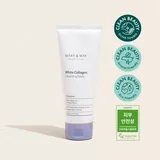
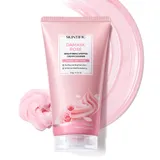
| MISSHAVita C Plus Clear Complexion Foaming CleanserYOUR PRODUCT | skintificDamask Rose Brightening Whipped Cream Cleanser | Mary&MayWhite Collagen Cleansing Foam | BIODANCECollagen Mask to Foam Cleanser | |
|---|---|---|---|---|
| Match | — | 79% | 76% | 75% |
| Price | $16.39 | — | $9.03−$7.36 | $12.00−$4.39 |
| Shared key ingredients | — | 6 of 30 | 7 of 30 | 6 of 30 |
| Key difference | — | Beta-Glucan | Beeswax | Sodium Polyacrylate |
| Irritancy | High | Medium | Medium | Medium |
| Drying alcohol | — | — | — | — |
| View product | Shop | Shop | Shop |
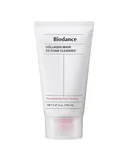
More alternatives: May Island 7 Days Secret Vita Plus-10 Cleansing FoamDEZI SKIN Agua Fresca Thirst Quenching Gel-Crme Moisturizer
Sources cited in this review
Every concentration estimate and effectiveness label is anchored to one of these 30 studies and safety reviews.
- 1
- 2
- 3
- 4Allergen of the Year—Alkyl Glucosidepracticeupdate.com
- 5Final Report on the Safety Assessment of Sodium Cocoyl Isethionatejournals.sagepub.com
- 6

Affiliate links · As an Amazon Associate, WIMJ earns from qualifying purchases.