Works for
1 of 1 advertised claim delivered
Moisturizing20 ingredients credited for this claimStrong support
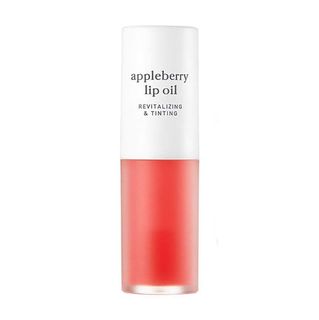
“Memebox Nooni Appleberry Lip Oil helps to hydrate and nourish lips.”
This product can help improve hydration of the skin with the two types of ingredients.
The first type is called “humectants”:
these ingredients help attract water.
When humectants are on the surface of the skin, they “pull in” the moisture from the outside environment, or from
within deeper layers of the skin. The following ingredients in this product do the job:
camellia sinensis seed oil, butylene glycol.
This product also contains ingredients called “occlusives”. They help reduce the speed with which our skin loses moisture to the outside environment. These ingredients also help soften the upper layer of the skin, so it feels less tight and nicer to the touch. The following ingredients in this product do the job: helianthus annuus seed oil, simmondsia chinensis seed oil.
The following ingredients in this product are especially good for supporting the skin barrier and helping with the hydration level: palmitoyl tripeptide-1
Anti-agingNot advertised by the brand · 5 ingredients credited for this claimModerate support
This product contains palmitoyl tripeptide-1. This ingredient might be able to help reduce and prevent fine lines and wrinkles, improve skin elasticity and firmness, but there is not enough evidence that it actually works.
Can it cause trouble?
Irritancy4 strong irritants: Citrus grandis peel oil, Methyl nicotinate + 2 more — patch-test recommendedHigh risk
Comedogenic2 ingredients rated 2 or more on the 0–5 pore-clogging scale2 flagged

User reviews
Be the first — your take helps the next person decide.
Ingredients
Filter by role to see what each ingredient is doing.
Polyglyceryl-2 isostearate/dimer dilinoleate copolymer~23–34%
- Irritation risk
- Low
Helianthus annuus seed oil~5.8–8.7%
- Irritation risk
- Low
A great emollient due to its high linoleic acid content. One of the most effective plant oils in helping skin hydration and repairing skin barrier function
More about Helianthus annuus seed oilSimmondsia chinensis seed oil~5–7.5%
- Irritation risk
- Medium
Softens the upper layer of skin and helps restore the healthy skin barrier. Has shown to help calm down inflammation in skin. It is a stable oil, meaning that it retains its properties even when exposed to air.
More about Simmondsia chinensis seed oilDiisostearyl malate~3.4–5.1%
- Irritation risk
- Medium
Helps to soften the upper layer of the skin
More about Diisostearyl malateTocopheryl acetate~2.2–3.3%
- Irritation risk
- Medium
A more stable but less bio-available form of vitamin E compared to Tocopherol. Might help moisturize and protect the skin from free radicals, but mostly used in low concentrations to stabilize other ingredients.
More about Tocopheryl acetateOlea europaea fruit oil~1.8–2.7%
- Irritation risk
- Medium
An emollient that helps soften the skin but is not effective for restoring its barrier function. Might be helpful to calm down inflammation
More about Olea europaea fruit oilSilica dimethyl silylate~1.4–2.1%
Citrus grandis peel oil~1.1–1.7%
- Irritation risk
- High
A plant oil with high content of volatile compounds that, especially when exposed to air, can cause allergic reactions and irritate the skin
More about Citrus grandis peel oilHydrogenated polyisobutene~1.1–1.7%
- Irritation risk
- Low
Used to improve the product consistency and soften the upper layer of the skin
More about Hydrogenated polyisobuteneCamellia sinensis seed oil~0.85–1.25%
- Irritation risk
- Low
A plant oil that helps to soften the upper layer of the skin and can help restore the skin barrier. Might have some anti-oxidant effect
More about Camellia sinensis seed oilCamellia japonica seed oil~0.5–1.2%
- Irritation risk
- Low
A plant oil that helps to soften the upper layer of the skin and can help restore skin's barrier function. Might have an anti-oxidant effect
More about Camellia japonica seed oilMacadamia integrifolia seed oil~0.4–1%
- Irritation risk
- Low
A plant oil that helps soften the upper layer of the skin
More about Macadamia integrifolia seed oilArgania spinosa kernel oil~0.35–0.85%
- Irritation risk
- Medium
An emollient that helps soften the upper layer of the skin. Might have some weak anti-oxidant properties
More about Argania spinosa kernel oilCaprylic/capric triglyceride~0.35–0.85%
- Irritation risk
- Medium
A good mix of fatty acids that forms a protective layer on the skin. Improves the shelf life of products. Derived from coconut and glycerin
More about Caprylic/capric triglyceridePrunus amygdalus dulcis oil~0.3–0.75%
- Irritation risk
- Low
An emollient that softens the skin
More about Prunus amygdalus dulcis oilIsostearic acid~0.35–0.8%
- Irritation risk
- Low
Used to create a nice product texture
More about Isostearic acidEthylhexyl palmitate~0.3–0.7%
- Irritation risk
- Low
- Comedogenicity
- 3/5
An emollient that helps soften the skin and create a nice product texture
More about Ethylhexyl palmitateDehydroacetic acid~0.15–0.6%
Monascus extract~0.15–0.5%
- Irritation risk
- Low
A yeast extract that might help to attract water to the upper layer of the skin
More about Monascus extractTribehenin~0.15–0.65%
- Irritation risk
- Low
Used to create a thicker product consistency and soften the upper layer of the skin
More about TribeheninTocopherol~0.1–0.5%
- Irritation risk
- Low
Pure form of vitamin E. Can help moisturise and protect the skin from free radicals. Often used to help stabilise other ingredients or the formula itself
More about TocopherolCi 15850~0.1–0.45%
Rosa canina fruit oil~0.15–0.6%
- Irritation risk
- Medium
A great emollient. Contains vitamin E (tocopherol) which may give it some anti-oxidant properties. Can contain volatile compounds and can be irritating
More about Rosa canina fruit oilCi 77491~0.1–0.4%
- Irritation risk
- Low
A red colorant made of iron oxide. Typically is not irritating
More about Ci 77491Pyrus malus seed oil~0.15–0.55%
- Irritation risk
- High
Can contain essential oil that can be irritating. Can help to soften the upper layer of the skin. Might be helpful in neutralizing free radicals
More about Pyrus malus seed oilSorbitan isostearate~0.1–0.45%
- Irritation risk
- Low
Helps oil and water mix together
More about Sorbitan isostearateWater~0.1–0.4%
Methyl nicotinate~0.1–0.4%
- Irritation risk
- High
Causes redness and irritation in skin. Is often added to lip roducts to create a temporary plumping effect. Is likely to have a negative effect on skin's barrier function
More about Methyl nicotinateGlycine soja oil~0.1–0.5%
- Irritation risk
- Medium
- Comedogenicity
- 2/5
A good emollient that helps soften the skin and helps repair its barrier function. It can clog pores if used in high concentrations.
More about Glycine soja oilButylene glycol~0.1–0.3%
- Irritation risk
- Low
Used to create a nice product texture and help delivery of other ingredients. Might be somewhat helpful in attracting water to the upper layer of the skin
More about Butylene glycolLactic acid~0.05–0.3%
- Irritation risk
- Medium
An exfoliating and moisturizing alpha-hydroxy acid (AHA). Typically causes less irritation than other AHAs, for example, glycolic acid. At high concentrations (about 15%), lactic acid can help reduce lines and wrinkles. Recent studies show that lactic acid can support the "good" bacteria living on skin's surface (healthy skin microbiome)
More about Lactic acidPyrus malus fruit extract~0.05–0.25%
- Irritation risk
- Medium
Can have some moisturizing properties due to its sugar content
More about Pyrus malus fruit extractPalmitoyl tripeptide-1~0.1–0.35%
- Irritation risk
- Low
A type of peptide. Peptides are excellent moisturizers and might be able support collagen production reducing fine lines and wrinkles
More about Palmitoyl tripeptide-1Capsicum frutescens fruit extract~0.05–0.2%
- Irritation risk
- High
Chilli pepper extract that is very likely to be irritating. Might be added to lip product to create a temporary burst of color. Is likely to have a negative effect on the skin and dry it out
More about Capsicum frutescens fruit extractZingiber officinale root oil~0.05–0.2%
- Irritation risk
- High
An essential oil that is likely to be irritating and can cause photosensitivity
More about Zingiber officinale root oilRubus idaeus fruit extract~0.05–0.2%
- Irritation risk
- Medium
A fruit extract that might have some anti-oxidant properties but evidence of effectiveness in skin is lacking
More about Rubus idaeus fruit extractIngredient list view
Polyglyceryl-2 isostearate/dimer dilinoleate copolymer, Helianthus annuus seed oil, Simmondsia chinensis seed oil, Diisostearyl malate, Tocopheryl acetate, Olea europaea fruit oil, Silica dimethyl silylate, Citrus grandis peel oil, Hydrogenated polyisobutene, Camellia sinensis seed oil, Camellia japonica seed oil, Macadamia integrifolia seed oil, Argania spinosa kernel oil, Caprylic/capric triglyceride, Prunus amygdalus dulcis oil, Isostearic acid, Unknown, Ethylhexyl palmitate, Dehydroacetic acid, Monascus extract, Tribehenin, Tocopherol, Ci 15850, Rosa canina fruit oil, Ci 77491, Pyrus malus seed oil, Sorbitan isostearate, Water, Methyl nicotinate, Glycine soja oil, Butylene glycol, Lactic acid, Pyrus malus fruit extract, Palmitoyl tripeptide-1, Capsicum frutescens fruit extract, Zingiber officinale root oil, Rubus idaeus fruit extract
Compare prices
Retailers ranked by price — lowest first.

Affiliate links · prices updated regularly
Worth comparing, line by line.
Match % combines shared ingredients, the first five ingredients, shared actives and hero ingredients, irritancy (lower counts in the alternative's favour), texture and body area. Only products in the same routine step are compared.
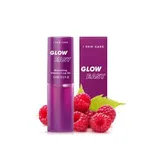
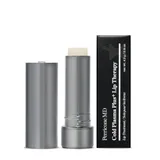
| MemeboxNooni Appleberry Lip OilYOUR PRODUCT | I Dew CareGlow Easy Nourishing Vitamin C Lip Oil | Saint JaneLuxury Lip Oil Duo x Favorite Daughter | Perricone MDCold Plasma Plus+ Lip Therapy | PerriconeMD | |
|---|---|---|---|---|
| Match | — | 65% | 60% | 56% |
| Price | $23.14 | $11.20−$11.94 | — | $28.75+$5.61 |
| Shared key ingredients | — | 7 of 7 | 4 of 7 | 5 of 7 |
| Key difference | — | Ascorbyl Glucoside | Butyrospermum Parkii Butter | Astrocaryum Murumuru Seed Butter |
| Irritancy | High | High | Medium | Medium |
| Drying alcohol | — | — | — | — |
| View product | Shop | Shop | Shop |


Product summary
Based on the ingredients included, "Memebox - Nooni Appleberry Lip Oil" works well for moisturizing the skin. The formulation is based on a combination of good humectants and emollients. Both are needed to increase the skin hydration level. Butylene glycol and monascus extract in this product (humectants) attract water molecules to the upper layer of the skin (the water comes from the outside air or from the deeper layers of the skin if the air is dry). Palmitoyl tripeptide-1, glycine soja oil, helianthus annuus seed oil, simmondsia chinensis seed oil and diisostearyl malate in this product help decrease the water evoporation from the skin, so that it stays hydrated for longer. These ingredients also soften the skin and take away the feeling of tightness and dryness.
Ingredient callouts
- This moisturizer also contains Peptides (palmitoyl tripeptide-1 0.10% - 0.35%). Peptides are a very big group of ingredients. They all consist of a different combination of aminoacids. Our skin produces Peptides naturally. Some of them work as natural antibiotics, promote wound-healing and production of collagen. The scientists are still studying how effective the topical application of Peptides is, but it is very likely that they are helpful. Peptides might be able to support skin barrier restoration and even have an anti-aging benefit. At the very least, they certainly help attract water to the skin and support the hydration in this way.
Irritation risk
This moisturizer contains a bunch of common irritants, including ingredients that do not provide any known benefit for the skin. It might not be the best choice if your skin is sensitive. We assess the overall irritancy of this moisturizer to be high. For a detailed overview of all potential irritants: click here
You can see the detailed formula review with the breakdown of all actives in the product and the full ingredient list with estimated concentrations in the tables below.
Price
The product retails for 17.50A$ in Australia.
For a detailed price comparison: click here.
Sources cited in this review
Every concentration estimate and effectiveness label is anchored to one of these 18 studies and safety reviews.
- 1
- 2
- 3Effect of topically applied lipids on surfactant-irritated skinonlinelibrary.wiley.com
- 4
- 5Use of “natural” oils for moisturization: Review of olive, coconut, and sunflower seed oilonlinelibrary.wiley.com
- 6

Affiliate links · As an Amazon Associate, WIMJ earns from qualifying purchases.