
Works for:
based on ingredients and %- Moisturizing
Can it cause trouble?
- Irritation risk: high
- Comedogenic risk ingredients: 8
Key actives

Works for
Moisturizing
What does the product description say?
Decadent, Coconut-scented formula Melts into lips to nourish and soothe Nourishes with a blend of nutrient-dense butters and moisturizing oils Leaves lips feeling soft, smooth, and supple
Source: Bluemercury
This product can help improve hydration of the skin with the two types of ingredients.
The first type is called “humectants”:
these ingredients help attract water.
When humectants are on the surface of the skin, they “pull in” the moisture from the outside environment, or from
within deeper layers of the skin. The following ingredients in this product do the job:
glycerin, polyglycerin-3.
This product also contains ingredients called “occlusives”. They help reduce the speed with which our skin loses moisture to the outside environment. These ingredients also help soften the upper layer of the skin, so it feels less tight and nicer to the touch. The following ingredients in this product do the job: beeswax, cera alba.
An emollient that helps soften the skin. Could be comedogenic
This oil's cmposition is closest to rapeseed oil. It is a very stable oil and serves as an emoillient
Helps soften the upper layer of the skin and can be helpful in restoring the skin barrier function. Might have some anti-oxidant effect
Forms a protective barrier that holds water and keeps dry skin hydrated. Keeps an emulsion from separating into its oil and liquid components, and increases the thickness of a product. Can be an allergen
A silicone that helps to reduce water loss from the surface of the skin. Can temporarily "fill in" lines and wrinkles, absorb oil, and create a nice product finish
One of the best moisturizing ingredients. Naturally present in skin. It attracts water to the upper layer of the skin working as a humectant
Helps soften the upper layer of the skin and support skin's barrier function while creating a thicker product consistency
Helps soften the upper layer of the skin
An emollient made of jojoba oil. Helps soften the skin and support its barrier function
An emollient that helps soften the skin and calm down inflammation
Helps to soften the upper layer of the skin and might have some anti-oxidant effect
A good moisturizing plant oil. Due to the high linoleic acid content, it helps soften the upper layer of the skin, reduce water loss and support skin barrier function
Helps to attract water to the upper layer of the skin
Forms a protective barrier that holds water and keeps dry skin hydrated. Keeps an emulsion from separating into its oil and liquid components, and increases the thickness of a product. Can be an allergen
A good emoillient. Contains vitamin E which can help neutralise free radicals, however the oil is unstable. Avoid if you have gluten or wheat sensitivity (including food allergies).
An emollient. Found to be as effective as a moisturizer for dry skin as mineral oil. Could be comedogenic
An emollient that softens the skin
Used to create a thicker product texture. Helps soften the upper layer of the skin and might be able to prevent moisture loss from its surface
An emollient that helps soften the skin and can decrease moisture loss. Helps create a nice product texture
Mimosa flower fax. Helps soften the upper layer of the skin. It adds a nice smell, but could be irritating
An oil from a mixture of different vegetables. Helps soften the upper layer of the skin
Help soften the upper layer of the skin
Helps soften the skin and attract water to its upper layer. Helps create nice product texture
A non-drying alcohol that works to soften the skin and stabilize product formulations helping oil and water mix together
An emollient that softens the skin and forms a protective layer on its surface. Helps water and oil mix together
Helps preserve products and creates a nice product texture
Help soften the upper layer of the skin and make it easier for oil and water mix together. Recently, a rising number of allergic reactions to cocoglycerides and other coconut-derived surfactants has been reported. As there is a significant overlap between frequent irritants and allergens, we flag this ingredient for attention of those with very sensitive, reactive skin
A sugar that is used to stabilize the product formulation. Can help attract water to the upper layer of the skin
Helps products spread more easily and works as an emollient to soften skin
Helps to soften the upper layer of the skin and create a nice product texture
Helps improve the product texture
Helps soften the upper layer of the skin and create a nice product consistency
Mineral oil. One of the most effective and well studied occlusive and emollient moisturizing ingredients. Helps reduce moisture loss in skin and repair skin barrier function
An emollient that helps soften the skin and could be helpful in repairing its barrier function
Is proven to be effective in reducing blemishes, evening out skin tone and helping to improve lines and wrinkles. It helps the skin to repair sun damage, calm down inflammation and keep maintain good levels of moisture. The concentration of about 2% is effective for supporting the skin barrier and evening out the skin tone. Concentration of 4-6% is better for helping with acne and balancing the sebum production
An excellent emollient. Helps soften the skin, restore its barrier function, and can help to calm down inflammation. It can be helpful to prevent blemishes and clogged pores
An emollient that helps soften the skin
A great moisturising ingredient that softens the skin and reduces water loss from its upper layer. It also can be helpful in protecting skin from free radicals
An emollient that helps soften the upper layer of the skin. Might have some weak anti-oxidant properties
An emollient that helps to soften the skin. It has a high contetn of oleic acid that might weaken the skin barrier. Might have some anti-oxidant properties. It might be somewhat helpful against hyperpigmentation.
Traditionally used to treat sunburns, dermatitis and inflammation, but evidence for its effectiveness is lacking. The extract can contain humectants that help attract water into the skin
Pure form of vitamin E. Can help moisturise and protect the skin from free radicals. Often used to help stabilise other ingredients or the formula itself
Traditionally used to treat sunburns, dermatitis and inflammation, but evidence for its effectiveness is lacking. The extract can contain humectants that help attract water into the skin
How honest is this product?
| Promise | Can it deliver? |
|---|---|
| Moisturizing |
Total Promises Fulfilled score: 75/100.
We receive a small commission for purchases made through these links at no cost for you. Thank you for your support! Learn more
Potential irritants
Comedogenic ingredients
User reviews (0)
Averages from community submissions.
No reviews yet for this product.
Be the first to share your experience!
Tried this product?
Help capture what the ingredient list can't—texture, finish, pilling, scent, and more. Answer what you can, skip the rest.
Takes ~30 seconds.
Reviews are shown in aggregate. No personal details.
| Product | Similarity | Price | Irritancy |
|---|---|---|---|
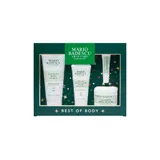 Mario Badescu Best of Body | Current | - | |
 Nécessaire The Body Exfoliator - With Bamboo Charcoal | 64% | $30.00 | |
 Skinfix Resurface+ AHA/BHA Enzyme Exfoliating Pads for Face and Targeted Body | 64% | ≈ $47.10 | |
 SweetSpot Labs Buff & Brighten Body Exfoliating Pads | 64% | ≈ $15.11 | |
 Lord Jones Bump + Smooth CBD Body Serum | 64% | $60.00 | |
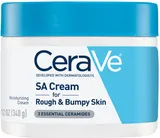
 CeraVe SA Cream rough | 63% | ≈ $9.63 |
Key Actives
Is proven to be effective in reducing blemishes, evening out skin tone and helping to improve lines and wrinkles. It helps the skin to repair sun damage, calm down inflammation and keep maintain good levels of moisture. The concentration of about 2% is effective for supporting the skin barrier and evening out the skin tone. Concentration of 4-6% is better for helping with acne and balancing the sebum production
Used for skin exfoliation. It has an anti-inflammatory and anti-bacterial effect, helps to unclog pores, prevent blemishes and speed up healing of the existing ones. Sometimes referred to as a BHA (beta-hydroxy acid)
Three steps removed from the active form of vitamin A - retinoic acid. To have an effect in the skin, it first needs to be converted twice to become the retinoic acid. This means it is less potent than retinol, but could also be less irritating. Once converted to the retinoic acid in the skin, it helps against all signs of aging, improves skin cell turnover and helps fight blemishes and clogged pores. However, in many cosmetic formulations, it is used in a concentration that is too low to have the full effect
Pure form of vitamin E. Can help moisturise and protect the skin from free radicals. Often used to help stabilise other ingredients or the formula itself
An emollient that helps soften the skin and calm down inflammation
This oil's cmposition is closest to rapeseed oil. It is a very stable oil and serves as an emoillient
A great moisturising ingredient that softens the skin and reduces water loss from its upper layer. It also can be helpful in protecting skin from free radicals
Helps soften the upper layer of the skin and can be helpful in restoring the skin barrier function. Might have some anti-oxidant effect
An excellent emollient. Helps soften the skin, restore its barrier function, and can help to calm down inflammation. It can be helpful to prevent blemishes and clogged pores
A good moisturizing plant oil. Due to the high linoleic acid content, it helps soften the upper layer of the skin, reduce water loss and support skin barrier function
A good emoillient. Contains vitamin E which can help neutralise free radicals, however the oil is unstable. Avoid if you have gluten or wheat sensitivity (including food allergies).
An emollient that helps soften the upper layer of the skin. Might have some weak anti-oxidant properties
Helps to soften the upper layer of the skin and might have some anti-oxidant effect
An emollient that helps soften the skin
A silicone that helps to reduce water loss from the surface of the skin. Can temporarily "fill in" lines and wrinkles, absorb oil, and create a nice product finish
Forms a protective barrier that holds water and keeps dry skin hydrated. Keeps an emulsion from separating into its oil and liquid components, and increases the thickness of a product. Can be an allergen
An emollient. Found to be as effective as a moisturizer for dry skin as mineral oil. Could be comedogenic
One of the best moisturizing ingredients. Naturally present in skin. It attracts water to the upper layer of the skin working as a humectant
Helps soften the upper layer of the skin
Mineral oil. One of the most effective and well studied occlusive and emollient moisturizing ingredients. Helps reduce moisture loss in skin and repair skin barrier function
One of the best moisturizing ingredients. Naturally present in skin. It attracts water to the upper layer of the skin working as a humectant
Works as a UV filter when used in high concentrations. It is photostable and is effective mostly against the UVB light, with some protection in the UVA range. In small concentrations, used for its ability to improve the color of cosmetic products. Is usually well tolerated by the skin
An emollient. Found to be as effective as a moisturizer for dry skin as mineral oil. Could be comedogenic
One of the best moisturizing ingredients. Naturally present in skin. It attracts water to the upper layer of the skin working as a humectant
An emollient that helps soften the skin. Could be comedogenic
An emollient that helps soften the skin and could be helpful in repairing its barrier function
An emollient made of jojoba oil. Helps soften the skin and support its barrier function
Helps soften the upper layer of the skin and support skin's barrier function while creating a thicker product consistency
Forms a protective barrier that holds water and keeps dry skin hydrated. Keeps an emulsion from separating into its oil and liquid components, and increases the thickness of a product. Can be an allergen
Helps to attract water to the upper layer of the skin
Potential irritants
Helps oil and water mix together and works as a cleansing agent. Can be allergenic
An aromatic blend of unspecified and possibly irritating ingredients
Used for skin exfoliation. It has an anti-inflammatory and anti-bacterial effect, helps to unclog pores, prevent blemishes and speed up healing of the existing ones. Sometimes referred to as a BHA (beta-hydroxy acid)
A common frangrance that can easily irritate skin, especially if exposed to air, light or heat
Helps oil and water mix together and can enhance the penetration of other ingredients into the skin. It can be irritating
Three steps removed from the active form of vitamin A - retinoic acid. To have an effect in the skin, it first needs to be converted twice to become the retinoic acid. This means it is less potent than retinol, but could also be less irritating. Once converted to the retinoic acid in the skin, it helps against all signs of aging, improves skin cell turnover and helps fight blemishes and clogged pores. However, in many cosmetic formulations, it is used in a concentration that is too low to have the full effect
A preservative. Can be used to mask unpleasant smell. Can be irritating
A fragrance. Can trigger allergic reactions and be irritating
A fragrance. Potential allergen and can be irritating
Help soften the upper layer of the skin and make it easier for oil and water mix together. Recently, a rising number of allergic reactions to cocoglycerides and other coconut-derived surfactants has been reported. As there is a significant overlap between frequent irritants and allergens, we flag this ingredient for attention of those with very sensitive, reactive skin
Plant extract that can have healing and anti-inflammatory properties. It is a potential allergen and can be irritating
Mimosa flower fax. Helps soften the upper layer of the skin. It adds a nice smell, but could be irritating
Traditionally used to treat sunburns, dermatitis and inflammation, but evidence for its effectiveness is lacking. The extract can contain humectants that help attract water into the skin
A more stable but less bio-available form of vitamin E compared to Tocopherol. Might help moisturize and protect the skin from free radicals, but mostly used in low concentrations to stabilize other ingredients.
Can work as an exfoliant but is typically used to adjust the product pH
Used to adjust pH of the product and can help improve the product's smell
A gelling agent that thickens the product consistency and leaves the skin with a velvety finish
An emollient that helps soften the upper layer of the skin. Might have some weak anti-oxidant properties
An emollient that helps to soften the skin. It has a high contetn of oleic acid that might weaken the skin barrier. Might have some anti-oxidant properties. It might be somewhat helpful against hyperpigmentation.
Helps preserve products and creates a nice product texture
An emollient that helps soften the skin and could be helpful in repairing its barrier function
Used to create a thicker product consistency and help soften the upper layer of the skin
Used to create a thicker product consistency and stabilize the formulation
An emollient made of jojoba oil. Helps soften the skin and support its barrier function
Forms a protective barrier that holds water and keeps dry skin hydrated. Keeps an emulsion from separating into its oil and liquid components, and increases the thickness of a product. Can be an allergen
Traditionally used to treat sunburns, dermatitis and inflammation, but evidence for its effectiveness is lacking. The extract can contain humectants that help attract water into the skin
An emollient that helps soften the skin and calm down inflammation
Comedogenic ingredients
An emollient. Found to be as effective as a moisturizer for dry skin as mineral oil. Could be comedogenic
A good moisturizing plant oil. Due to the high linoleic acid content, it helps soften the upper layer of the skin, reduce water loss and support skin barrier function
A good emoillient. Contains vitamin E which can help neutralise free radicals, however the oil is unstable. Avoid if you have gluten or wheat sensitivity (including food allergies).
An emollient. Found to be as effective as a moisturizer for dry skin as mineral oil. Could be comedogenic
A great moisturising ingredient that softens the skin and reduces water loss from its upper layer. It also can be helpful in protecting skin from free radicals
An emollient that helps soften the skin. Could be comedogenic
Helps soften the upper layer of the skin and can be helpful in restoring the skin barrier function. Might have some anti-oxidant effect
An oil from a mixture of different vegetables. Helps soften the upper layer of the skin
All ingredients
An emollient. Found to be as effective as a moisturizer for dry skin as mineral oil. Could be comedogenic
One of the best moisturizing ingredients. Naturally present in skin. It attracts water to the upper layer of the skin working as a humectant
Helps oil and water mix together and works as a cleansing agent. Can be allergenic
An aromatic blend of unspecified and possibly irritating ingredients
Traditionally used to treat sunburns, dermatitis and inflammation, but evidence for its effectiveness is lacking. The extract can contain humectants that help attract water into the skin
A preservative. It helps prevent bacterial growth in cosmetic products
This oil's cmposition is closest to rapeseed oil. It is a very stable oil and serves as an emoillient
A more stable but less bio-available form of vitamin E compared to Tocopherol. Might help moisturize and protect the skin from free radicals, but mostly used in low concentrations to stabilize other ingredients.
Used for skin exfoliation. It has an anti-inflammatory and anti-bacterial effect, helps to unclog pores, prevent blemishes and speed up healing of the existing ones. Sometimes referred to as a BHA (beta-hydroxy acid)
Is proven to be effective in reducing blemishes, evening out skin tone and helping to improve lines and wrinkles. It helps the skin to repair sun damage, calm down inflammation and keep maintain good levels of moisture. The concentration of about 2% is effective for supporting the skin barrier and evening out the skin tone. Concentration of 4-6% is better for helping with acne and balancing the sebum production
A common frangrance that can easily irritate skin, especially if exposed to air, light or heat
Can work as an exfoliant but is typically used to adjust the product pH
A sugar that is used to stabilize the product formulation. Can help attract water to the upper layer of the skin
An emollient that softens the skin and forms a protective layer on its surface. Helps water and oil mix together
Mineral oil. One of the most effective and well studied occlusive and emollient moisturizing ingredients. Helps reduce moisture loss in skin and repair skin barrier function
A good moisturizing plant oil. Due to the high linoleic acid content, it helps soften the upper layer of the skin, reduce water loss and support skin barrier function
A more stable but less bio-available form of vitamin E compared to Tocopherol. Might help moisturize and protect the skin from free radicals, but mostly used in low concentrations to stabilize other ingredients.
Helps oil and water mix together and can enhance the penetration of other ingredients into the skin. It can be irritating
A non-drying alcohol that works to soften the skin and stabilize product formulations helping oil and water mix together
A good emoillient. Contains vitamin E which can help neutralise free radicals, however the oil is unstable. Avoid if you have gluten or wheat sensitivity (including food allergies).
Three steps removed from the active form of vitamin A - retinoic acid. To have an effect in the skin, it first needs to be converted twice to become the retinoic acid. This means it is less potent than retinol, but could also be less irritating. Once converted to the retinoic acid in the skin, it helps against all signs of aging, improves skin cell turnover and helps fight blemishes and clogged pores. However, in many cosmetic formulations, it is used in a concentration that is too low to have the full effect
One of the best moisturizing ingredients. Naturally present in skin. It attracts water to the upper layer of the skin working as a humectant
An aromatic blend of unspecified and possibly irritating ingredients
Used to adjust pH of the product and can help improve the product's smell
A preservative. Can be used to mask unpleasant smell. Can be irritating
A fragrance. Can trigger allergic reactions and be irritating
A common frangrance that can easily irritate skin, especially if exposed to air, light or heat
A fragrance. Potential allergen and can be irritating
Works as a UV filter when used in high concentrations. It is photostable and is effective mostly against the UVB light, with some protection in the UVA range. In small concentrations, used for its ability to improve the color of cosmetic products. Is usually well tolerated by the skin
An emollient. Found to be as effective as a moisturizer for dry skin as mineral oil. Could be comedogenic
A great moisturising ingredient that softens the skin and reduces water loss from its upper layer. It also can be helpful in protecting skin from free radicals
Helps soften the skin and attract water to its upper layer. Helps create nice product texture
One of the best moisturizing ingredients. Naturally present in skin. It attracts water to the upper layer of the skin working as a humectant
Helps soften the upper layer of the skin and create a nice product consistency
Helps products spread more easily and works as an emollient to soften skin
An emollient that helps soften the skin. Could be comedogenic
A gelling agent that thickens the product consistency and leaves the skin with a velvety finish
An aromatic blend of unspecified and possibly irritating ingredients
An emollient that helps soften the skin and can decrease moisture loss. Helps create a nice product texture
A preservative. It helps prevent bacterial growth in cosmetic products
A more stable but less bio-available form of vitamin E compared to Tocopherol. Might help moisturize and protect the skin from free radicals, but mostly used in low concentrations to stabilize other ingredients.
An emollient that helps soften the upper layer of the skin. Might have some weak anti-oxidant properties
Helps to soften the upper layer of the skin and might have some anti-oxidant effect
An emollient that helps to soften the skin. It has a high contetn of oleic acid that might weaken the skin barrier. Might have some anti-oxidant properties. It might be somewhat helpful against hyperpigmentation.
Helps preserve products and creates a nice product texture
Helps to soften the upper layer of the skin and create a nice product texture
Help soften the upper layer of the skin and make it easier for oil and water mix together. Recently, a rising number of allergic reactions to cocoglycerides and other coconut-derived surfactants has been reported. As there is a significant overlap between frequent irritants and allergens, we flag this ingredient for attention of those with very sensitive, reactive skin
Used to create a thicker product consistency
A silicone that helps to reduce water loss from the surface of the skin. Can temporarily "fill in" lines and wrinkles, absorb oil, and create a nice product finish
An emollient that helps soften the skin and could be helpful in repairing its barrier function
Used to create a thicker product consistency and help soften the upper layer of the skin
Used to create a thicker product consistency and stabilize the formulation
An emollient made of jojoba oil. Helps soften the skin and support its barrier function
Helps soften the upper layer of the skin and support skin's barrier function while creating a thicker product consistency
Helps soften the upper layer of the skin and can be helpful in restoring the skin barrier function. Might have some anti-oxidant effect
Forms a protective barrier that holds water and keeps dry skin hydrated. Keeps an emulsion from separating into its oil and liquid components, and increases the thickness of a product. Can be an allergen
Forms a protective barrier that holds water and keeps dry skin hydrated. Keeps an emulsion from separating into its oil and liquid components, and increases the thickness of a product. Can be an allergen
Plant extract that can have healing and anti-inflammatory properties. It is a potential allergen and can be irritating
Used to create a thicker product texture. Helps soften the upper layer of the skin and might be able to prevent moisture loss from its surface
Used to stabilize product formulations and create a nice product texture
Traditionally used to treat sunburns, dermatitis and inflammation, but evidence for its effectiveness is lacking. The extract can contain humectants that help attract water into the skin
An oil from a mixture of different vegetables. Helps soften the upper layer of the skin
Mimosa flower fax. Helps soften the upper layer of the skin. It adds a nice smell, but could be irritating
Pure form of vitamin E. Can help moisturise and protect the skin from free radicals. Often used to help stabilise other ingredients or the formula itself
Used to create a gel-like product texture
An excellent emollient. Helps soften the skin, restore its barrier function, and can help to calm down inflammation. It can be helpful to prevent blemishes and clogged pores
An aromatic blend of unspecified and possibly irritating ingredients
An emollient that helps soften the skin and calm down inflammation
Used to increase stability of product formulations
Ingredient list view
Cocos nucifera oil, Water, Glycerin, Pumice, Coco-betaine, Acrylates/palmeth-25 acrylate copolymer, Sodium lauroyl glycinate, Microcrystalline cellulose, Phytelephas aequatorialis seed powder, Parfum, Hydrogenated jojoba oil, Silica, Aloe barbadensis leaf juice, Phenoxyethanol, Polysorbate 80, Sodium hydroxide, Limnanthes alba seed oil, Rosa canina seed, Tocopheryl acetate, Chlorphenesin, Sodium sulfite, Salicylic acid, Niacinamide, Limonene, Citronellol, Xylene, Geraniol, Citric acid, Potassium sorbate, Sodium benzoate, Citral, Amylopectin, Dextrin, Polydextrose, Farnesol, Cream, Unknown, Water, Glyceryl stearate, Paraffinum liquidum, Zea mays oil, Tocopheryl acetate, Propylene glycol, Cetyl alcohol, Triticum vulgare germ oil, Retinyl palmitate, Glycerin, Parfum, Triethanolamine, Propylparaben, Amyl cinnamal, Benzyl alcohol, Citronellol, Eugenol, Geraniol, Hexyl cinnamal, Isoeugenol, Butylphenyl methylpropional, Limonene, Linalool, Methyl 2-octynoate, Alpha-isomethyl ionone, Ci 77891, Titanium dioxide, Cocos nucifera oil, Unknown, Butter, Water, Butyrospermum parkii butter, C10-18 triglycerides, Glycerin, Neopentyl glycol diheptanoate, Cetearyl olivate, Dicaprylyl carbonate, Isopropyl myristate, Hydroxyethyl acrylate/sodium acryloyldimethyl taurate copolymer, Parfum, Sorbitan olivate, Isododecane, Phenoxyethanol, Tocopheryl acetate, Argania spinosa kernel oil, Mangifera indica seed butter, Prunus armeniaca kernel oil, Rosa canina seed, Sclerocarya birrea seed oil, Chlorphenesin, Caprylyl glycol, Hydrogenated polydecene, Cocoglycerides, Ethylene/propylene/styrene copolymer, Dimethicone, Brassica glycerides, Persea gratissima oil, Glyceryl behenate, Microcrystalline cellulose, Polyhydroxystearic acid, Jojoba esters, Helianthus annuus seed wax, Theobroma cacao seed butter, Prunus amygdalus dulcis oil, Silica silylate, Silica, Cera alba, Beeswax, Chamomilla recutita flower extract, Raspberry seed oil/tocopheryl succinate aminopropanediol esters, Dimethicone crosspolymer, Dimethicone/vinyl dimethicone crosspolymer, Aloe barbadensis leaf extract, Glyceryl rosinate, Hydrogenated vegetable oil, Olea europaea oil unsaponifiables, Acacia decurrens flower cera, Tocopherol, Butylene/ethylene/styrene copolymer, Candelilla cera, Euphorbia cerifera wax, Candelilla cera, Polysorbate 80, Polyglycerin-3, Linoleic acid, Hydrolyzed corn starch, Sucralose, Aroma, Parfum, Linolenic acid, Hydrated silica, Pentaerythrityl tetra-di-t-butyl hydroxyhydrocinnamate
- Glycerol and the skin: holistic approach to its origin and functions
- Salicylic acid as a peeling agent: a comprehensive review
- Beta Hydroxy Acids
- A review of toxicity from topical salicylic acid preparations
- Glycolic Acid Peels Versus Salicylic–Mandelic Acid Peels in Active Acne Vulgaris and Post‐Acne Scarring and Hyperpigmentation: A Comparative Study
- Niacinamide - mechanisms of action and its topical use in dermatology
- Gehring, W. (2004). Nicotinic acid/niacinamide and the skin. Journal of Cosmetic Dermatology, 3(2), 88–93. doi:10.1111/j.1473-2130.2004.00115.x
- Annex I: Clinical evidence regarding sensitisation to individual fragrance chemicals and to natural extracts
- A review on the extensive skin benefits of mineral oil
- Content of fatty acids in corn (Zea mays L.) oil from Ecuador
- Surfactants and experimental irritant contact dermatitis
- Propylene Glycol
- Skin-sensitizing and irritant properties of propylene glycol
- Natural vegetable fats in the prevention of irritant contact dermatitis
- Extraction and Characteristics of Seed Kernel Oil from Mango
- Promising features of mango (Mangifera indica L.) kernel oil: a review
- Evaluation of the fatty acid composition of the seeds of Mangifera indica L. and their application
- Anti-aging potential of extracts from Sclerocarya birrea (A. Rich.) Hochst and its chemical profiling by UPLC-Q-TOF-MS
- Physico-chemical composition and characterisation of the seed and seed oil of Sclerocarya birrea
- Assessment of the potential irritancy of oleic acid on human skin: Evaluation in vitro and in vivo
- Safety Assessment of Polyene Group as Used in Cosmetics
- Dimethicone as a protective ingredient in topical medications
- Final Report on the Safety Assessment of Dimethicone Copolyol
- Effect of Olive and Sunflower Seed Oil on the Adult Skin Barrier: Implications for Neonatal Skin Care
- Cocoa polyphenols and their influence on parameters involved in ex vivo skin restructuring
- Anti-Inflammatory and Skin Barrier Repair Effects of Topical Application of Some Plant Oils
- Efficacy of barrier creams in comparison to skin care products in dental laboratory technicians--a controlled trial
- Vitamin E in dermatology
- Vitamin E and Skin Health
- Safety Assessment of Styrene and Vinyl-type Styrene Copolymers as Used in Cosmetics
- The Permeability Barrier in Essential Fatty Acid Deficiency: Evidence for a Direct Role for Linoleic Acid in Barrier Function
- Digital image analysis of the effect of topically applied linoleic acid on acne microcomedones.
- Safety Assessment of Pentaerythrityl Tetra-Di-t-Butyl Hydroxyhydrocinnamate as Used in Cosmetics