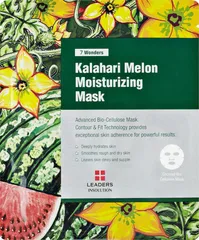
Works for:
based on ingredients and %- Moisturizing
- Anti-aging
Can it cause trouble?
- Irritation risk: high
- Comedogenic risk ingredients: 2
Key actives


Works for
Moisturizing
What does the product description say?
7 Wonders Kalahari Melon Moisturizing Mask
Source: From product name
This product can help improve hydration of the skin with the two types of ingredients.
The first type is called “humectants”:
these ingredients help attract water.
When humectants are on the surface of the skin, they “pull in” the moisture from the outside environment, or from
within deeper layers of the skin. The following ingredients in this product do the job:
anhydroxylitol, betaine.
This product also contains ingredients called “occlusives”. They help reduce the speed with which our skin loses moisture to the outside environment. These ingredients also help soften the upper layer of the skin, so it feels less tight and nicer to the touch. The following ingredients in this product do the job: cocos nucifera fruit extract, glyceryl linolenate.
The following ingredients in this product are especially good for supporting the skin barrier and helping with the hydration level: ceramide 3
Helps attract water to the upper layer of the skin and repair the skin barrir function
Helps attract water to the upper layer of the skin and improves the product texture
A type of lipid similar to ceramides naturally present in skin. Helps to soften the upper layer of the skin and supports the skin barrier function to keep it hydrated. Can help to prevent inflammation in skin
An emollient. Found to be as effective as a moisturizer for dry skin as mineral oil. Could be comedogenic
One of the best moisturizing ingredients. Naturally present in skin. It attracts water to the upper layer of the skin working as a humectant
Helps attract water to the upper layer of the skin and repair the skin barrier function
Helps soften the upper layer of the skin
Might have some moisturising properties. Is not effective when applied topically beyond some moisturizing effect
Used to create a nice product texture and help delivery of other ingredients. Might be somewhat helpful in attracting water to the upper layer of the skin
Helps preserve products and creates a nice product texture
A plant extract that has some anti-oxidant activity, but solid research is lacking. Can help attract water to the upper layer of the skin
Is proven to be effective in reducing blemishes, evening out skin tone and helping to improve lines and wrinkles. It helps the skin to repair sun damage, calm down inflammation and keep maintain good levels of moisture. The concentration of about 2% is effective for supporting the skin barrier and evening out the skin tone. Concentration of 4-6% is better for helping with acne and balancing the sebum production
A salt derived from licorice. Works as an emollient to soften the upper layer of the skin and can help calm down inflammation. Might be helpful for skin lightening
Helps attract water to the upper layer of the skin and can help improve skin barrier function
A plant extract that can help strengthen the skin barrier function and improve skin moisture levels
Anti-aging
This product contains folic acid. This ingredient might be able to help reduce and prevent fine lines and wrinkles, improve skin elasticity and firmness, but there is not enough evidence that it actually works.
Can help stimulate collagen production in skin. While available studies are promising, more research is needed to confirm the efficacy in skin
The most well-researched antioxidant that works in skin. Helps neutralize free radicals supporting collagen production, helping to even out the skin tone and preventing early signs of aging
Is proven to be effective in reducing blemishes, evening out skin tone and helping to improve lines and wrinkles. It helps the skin to repair sun damage, calm down inflammation and keep maintain good levels of moisture. The concentration of about 2% is effective for supporting the skin barrier and evening out the skin tone. Concentration of 4-6% is better for helping with acne and balancing the sebum production
Three steps removed from the active form of vitamin A - retinoic acid. To have an effect in the skin, it first needs to be converted twice to become the retinoic acid. This means it is less potent than retinol, but could also be less irritating. Once converted to the retinoic acid in the skin, it helps against all signs of aging, improves skin cell turnover and helps fight blemishes and clogged pores. However, in many cosmetic formulations, it is used in a concentration that is too low to have the full effect
How honest is this product?
| Promise | Can it deliver? |
|---|---|
| Moisturizing |
Total Promises Fulfilled score: 100/100.
We receive a small commission for purchases made through these links at no cost for you. Thank you for your support! Learn more
Potential irritants
Comedogenic ingredients
User reviews (0)
Averages from community submissions.
No reviews yet for this product.
Be the first to share your experience!
Tried this product?
Help capture what the ingredient list can't—texture, finish, pilling, scent, and more. Answer what you can, skip the rest.
Takes ~30 seconds.
Reviews are shown in aggregate. No personal details.
| Product | Similarity | Price | Irritancy |
|---|---|---|---|
 Leaders 7 Wonders Kalahari Melon Moisturizing Mask | Current | $12.00 | |
MEDIHEAL D.N.A Hydrating Protein Sheet Mask | 93% | $9.95 | |
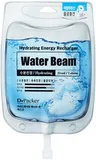 DEARPACKER Water Beam Mask | 86% | - | |
 Some By Mi Beta Panthenol Repair Daily Mask - 30pcs | 86% | ≈ $17.52 | |
CLIV Hyaluronic Propolis Soothing Ampoule Mask | 83% | $2.00 | |
 Biobelle My Diary of Beauty Secrets Facial Masks | 82% | - |
Key Actives
Is proven to be effective in reducing blemishes, evening out skin tone and helping to improve lines and wrinkles. It helps the skin to repair sun damage, calm down inflammation and keep maintain good levels of moisture. The concentration of about 2% is effective for supporting the skin barrier and evening out the skin tone. Concentration of 4-6% is better for helping with acne and balancing the sebum production
Three steps removed from the active form of vitamin A - retinoic acid. To have an effect in the skin, it first needs to be converted twice to become the retinoic acid. This means it is less potent than retinol, but could also be less irritating. Once converted to the retinoic acid in the skin, it helps against all signs of aging, improves skin cell turnover and helps fight blemishes and clogged pores. However, in many cosmetic formulations, it is used in a concentration that is too low to have the full effect
Helps attract water to the upper layer of the skin and can help improve skin barrier function
A salt derived from licorice. Works as an emollient to soften the upper layer of the skin and can help calm down inflammation. Might be helpful for skin lightening
A type of lipid similar to ceramides naturally present in skin. Helps to soften the upper layer of the skin and supports the skin barrier function to keep it hydrated. Can help to prevent inflammation in skin
One of the best moisturizing ingredients. Naturally present in skin. It attracts water to the upper layer of the skin working as a humectant
An emollient. Found to be as effective as a moisturizer for dry skin as mineral oil. Could be comedogenic
Helps attract water to the upper layer of the skin and improves the product texture
Helps attract water to the upper layer of the skin and repair the skin barrier function
Helps attract water to the upper layer of the skin and repair the skin barrir function
Can help stimulate collagen production in skin. While available studies are promising, more research is needed to confirm the efficacy in skin
Potential irritants
Plant extract that can have healing and anti-inflammatory properties. It is a potential allergen and can be irritating
A plant extract that can be irritating. It can have some anti-bacterial properties, but there are no evidence of a beneficial effect for skin
A plant extract that can help calm down inflammation in skin. Can, however, itself be irritating
An aromatic blend of unspecified and possibly irritating ingredients
Plant extract that has some anti-bacterial properties. Can be used as a fragrance. Can be irritating
Plant extract that can help neutralize free radicals in skin. Can be used as a fragrance. Can be irritating
Three steps removed from the active form of vitamin A - retinoic acid. To have an effect in the skin, it first needs to be converted twice to become the retinoic acid. This means it is less potent than retinol, but could also be less irritating. Once converted to the retinoic acid in the skin, it helps against all signs of aging, improves skin cell turnover and helps fight blemishes and clogged pores. However, in many cosmetic formulations, it is used in a concentration that is too low to have the full effect
The most well-researched antioxidant that works in skin. Helps neutralize free radicals supporting collagen production, helping to even out the skin tone and preventing early signs of aging
A gelling agent that thickens the product consistency and leaves the skin with a velvety finish
A plant extract that has some anti-oxidant activity, but solid research is lacking. Can help attract water to the upper layer of the skin
A plant extract that contains small percentage of AHAs. Is unlikely to have any skin benefit due the small concentration of the active compounds
Helps preserve products and creates a nice product texture
Plant extract that might have some anti-inflammatory properties
A plant extract that can help strengthen the skin barrier function and improve skin moisture levels
A more stable but less bio-available form of vitamin E compared to Tocopherol. Might help moisturize and protect the skin from free radicals, but mostly used in low concentrations to stabilize other ingredients.
Comedogenic ingredients
An emollient. Found to be as effective as a moisturizer for dry skin as mineral oil. Could be comedogenic
All ingredients
Used to create a nice product texture and help delivery of other ingredients. Might be somewhat helpful in attracting water to the upper layer of the skin
Plant extract that can have healing and anti-inflammatory properties. It is a potential allergen and can be irritating
One of the best moisturizing ingredients. Naturally present in skin. It attracts water to the upper layer of the skin working as a humectant
An emollient. Found to be as effective as a moisturizer for dry skin as mineral oil. Could be comedogenic
A gelling agent that thickens the product consistency and leaves the skin with a velvety finish
A plant extract that has some anti-oxidant activity, but solid research is lacking. Can help attract water to the upper layer of the skin
A plant extract that contains small percentage of AHAs. Is unlikely to have any skin benefit due the small concentration of the active compounds
Helps attract water to the upper layer of the skin and improves the product texture
Helps preserve products and creates a nice product texture
A plant extract that can be irritating. It can have some anti-bacterial properties, but there are no evidence of a beneficial effect for skin
A plant extract that can help calm down inflammation in skin. Can, however, itself be irritating
An aromatic blend of unspecified and possibly irritating ingredients
Plant extract that has some anti-bacterial properties. Can be used as a fragrance. Can be irritating
Plant extract that might have some anti-inflammatory properties
Plant extract that can help neutralize free radicals in skin. Can be used as a fragrance. Can be irritating
Helps attract water to the upper layer of the skin and repair the skin barrier function
Helps attract water to the upper layer of the skin and repair the skin barrir function
A plant extract that can help strengthen the skin barrier function and improve skin moisture levels
Helps attract water to the upper layer of the skin and repair the skin barrier function
Helps to retain moisture by creating a protective barrier on the skin. Rich in fatty acids. Improves product texture and helps with the penetration of other ingredients.
Helps attract water to the upper layer of the skin and can help improve skin barrier function
Is proven to be effective in reducing blemishes, evening out skin tone and helping to improve lines and wrinkles. It helps the skin to repair sun damage, calm down inflammation and keep maintain good levels of moisture. The concentration of about 2% is effective for supporting the skin barrier and evening out the skin tone. Concentration of 4-6% is better for helping with acne and balancing the sebum production
A more stable but less bio-available form of vitamin E compared to Tocopherol. Might help moisturize and protect the skin from free radicals, but mostly used in low concentrations to stabilize other ingredients.
Three steps removed from the active form of vitamin A - retinoic acid. To have an effect in the skin, it first needs to be converted twice to become the retinoic acid. This means it is less potent than retinol, but could also be less irritating. Once converted to the retinoic acid in the skin, it helps against all signs of aging, improves skin cell turnover and helps fight blemishes and clogged pores. However, in many cosmetic formulations, it is used in a concentration that is too low to have the full effect
Might have some moisturising properties. Is not effective when applied topically beyond some moisturizing effect
The most well-researched antioxidant that works in skin. Helps neutralize free radicals supporting collagen production, helping to even out the skin tone and preventing early signs of aging
Can help stimulate collagen production in skin. While available studies are promising, more research is needed to confirm the efficacy in skin
A salt derived from licorice. Works as an emollient to soften the upper layer of the skin and can help calm down inflammation. Might be helpful for skin lightening
A type of lipid similar to ceramides naturally present in skin. Helps to soften the upper layer of the skin and supports the skin barrier function to keep it hydrated. Can help to prevent inflammation in skin
Ingredient list view
Water, Butylene glycol, 2-hexanol, Chamomilla recutita flower extract, Glycerin, Cocos nucifera fruit extract, Hydroxyethyl acrylate/sodium acryloyldimethyl taurate copolymer, Portulaca oleracea extract, Acer saccharum extract, Betaine, Ethylhexylglycerin, Caprylyl glycol, Arnica montana flower extract, Xanthan gum, Hamamelis virginiana water, Parfum, Citrullus lanatus seed oil, Houttuynia cordata extract, Buddleja davidii extract, Thymus vulgaris flower/leaf extract, Ledum palustre extract, Saururus chinensis extract, Artemisia absinthium extract, Artemisia capillaris flower extract, Ecklonia cava extract, Achillea millefolium extract, Xylitylglucoside, Anhydroxylitol, Gentiana lutea root extract, Xylitol, Hydrogenated lecithin, Panthenol, Niacinamide, Tocopheryl acetate, Retinyl palmitate, Biotin, Ascorbic acid, Folic acid, Dipotassium glycyrrhizate, Ceramide 3, Glyceryl linolenate, Glyceryl linoleate, Glyceryl arachidonate
- Glycerol and the skin: holistic approach to its origin and functions
- Portulaca oleracea (purslane)
- Effects of Topical Arnica Gel on Post-Laser Treatment Bruises
- Effects of microcurrent application alone or in combination with topical Hypericum perforatum L. and Arnica montana L. on surgically induced wound healing in Wistar rats
- The seamy side of natural medicines: contact sensitization to arnica (Arnica montana L.) and marigold (Calendula officinalis L.)
- Accelerated resolution of laser‐induced bruising with topical 20% arnica: a rater‐blinded randomized controlled trial
- Anti-inflammatory, anti-angiogenic and anti-nociceptive activities of Saururus chinensis extract
- Inhibitory Effects of Saururus chinensis (LOUR.) BAILL on the Development of Atopic Dermatitis-Like Skin Lesions in NC/Nga Mice
- Contact dermatitis as an adverse reaction to some topically used European herbal medicinal products – part 1: Achillea millefolium–Curcuma longa
- The Herbal Bitter Drug Gentiana lutea Modulates Lipid Synthesis in Human Keratinocytes In Vitro and In Vivo
- Skin moisturizing effects of panthenol-based formulations
- Safety Assessment of Panthenol, Pantothenic Acid, and Derivatives as Used in Cosmetics
- Niacinamide - mechanisms of action and its topical use in dermatology
- Gehring, W. (2004). Nicotinic acid/niacinamide and the skin. Journal of Cosmetic Dermatology, 3(2), 88–93. doi:10.1111/j.1473-2130.2004.00115.x
- Folic acid and creatine improve the firmness of human skin in vivo
- Ameliorating effect of dipotassium glycyrrhizinate on an IL-4- and IL-13-induced atopic dermatitis-like skin-equivalent model
- Final report on the safety assessment of Glycyrrhetinic Acid, Potassium Glycyrrhetinate, Disodium Succinoyl Glycyrrhetinate, Glyceryl Glycyrrhetinate, Glycyrrhetinyl Stearate, Stearyl Glycyrrhetinate, Glycyrrhizic Acid, Ammonium Glycyrrhizate, Dipotassium Glycyrrhizate, Disodium Glycyrrhizate, Trisodium Glycyrrhizate, Methyl Glycyrrhizate, and Potassium Glycyrrhizinate.
- Topically Applied Ceramides Interact with the Stratum Corneum Lipid Matrix in Compromised Ex Vivo Skin