Works for:
based on ingredients and %- Moisturizing
- Anti-oxidation
- Anti-blemish
Can it cause trouble?
- Irritation risk: high
- Comedogenic risk ingredients: 18
Key actives


Works for
Anti-blemish
This product might be able to help reduce blemishes and clogged pores because it contains ethyl linoleate.
Helps reduce acne and blemishes. Helps to soften the upper layer of the skin and reduce inflammation. Might be helpful in reducing hyperpigmentation and evening out the skin tone, but evidence of effectiveness in skin are lacking
An excellent emollient. Helps soften the skin, restore its barrier function, and can help to calm down inflammation. It can be helpful to prevent blemishes and clogged pores
Three steps removed from the active form of vitamin A - retinoic acid. To have an effect in the skin, it first needs to be converted twice to become the retinoic acid. This means it is less potent than retinol, but could also be less irritating. Once converted to the retinoic acid in the skin, it helps against all signs of aging, improves skin cell turnover and helps fight blemishes and clogged pores. However, in many cosmetic formulations, it is used in a concentration that is too low to have the full effect
Helps calm down inflammation in skin and can help reduce itching. Helps to repair the skin barrier and keep skin hydrated
Traditionally used to treat sunburns, dermatitis and inflammation, but evidence for its effectiveness is lacking. The extract can contain humectants that help attract water into the skin
Anti-oxidation
This product contains antioxidants (ficus carica fruit extract) that might be able to help neutralize free radicals in skin to lessen the damage it gets from the UV light (sun). There is not enough evidence to confirm their effectiveness in skin though.
A plant extract that can help neutralize free radicals. The concentrations typically used in cosmetics are too small to have an effect
Might be helpful in neutralizing free radicals. Can have a dehydration effect that might somewhat decrease the look of puffy eyes
Might be helpful in neutralizing free radicals in skin
A great emollient that can also have anti-oxidant properties
Helps attract water to the upper layer of the skin. Might have some anti-oxidant properties
A plant extract that might have some anti-oxidant properties. Can be used as a fragrance and can be irritating
An emollient that softens the skin
Might be able to help neutralize free radical, calm down inflammation in skin, and even skin tone
A more stable but less bio-available form of vitamin E compared to Tocopherol. Might help moisturize and protect the skin from free radicals, but mostly used in low concentrations to stabilize other ingredients.
A great moisturising ingredient that softens the skin and reduces water loss from its upper layer. It also can be helpful in protecting skin from free radicals
An effective moisturizing and skin barrier repair ingredient. Helps calm down inflammation and has some anti-oxidant properties
Being a lipid soluble form of vitamin C, it is more stable and can penetrate the skin better than L-Ascorbic acid. It is effective in protecting the skin from free radicals, as well as evening the skin tone, but is less effective in stimulating collagen production compared to L-Ascorbic acid.
Moisturizing
What does the product description say?
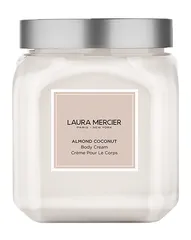
With a lightly whipped feel, the formula is enriched with vitamins, conditioning grape seed and rice bran oil, soothing vanilla and honey extracts, strengthening hydrolysed rice proteins and moisture-balancing pro-vitamin B5.
Source: Cultbeauty
This product can help improve hydration of the skin with the two types of ingredients.
The first type is called “humectants”:
these ingredients help attract water.
When humectants are on the surface of the skin, they “pull in” the moisture from the outside environment, or from
within deeper layers of the skin. The following ingredients in this product do the job:
glycerin, sodium hyaluronate.
This product also contains ingredients called “occlusives”. They help reduce the speed with which our skin loses moisture to the outside environment. These ingredients also help soften the upper layer of the skin, so it feels less tight and nicer to the touch. The following ingredients in this product do the job: caprylic/capric triglyceride, cocos nucifera oil.
An emollient. Found to be as effective as a moisturizer for dry skin as mineral oil. Could be comedogenic
A silicone that helps to reduce water loss from the surface of the skin. Can temporarily "fill in" lines and wrinkles, absorb oil, and create a nice product finish
One of the best moisturizing ingredients. Naturally present in skin. It attracts water to the upper layer of the skin working as a humectant
Helps reduce acne and blemishes. Helps to soften the upper layer of the skin and reduce inflammation. Might be helpful in reducing hyperpigmentation and evening out the skin tone, but evidence of effectiveness in skin are lacking
Helps soften the upper layer of the skin and might have some anti-oxidant properties
An emollient. Is not recommended for acne-prone skin as it can be comedogenic
An emollient that helps soften the skin and calm down inflammation
A great emollient that can also have anti-oxidant properties
An emollient made of jojoba oil. Helps soften the skin and support its barrier function
A good mix of fatty acids that forms a protective layer on the skin. Improves the shelf life of products. Derived from coconut and glycerin
An emollient that helps soften the skin
Helps attract water to the upper layer of the skin. Is sometimes referred to as "natural" hyaluronic acid (even though hyaluronic acid is not unnatural and is present in human skin)
Naturally present in skin and helps to attract water to its upper layer
One of the best moisturizing ingredients. Attracts water into the upper layer of the skin
An emollient that is naturally found in skin
Helps to soften the upper layer of the skin and attract water to it
Enhances the product texture and makes it more spreadable. Helps reduce water loss from the outer layer of skin. Extands the shelf life by preventing bacteria growth
A non-drying alcohol. Works as an emollient. Helps water and oil mix together and creates a nice product texture
A non-drying alcohol that works to soften the skin and stabilize product formulations helping oil and water mix together
Helps attract water to the skin and might have some anti-bacterial properties. Can be an allergen
Helps attract water to the upper layer of the skin
Helps attract water to the upper layer of the skin
Helps attract water to the upper layer of the skin. Might have some anti-oxidant properties
Can help attract water to the upper layer of the skin
An emollient that helps soften the skin and can decrease moisture loss. Helps create a nice product texture
Plant oil from nuts that helps soften the upper layer of the skin. Contains a high concentration of oleic acid that can weaken skin's barrier function and increase water-loss while enhancing penetration of other ingredients
An emollient that softens the skin
Helps preserve products and creates a nice product texture
Used to create a thicker product consistency and soften the upper layer of the skin
Improves the texture of the product and helps soften the skin. Helps oil and water mix together and can be used as a cleansing agent
Helps soften the upper layer of the skin, dissolve other ingredients and create a thicker product consistency
Used to create a thicker product consistency and soften the upper layer of the skin
Used to create a nice product texture and help delivery of other ingredients. Might be somewhat helpful in attracting water to the upper layer of the skin
An emollient that helps to soften the skin and create a pleasant product texture and stabilize the formulation
Ethyl oleate is a long-chain fatty acid ethyl ester resulting from the formal condensation of the carboxy group of oleic acid with the hydroxy group of ethanol. It derives from an oleic acid. In skincare, it is used to soften the upper layer of the skin, improve the product texture and smell
An emollient that softens the skin and forms a protective layer on its surface. Helps water and oil mix together
Traditionally used to treat sunburns, dermatitis and inflammation, but evidence for its effectiveness is lacking. The extract can contain humectants that help attract water into the skin
Traditionally used to treat sunburns, dermatitis and inflammation, but evidence for its effectiveness is lacking. The extract can contain humectants that help attract water into the skin
An effective moisturizing and skin barrier repair ingredient. Helps calm down inflammation and has some anti-oxidant properties
Helps attract water to the upper layer of the skin and can help improve skin barrier function
An excellent emollient. Helps soften the skin, restore its barrier function, and can help to calm down inflammation. It can be helpful to prevent blemishes and clogged pores
A great moisturising ingredient that softens the skin and reduces water loss from its upper layer. It also can be helpful in protecting skin from free radicals
Helps calm down inflammation in skin and can help reduce itching. Helps to repair the skin barrier and keep skin hydrated
Helps oil and water mix together and works as an emollient
Might be able to help neutralize free radical, calm down inflammation in skin, and even skin tone
Used mostly for creating emulsions - helping oil and water mix together. Helps soften the upper layer of the skin
Traditionally used to treat sunburns, dermatitis and inflammation, but evidence for its effectiveness is lacking. The extract can contain humectants that help attract water into the skin
How honest is this product?
| Promise | Can it deliver? |
|---|---|
| Moisturizing |
Total Promises Fulfilled score: 75/100.
We receive a small commission for purchases made through these links at no cost for you. Thank you for your support! Learn more
Potential irritants
Comedogenic ingredients
User reviews (0)
Averages from community submissions.
No reviews yet for this product.
Be the first to share your experience!
Tried this product?
Help capture what the ingredient list can't—texture, finish, pilling, scent, and more. Answer what you can, skip the rest.
Takes ~30 seconds.
Reviews are shown in aggregate. No personal details.
| Product | Similarity | Price | Irritancy |
|---|---|---|---|
 Laura Mercier Soufflé Body Crème Almond Coconut Milk | Current | ≈ $74.65 | |
Drunk Elephant Sili™ Body Lotion | 51% | ≈ $18.47 | |
 NEST Fragrances Grapefruit & Verbena Body Lotion | 50% | - |
Key Actives
Helps reduce acne and blemishes. Helps to soften the upper layer of the skin and reduce inflammation. Might be helpful in reducing hyperpigmentation and evening out the skin tone, but evidence of effectiveness in skin are lacking
Three steps removed from the active form of vitamin A - retinoic acid. To have an effect in the skin, it first needs to be converted twice to become the retinoic acid. This means it is less potent than retinol, but could also be less irritating. Once converted to the retinoic acid in the skin, it helps against all signs of aging, improves skin cell turnover and helps fight blemishes and clogged pores. However, in many cosmetic formulations, it is used in a concentration that is too low to have the full effect
Helps reduce acne and blemishes. Helps to soften the upper layer of the skin and reduce inflammation. Might be helpful in reducing hyperpigmentation and evening out the skin tone, but evidence of effectiveness in skin are lacking
Three steps removed from the active form of vitamin A - retinoic acid. To have an effect in the skin, it first needs to be converted twice to become the retinoic acid. This means it is less potent than retinol, but could also be less irritating. Once converted to the retinoic acid in the skin, it helps against all signs of aging, improves skin cell turnover and helps fight blemishes and clogged pores. However, in many cosmetic formulations, it is used in a concentration that is too low to have the full effect
Three steps removed from the active form of vitamin A - retinoic acid. To have an effect in the skin, it first needs to be converted twice to become the retinoic acid. This means it is less potent than retinol, but could also be less irritating. Once converted to the retinoic acid in the skin, it helps against all signs of aging, improves skin cell turnover and helps fight blemishes and clogged pores. However, in many cosmetic formulations, it is used in a concentration that is too low to have the full effect
Three steps removed from the active form of vitamin A - retinoic acid. To have an effect in the skin, it first needs to be converted twice to become the retinoic acid. This means it is less potent than retinol, but could also be less irritating. Once converted to the retinoic acid in the skin, it helps against all signs of aging, improves skin cell turnover and helps fight blemishes and clogged pores. However, in many cosmetic formulations, it is used in a concentration that is too low to have the full effect
An emollient that helps soften the skin and calm down inflammation
A great moisturising ingredient that softens the skin and reduces water loss from its upper layer. It also can be helpful in protecting skin from free radicals
Helps attract water to the upper layer of the skin and can help improve skin barrier function
A great moisturising ingredient that softens the skin and reduces water loss from its upper layer. It also can be helpful in protecting skin from free radicals
Helps attract water to the upper layer of the skin and can help improve skin barrier function
A great moisturising ingredient that softens the skin and reduces water loss from its upper layer. It also can be helpful in protecting skin from free radicals
Helps attract water to the upper layer of the skin and can help improve skin barrier function
A great moisturising ingredient that softens the skin and reduces water loss from its upper layer. It also can be helpful in protecting skin from free radicals
An excellent emollient. Helps soften the skin, restore its barrier function, and can help to calm down inflammation. It can be helpful to prevent blemishes and clogged pores
A silicone that helps to reduce water loss from the surface of the skin. Can temporarily "fill in" lines and wrinkles, absorb oil, and create a nice product finish
A great emollient that can also have anti-oxidant properties
A silicone that helps to reduce water loss from the surface of the skin. Can temporarily "fill in" lines and wrinkles, absorb oil, and create a nice product finish
A great emollient that can also have anti-oxidant properties
A great emollient that can also have anti-oxidant properties
A silicone that helps to reduce water loss from the surface of the skin. Can temporarily "fill in" lines and wrinkles, absorb oil, and create a nice product finish
Might be helpful in neutralizing free radicals. Can have a dehydration effect that might somewhat decrease the look of puffy eyes
An emollient that is naturally found in skin
A good mix of fatty acids that forms a protective layer on the skin. Improves the shelf life of products. Derived from coconut and glycerin
One of the best moisturizing ingredients. Naturally present in skin. It attracts water to the upper layer of the skin working as a humectant
An emollient that helps soften the skin
An emollient. Is not recommended for acne-prone skin as it can be comedogenic
Helps soften the upper layer of the skin and might have some anti-oxidant properties
Sulisobenzone. A UV filter. Is typically used to improve the product stability under exposure to UV light. It is effective against both UVA and UVB rays. It can be used is larger concentrations as a sun protection ingredient for the skin, but can be irritating
A plant extract that can help neutralize free radicals. The concentrations typically used in cosmetics are too small to have an effect
One of the best moisturizing ingredients. Attracts water into the upper layer of the skin
A good mix of fatty acids that forms a protective layer on the skin. Improves the shelf life of products. Derived from coconut and glycerin
One of the best moisturizing ingredients. Naturally present in skin. It attracts water to the upper layer of the skin working as a humectant
An emollient that helps soften the skin
An emollient. Is not recommended for acne-prone skin as it can be comedogenic
An emollient. Found to be as effective as a moisturizer for dry skin as mineral oil. Could be comedogenic
An emollient made of jojoba oil. Helps soften the skin and support its barrier function
Helps soften the upper layer of the skin and might have some anti-oxidant properties
One of the best moisturizing ingredients. Attracts water into the upper layer of the skin
A good mix of fatty acids that forms a protective layer on the skin. Improves the shelf life of products. Derived from coconut and glycerin
One of the best moisturizing ingredients. Naturally present in skin. It attracts water to the upper layer of the skin working as a humectant
An emollient that helps soften the skin
An emollient. Is not recommended for acne-prone skin as it can be comedogenic
An emollient made of jojoba oil. Helps soften the skin and support its barrier function
Helps soften the upper layer of the skin and might have some anti-oxidant properties
One of the best moisturizing ingredients. Attracts water into the upper layer of the skin
A good mix of fatty acids that forms a protective layer on the skin. Improves the shelf life of products. Derived from coconut and glycerin
One of the best moisturizing ingredients. Naturally present in skin. It attracts water to the upper layer of the skin working as a humectant
An emollient that helps soften the skin
An emollient. Is not recommended for acne-prone skin as it can be comedogenic
Helps attract water to the upper layer of the skin. Is sometimes referred to as "natural" hyaluronic acid (even though hyaluronic acid is not unnatural and is present in human skin)
One of the best moisturizing ingredients. Attracts water into the upper layer of the skin
Naturally present in skin and helps to attract water to its upper layer
Works as a UV filter when used in high concentrations. It is photostable and is effective mostly against the UVB light, with some protection in the UVA range. In small concentrations, used for its ability to improve the color of cosmetic products. Is usually well tolerated by the skin
Sulisobenzone. A UV filter. Is typically used to improve the product stability under exposure to UV light. It is effective against both UVA and UVB rays. It can be used is larger concentrations as a sun protection ingredient for the skin, but can be irritating
Potential irritants
Sulisobenzone. A UV filter. Is typically used to improve the product stability under exposure to UV light. It is effective against both UVA and UVB rays. It can be used is larger concentrations as a sun protection ingredient for the skin, but can be irritating
Three steps removed from the active form of vitamin A - retinoic acid. To have an effect in the skin, it first needs to be converted twice to become the retinoic acid. This means it is less potent than retinol, but could also be less irritating. Once converted to the retinoic acid in the skin, it helps against all signs of aging, improves skin cell turnover and helps fight blemishes and clogged pores. However, in many cosmetic formulations, it is used in a concentration that is too low to have the full effect
A plant extract used as a fragrance. Can be irritating
Fragrance with sweet balsamic smell. Help to preserve products and dissolve other ingredients. Could trigger allergic reactions and be irritating
A common frangrance that can easily irritate skin, especially if exposed to air, light or heat
A preservative. Can be used to mask unpleasant smell. Can be irritating
A fragrance. Can trigger allergic reactions and be irritating
A plant extract that might have some anti-oxidant properties. Can be used as a fragrance and can be irritating
A fungus extract that can help to create a temporary tightening feeling on the skin
Might be able to help neutralize free radical, calm down inflammation in skin, and even skin tone
Helps oil and water mix together and can enhance the penetration of other ingredients into the skin. It can be irritating
A good mix of fatty acids that forms a protective layer on the skin. Improves the shelf life of products. Derived from coconut and glycerin
An emollient. Is not recommended for acne-prone skin as it can be comedogenic
A great emollient that can also have anti-oxidant properties
Plant oil from nuts that helps soften the upper layer of the skin. Contains a high concentration of oleic acid that can weaken skin's barrier function and increase water-loss while enhancing penetration of other ingredients
Traditionally used to treat sunburns, dermatitis and inflammation, but evidence for its effectiveness is lacking. The extract can contain humectants that help attract water into the skin
A plant extract that can help neutralize free radicals. The concentrations typically used in cosmetics are too small to have an effect
Helps reduce acne and blemishes. Helps to soften the upper layer of the skin and reduce inflammation. Might be helpful in reducing hyperpigmentation and evening out the skin tone, but evidence of effectiveness in skin are lacking
Ethyl oleate is a long-chain fatty acid ethyl ester resulting from the formal condensation of the carboxy group of oleic acid with the hydroxy group of ethanol. It derives from an oleic acid. In skincare, it is used to soften the upper layer of the skin, improve the product texture and smell
A more stable but less bio-available form of vitamin E compared to Tocopherol. Might help moisturize and protect the skin from free radicals, but mostly used in low concentrations to stabilize other ingredients.
Helps preserve products and creates a nice product texture
An emollient made of jojoba oil. Helps soften the skin and support its barrier function
Traditionally used to treat sunburns, dermatitis and inflammation, but evidence for its effectiveness is lacking. The extract can contain humectants that help attract water into the skin
Being a lipid soluble form of vitamin C, it is more stable and can penetrate the skin better than L-Ascorbic acid. It is effective in protecting the skin from free radicals, as well as evening the skin tone, but is less effective in stimulating collagen production compared to L-Ascorbic acid.
Used to create a thicker product consistency and soften the upper layer of the skin
Used to improve product texture and help oil and water mix together
Used to create a thicker product consistency and soften the upper layer of the skin
Helps attract water to the upper layer of the skin. Is sometimes referred to as "natural" hyaluronic acid (even though hyaluronic acid is not unnatural and is present in human skin)
Traditionally used to treat sunburns, dermatitis and inflammation, but evidence for its effectiveness is lacking. The extract can contain humectants that help attract water into the skin
An emollient that helps soften the skin and calm down inflammation
Helps oil and water mix together. Has some emollient properties
Might be helpful in neutralizing free radicals. Can have a dehydration effect that might somewhat decrease the look of puffy eyes
Used to adjust pH of the product and can help improve the product's smell
Comedogenic ingredients
An emollient. Is not recommended for acne-prone skin as it can be comedogenic
A non-drying alcohol. Works as an emollient. Helps water and oil mix together and creates a nice product texture
A great moisturising ingredient that softens the skin and reduces water loss from its upper layer. It also can be helpful in protecting skin from free radicals
A non-drying alcohol. Works as an emollient. Helps water and oil mix together and creates a nice product texture
An emollient. Is not recommended for acne-prone skin as it can be comedogenic
A great moisturising ingredient that softens the skin and reduces water loss from its upper layer. It also can be helpful in protecting skin from free radicals
An emollient. Found to be as effective as a moisturizer for dry skin as mineral oil. Could be comedogenic
A non-drying alcohol. Works as an emollient. Helps water and oil mix together and creates a nice product texture
An emollient. Is not recommended for acne-prone skin as it can be comedogenic
A great moisturising ingredient that softens the skin and reduces water loss from its upper layer. It also can be helpful in protecting skin from free radicals
An emollient. Is not recommended for acne-prone skin as it can be comedogenic
A non-drying alcohol. Works as an emollient. Helps water and oil mix together and creates a nice product texture
A great moisturising ingredient that softens the skin and reduces water loss from its upper layer. It also can be helpful in protecting skin from free radicals
Helps oil and water mix together. Has some emollient properties
All ingredients
A good mix of fatty acids that forms a protective layer on the skin. Improves the shelf life of products. Derived from coconut and glycerin
One of the best moisturizing ingredients. Naturally present in skin. It attracts water to the upper layer of the skin working as a humectant
Enhances the product texture and makes it more spreadable. Helps reduce water loss from the outer layer of skin. Extands the shelf life by preventing bacteria growth
An emollient that softens the skin and forms a protective layer on its surface. Helps water and oil mix together
Helps oil and water mix togehter and creates a nice product texture
An emollient. Is not recommended for acne-prone skin as it can be comedogenic
A non-drying alcohol. Works as an emollient. Helps water and oil mix together and creates a nice product texture
A silicone that helps to reduce water loss from the surface of the skin. Can temporarily "fill in" lines and wrinkles, absorb oil, and create a nice product finish
A great emollient that can also have anti-oxidant properties
Plant oil from nuts that helps soften the upper layer of the skin. Contains a high concentration of oleic acid that can weaken skin's barrier function and increase water-loss while enhancing penetration of other ingredients
Helps water and oil mix together and create gel-like textures
Used to create a nice product texture and help delivery of other ingredients. Might be somewhat helpful in attracting water to the upper layer of the skin
A great moisturising ingredient that softens the skin and reduces water loss from its upper layer. It also can be helpful in protecting skin from free radicals
A non-drying alcohol that works to soften the skin and stabilize product formulations helping oil and water mix together
A preservative. It helps prevent bacterial growth in cosmetic products
Improves the texture of the product and helps soften the skin. Helps oil and water mix together and can be used as a cleansing agent
Helps soften the upper layer of the skin and might have some anti-oxidant properties
Traditionally used to treat sunburns, dermatitis and inflammation, but evidence for its effectiveness is lacking. The extract can contain humectants that help attract water into the skin
Sulisobenzone. A UV filter. Is typically used to improve the product stability under exposure to UV light. It is effective against both UVA and UVB rays. It can be used is larger concentrations as a sun protection ingredient for the skin, but can be irritating
Helps attract water to the upper layer of the skin and can help improve skin barrier function
An emollient that helps to soften the skin and create a pleasant product texture and stabilize the formulation
Helps attract water to the skin and might have some anti-bacterial properties. Can be an allergen
Helps attract water to the upper layer of the skin. Might have some anti-oxidant properties
Used to increase stability of product formulations
A plant extract that can help neutralize free radicals. The concentrations typically used in cosmetics are too small to have an effect
Used mostly for creating emulsions - helping oil and water mix together. Helps soften the upper layer of the skin
Helps reduce acne and blemishes. Helps to soften the upper layer of the skin and reduce inflammation. Might be helpful in reducing hyperpigmentation and evening out the skin tone, but evidence of effectiveness in skin are lacking
Ethyl oleate is a long-chain fatty acid ethyl ester resulting from the formal condensation of the carboxy group of oleic acid with the hydroxy group of ethanol. It derives from an oleic acid. In skincare, it is used to soften the upper layer of the skin, improve the product texture and smell
Three steps removed from the active form of vitamin A - retinoic acid. To have an effect in the skin, it first needs to be converted twice to become the retinoic acid. This means it is less potent than retinol, but could also be less irritating. Once converted to the retinoic acid in the skin, it helps against all signs of aging, improves skin cell turnover and helps fight blemishes and clogged pores. However, in many cosmetic formulations, it is used in a concentration that is too low to have the full effect
A more stable but less bio-available form of vitamin E compared to Tocopherol. Might help moisturize and protect the skin from free radicals, but mostly used in low concentrations to stabilize other ingredients.
One of the best moisturizing ingredients. Attracts water into the upper layer of the skin
Might be helpful in neutralizing free radicals in skin
Helps attract water to the skin and might have some anti-bacterial properties. Can be an allergen
A plant extract used as a fragrance. Can be irritating
Fragrance with sweet balsamic smell. Help to preserve products and dissolve other ingredients. Could trigger allergic reactions and be irritating
A common frangrance that can easily irritate skin, especially if exposed to air, light or heat
A good mix of fatty acids that forms a protective layer on the skin. Improves the shelf life of products. Derived from coconut and glycerin
An aromatic blend of unspecified and possibly irritating ingredients
One of the best moisturizing ingredients. Naturally present in skin. It attracts water to the upper layer of the skin working as a humectant
Enhances the product texture and makes it more spreadable. Helps reduce water loss from the outer layer of skin. Extands the shelf life by preventing bacteria growth
A non-drying alcohol. Works as an emollient. Helps water and oil mix together and creates a nice product texture
An emollient that softens the skin and forms a protective layer on its surface. Helps water and oil mix together
Helps oil and water mix togehter and creates a nice product texture
An emollient. Is not recommended for acne-prone skin as it can be comedogenic
A silicone that helps to reduce water loss from the surface of the skin. Can temporarily "fill in" lines and wrinkles, absorb oil, and create a nice product finish
An emollient that helps soften the skin and can decrease moisture loss. Helps create a nice product texture
A great emollient that can also have anti-oxidant properties
Helps water and oil mix together and create gel-like textures
A great moisturising ingredient that softens the skin and reduces water loss from its upper layer. It also can be helpful in protecting skin from free radicals
Helps preserve products and creates a nice product texture
A preservative. It helps prevent bacterial growth in cosmetic products
Improves the texture of the product and helps soften the skin. Helps oil and water mix together and can be used as a cleansing agent
An emollient. Found to be as effective as a moisturizer for dry skin as mineral oil. Could be comedogenic
An emollient made of jojoba oil. Helps soften the skin and support its barrier function
Helps soften the upper layer of the skin and might have some anti-oxidant properties
A preservative. Can be used to mask unpleasant smell. Can be irritating
Traditionally used to treat sunburns, dermatitis and inflammation, but evidence for its effectiveness is lacking. The extract can contain humectants that help attract water into the skin
Helps attract water to the upper layer of the skin and can help improve skin barrier function
An emollient that helps to soften the skin and create a pleasant product texture and stabilize the formulation
Helps attract water to the skin and might have some anti-bacterial properties. Can be an allergen
Helps attract water to the upper layer of the skin. Might have some anti-oxidant properties
One of the best moisturizing ingredients. Attracts water into the upper layer of the skin
Used to increase stability of product formulations
Used mostly for creating emulsions - helping oil and water mix together. Helps soften the upper layer of the skin
Helps reduce acne and blemishes. Helps to soften the upper layer of the skin and reduce inflammation. Might be helpful in reducing hyperpigmentation and evening out the skin tone, but evidence of effectiveness in skin are lacking
Ethyl oleate is a long-chain fatty acid ethyl ester resulting from the formal condensation of the carboxy group of oleic acid with the hydroxy group of ethanol. It derives from an oleic acid. In skincare, it is used to soften the upper layer of the skin, improve the product texture and smell
Three steps removed from the active form of vitamin A - retinoic acid. To have an effect in the skin, it first needs to be converted twice to become the retinoic acid. This means it is less potent than retinol, but could also be less irritating. Once converted to the retinoic acid in the skin, it helps against all signs of aging, improves skin cell turnover and helps fight blemishes and clogged pores. However, in many cosmetic formulations, it is used in a concentration that is too low to have the full effect
A more stable but less bio-available form of vitamin E compared to Tocopherol. Might help moisturize and protect the skin from free radicals, but mostly used in low concentrations to stabilize other ingredients.
Might be helpful in neutralizing free radicals in skin
Helps attract water to the skin and might have some anti-bacterial properties. Can be an allergen
A plant extract used as a fragrance. Can be irritating
Fragrance with sweet balsamic smell. Help to preserve products and dissolve other ingredients. Could trigger allergic reactions and be irritating
A common frangrance that can easily irritate skin, especially if exposed to air, light or heat
A good mix of fatty acids that forms a protective layer on the skin. Improves the shelf life of products. Derived from coconut and glycerin
One of the best moisturizing ingredients. Naturally present in skin. It attracts water to the upper layer of the skin working as a humectant
An aromatic blend of unspecified and possibly irritating ingredients
Enhances the product texture and makes it more spreadable. Helps reduce water loss from the outer layer of skin. Extands the shelf life by preventing bacteria growth
A non-drying alcohol. Works as an emollient. Helps water and oil mix together and creates a nice product texture
An emollient that softens the skin and forms a protective layer on its surface. Helps water and oil mix together
Helps oil and water mix togehter and creates a nice product texture
An emollient. Is not recommended for acne-prone skin as it can be comedogenic
A great emollient that can also have anti-oxidant properties
An emollient that helps soften the skin and can decrease moisture loss. Helps create a nice product texture
Helps water and oil mix together and create gel-like textures
An emollient made of jojoba oil. Helps soften the skin and support its barrier function
A great moisturising ingredient that softens the skin and reduces water loss from its upper layer. It also can be helpful in protecting skin from free radicals
Helps preserve products and creates a nice product texture
A preservative. It helps prevent bacterial growth in cosmetic products
Improves the texture of the product and helps soften the skin. Helps oil and water mix together and can be used as a cleansing agent
Helps soften the upper layer of the skin and might have some anti-oxidant properties
A preservative. Can be used to mask unpleasant smell. Can be irritating
Helps attract water to the upper layer of the skin and can help improve skin barrier function
Traditionally used to treat sunburns, dermatitis and inflammation, but evidence for its effectiveness is lacking. The extract can contain humectants that help attract water into the skin
Helps attract water to the skin and might have some anti-bacterial properties. Can be an allergen
Helps attract water to the upper layer of the skin. Might have some anti-oxidant properties
One of the best moisturizing ingredients. Attracts water into the upper layer of the skin
A more stable but less bio-available form of vitamin E compared to Tocopherol. Might help moisturize and protect the skin from free radicals, but mostly used in low concentrations to stabilize other ingredients.
Being a lipid soluble form of vitamin C, it is more stable and can penetrate the skin better than L-Ascorbic acid. It is effective in protecting the skin from free radicals, as well as evening the skin tone, but is less effective in stimulating collagen production compared to L-Ascorbic acid.
Used to increase stability of product formulations
Used to create a nice product texture and help delivery of other ingredients. Might be somewhat helpful in attracting water to the upper layer of the skin
Three steps removed from the active form of vitamin A - retinoic acid. To have an effect in the skin, it first needs to be converted twice to become the retinoic acid. This means it is less potent than retinol, but could also be less irritating. Once converted to the retinoic acid in the skin, it helps against all signs of aging, improves skin cell turnover and helps fight blemishes and clogged pores. However, in many cosmetic formulations, it is used in a concentration that is too low to have the full effect
Might be helpful in neutralizing free radicals in skin
A plant extract used as a fragrance. Can be irritating
A fragrance. Can trigger allergic reactions and be irritating
A common frangrance that can easily irritate skin, especially if exposed to air, light or heat
A good mix of fatty acids that forms a protective layer on the skin. Improves the shelf life of products. Derived from coconut and glycerin
One of the best moisturizing ingredients. Naturally present in skin. It attracts water to the upper layer of the skin working as a humectant
Plant oil from nuts that helps soften the upper layer of the skin. Contains a high concentration of oleic acid that can weaken skin's barrier function and increase water-loss while enhancing penetration of other ingredients
An aromatic blend of unspecified and possibly irritating ingredients
An emollient that softens the skin and forms a protective layer on its surface. Helps water and oil mix together
An effective moisturizing and skin barrier repair ingredient. Helps calm down inflammation and has some anti-oxidant properties
An emollient. Is not recommended for acne-prone skin as it can be comedogenic
A non-drying alcohol. Works as an emollient. Helps water and oil mix together and creates a nice product texture
A silicone that helps to reduce water loss from the surface of the skin. Can temporarily "fill in" lines and wrinkles, absorb oil, and create a nice product finish
A great moisturising ingredient that softens the skin and reduces water loss from its upper layer. It also can be helpful in protecting skin from free radicals
Used to create a thicker product consistency and soften the upper layer of the skin
Used to improve product texture and help oil and water mix together
Used to create a thicker product consistency and soften the upper layer of the skin
Helps attract water to the upper layer of the skin. Is sometimes referred to as "natural" hyaluronic acid (even though hyaluronic acid is not unnatural and is present in human skin)
Helps attract water to the skin and might have some anti-bacterial properties. Can be an allergen
A plant extract used as a fragrance. Can be irritating
Might be helpful in neutralizing free radicals in skin
Traditionally used to treat sunburns, dermatitis and inflammation, but evidence for its effectiveness is lacking. The extract can contain humectants that help attract water into the skin
Traditionally used to treat sunburns, dermatitis and inflammation, but evidence for its effectiveness is lacking. The extract can contain humectants that help attract water into the skin
One of the best moisturizing ingredients. Attracts water into the upper layer of the skin
Helps soften the upper layer of the skin, dissolve other ingredients and create a thicker product consistency
A plant extract that might have some anti-oxidant properties. Can be used as a fragrance and can be irritating
A fungus extract that can help to create a temporary tightening feeling on the skin
Might be able to help neutralize free radical, calm down inflammation in skin, and even skin tone
Three steps removed from the active form of vitamin A - retinoic acid. To have an effect in the skin, it first needs to be converted twice to become the retinoic acid. This means it is less potent than retinol, but could also be less irritating. Once converted to the retinoic acid in the skin, it helps against all signs of aging, improves skin cell turnover and helps fight blemishes and clogged pores. However, in many cosmetic formulations, it is used in a concentration that is too low to have the full effect
A more stable but less bio-available form of vitamin E compared to Tocopherol. Might help moisturize and protect the skin from free radicals, but mostly used in low concentrations to stabilize other ingredients.
An excellent emollient. Helps soften the skin, restore its barrier function, and can help to calm down inflammation. It can be helpful to prevent blemishes and clogged pores
An emollient that helps soften the skin and calm down inflammation
Naturally present in skin and helps to attract water to its upper layer
Helps calm down inflammation in skin and can help reduce itching. Helps to repair the skin barrier and keep skin hydrated
Helps oil and water mix together. Has some emollient properties
A non-drying alcohol that works to soften the skin and stabilize product formulations helping oil and water mix together
An emollient that helps to soften the skin and create a pleasant product texture and stabilize the formulation
Helps oil and water mix together and can enhance the penetration of other ingredients into the skin. It can be irritating
Might be helpful in neutralizing free radicals. Can have a dehydration effect that might somewhat decrease the look of puffy eyes
Used mostly for creating emulsions - helping oil and water mix together. Helps soften the upper layer of the skin
Helps create a thicker or gel-like product texture. It is not a surfactant but can be used in gentle cleansing formulations
Used to adjust pH of the product and can help improve the product's smell
Creates an illusion of smoother and more radiant skin tone. Adds shimmer to the skin by reflecting light
Works as a UV filter when used in high concentrations. It is photostable and is effective mostly against the UVB light, with some protection in the UVA range. In small concentrations, used for its ability to improve the color of cosmetic products. Is usually well tolerated by the skin
Sulisobenzone. A UV filter. Is typically used to improve the product stability under exposure to UV light. It is effective against both UVA and UVB rays. It can be used is larger concentrations as a sun protection ingredient for the skin, but can be irritating
A preservative. It helps prevent bacterial growth in cosmetic products
Ingredient list view
Water, Caprylic/capric triglyceride, Glycerin, Parfum, C12-15 alkyl benzoate, Glyceryl stearate, Peg-100 stearate, Isocetyl stearate, Myristyl myristate, Cetearyl alcohol, Dimethicone, Stearic acid, Vitis vinifera seed oil, Macadamia ternifolia seed oil, Acrylamide/sodium acryloyldimethyltaurate copolymer, Butylene glycol, Butyrospermum parkii butter, Cetyl alcohol, Phenoxyethanol, Isohexadecane, Oryza sativa bran oil, Aminomethyl propanol, Aloe barbadensis leaf juice, Polysorbate 80, Methylparaben, Xanthan gum, Benzophenone-4, Panthenol, Tetrasodium edta, Octyldodecanol, Mel, Honey, Hydrolyzed rice protein, Pentaerythrityl tetra-di-t-butyl hydroxyhydrocinnamate, Propylparaben, Bht, Ficus carica fruit extract, Lecithin, Prunus amygdalus dulcis protein, Arachidyl propionate, Ethyl linoleate, Ethyl linolenate, Ethyl oleate, Retinyl palmitate, Tocopheryl acetate, Sodium hyaluronate, Cinnamomum zeylanicum bark extract, Coffea arabica seed extract, Mel extract, Honey extract, Unknown, Honey, Myristica fragrans extract, Theobroma cacao extract, Vanilla planifolia fruit extract, Benzyl benzoate, Cinnamal, Cinnamyl alcohol, Coumarin, Limonene, Linalool, Ci 14700, Ci 17200, Ci 60730, Water, Caprylic/capric triglyceride, Parfum, Glycerin, C12-15 alkyl benzoate, Cetearyl alcohol, Glyceryl stearate, Peg-100 stearate, Isocetyl stearate, Myristyl myristate, Dimethicone, Isododecane, Vitis vinifera seed oil, Steareth-2, Acrylamide/sodium acryloyldimethyltaurate copolymer, Butyrospermum parkii butter, Caprylyl glycol, Phenoxyethanol, Isohexadecane, Cocos nucifera oil, Jojoba esters, Oryza sativa bran oil, Prunus amygdalus dulcis oil, Aminomethyl propanol, Benzyl alcohol, Polysorbate 60, Chlorphenesin, Aloe barbadensis leaf juice powder, Polysorbate 80, Xanthan gum, Benzoic acid, Disodium edta, Panthenol, Sorbic acid, Octyldodecanol, Mel, Honey, Hydrolyzed rice protein, Prunus amygdalus dulcis protein, Sodium hyaluronate, Bht, Pentaerythrityl tetra-di-t-butyl hydroxyhydrocinnamate, Lecithin, Arachidyl propionate, Ethyl linoleate, Ethyl linolenate, Ethyl oleate, Retinyl palmitate, Tocopheryl acetate, Cinnamomum zeylanicum bark extract, Coffea arabica seed extract, Mel extract, Honey extract, Unknown, Honey, Myristica fragrans extract, Theobroma cacao extract, Vanilla planifolia fruit extract, Anise alcohol, Benzyl benzoate, Coumarin, Limonene, Water, Caprylic/capric triglyceride, Glycerin, Parfum, C12-15 alkyl benzoate, Cetearyl alcohol, Glyceryl stearate, Peg-100 stearate, Isocetyl stearate, Myristyl myristate, Vitis vinifera seed oil, Isododecane, Acrylamide/sodium acryloyldimethyltaurate copolymer, Jojoba esters, Butyrospermum parkii butter, Caprylyl glycol, Steareth-2, Phenoxyethanol, Isohexadecane, Oryza sativa bran oil, Polysorbate 60, Benzyl alcohol, Polysorbate 80, Chlorphenesin, Xanthan gum, Benzoic acid, Disodium edta, Panthenol, Sorbic acid, Aloe barbadensis leaf juice powder, Honey, Mel, Hydrolyzed rice protein, Sodium hyaluronate, Tocopheryl acetate, Aminomethyl propanol, Bht, Ascorbyl palmitate, Pentaerythrityl tetra-di-t-butyl hydroxyhydrocinnamate, Butylene glycol, Prunus amygdalus dulcis protein, Retinyl palmitate, Styrax benzoin resin extract, Cinnamomum zeylanicum bark extract, Coffea arabica seed extract, Honey extract, Myristica fragrans extract, Theobroma cacao extract, Vanilla planifolia fruit extract, Benzyl salicylate, Coumarin, Butylphenyl methylpropional, Limonene, Ci 14700, Ci 42090, Ci 19140, Ci 15985, Water, Caprylic/capric triglyceride, Glycerin, Macadamia ternifolia seed oil, Parfum, Glyceryl stearate, Unknown, Avena sativa kernel extract, Isocetyl stearate, Myristyl myristate, Polysorbate 60, Cetearyl alcohol, Dimethicone, Stearic acid, Butyrospermum parkii butter, Tridecyl stearate, Polyacrylamide, Tridecyl trimellitate, Cassia angustifolia seed polysaccharide, Dipentaerythrityl hexacaprylate/hexacaprate, Honey, Mel, Vanilla planifolia fruit extract, Cinnamomum cassia bark extract, Coffea arabica seed extract, Theobroma cacao extract, Myristica fragrans extract, Aloe barbadensis leaf juice, Aloe barbadensis extract, Unknown, Sodium hyaluronate, Prunus amygdalus dulcis protein, Hydrolyzed oat protein, Hydrolyzed silk, C13-14 isoparaffin, Hordeum distichon extract, Melilotus officinalis extract, Hedera helix extract, Fomes officinalis extract, Ruscus aculeatus root extract, Silybum marianum extract, Bioflavonoids, Retinyl palmitate, Tocopheryl acetate, Linoleic acid, Linolenic acid, Sodium pca, Allantoin, Ceteareth-20, Cetyl alcohol, Octyldodecanol, Propylene glycol, Theophylline, Caffeine, Lecithin, Arachidyl propionate, Cholesterol, Carbomer, Triethanolamine, Mica, Titanium dioxide, Laureth-7, Benzophenone-4, Bht, Trisodium edta, Phenoxyethanol, Methylparaben, Propylparaben, Unknown, Ci 15985, Unknown, Ci 19140, Ci 17200
- Glycerol and the skin: holistic approach to its origin and functions
- Dimethicone as a protective ingredient in topical medications
- Final Report on the Safety Assessment of Dimethicone Copolyol
- Fatty acids profile of oil from nine varieties of Macadamia nut
- Study on the Composition of Rice Bran Oil and Its Higher Free Fatty Acids Value
- Benzophenone 4: An emerging allergen in cosmetics and toiletries?
- Skin moisturizing effects of panthenol-based formulations
- Safety Assessment of Panthenol, Pantothenic Acid, and Derivatives as Used in Cosmetics
- Protection Against Free Radicals (UVB Irradiation) of a Water-Soluble Enzymatic Extract from Rice Bran. Study Using Human Keratinocyte Monolayer and Reconstructed Human Epidermis
- Amended final report on the safety assessment of Oryza Sativa (rice) Bran Oil, Oryza Sativa (rice) Germ Oil, Rice Bran Acid,Oryza Sativa (rice) Bran Wax, Hydrogenated Rice Bran Wax, Oryza Sativa (rice)Bran Extract, Oryza Sativa (rice) Extract, Oryza Sativa (rice) Germ Powder, Oryza Sativa (rice) Starch, Oryza Sativa (rice) Bran, Hydrolyzed Rice Bran Extract, Hydrolyzed Rice Bran Protein, Hydrolyzed Rice Extract, and Hydrolyzed Rice Protein
- Safety Assessment of Pentaerythrityl Tetra-Di-t-Butyl Hydroxyhydrocinnamate as Used in Cosmetics
- Ethyl linoleate inhibits α-MSH-induced melanogenesis through Akt/GSK3β/β-catenin signal pathway
- Double-blind, randomized, placebo-controlled study of a lotion containing triethyl citrate and ethyl linoleate in the treatment of acne vulgaris
- Hyaluronic acid: A key molecule in skin aging
- Hyaluronan (Hyaluronic Acid): a natural moisturizer for skin care
- Effect of green Coffea arabica L. seed oil on extracellular matrix components and water-channel expression in in vitro and ex vivo human skin models
- 5: Final Report on the Safety Assessment of Steareth-2,-4,-6,-7,-10,-11,-13,-15, and-20
- Anti-Inflammatory and Skin Barrier Repair Effects of Topical Application of Some Plant Oils
- Analysis of Dyes in Cosmetics: Challenges and Recent Developments
- Amended Safety Assessment of Alkyl Esters as Used in Cosmetics
- Safety Assessment of Polysaccharide Gums as Used in Cosmetics
- Anaphylaxis Due to Senna (Cassia angustifolia)
- Contact Burn with Blister Formation in Children Treated with Sennosides
- Moisturizing efficiency of silk protein hydrolysate: Silk fibroin
- Safety Assessment of Isoparaffins as Used in Cosmetics
- The Antiinflammatory and Antiarthritic Properties of Ethanol Extract of Hedera helix
- The Permeability Barrier in Essential Fatty Acid Deficiency: Evidence for a Direct Role for Linoleic Acid in Barrier Function
- Digital image analysis of the effect of topically applied linoleic acid on acne microcomedones.
- Profile of wound healing process induced by allantoin
- Surfactants and experimental irritant contact dermatitis
- Propylene Glycol
- Skin-sensitizing and irritant properties of propylene glycol
- Final report on the safety assessment of EDTA, calcium disodium EDTA, diammonium EDTA, dipotassium EDTA, disodium EDTA, TEA-EDTA, tetrasodium EDTA, tripotassium EDTA, trisodium EDTA, HEDTA, and trisodium HEDTA