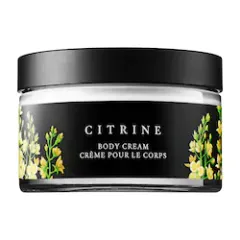
Works for:
based on ingredients and %- Moisturizing
- Anti-aging
- Anti-blemish
- Evens skin tone
Can it cause trouble?
- Irritation risk: high
- Comedogenic risk ingredients: 4
Key actives


Product Summary
"NEST New York - Citrine Body Cream" is a well-rounded moisturizing product. This moisturizer uses a good combo of humectants and emollients. These both types of ingredients are essentials for improving the skin hydration and keeping the skin barrier healthy. Panthenol, glycerin, sodium hyaluronate and caprylyl glycol in this product (humectants) attract water molecules to the upper layer of the skin (the water comes from the outside air or from the deeper layers of the skin if the air is dry). Emollients in this formulation (ethyl linoleate, isocetyl stearate, jojoba esters, vitis vinifera seed oil and butyrospermum parkii butter) help to reduce the moisture loss from the skin. They also soften the skin surface and relieve the feeling of dryness and tightness.
Ingredient callouts
- this moisturizer includes a form of retinoids (vitamin A) - retinyl palmitate 0.25% - 0.50%, but this type of vitamin A is not very effective. It could in theory help with fine lines and wrinkles, but the effect is most likely minimal.
Irritation risk
This moisturizer contains a bunch of common irritants, including ingredients that do not provide any known benefit for the skin. It might not be the best choice if your skin is sensitive. We assess the overall irritancy of this moisturizer to be high. For a detailed overview of all potential irritants: click here
You can see the detailed formula review with the breakdown of all actives in the product and the full ingredient list with estimated concentrations in the tables below.
Price
The product retails for 55.00$ in the United States.
For a detailed price comparison: click here.
Moisturizing
What does the product description say?
What it is: A fast-absorbing body cream that contains conditioning botanical extracts, vitamin E, and shea butter to moisturize the skin, leaving it feeling smooth and hydrated.
Source: Sephora
This product can help improve hydration of the skin with the two types of ingredients.
The first type is called “humectants”:
these ingredients help attract water.
When humectants are on the surface of the skin, they “pull in” the moisture from the outside environment, or from
within deeper layers of the skin. The following ingredients in this product do the job:
glycerin, sodium hyaluronate.
This product also contains ingredients called “occlusives”. They help reduce the speed with which our skin loses moisture to the outside environment. These ingredients also help soften the upper layer of the skin, so it feels less tight and nicer to the touch. The following ingredients in this product do the job: butyrospermum parkii butter, caprylic/capric triglyceride.
The following ingredients in this product are especially good for supporting the skin barrier and helping with the hydration level: panthenol
A great moisturising ingredient that softens the skin and reduces water loss from its upper layer. It also can be helpful in protecting skin from free radicals
A good mix of fatty acids that forms a protective layer on the skin. Improves the shelf life of products. Derived from coconut and glycerin
Helps attract water to the upper layer of the skin. Is sometimes referred to as "natural" hyaluronic acid (even though hyaluronic acid is not unnatural and is present in human skin)
A silicone that helps to reduce water loss from the surface of the skin. Can temporarily "fill in" lines and wrinkles, absorb oil, and create a nice product finish
Helps reduce acne and blemishes. Helps to soften the upper layer of the skin and reduce inflammation. Might be helpful in reducing hyperpigmentation and evening out the skin tone, but evidence of effectiveness in skin are lacking
One of the best moisturizing ingredients. Naturally present in skin. It attracts water to the upper layer of the skin working as a humectant
An emollient that helps soften the skin
An emollient made of jojoba oil. Helps soften the skin and support its barrier function
An emollient. Is not recommended for acne-prone skin as it can be comedogenic
Helps attract water to the upper layer of the skin and can help improve skin barrier function
One of the best moisturizing ingredients. Attracts water into the upper layer of the skin
A great emollient that can also have anti-oxidant properties
An emollient that helps soften the skin and is used to improve product texture and stability
A non-drying alcohol. Works as an emollient. Helps water and oil mix together and creates a nice product texture
A non-drying alcohol that works to soften the skin and stabilize product formulations helping oil and water mix together
Enhances the product texture and makes it more spreadable. Helps reduce water loss from the outer layer of skin. Extands the shelf life by preventing bacteria growth
An emollient that softens the skin and forms a protective layer on its surface. Helps water and oil mix together
Helps soften the upper layer of the skin, dissolve other ingredients and create a thicker product consistency
Helps preserve products and creates a nice product texture
Ethyl oleate is a long-chain fatty acid ethyl ester resulting from the formal condensation of the carboxy group of oleic acid with the hydroxy group of ethanol. It derives from an oleic acid. In skincare, it is used to soften the upper layer of the skin, improve the product texture and smell
Traditionally used to treat sunburns, dermatitis and inflammation, but evidence for its effectiveness is lacking. The extract can contain humectants that help attract water into the skin
An emollient that helps to soften the skin and create a pleasant product texture and stabilize the formulation
Used mostly for creating emulsions - helping oil and water mix together. Helps soften the upper layer of the skin
Pure form of vitamin E. Can help moisturise and protect the skin from free radicals. Often used to help stabilise other ingredients or the formula itself
Anti-aging
This product contains retinyl palmitate. This ingredient might be able to help reduce and prevent fine lines and wrinkles, improve skin elasticity and firmness, but there is not enough evidence that it actually works.
Three steps removed from the active form of vitamin A - retinoic acid. To have an effect in the skin, it first needs to be converted twice to become the retinoic acid. This means it is less potent than retinol, but could also be less irritating. Once converted to the retinoic acid in the skin, it helps against all signs of aging, improves skin cell turnover and helps fight blemishes and clogged pores. However, in many cosmetic formulations, it is used in a concentration that is too low to have the full effect
A great moisturising ingredient that softens the skin and reduces water loss from its upper layer. It also can be helpful in protecting skin from free radicals
Pure form of vitamin E. Can help moisturise and protect the skin from free radicals. Often used to help stabilise other ingredients or the formula itself
Anti-blemish
This product might be able to help reduce blemishes and clogged pores because it contains ethyl linoleate.
The following ingredient (ingredients) in this product might be helpful, but there is no evidence to confirm that it actually works: retinyl palmitate
Helps reduce acne and blemishes. Helps to soften the upper layer of the skin and reduce inflammation. Might be helpful in reducing hyperpigmentation and evening out the skin tone, but evidence of effectiveness in skin are lacking
Three steps removed from the active form of vitamin A - retinoic acid. To have an effect in the skin, it first needs to be converted twice to become the retinoic acid. This means it is less potent than retinol, but could also be less irritating. Once converted to the retinoic acid in the skin, it helps against all signs of aging, improves skin cell turnover and helps fight blemishes and clogged pores. However, in many cosmetic formulations, it is used in a concentration that is too low to have the full effect
Evens skin tone
The following ingredient (ingredients) in this product might be helpful, but there is no evidence to confirm that it actually works: ethyl linoleate, retinyl palmitate.
Three steps removed from the active form of vitamin A - retinoic acid. To have an effect in the skin, it first needs to be converted twice to become the retinoic acid. This means it is less potent than retinol, but could also be less irritating. Once converted to the retinoic acid in the skin, it helps against all signs of aging, improves skin cell turnover and helps fight blemishes and clogged pores. However, in many cosmetic formulations, it is used in a concentration that is too low to have the full effect
Helps reduce acne and blemishes. Helps to soften the upper layer of the skin and reduce inflammation. Might be helpful in reducing hyperpigmentation and evening out the skin tone, but evidence of effectiveness in skin are lacking
How honest is this product?
| Promise | Can it deliver? |
|---|---|
| Moisturizing |
Total Promises Fulfilled score: 100/100.
We receive a small commission for purchases made through these links at no cost for you. Thank you for your support! Learn more
Potential irritants
Comedogenic ingredients
User reviews (0)
Averages from community submissions.
No reviews yet for this product.
Be the first to share your experience!
Tried this product?
Help capture what the ingredient list can't—texture, finish, pilling, scent, and more. Answer what you can, skip the rest.
Takes ~30 seconds.
Reviews are shown in aggregate. No personal details.
| Product | Similarity | Price | Irritancy |
|---|---|---|---|
 NEST New York Citrine Body Cream | Current | - | |
 Laura Mercier Ambre Vanillé Soufflé Body Crème | 62% | ≈ $62.06 | |
Oribe Cote d'Azur Body Creme | 61% | $18.00 | |
Bepanthen Derma Body Nutritive Cream | 58% | ≈ $14.85 | |
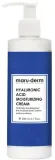 Maruderm Hyaluronic Acid Moisturizer Face & Body Cream | 57% | $21.99 | |
 Elizabeth Grant Intensive Hand & Foot Cream | 57% | ≈ $29.08 |
Key Actives
Pure form of vitamin E. Can help moisturise and protect the skin from free radicals. Often used to help stabilise other ingredients or the formula itself
Helps reduce acne and blemishes. Helps to soften the upper layer of the skin and reduce inflammation. Might be helpful in reducing hyperpigmentation and evening out the skin tone, but evidence of effectiveness in skin are lacking
Three steps removed from the active form of vitamin A - retinoic acid. To have an effect in the skin, it first needs to be converted twice to become the retinoic acid. This means it is less potent than retinol, but could also be less irritating. Once converted to the retinoic acid in the skin, it helps against all signs of aging, improves skin cell turnover and helps fight blemishes and clogged pores. However, in many cosmetic formulations, it is used in a concentration that is too low to have the full effect
A great moisturising ingredient that softens the skin and reduces water loss from its upper layer. It also can be helpful in protecting skin from free radicals
Helps attract water to the upper layer of the skin and can help improve skin barrier function
A great emollient that can also have anti-oxidant properties
A silicone that helps to reduce water loss from the surface of the skin. Can temporarily "fill in" lines and wrinkles, absorb oil, and create a nice product finish
A good mix of fatty acids that forms a protective layer on the skin. Improves the shelf life of products. Derived from coconut and glycerin
One of the best moisturizing ingredients. Naturally present in skin. It attracts water to the upper layer of the skin working as a humectant
An emollient that helps soften the skin
An emollient. Is not recommended for acne-prone skin as it can be comedogenic
An emollient made of jojoba oil. Helps soften the skin and support its barrier function
Helps attract water to the upper layer of the skin. Is sometimes referred to as "natural" hyaluronic acid (even though hyaluronic acid is not unnatural and is present in human skin)
One of the best moisturizing ingredients. Attracts water into the upper layer of the skin
Potential irritants
An aromatic blend of unspecified and possibly irritating ingredients
Three steps removed from the active form of vitamin A - retinoic acid. To have an effect in the skin, it first needs to be converted twice to become the retinoic acid. This means it is less potent than retinol, but could also be less irritating. Once converted to the retinoic acid in the skin, it helps against all signs of aging, improves skin cell turnover and helps fight blemishes and clogged pores. However, in many cosmetic formulations, it is used in a concentration that is too low to have the full effect
A preservative. Can be used to mask unpleasant smell. Can be irritating
A common frangrance that can easily irritate skin, especially if exposed to air, light or heat
A good mix of fatty acids that forms a protective layer on the skin. Improves the shelf life of products. Derived from coconut and glycerin
An emollient. Is not recommended for acne-prone skin as it can be comedogenic
Helps oil and water mix together. Has some emollient properties
A great emollient that can also have anti-oxidant properties
An emollient made of jojoba oil. Helps soften the skin and support its barrier function
Used to improve product texture and help oil and water mix together
Traditionally used to treat sunburns, dermatitis and inflammation, but evidence for its effectiveness is lacking. The extract can contain humectants that help attract water into the skin
Helps attract water to the upper layer of the skin. Is sometimes referred to as "natural" hyaluronic acid (even though hyaluronic acid is not unnatural and is present in human skin)
Helps reduce acne and blemishes. Helps to soften the upper layer of the skin and reduce inflammation. Might be helpful in reducing hyperpigmentation and evening out the skin tone, but evidence of effectiveness in skin are lacking
Ethyl oleate is a long-chain fatty acid ethyl ester resulting from the formal condensation of the carboxy group of oleic acid with the hydroxy group of ethanol. It derives from an oleic acid. In skincare, it is used to soften the upper layer of the skin, improve the product texture and smell
Helps preserve products and creates a nice product texture
Comedogenic ingredients
A great moisturising ingredient that softens the skin and reduces water loss from its upper layer. It also can be helpful in protecting skin from free radicals
A non-drying alcohol. Works as an emollient. Helps water and oil mix together and creates a nice product texture
An emollient. Is not recommended for acne-prone skin as it can be comedogenic
Helps oil and water mix together. Has some emollient properties
All ingredients
An aromatic blend of unspecified and possibly irritating ingredients
A good mix of fatty acids that forms a protective layer on the skin. Improves the shelf life of products. Derived from coconut and glycerin
A great moisturising ingredient that softens the skin and reduces water loss from its upper layer. It also can be helpful in protecting skin from free radicals
Enhances the product texture and makes it more spreadable. Helps reduce water loss from the outer layer of skin. Extands the shelf life by preventing bacteria growth
One of the best moisturizing ingredients. Naturally present in skin. It attracts water to the upper layer of the skin working as a humectant
An emollient that softens the skin and forms a protective layer on its surface. Helps water and oil mix together
Helps oil and water mix togehter and creates a nice product texture
A non-drying alcohol. Works as an emollient. Helps water and oil mix together and creates a nice product texture
An emollient. Is not recommended for acne-prone skin as it can be comedogenic
Acts as a solvent for other ingredients. Speeds up the absorption of other ingredients into the skin
Helps oil and water mix together. Has some emollient properties
A great emollient that can also have anti-oxidant properties
A silicone that helps to reduce water loss from the surface of the skin. Can temporarily "fill in" lines and wrinkles, absorb oil, and create a nice product finish
An emollient that helps soften the skin and is used to improve product texture and stability
An emollient made of jojoba oil. Helps soften the skin and support its barrier function
A non-drying alcohol that works to soften the skin and stabilize product formulations helping oil and water mix together
Helps attract water to the upper layer of the skin and can help improve skin barrier function
Used to improve product texture and help oil and water mix together
Traditionally used to treat sunburns, dermatitis and inflammation, but evidence for its effectiveness is lacking. The extract can contain humectants that help attract water into the skin
Helps soften the upper layer of the skin, dissolve other ingredients and create a thicker product consistency
Pure form of vitamin E. Can help moisturise and protect the skin from free radicals. Often used to help stabilise other ingredients or the formula itself
An emollient that helps to soften the skin and create a pleasant product texture and stabilize the formulation
Used mostly for creating emulsions - helping oil and water mix together. Helps soften the upper layer of the skin
Helps attract water to the upper layer of the skin. Is sometimes referred to as "natural" hyaluronic acid (even though hyaluronic acid is not unnatural and is present in human skin)
One of the best moisturizing ingredients. Attracts water into the upper layer of the skin
Helps reduce acne and blemishes. Helps to soften the upper layer of the skin and reduce inflammation. Might be helpful in reducing hyperpigmentation and evening out the skin tone, but evidence of effectiveness in skin are lacking
Three steps removed from the active form of vitamin A - retinoic acid. To have an effect in the skin, it first needs to be converted twice to become the retinoic acid. This means it is less potent than retinol, but could also be less irritating. Once converted to the retinoic acid in the skin, it helps against all signs of aging, improves skin cell turnover and helps fight blemishes and clogged pores. However, in many cosmetic formulations, it is used in a concentration that is too low to have the full effect
Ethyl oleate is a long-chain fatty acid ethyl ester resulting from the formal condensation of the carboxy group of oleic acid with the hydroxy group of ethanol. It derives from an oleic acid. In skincare, it is used to soften the upper layer of the skin, improve the product texture and smell
A preservative. It helps prevent bacterial growth in cosmetic products
Helps preserve products and creates a nice product texture
A preservative. Can be used to mask unpleasant smell. Can be irritating
A common frangrance that can easily irritate skin, especially if exposed to air, light or heat
Ingredient list view
Water, Parfum, Caprylic/capric triglyceride, Butyrospermum parkii butter, C12-15 alkyl benzoate, Glycerin, Glyceryl stearate, Isocetyl stearate, Peg-100 stearate, Cetearyl alcohol, Myristyl myristate, Propanediol, Ceteareth-20, Vitis vinifera seed oil, Dimethicone, Cetyl palmitate, Jojoba esters, Cetyl alcohol, Stearyl alcohol, Panthenol, Polysorbate 60, Polyacrylamide, Aloe barbadensis leaf juice powder, Prunus insititia seed oil, Sorbitan stearate, Prunus amygdalus dulcis protein, Styrax benzoin resin extract, C13-14 isoparaffin, Xanthan gum, Tocopherol, Laureth-7, Octyldodecanol, Lecithin, Arachidyl propionate, Cassia angustifolia seed polysaccharide, Disodium edta, Aminomethyl propanol, Sodium hyaluronate, Bht, Ethyl linoleate, Ethyl linolenate, Retinyl palmitate, Ethyl oleate, Phenoxyethanol, Caprylyl glycol, Benzyl alcohol, Chlorphenesin, Sorbic acid, Benzyl salicylate, Limonene, Linalool, Hexyl cinnamal, Hydroxycitronellal, Geraniol, Citronellol, Citral
- Glycerol and the skin: holistic approach to its origin and functions
- Dimethicone as a protective ingredient in topical medications
- Final Report on the Safety Assessment of Dimethicone Copolyol
- Skin moisturizing effects of panthenol-based formulations
- Safety Assessment of Panthenol, Pantothenic Acid, and Derivatives as Used in Cosmetics
- Safety Assessment of Isoparaffins as Used in Cosmetics
- Vitamin E in dermatology
- Vitamin E and Skin Health
- Safety Assessment of Polysaccharide Gums as Used in Cosmetics
- Anaphylaxis Due to Senna (Cassia angustifolia)
- Contact Burn with Blister Formation in Children Treated with Sennosides
- Hyaluronic acid: A key molecule in skin aging
- Hyaluronan (Hyaluronic Acid): a natural moisturizer for skin care
- Ethyl linoleate inhibits α-MSH-induced melanogenesis through Akt/GSK3β/β-catenin signal pathway
- Double-blind, randomized, placebo-controlled study of a lotion containing triethyl citrate and ethyl linoleate in the treatment of acne vulgaris
- Annex I: Clinical evidence regarding sensitisation to individual fragrance chemicals and to natural extracts